
Its 2026 Holiday Threat Trends report points to card testing, account takeover and checkout theft, with new attention on shopping agents.
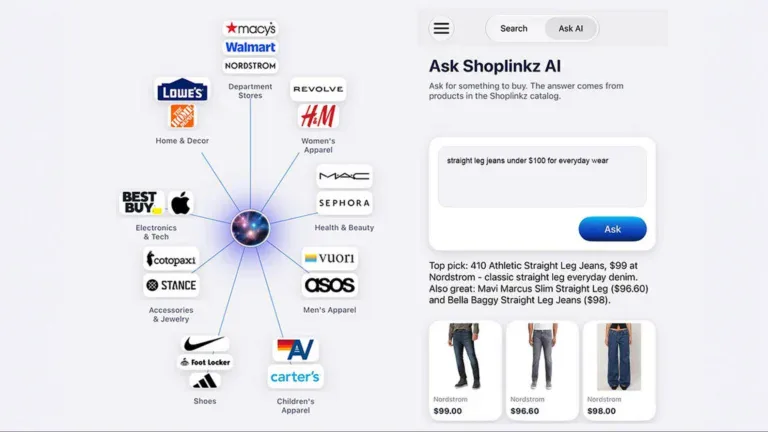
AI-assisted shopping is adding another layer to the holiday checkout process, and RH-ISAC is urging retailers to examine how that traffic reaches their stores. Its 2026 Holiday Threat Trends report focuses on the possibility that familiar fraud tactics will arrive through increasingly automated shopping journeys.
Released on 24 November, the report assesses with moderate confidence that the main agentic-commerce risks this season will involve existing threats, including card testing, account takeover and theft of payment details at checkout. That is a forecast from the Retail & Hospitality Information Sharing and Analysis Center, rather than a claim that every AI shopping visit presents a threat.
New shopping routes, established fraud patterns
The release cites Adobe forecasts that AI-referred visits to US retail websites will rise 130% year on year during the holiday season. It also cites projected US online spending of $275.1 billion between 1 November and 31 December, including $47.5 billion during Cyber Week.
AI referrals and shopping agents are different parts of that picture: a visit arriving from an AI service does not necessarily mean an agent is making a purchase. For retailers, the report’s practical concern is how to identify and govern automated activity as these shopping routes develop.
Controls around accounts, payments and approval
RH-ISAC recommends classifying agent traffic, giving it separate logging and rate limits, and moving beyond monitoring into enforced policies. It also calls for tighter limits on repeated card additions and payment attempts to address card testing and account takeover.
For purchase-approval screens, the report recommends showing complete line items so users can see what they are authorising. Organisations running or sponsoring their own agents are advised to treat retrieved web content as untrusted input and require human approval before purchases.
The remaining steps include reviewing checkout pages for injected third-party scripts and sharing observations of agent-driven fraud with RH-ISAC.
The report’s emphasis is on adapting established security controls to a changing shopping journey. As more services help shoppers find products and navigate stores, retailers need visibility into those interactions alongside the account and payment activity they already monitor.