Yonder Travel Insurance reports stronger sales and CFAR interest, signalling how travellers are using broader protection as conflict and airline instability complicate bookings.
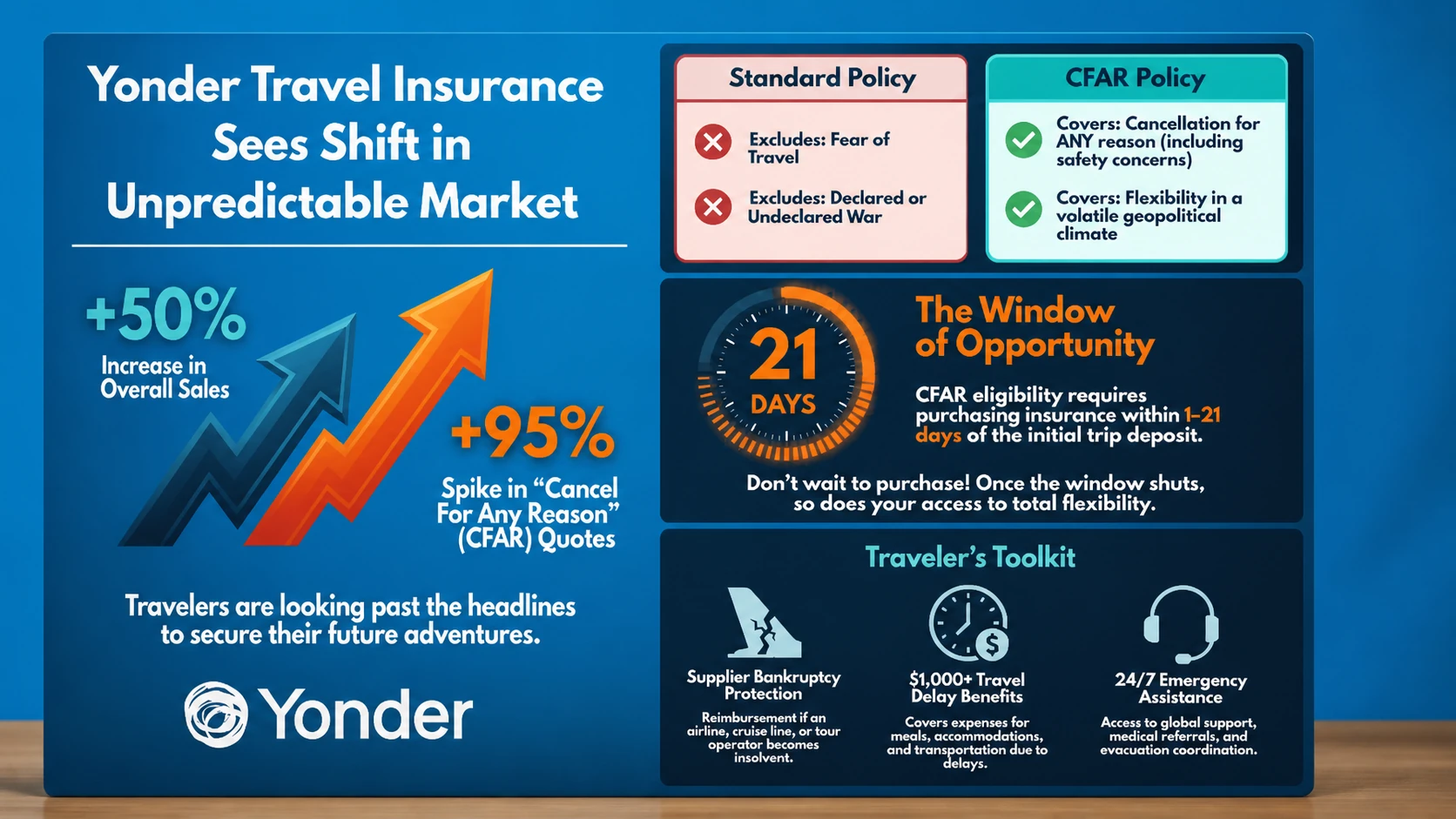
Yonder Travel Insurance reports a 50% increase in sales and a 95% rise in quotes for Cancel for Any Reason, or CFAR, coverage amid continuing geopolitical volatility. The company said the figures show travellers are still securing trips despite uncertainty about proximity to conflict, rising travel costs and airline stability. The announcement, issued on April 14, 2026, positions travel insurance as a broader planning tool rather than protection limited to straightforward cancellations.
The shift is particularly visible in interest in CFAR, a benefit that Yonder says allows a traveller to cancel simply because they no longer feel safe. The company said standard travel insurance generally excludes fear of travel and war, leaving travellers exposed when concerns do not meet the conditions of a covered event. CFAR therefore addresses a specific gap between a traveller’s personal assessment of risk and the formal terms of conventional policies, according to the release.
Timing is central to that option. Terry Boynton, Yonder’s president, said the most important planning period begins within the first 21 days after a traveller makes an initial booking or deposit, because waiting until later can remove the ability to add CFAR coverage. Yonder also said the current war is generally treated as a known event and excluded from coverage, while the secondary risks created by disruption can remain relevant to travellers planning future departures.
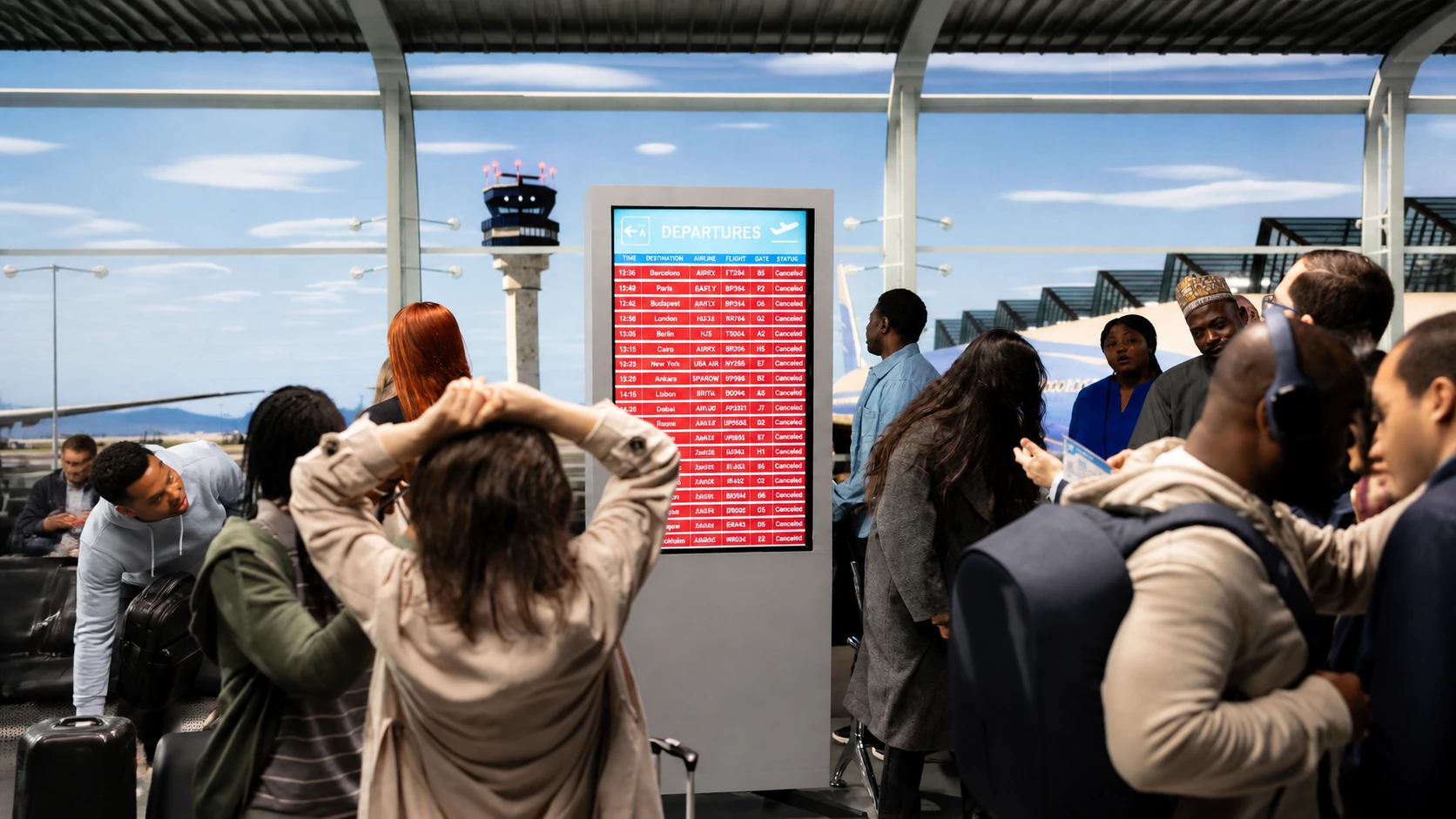
Those secondary risks include financial problems among travel suppliers. The release linked the conflict with airline financial instability and bankruptcies, and identified Travel Supplier Bankruptcy coverage as a priority for some bookers. Yonder also pointed to a wider interest in policies that provide support during a trip, including travel-delay benefits and 24/7 emergency assistance for security or medical situations. Boynton recommended prioritising plans with at least $1,000 in travel-delay benefits, presenting that figure as his advice rather than a universal policy standard.
The reported sales and quote increases suggest that uncertainty is influencing not only whether people insure a trip, but also which risks they want a policy to address. For Yonder, the announcement brings together pre-departure flexibility, supplier-failure protection and assistance during travel in a single account of changing insurance priorities. It does not establish how broadly the figures apply across the market, but it shows the company responding to a travel environment in which geopolitical headlines can affect confidence, costs and the practical reliability of an itinerary.