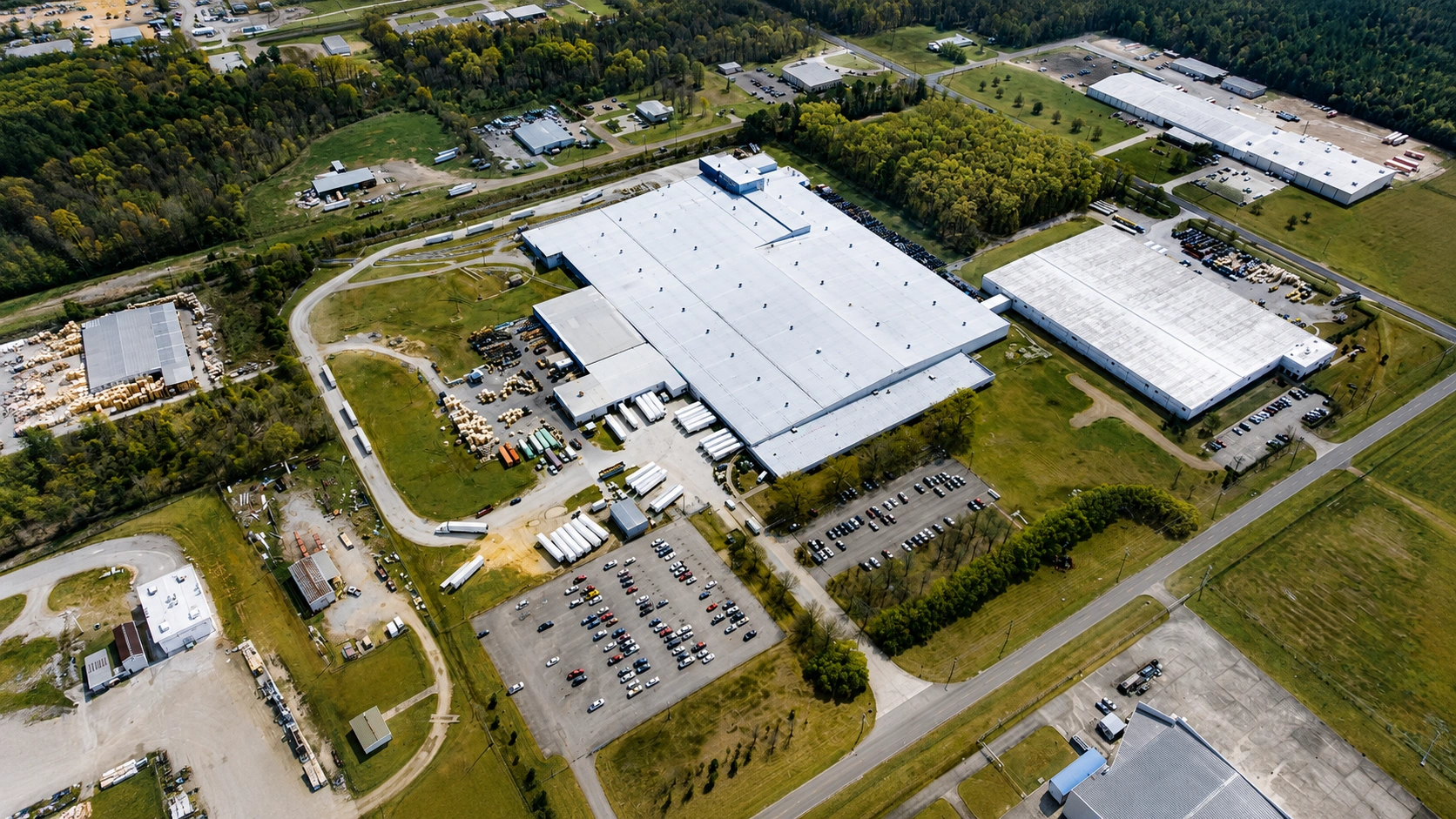
The Springfield facility is planned to produce up to 800 EL9 aircraft annually, testing whether hybrid-electric aviation can move from prototypes into a viable new form of regional travel.
Electra plans to invest $850 million in its first production facility for the EL9 Ultra Short, bringing the hybrid-electric aircraft closer to commercial-scale manufacturing. Located on 96 acres at AirPark Ohio in Springfield, the project is expected to create 1,975 jobs and initially support production of as many as 400 aircraft annually, with a second phase potentially doubling capacity to 800.
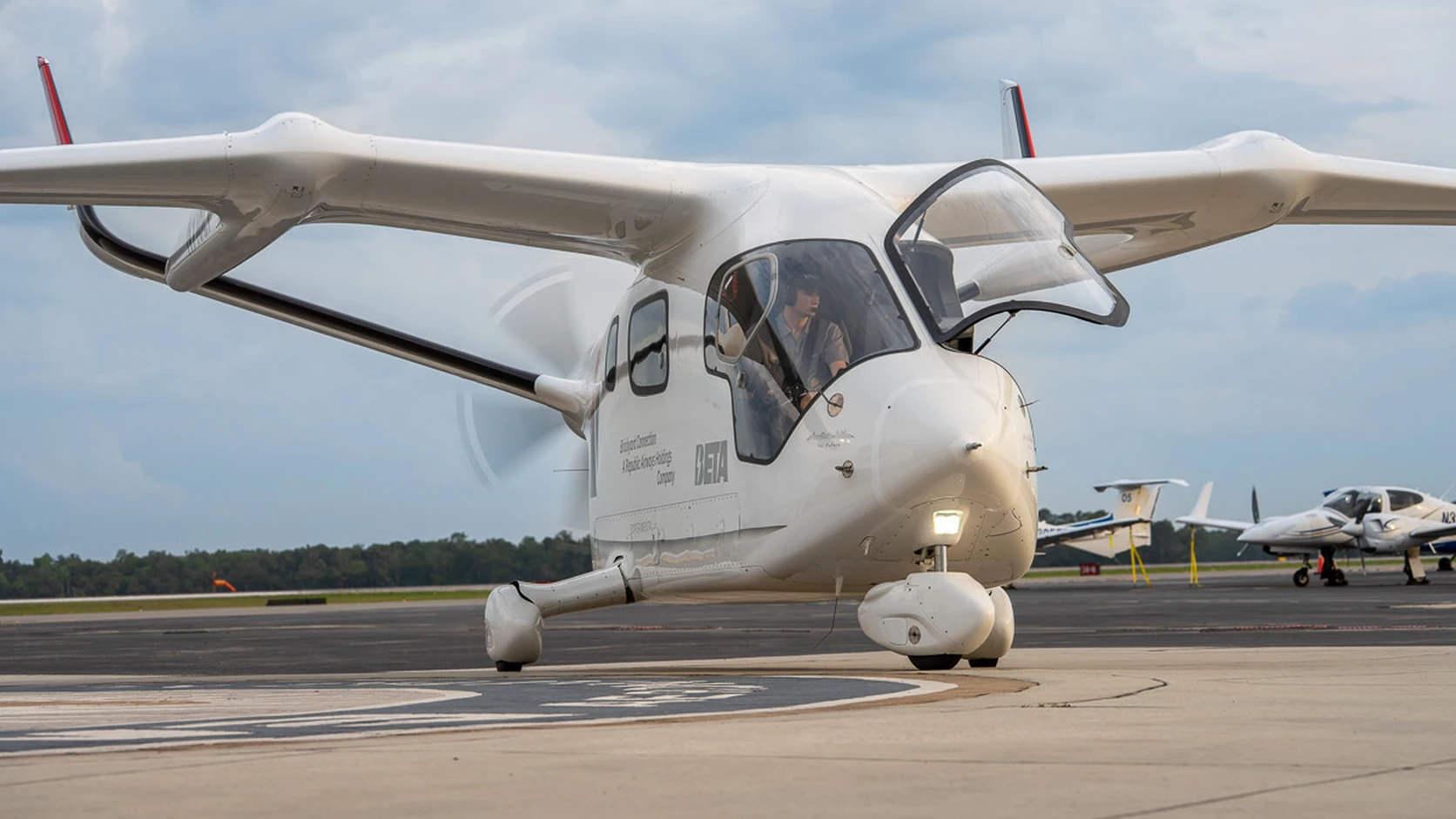
The factory represents an important transition for a company attempting to establish what it calls “Direct Aviation,” a model built around shorter, point-to-point flights rather than conventional airport infrastructure. The nine-passenger EL9 uses hybrid-electric propulsion and blown-lift technology and is designed to take off and land in as little as 150 feet, potentially allowing operations from smaller and less conventional access points.
Springfield also gives Electra proximity to an established aerospace testing and research network. Springfield-Beckley Municipal Airport hosts the National Advanced Air Mobility Center of Excellence and an FAA-approved detect-and-avoid system for beyond-visual-line-of-sight testing, while nearby Wright-Patterson Air Force Base and the Air Force Research Laboratory add significant aerospace expertise. Electra selected the region after evaluating more than 140 locations nationwide.
The investment comes before the EL9 has completed certification, underscoring both the ambition and execution risk involved in scaling a new aircraft category. Electra has submitted the aircraft for FAA Part 23 type certification and expects its first flight in late 2027 or early 2028; the FAA has already established the aircraft’s certification basis by closing its G-1 Issue Paper.
The larger question is whether aircraft such as the EL9 can create meaningful demand between conventional commercial aviation and ground transportation. Electra’s own market analysis identifies trips of 50 to 250 flying miles as a largely underserved segment and estimates that serving it could require 12,000 to 16,000 aircraft between 2030 and 2040. For now, the Springfield project turns that thesis into a manufacturing commitment, with certification, customer adoption and operating economics still central to whether the model can achieve the scale envisioned.