The Moses Lake facility begins commercial-scale production of power-to-liquid fuel, linking renewable electricity and captured carbon with a broader industrial shift away from fossil feedstocks.
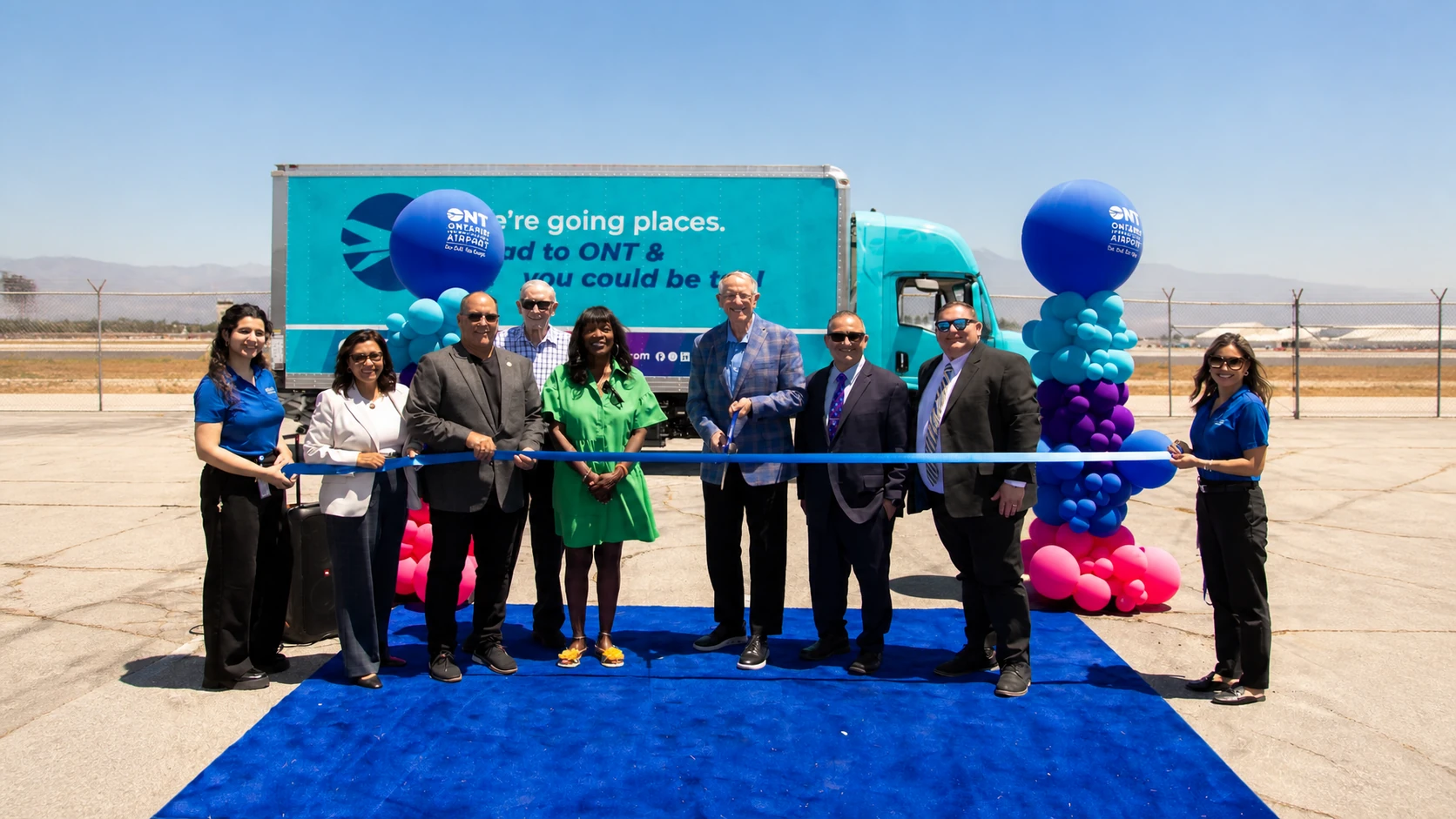
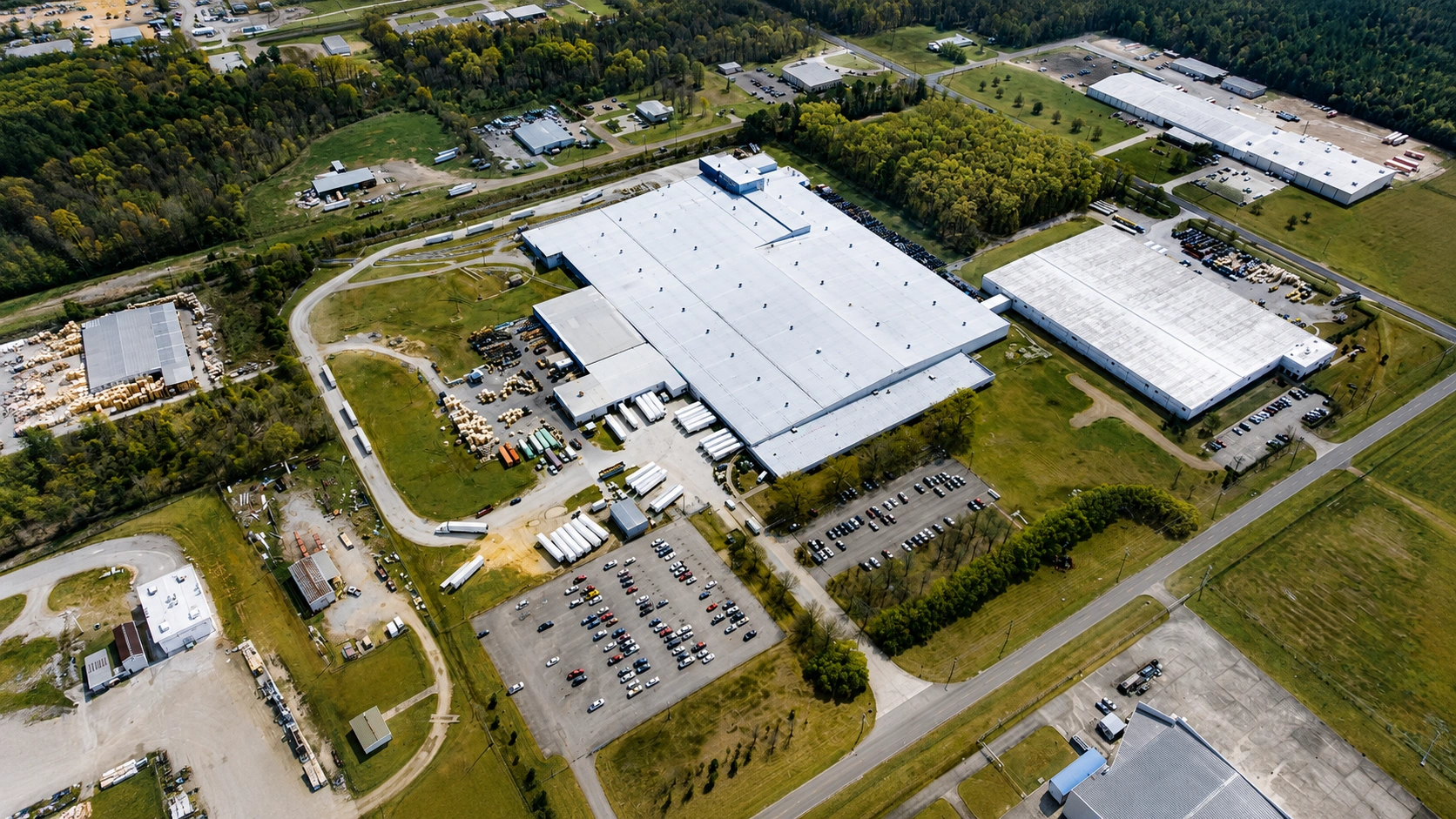
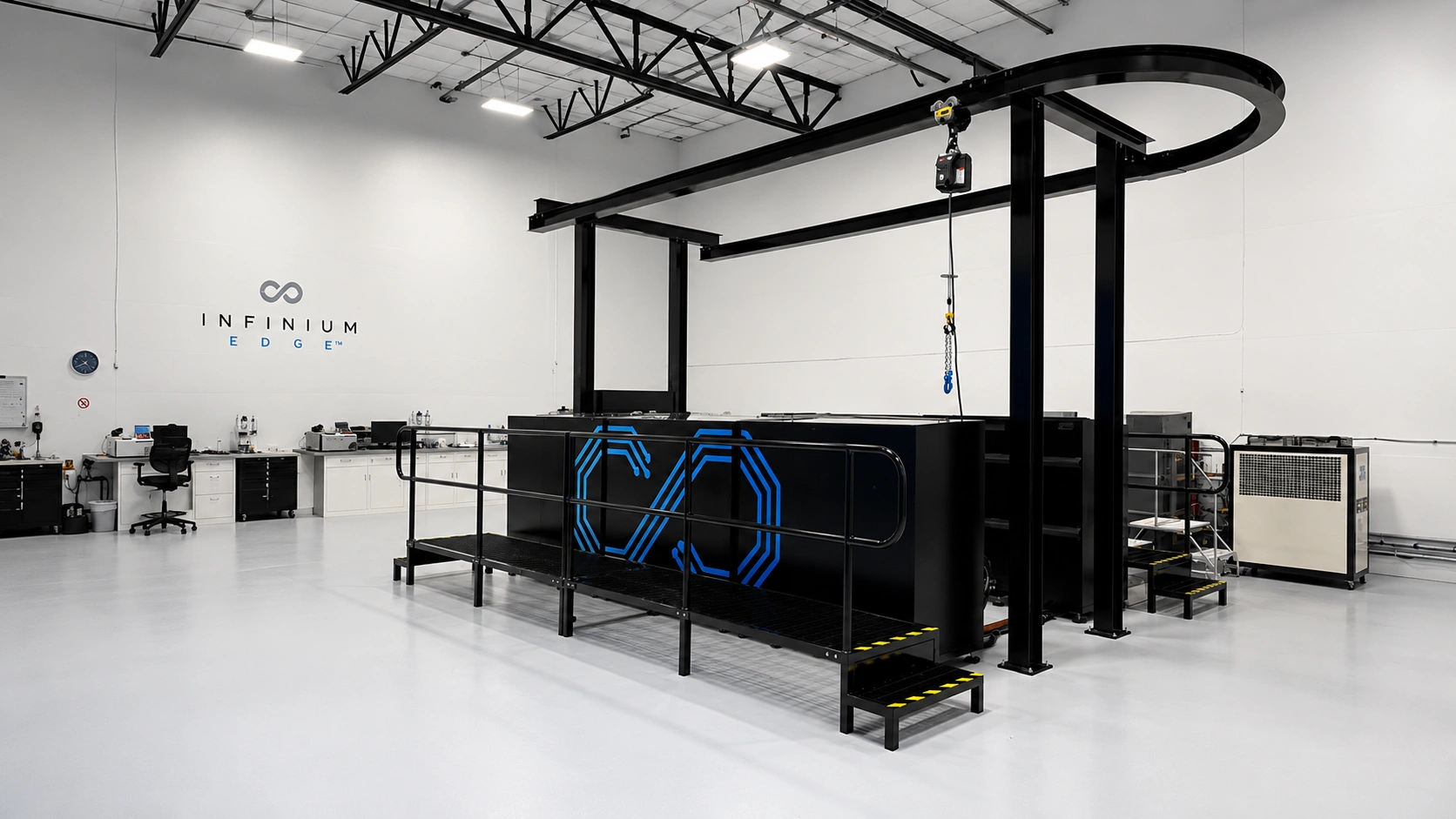
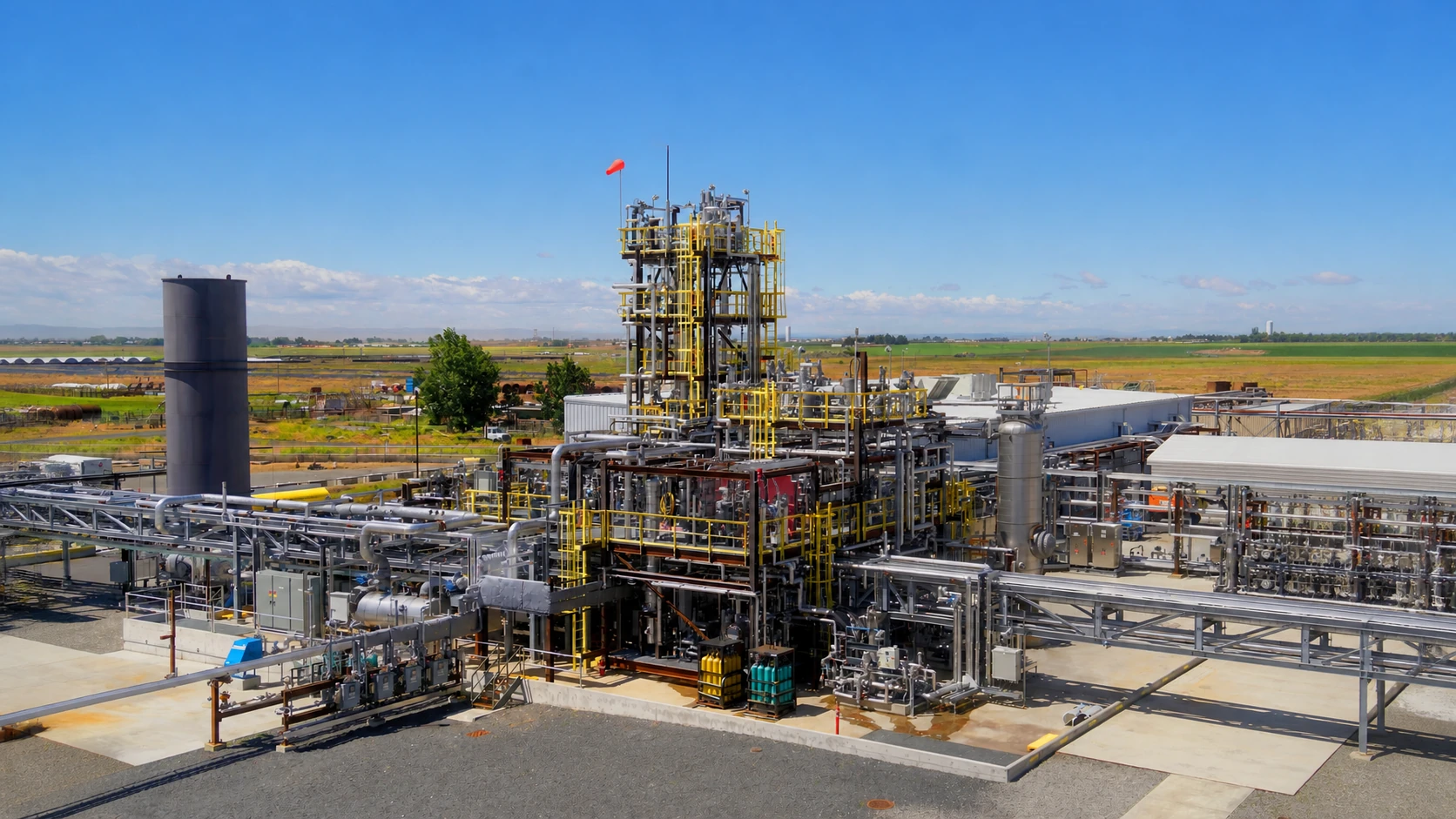
Twelve opened AirPlant One in Moses Lake, Washington, on June 10, 2026, beginning commercial-scale production of E-Jet fuel and E-Naphtha. The facility is described by Twelve as the first commercial-scale plant in the United States to produce E-Jet, a drop-in sustainable aviation fuel made from carbon dioxide and renewable electricity. Alaska Airlines and Microsoft joined the company for the ribbon cutting, which marked the start of operations and set the stage for commercial flights using fuel produced from air-based inputs.
The announcement places Twelve in the power-to-liquid segment of sustainable aviation fuel, a category distinct from bio-based pathways. According to the company, its process captures carbon dioxide from the air, combines it with water and renewable electricity, and uses an electrolyser to convert those inputs into hydrocarbon fuel molecules. Twelve says the resulting fuel is chemically identical to conventional jet fuel and can be used without modifications to aircraft, engines or existing airport infrastructure.
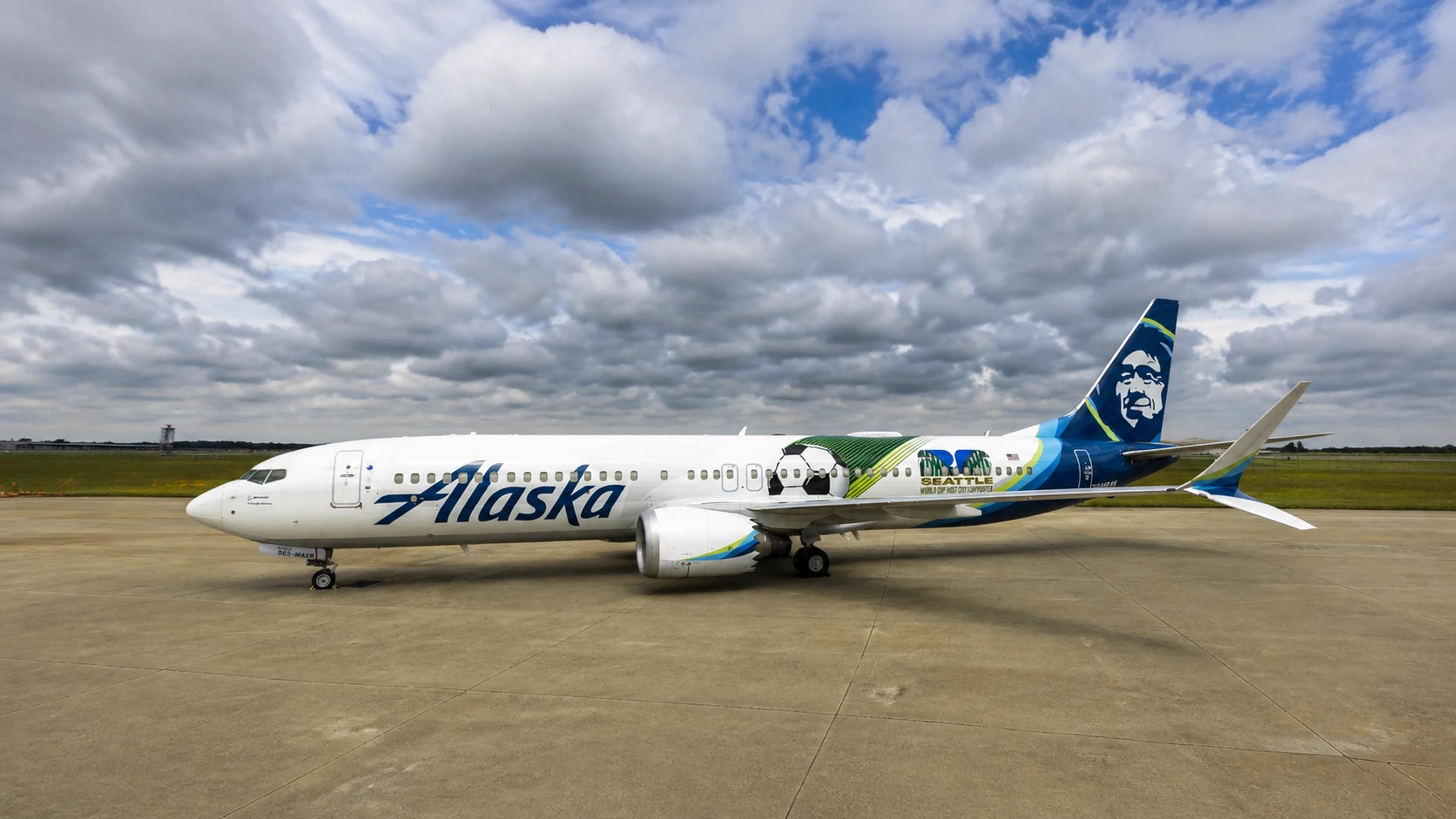
AirPlant One is producing jet fuel that Twelve says meets ASTM International certification standards for commercial aircraft, with the fuel being delivered and sold for commercial aviation use as planned. Alaska Airlines is expected to operate regular domestic flights using E-Jet SAF manufactured at the facility, while Microsoft has supported the project through an investment from its Climate Innovation Fund and a sustainable aviation fuel offtake agreement. The release says the partners first committed in 2022 to purchase output from the facility, helping support its financing and construction.
The plant also produces E-Naphtha, which Twelve describes as a drop-in substitute for traditional naphtha and a building block for products including plastics, packaging, solvents and synthetic fibres. The company has cited proof-of-concept projects involving Mercedes-Benz, PANGAIA and Procter & Gamble, while a Twelve survey of more than 1,000 US consumers found that 74% would choose a carbon-dioxide-based product over an oil-derived alternative if quality were equal. Those details connect the facility’s aviation output with a wider effort to replace fossil-based chemical inputs.
For airlines, Twelve says the power-to-liquid model could offer a fuel supply based on renewable electricity and captured carbon rather than crude-oil markets, with long-term power contracts providing a basis for price predictability. The company also argues that production from onshore inputs could support domestic supply resilience, although the release does not establish how quickly the model will expand beyond Moses Lake. AirPlant One therefore represents a concrete operating site for Twelve’s technology, while its longer-term significance will depend on production, delivery and airline use developing as described.