Kanazawa Biyori is highlighting Fukui’s 2026 sauropod exhibition, where rare fossils and a 19-metre cast bring scientific discovery into an accessible visitor experience.
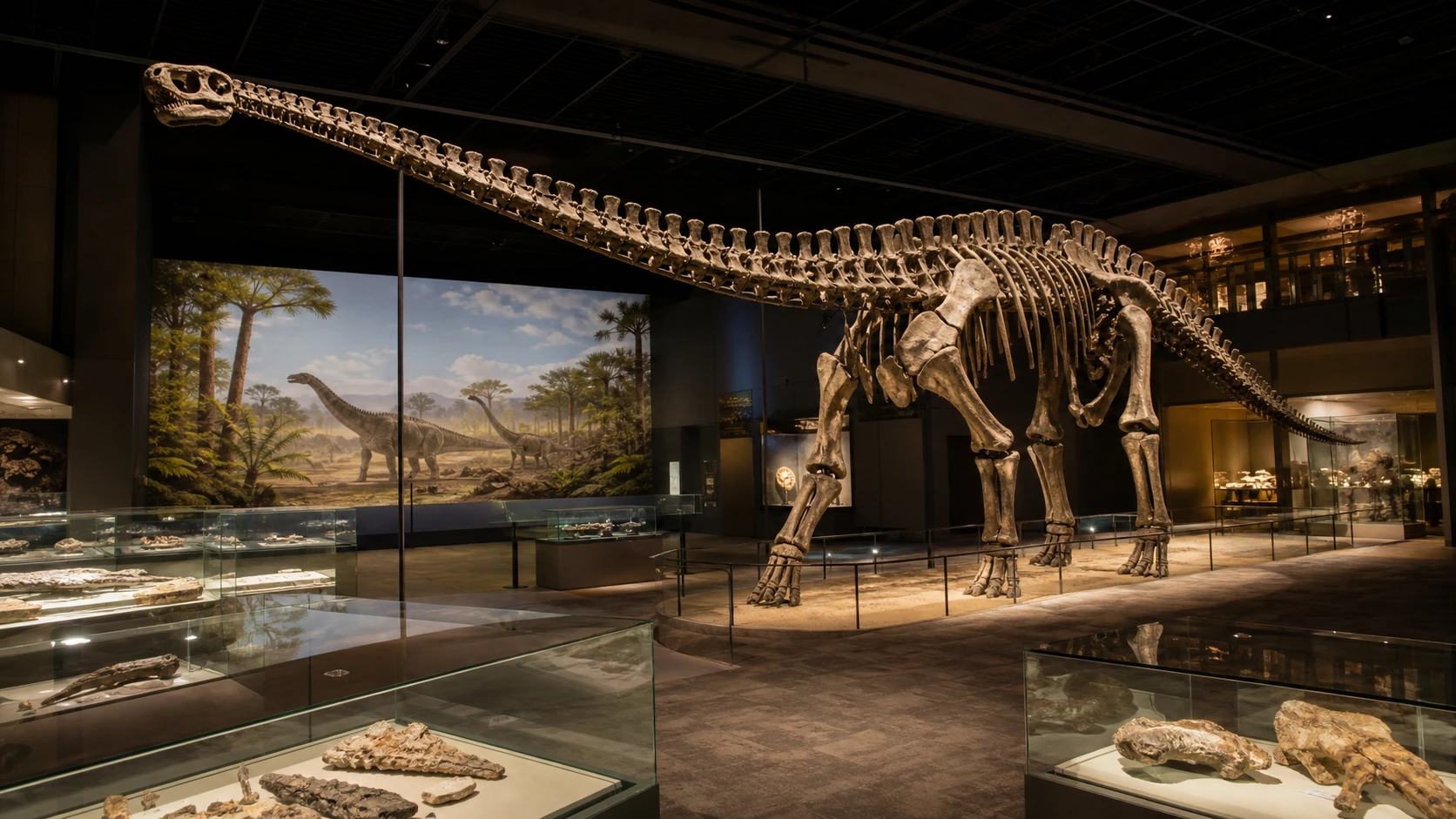
Kanazawa Biyori, also identified as Kanazawa Biyori Co., Ltd., is spotlighting the Fukui Prefectural Dinosaur Museum’s 2026 special exhibition on sauropods, the long-necked plant-eaters known for their exceptional size. Running from July 10 to November 3, 2026, the exhibition examines how these animals grew so large and places a 19-metre cast of the Chinese sauropod Xinjiangtitan at its centre. The announcement positions the show as both a scientific presentation and a regional cultural destination.
The exhibition is built around the question of how any land animal could reach such dimensions. Xinjiangtitan is displayed in situ, preserving the arrangement in which its bones were excavated rather than reconstructing the skeleton from scattered remains. The museum is also presenting fossils and related material from Japan, China and Spain, including specimens being shown in Japan for the first time, according to the release.
Another prominent exhibit is Iniestapodus, a footprint fossil shown as a cast that organisers say is being displayed publicly for the first time anywhere in the world. The exhibition also brings together sauropod fossils from every locality in Japan where such remains have been discovered, including Tambatitanis. Guided tours led by museum researchers and lectures by visiting specialists are scheduled as part of the programme.
The announcement illustrates how a museum exhibition can connect specialist research with a broader visitor proposition without separating the two. Alongside fossils and skeletons, the show uses video installations, dioramas and skeletal models to communicate scale to visitors without a background in palaeontology. The release also identifies the exhibition as a potential subject for school research projects, extending its relevance beyond dedicated dinosaur enthusiasts.
For visitors, the practical details reinforce the exhibition’s role as a planned destination rather than a standard permanent display. Opening hours are listed as 9:00 to 17:00, with last entry at 16:30, while timed-entry tickets are generally required and advance purchase is recommended. By directing attention to a temporary event that combines rare specimens, Japanese fossil discoveries and public programming, Kanazawa Biyori is using the exhibition to present Hokuriku through its scientific and cultural assets as well as its more familiar tourism offer.