A new anniversary exhibition reflects on ten years of artistic collaboration, education, and creative exchange while highlighting photography’s enduring role in shaping Boston’s cultural landscape.
Leica Store and Gallery Boston is marking its tenth anniversary with Community Garden, an exhibition that looks beyond the milestone itself to recognize the artists, educators, and creative partnerships that have shaped the gallery since it opened in 2016. Rather than focusing solely on Leica’s products or history, the exhibition emphasizes the relationships that have helped establish the space as a gathering point for photographers throughout New England and a venue where artistic practice continues to evolve through shared experiences.
Over the past decade, the gallery has hosted exhibitions, workshops, artist talks, portfolio reviews, and educational programs that have contributed to Boston’s photographic community. Collaborations with organizations such as the Photographic Resource Center, Social Documentary Network, Digital Silver Imaging, and the Griffin Museum of Photography have reinforced its role as more than a retail destination, positioning it as a place where photographers can learn, exchange ideas, and engage with the broader visual arts community.
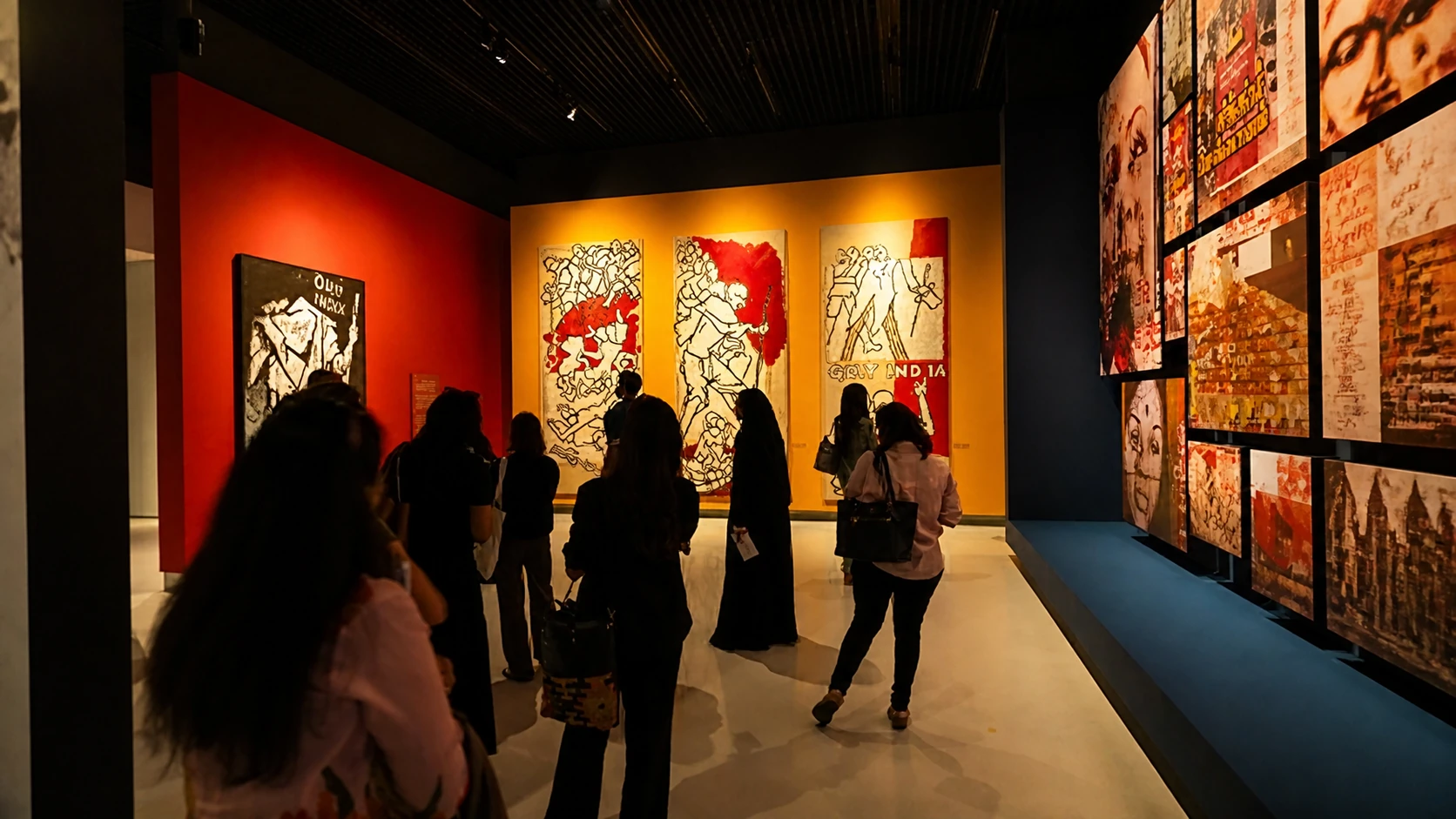
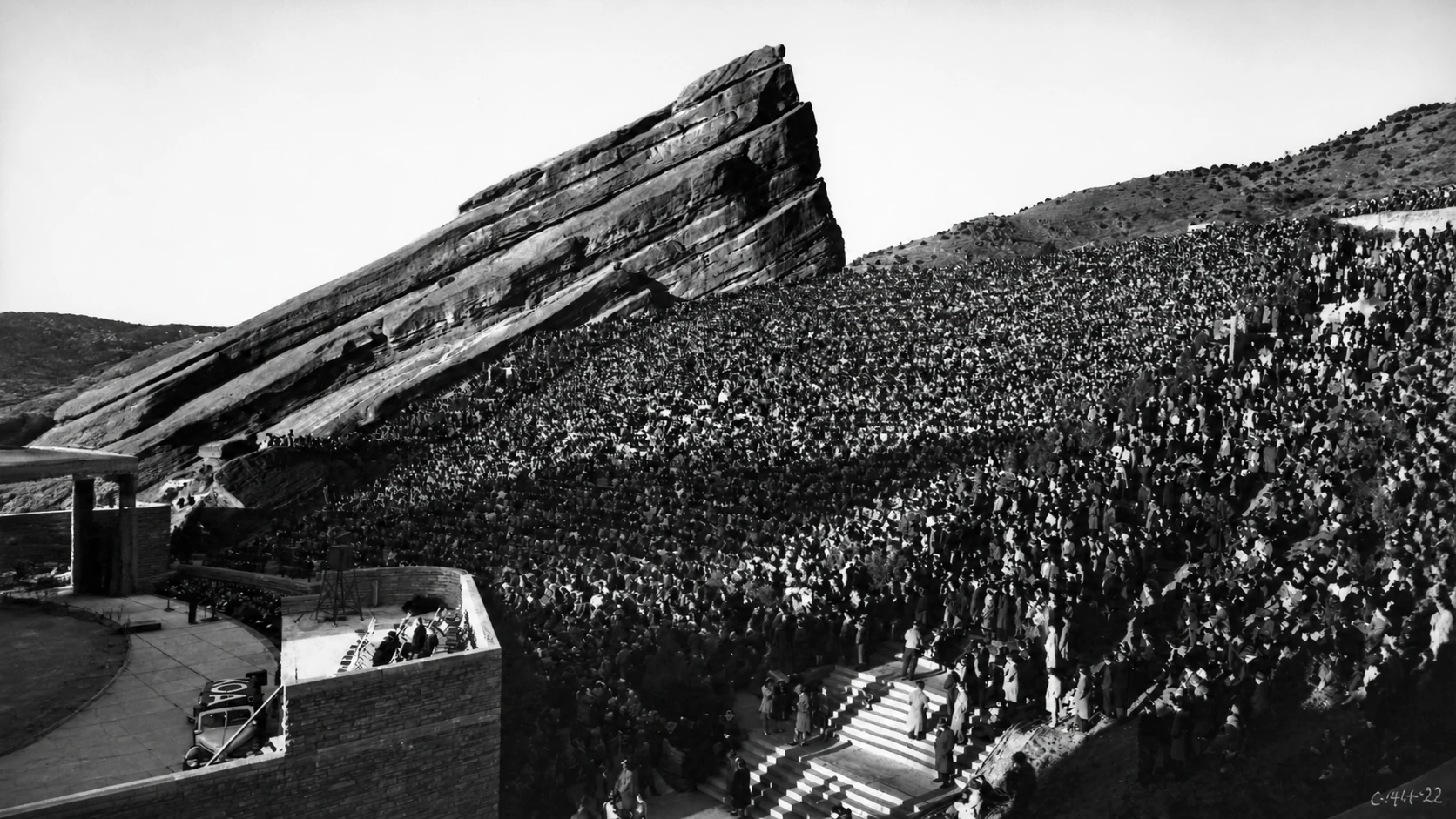
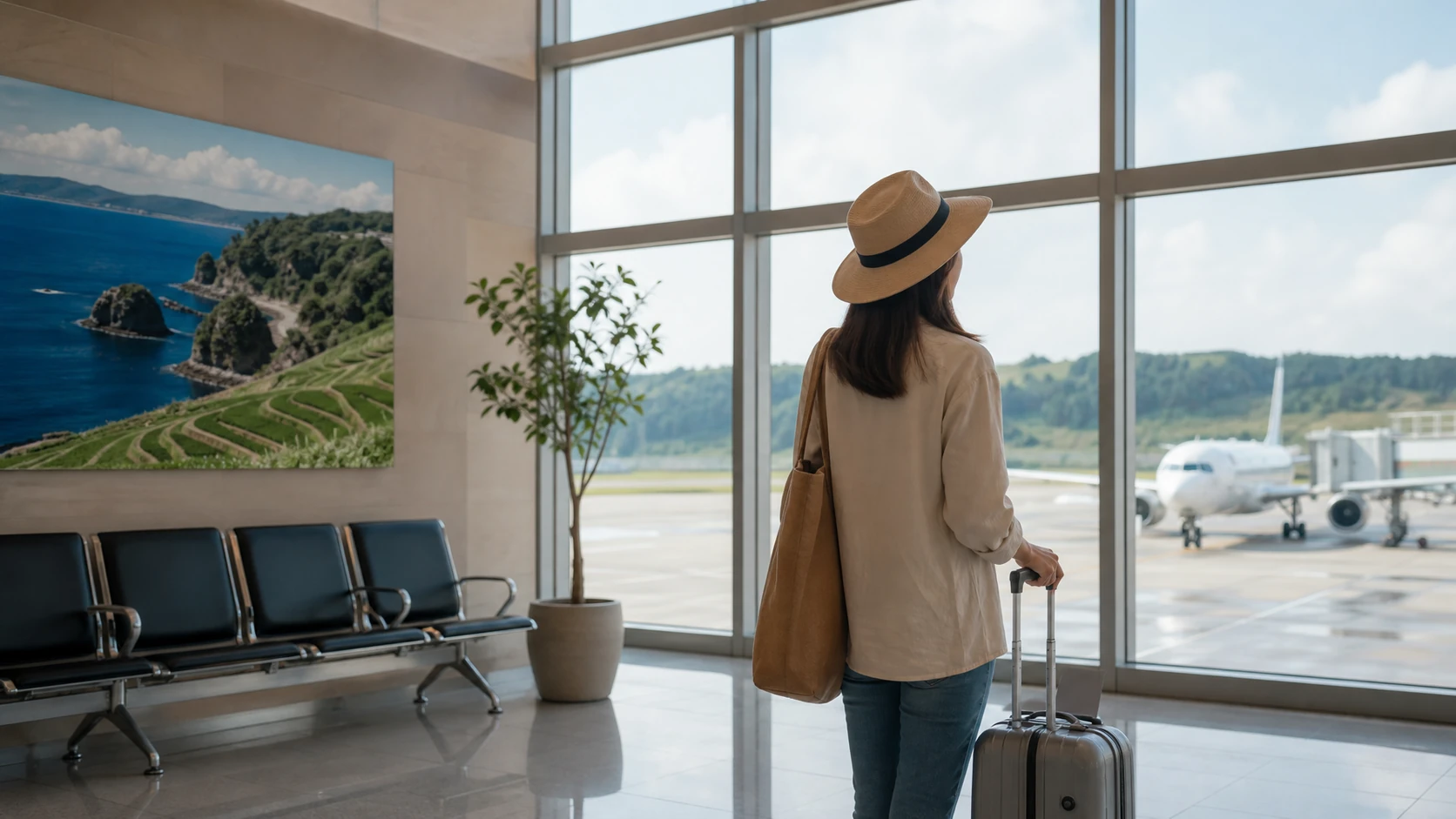
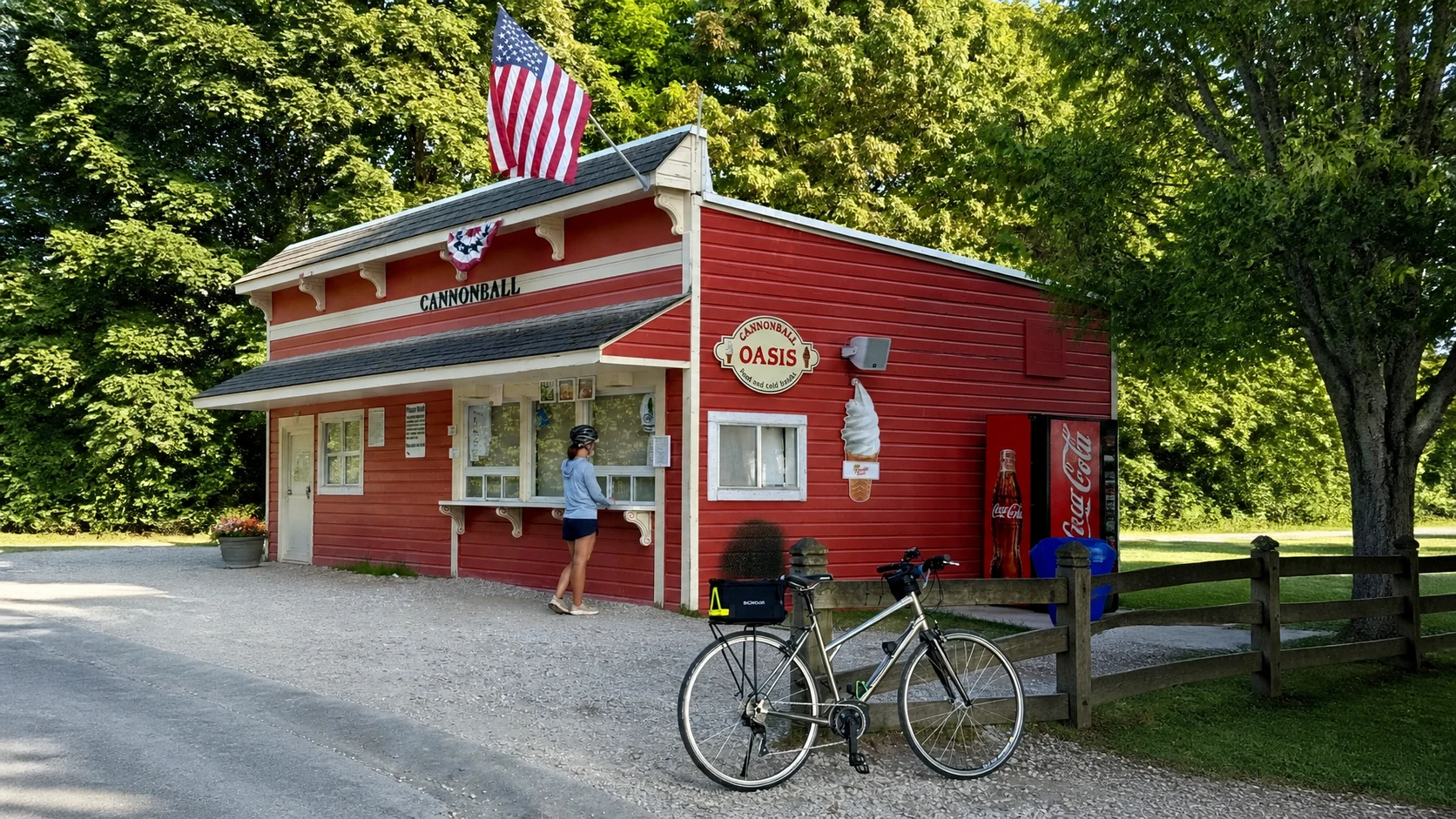
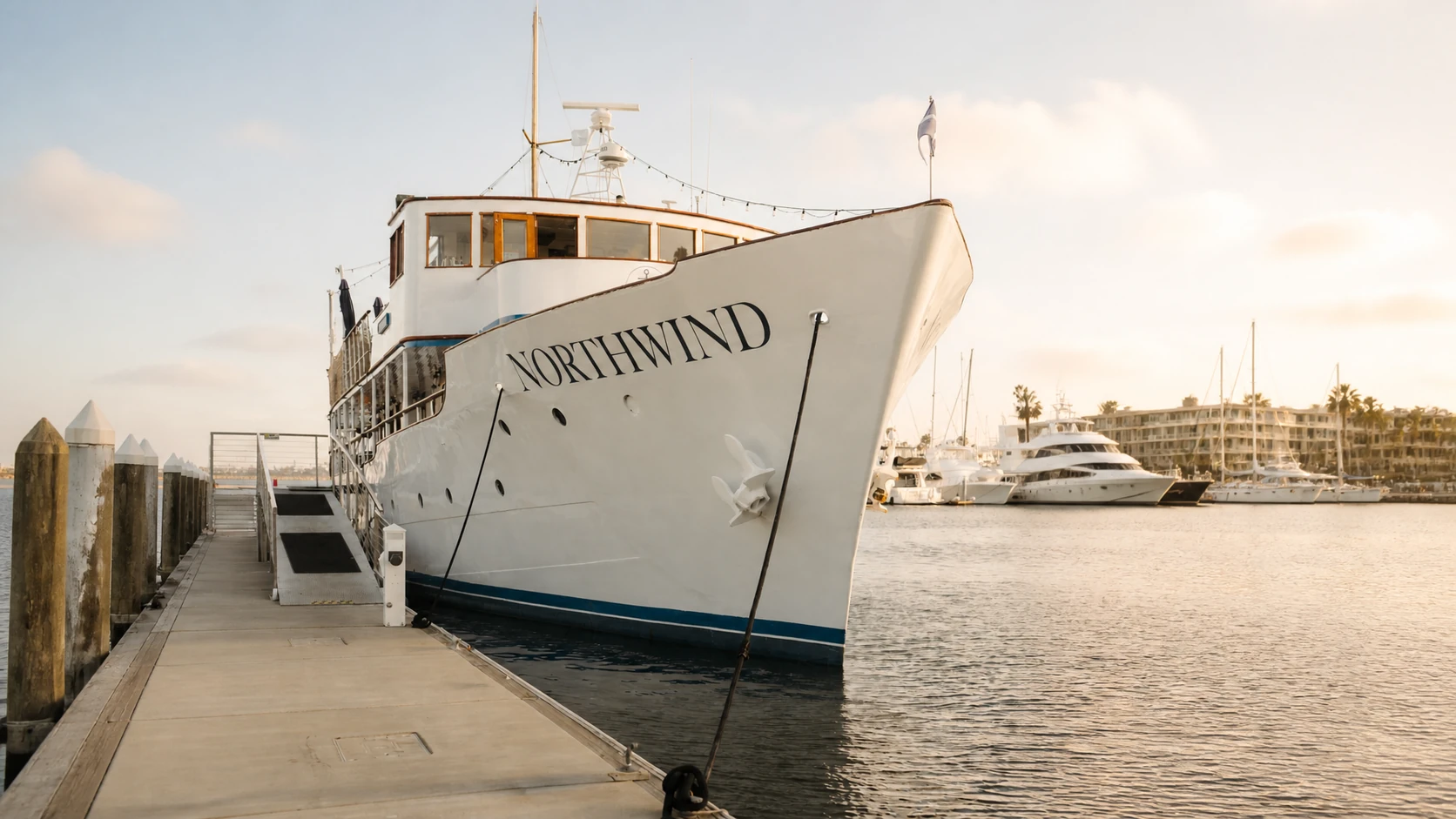
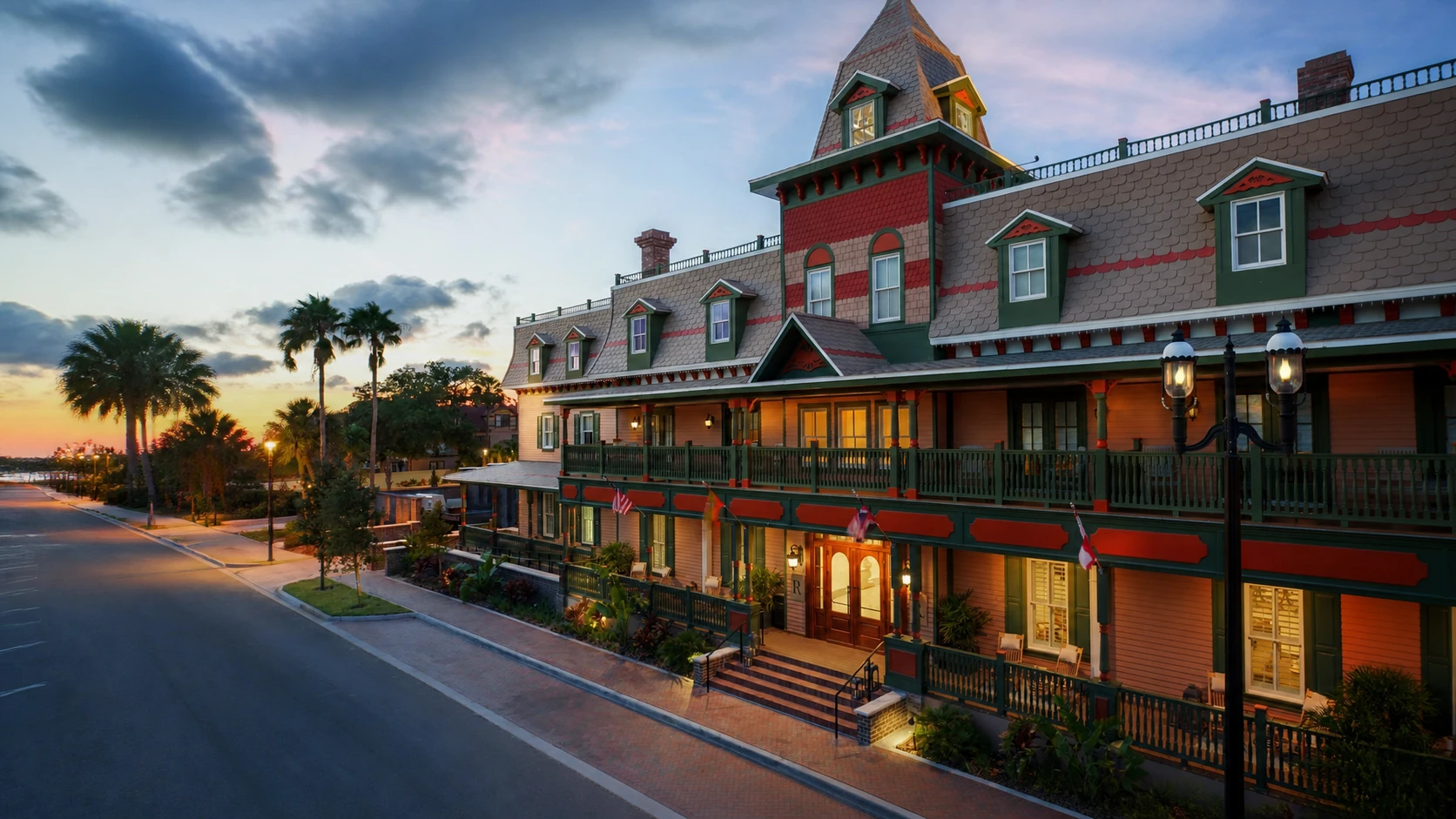
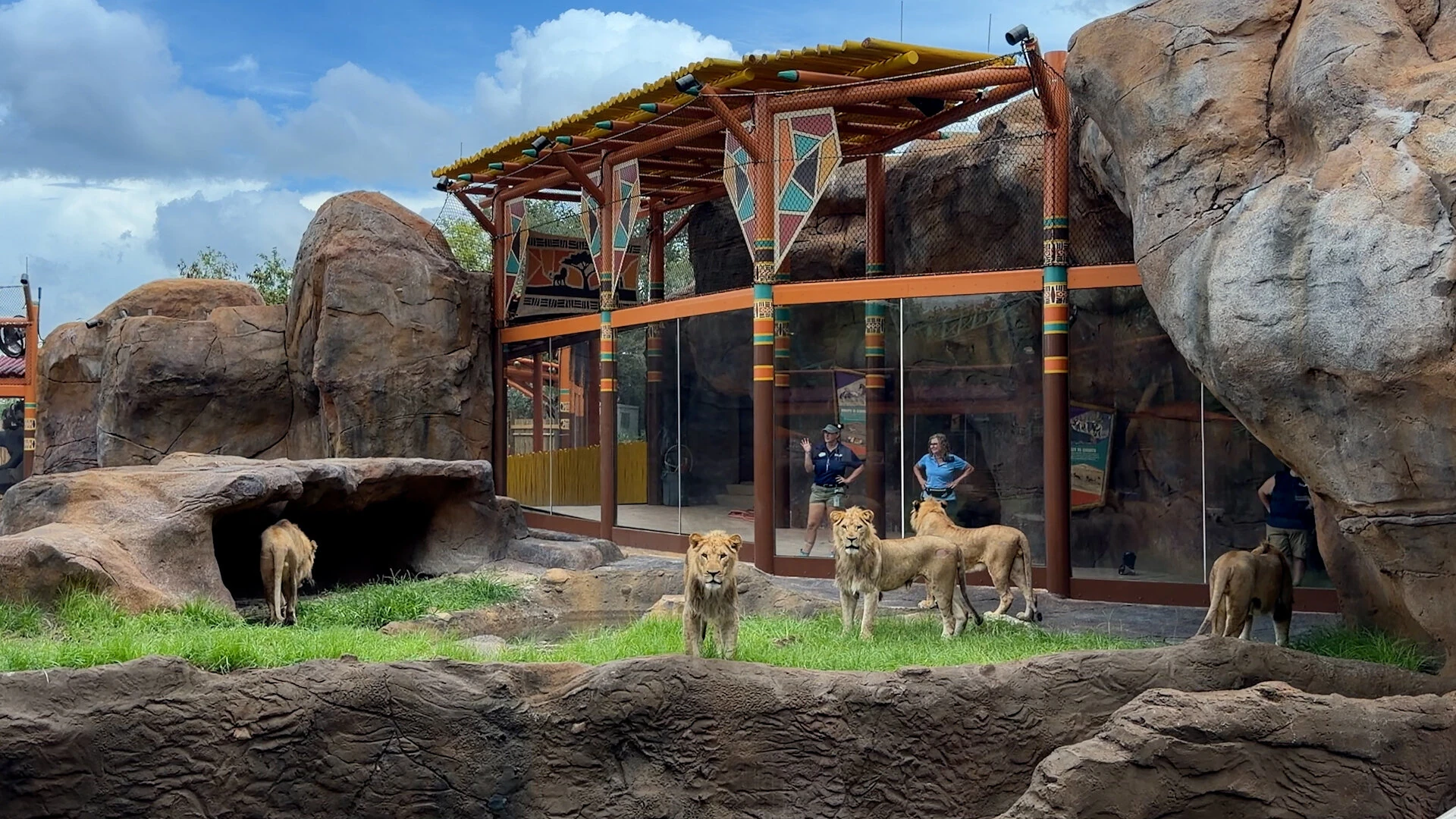
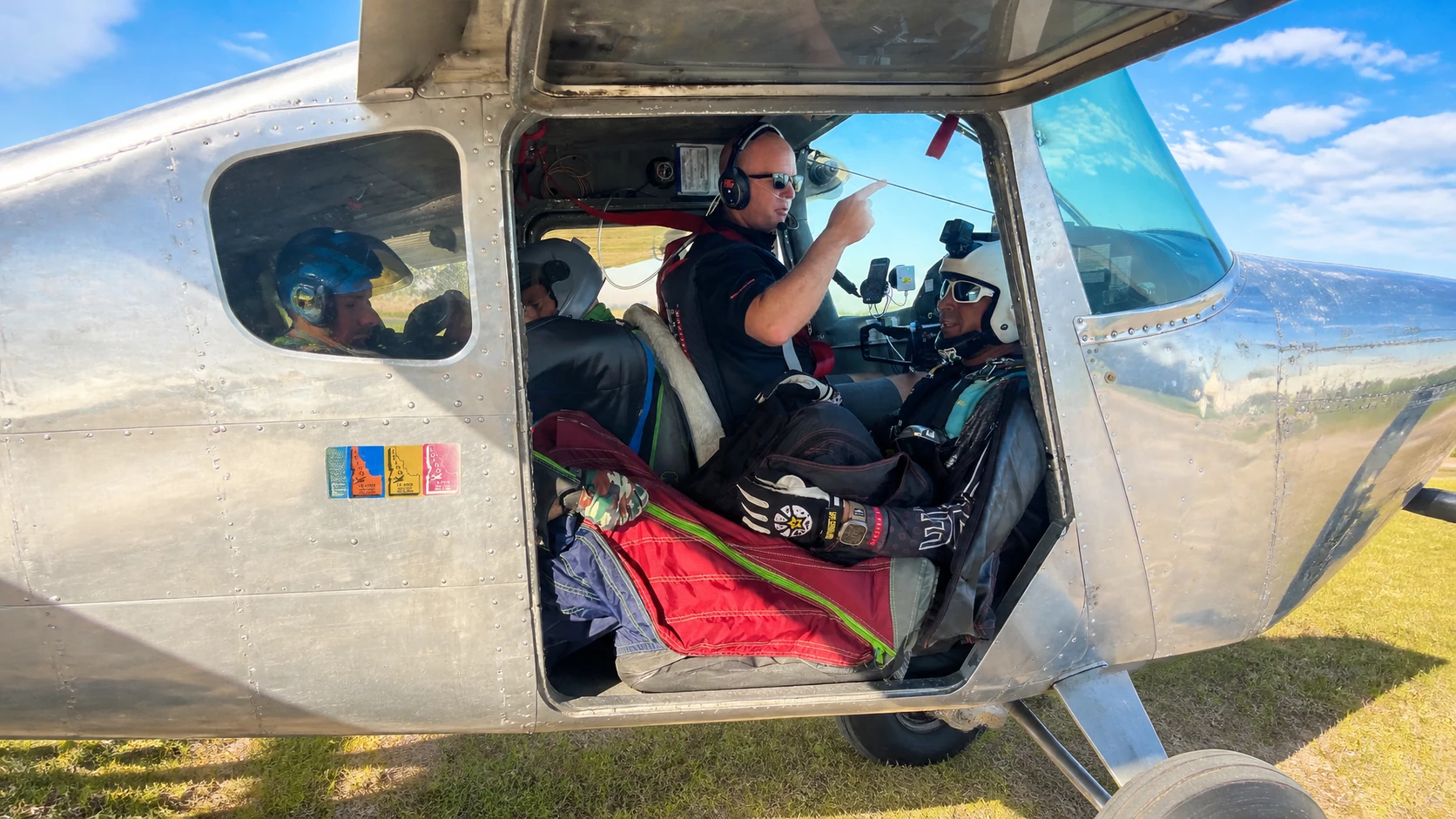
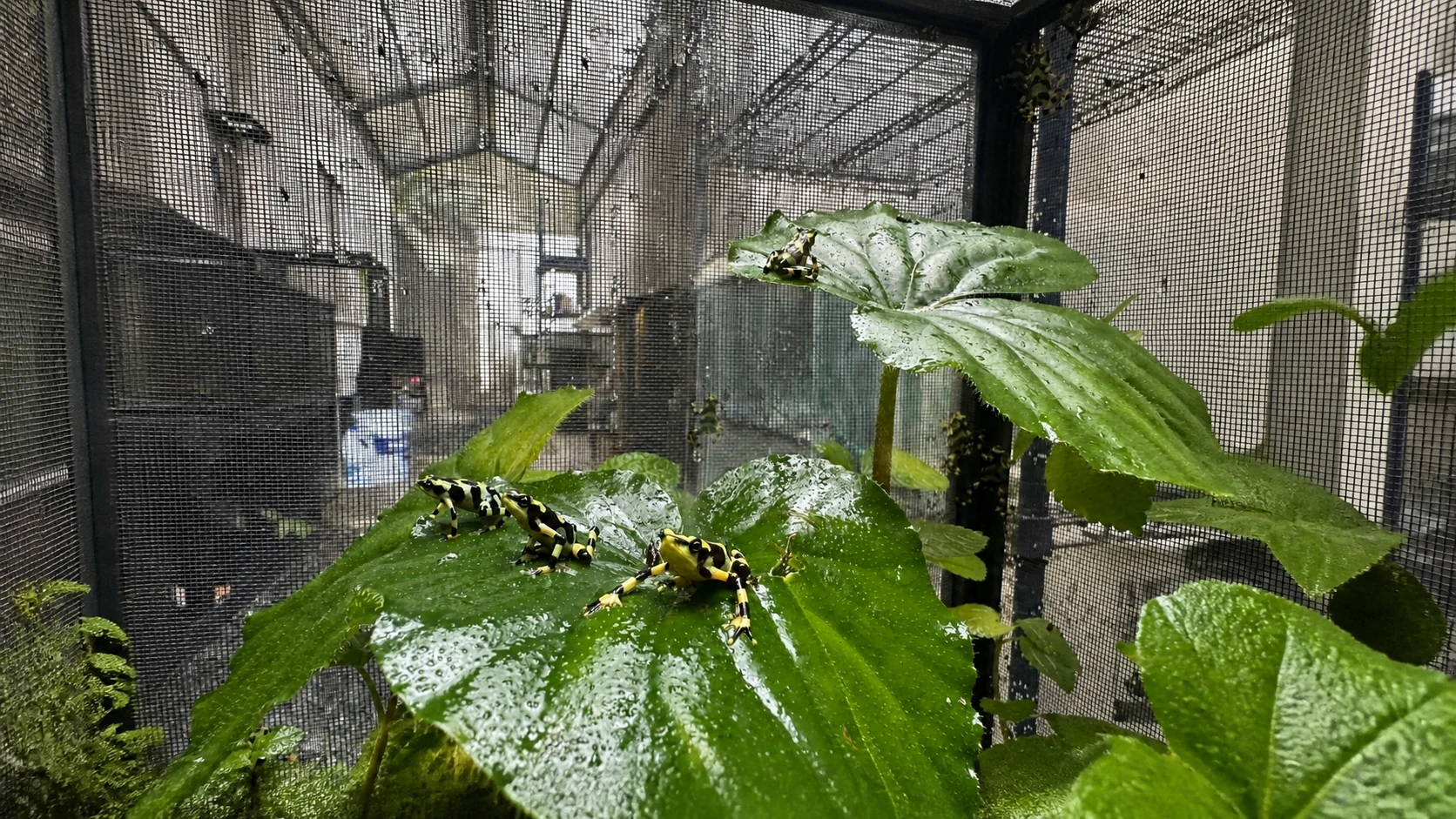
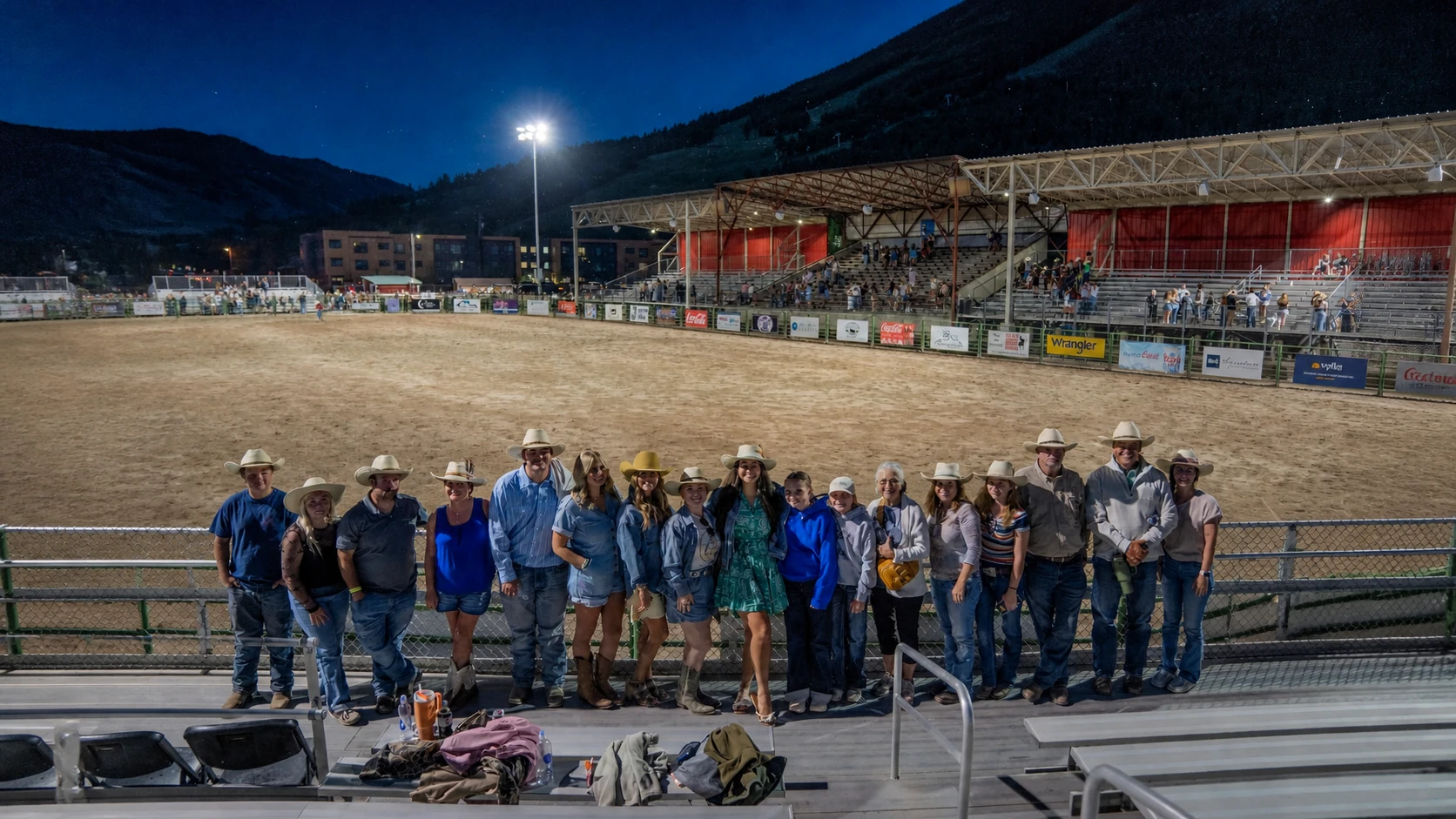
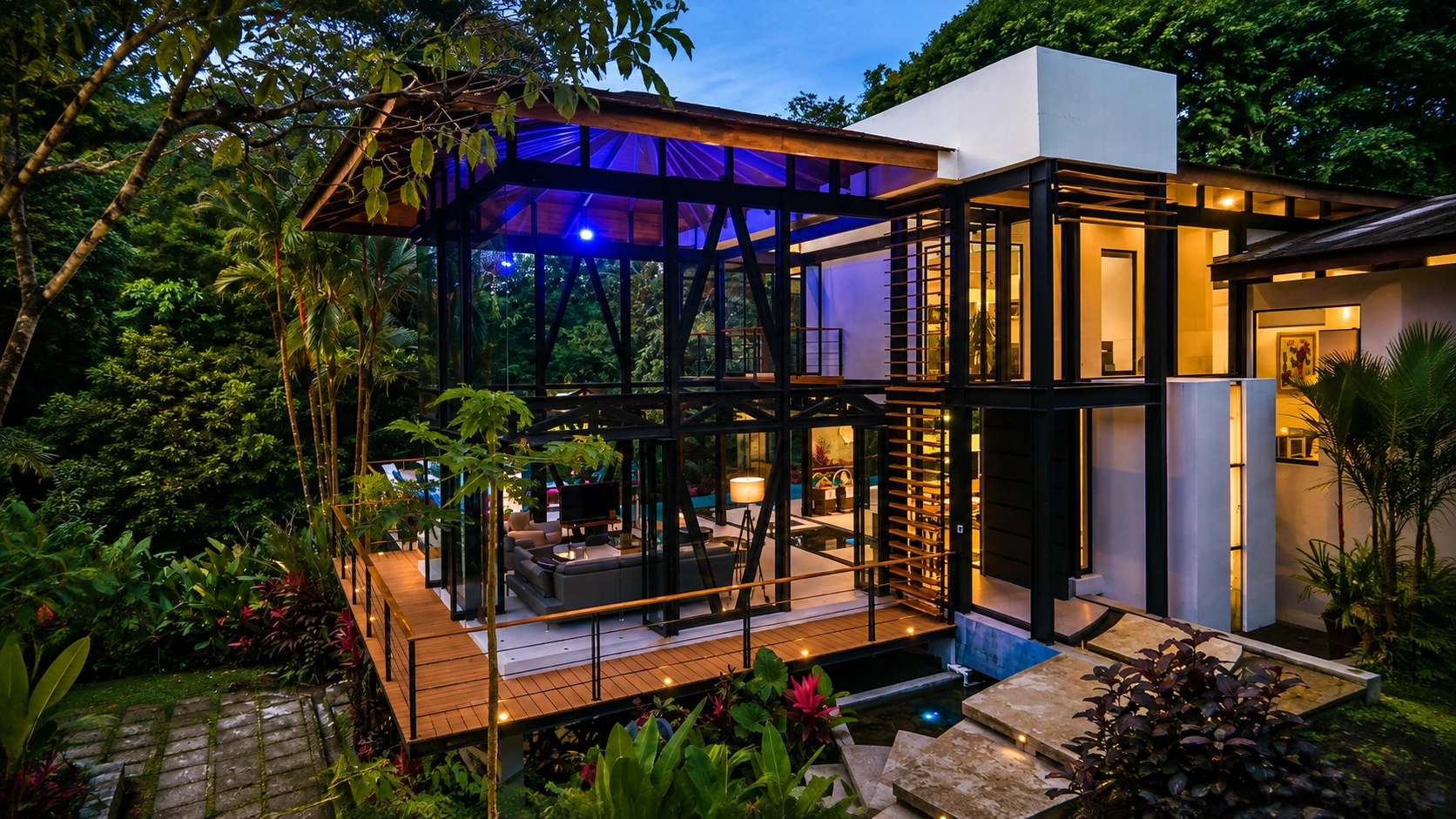
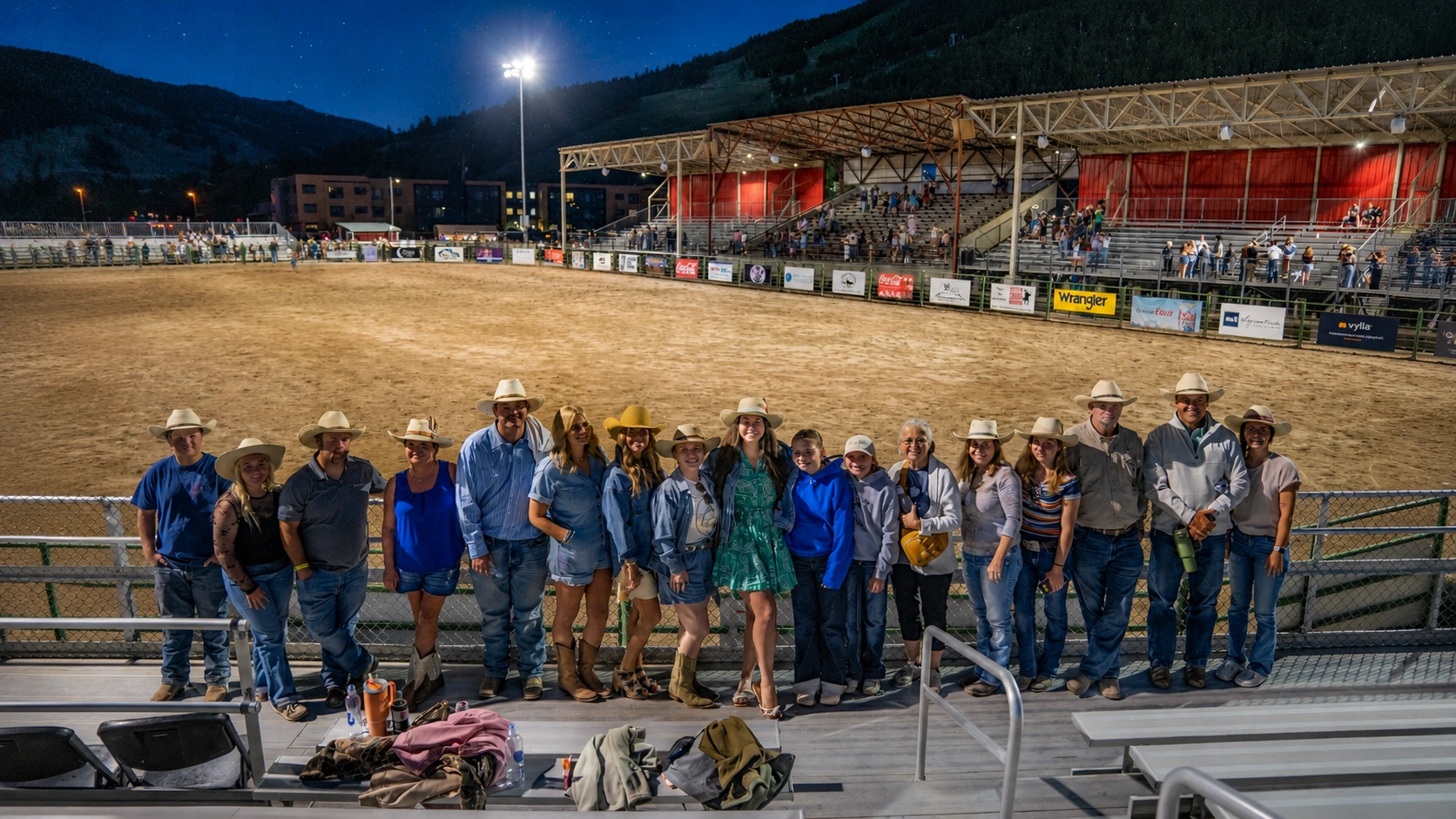
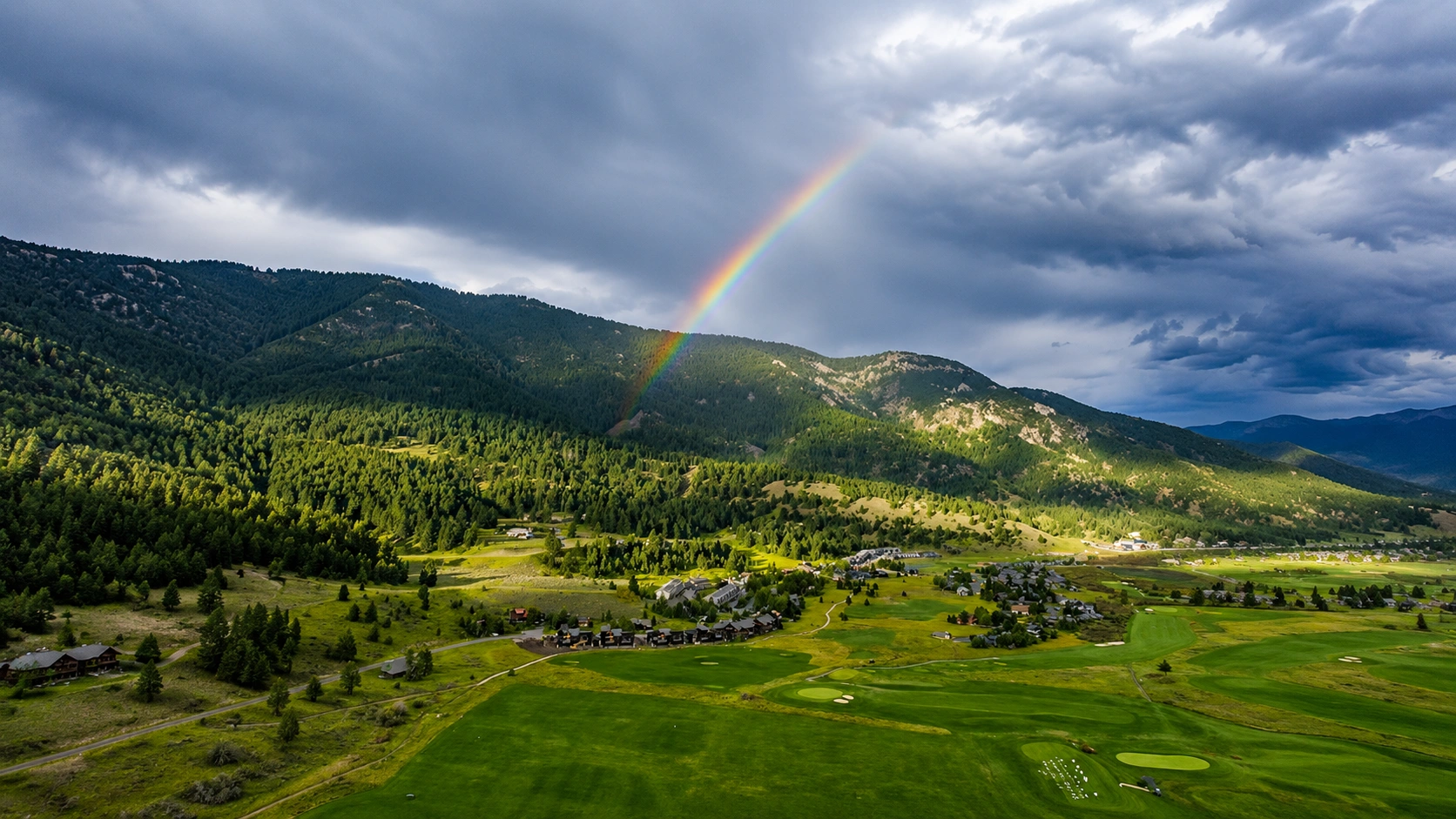
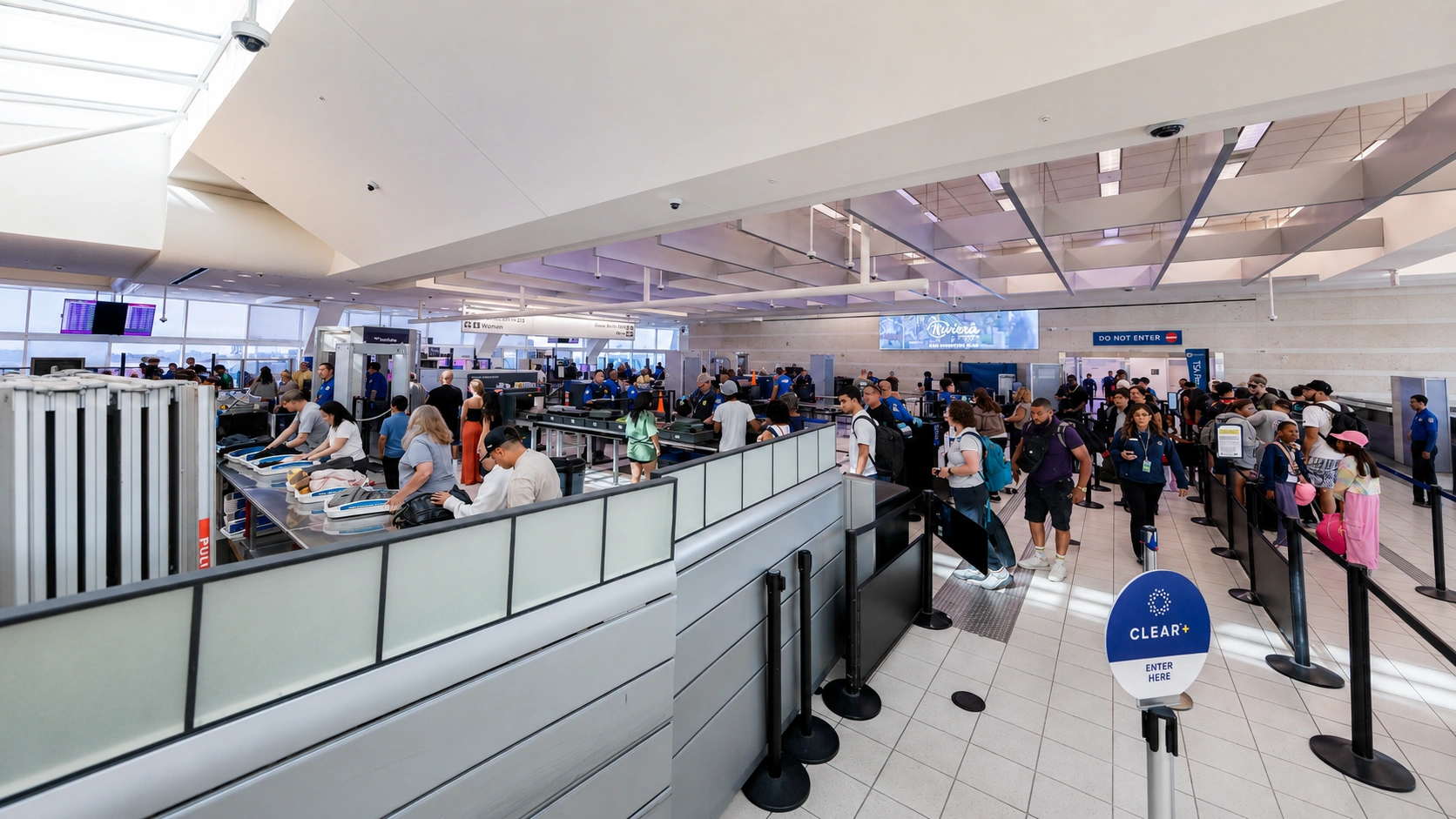
The anniversary exhibition reflects that philosophy by bringing together 13 photographers who have previously exhibited at the gallery alongside four emerging artists representing a new generation of image makers. Spanning photographs created between 1961 and 2026, the collection includes work made across multiple countries using both film and digital Leica cameras. Portraiture, documentary photography, landscapes, abstraction, and street photography all appear within the exhibition, illustrating the breadth of contemporary photographic practice while highlighting the different ways artists interpret place, memory, identity, and the natural world.
The exhibition also coincides with the 50th anniversary of Leica Galleries worldwide, connecting Boston’s local story to a broader international tradition of supporting photography through dedicated exhibition spaces. While the anniversary acknowledges the gallery’s history, it also points toward its future by placing established photographers alongside emerging voices, reinforcing the idea that creative communities remain strongest when experience and new perspectives exist side by side.
As cultural institutions increasingly seek ways to remain relevant beyond traditional exhibition models, spaces that encourage conversation, education, and collaboration have taken on added importance. Community Garden reflects that shift, presenting photography not simply as finished artwork displayed on walls, but as an ongoing dialogue shaped by the people who create it, the places they document, and the communities that continue to gather around the medium.