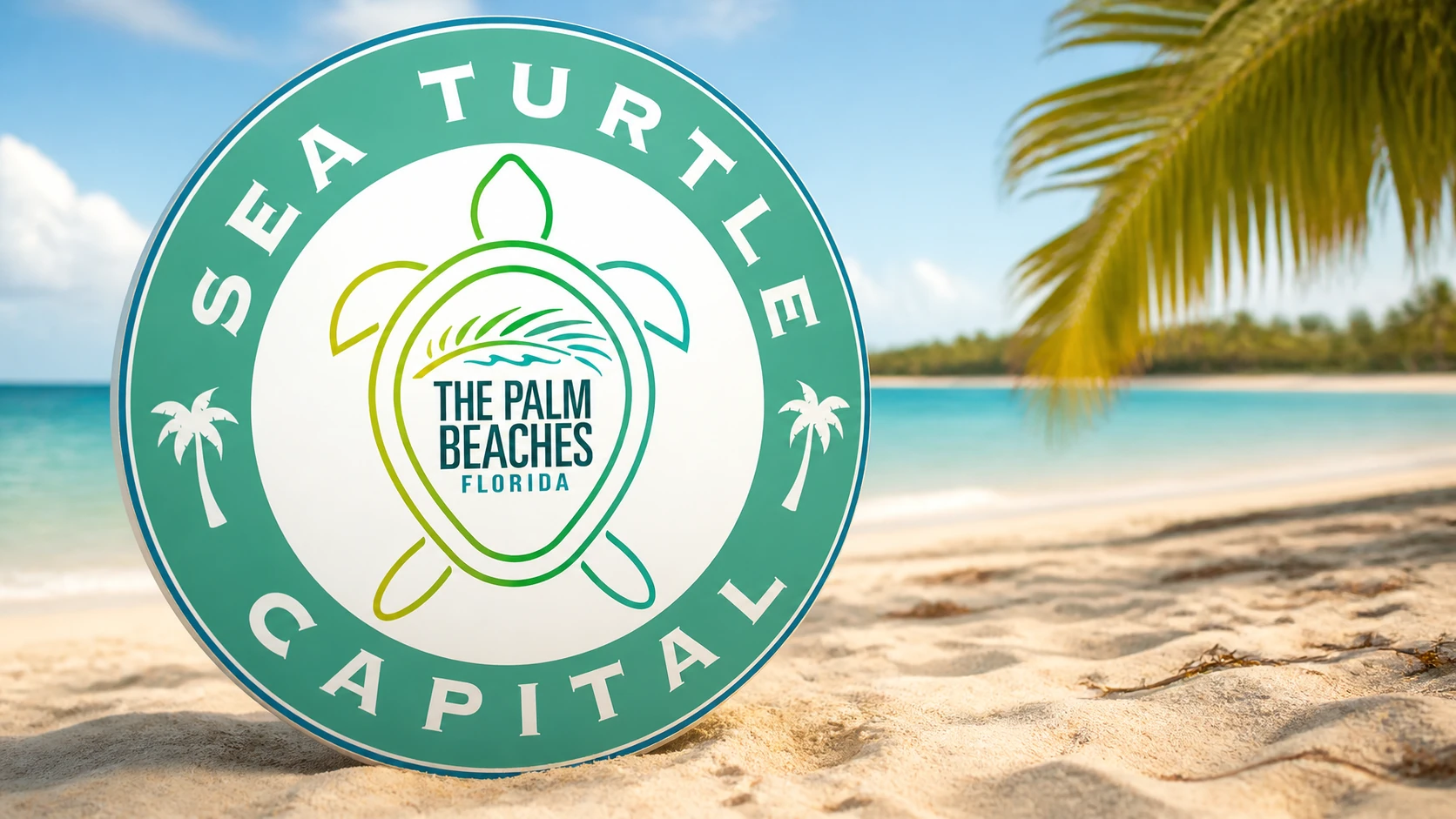
The Florida destination has gained a new conservation-focused designation, linking dense nesting habitats with responsible visitor experiences and year-round environmental stewardship.
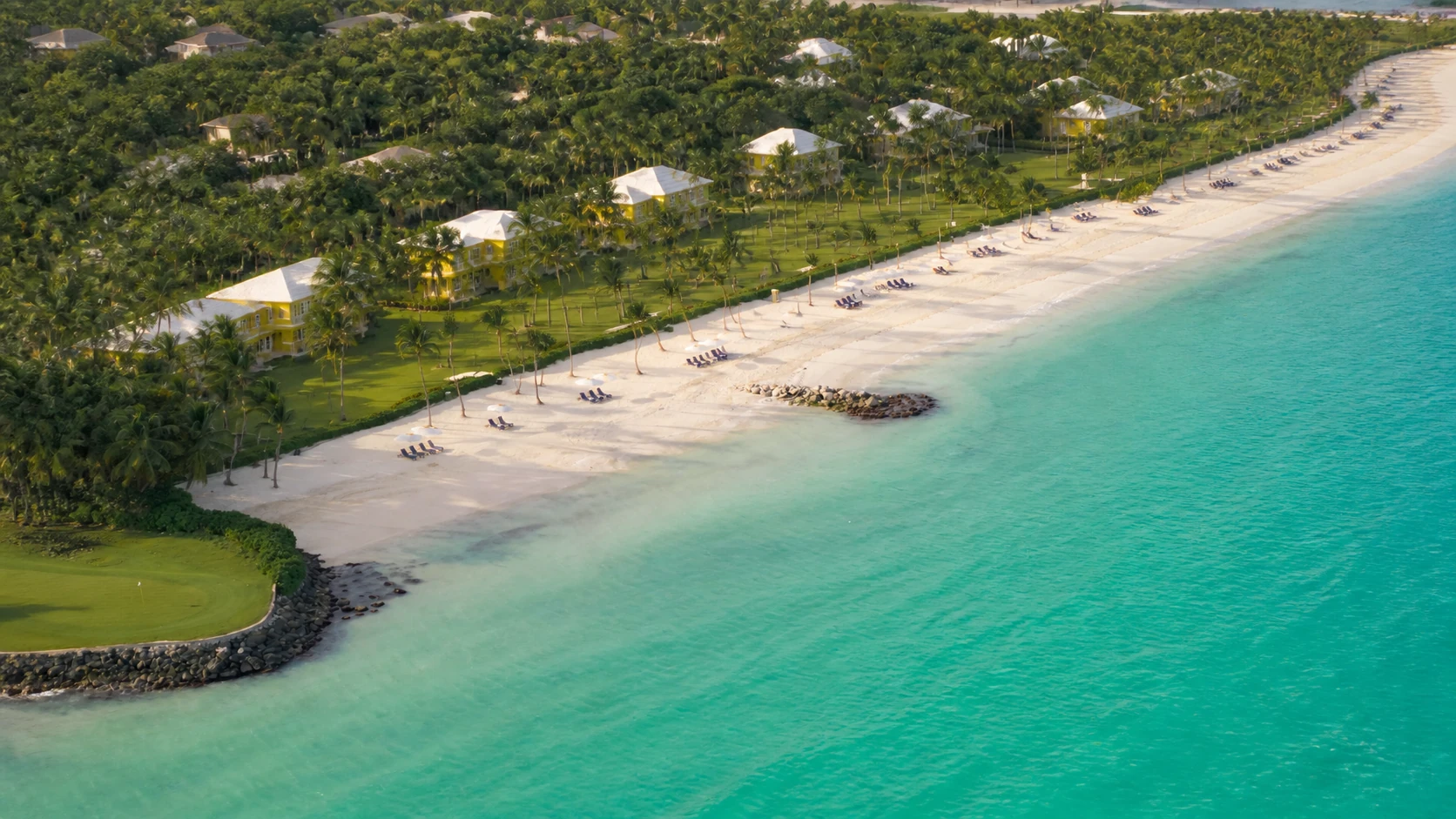
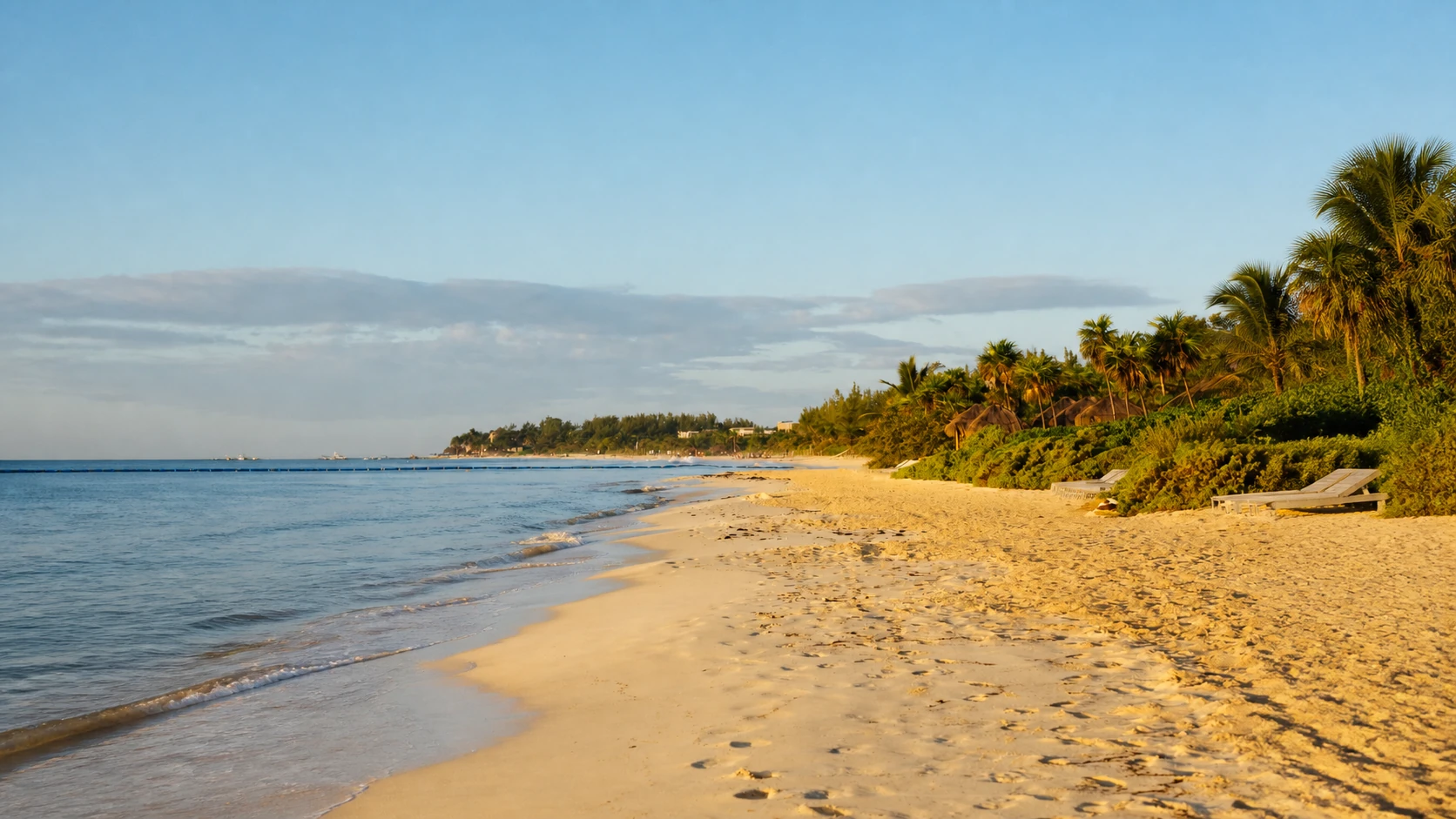
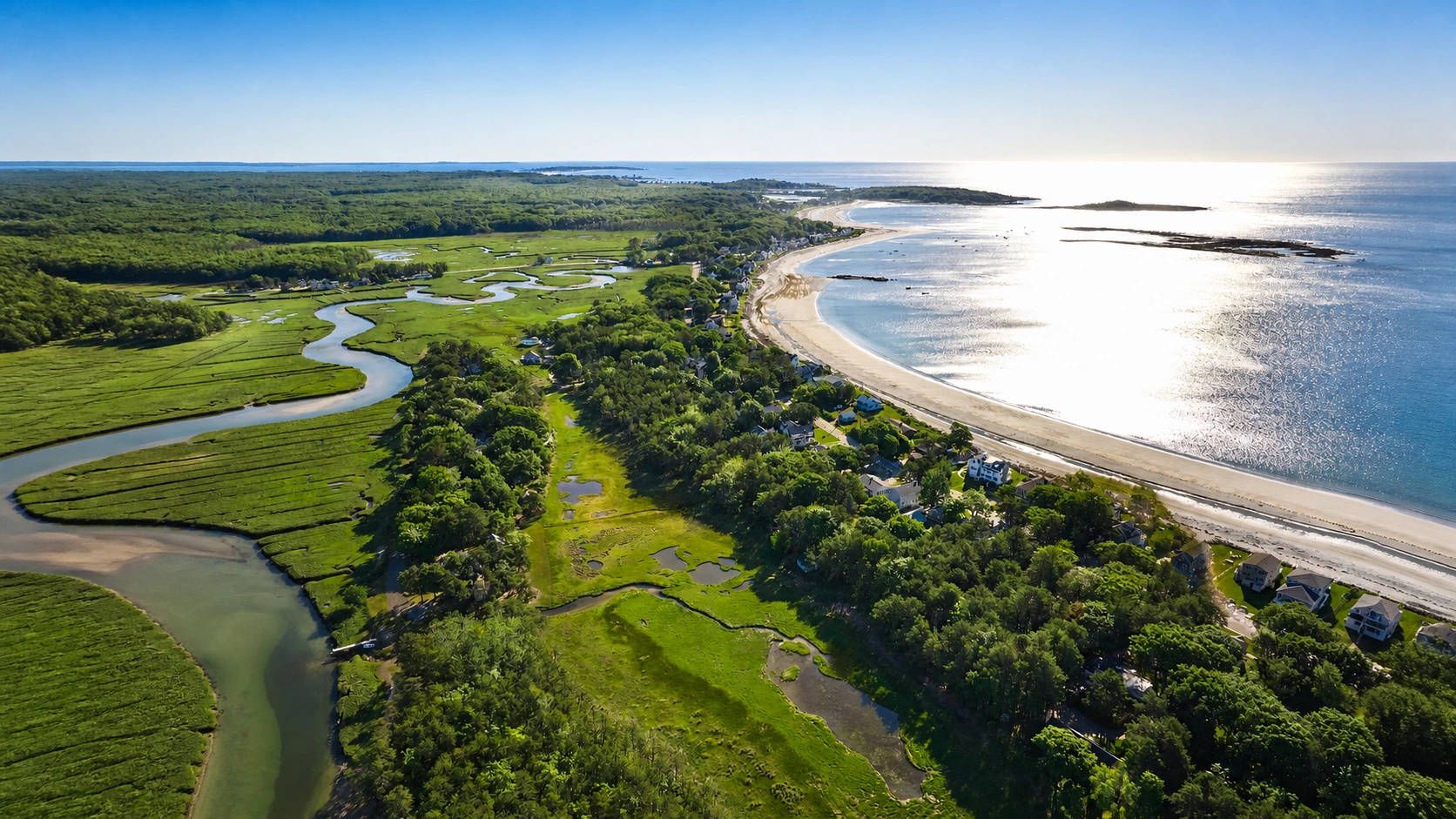
Discover The Palm Beaches, the tourism marketing organisation for Palm Beach County, has positioned The Palm Beaches as Florida’s Sea Turtle Capital, drawing attention to the destination’s nesting beaches, conservation network and responsible coastal tourism offer. The designation centres on a 47-mile coastline where loggerhead, green and leatherback turtles nest, giving the area an environmental identity that sits alongside its established resort positioning.
From March through October, the coastline becomes a major nesting habitat, with The Palm Beaches recording more loggerhead nests per mile than anywhere else in the United States, according to Discover The Palm Beaches. The organisation says the beaches support approximately two million hatchlings annually, while the shoreline’s eastward-jutting geography and proximity to the Gulf Stream create conditions that attract turtles repeatedly. The destination’s conservation story therefore rests on both the scale of nesting activity and the range of species using nearby waters.
The designation is also being connected to visitor programmes rather than presented only as a geographic distinction. Loggerhead Marinelife Center offers opportunities to see turtles in rehabilitation, while guided nighttime turtle walks and seasonal hatchling releases are available through Gumbo Limbo Nature Center, John D. MacArthur Beach State Park and Loggerhead Marinelife Center. Palm Beach County Environmental Resources Management also hosts free turtle walks in Jupiter, and The Palm Beaches’ visitor channels feature conservation programming including A Wild Connection.
That combination gives conservation a practical role in the destination’s tourism proposition. Visitors are encouraged to observe nesting activity through approved programmes, keep beaches dark, flat and calm at night, and follow local beach and boating guidance. The Palm Beaches’ own guidance also stresses that artificial light can disorient turtles and hatchlings, while beach furniture, litter, holes and debris can interfere with nesting and hatching. Such measures make responsible behaviour part of the experience rather than a separate environmental message.
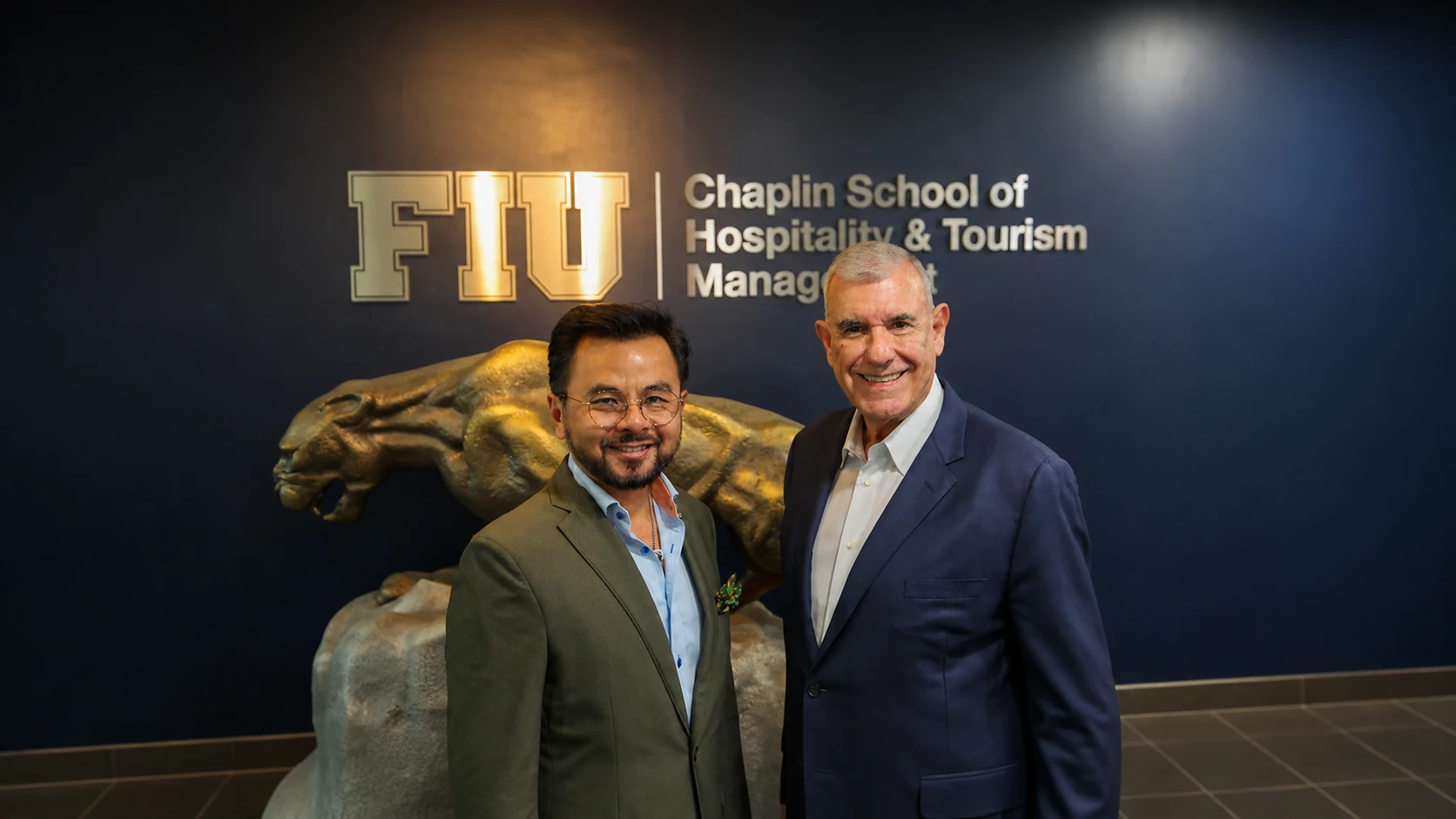
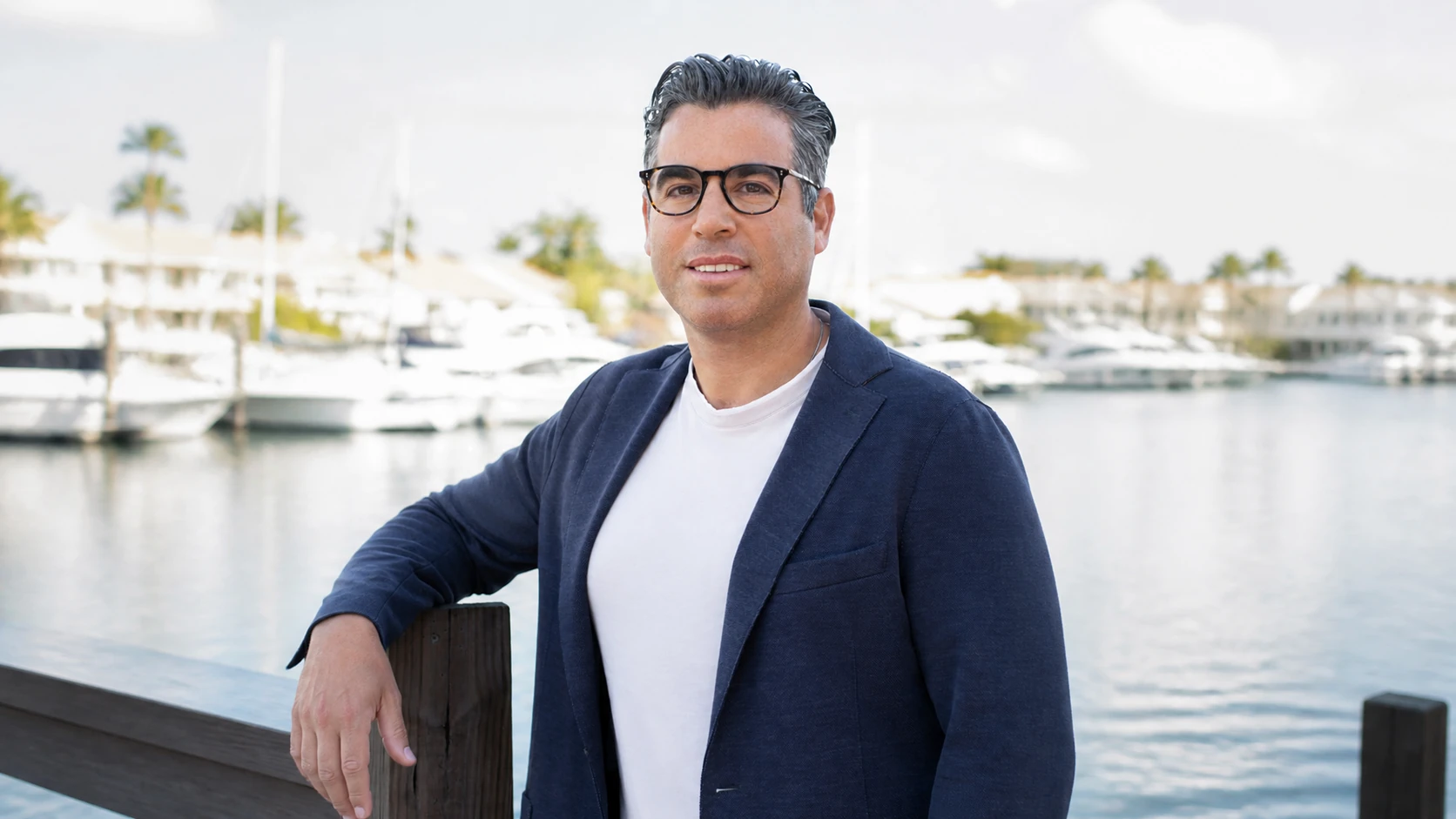
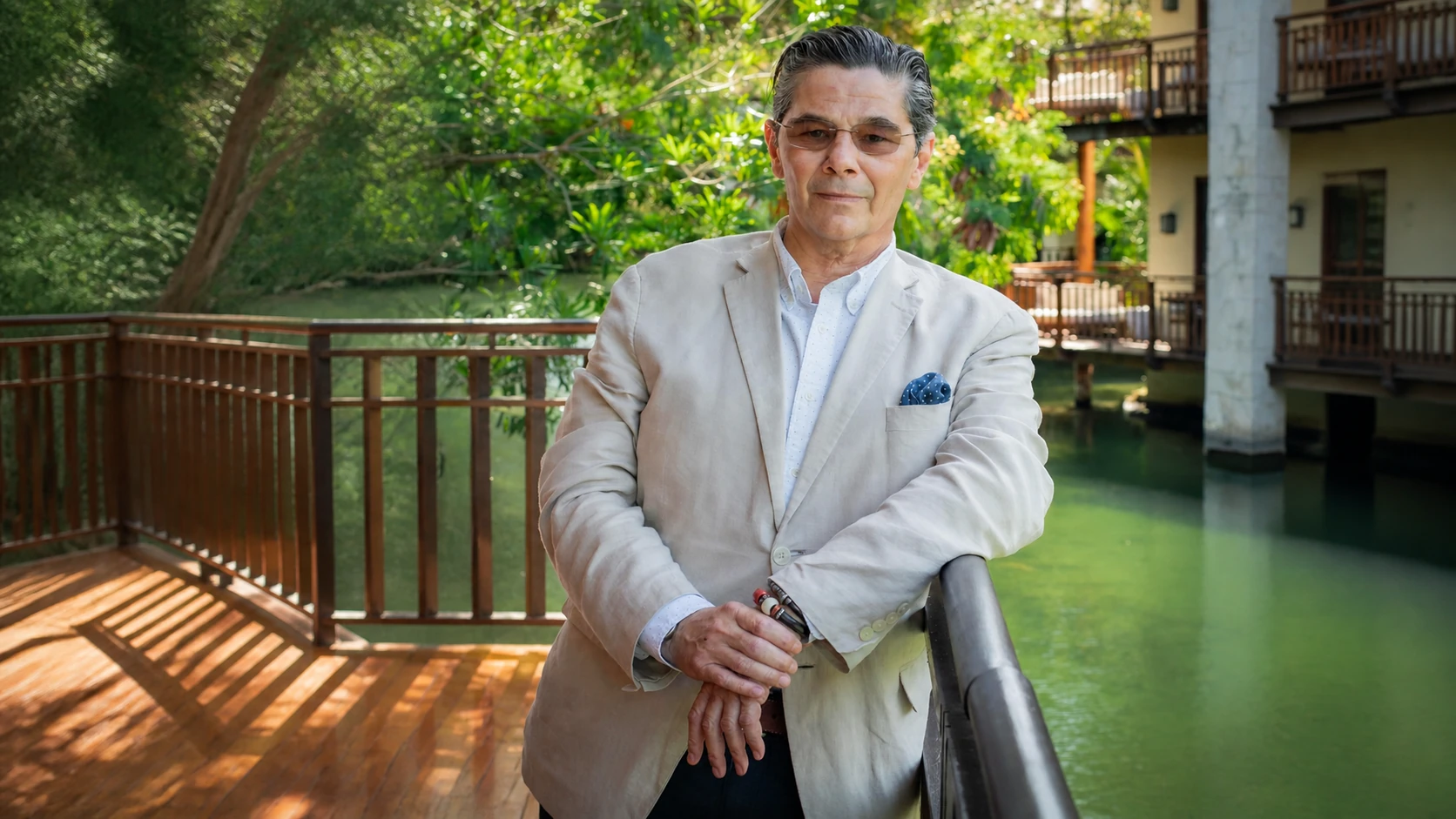
Discover The Palm Beaches president and chief executive Milton Segarra said the designation reflects the importance of the region’s nesting beaches and the responsibility to protect them for future generations. The organisation points to year-round work by conservation partners, local government and the community, including nest monitoring, hatchling protection, public education, lighting regulations and beach patrols. For The Palm Beaches, the title offers a focused way to connect wildlife protection with destination marketing, while leaving the strength of that proposition dependent on continued care for the coastline.