New rapid engineering kits combine preselected hardware and local software, aiming to reduce the integration work that can slow prototypes moving from experimentation toward deployment.
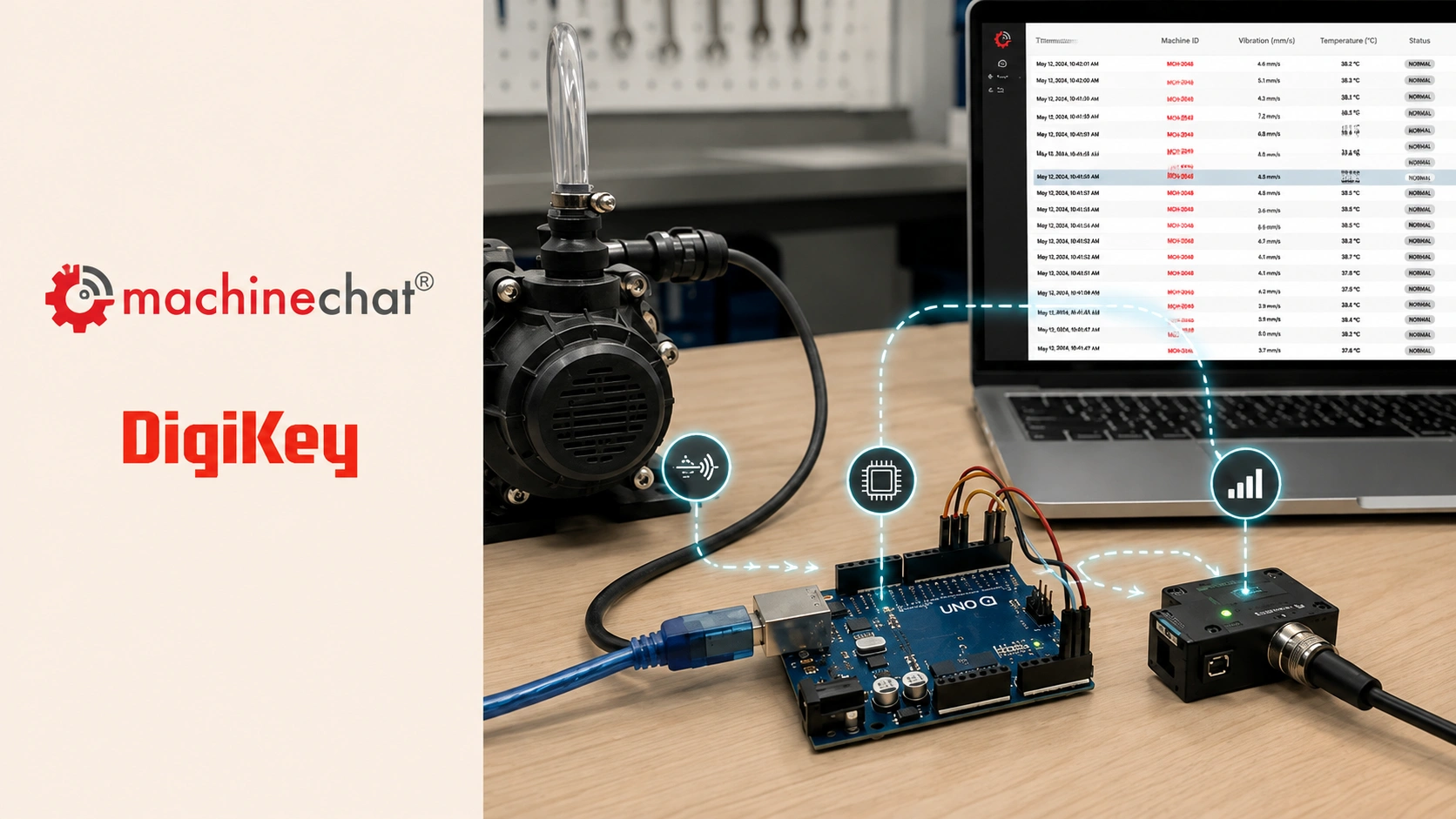
DigiKey and Machinechat are introducing rapid engineering kits designed to reduce one of the less visible obstacles in developing connected devices: getting hardware and software to work together before meaningful testing can begin. The kits combine selected development hardware, sensors and connectivity components with Machinechat’s JEDI software, giving engineers a functioning starting point for IoT and edge AI projects rather than requiring them to assemble each layer independently.
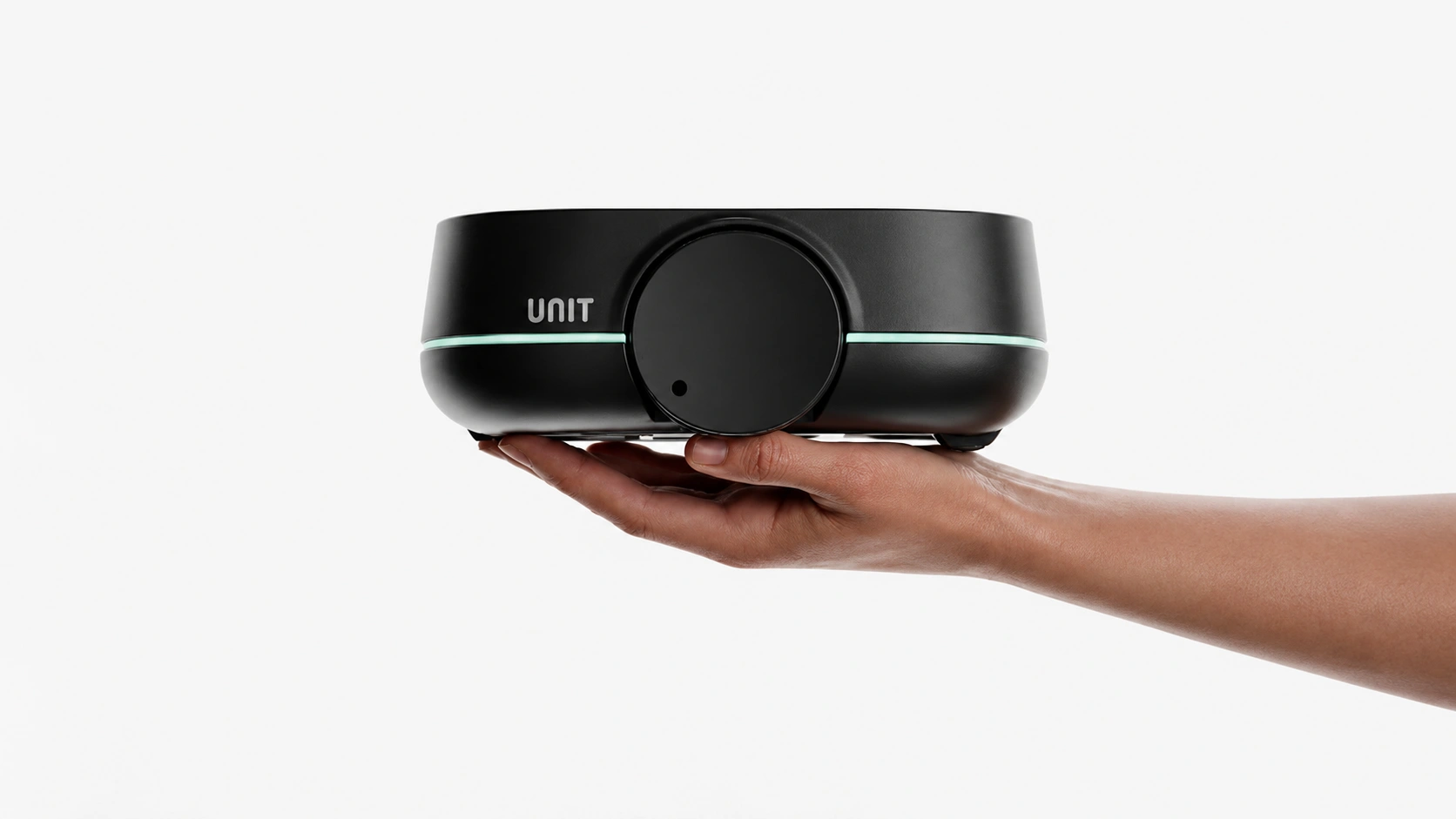
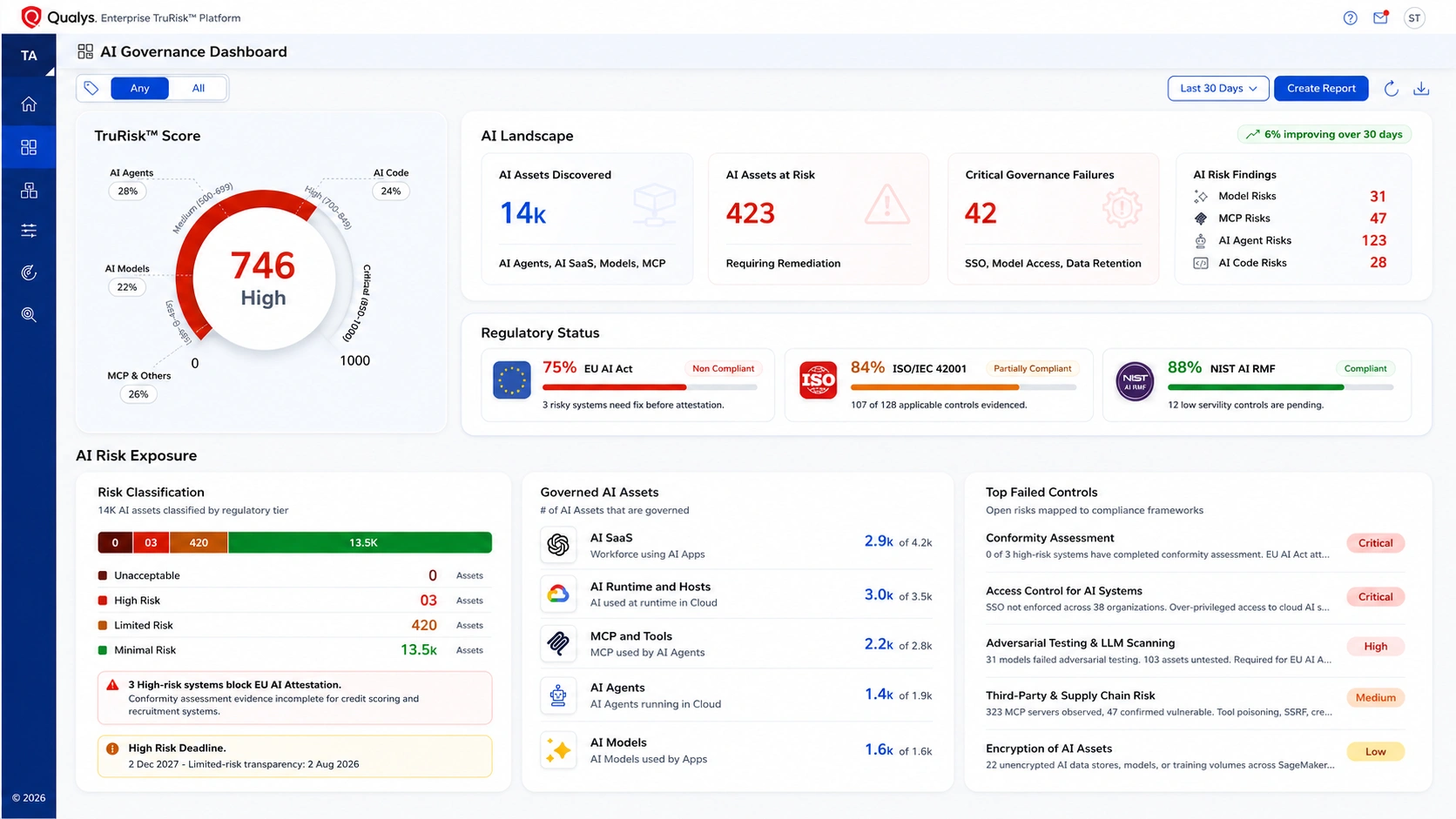
The first kit pairs an Arduino UNO Q with an Adafruit BME280 environmental sensor, enabling temperature, humidity and pressure monitoring out of the box. It also includes a lifetime license for Machinechat JEDI One, which handles functions including real-time data collection, dashboards, data storage and automated alerts. DigiKey says additional configurations built around other hardware platforms are planned.
The approach addresses a familiar problem in connected-product development. Engineers can spend significant time configuring devices, managing incoming sensor data and building visualization or reporting infrastructure before testing the application they actually intend to create. Packaging those foundational elements into a tested system could shift more development time toward the specific industrial, research or consumer problem being addressed, although individual projects will still require customization as they grow more complex.
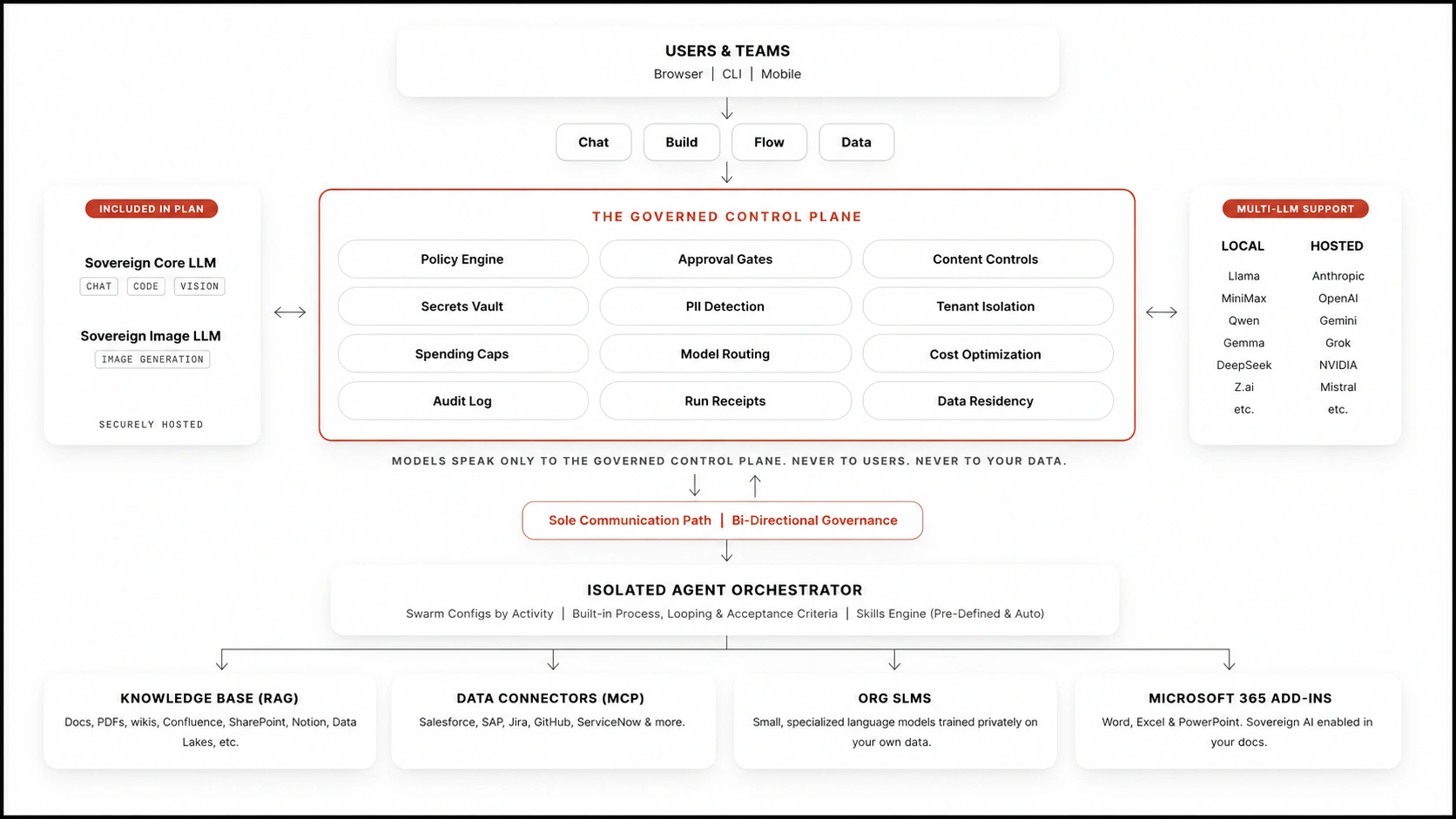
The kits also reflect the industry’s gradual movement from basic Internet of Things connectivity toward systems capable of processing information and responding closer to where data is generated. Machinechat describes its software as local-first, allowing data to be collected, transformed and acted upon without requiring cloud infrastructure. That model can be particularly relevant as edge computing and physical AI applications place greater emphasis on real-time interaction between software and physical equipment.
DigiKey and Machinechat are accompanying the launch with a July 28 webinar examining the transition from IoT toward what they describe as “connected intelligence,” including real-time physical control and AI-capable edge computing. Beyond the terminology, the practical proposition is straightforward: lowering the amount of infrastructure engineers must assemble before experimentation begins. If such kits can meaningfully reduce repetitive integration work, their value may lie less in introducing new components than in making existing hardware and software faster to put to productive use.