
AerCap has ordered 15 Boeing 787-9 jets, adding scale to a widebody portfolio designed to give airlines flexibility as they renew long-haul fleets.
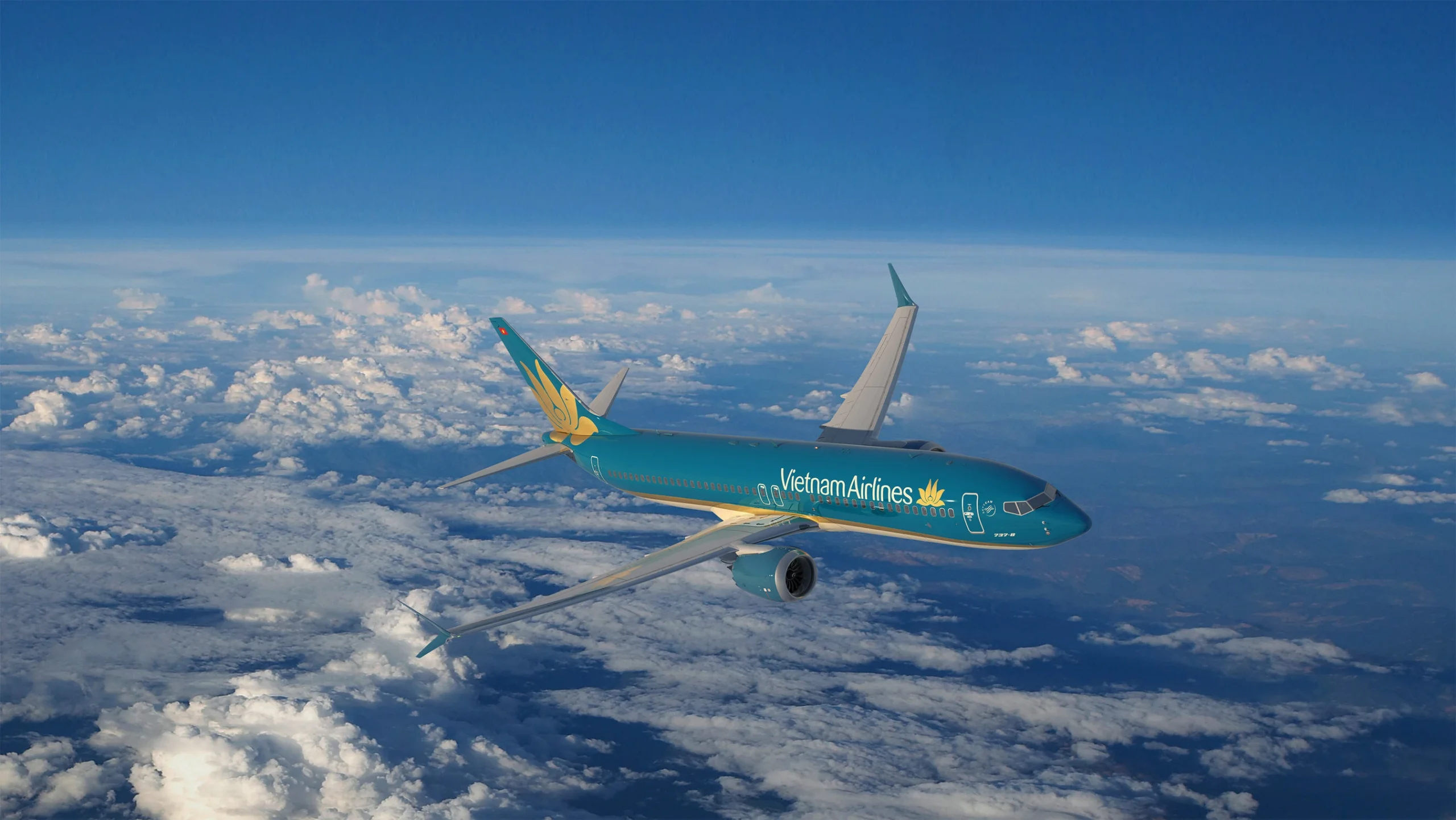
AerCap has ordered 15 Boeing 787-9 Dreamliner jets, expanding its 787 portfolio to approximately 140 aircraft and reinforcing the lessor’s role in supplying widebody capacity to airlines. Announced by Boeing on July 21, 2026, the agreement also includes substitution rights for the larger 787-10 variant. The transaction matters beyond the individual order because leasing companies can provide aircraft access without requiring airline customers to commit to direct purchases.
The order arrives in a market setting that the release describes as shaped by demand for modern, fuel-efficient widebody aircraft and near-term macroeconomic uncertainties. AerCap said its 787 fleet is intended to support airlines seeking to renew their fleets and pursue sustainability goals. The company’s existing portfolio therefore sits at the intersection of fleet replacement and route expansion, while leaving airlines with an alternative to outright ownership.
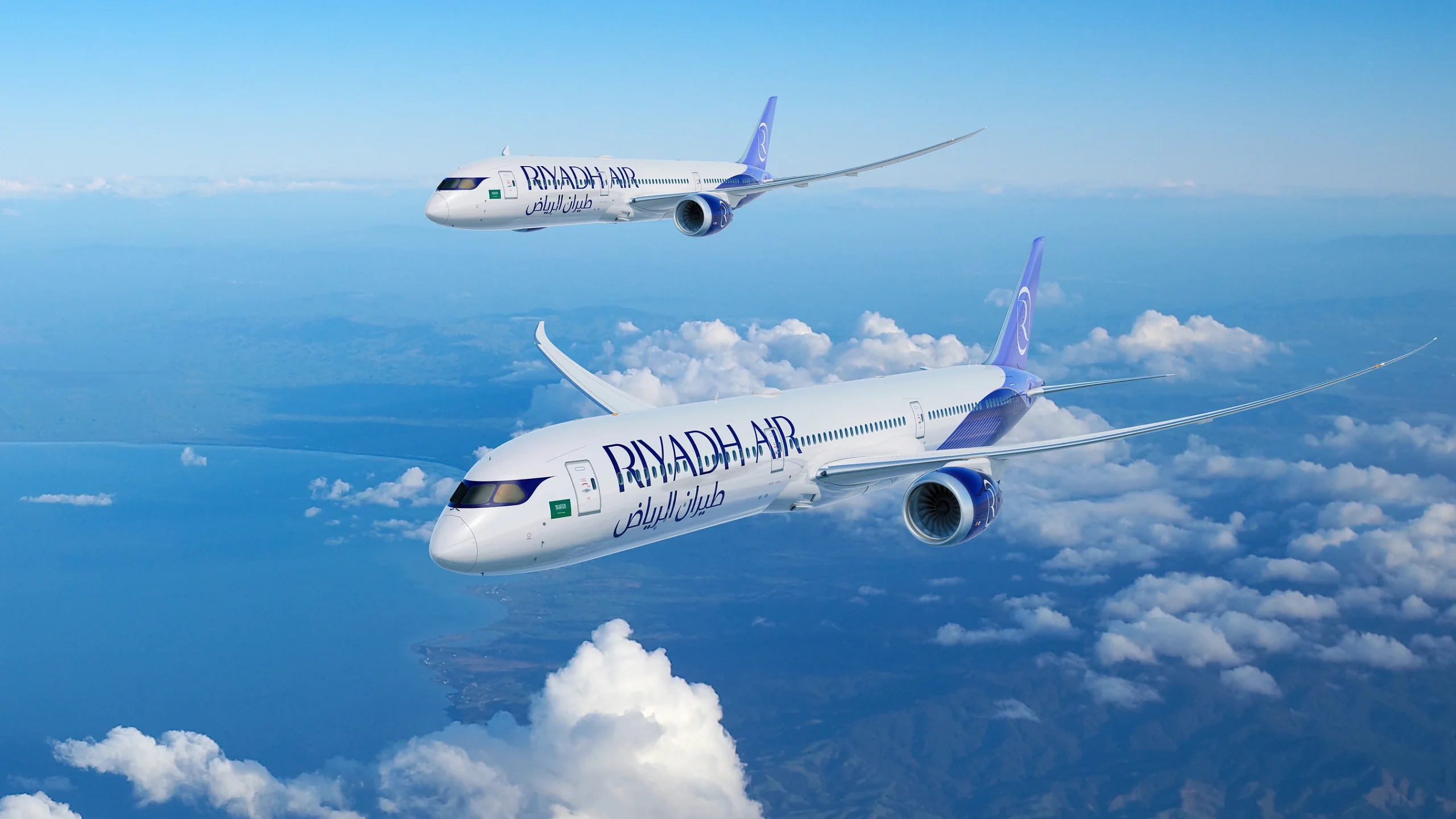
The agreement gives AerCap the flexibility to switch some aircraft to the 787-10, which is the largest member of Boeing’s 787 family. Boeing says the larger variant provides 50 more seats than the 787-9 and uses 25% less fuel and produces 25% fewer emissions than the aircraft it replaces. AerCap chief executive Aengus Kelly said the additional jets would give customers greater access to the 787 family, while Boeing Commercial Airplanes president and chief executive Stephanie Pope described the partnership as supporting long-haul connectivity and airline economics.
AerCap’s scale is central to the announcement’s commercial significance. The company says it serves approximately 300 customers worldwide with fleet solutions and is headquartered in Dublin, with offices including locations in Shannon, Memphis, Miami, Singapore, London, Dubai, Shanghai and Amsterdam. Boeing also identifies AerCap as the world’s largest owner of 787 Dreamliner aircraft, while the release notes that the lessor was the first to take delivery of the type in 2013.
For AerCap, the purchase adds more aircraft from a family that the release presents as a core part of its widebody offering, while the substitution provision adds an element of operational choice before delivery. For Boeing, the agreement demonstrates the continuing role of lessors in placing new aircraft with airlines and supporting fleet decisions across multiple markets. The announcement ultimately links a single order to a broader leasing model in which capacity, efficiency and balance-sheet flexibility are addressed together.