The Karl Studer Foundation’s inaugural “Trip of a Lifetime” reflects a growing recognition that meaningful support for families facing serious illness can include space for rest, connection, and shared experiences.
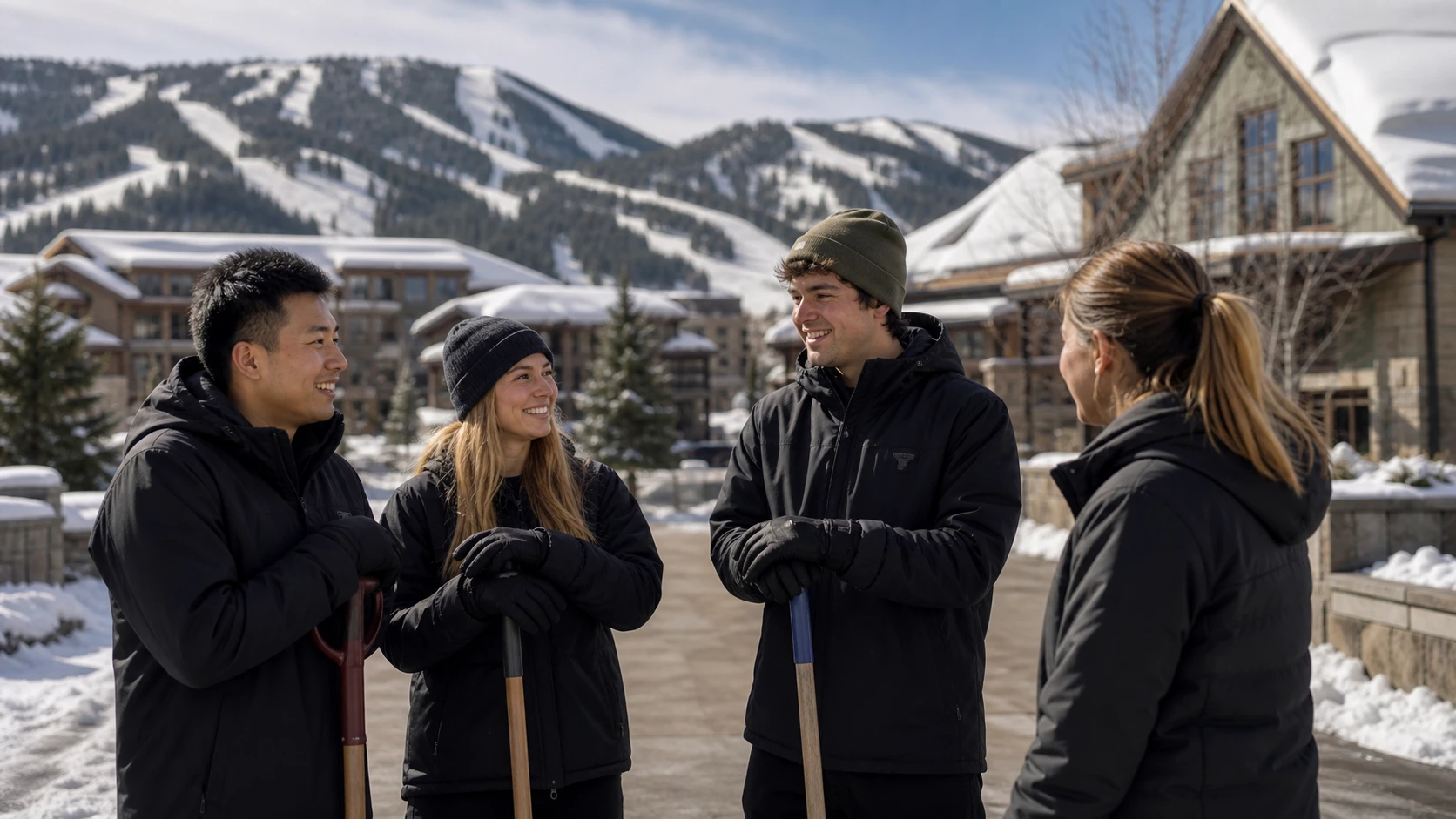
The Karl Studer Foundation has completed the first edition of its “Trip of a Lifetime,” a weeklong retreat in Alpine, Wyoming, created for families navigating terminal illness or other life-altering circumstances. Rather than centering on treatment or recovery, the program focused on something often difficult to preserve during prolonged medical challenges: uninterrupted time together. By covering the full cost of travel, lodging, meals, transportation, and activities, the Foundation sought to remove practical barriers so participating families could simply spend time with one another in a different setting.
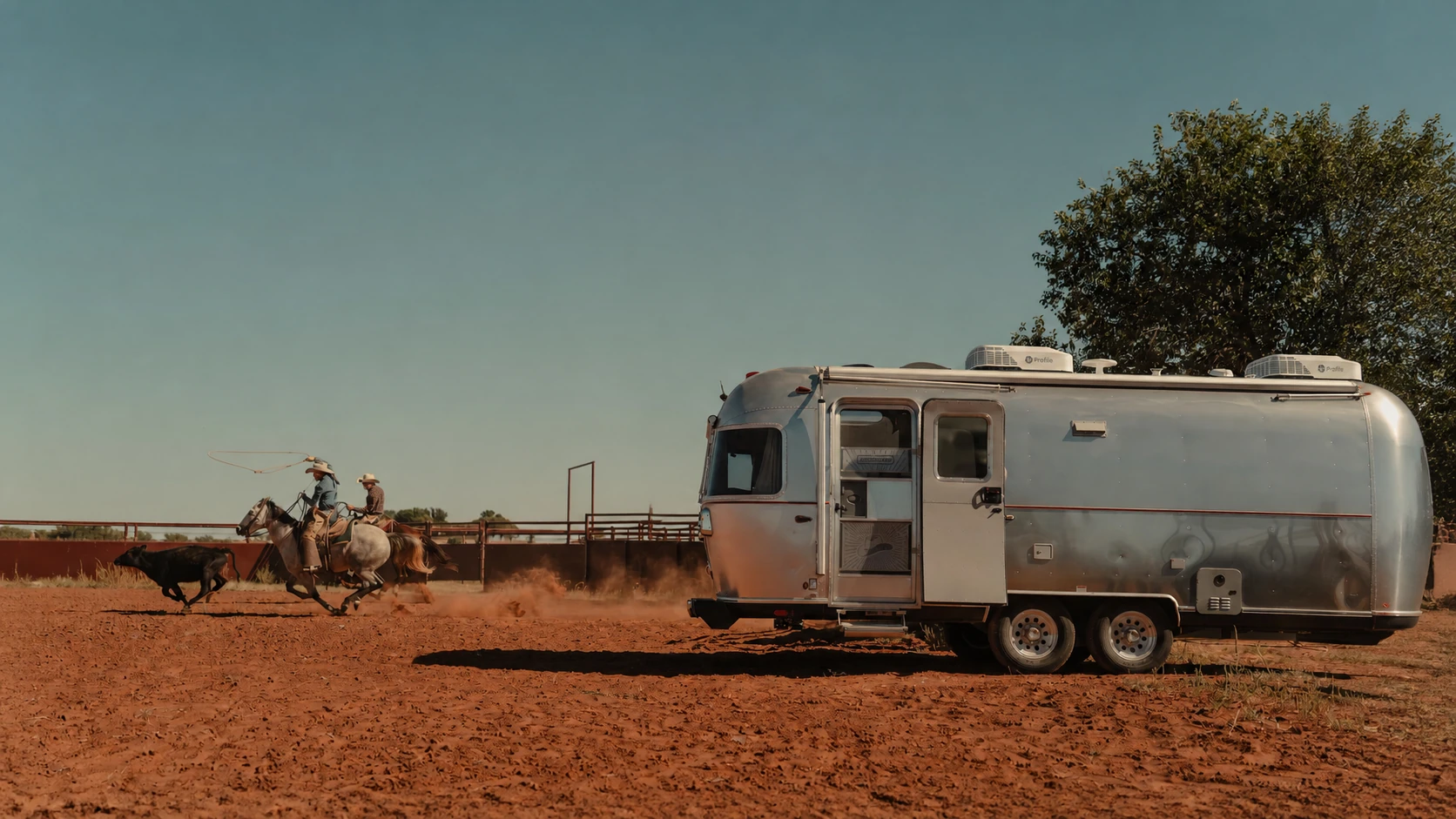
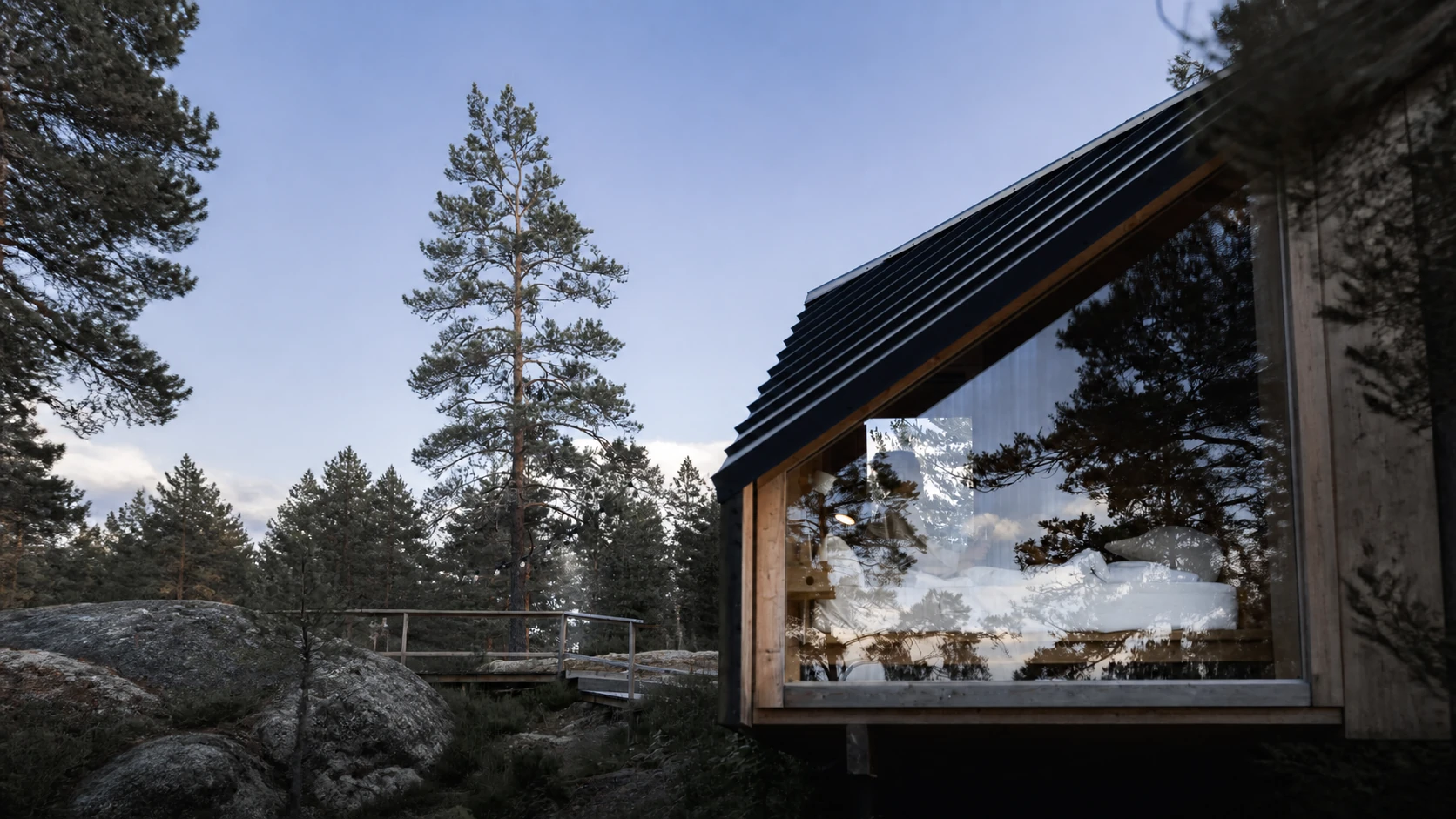
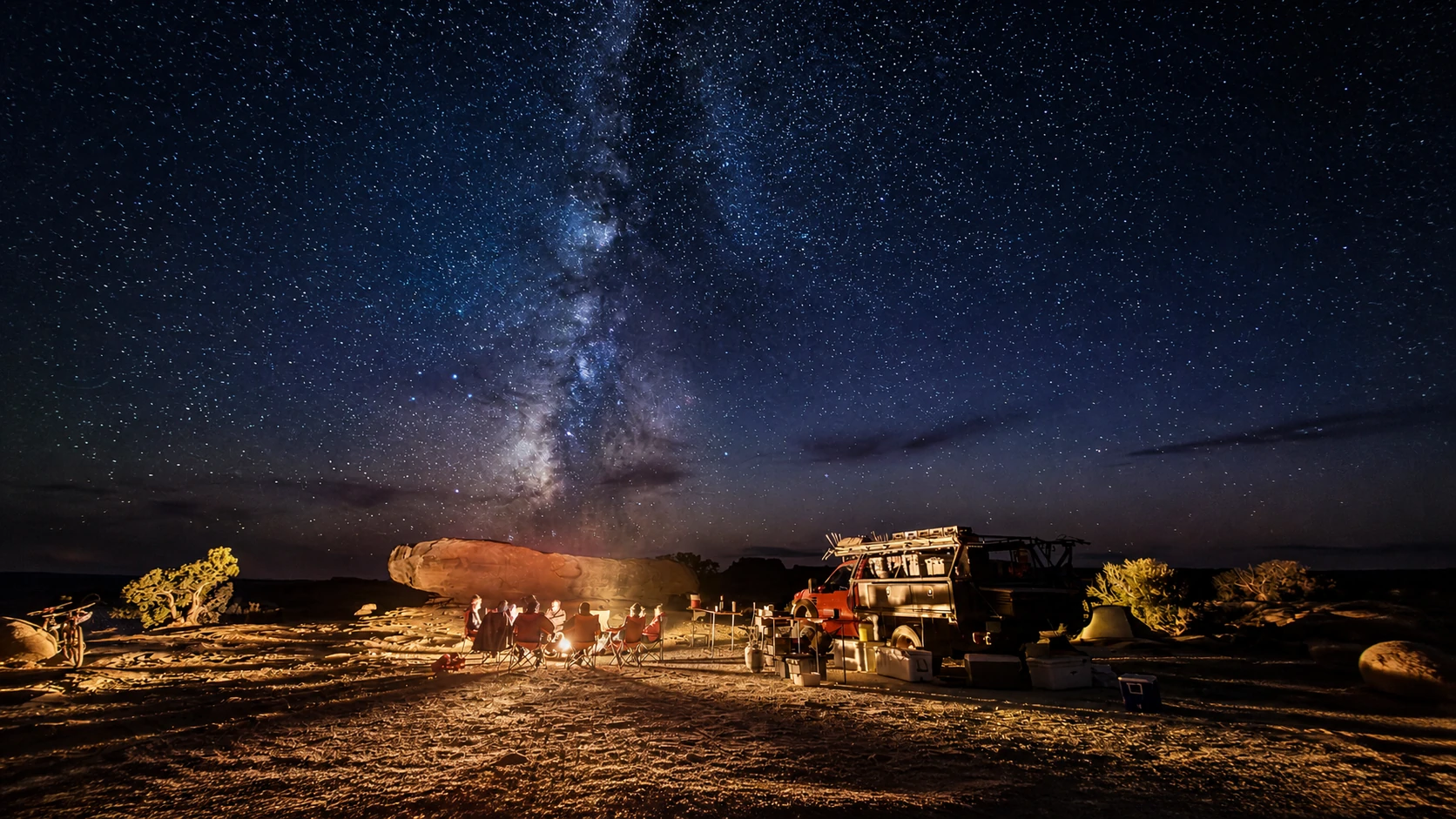
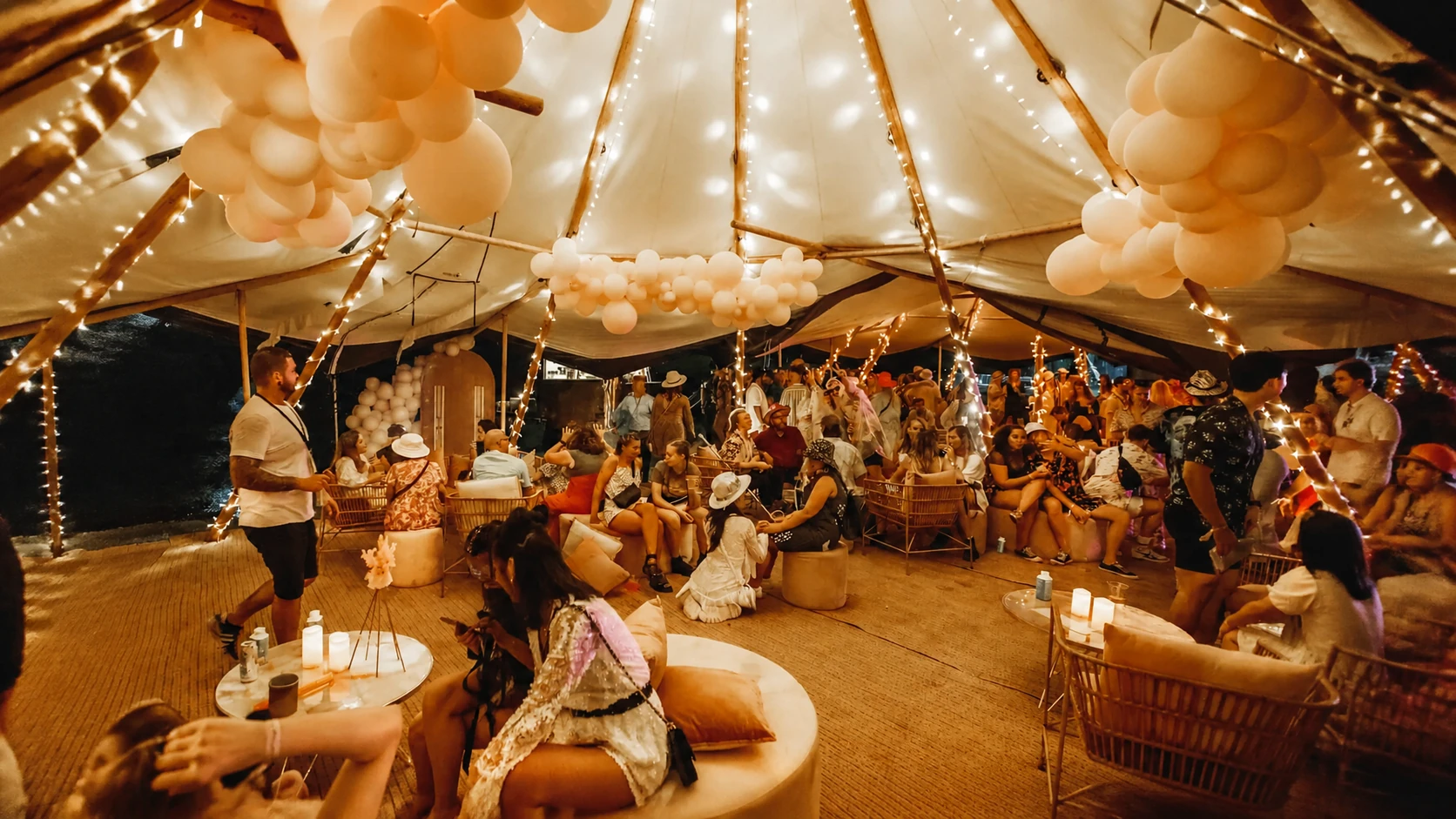
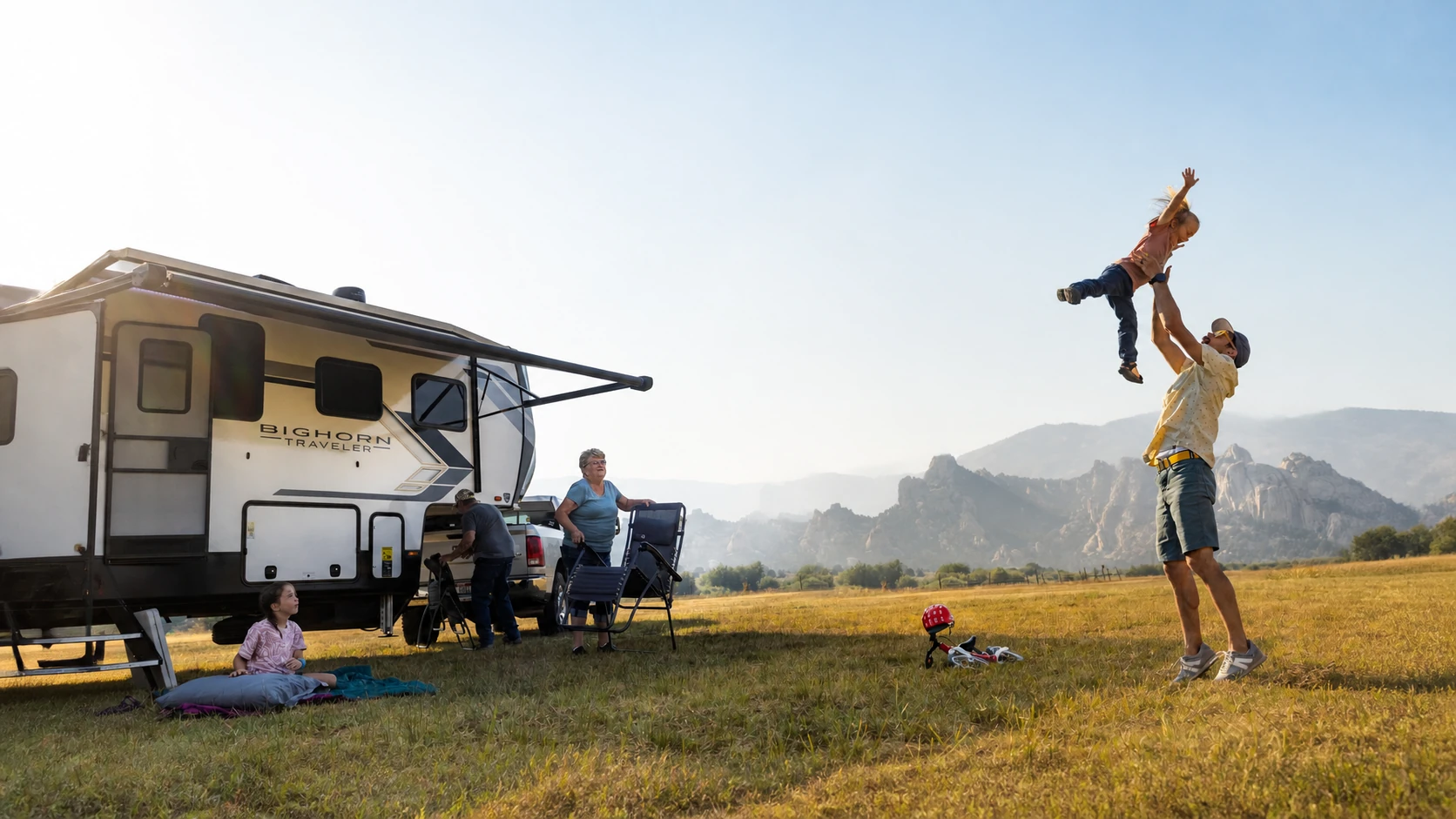
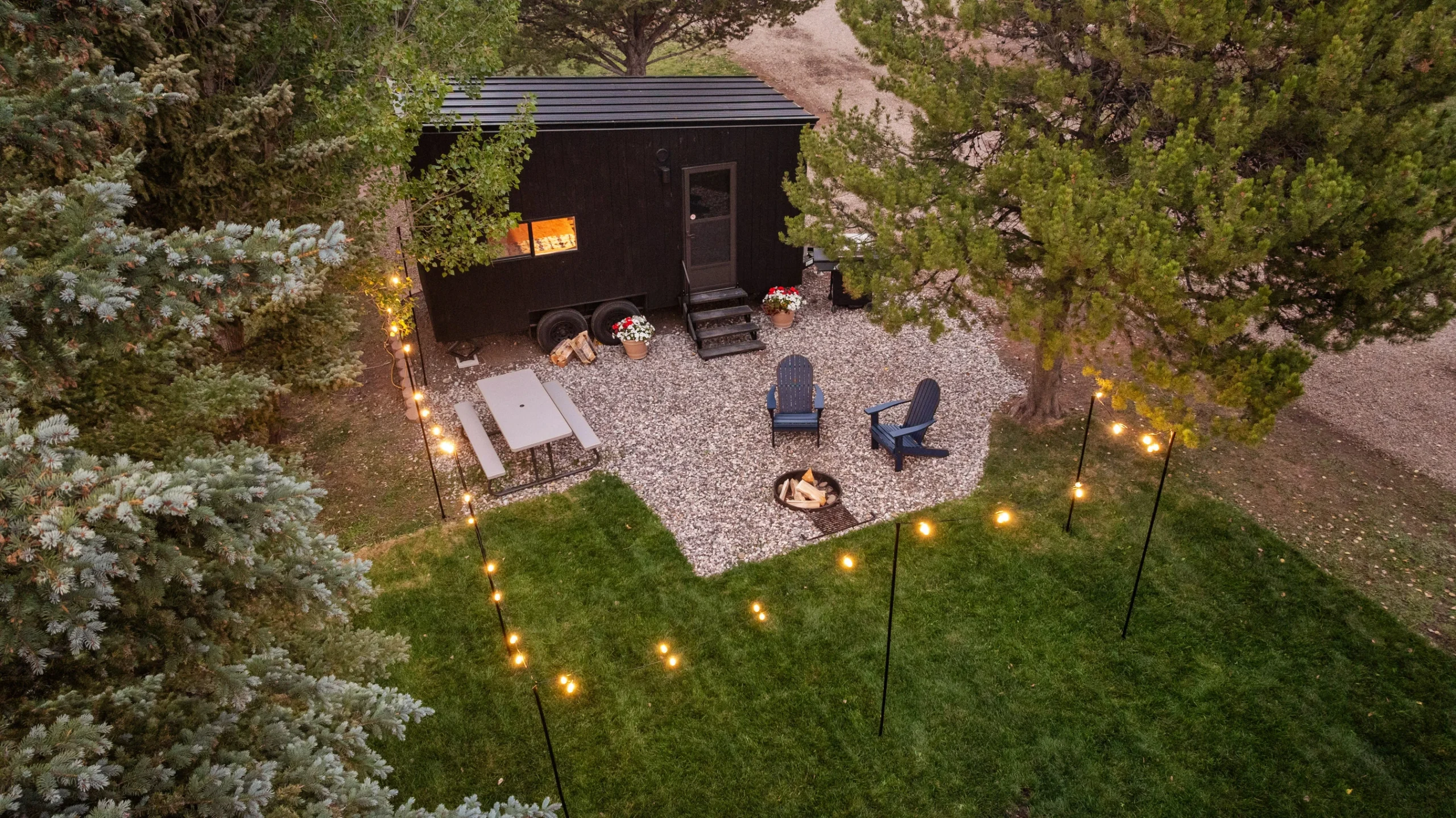
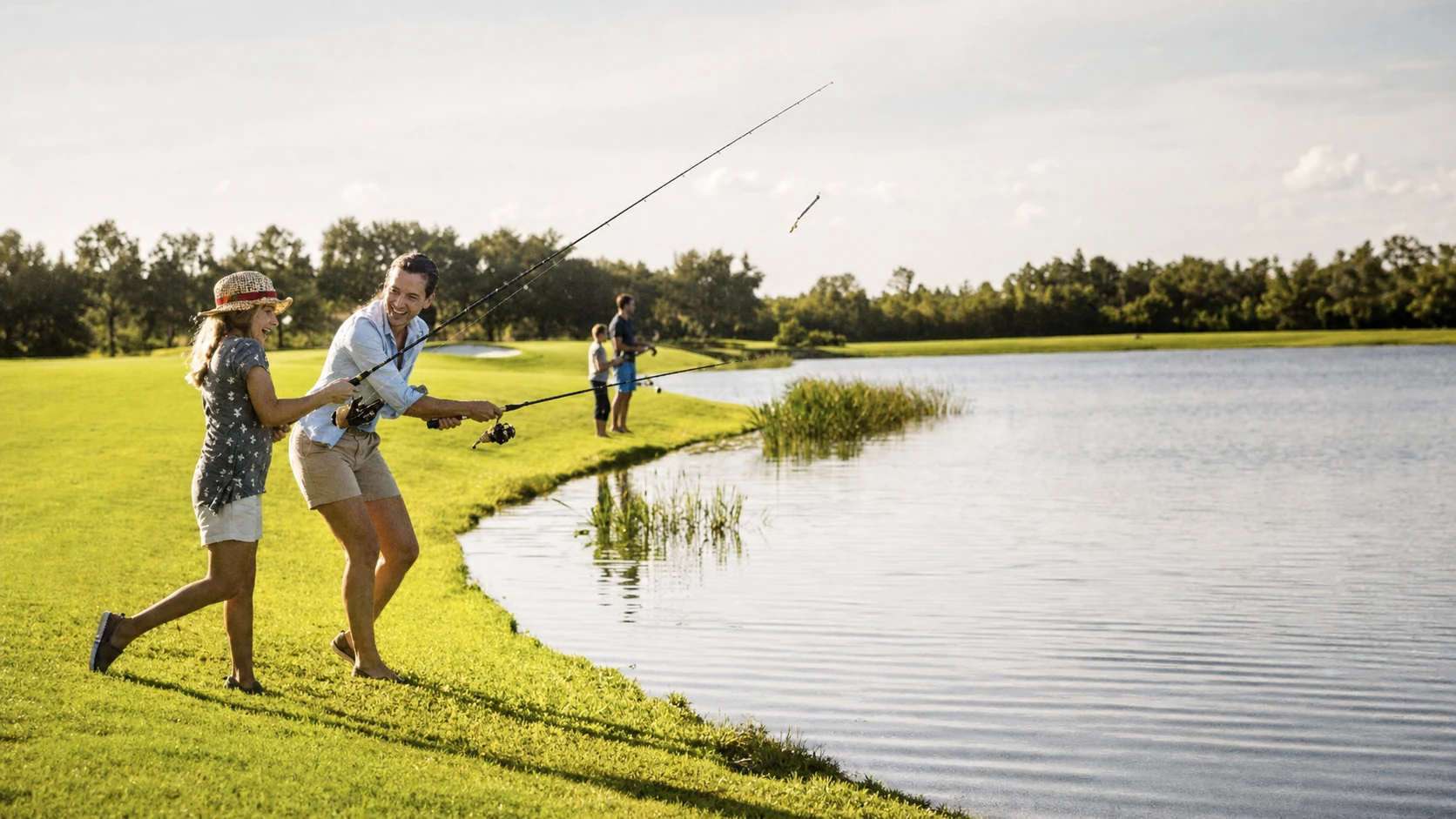
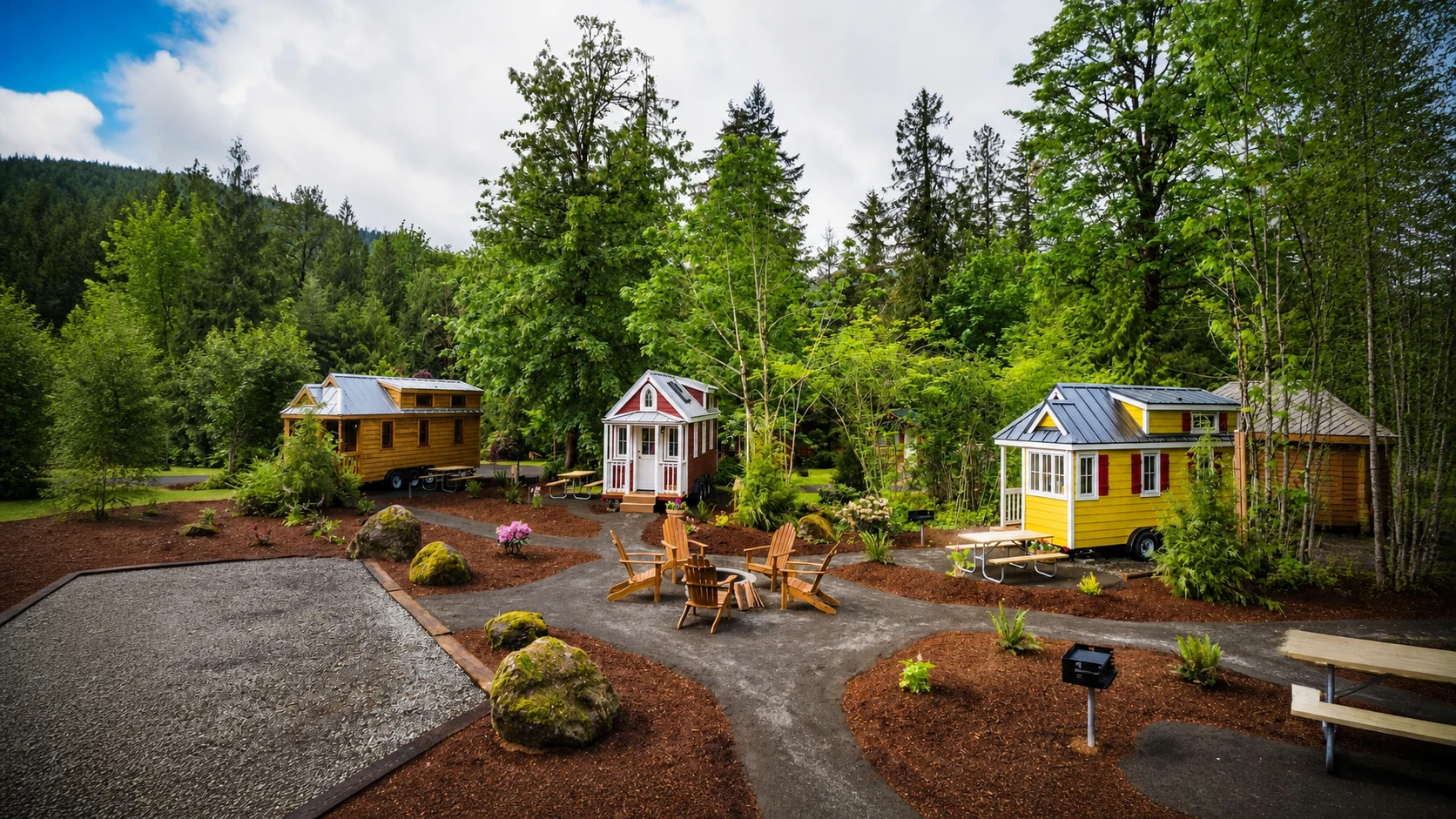
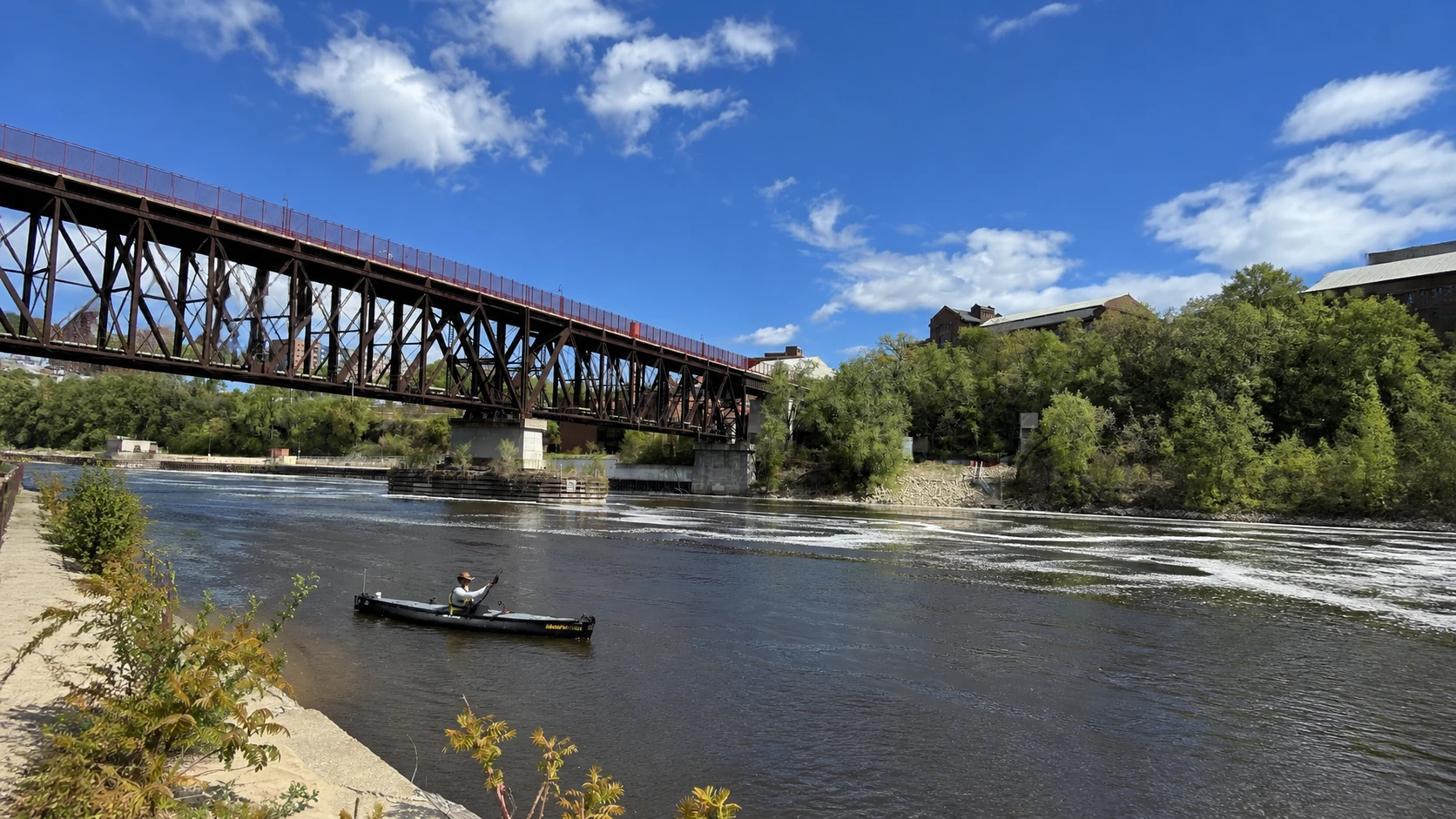
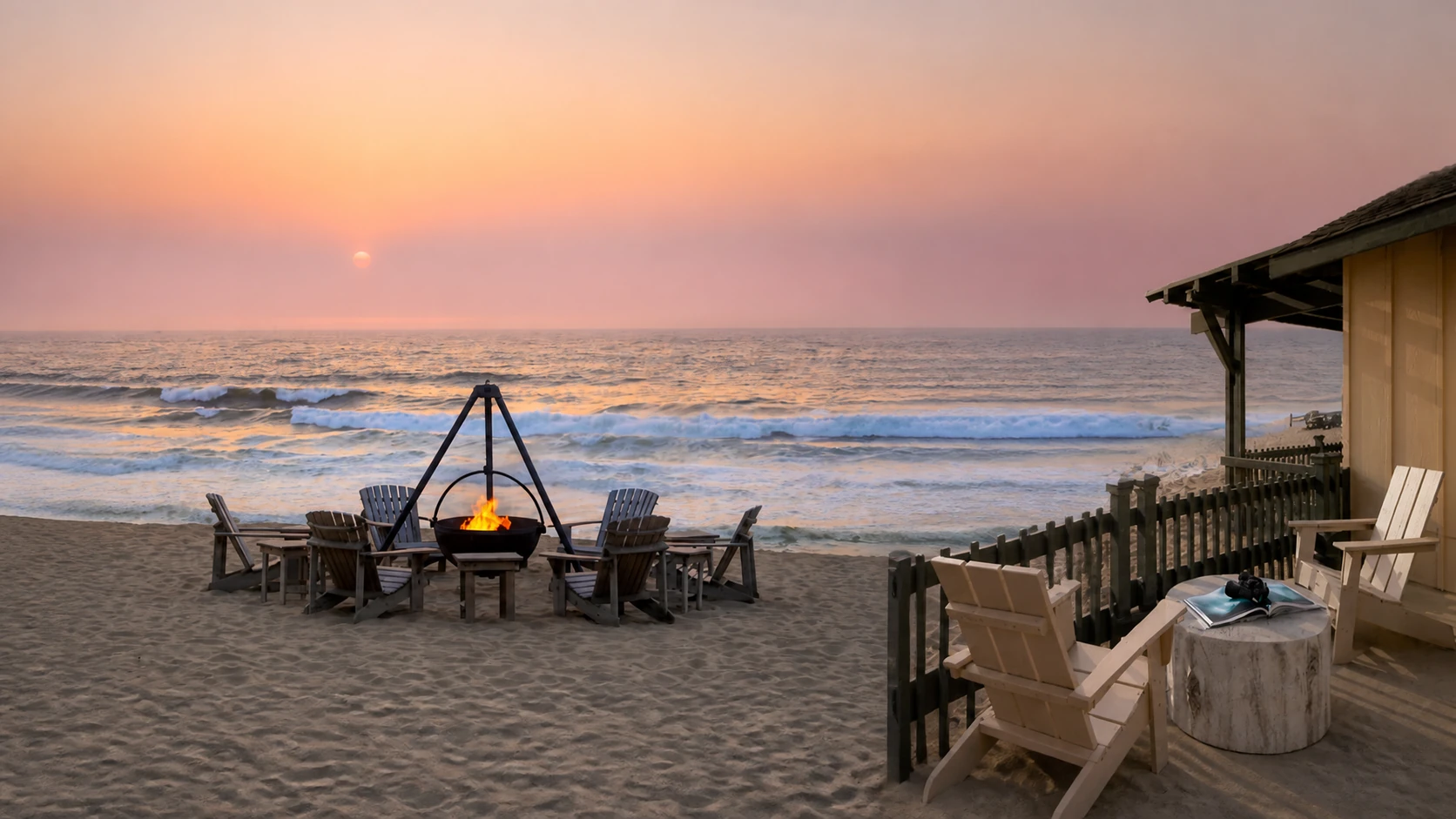
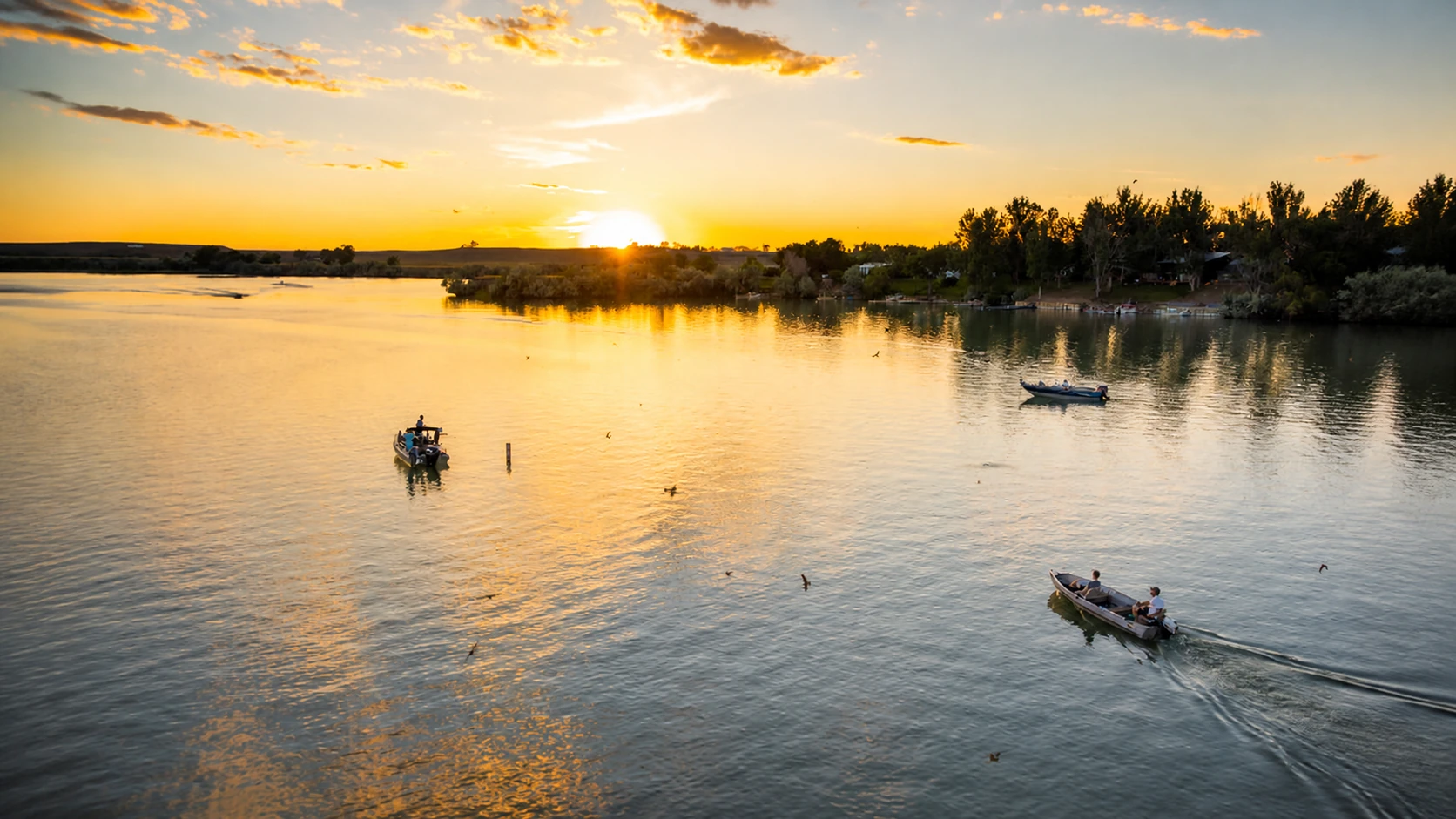
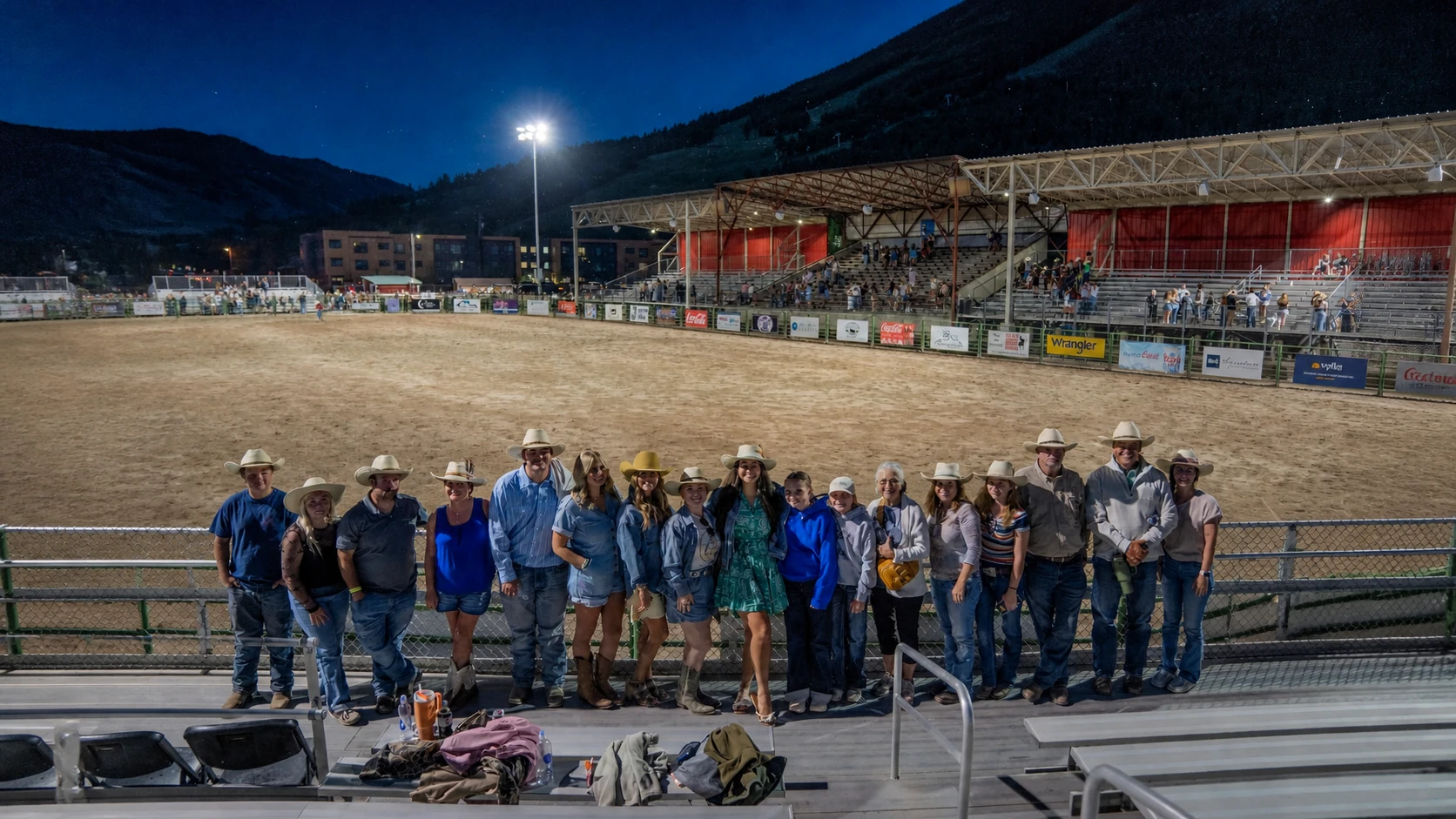
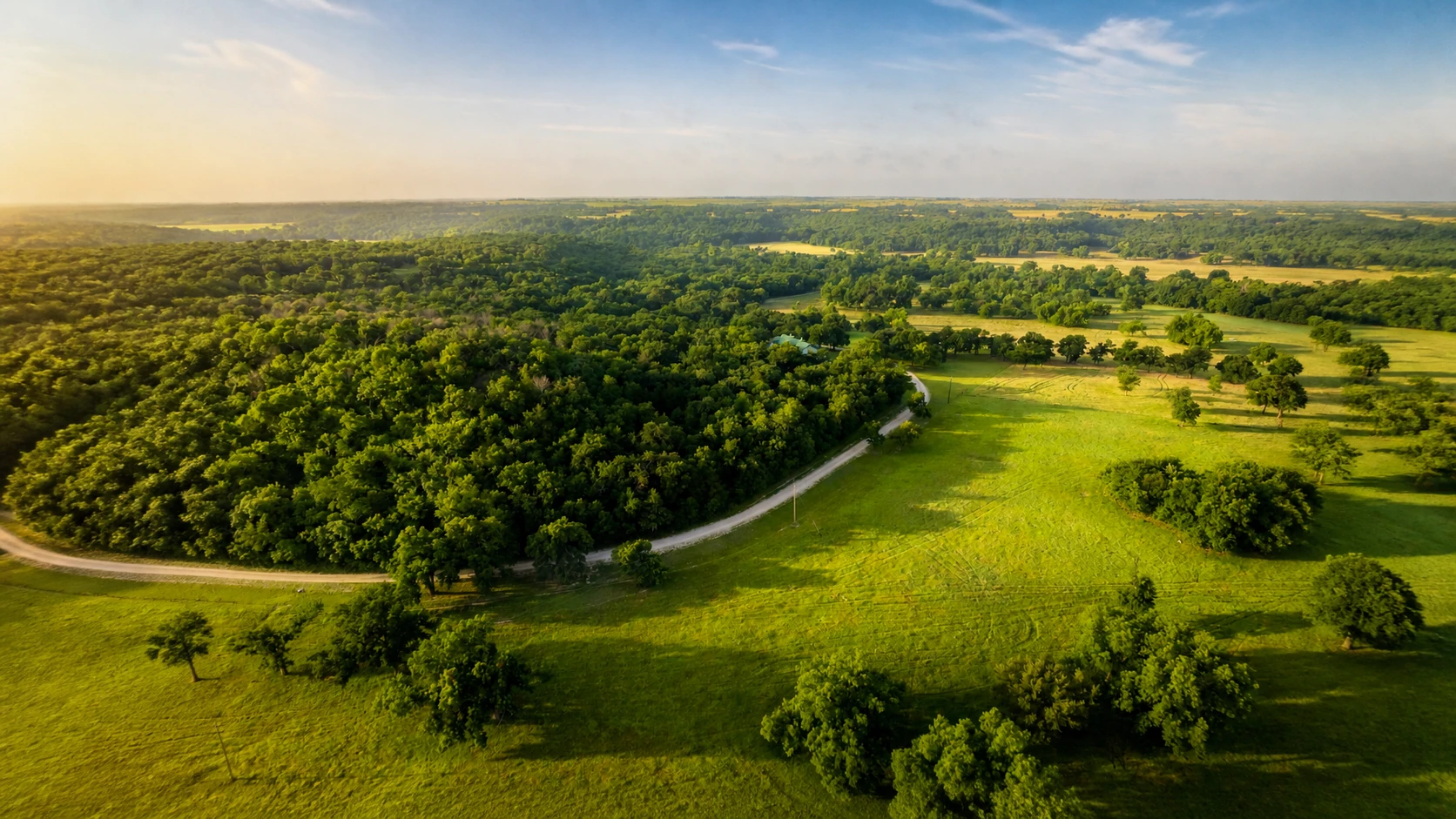
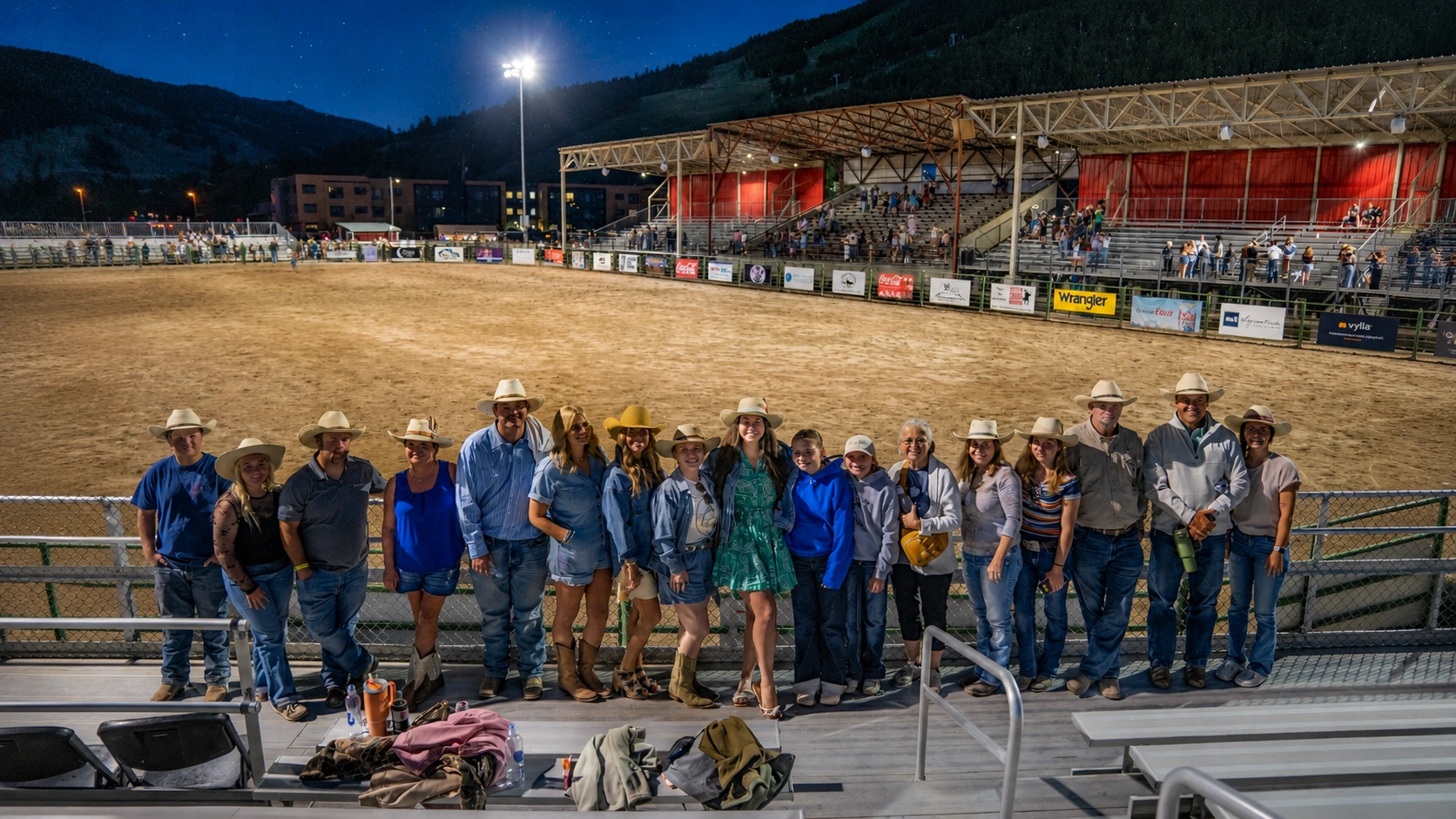
The retreat reflects an evolving understanding of family-centered support, where emotional well-being and shared experiences can complement traditional forms of care. Hosted in Wyoming’s Star Valley with assistance from Jackson Hole Outfitters, the program combined comfortable glamping accommodations with a flexible schedule that allowed participants to decide how they wanted to spend each day. Activities included fishing, horseback riding, kayaking, a hat-making workshop, and an evening at the Jackson Hole rodeo, while campfires and shared meals provided opportunities for families to reconnect in a relaxed environment.
A notable aspect of the program was its emphasis on choice rather than structured programming. Organizers intentionally avoided creating a packed itinerary, instead allowing families to participate in activities at their own pace or simply enjoy quiet moments together. The experience was also designed to be accessible regardless of outdoor experience, with professional staff, modern amenities, and on-site support helping ensure that comfort remained a priority throughout the week.
The Foundation describes families as guests rather than recipients of charity, an approach that shifts attention from hardship toward dignity and hospitality. That perspective aligns with a broader movement among nonprofit organizations to create experiences that acknowledge the emotional realities of serious illness without allowing those circumstances to define every interaction. Instead of concentrating on diagnoses, the retreat encouraged participants to build new memories in a setting removed from hospitals and daily routines.
The Karl Studer Foundation plans to make the Trip of a Lifetime an annual initiative and expand participation in future years. As communities continue exploring new ways to support families during periods of profound uncertainty, programs like this suggest that providing time, choice, and meaningful shared experiences can be as valuable as meeting more traditional practical needs.