
Qualcomm has completed its acquisition of Modular, bringing AI software infrastructure together with its computing platforms as demand grows for efficient AI deployment across diverse hardware environments.
Qualcomm has completed its acquisition of AI software company Modular, marking another step in the industry’s effort to build more integrated artificial intelligence platforms. The deal combines Qualcomm’s expertise in energy-efficient computing with Modular’s software infrastructure for deploying generative and agentic AI across a variety of hardware architectures. As AI workloads continue expanding from cloud environments to edge devices and enterprise infrastructure, software that can efficiently operate across different computing systems is becoming an increasingly important part of the technology landscape.
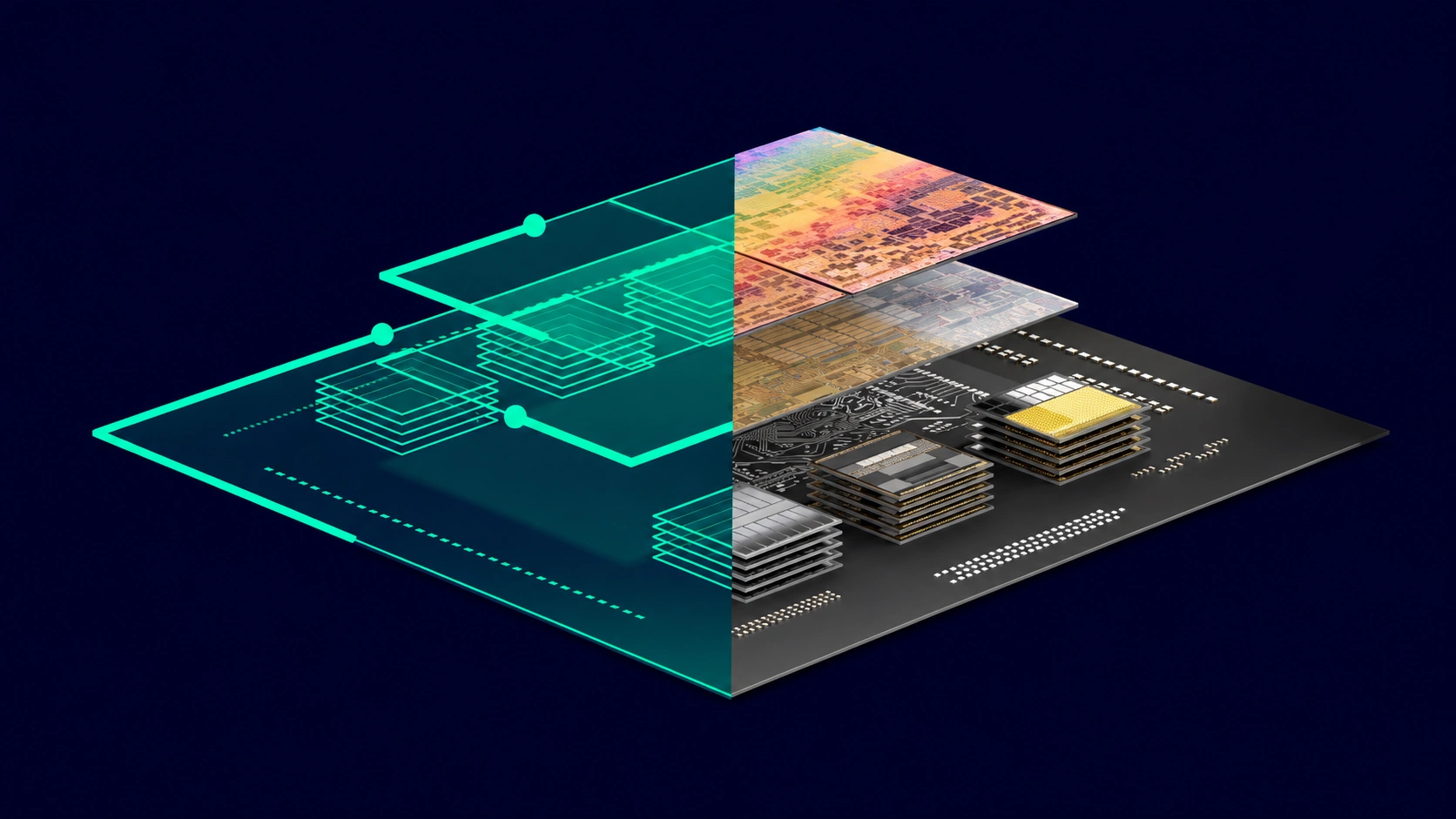
The AI ecosystem has evolved beyond developing larger models alone. Organizations are now focused on making those models run effectively across a wide range of processors, including CPUs, GPUs, neural processing units, and specialized chips. This shift reflects growing demand for AI applications that can operate on smartphones, personal computers, industrial equipment, and data center infrastructure without requiring developers to redesign software for each platform. Improving portability and performance has become a central challenge as AI deployment scales across industries.
According to Qualcomm, Modular’s platform provides developers with tools to optimize and deploy AI workloads across heterogeneous computing environments. The company says the acquisition will strengthen its AI offerings across devices, edge infrastructure, data centers, and industrial applications while maintaining Modular’s commitment to an open software ecosystem. Qualcomm also stated that Modular’s existing technologies, including Mojo, MAX, and Modular Cloud, will continue as products and brands with expanded investment. As part of the acquisition, Modular co-founder and chief executive Chris Lattner will join Qualcomm Technologies as Executive Vice President of Advanced AI Software and Platforms, reflecting the strategic importance of software in the company’s long-term AI roadmap.
The acquisition highlights a broader trend in the semiconductor industry, where hardware manufacturers are increasingly investing in software capabilities to deliver more complete AI platforms. Rather than competing solely on processor performance, companies are seeking to simplify how developers build, optimize, and deploy AI applications across multiple environments. This convergence of hardware and software is becoming a defining feature of the next phase of AI infrastructure.
Qualcomm’s acquisition of Modular illustrates how competition in artificial intelligence is expanding beyond model development into the underlying software that connects AI with computing hardware. As enterprises adopt AI across increasingly diverse environments, integrated platforms that balance performance, efficiency, and interoperability are likely to play a growing role in shaping the future of AI deployment.