The Maryland Zoo is supporting a carefully monitored outdoor study in Panama, a step towards understanding how captive-bred golden frogs could return to the wild.
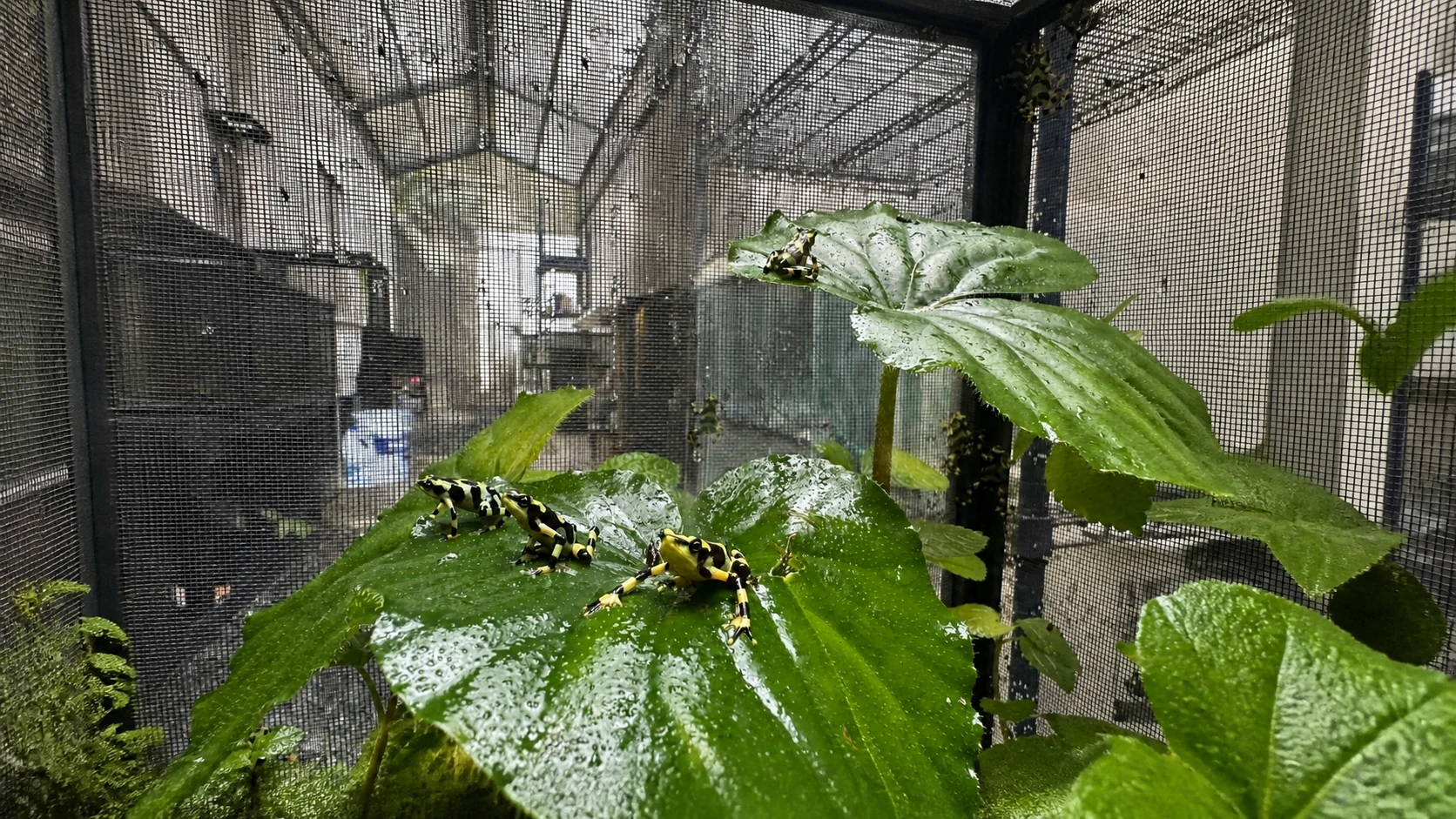
Maryland Zoo is supporting the return of critically endangered Panamanian golden frogs to outdoor enclosures in El Valle de Antón, Panama, after more than two decades in indoor facilities. The move forms part of a research project comparing captive-bred Atelopus zeteki and Atelopus varius frogs raised in semi-natural and controlled conditions. The study is intended to provide information for teams preparing for the eventual release of captive-bred frogs into the wild, making the project a closely watched stage in a long-running conservation effort.
The frogs have not been seen in the wild for more than 20 years, while the Panamanian golden frog, Atelopus zeteki, was last recorded in its natural habitat in 2009, according to the release. Conservationists moved the animals from indoor holding into shaded, screened open-air enclosures designed to expose them cautiously to natural conditions. The setting allows researchers to examine development without presenting the frogs with the full risks of an uncontrolled release.
Researchers are monitoring the animals from the tadpole stage through their development into morphlets and juvenile frogs. Measurements include growth, weight and other factors, alongside exposure to temperature, rainfall and ultraviolet light. The work is led by local teams at the EVACC Foundation, with support from Maryland Zoo, Fort Worth Zoo, Detroit Zoo, Zoo Atlanta, Seneca Park Zoo and Project Golden Frog, the Association of Zoos and Aquariums Species Survival Plan for the Panamanian golden frog.
The research responds to the threat posed by chytrid fungus, or Batrachochytrium dendrobatidis, which the release says endangered wild populations of Panamanian golden frogs and contributed to the decision to protect a small group in captivity. Over the past 20 years, conservation work has included emergency rescue, captive breeding, fungal disease mitigation, habitat protection and public education. The outdoor study therefore links animal care with the practical questions involved in reintroduction, while keeping the animals under close observation.
For Maryland Zoo, the project represents a further stage in an international effort to maintain the species in North America and Panama while developing knowledge for its possible return to native habitat. The zoo’s senior director of Animal Health, Conservation and Research said the initiative brings the species closer to a future return to the El Valle de Antón region, although the release describes the outdoor phase as a step towards that outcome rather than the release itself. The distinction underscores the cautious pace of conservation programmes built around a species facing disease and habitat-related pressures.