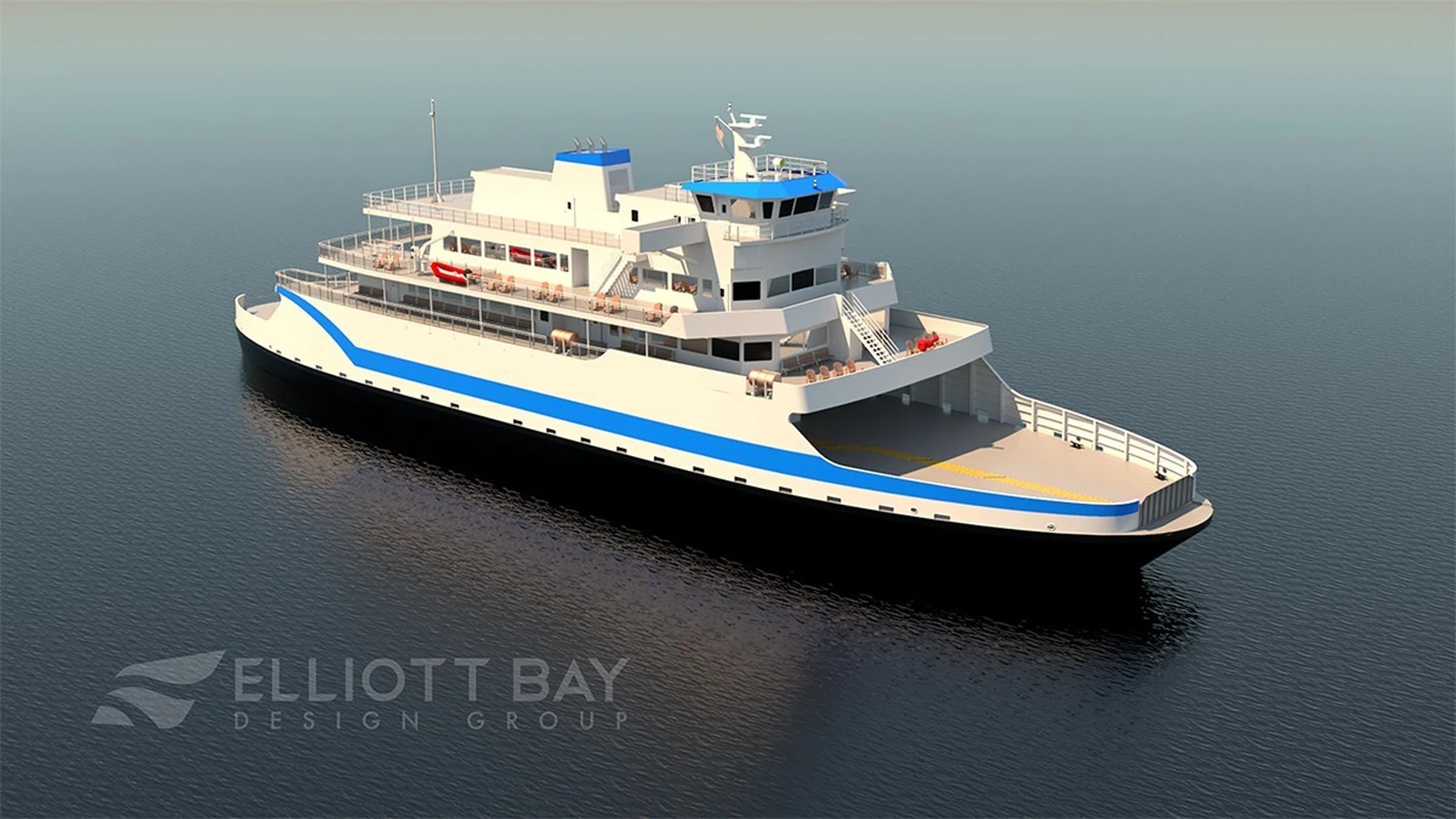
A $78.6 million diesel-hybrid vessel will replace an ageing ferry on the Delaware Bay, combining lower emissions with a substantial investment in year-round regional mobility.
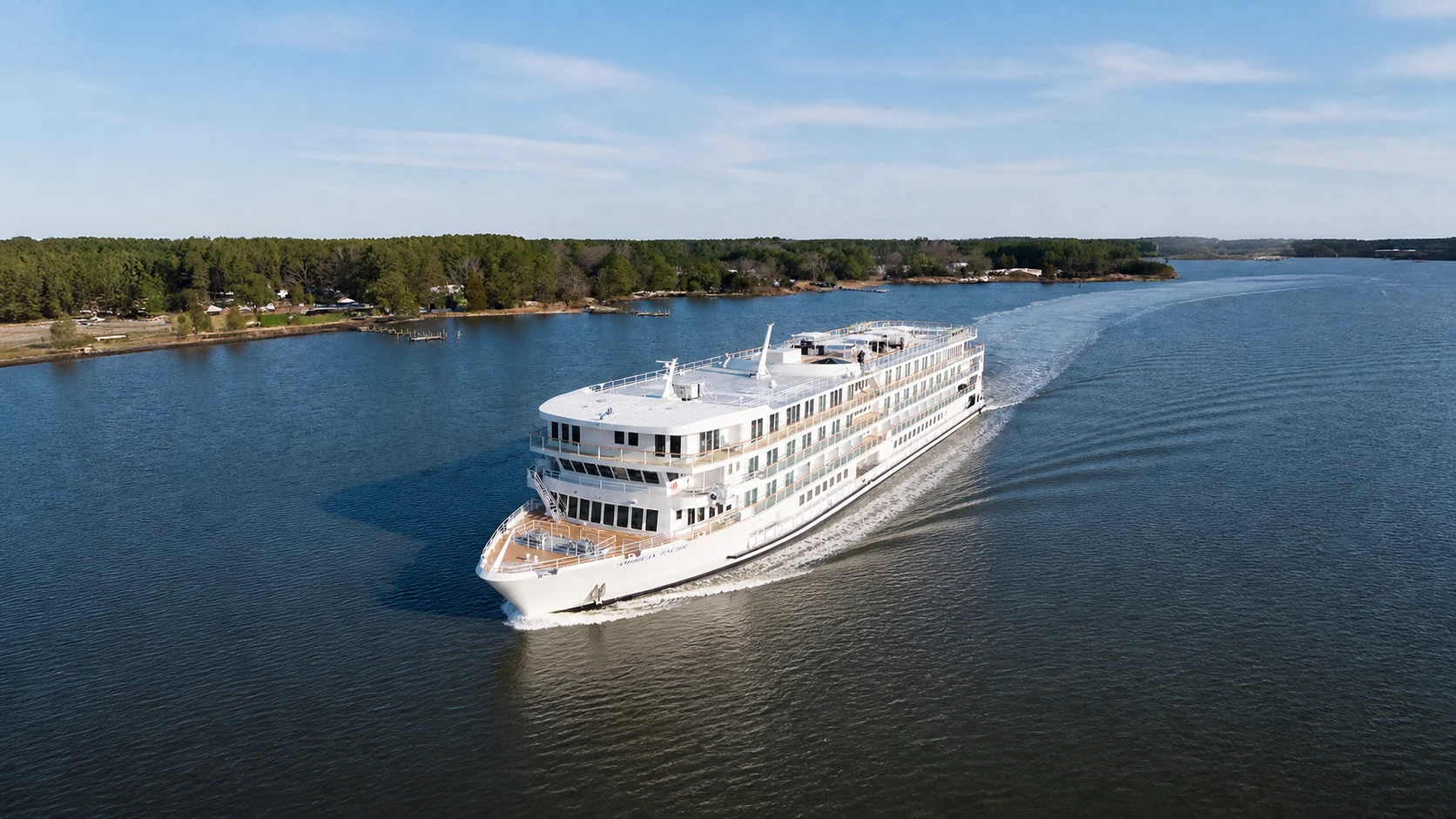
The Delaware River and Bay Authority, or DRBA, has awarded SENESCO Marine a $78.6 million contract to construct and outfit a new 75-car passenger and vehicle ferry for the Cape May–Lewes Ferry. The diesel-hybrid vessel is expected to join the fleet in 2028 and will eventually replace the more than 40-year-old MV Cape Henlopen. The contract marks a significant capital investment in a ferry service that connects Lewes, Delaware, with Cape May, New Jersey, while also positioning lower-emission marine transport as part of the route’s next phase.
The Cape May–Lewes Ferry operates year-round and has carried more than 50 million passengers since beginning service on July 1, 1964. Owned and operated by the DRBA, it serves communities and economies on both sides of Delaware Bay and supports regional travel for work, family visits and tourism. The ferry’s role extends beyond passenger movement: its operations sustain more than 4,000 jobs and contribute tens of millions of dollars in local taxes and hundreds of millions of dollars in regional economic activity, according to the authority.
The new vessel will use hybrid and all-electric operating modes, with the authority estimating annual reductions of 2,025 tons of carbon dioxide, 102.7 tons of nitrogen dioxide, 1.51 tons of fine particulate matter, 1.03 tons of hydrocarbons and five tons of carbon monoxide. It is also expected to produce zero emissions while near port and docked, while the new engines are projected to reduce fuel consumption by 35 per cent. The project is partially supported by a $20 million grant from the U.S. Department of Transportation.
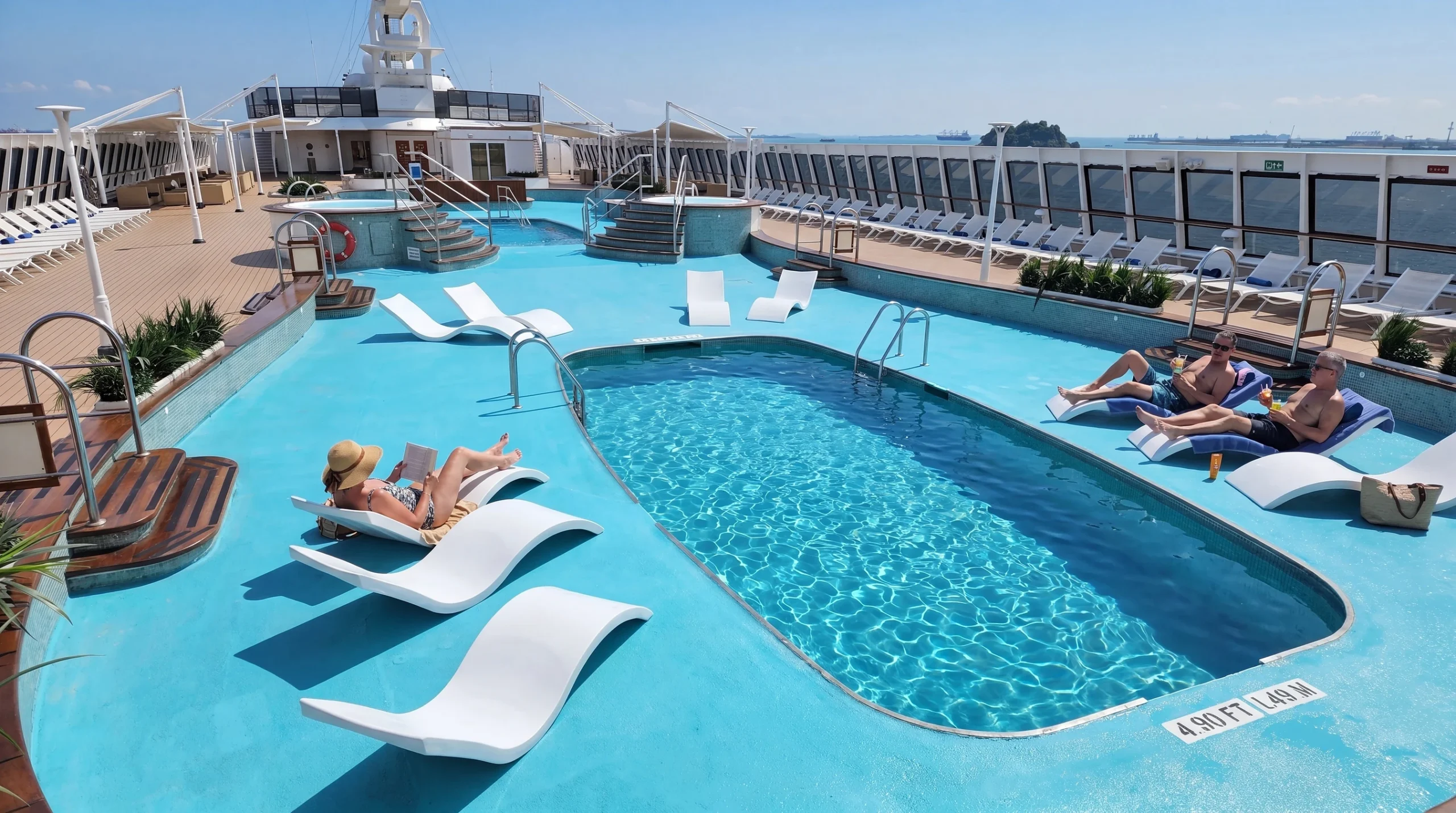
The commission voted unanimously to award the contract at the bi-state agency’s monthly meeting on November 18, 2025. The board action remained subject to a 10-day review and consent period involving the governors of New Jersey and Delaware, while construction was slated to start early the following year and reach projected completion in summer 2029. The vessel’s design also includes passenger amenities such as an outside lido deck and a food court inside the main passenger salon, according to the project materials.
For the DRBA, the project links fleet modernisation with the practical demands of a heavily used regional transport service. Replacing an older diesel ferry with a vessel designed for hybrid and electric operation could reduce fuel use and emissions without changing the route’s basic role as a year-round connection between two coastal destinations. The investment therefore presents the Cape May–Lewes Ferry as both essential infrastructure and a setting in which public-sector transport operators can pursue measured environmental improvements.