A ResortPass survey finds relaxation guilt and holiday planning strain are reshaping how Americans think about taking time away from routine.
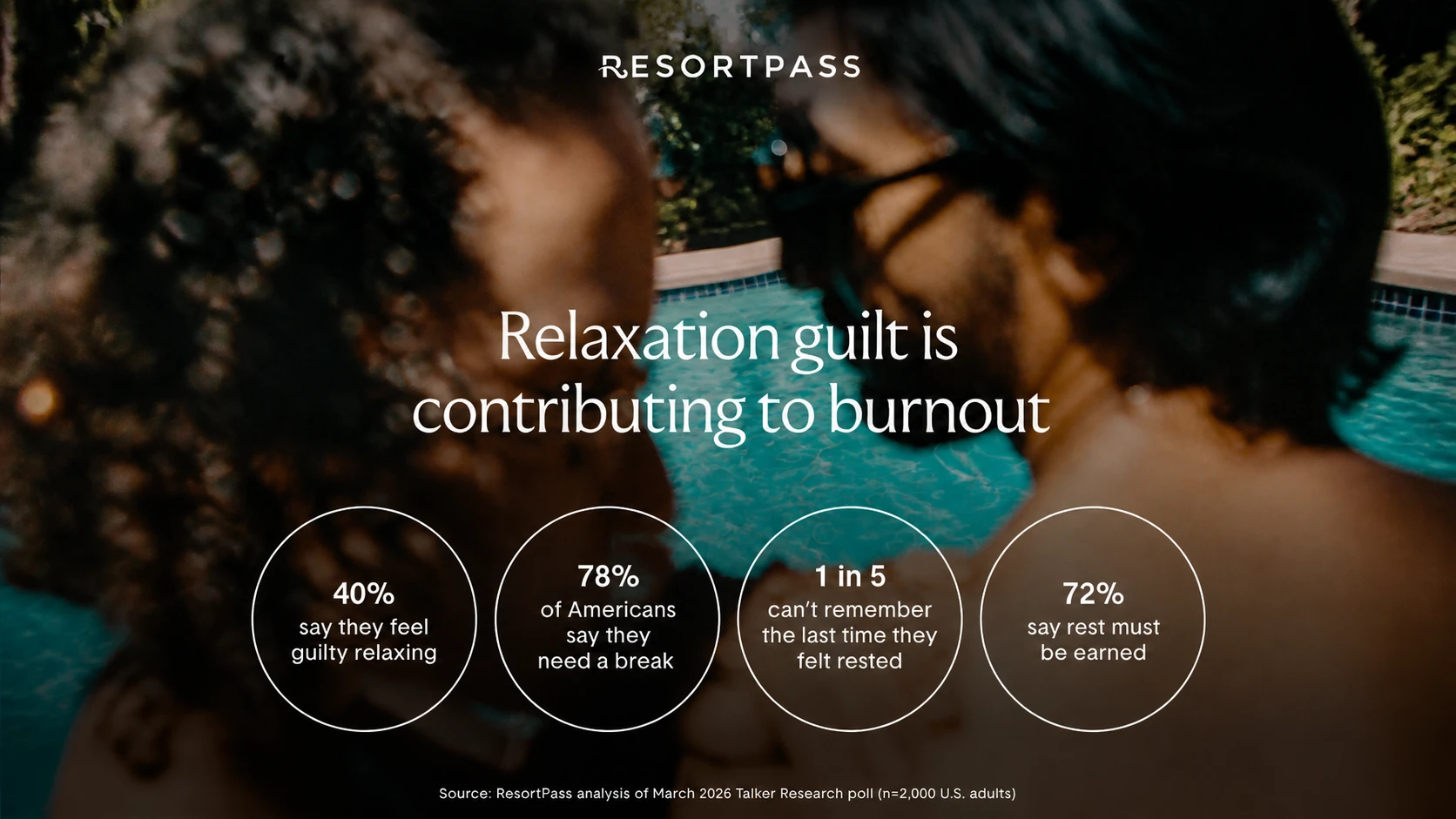
ResortPass has published a report suggesting that many Americans need time to recover but struggle to give themselves permission to take it. The company’s March 2026 survey of 2,000 U.S. adults found that 40% feel guilty relaxing, while 78% say they currently need a break. The findings position rest not simply as a question of available leave, but as a cultural and practical challenge for people trying to step away from work, family responsibilities and daily demands.
The report describes a population accustomed to operating while tired. Three-quarters of respondents said they feel mentally or physically drained at least once a week, including 27% who experience that feeling every day, while one in five could not remember the last time they felt fully rested. ResortPass also found that 72% believe rest must be earned, indicating that the emotional barrier to downtime can remain even when formal time off is available.
Longer holidays do not necessarily resolve that pressure. According to the report, seven in 10 adults say they need a vacation to recover from their last one, and one person carries most of the responsibility for planning flights, hotels and activities in 70% of households. Parents reported particular strain: 40% said downtime on family holidays is rare or nonexistent, and 43% said they return from family holidays more tired than before they left. Eight in 10 professionals also expect to finish the year with unused paid time off, citing workload and pressure to remain available.
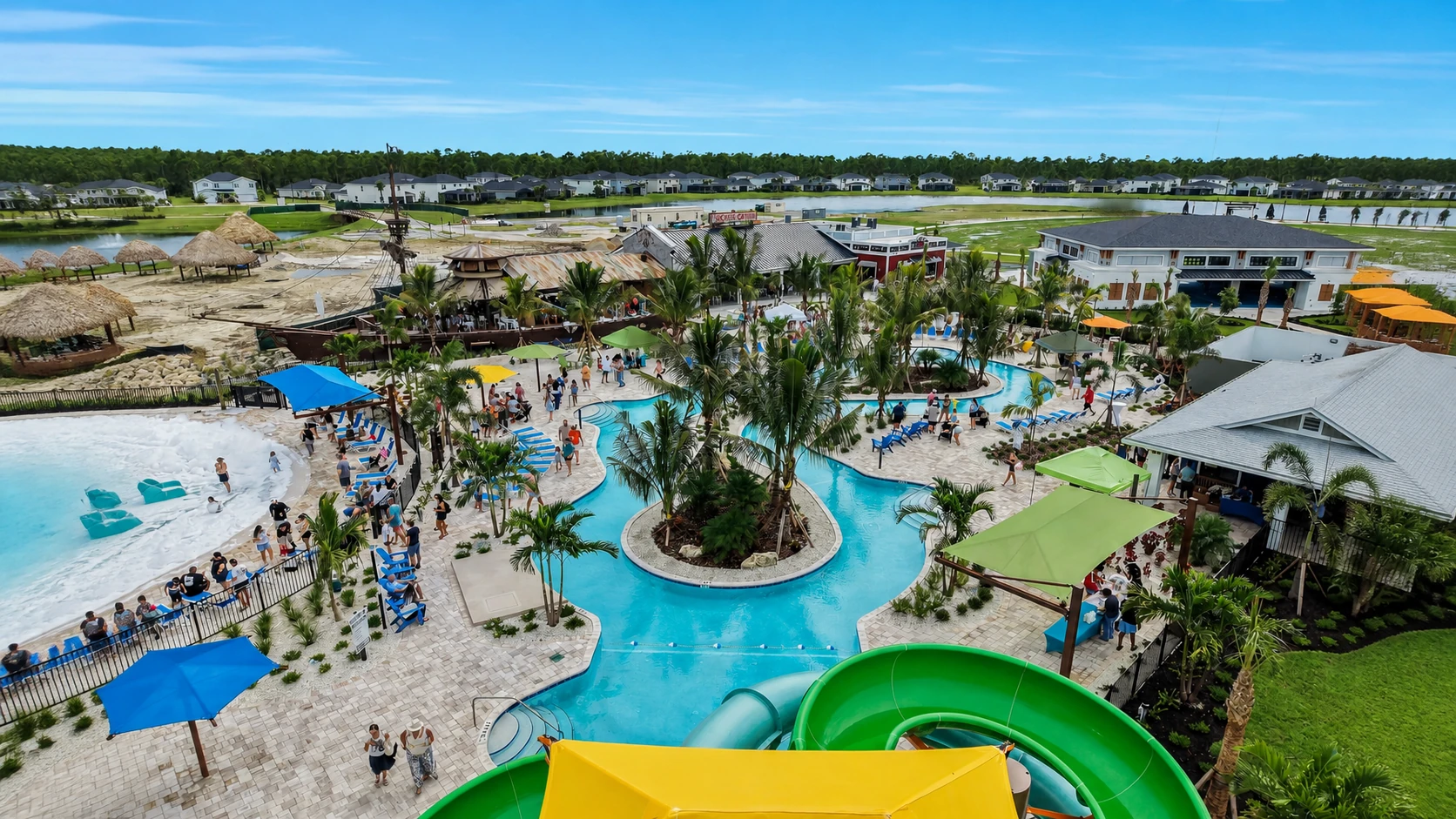
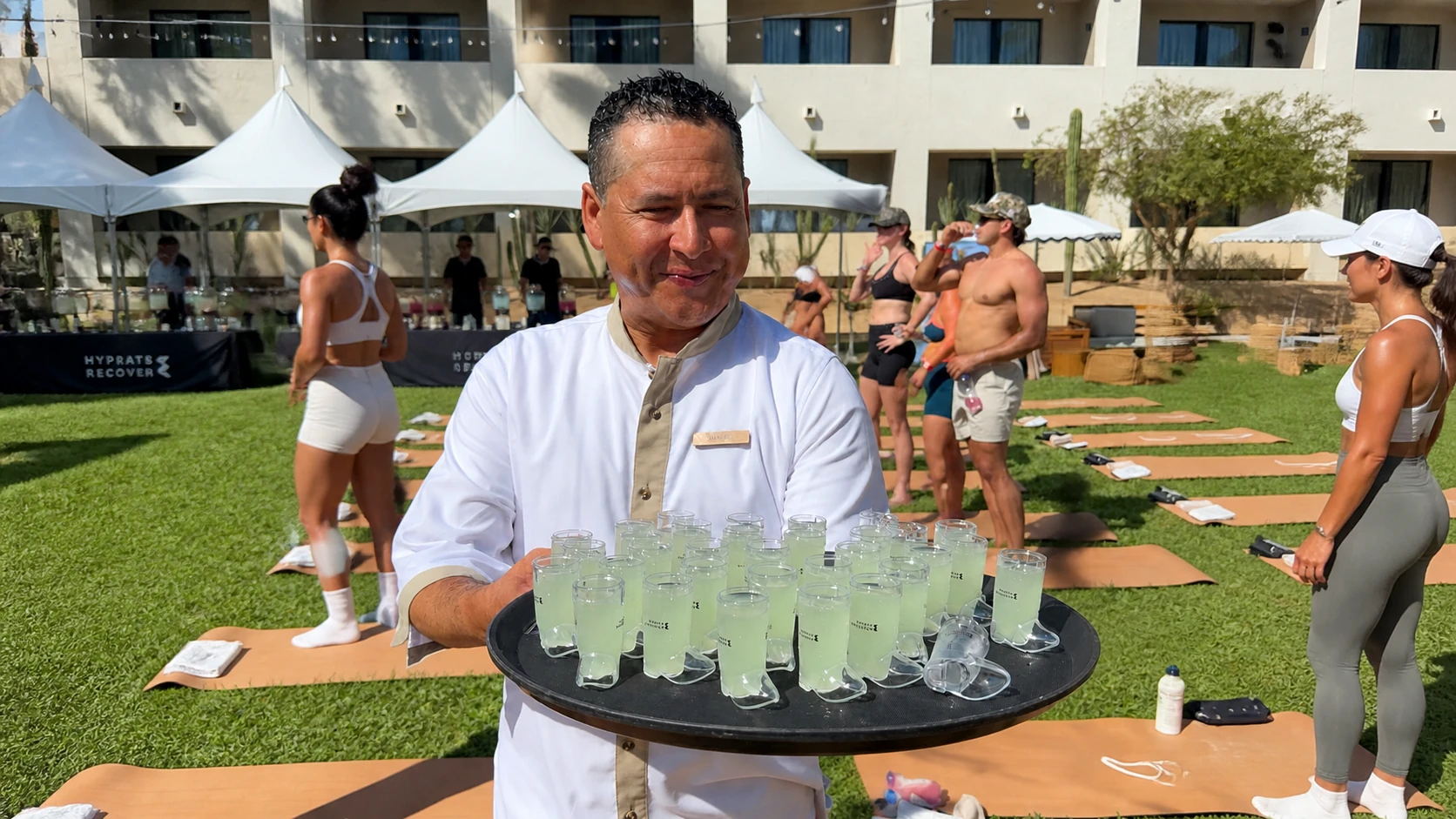
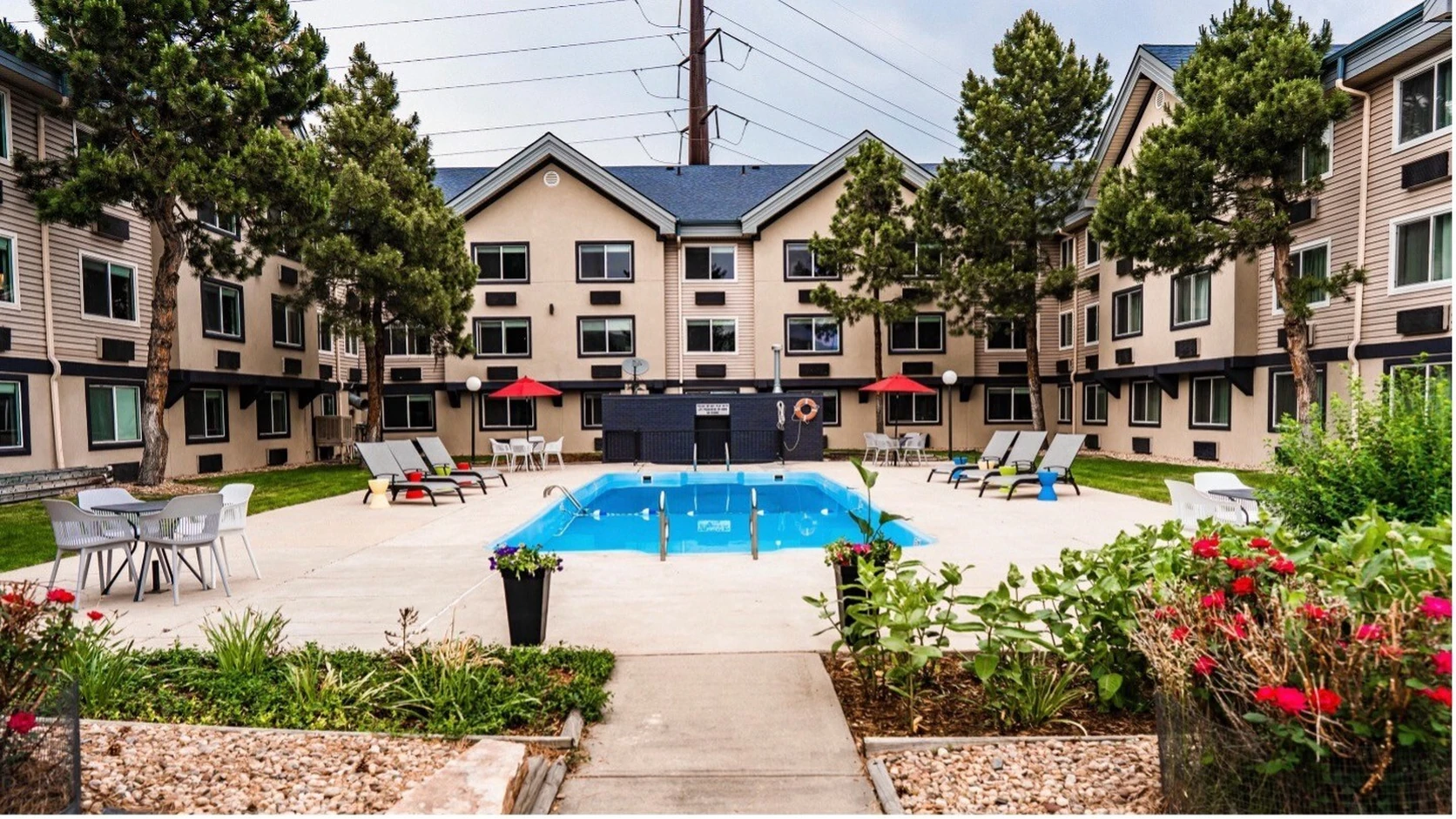
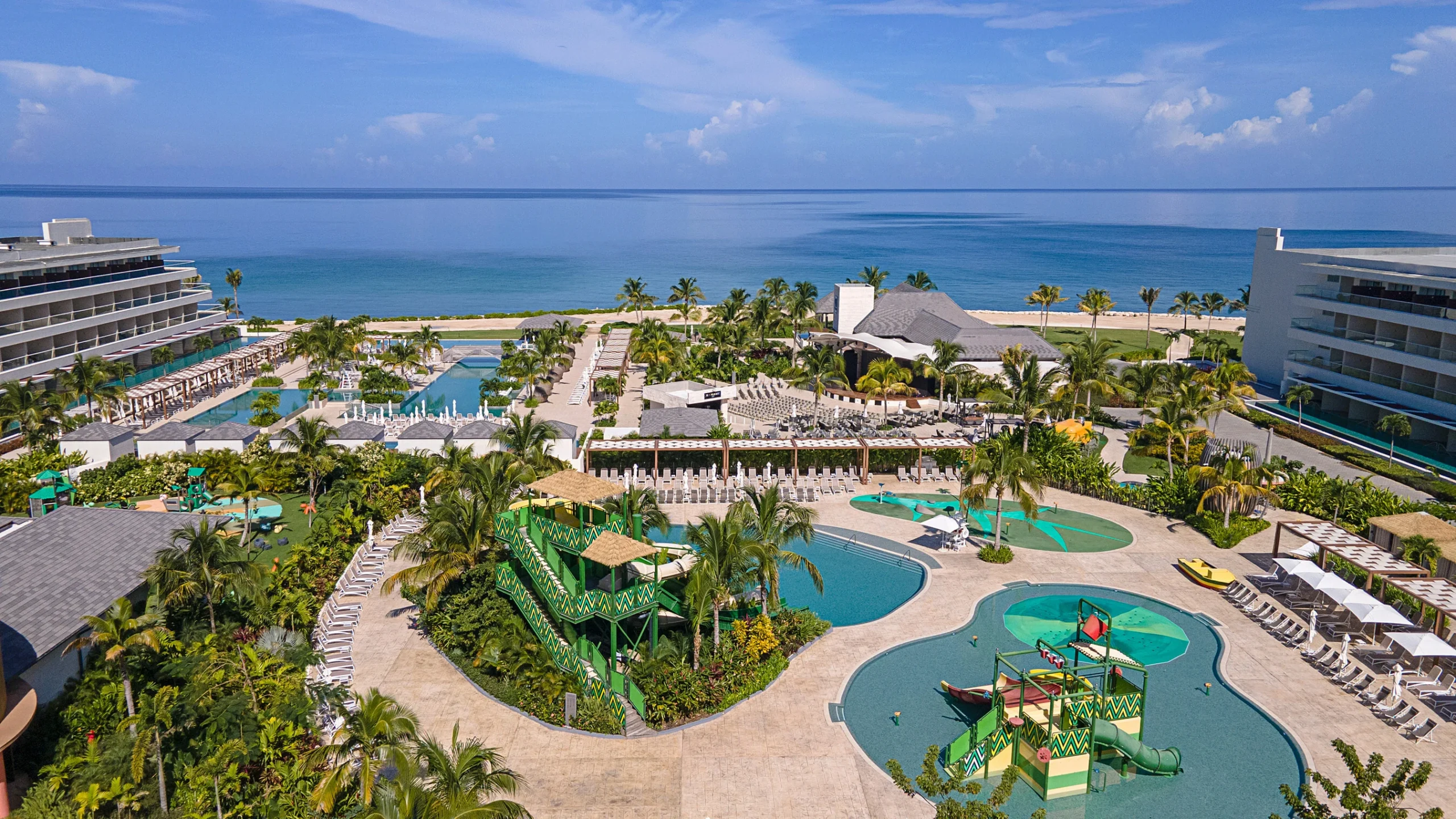
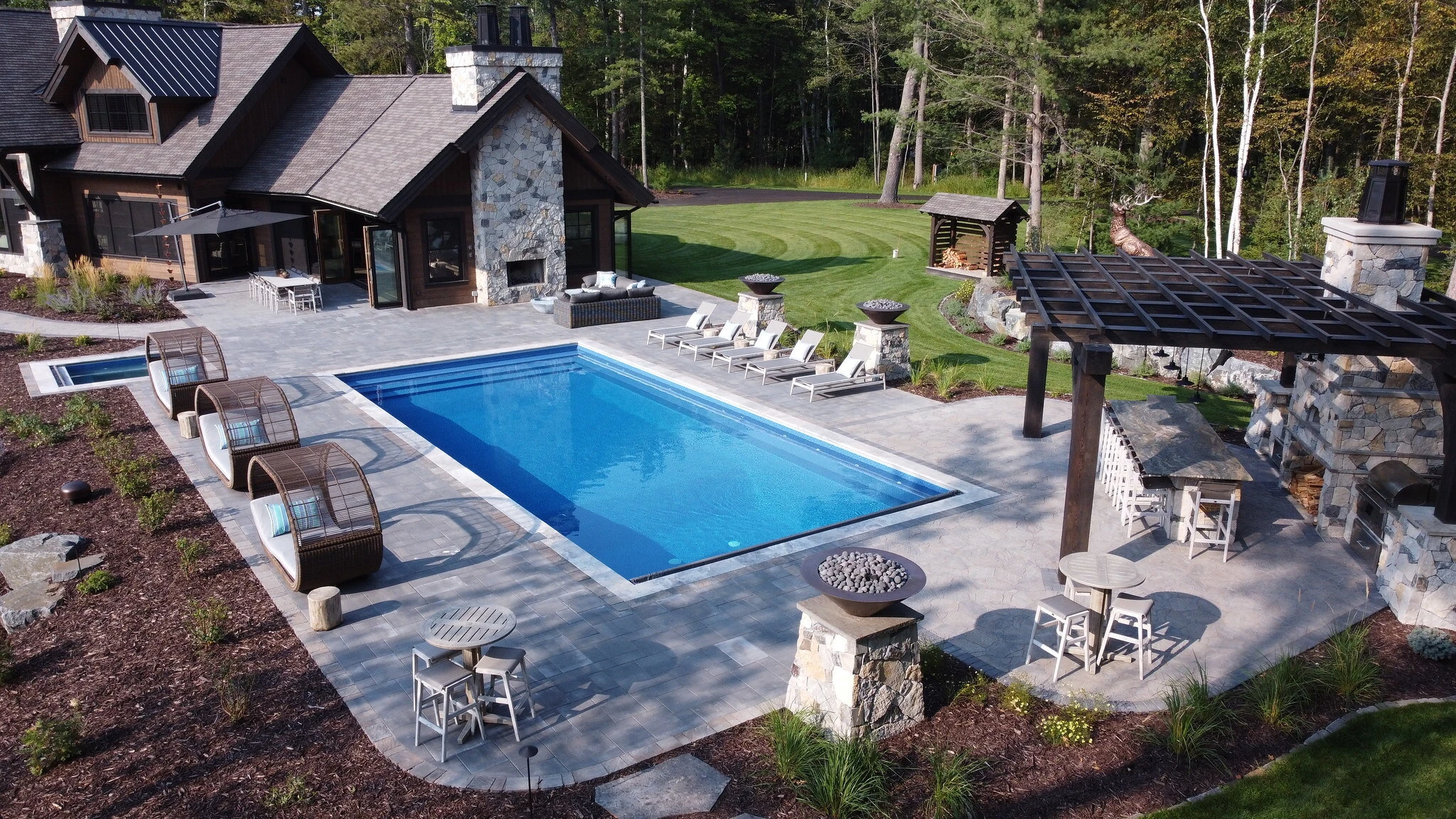
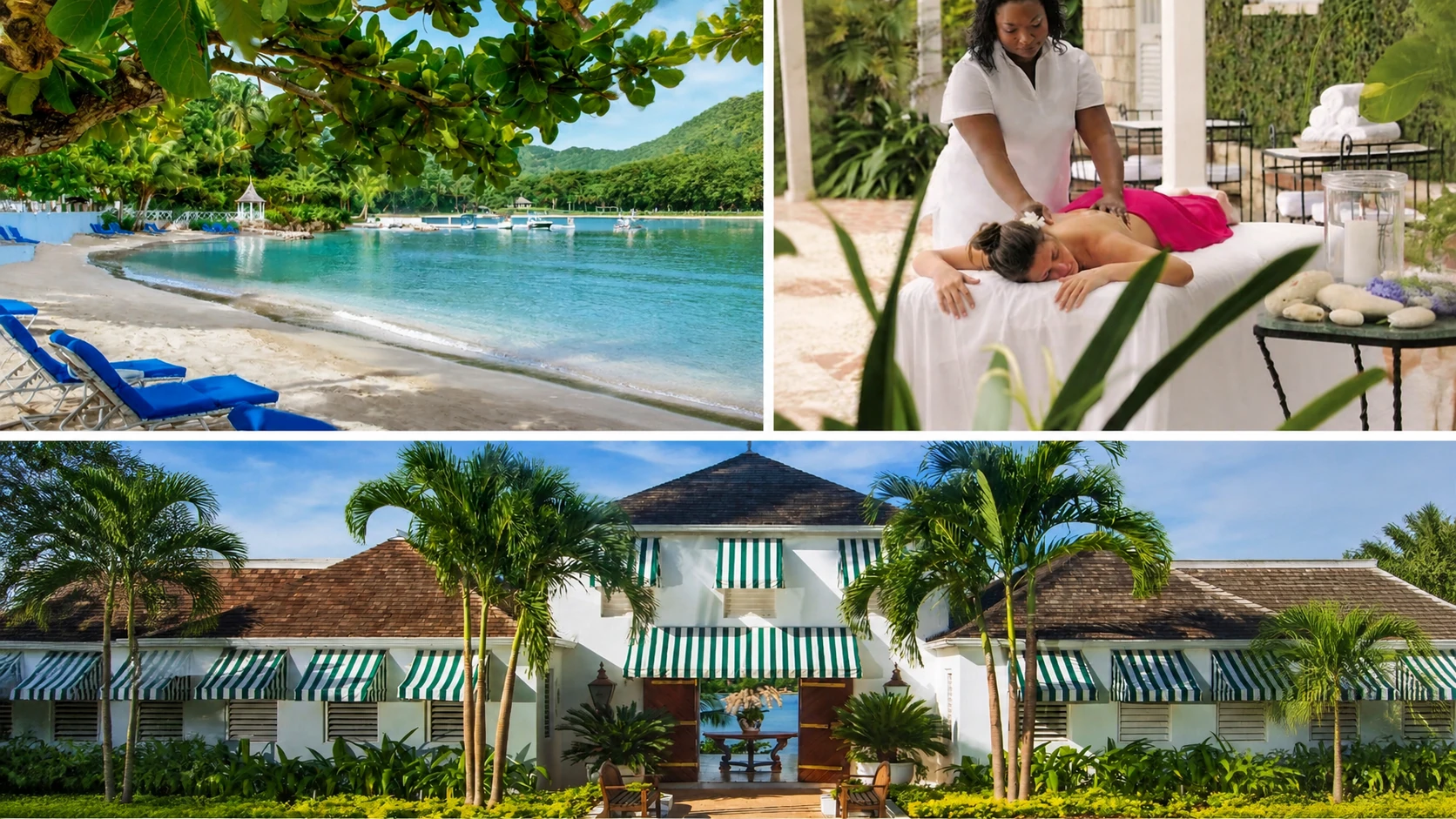
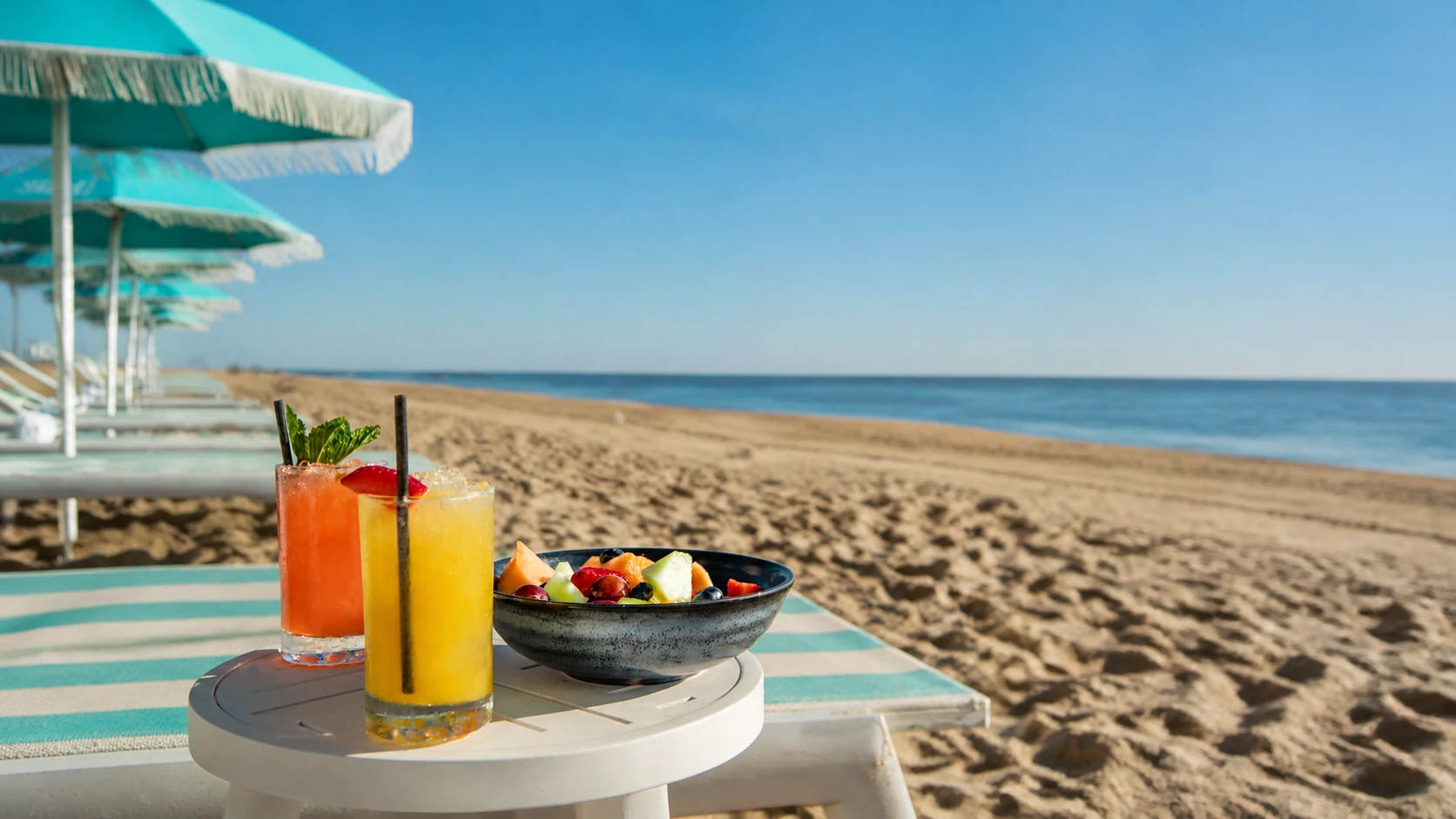
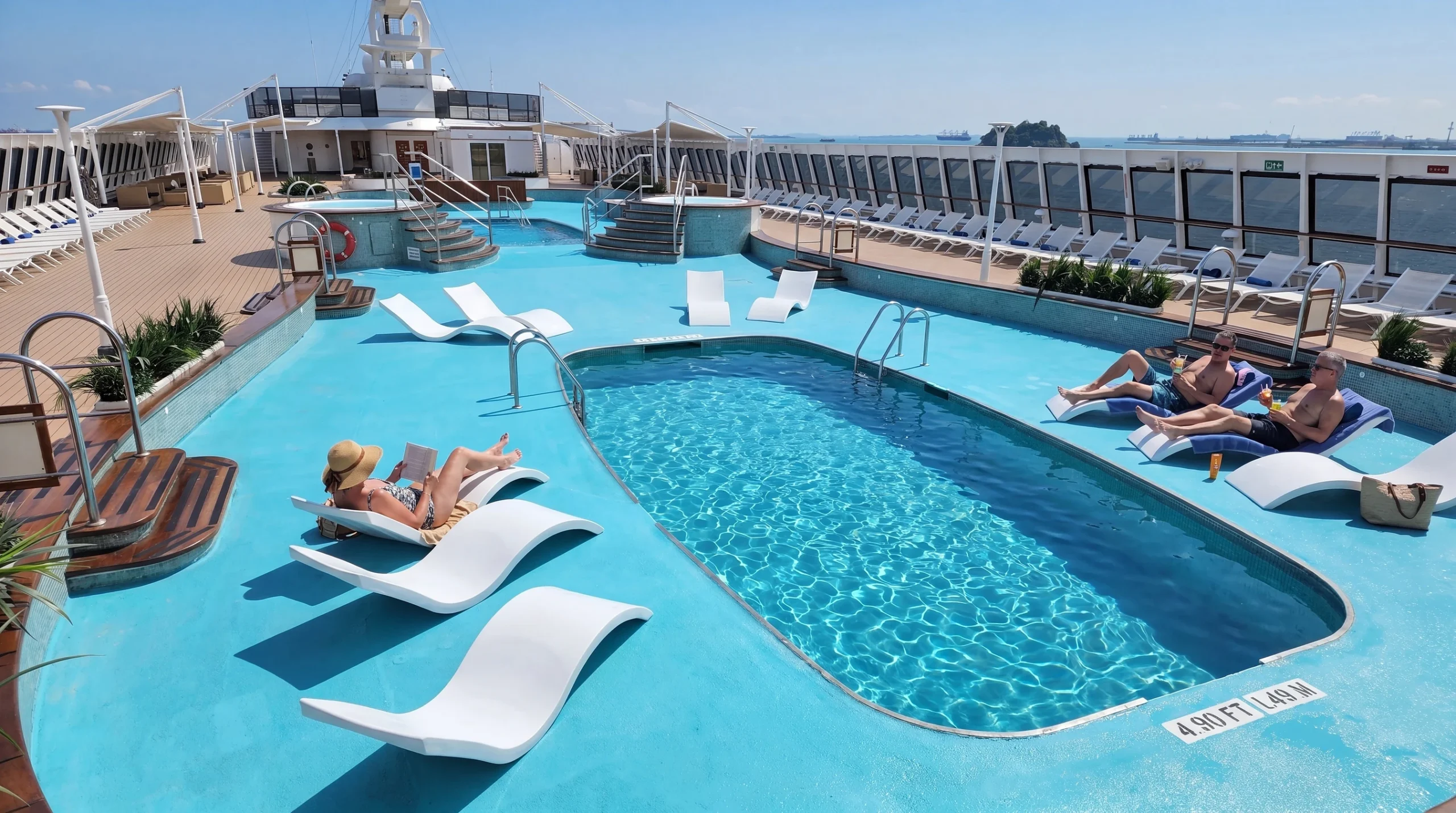
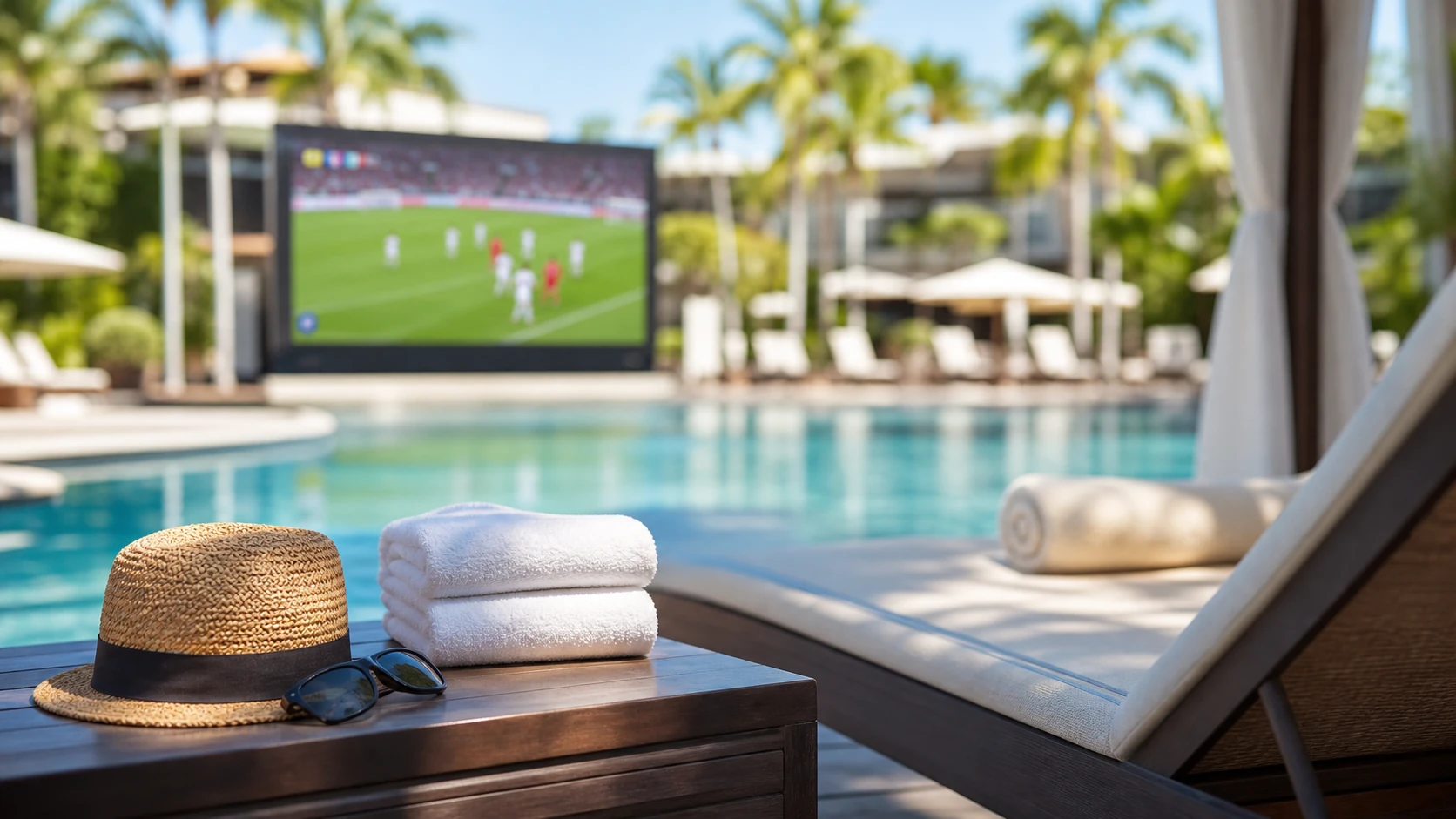
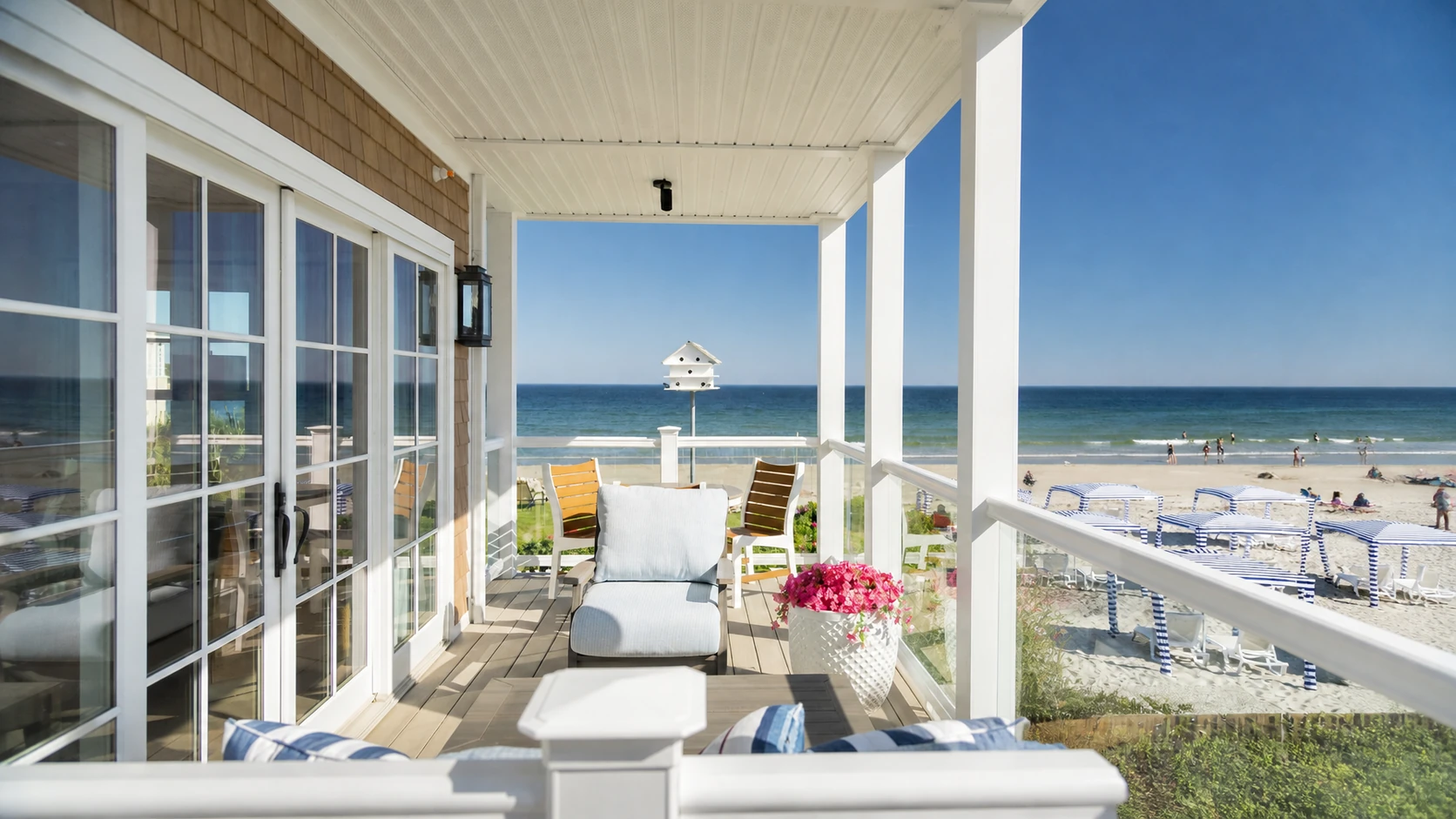
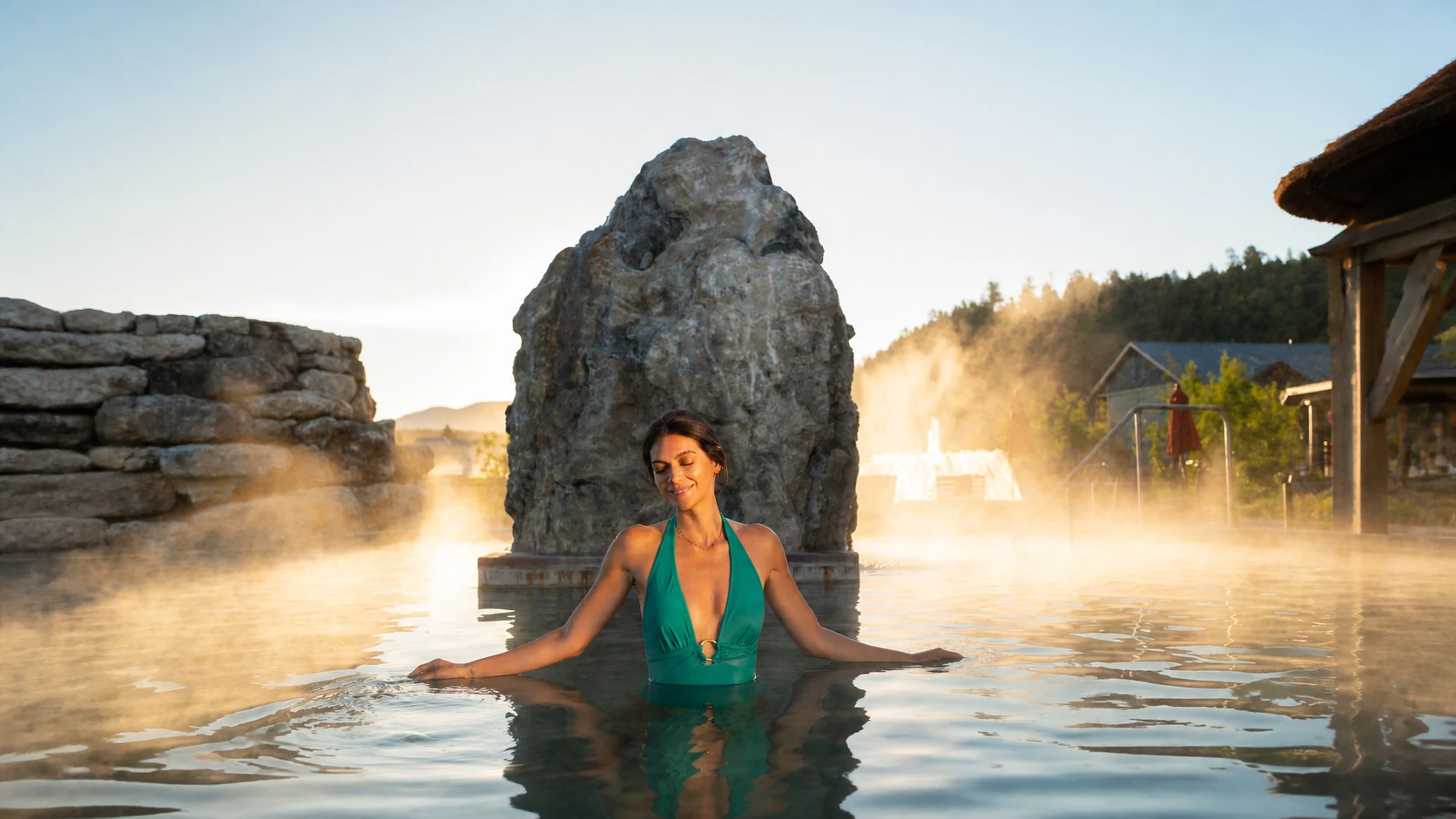
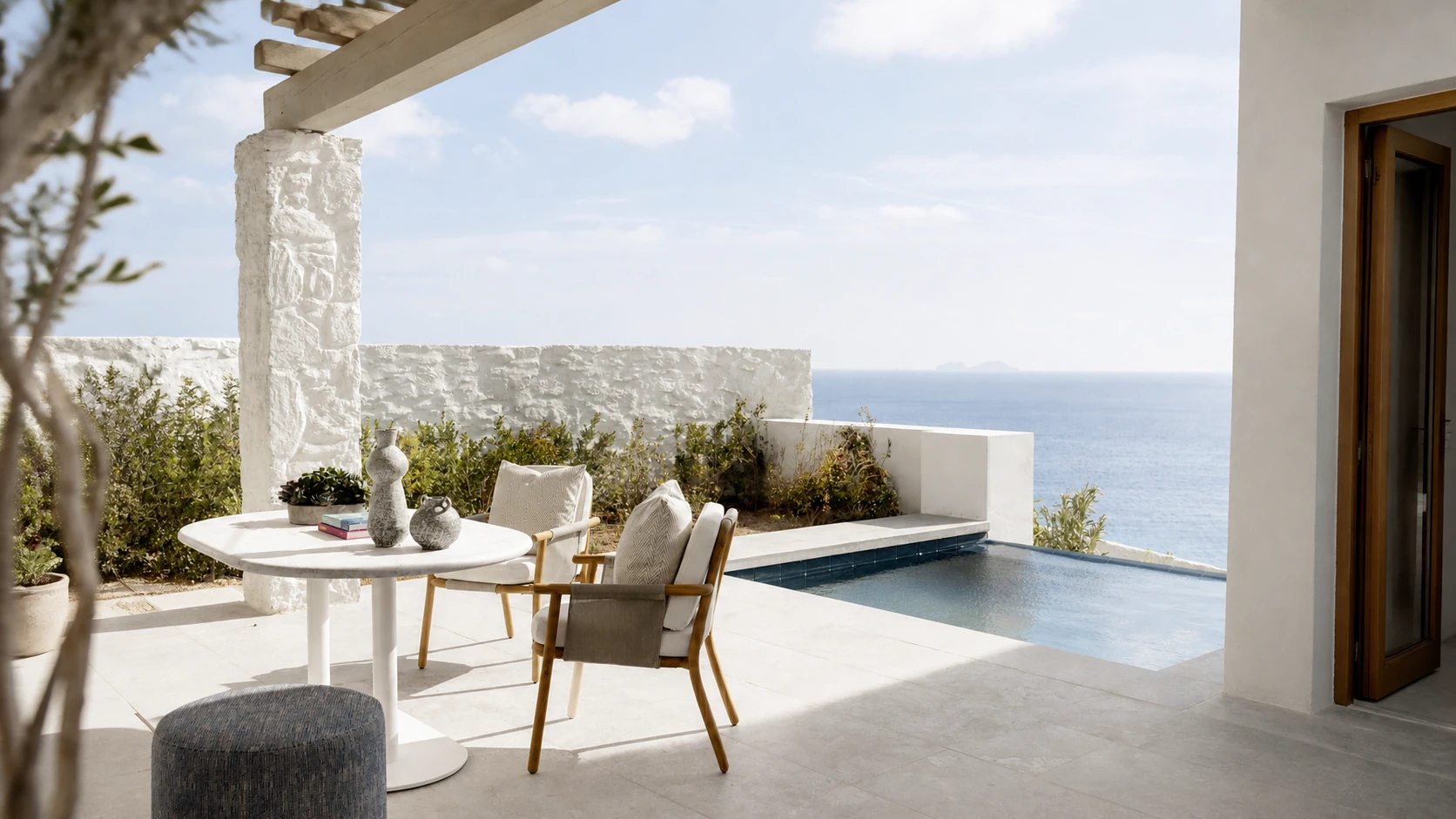
Against that backdrop, shorter escapes appear to be gaining appeal. ResortPass found that 61% of adults would prefer a smaller, vacation-like break during the current week rather than wait for a longer holiday, while 82% said being near water improves their mood and 81% said they feel calmer after spending a few hours by a pool or at a spa. Among parents, 76% said access to resort-style amenities for a single day without an overnight stay sounds appealing.
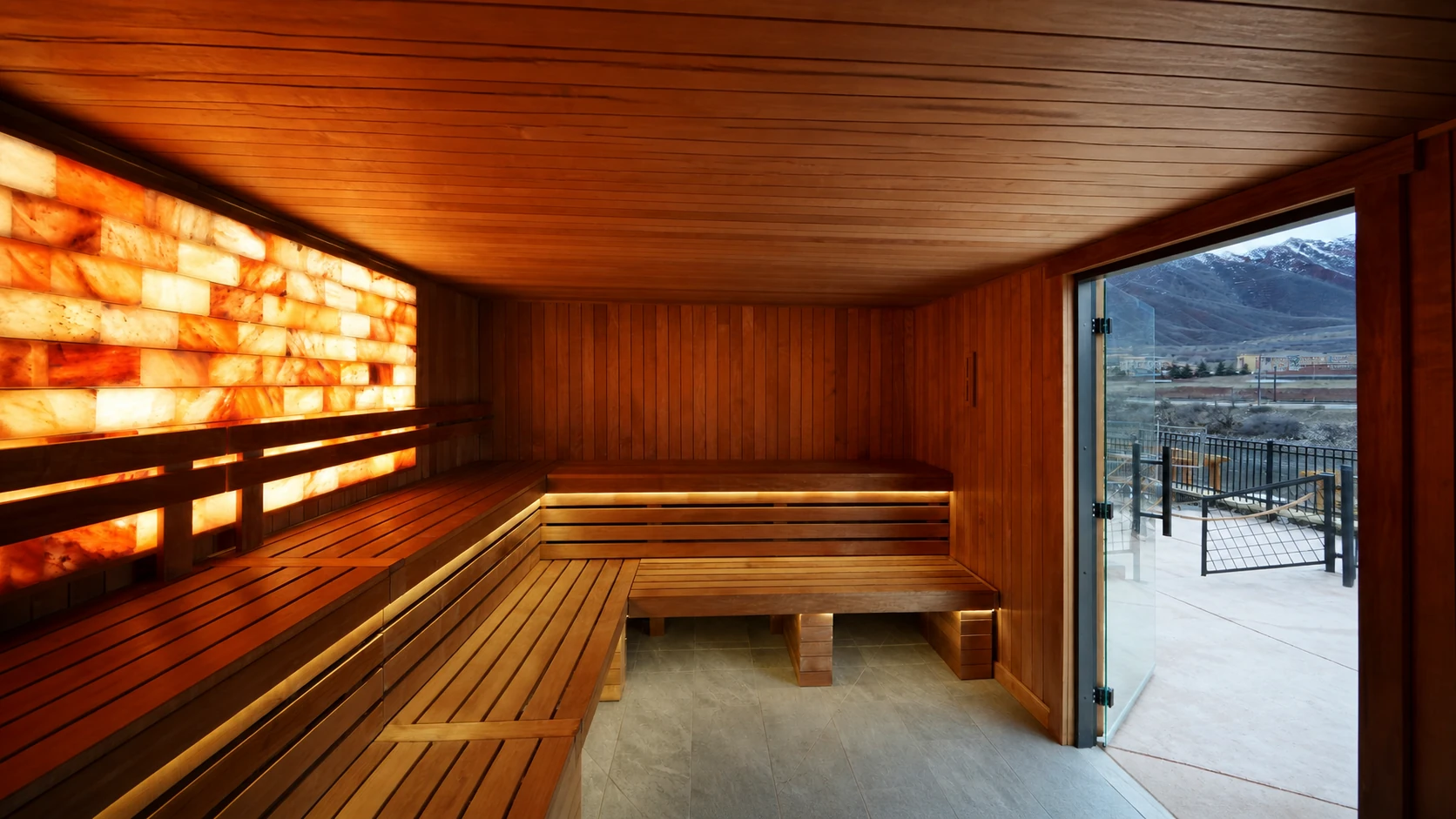
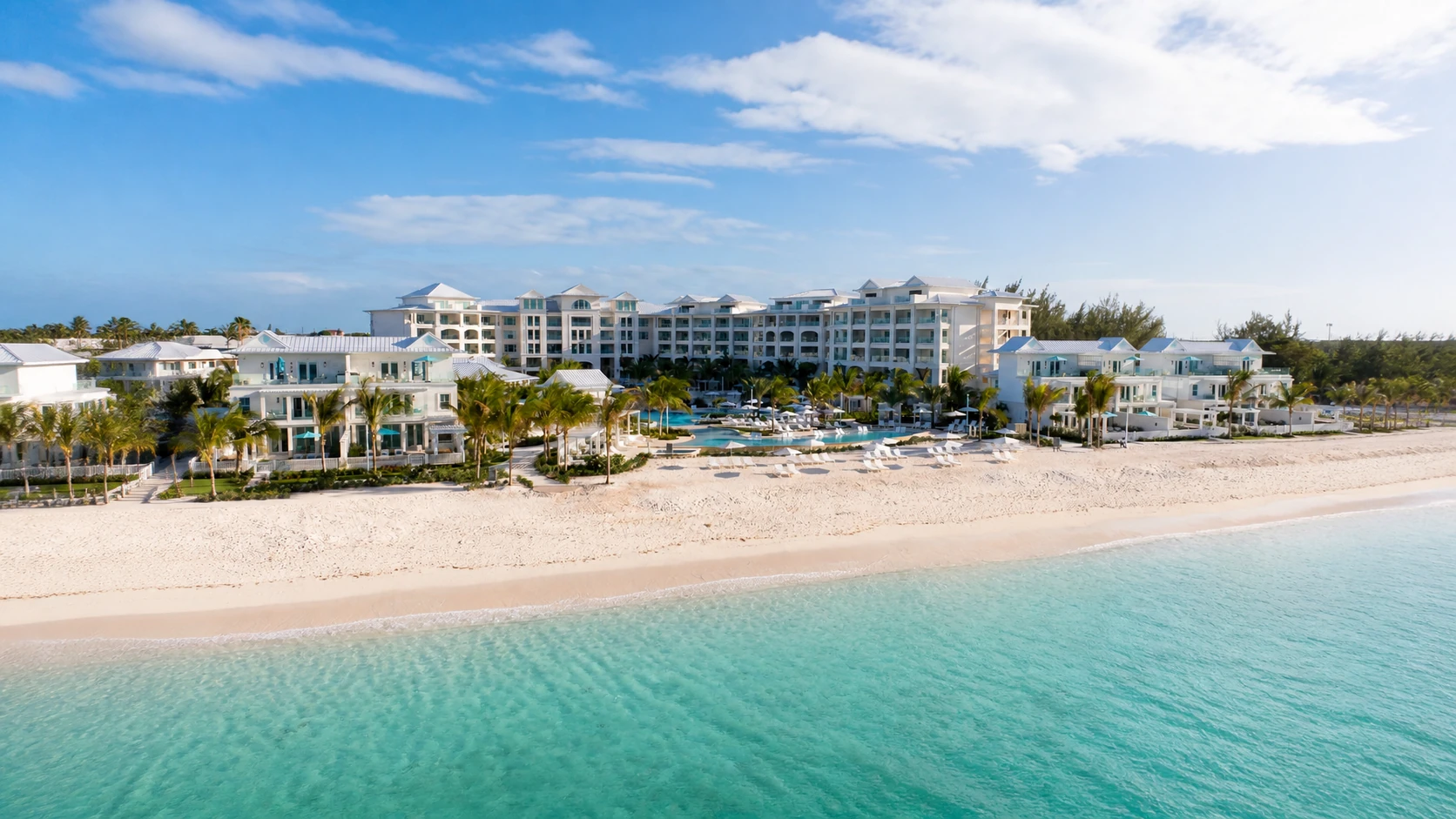
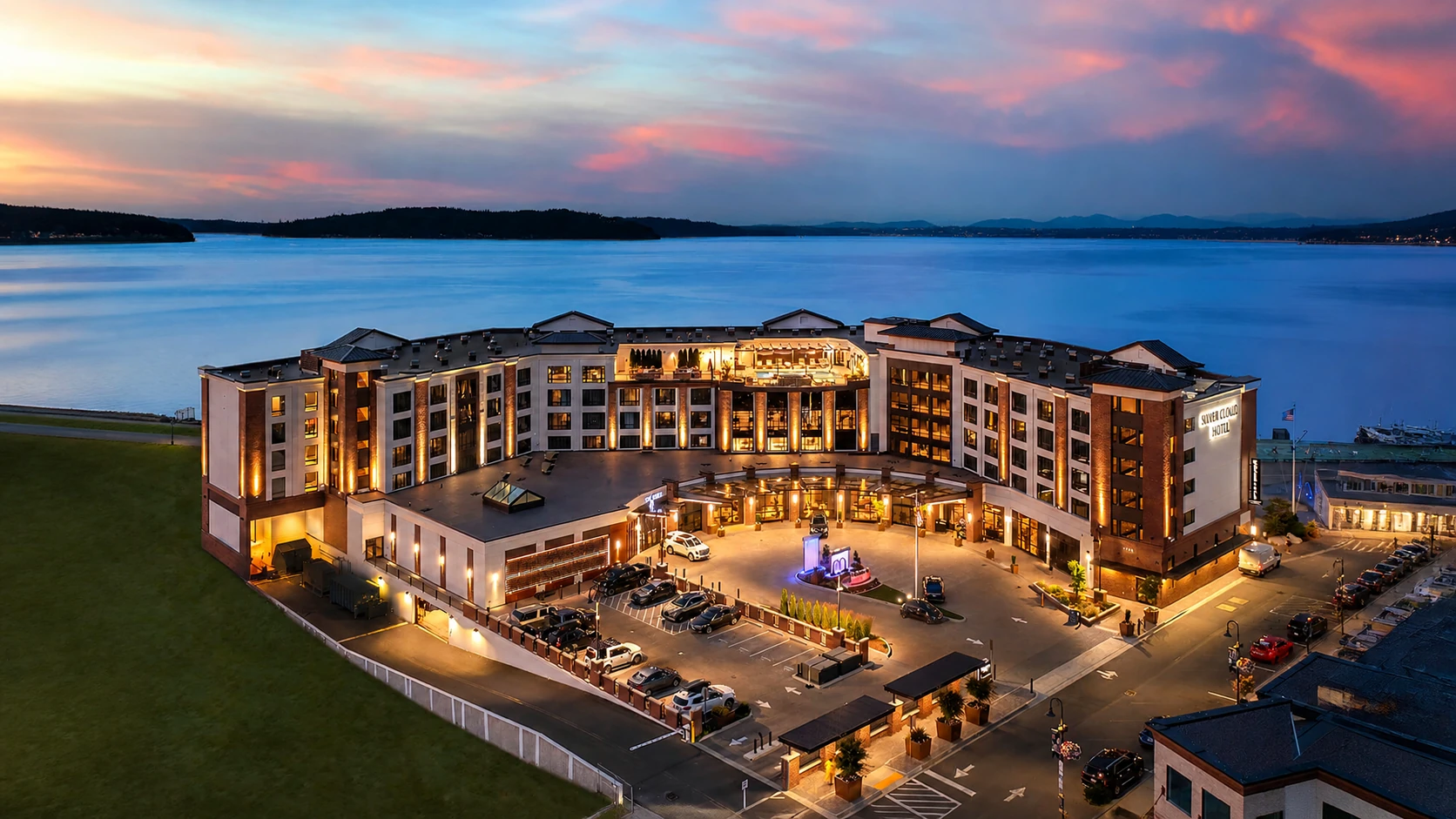
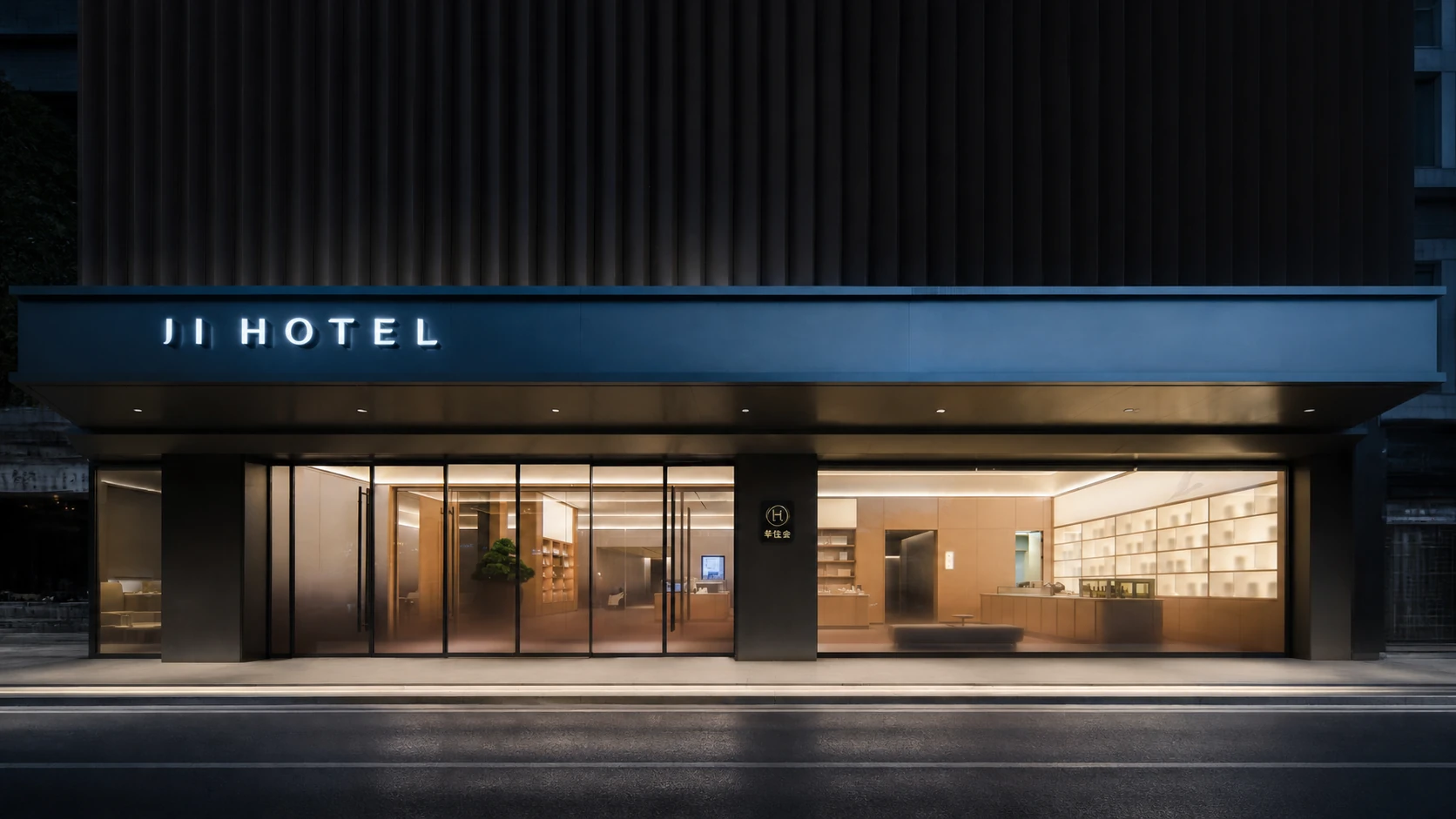
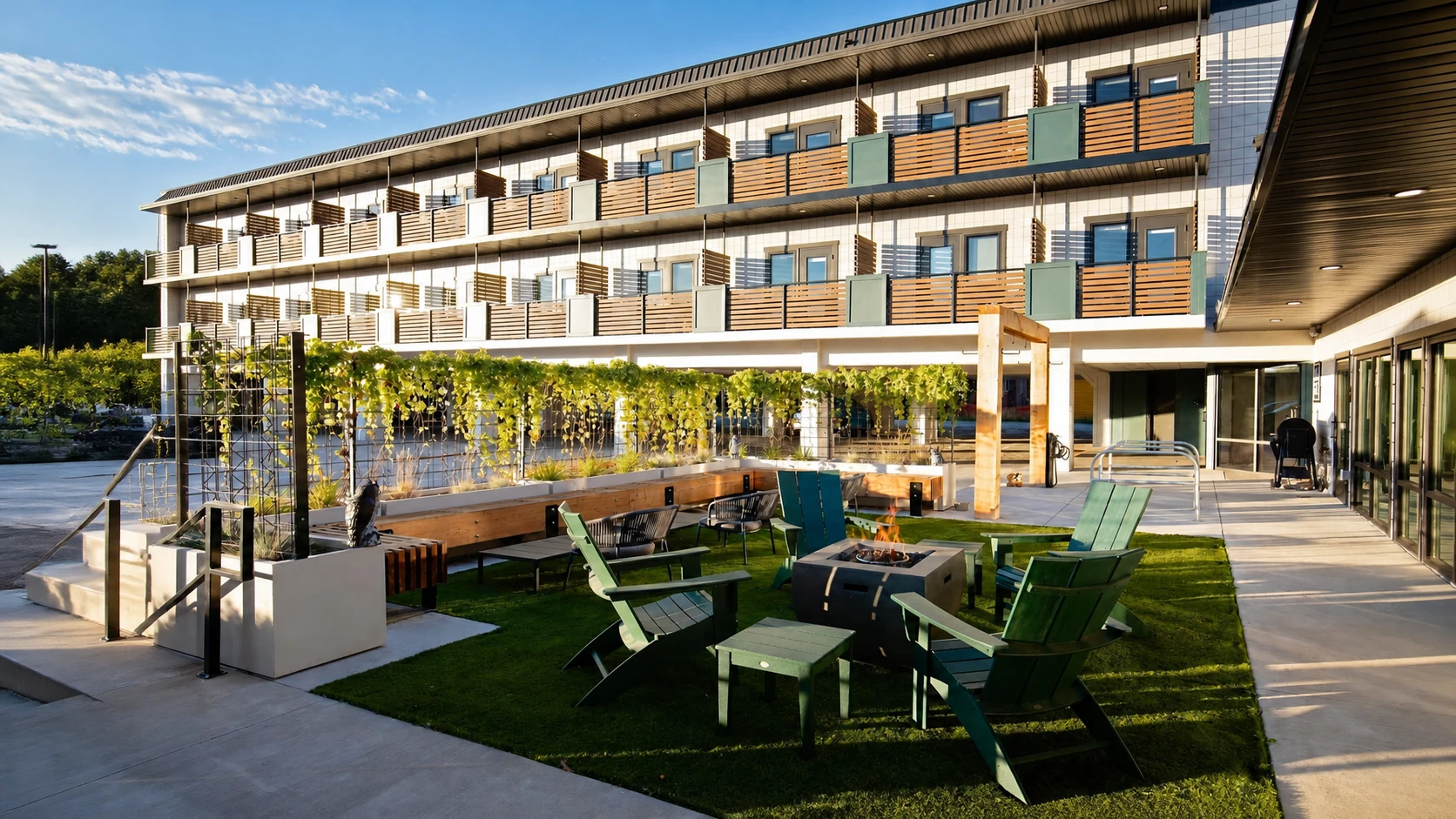
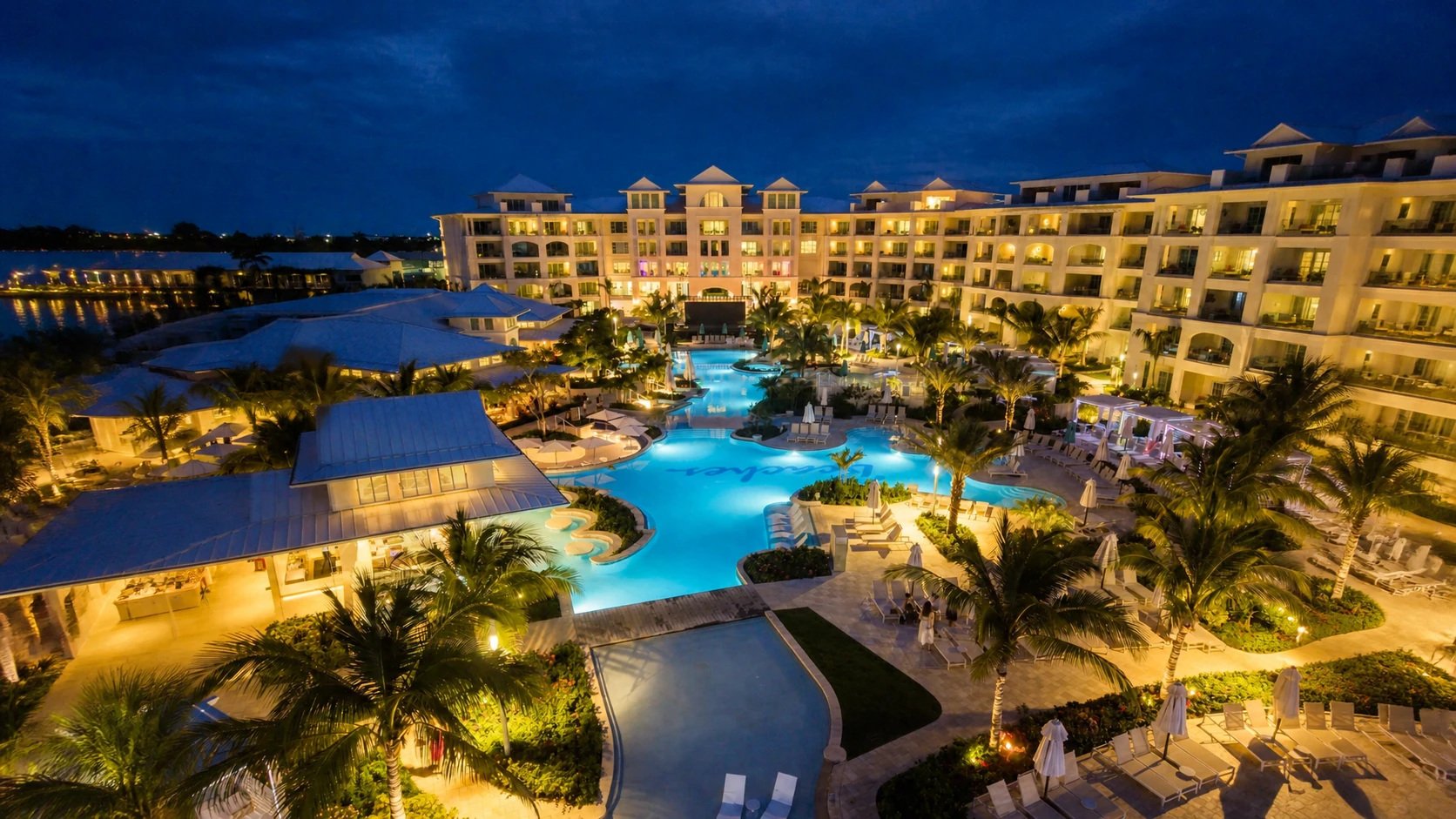
The report gives ResortPass a clear commercial context for its day-access model, which offers entry to hotel pools, spas and resort amenities without requiring an overnight booking. The company says it works with more than 2,500 hotel and spa partners across the United States, Mexico and the Caribbean. Its findings do not establish that shorter breaks will replace traditional holidays, but they do show how a service built around local, time-limited escapes aligns with consumers’ reported difficulty making longer trips feel restorative.