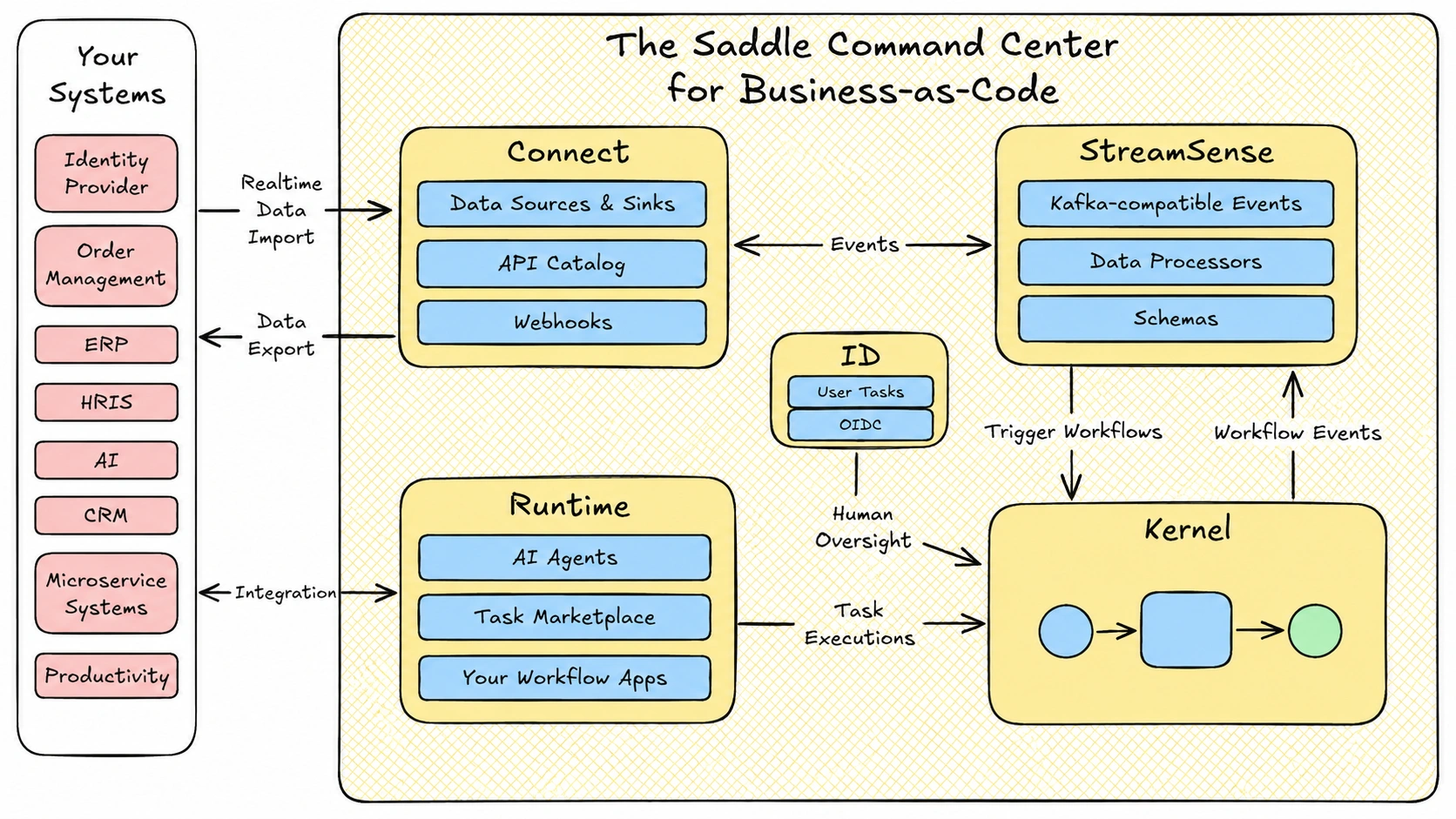
The new Saddle Command Center focuses on coordinating AI agents, microservices and real-time data, reflecting a broader challenge as companies move AI from experiments into operations.
LittleHorse Enterprises has released Saddle Command Center, a platform designed to coordinate AI agents, microservices, software integrations and event streams within business workflows. The launch addresses a practical issue emerging as companies adopt agentic AI: connecting increasingly autonomous tools with the existing systems and processes that actually run an organization.
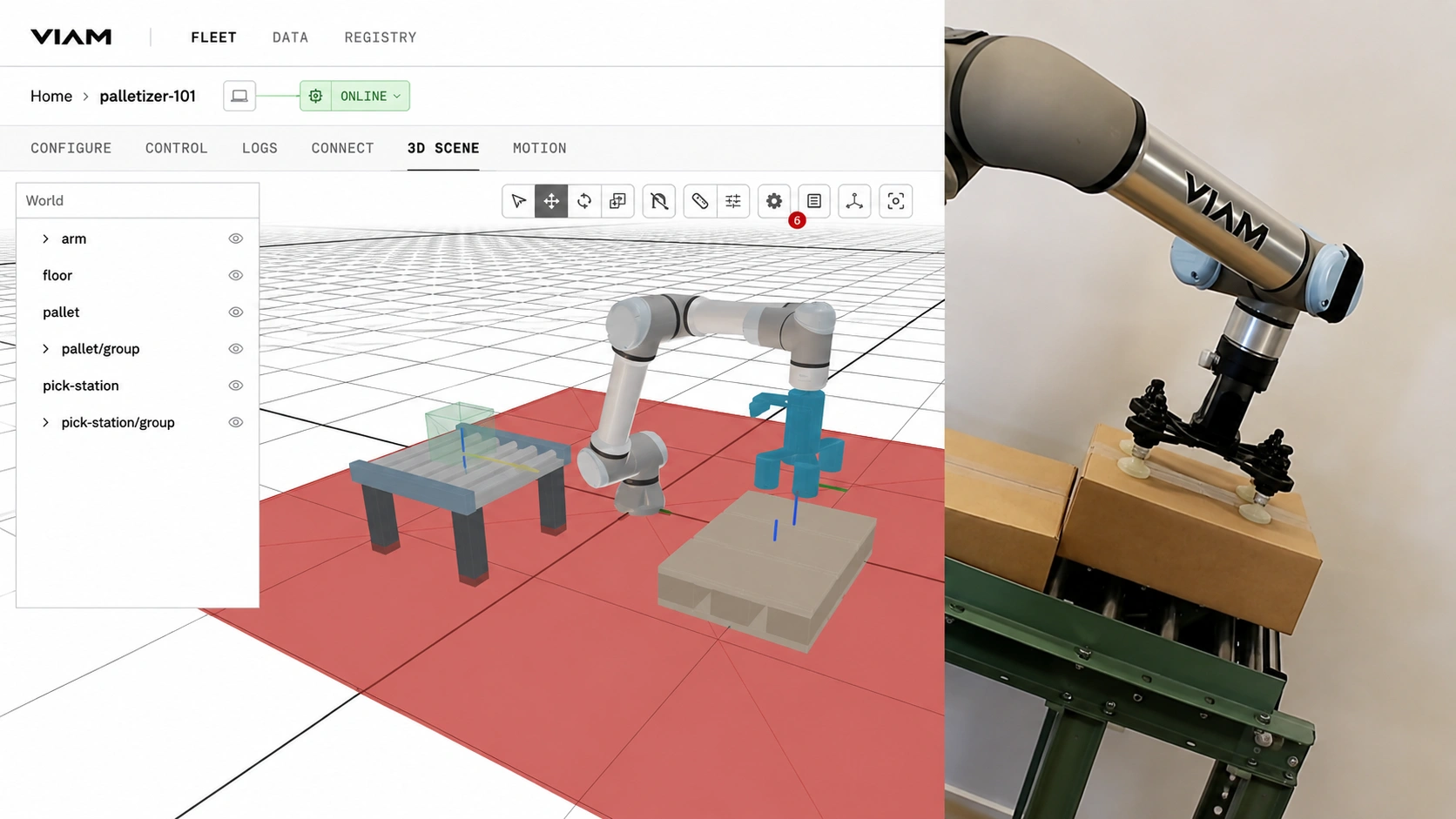
The company describes its approach as “Business-as-Code,” in which operational processes are defined and automated through software rather than spread across disconnected applications and manual procedures. Saddle Command Center provides tools for visually creating workflows, integrating agents, managing asynchronous processes and responding to real-time streaming data, with potential applications ranging from customer onboarding and contact centers to work-order scheduling, fleet management and financial operations.
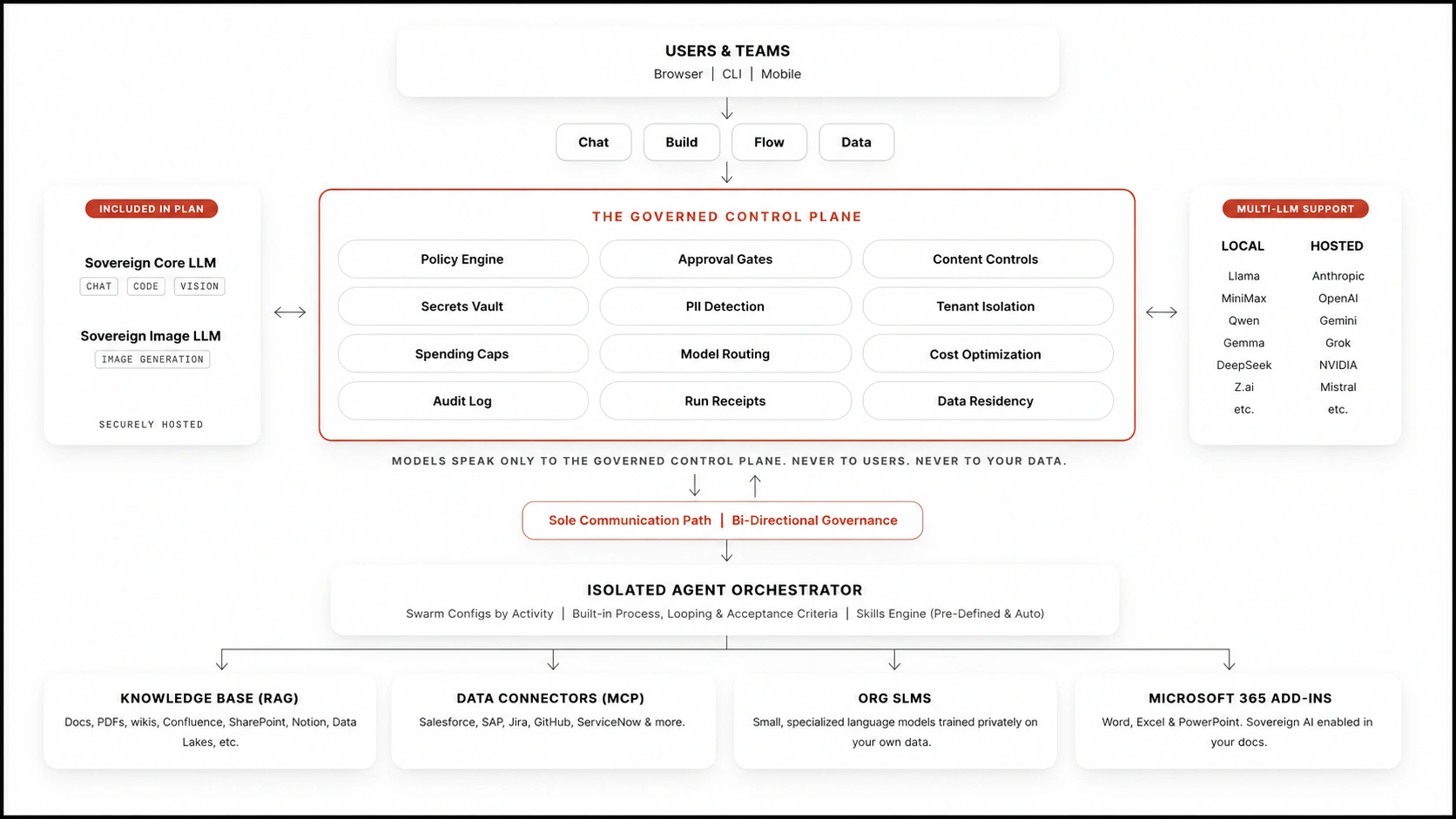
The significance lies less in adding another AI agent than in managing how multiple agents and services work together. LittleHorse argues that organizations can encounter what it calls “Malorchestration Disorder” when agents, microservices and events are deployed without adequate coordination, creating brittle connections and making failures difficult to trace. Its platform attempts to provide a common orchestration and governance layer while allowing human intervention to be triggered when particular data changes or workflows require oversight.
The release adds capabilities including reusable catalogs for agents and microservices, workflow visualization, identity and governance controls, event-driven workflow triggers and unified management of callbacks and data streams. LittleHorse also supports established software patterns such as SAGA, while its durable execution model is intended to help processes continue reliably when workflows span multiple systems or asynchronous events.
Early use cited by the company offers one indication of how this architecture might work in practice. Sejal Learning Systems says it embedded LittleHorse into an AI-powered learning delivery system to coordinate stateless AI workers and recorded three-to-four-times speed increases without additional hardware, with plans for broader deployment across its academies. While that example alone does not establish how the platform will perform across industries, the broader proposition reflects a growing enterprise concern: deploying AI successfully may depend as much on orchestration, governance and integration with existing operations as on the capabilities of the AI models themselves.