The Non-GMO Project has passed 300 verified products while adding a mobile tool that connects shoppers’ questions about processing with food makers.
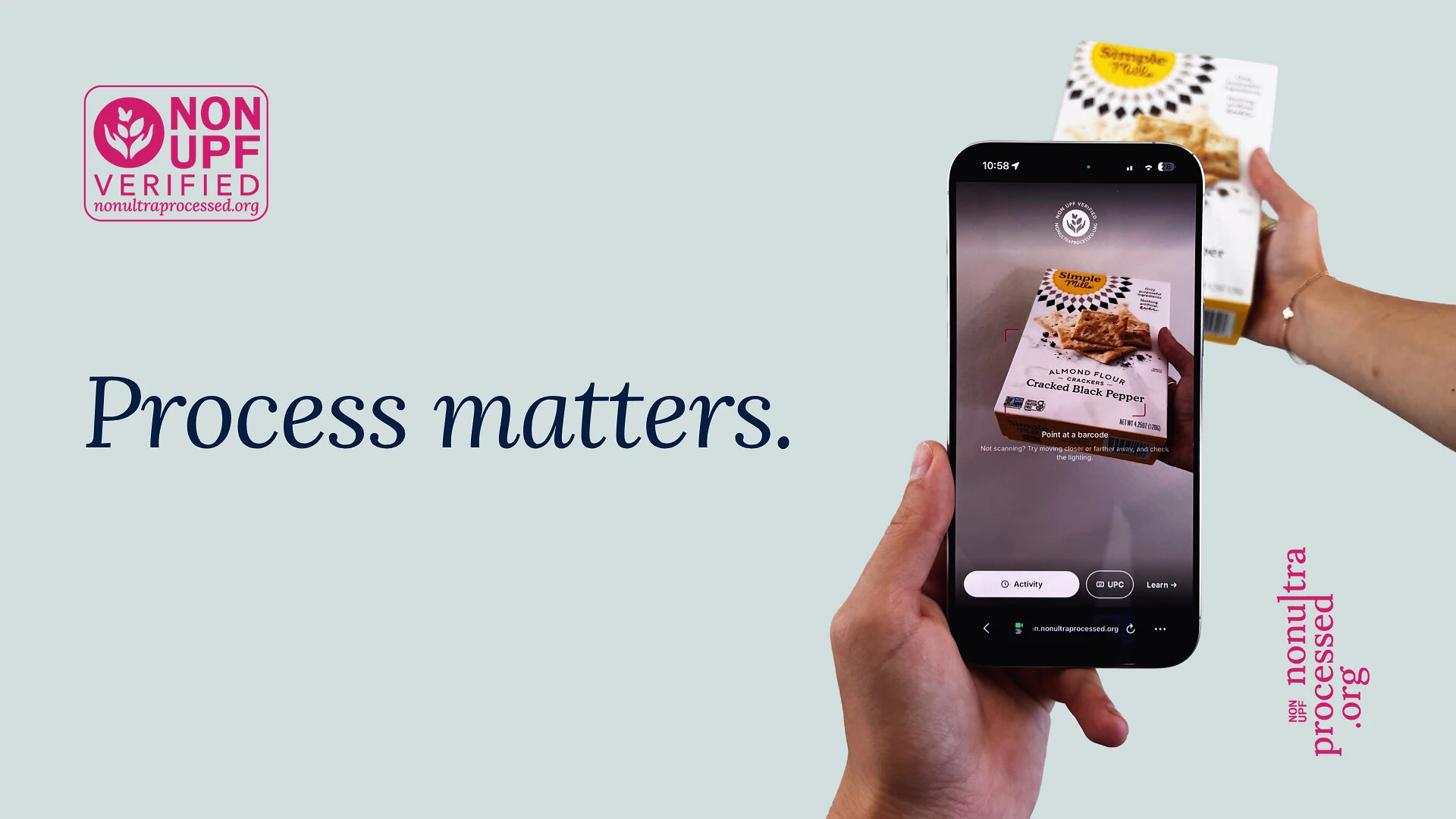
The Non-GMO Project’s Non-UPF Verified programme has reached 304 products across 23 brands, less than a year after opening for enrolment on January 21, 2026. The milestone is paired with a new app that lets shoppers scan packaged foods, check whether they are verified and learn more about how products are made. The programme’s growth places processing information alongside ingredients and formulation as a distinct part of food certification.
Non-UPF Verified evaluates both a product’s composition and the methods used to make it. Its standard addresses ingredient integrity and formulation, while also setting processing limits intended to identify foods that avoid excessive industrial processing and engineered additives. The standard was developed through input from manufacturers, suppliers, processors, retailers, scientists, health professionals and consumer advocates, according to the programme’s official materials.
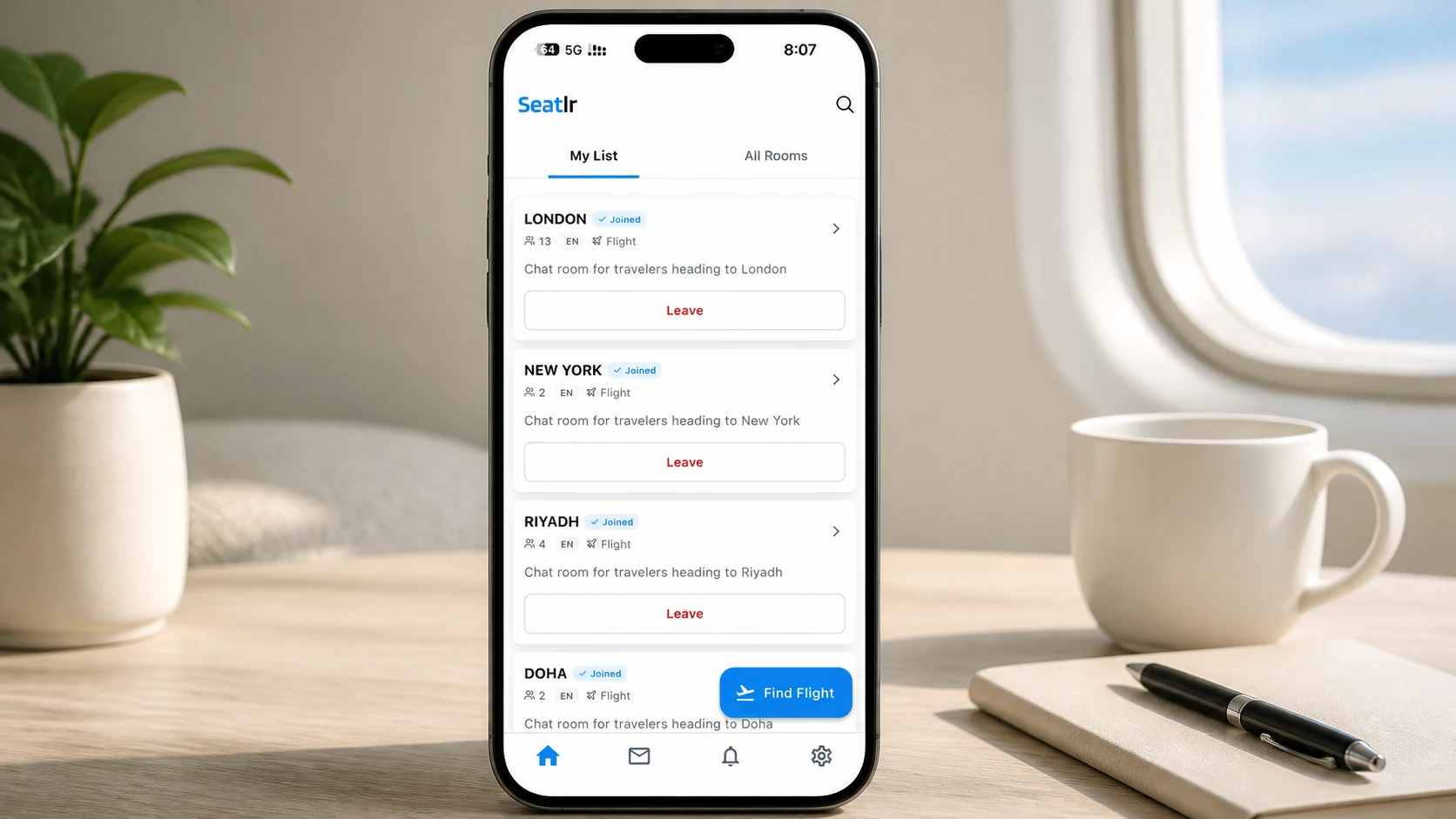
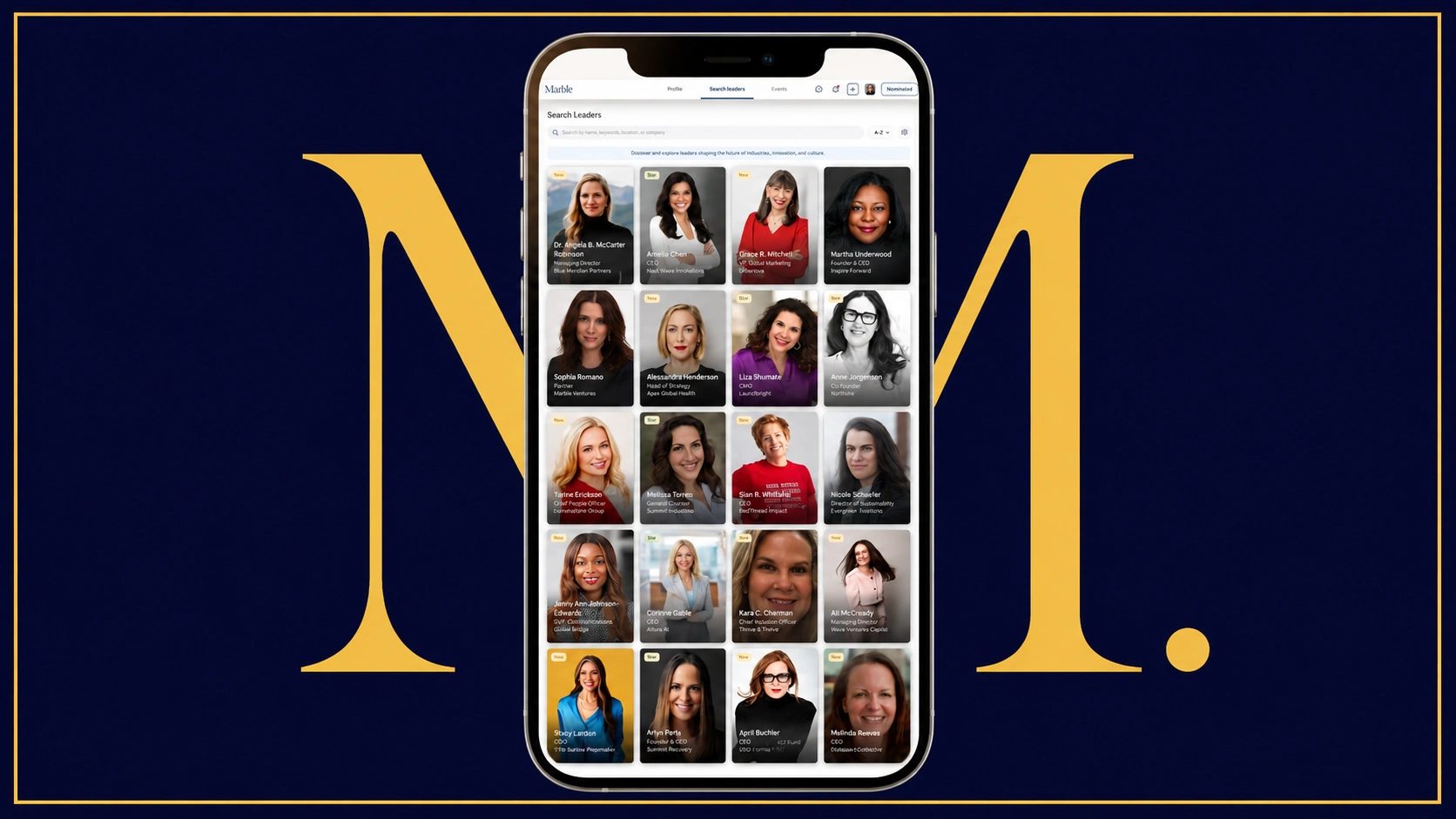
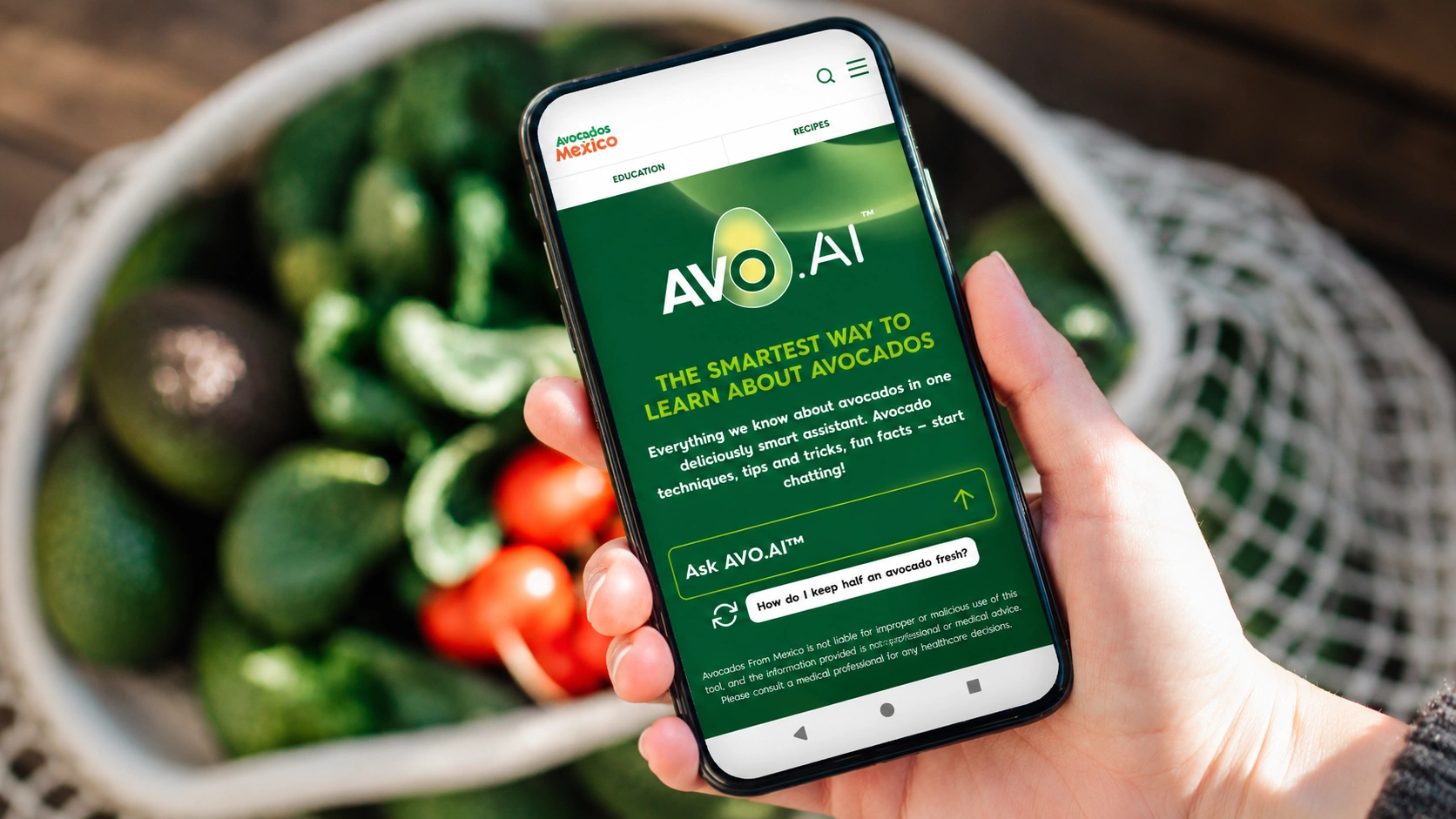
The app extends that assessment into the shopping experience. Users can scan a barcode to see whether a packaged food carries Non-UPF Verified status, review information about the certification and request verification for products that are not yet included. The app is available for iOS and Android, while the programme’s product finder provides another way to explore verified items.
Verification requires more than reading the ingredient panel. The programme reviews processing methods, ingredient specifications, manufacturing practices and whole-product formulation, and its standard requires at least 70% of a product’s ingredients to meet requirements for permissible minimal or moderate processing. Certain ingredients and processing methods associated with ultraprocessed foods are restricted or prohibited, creating a framework that treats manufacturing decisions as part of the information consumers may want before purchase.
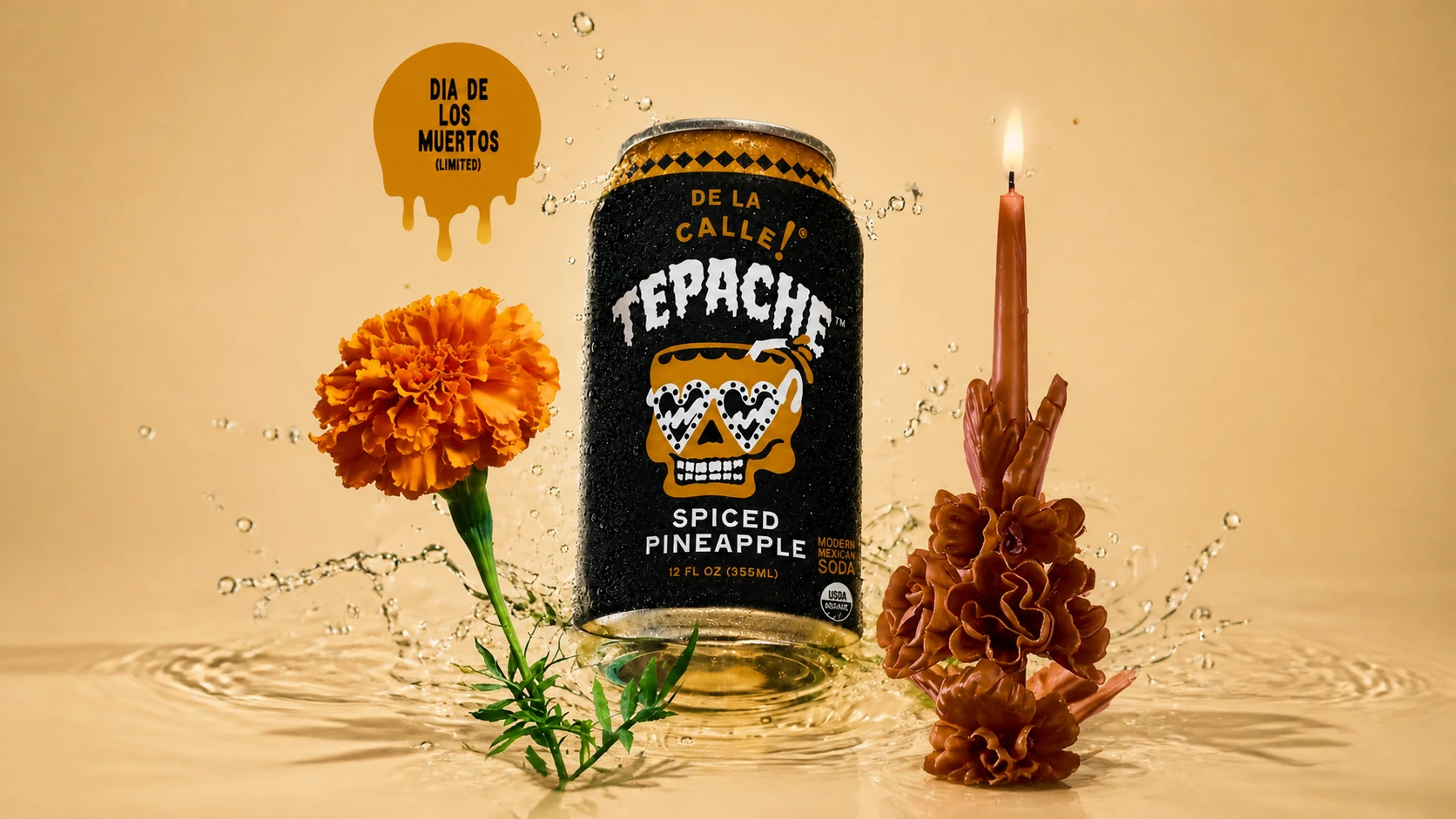
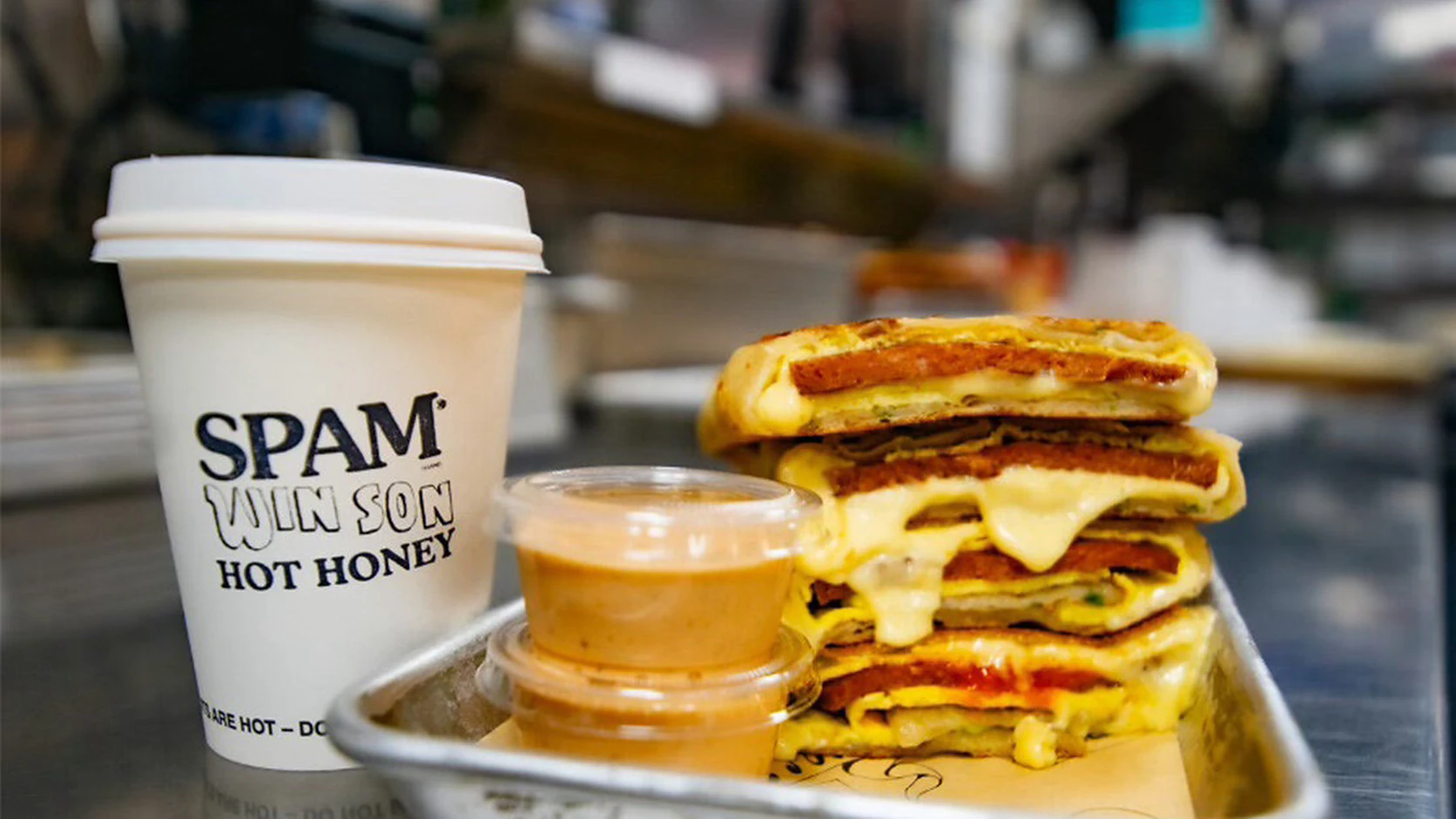
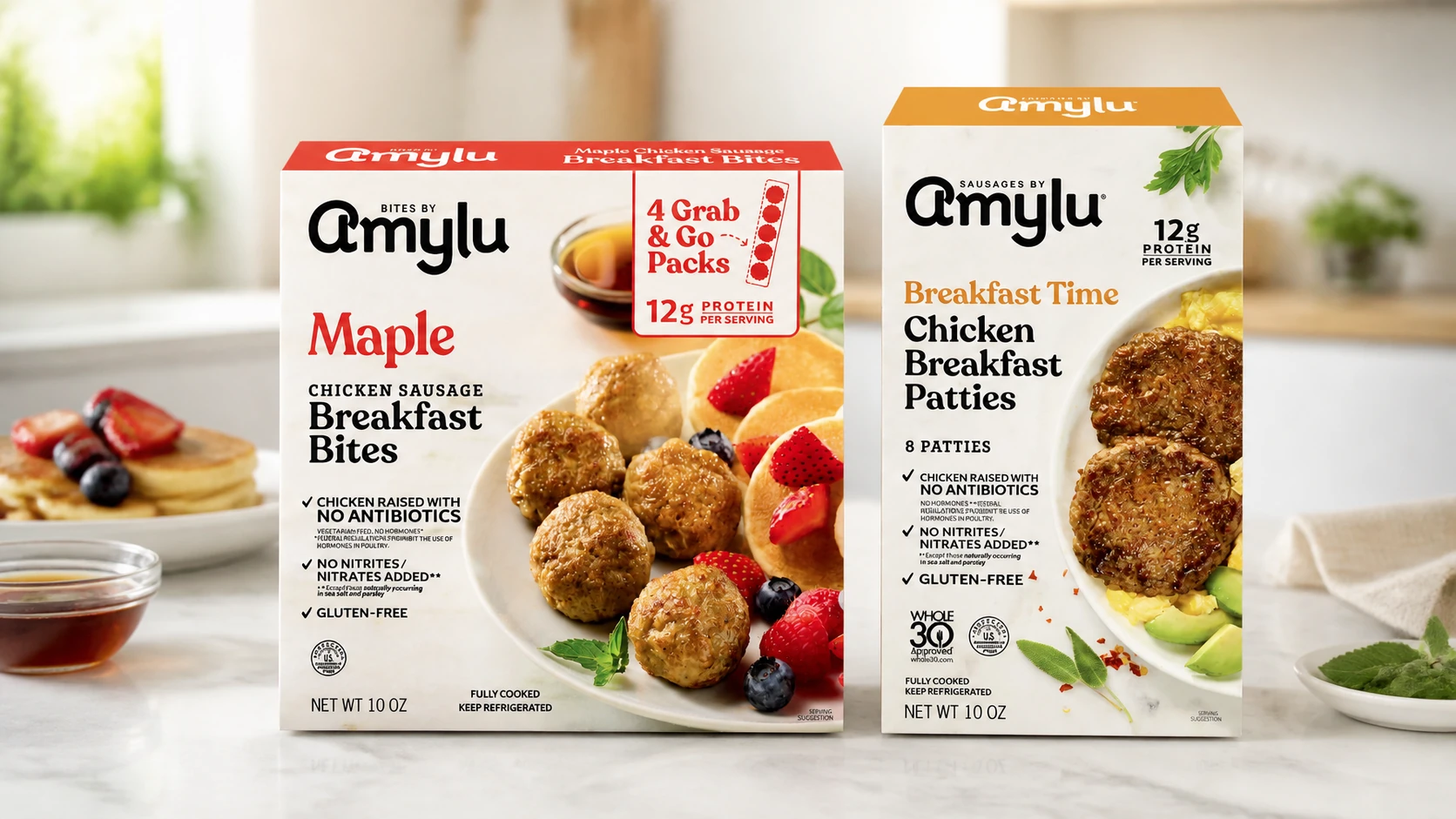
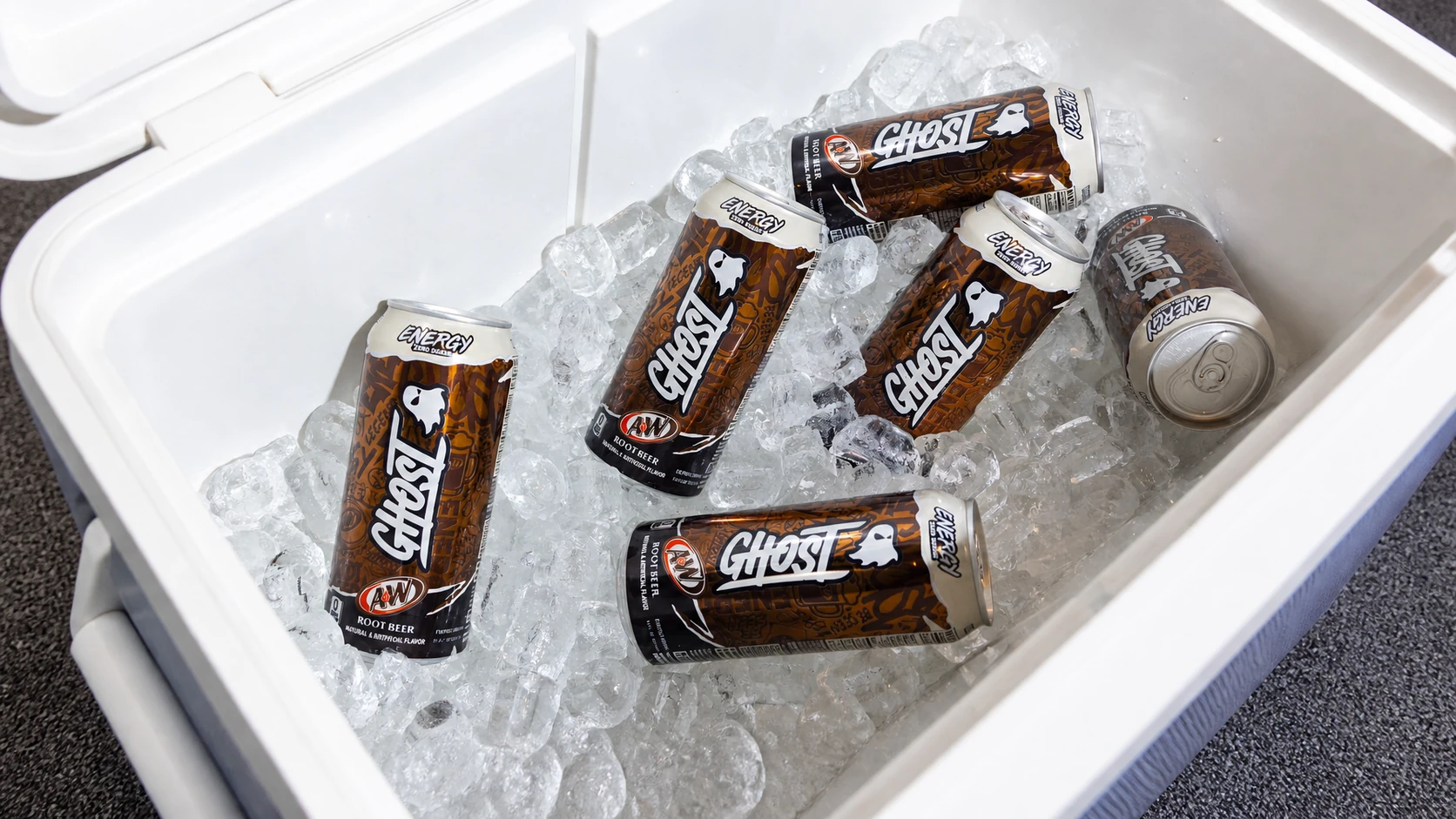
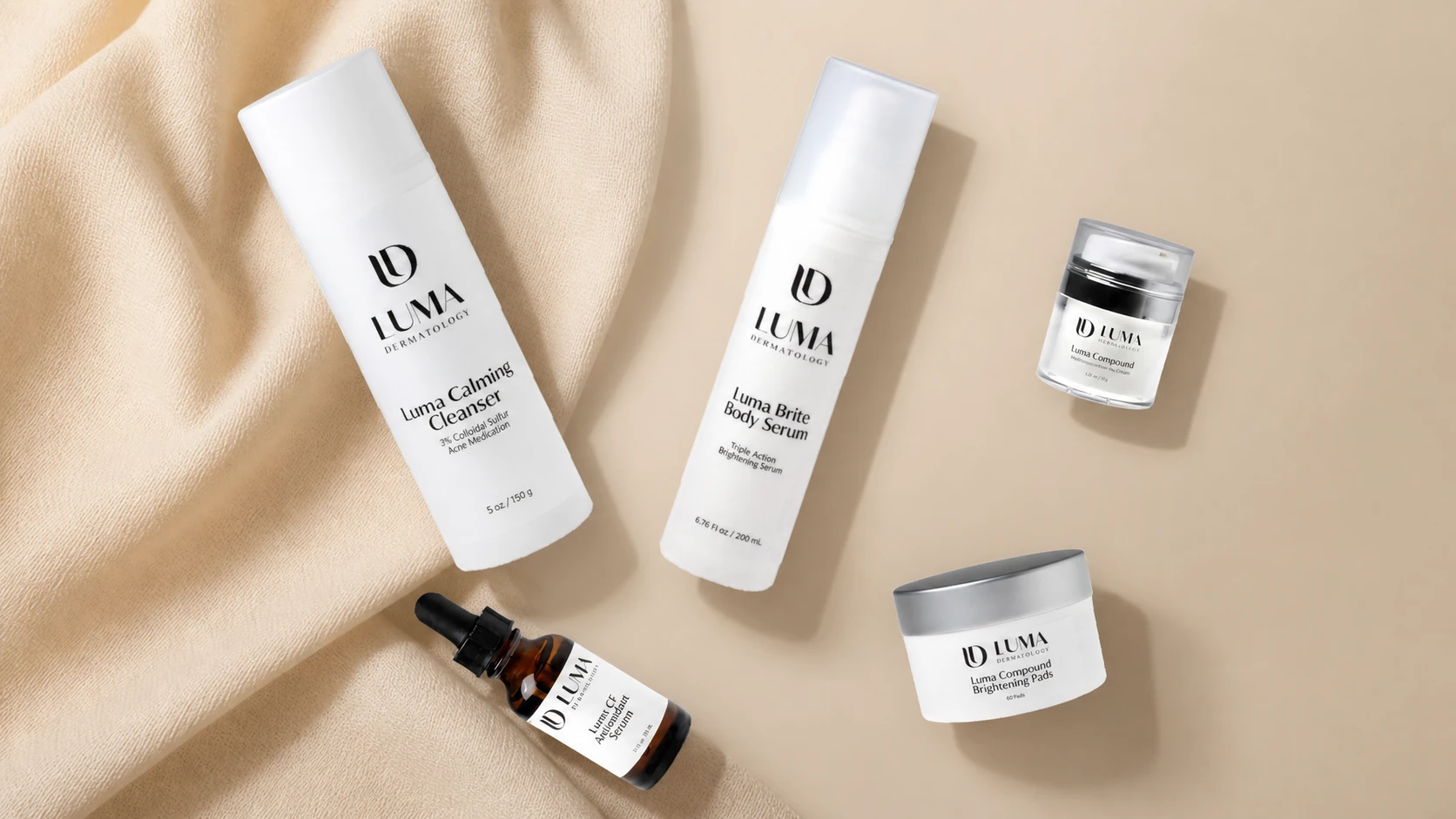
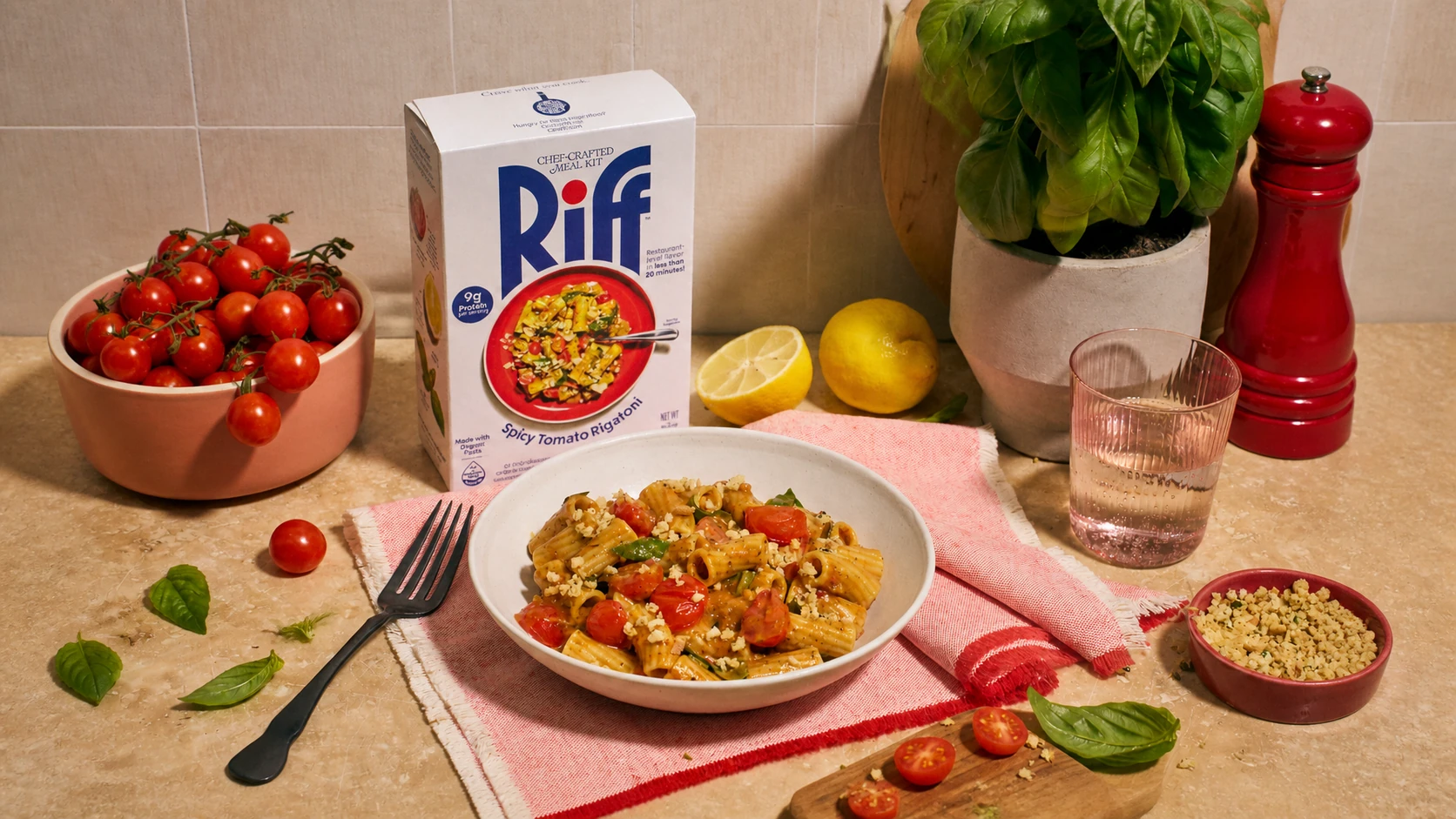
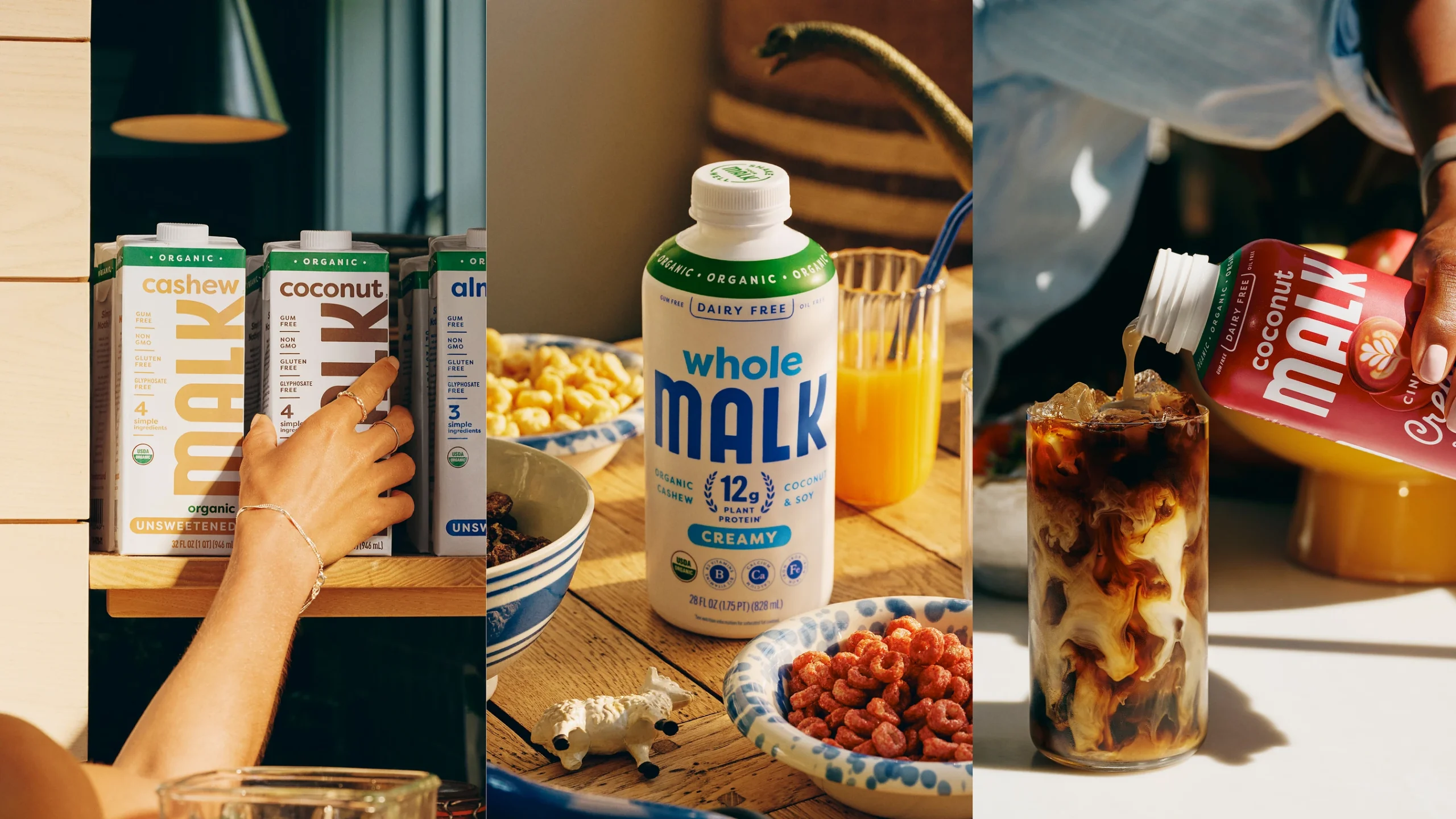
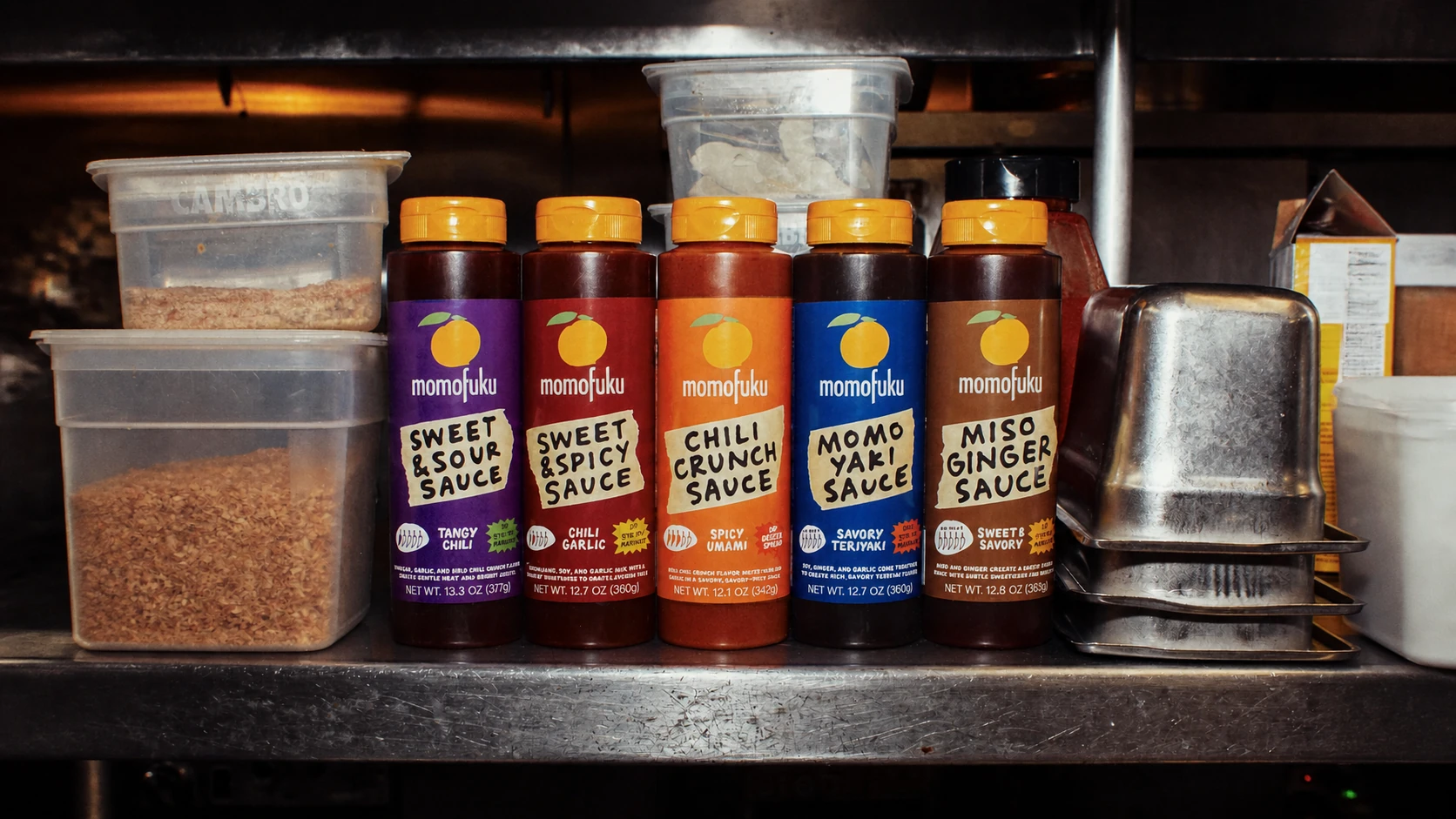
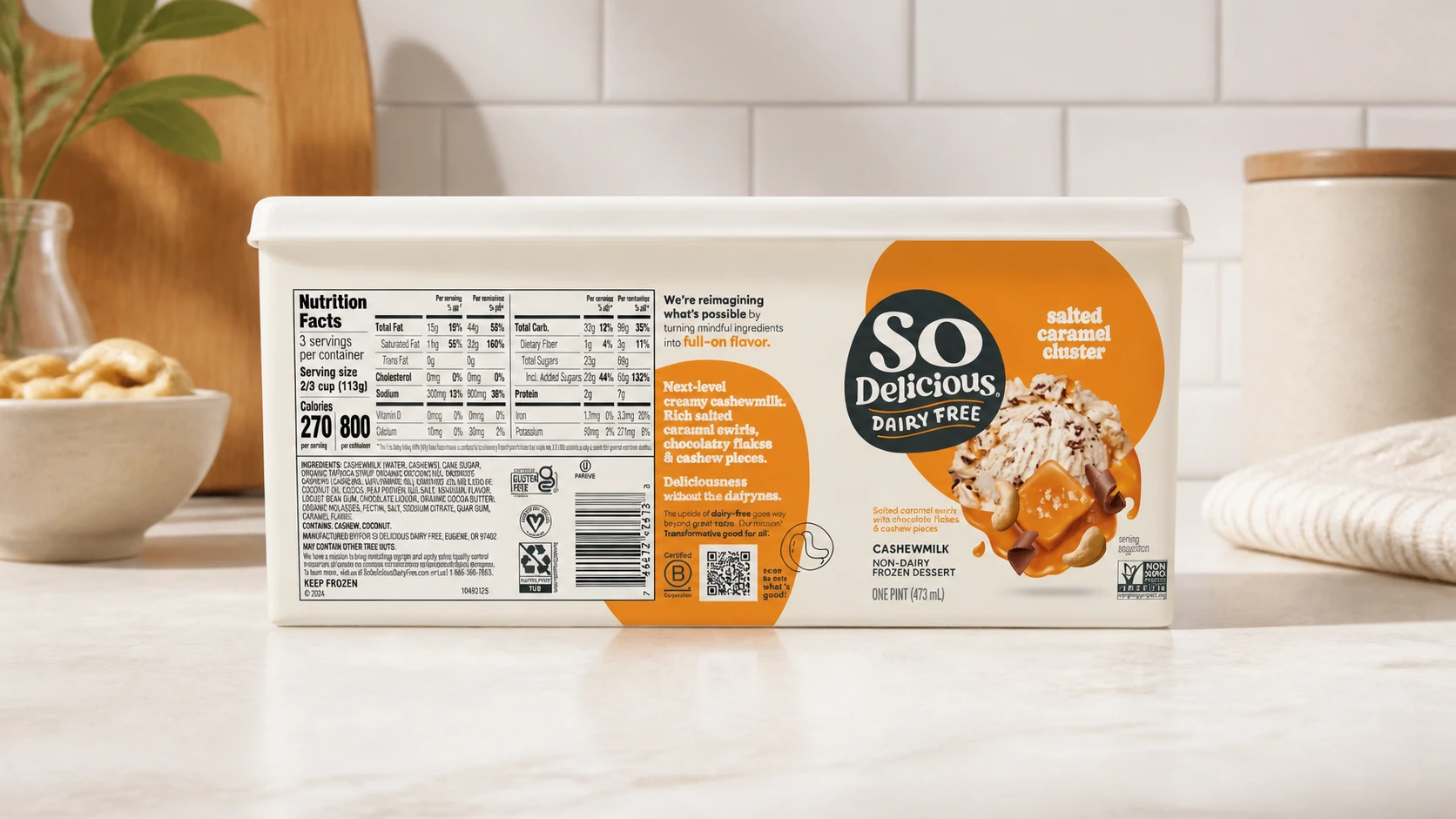
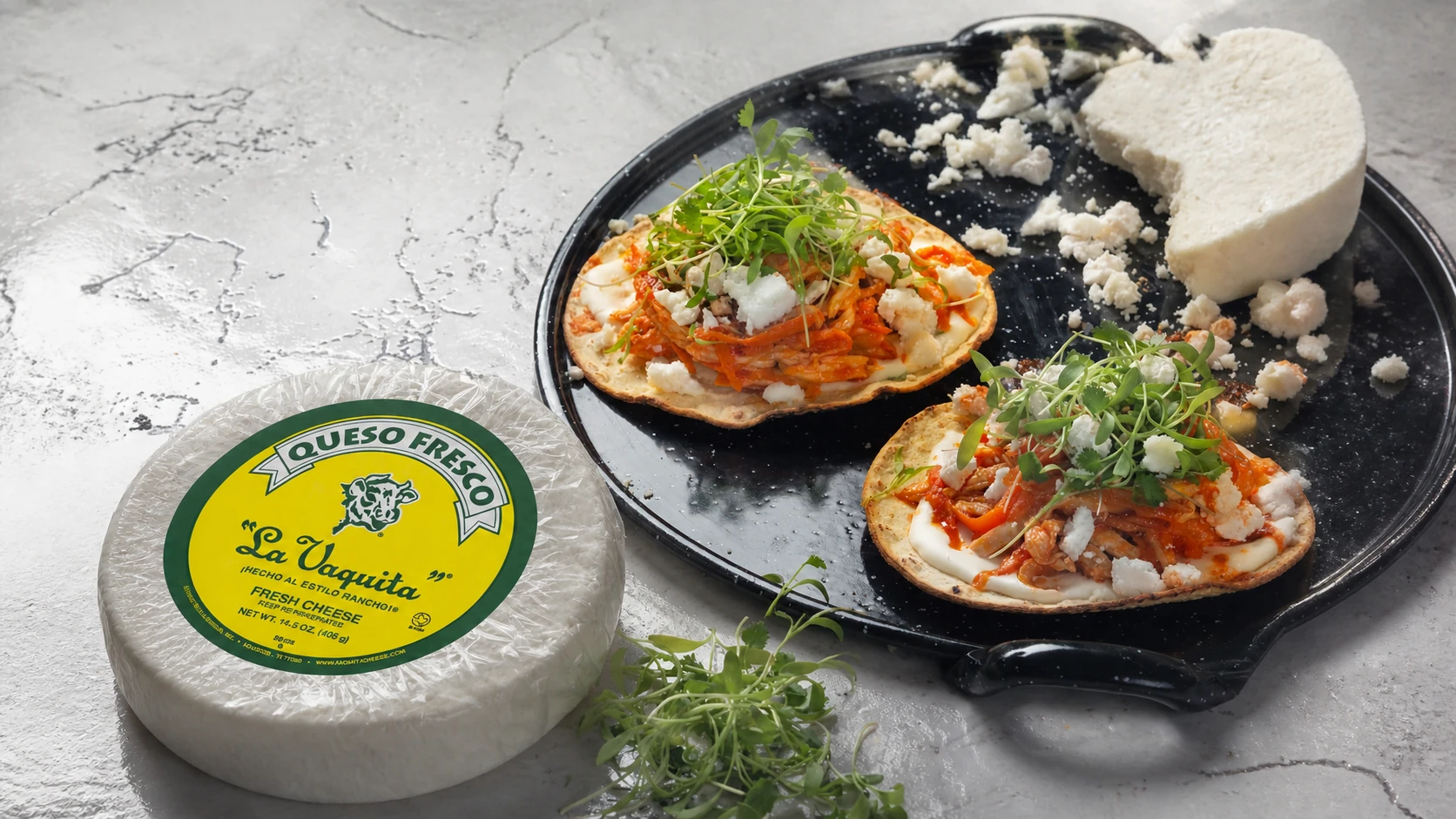
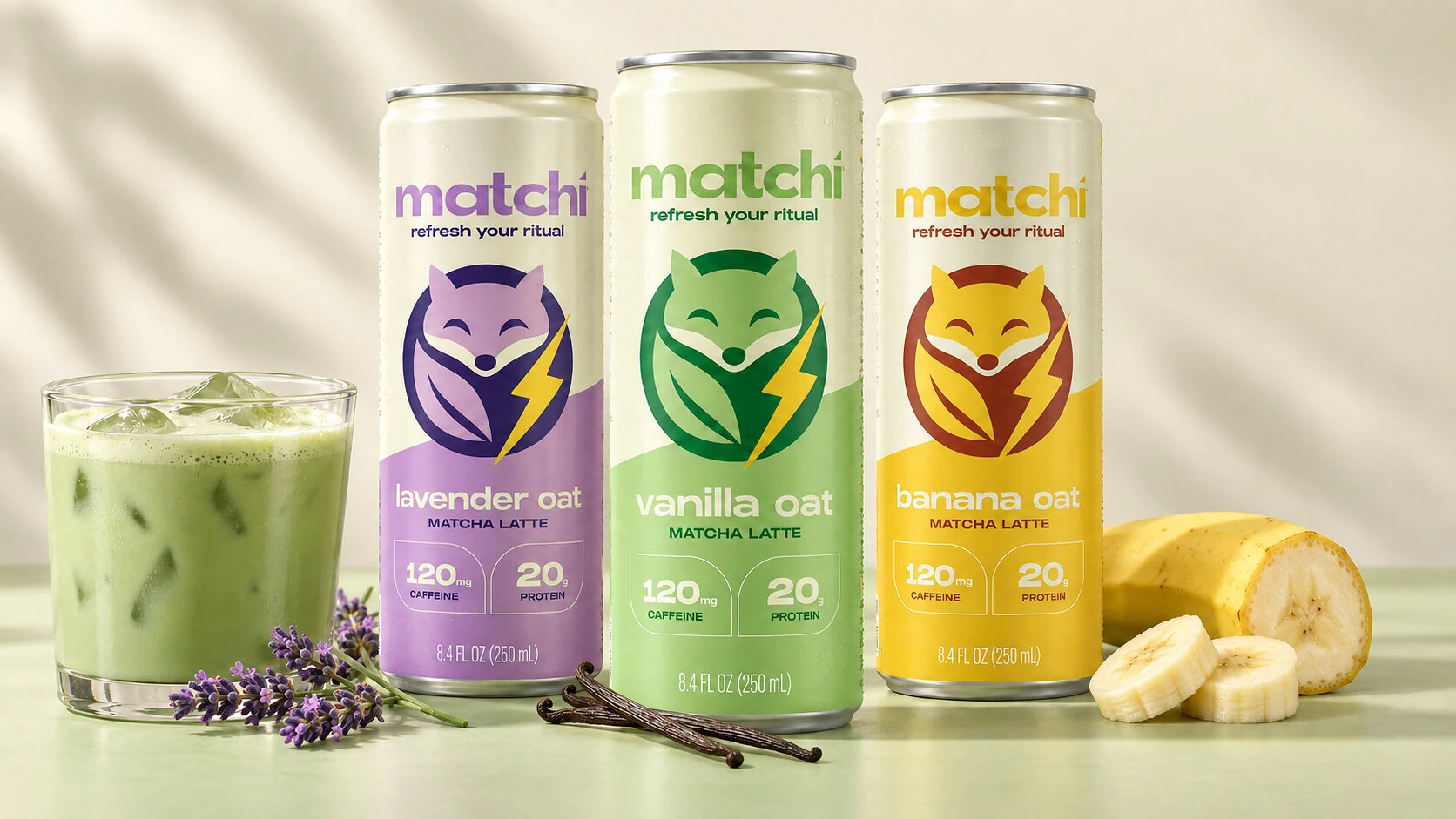
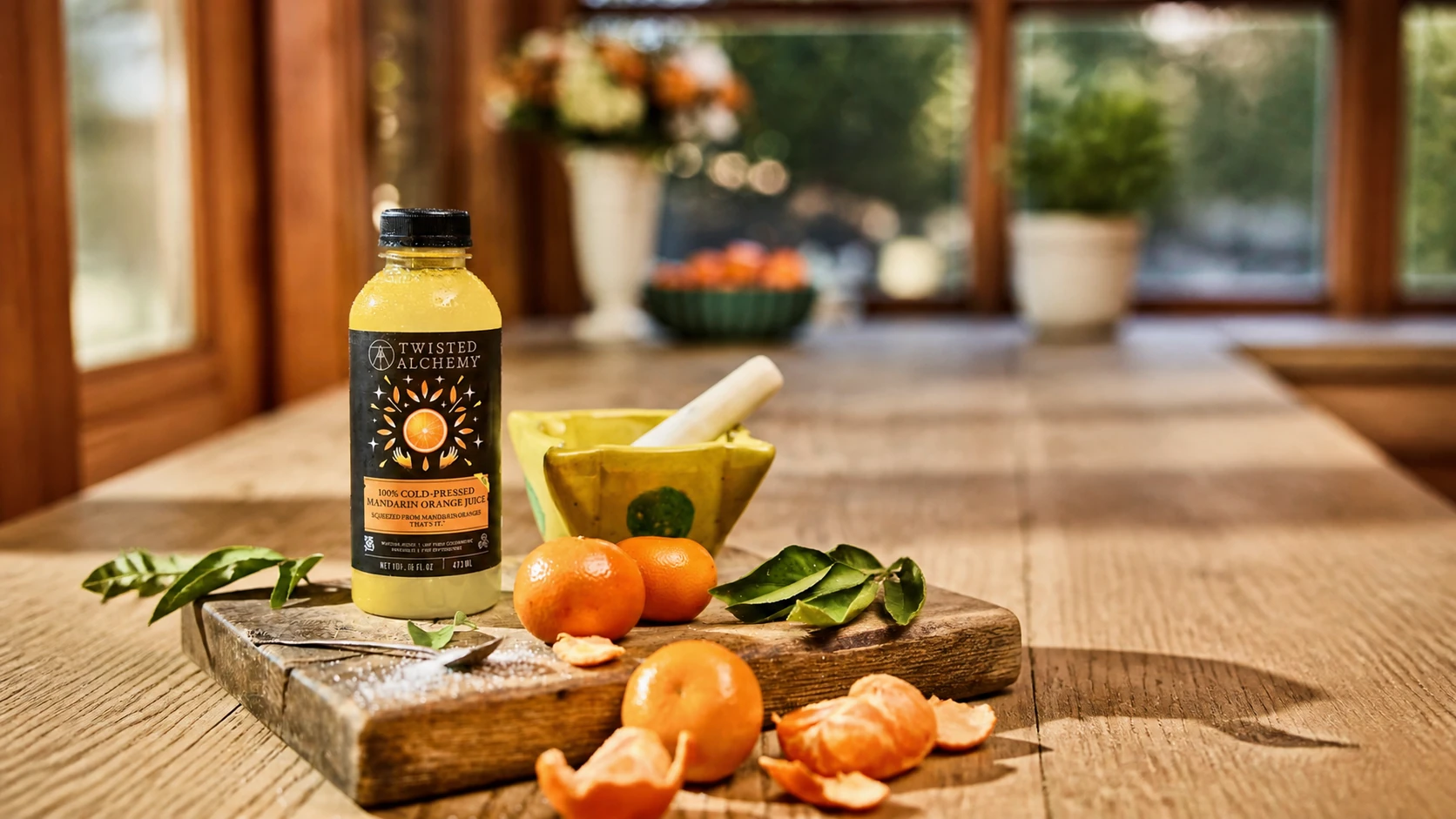
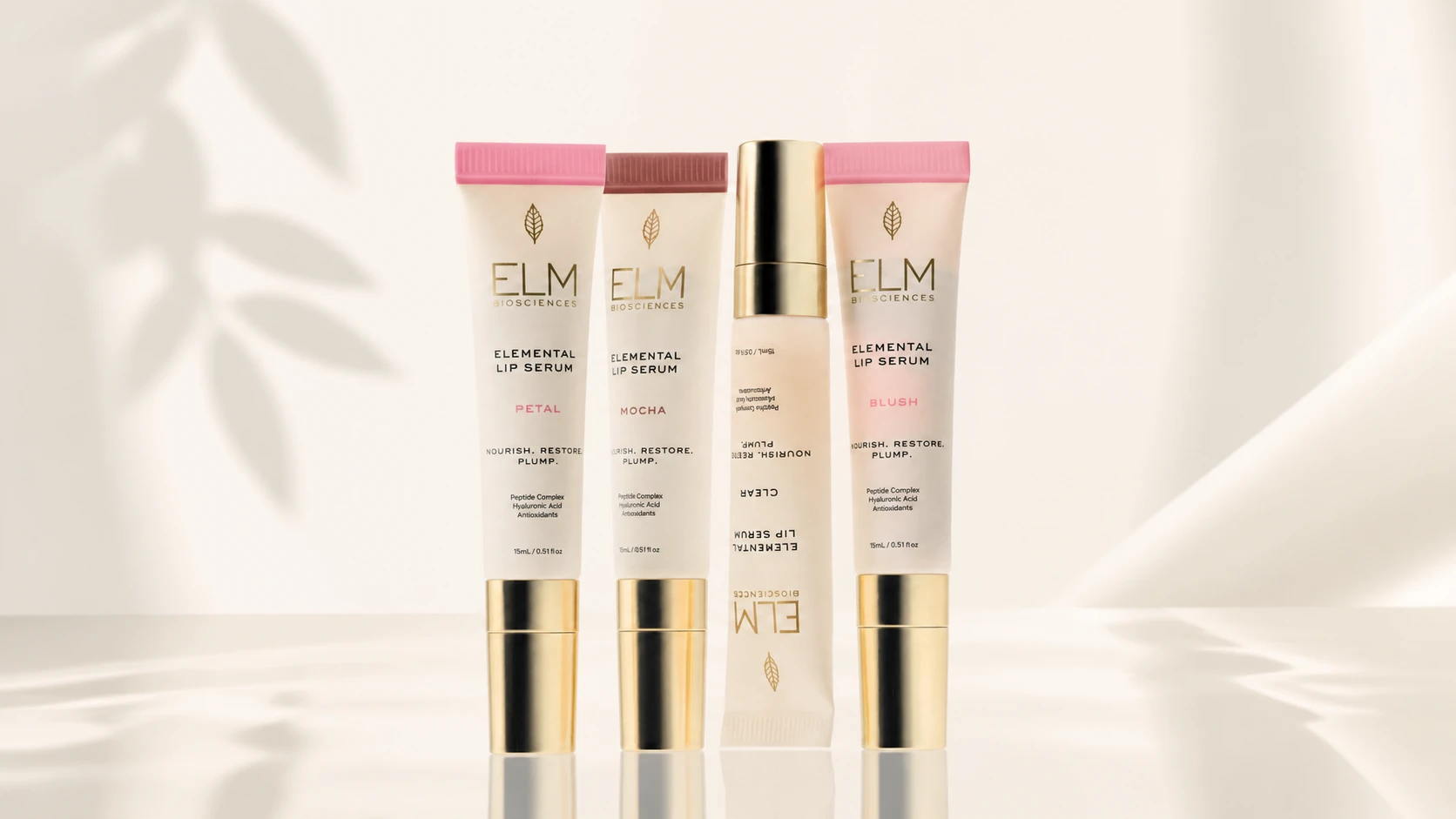
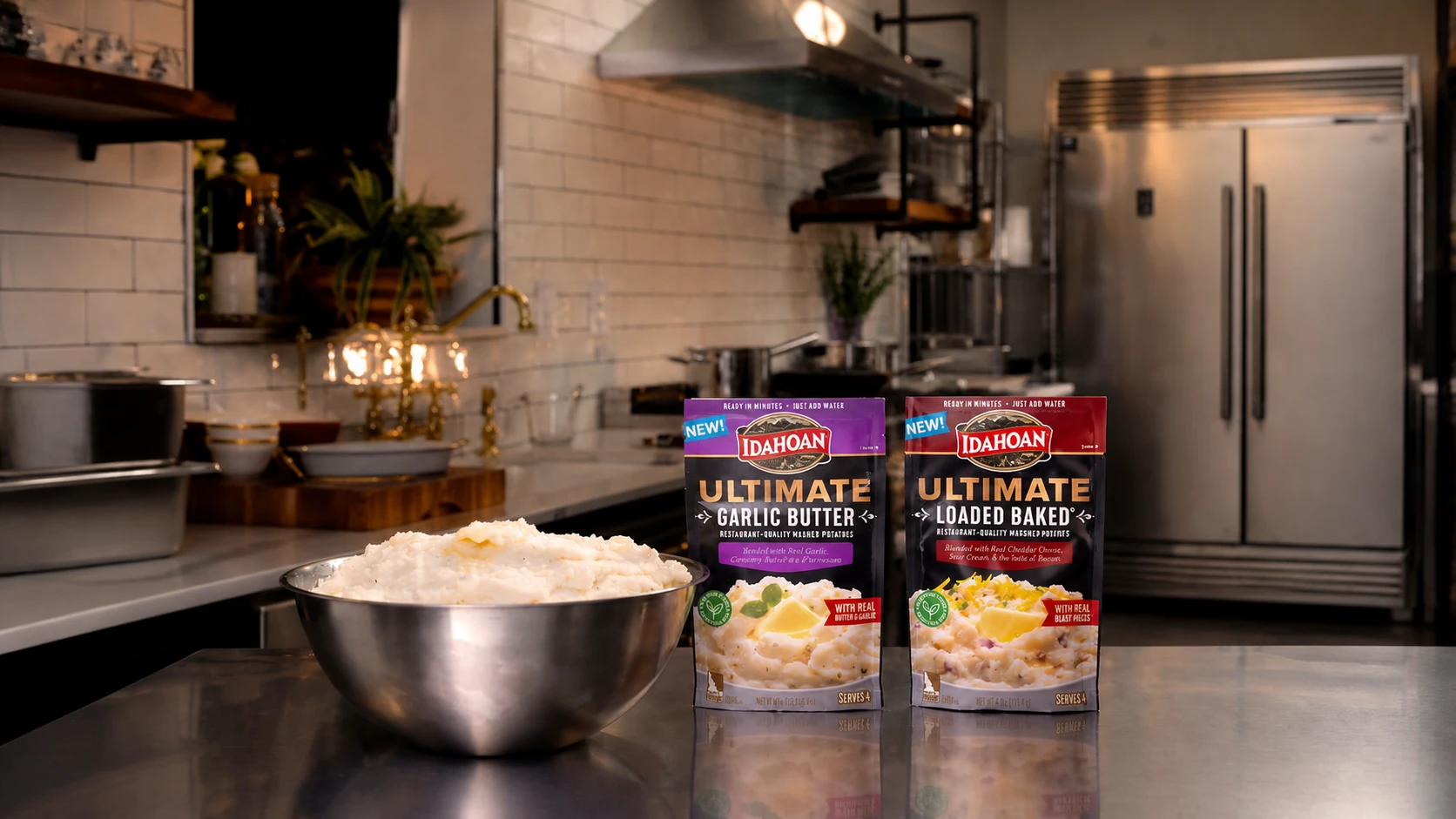
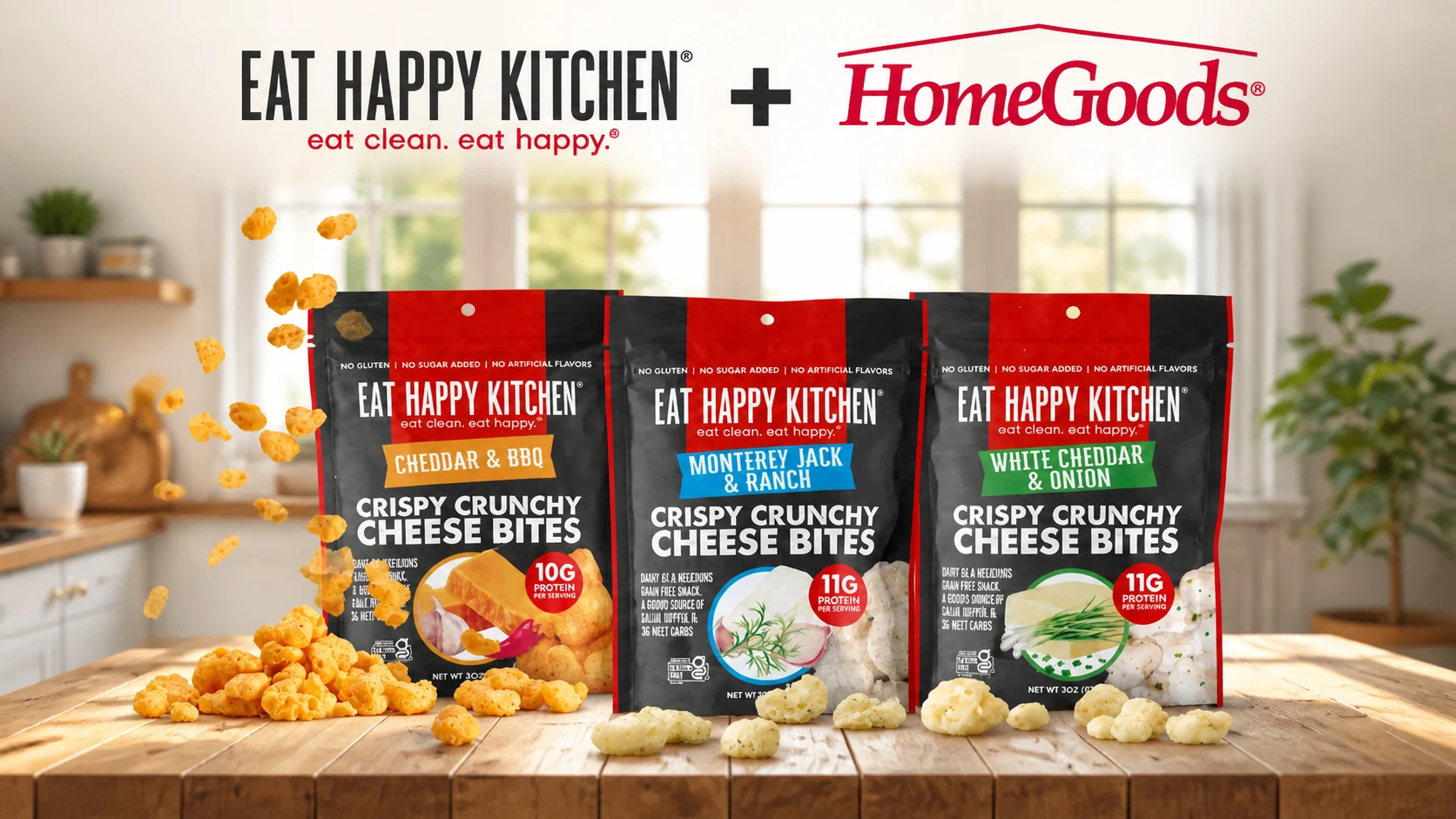
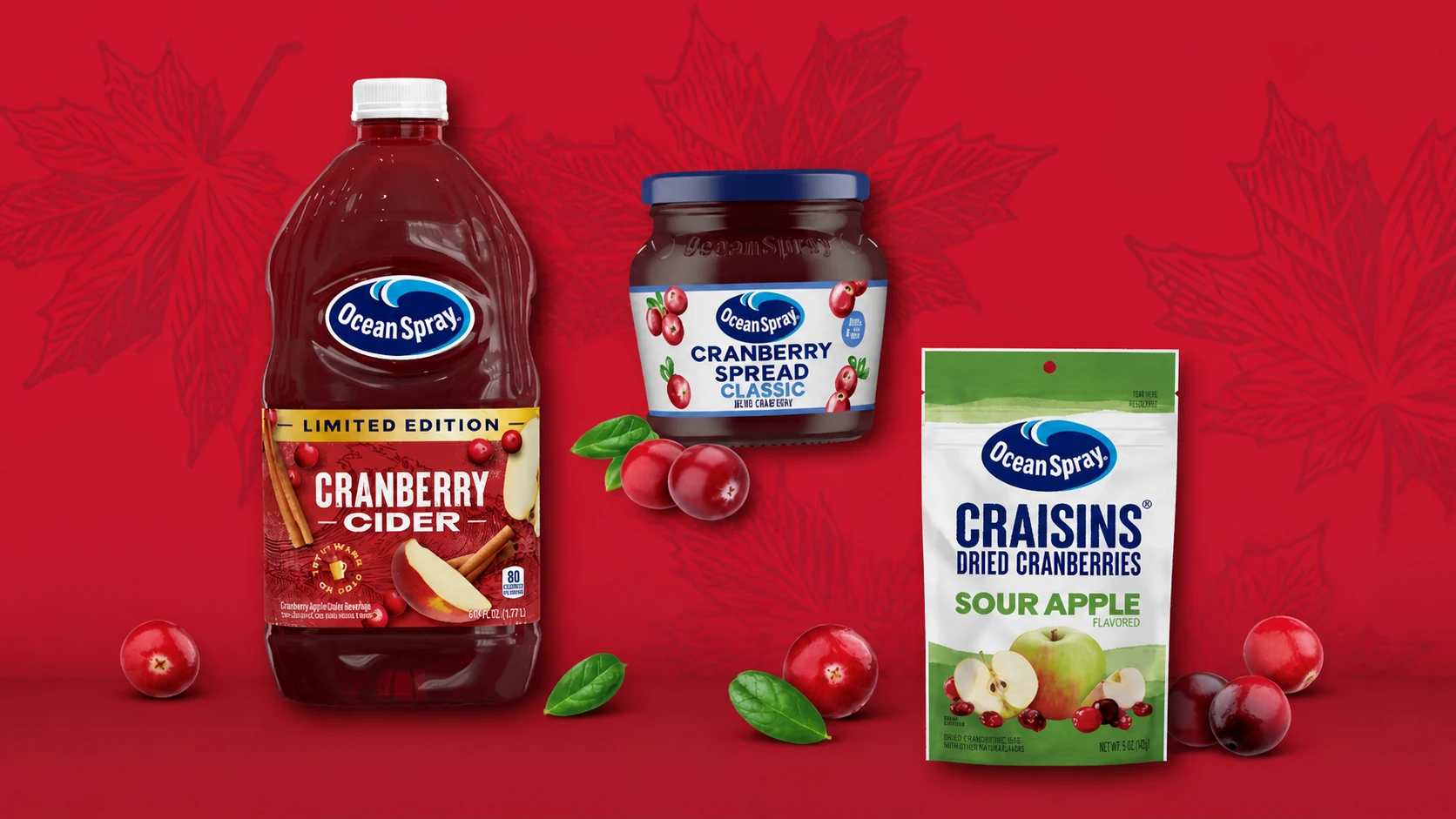
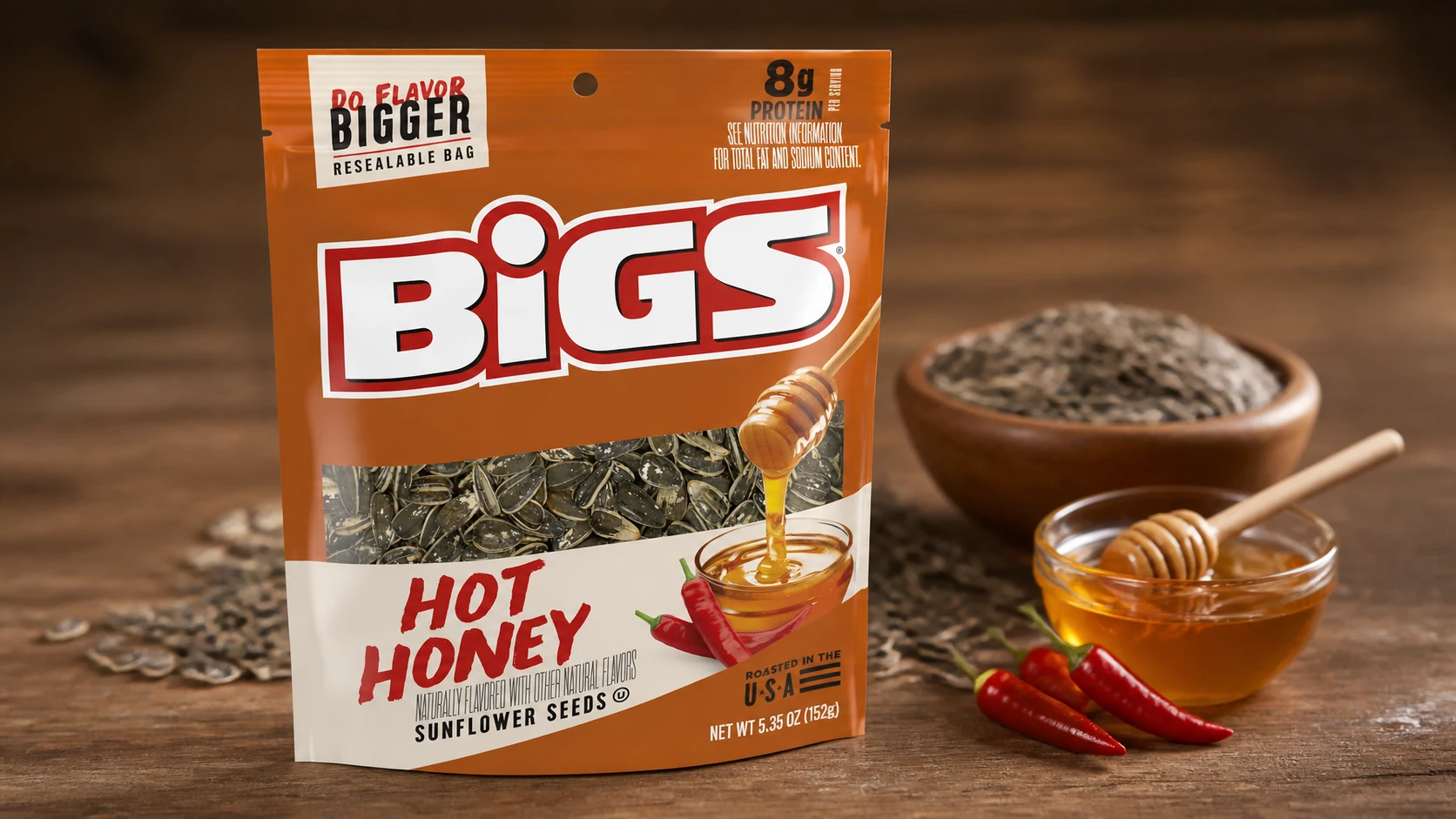
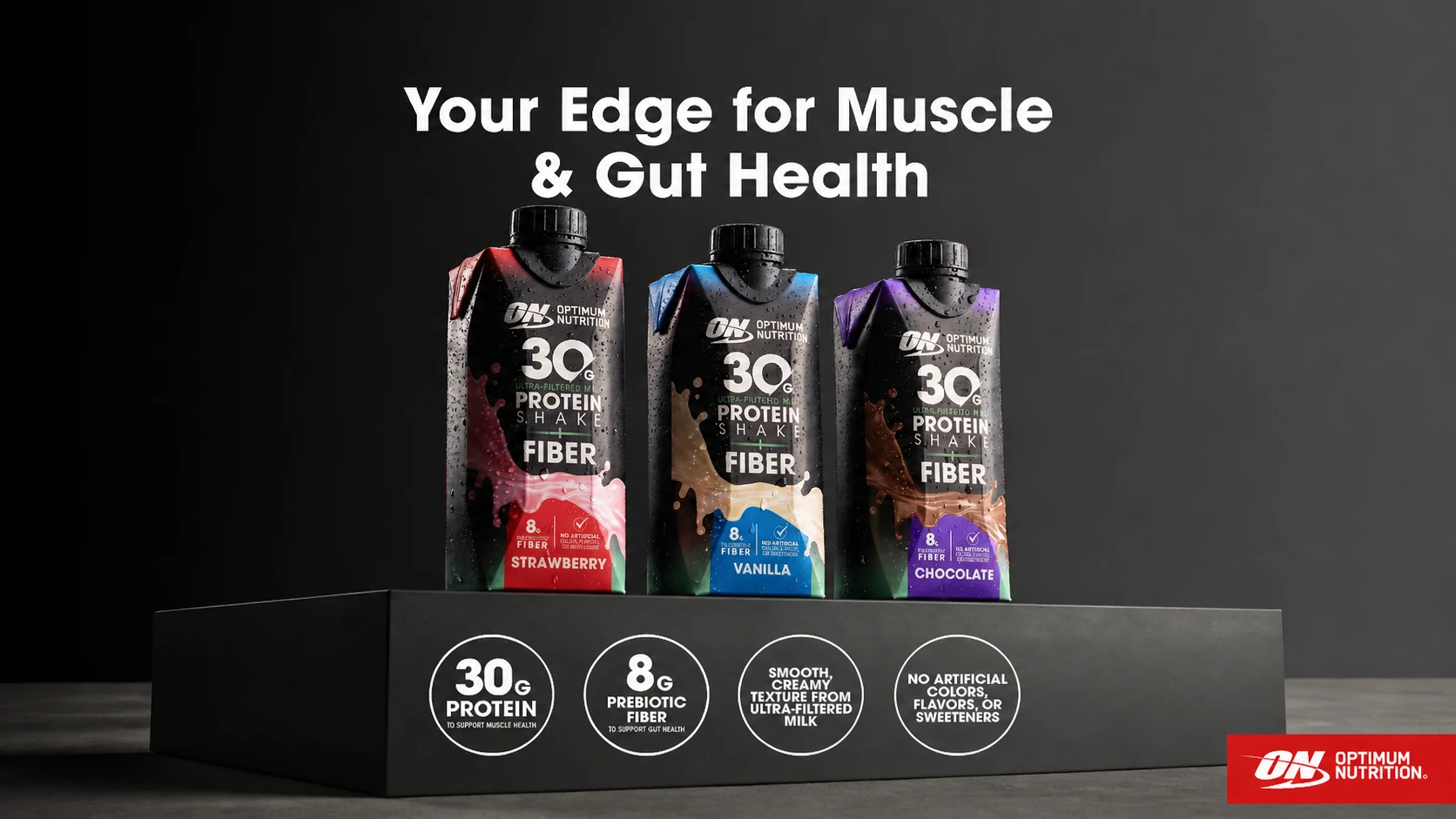
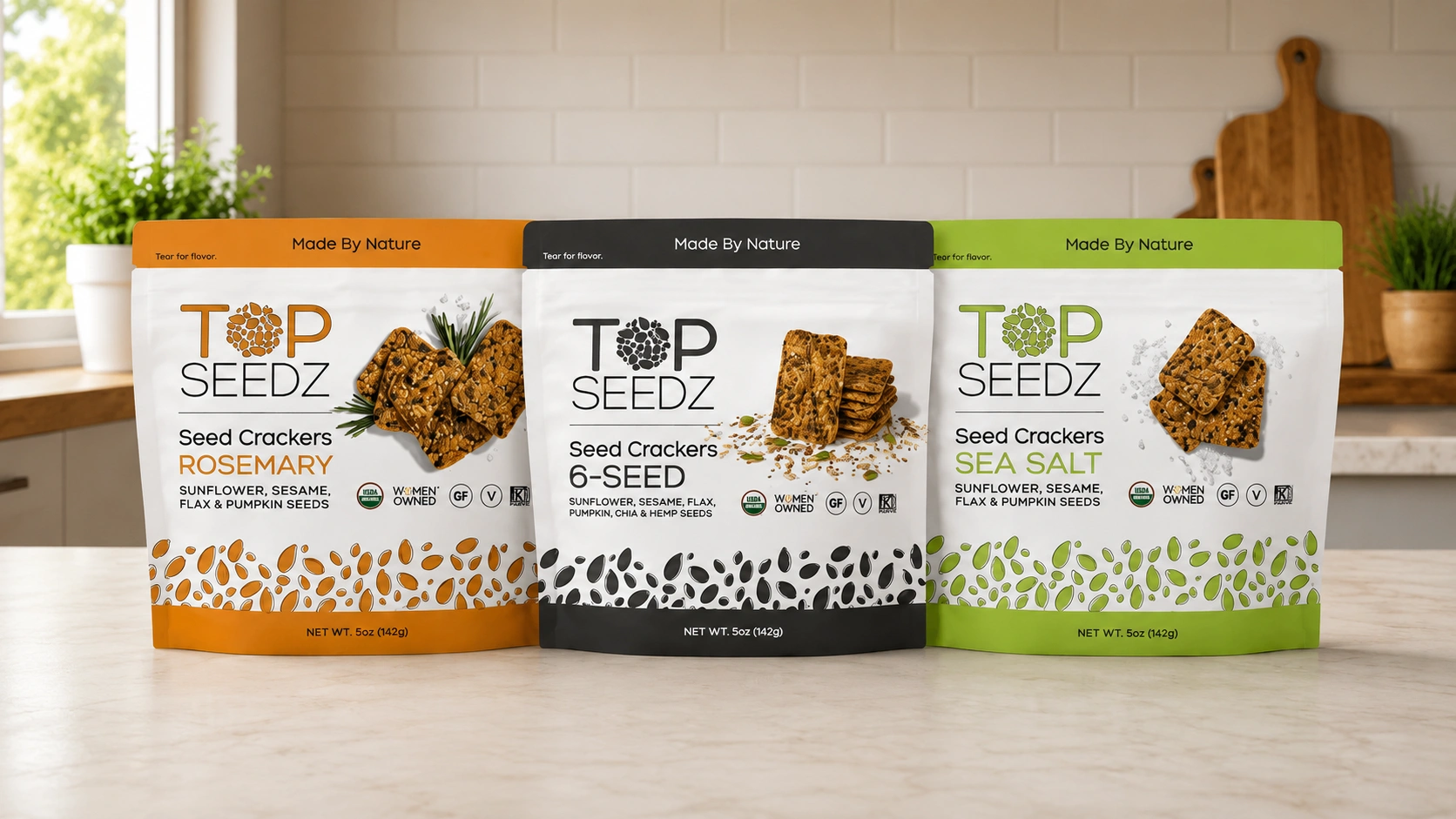
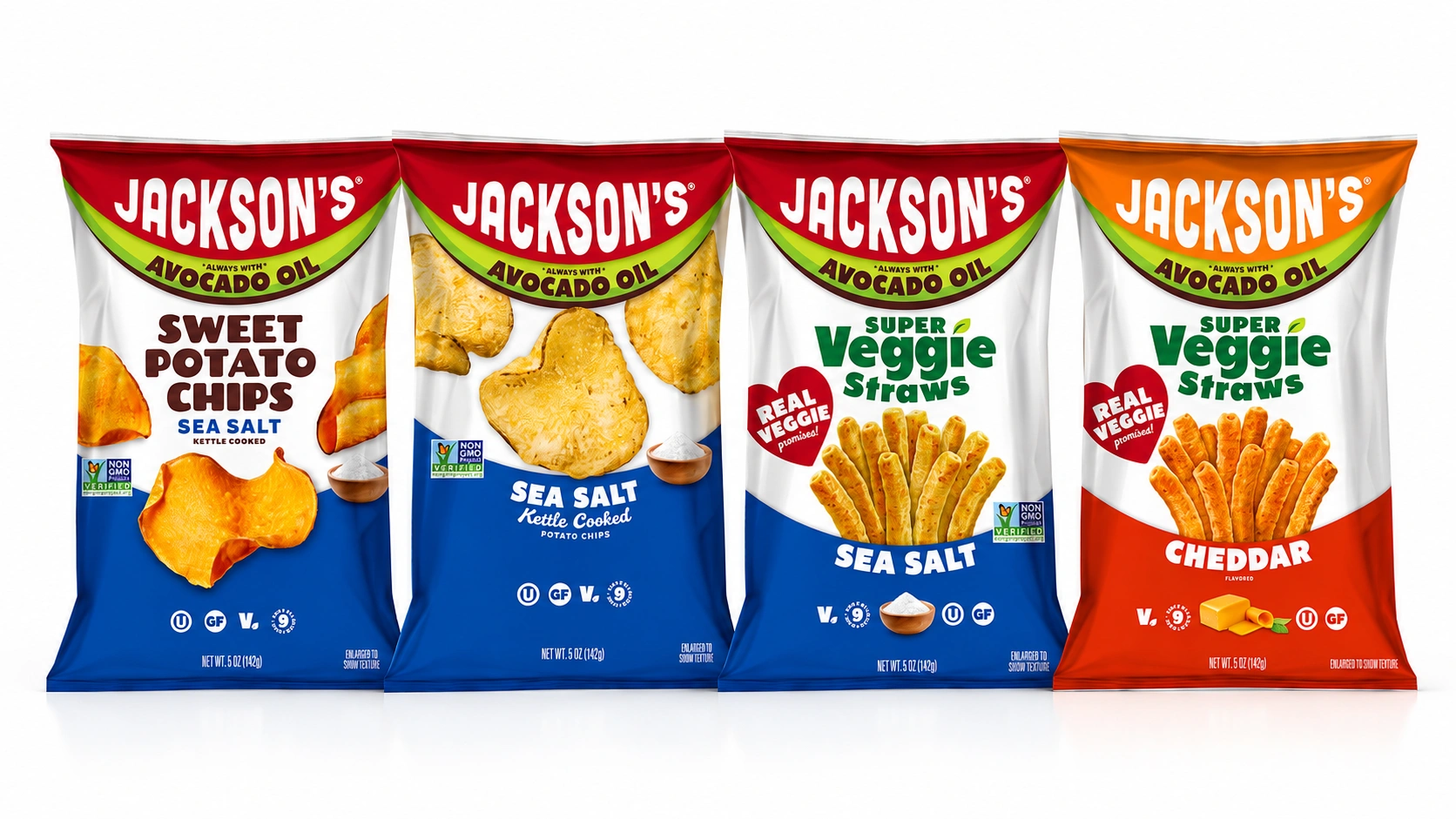
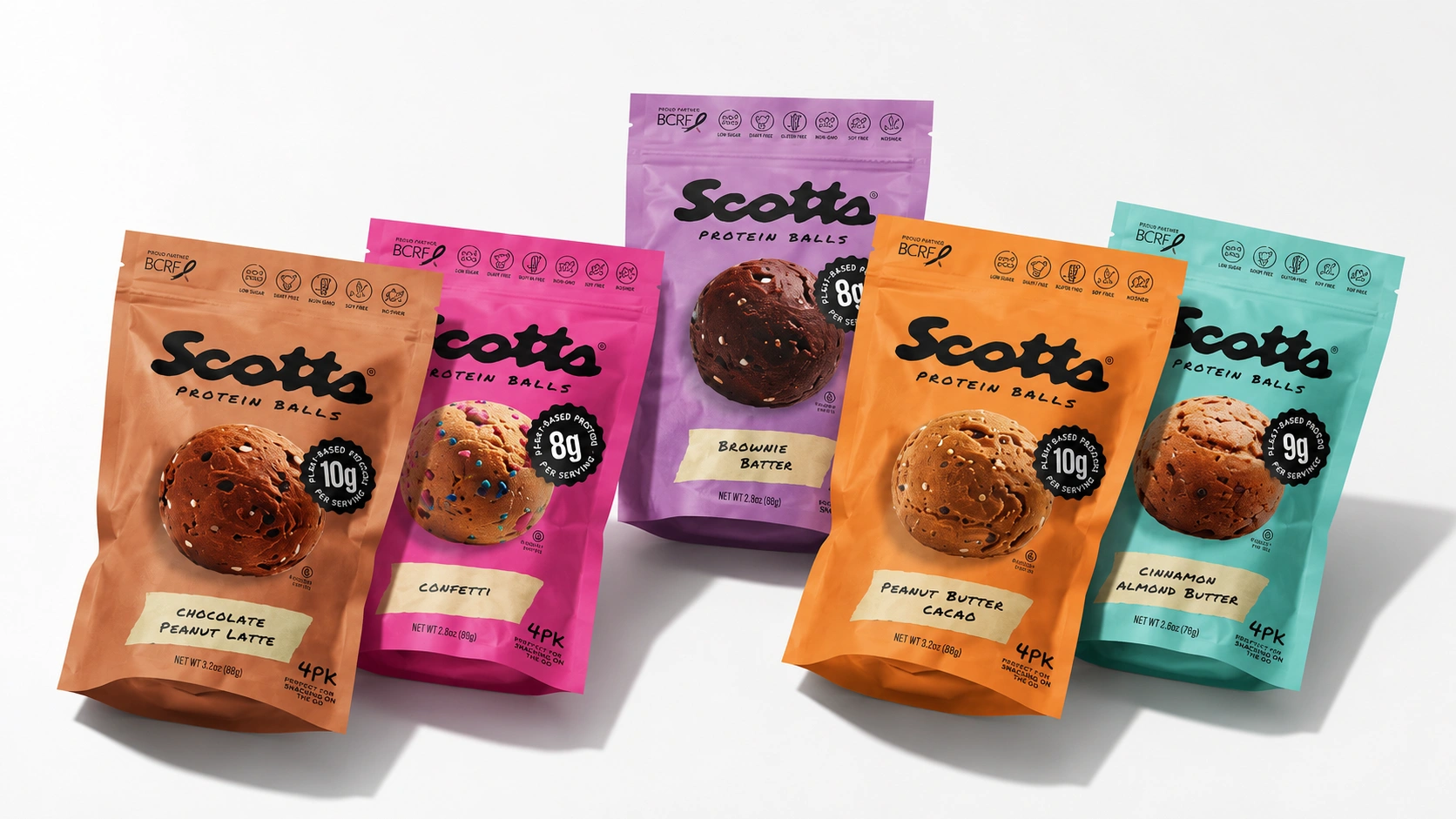
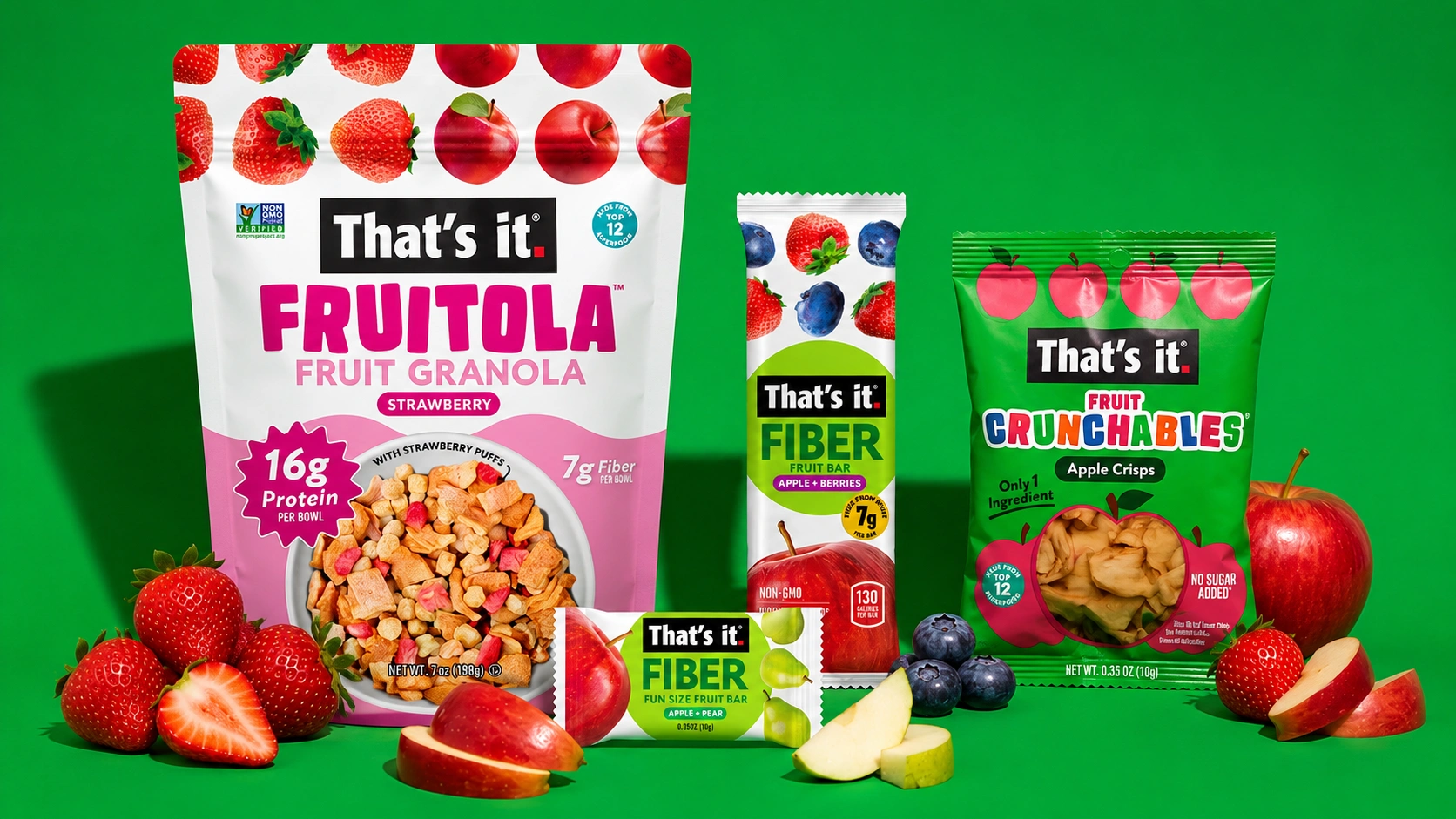
The verified range now covers 15 food and beverage categories and includes products from Amy’s Kitchen, Simple Mills, Spindrift and Chomps, while 41 additional brands are seeking verification. That pipeline suggests the programme is becoming a broader interface between food companies and shoppers interested in processing details that may not appear on packaging. For the Non-GMO Project, the app gives that interest a practical route into product discovery and certification requests.