The Miami Beach Visitor and Convention Authority is positioning restaurants, cultural memory and destination dining as central parts of the city’s visitor experience.
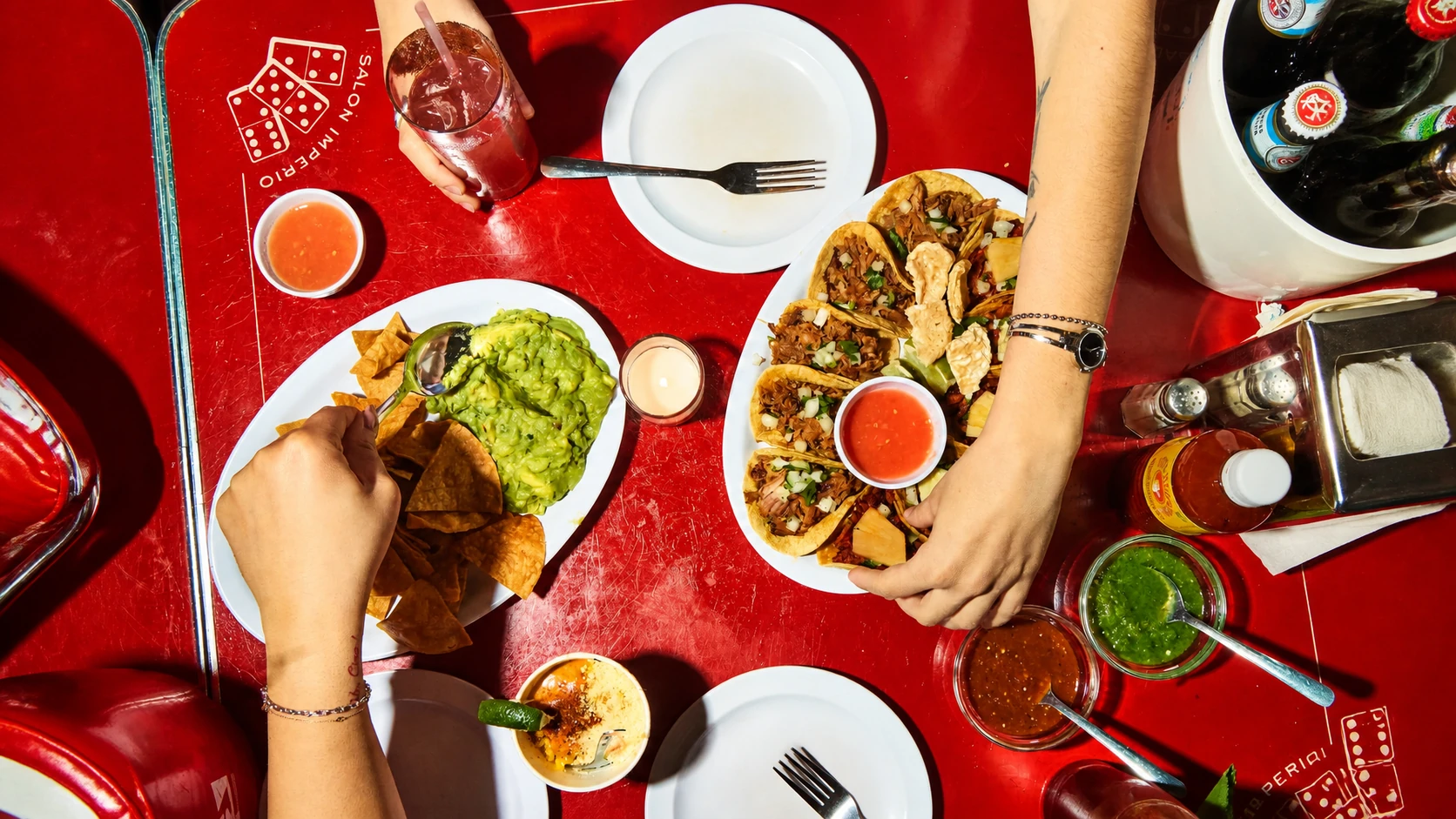
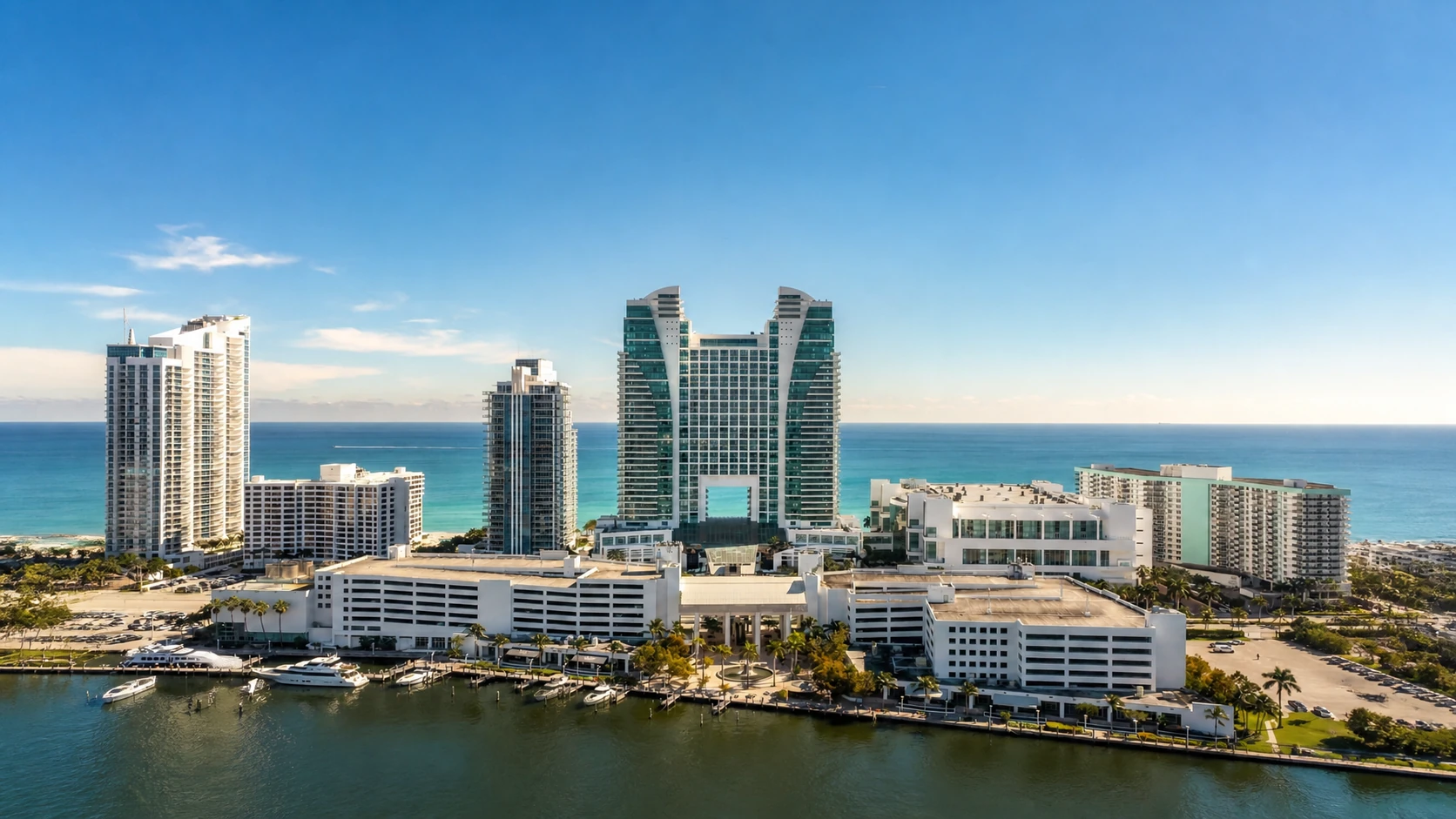
The Miami Beach Visitor and Convention Authority is directing visitors towards a curated selection of restaurants and culinary traditions, making food a central way to experience the destination. The MBVCA frames the city’s dining scene as a reflection of its people, art, architecture and cultural development, spanning historic Cuban diners, Mediterranean tables and Michelin-starred modern cuisine. The approach matters because it presents Miami Beach as more than a beach destination, with restaurants serving as practical gateways into the city’s cultural identity.
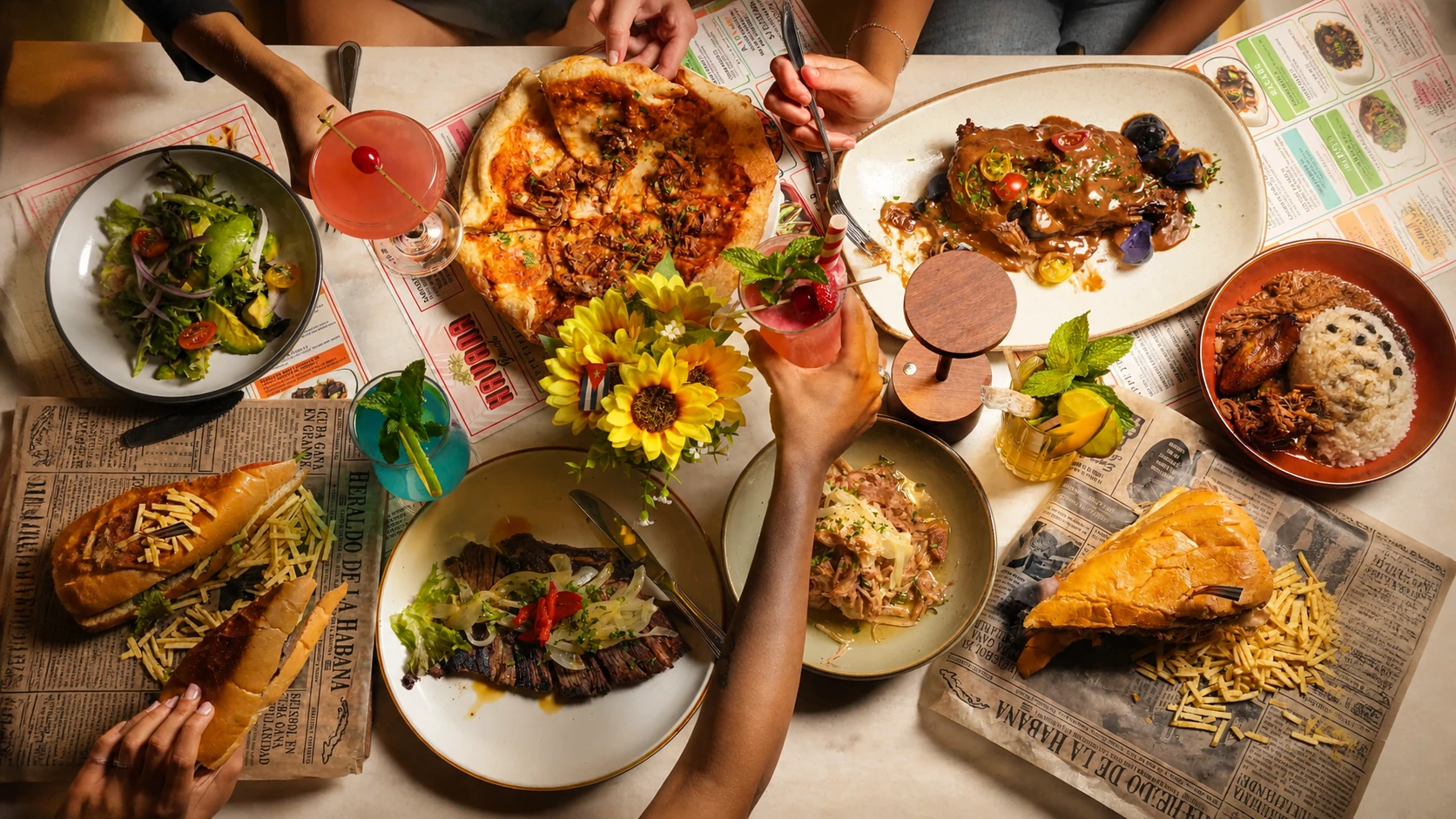
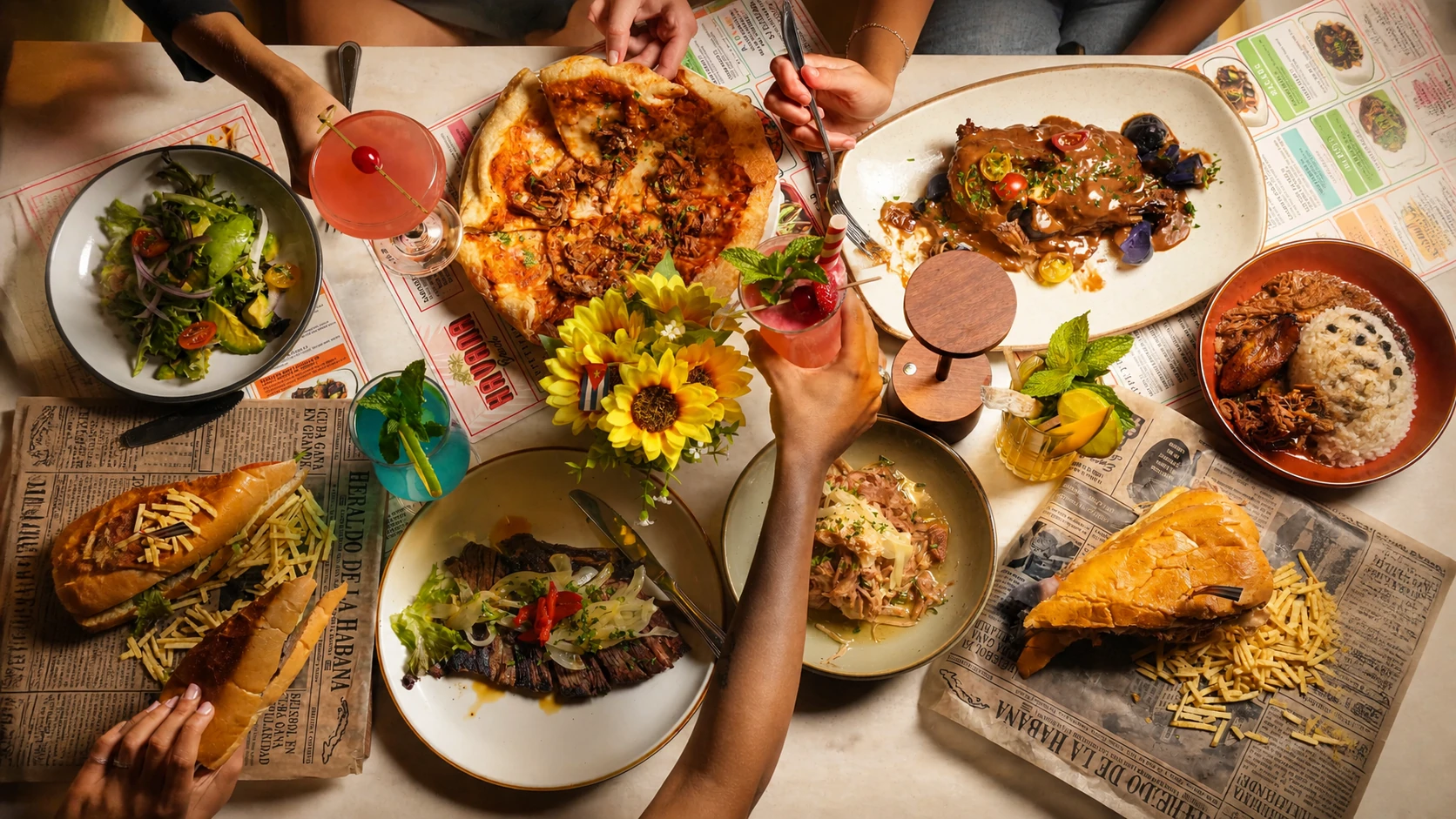
The proposed culinary journey begins with Cuban food, drawing on establishments that connect everyday dining with Miami Beach’s history. Puerto Sagua is described as a Cuban diner serving the community since the 1960s, with café con leche, tostada and croquetas among the traditional choices highlighted for visitors. La Mulata brings a mid-century Havana influence through ropa vieja, tostones and Cuban coffee, while Havana Beach combines Latin heritage with an oceanfront setting and a signature seafood arroz. Together, the examples show how the destination is using food to connect heritage, place and visitor discovery.
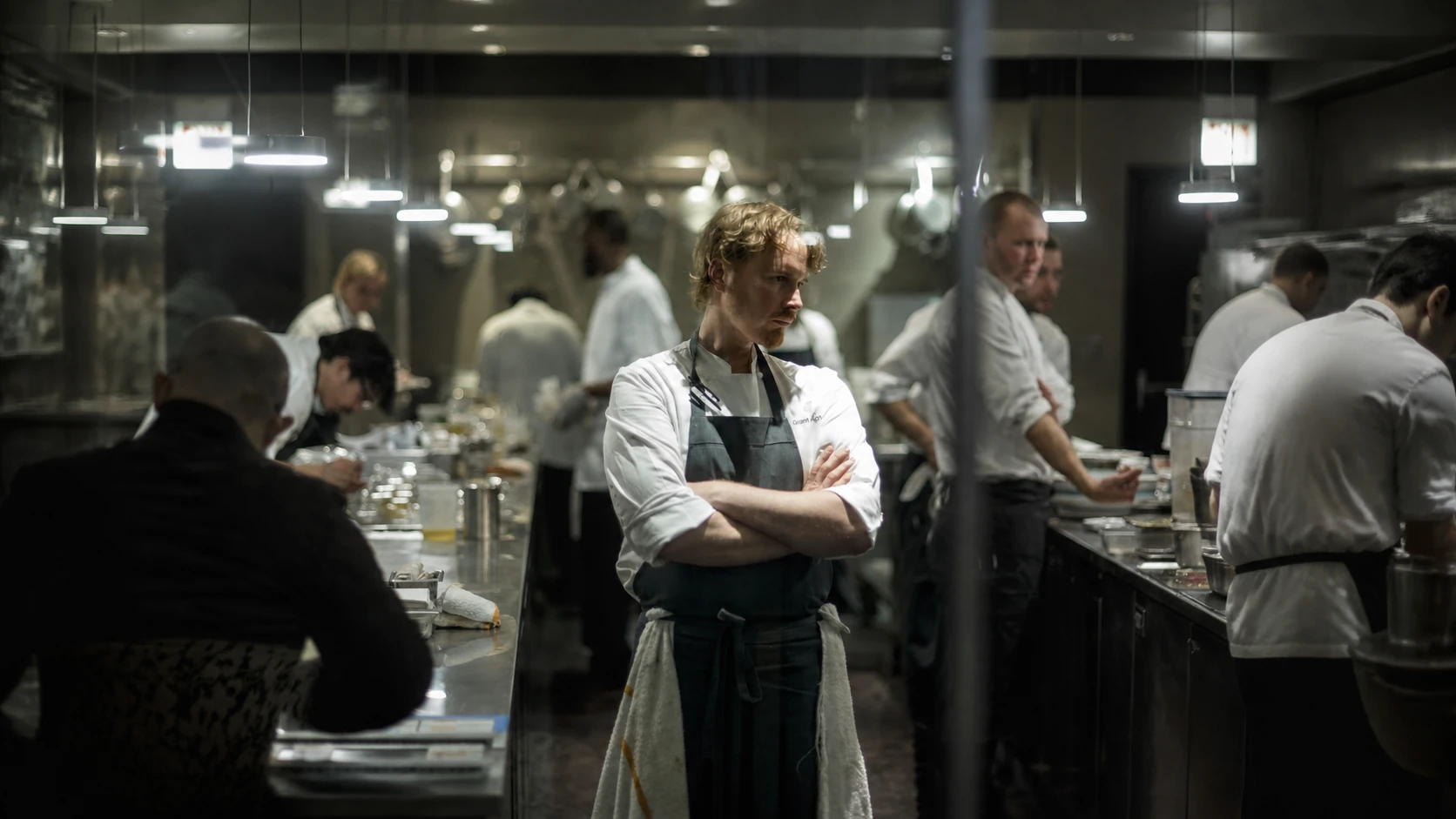
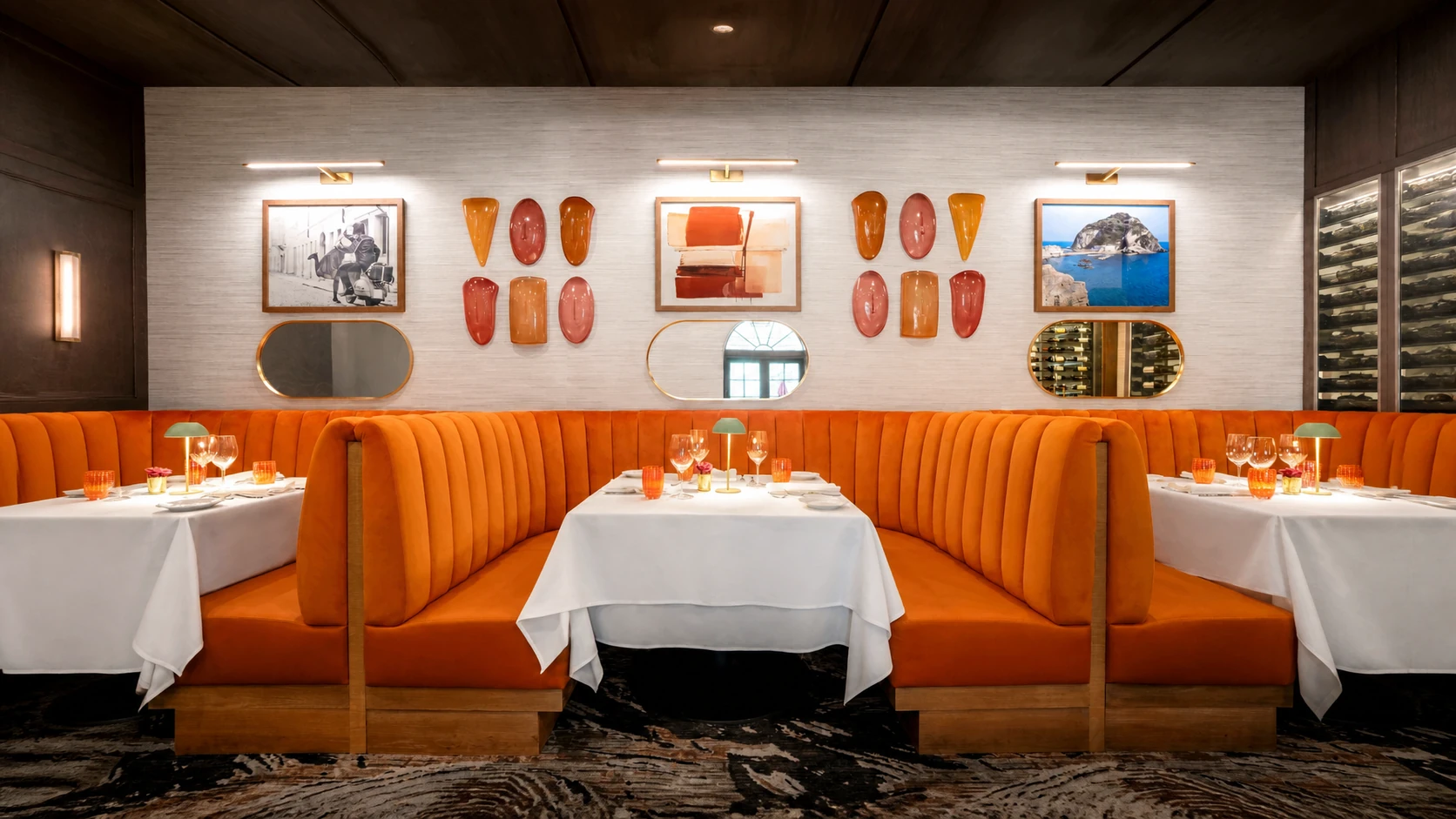
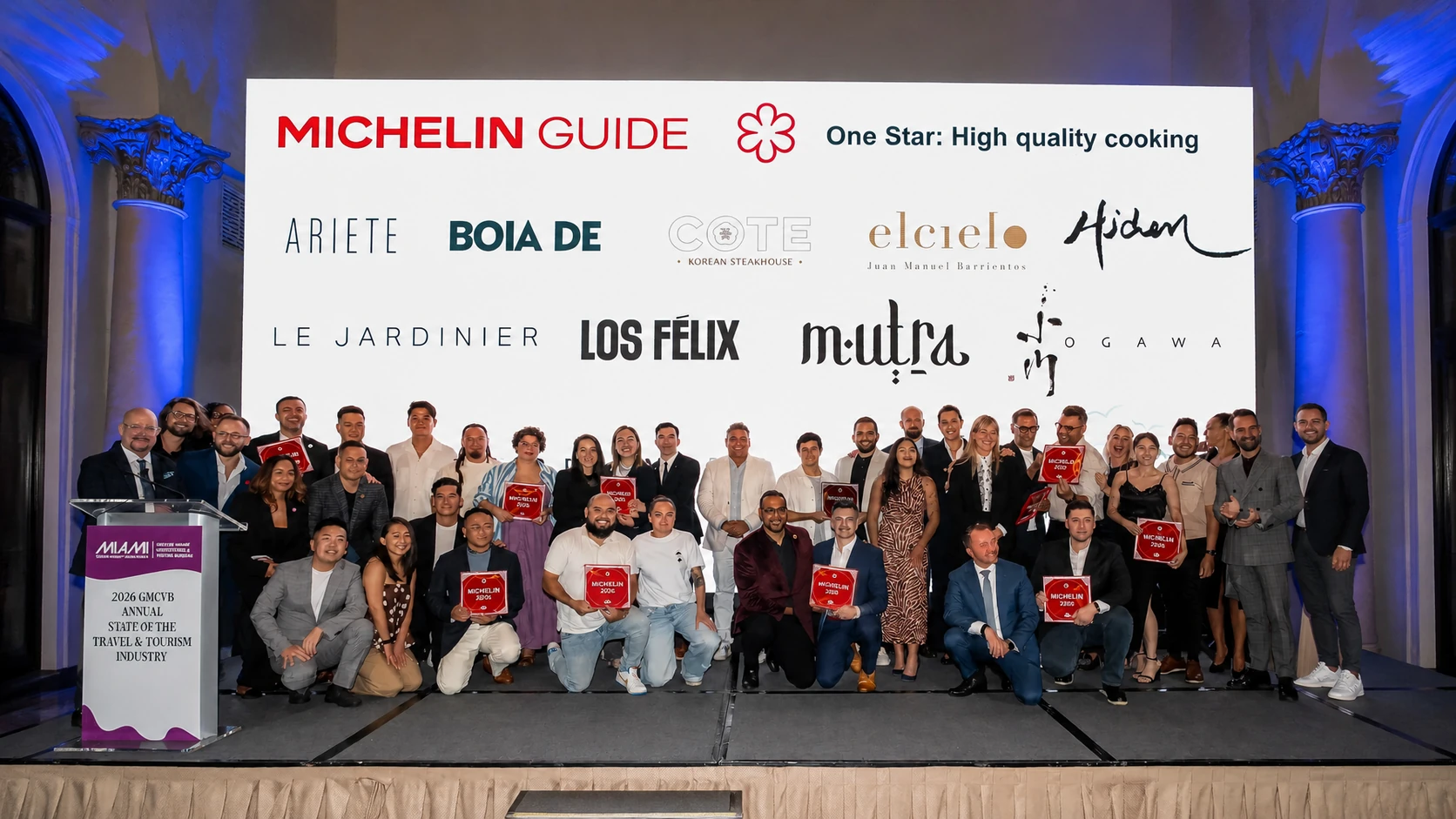
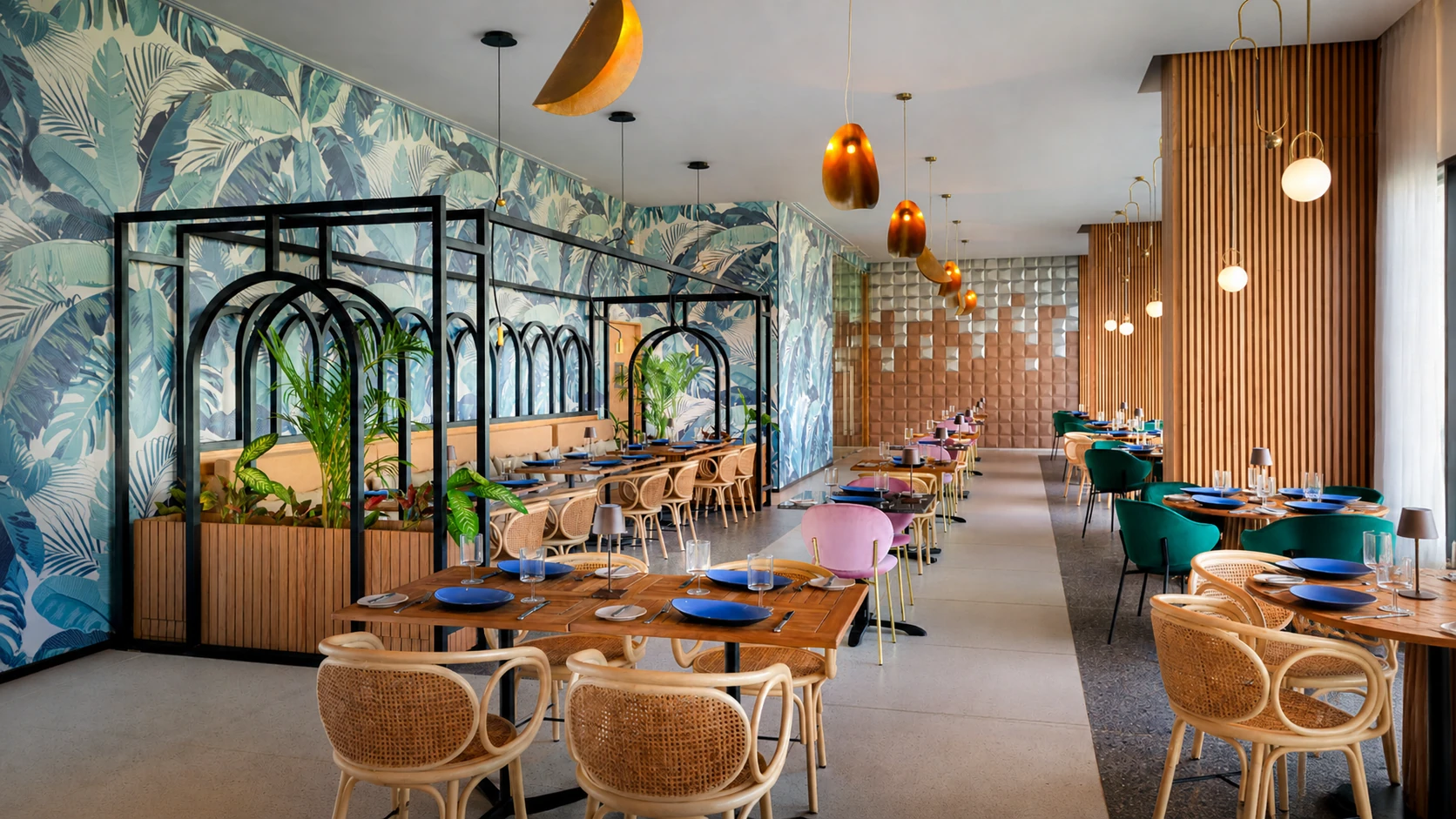
The wider itinerary broadens into international and contemporary dining. Meet Dalia combines Mediterranean flavours with beach culture, while Osteria del Mar focuses on Italian coastal cooking and La Grande Boucherie offers a French brasserie setting with steak frites, escargots and champagne. Stubborn Seed adds a modern American perspective through inventive tasting menus with global influence and holds a Michelin star, according to the Miami Beach Visitor and Convention Authority. The selection moves from long-standing local institutions to polished destination restaurants without presenting them as a single style of cuisine.
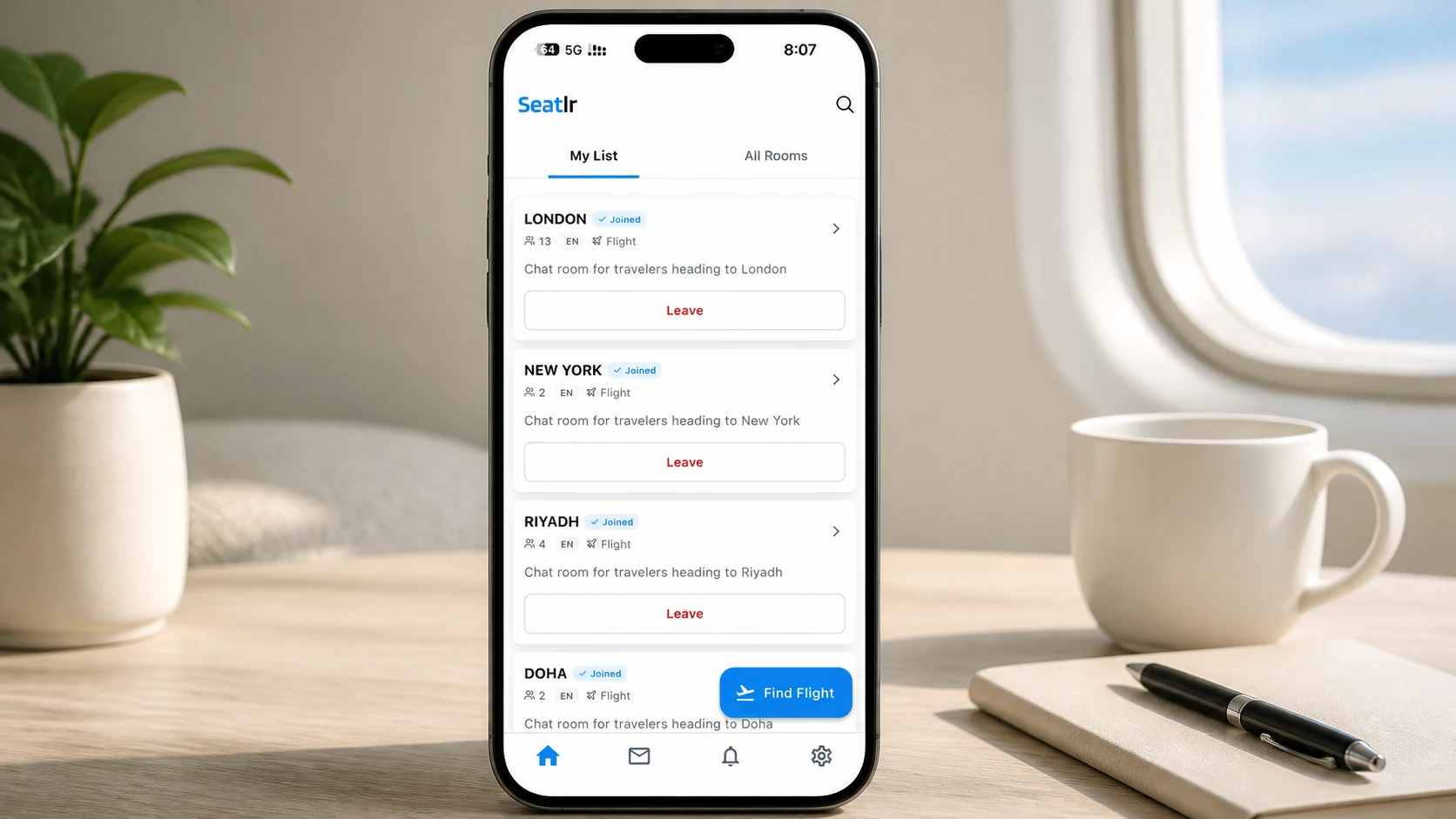
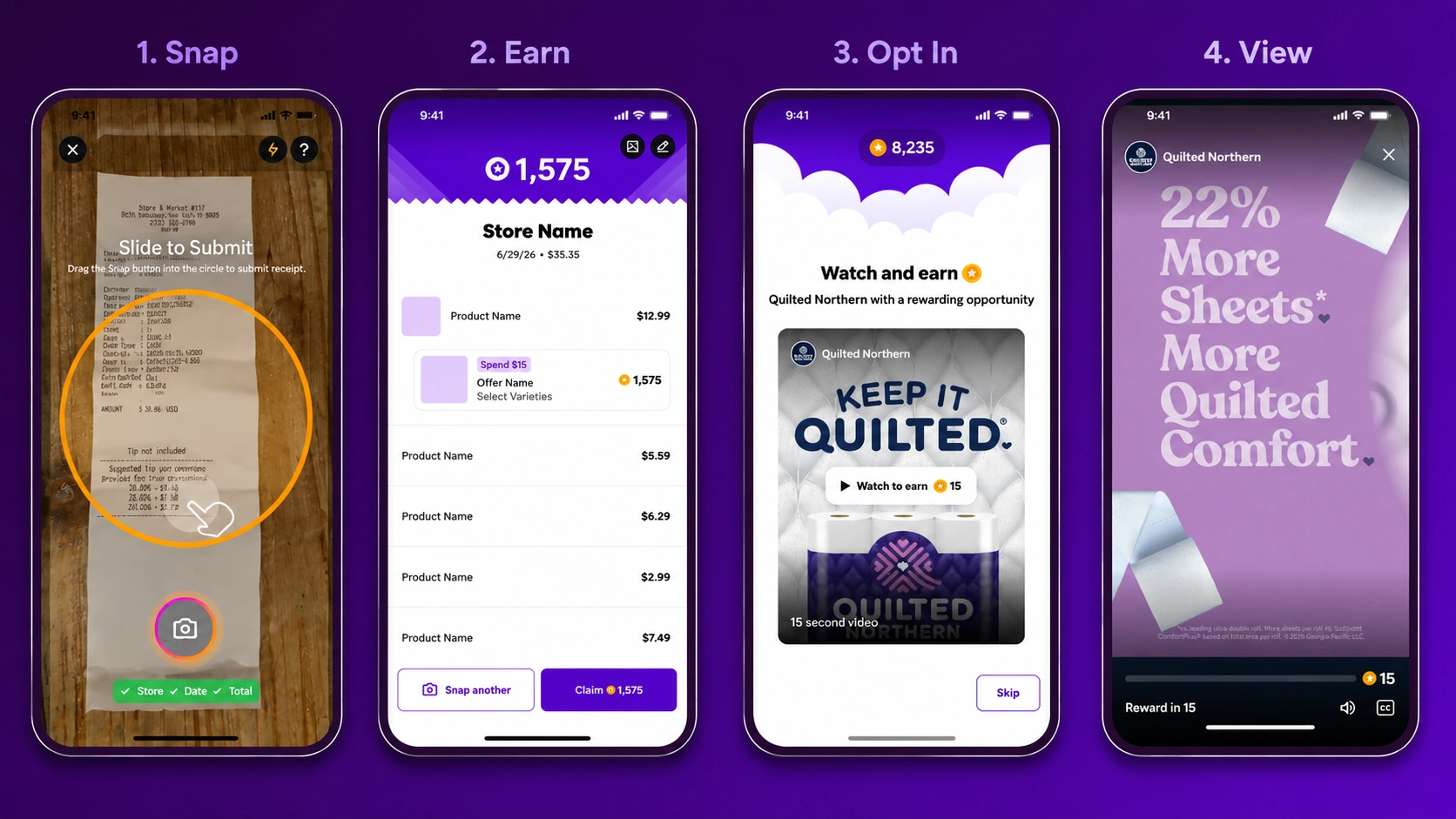
The strategy also gives the city’s tourism marketing a more usable consumer format. The authority says its Experience Miami Beach website features insider food guides, alongside discounts and offers from local restaurants, while the EXP Miami Beach Tours app is available through the App Store and Google Play. That combination links editorial-style recommendations with planning tools and local incentives, allowing culinary discovery to function as part of the visitor journey rather than as a secondary activity.
For the MBVCA, the emphasis on food reflects an effort to turn Miami Beach’s cultural variety into experiences visitors can access through specific dishes, restaurants and neighbourhood settings. Its leadership describes the city’s cooking styles as a way to encounter history and tradition around the table, while the featured venues provide the concrete points of entry. The result is a tourism proposition built around the idea that dining can extend a stay, deepen a sense of place and give the destination a more distinctive story.