The Frontier Program gives selected labs and deep-tech startups access to substantial compute, advanced research tools and engineering support for complex scientific problems.
Apodex is opening its most computationally intensive AI system to selected scientific researchers, academic labs and deep-tech startups through a new initiative called the Frontier Program. Participants can receive up to $100,000 per month in compute credits, along with access to the company’s heavy-duty research model and dedicated engineering support, an effort aimed at lowering some of the resource barriers surrounding advanced AI-assisted research.
The program is structured around projects that involve scientific discovery, hypothesis testing, target validation and comparisons between technical approaches. Applicants are expected to describe their scientific or business field, research question, methodology, anticipated results and expected monthly compute requirements. Credit allocations will vary according to the scale of the institution and complexity of its research, with institutional accounts allowing administrators to manage usage across teams.
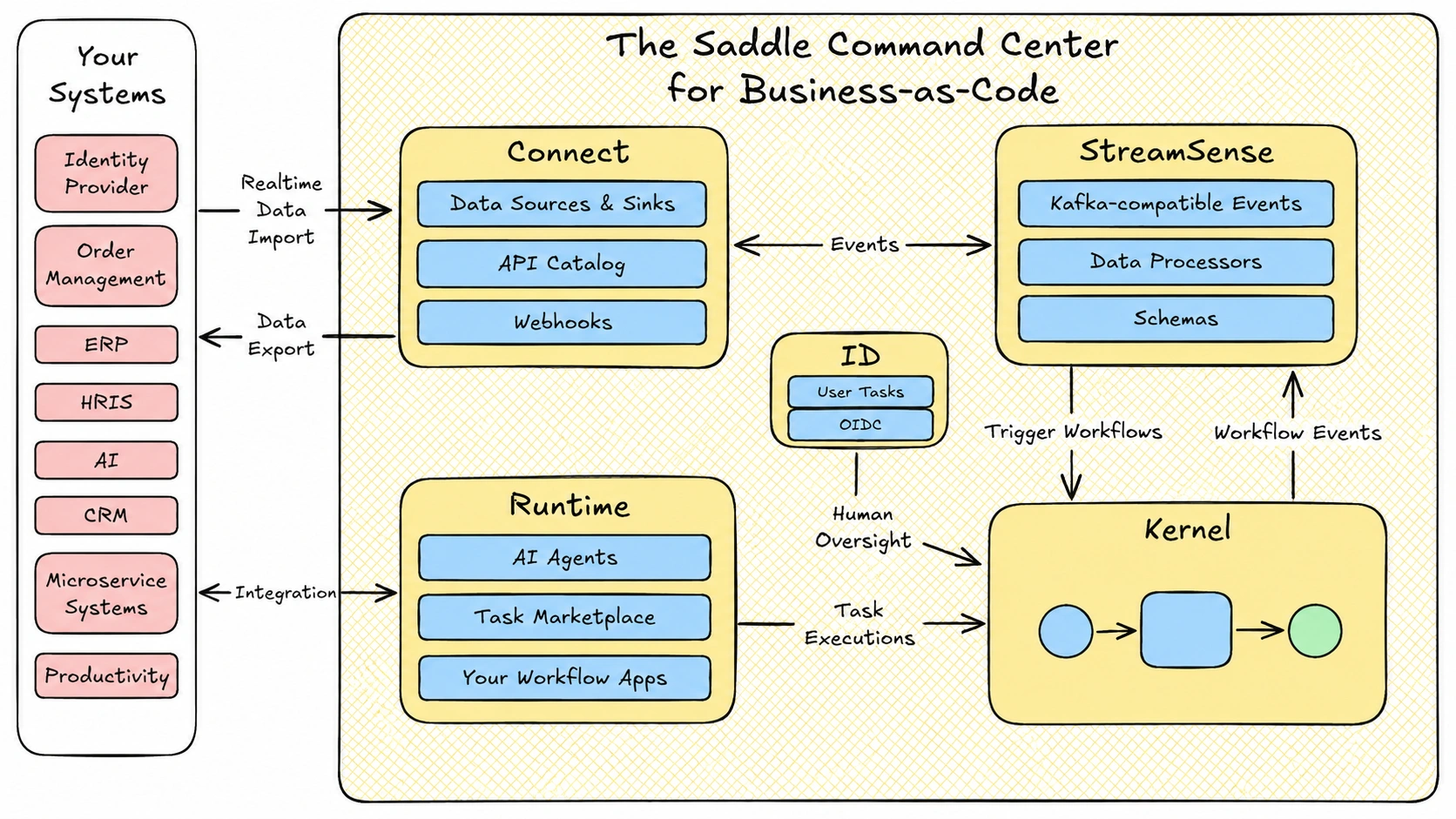
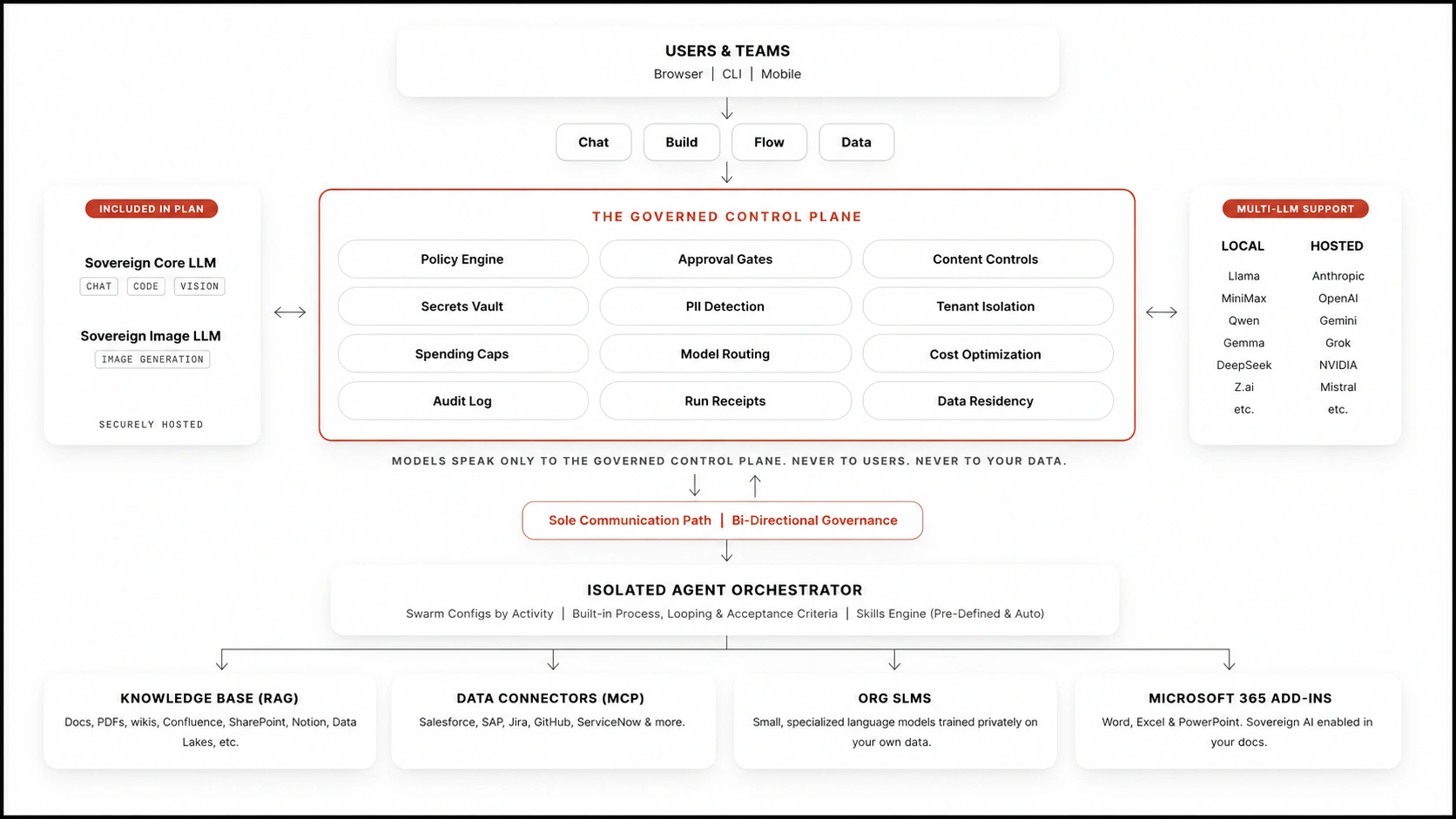
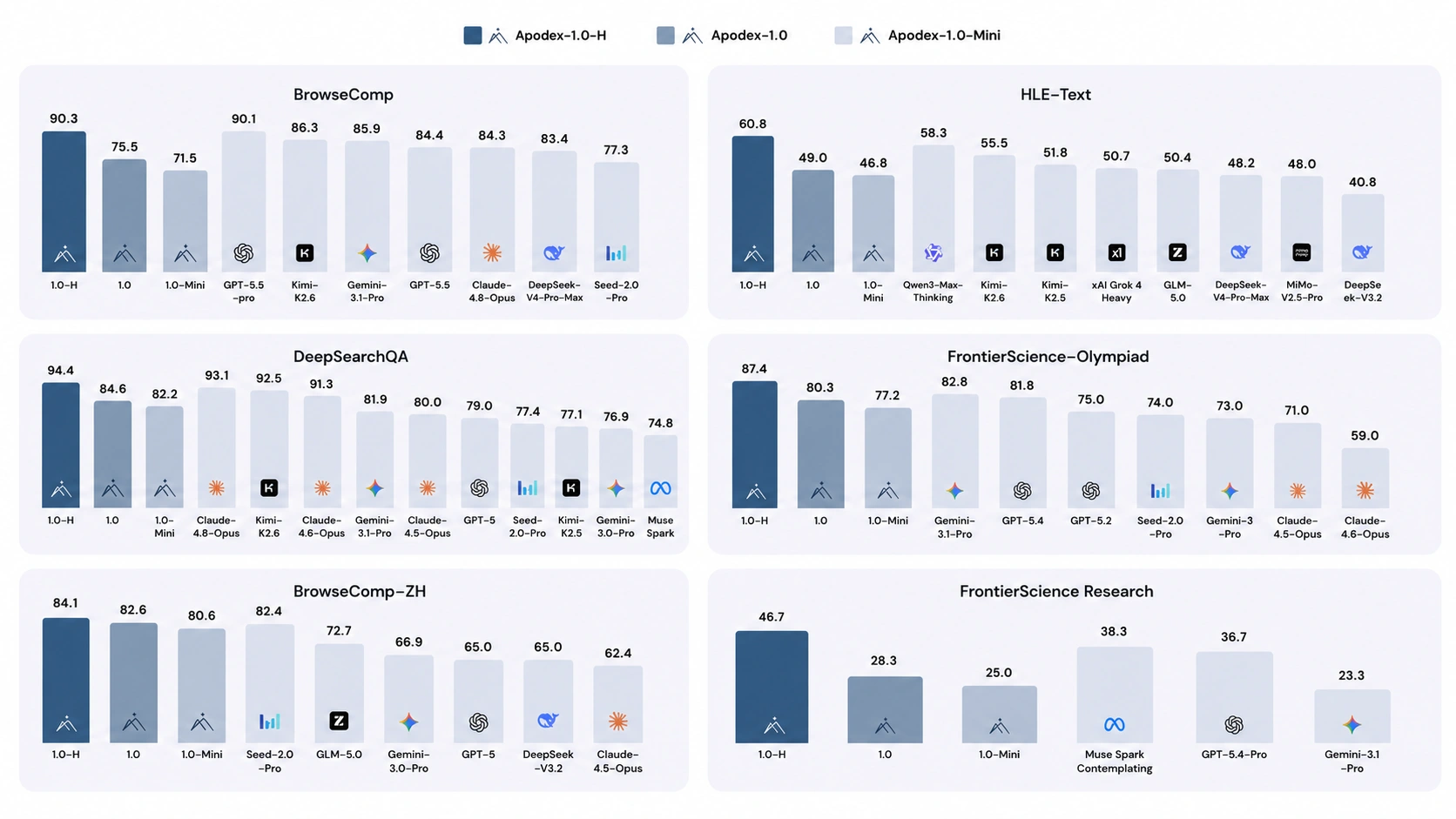
At the center of the initiative is Apodex-1.0-H, also offered as Apodex Deep Discover, a model designed for extended research tasks rather than isolated questions. According to the company, its heavy-duty mode can coordinate as many as 150 sub-agents across 15,000 steps, allowing different agents to investigate a problem, cross-check findings and audit evidence before generating a final response. The emphasis on separating problem-solving from verification reflects a wider concern in scientific applications of AI: useful answers need to be accompanied by evidence researchers can scrutinize.
Selected participants will also receive access to Discover Mode, which Apodex describes as using 10 times the compute intensity for tasks such as multi-step analysis, literature synthesis and target validation. Engineering assistance will cover workflow integration, troubleshooting and scaled deployments, with the company promising a three-hour response window for technical inquiries across U.S. and Singapore time zones.
The Frontier Program illustrates how competition in advanced AI is increasingly extending beyond model performance toward access to the computing resources needed to apply those models to difficult research problems. For Apodex, giving researchers substantial compute and technical assistance also creates an opportunity to test its systems against demanding real-world questions. Whether such tools meaningfully accelerate scientific discovery will ultimately depend not only on computational scale, but on the reliability, transparency and practical usefulness of the results they produce.