
The collaboration will use Whirlpool’s existing cloud data to identify customer segments and personalize KitchenAid marketing, reflecting a broader shift toward warehouse-centered strategies.
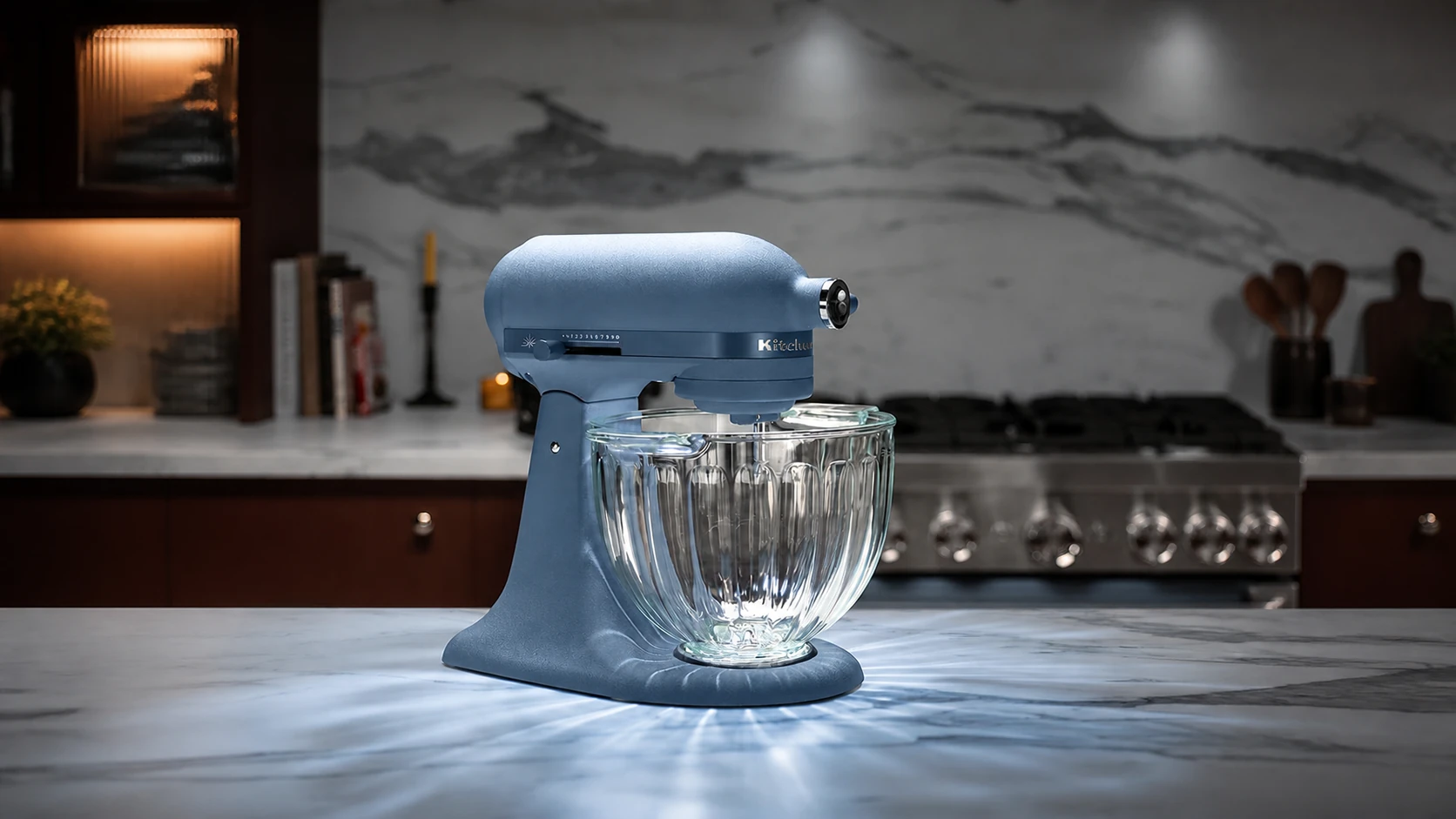
Whirlpool Corporation is working with GrowthLoop to develop its direct-to-consumer strategy for the KitchenAid Small Appliances portfolio, with an emphasis on making better use of customer data already stored in its cloud infrastructure. The collaboration will focus on building audiences, identifying potentially valuable customer segments and supporting more personalized marketing without moving that information into another standalone platform.
The approach reflects a broader challenge for established consumer brands with increasingly large stores of first-party data. Collecting information about customers is only part of the equation; marketing teams also need practical ways to translate it into decisions about which audiences to approach, what experiences to deliver and how to measure whether those efforts are working.
GrowthLoop’s role is to help Whirlpool activate audiences directly from its cloud-native data warehouse. The platform can identify smaller, potentially higher-value groups within broader marketing campaigns and give teams a way to experiment with different forms of customer engagement. Keeping audience intelligence, activation and measurement connected to the existing warehouse could also reduce the fragmentation that comes from distributing customer information across multiple marketing systems.
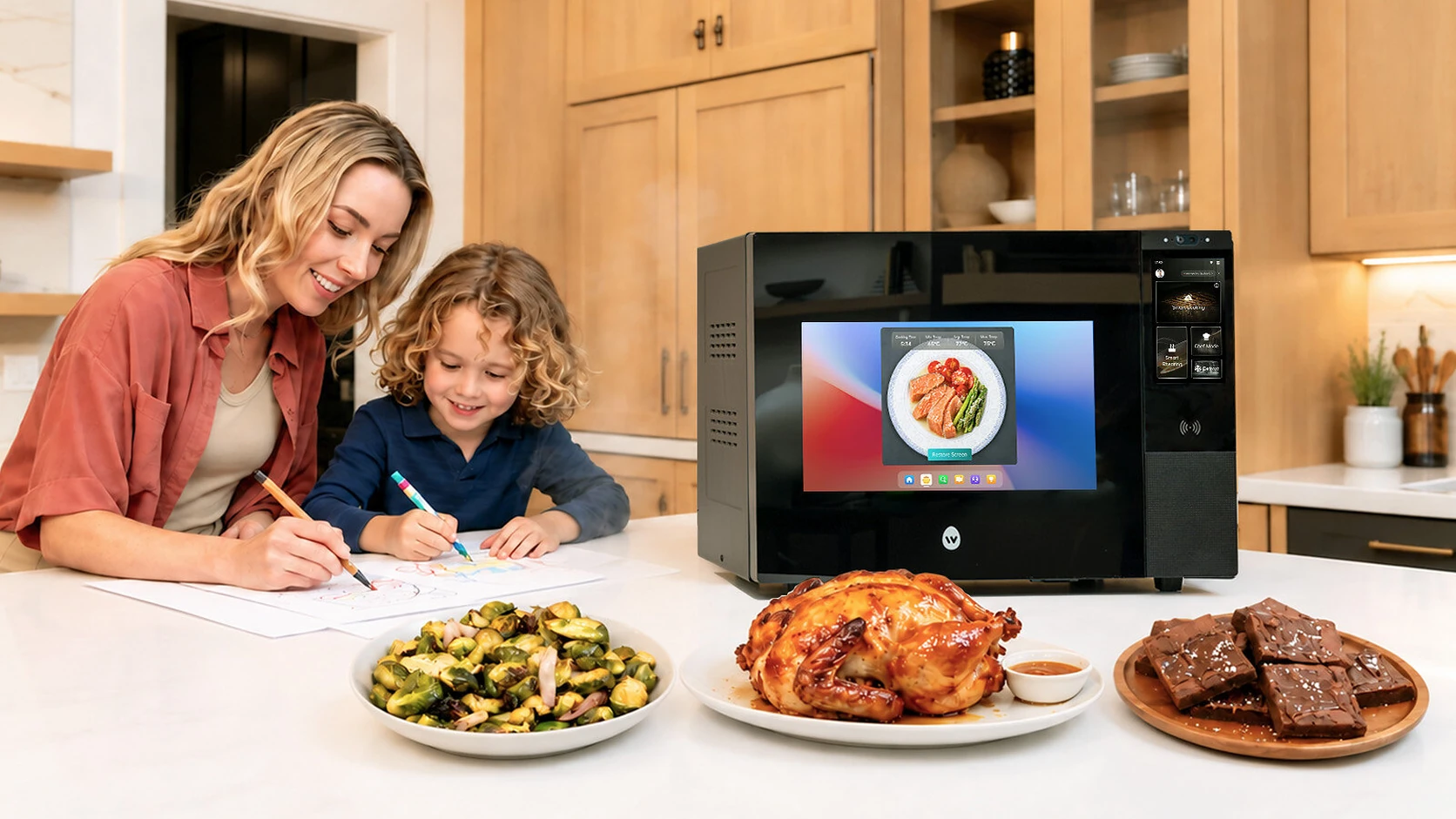
For Whirlpool, the partnership is initially centered on KitchenAid Small Appliances, but it also illustrates how direct-to-consumer relationships are changing the technology requirements of traditional manufacturers. Companies that historically reached many customers through retailers now have additional reasons to understand individual consumer preferences and interactions, particularly when managing brands and products across digital channels. The announcement does not specify particular campaigns or performance targets, so the practical impact will depend on how those capabilities translate into customer-facing activity.
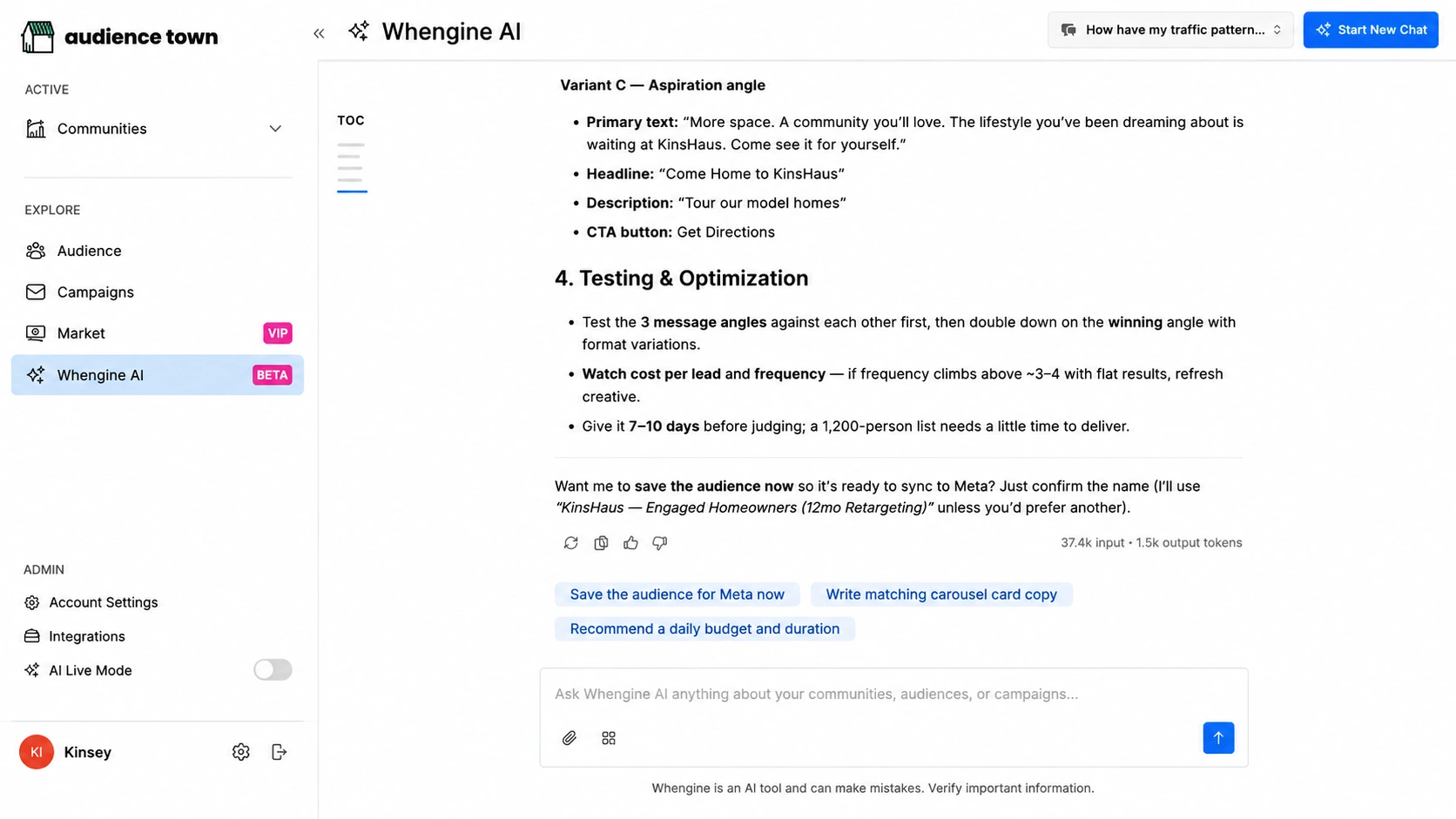
The partnership also reflects the growing influence of AI within marketing infrastructure, where the emphasis is shifting from generating content toward interpreting customer information and coordinating actions. In this case, GrowthLoop’s agentic AI tools sit on top of Whirlpool’s existing data environment rather than replacing it. That distinction may prove important as companies look for ways to adopt AI while retaining centralized control over the customer data they have already invested in collecting and organizing.