
Spigen’s latest Galaxy Z Fold 8 cases use flexible magnetic and mechanical hinge systems, reflecting how thinner foldables are forcing accessory makers to rethink protection.
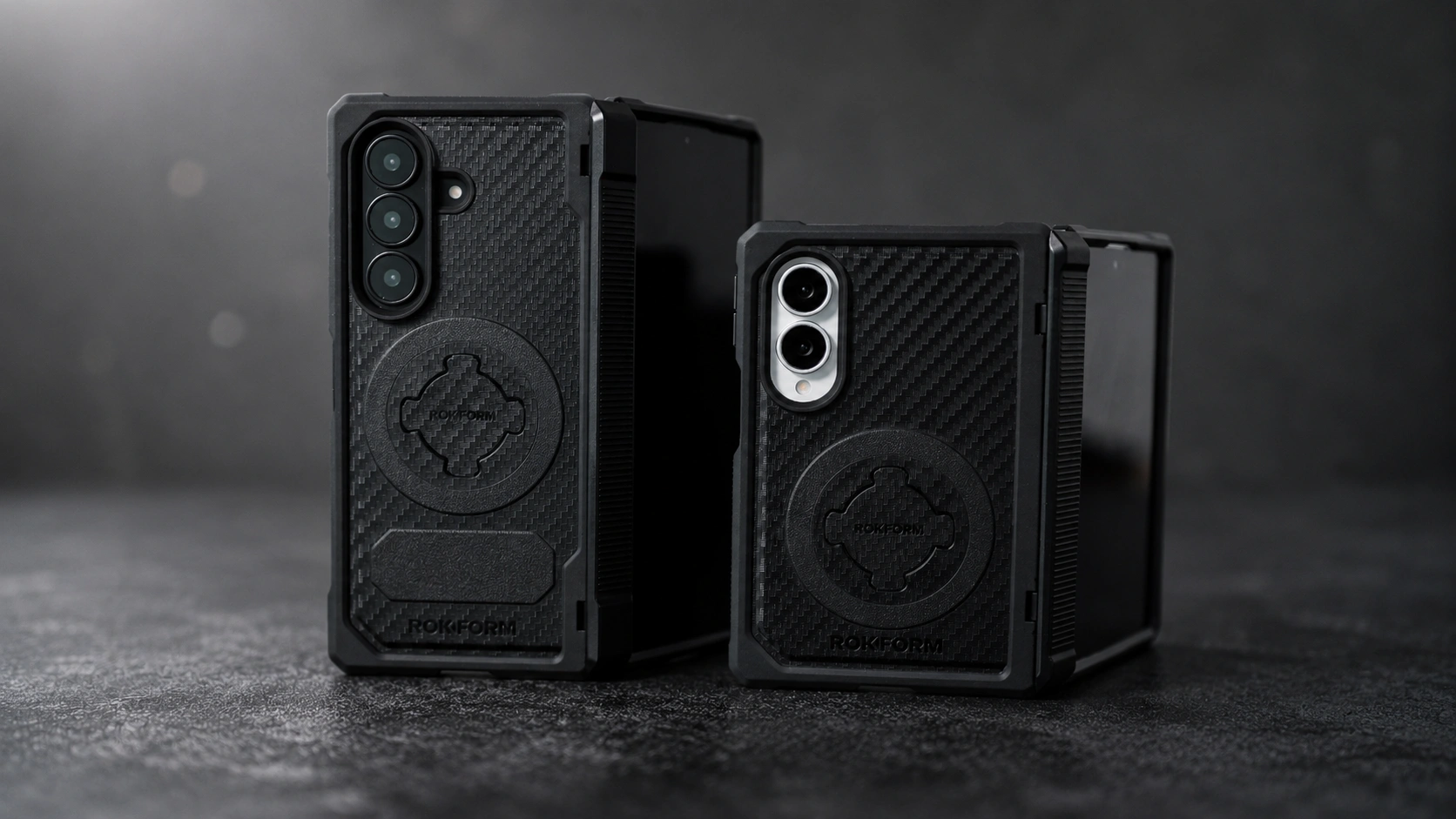
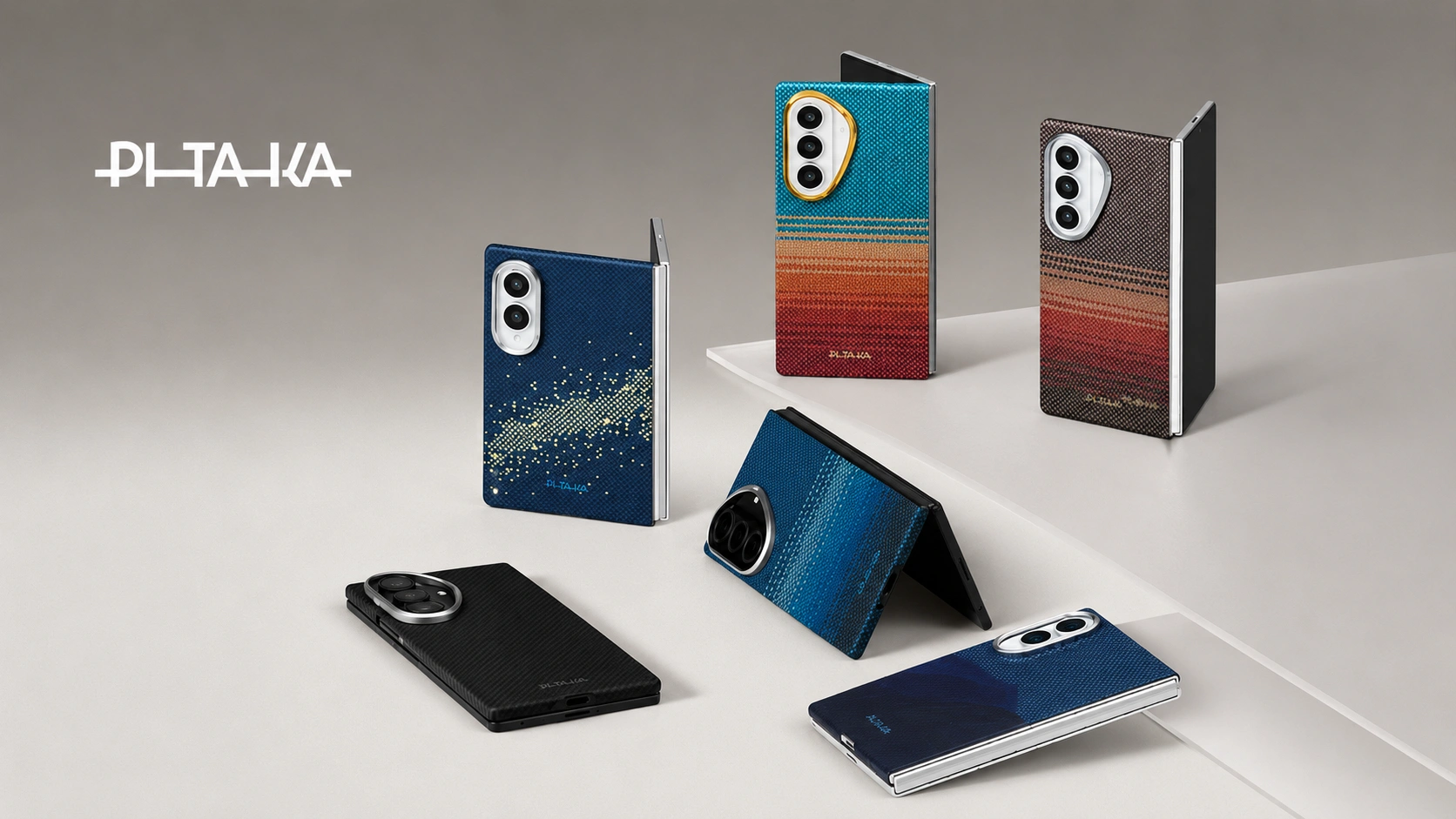
Spigen is expanding its case lineup for Samsung’s Galaxy Z Fold 8 generation with new approaches to protecting one of the foldable phone’s defining components: the hinge. The collection divides its designs between flexible magnetic hinges intended to preserve portability and mechanical systems that provide more substantial coverage, illustrating the compromises accessory makers face as foldable hardware becomes thinner and more complex.
Conventional smartphone cases largely protect a fixed slab of glass and electronics, but foldables introduce moving parts and exposed surfaces that complicate that formula. Spigen has produced cases for Samsung foldables since the original Galaxy Fold arrived in 2019, and its latest designs suggest that hinge protection is increasingly becoming a distinct engineering problem rather than simply another reinforced edge.
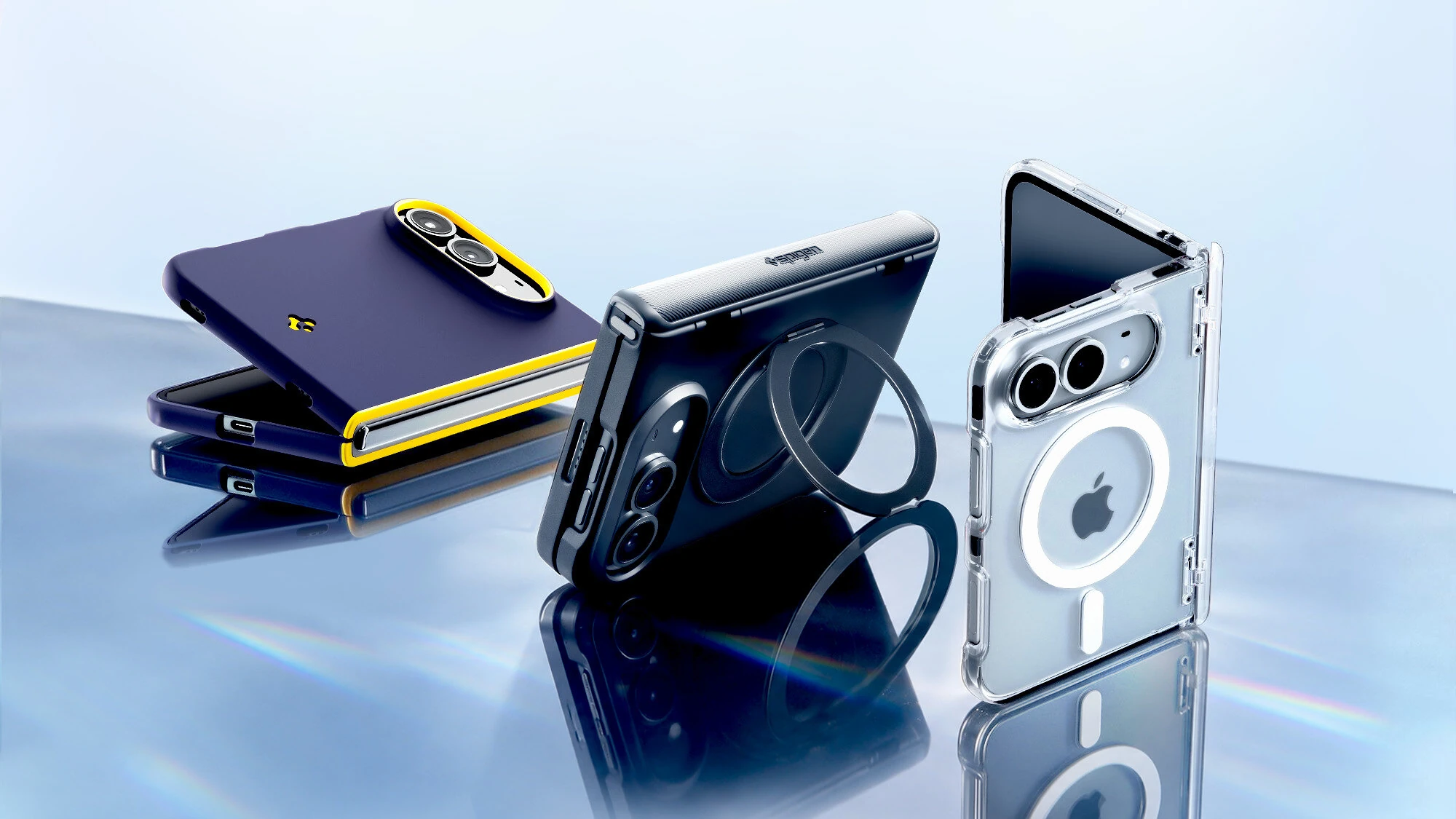
The company’s Flex Magnetic Hinge uses flexible TPU or PU material combined with magnets to connect sections of the case while limiting additional weight and bulk. That approach appears in products including the AirSkin Zero MagFit and AirFit Pro MagFit, which are aimed at users prioritizing portability and a slimmer profile while still adding protection around the folding mechanism.
For heavier protection, Spigen is using mechanical designs that physically connect the front and rear sections of the case. The Slim Armor Pro MagFit incorporates a rotating spring mechanism, while the Fold 8 Ultra-specific Tough Armor Pro MagFit uses an integrated hinge guard intended to maintain coverage as the device opens and closes. The lineup also includes an EZ Fit screen protector, extending the protection strategy beyond the case itself.
The broader significance is less about any individual case than about how the accessory market is adapting alongside foldable phones. As manufacturers pursue thinner bodies and larger displays, case designers must protect increasingly sophisticated hardware without undermining the portability that makes those improvements attractive in the first place. Spigen’s decision to offer separate minimalist and protective approaches acknowledges that there is no single solution to that tension, leaving consumers to decide how much added structure they are willing to carry in exchange for greater coverage.