Kanazawa Biyori’s presentation of Nanao’s Seihakusai Festival places a centuries-old community ritual within a wider story of cultural continuity and regional recovery.
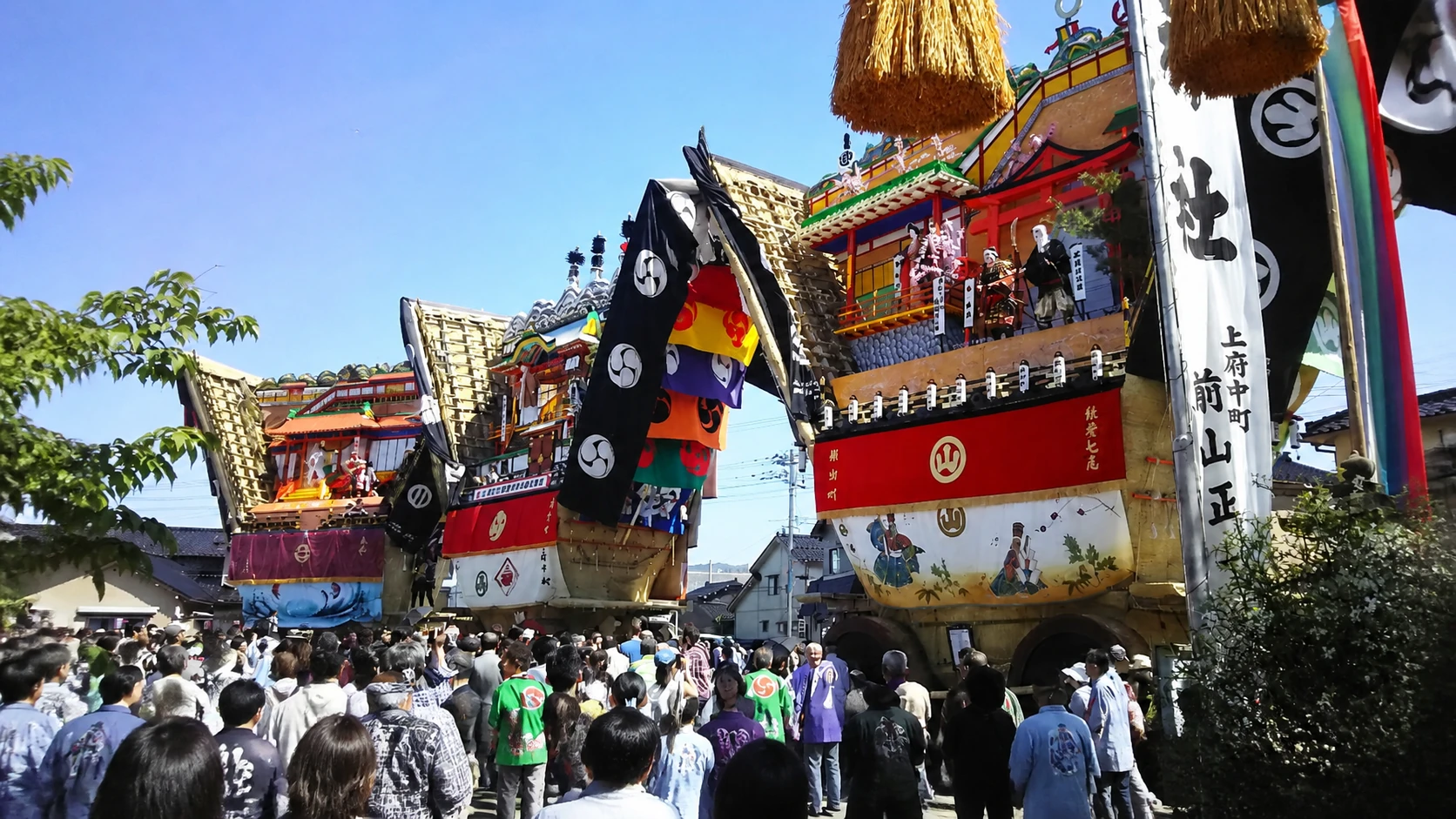
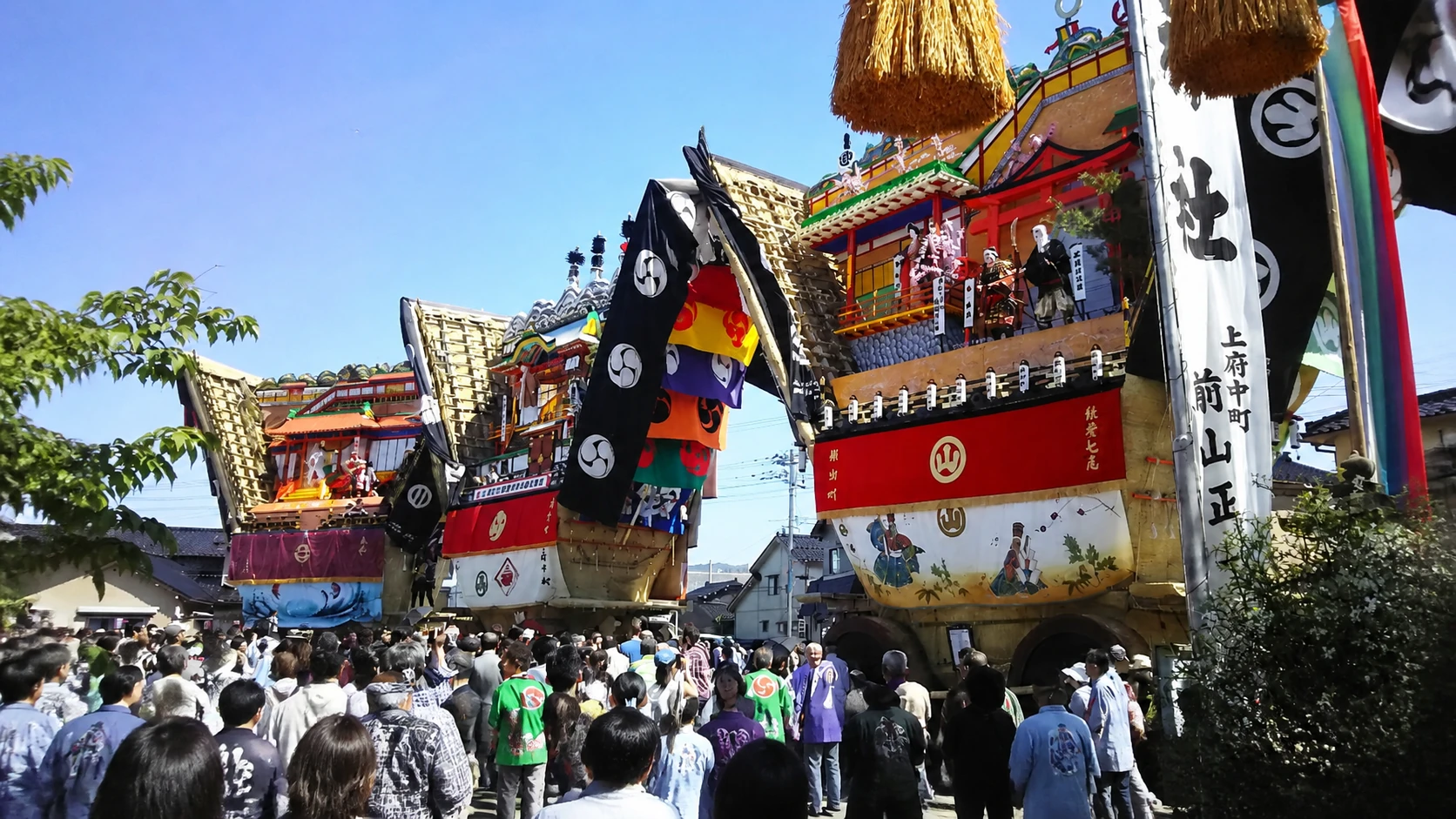
Kanazawa Biyori highlighted the Seihakusai Festival in Nanao, Ishikawa Prefecture, presenting its Hikiyama ritual as both a living community tradition and a focal point for travel in Noto. The release reported the 2026 ritual as scheduled from May 3 to May 5 around Ōtokonushi Shrine, also known locally as Sannō Shrine, and central Nanao. It described a celebration built around three enormous wooden floats, called Dekayama, and the collective labour required to move them through the city’s streets.
The Hikiyama ritual is designated as an Important Intangible Folk Cultural Property of Japan, according to the release. Its Dekayama stand approximately 12 metres tall and weigh as much as 20 tons, giving the procession a physical scale that shapes the experience of central Nanao during the festival. Kanazawa Biyori positioned that spectacle within its broader editorial commitment to sharing Hokuriku’s everyday culture and continuing traditions, rather than focusing solely on established landmarks.
A defining manoeuvre is the tsujimawashi, in which participants turn each float at a street corner as wheels measuring nearly two metres in diameter move across the pavement. The tekoshū control the floats’ direction with long levers, while kiyarishū lead traditional chants and crowds respond with calls including “Wasshoi” and “Enya”. The release reported that the three Dekayama from Kajimachi, Fuchumachi and Uomachi were scheduled to converge at Ōtokonushi Shrine on May 4, 2026, before reassembling near Noto Shokusai Market and Sentai Bridge on May 5.
The programme also extended beyond the main three-day procession. Kanazawa Biyori reported the Ningyōmi as scheduled for the evening of May 2, 2026, when the ornate dolls used to decorate the floats were to be displayed in homes across the festival districts. That domestic setting offers a different perspective on the craftsmanship surrounding the ritual, complementing the scale and public participation of the street procession. Visitors were also invited to help pull the Dekayama, making participation part of the festival experience described by the release.
Kanazawa Biyori presented Seihakusai as a symbol of Noto’s recovery and resilience, while reporting that nearby Noto Shokusai Market and Notojima Aquarium had resumed operations. By connecting those reopened attractions with the festival, the regional media platform framed the event as a centrepiece for Golden Week travel without separating tourism from local cultural practice. The emphasis remains on a tradition sustained through inherited skills, neighbourhood participation and the physical effort of moving the floats, reinforcing the company’s portrayal of Noto’s culture as active rather than preserved at a distance.