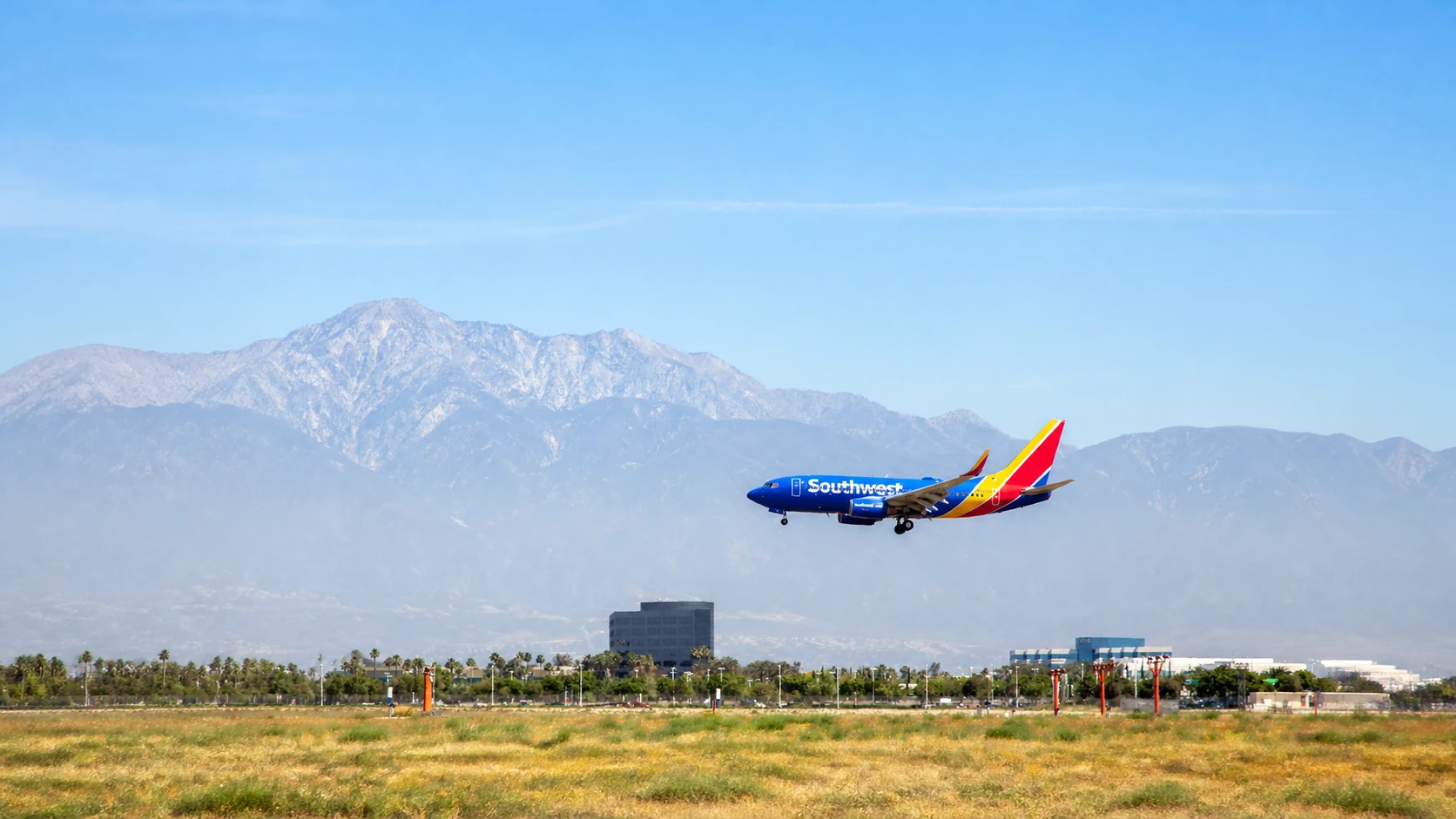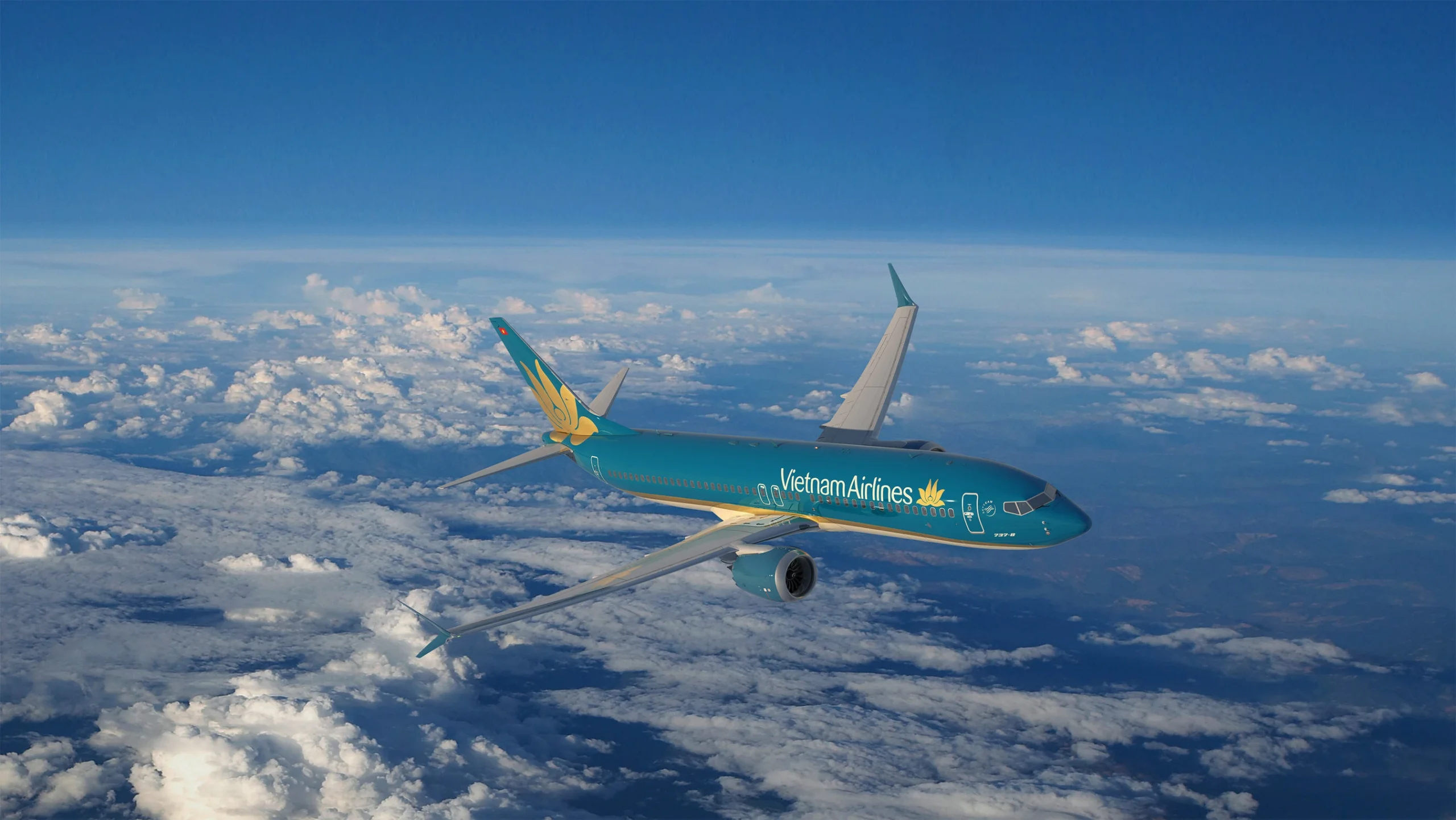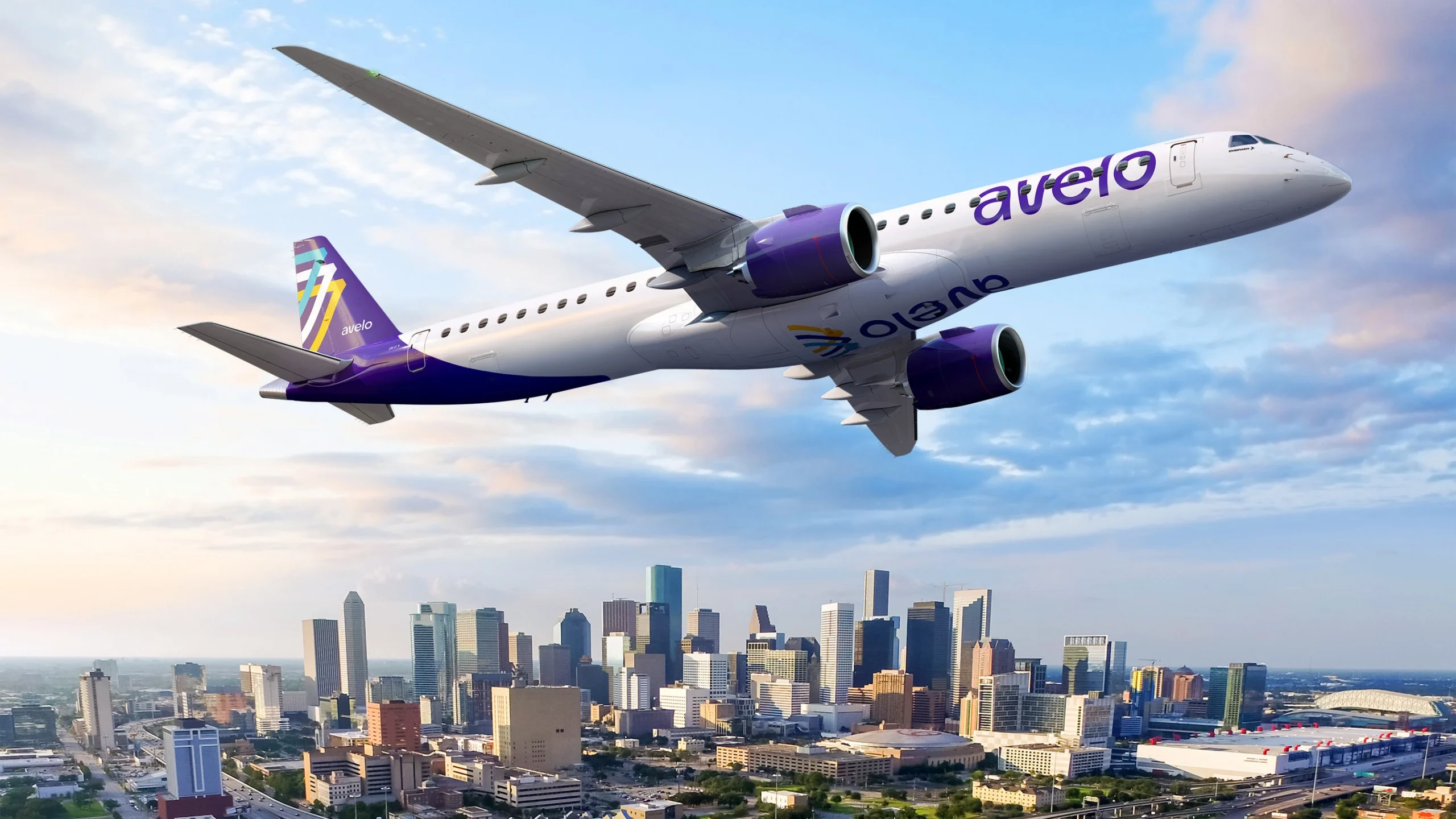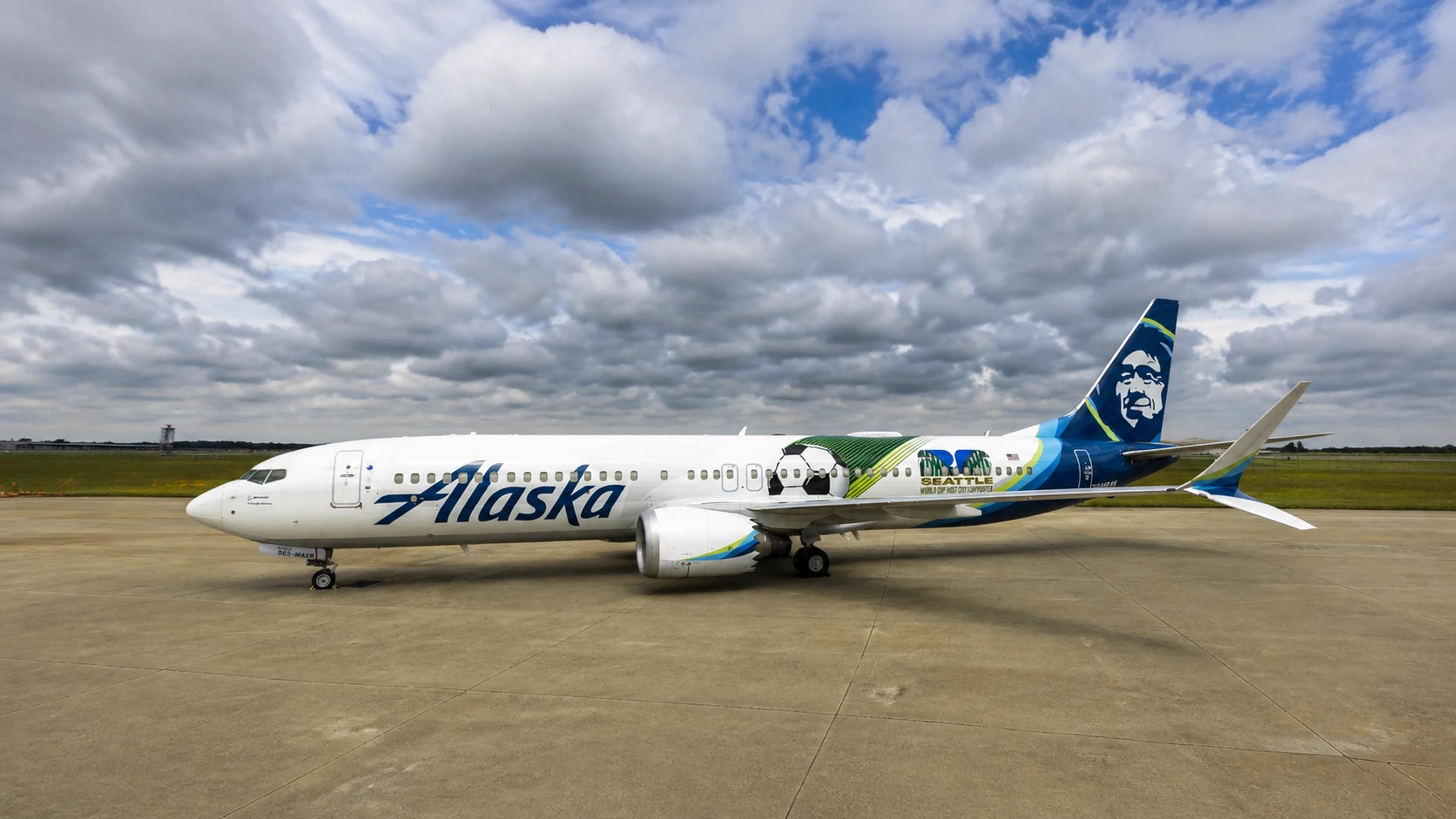
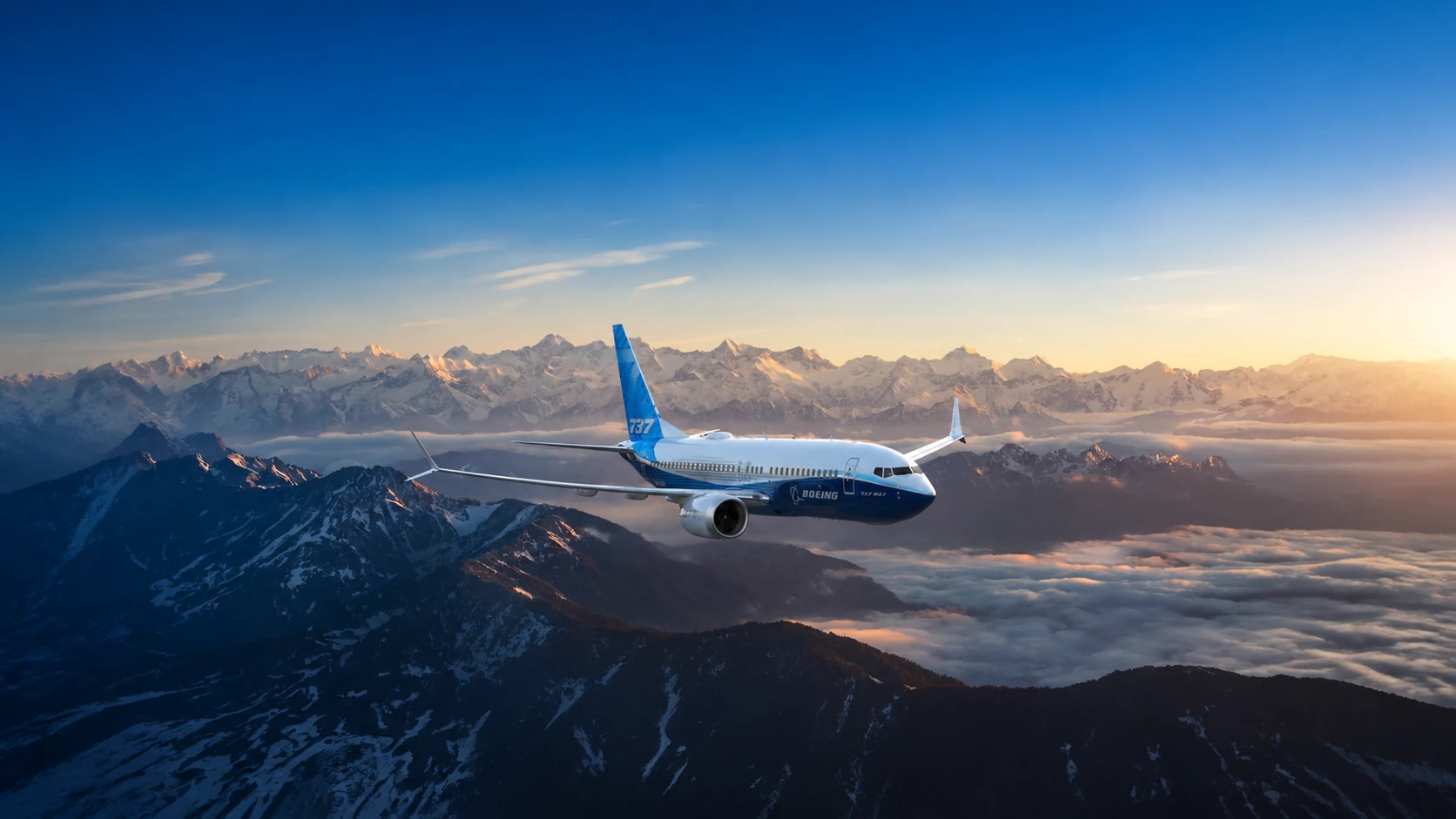
FAA approval clears Boeing’s 737-7 for commercial service, advancing the smallest 737 MAX model while preparations continue for deliveries to launch customer Southwest Airlines.
Boeing has secured amended type certification from the U.S. Federal Aviation Administration for its 737-7 airplane, clearing the smallest member of the 737 MAX family for commercial service. The approval, announced on August 3, 2026, marks the regulatory completion of a multi-year certification programme for the aircraft. Boeing and Southwest Airlines, the 737-7 launch customer, are preparing the first airplanes for delivery, including updates to their final configuration.
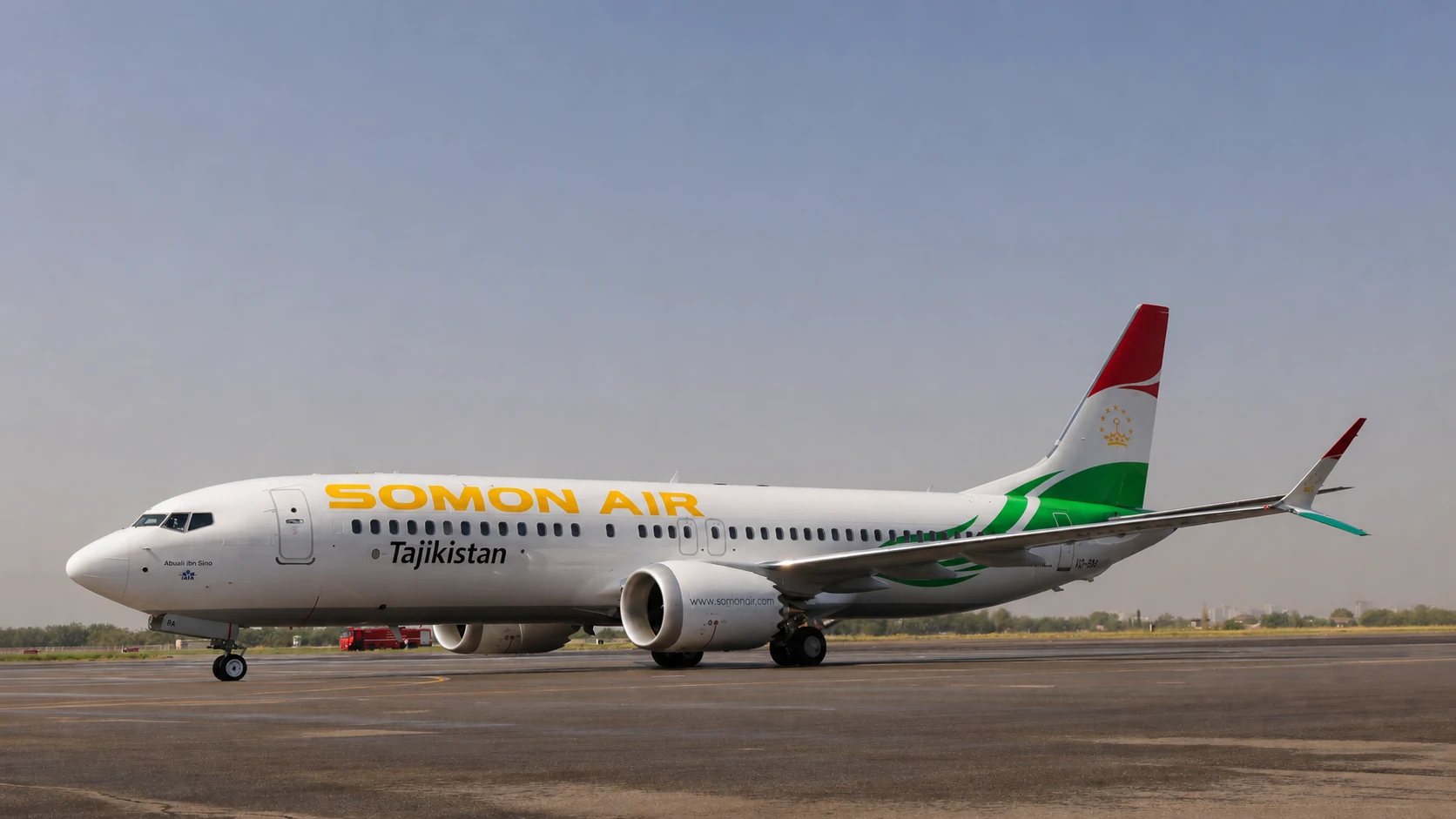
The 737-7 is positioned within the narrow-body market as a smaller aircraft with longer range than the other 737 MAX variants. Boeing says the model typically accommodates 135 to 160 passengers in a two-class configuration and offers range of up to 3,800 nautical miles, or 7,040 kilometres. The company also describes the aircraft as suited to operators flying from airports at high altitudes and in hot climates.
Certification followed a test programme that began in 2018 and included more than 1,000 hours of flight and ground testing, alongside system safety analysis and human-factors reviews. Boeing also updated the aircraft’s engine anti-ice system to address a potential condition discovered during flight testing. The FAA separately updated Boeing Production Certificate No. 700 to include the 737-7, extending the production approval to the newly certified model.
The announcement places the 737-7 within Boeing’s broader effort to expand the 737 MAX family while navigating detailed regulatory requirements. Boeing says the family uses 20% less fuel and produces 20% fewer carbon dioxide emissions, as well as a 50% smaller noise footprint, compared with the aircraft it typically replaces. The company reported that the family’s order book stood at more than 7,200 aircraft, with more than 2,300 delivered through the end of June 2026.
For Boeing, the approval converts the 737-7 from a development and testing programme into an aircraft eligible for commercial operation, although the release reported that preparations for first deliveries were still under way. The company said the certification work also gave its team a clearer understanding of current regulatory requirements, with an emphasis on human factors, safety and quality. The next milestone identified by Boeing is therefore operational rather than regulatory: completing final aircraft preparations ahead of Southwest’s first delivery.