The five-storey attraction combines scent galleries, artificial intelligence and customised perfume-making as Guangzhou builds a tourism proposition around olfactory culture.
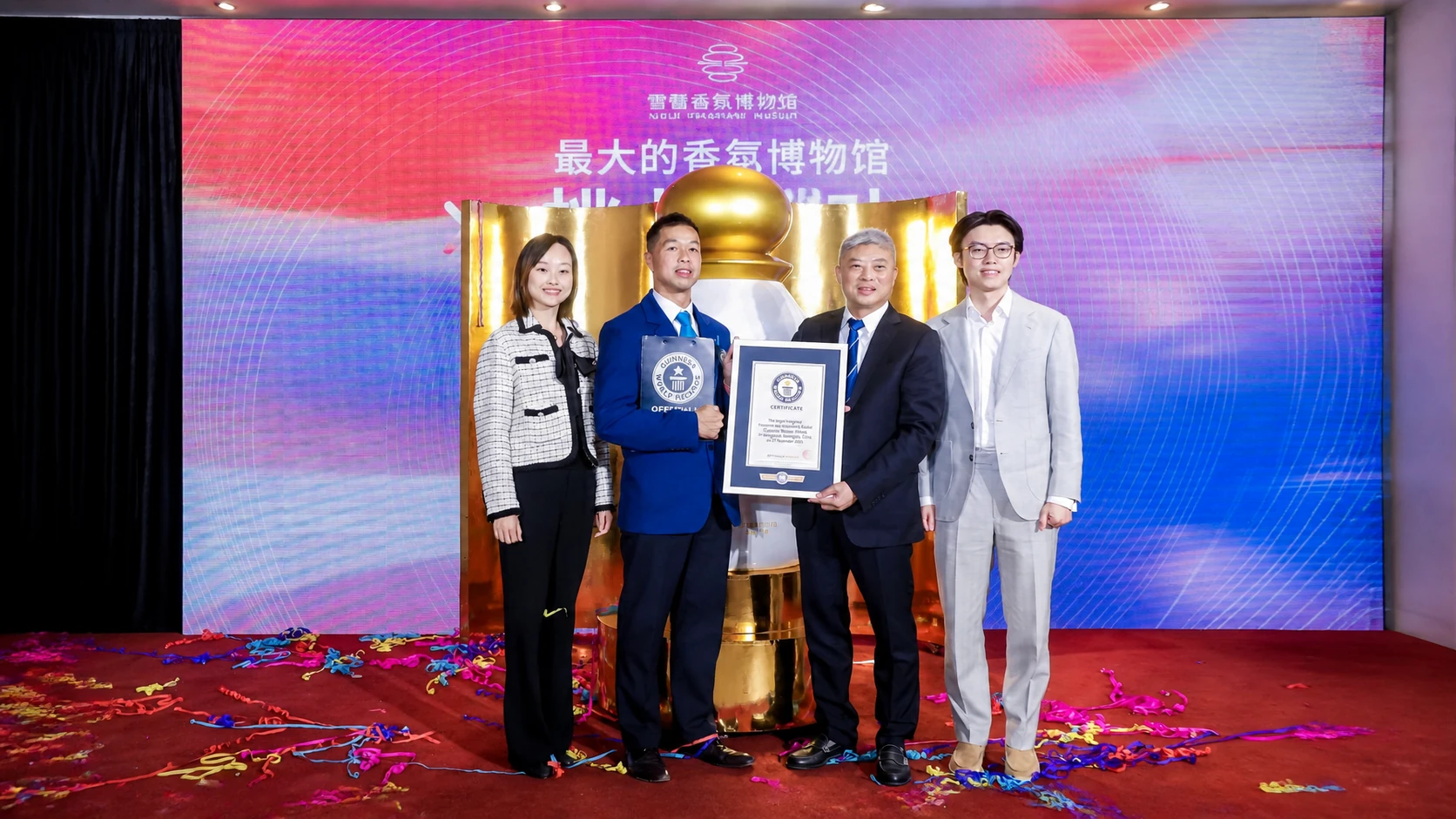
Guangzhou Xuelei Cosmetics Co., Ltd. is positioning its Xuelei Fragrance Museum as a cultural and tourism attraction built around the history, design and personal experience of scent. Located in Guangzhou, China, the five-storey museum has been certified by Guinness World Records as the world’s largest fragrance museum, covering 9,500,878 square metres according to the certification details provided by the company. Its significance lies in treating fragrance not only as a consumer product, but also as a way to explore memory, history and cultural identity.
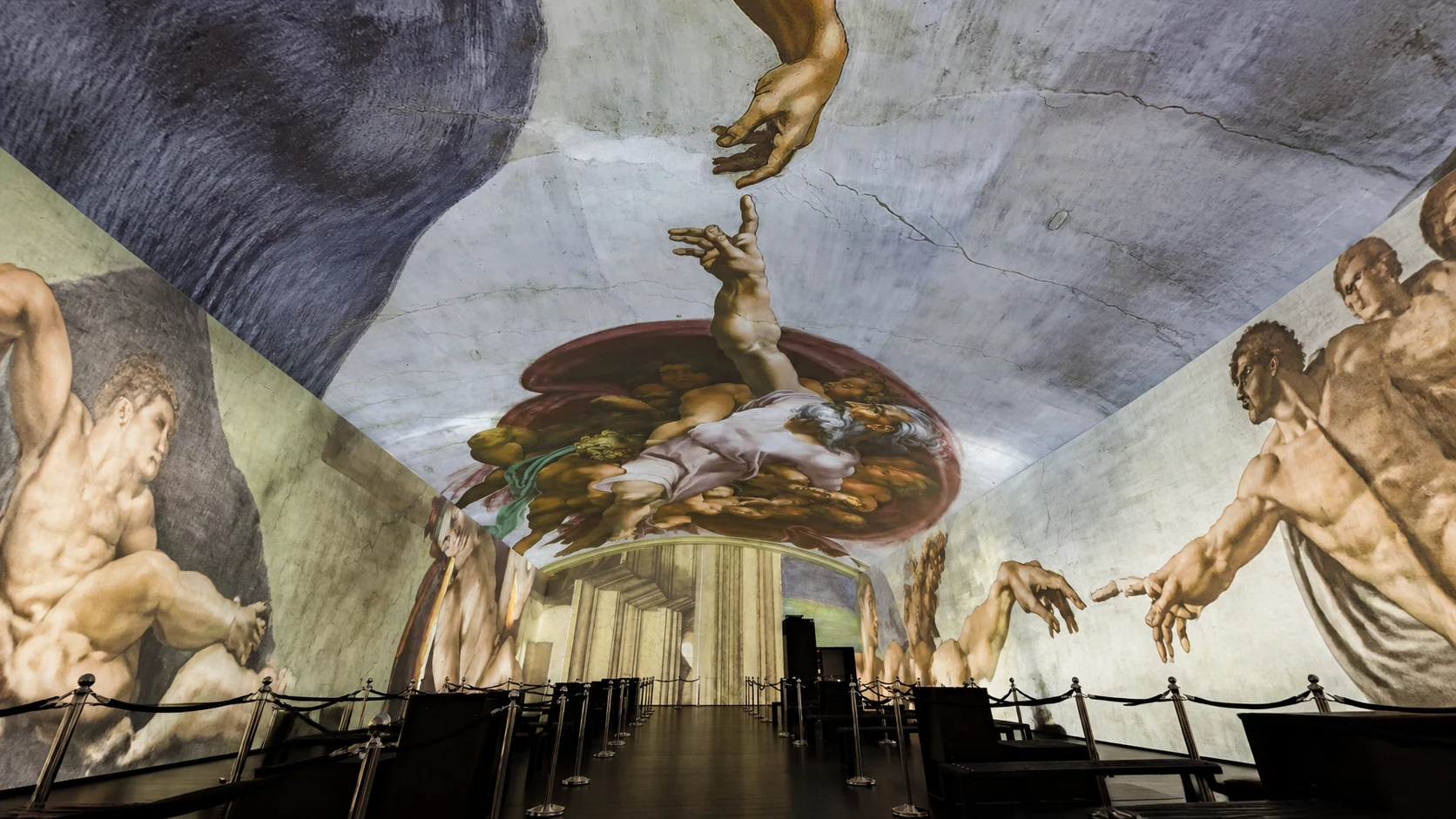
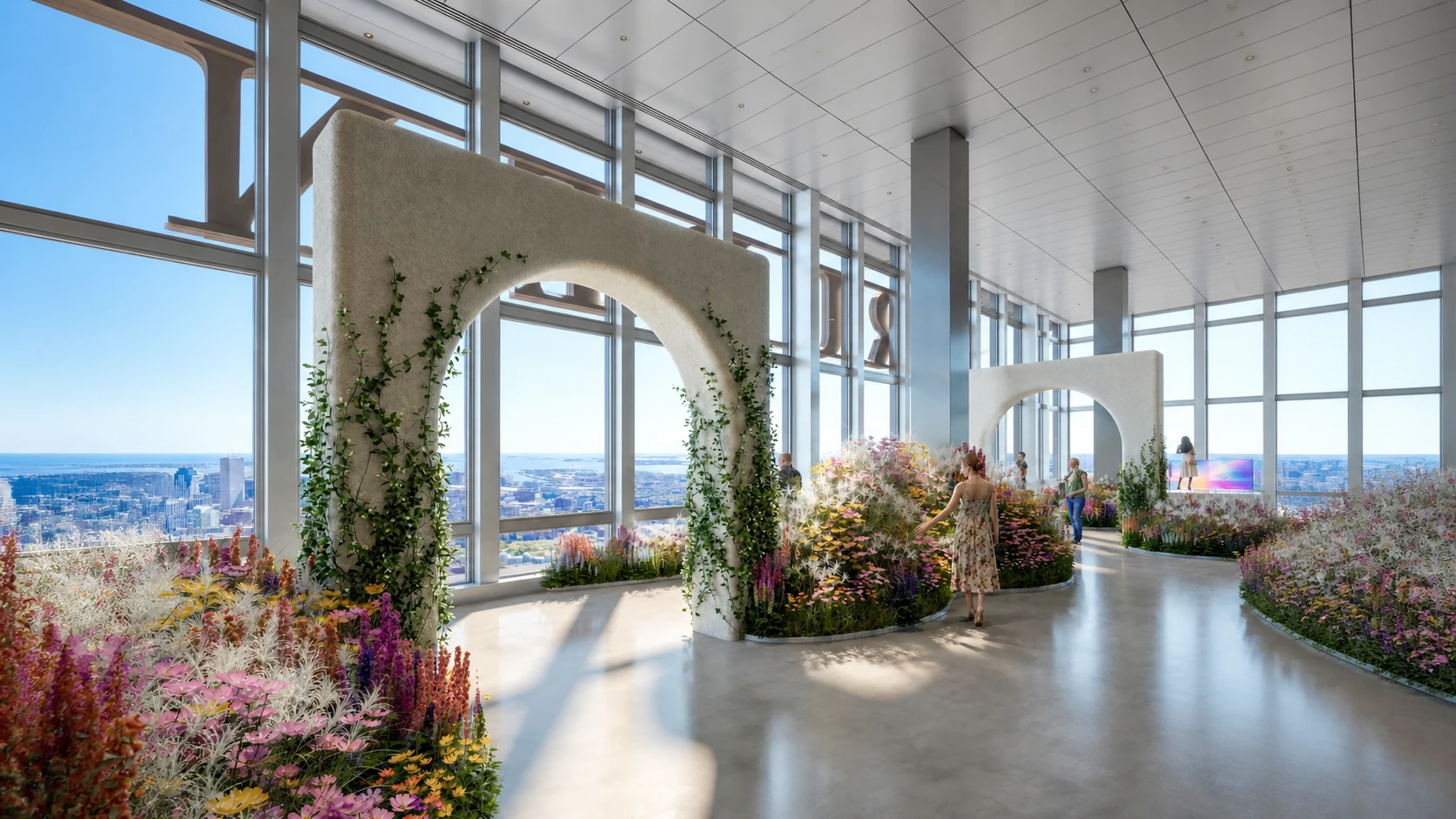
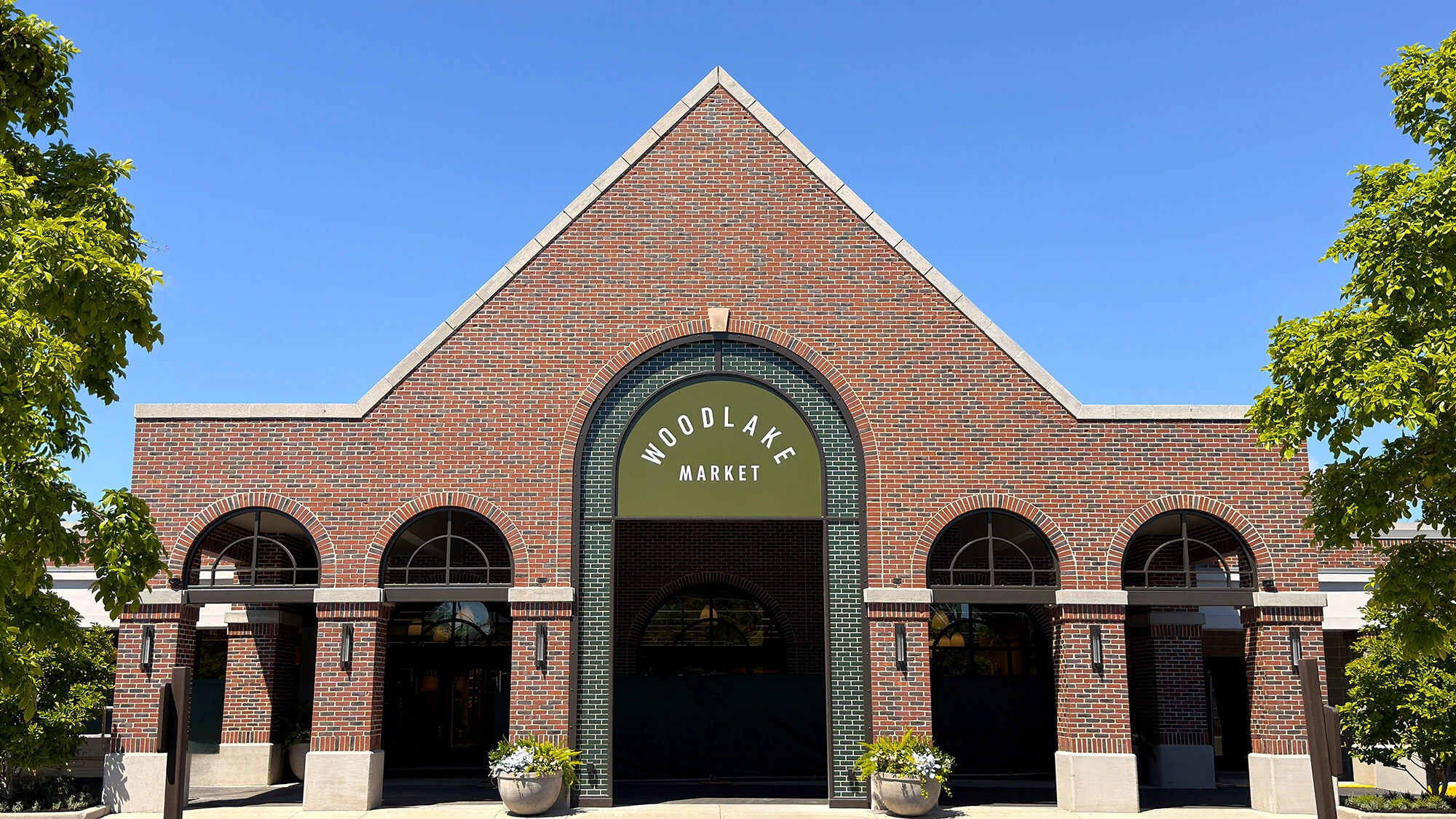
The museum’s design draws on the language of distillation, combining red-brick architecture with a central atrium that brings daylight into the building. Inside, visitors can move through 18 themed galleries focused on global civilisations, more than 300 fragrance discovery points and a library containing 400 distinct scents. The experience also includes presentations of Eastern aromatic traditions, immersive scent theatres and multi-temporal scenography, creating a setting that connects perfume with architecture and interpretation rather than limiting it to retail.
Artificial intelligence forms the centrepiece of the visitor journey. A five-storey installation uses hundreds of transparent scent vessels arranged around a spiral staircase, while a digital Fragrance Card allows visitors to sample notes and record reactions across categories such as citrus clarity, floral warmth and woody depth. A scent time machine on the fourth floor then generates a personalised report describing the visitor’s fragrance preferences, extending the museum visit into a data-led sensory profile.
The experience continues with an AI-assisted mixing station on the first floor, where visitors can create a personalised perfume in approximately three minutes, from formulation through filling. That combination of guided discovery and immediate customisation places creative participation at the centre of the attraction. It also reflects Xuelei’s wider business, which the company describes as more than 30 years of work in fragrance and perfume development, manufacturing and integrated support for fragrance brands.
Xuelei presents the museum as a destination for fragrance enthusiasts, a source of inspiration for perfumers and creatives, and a marker of experiential cultural tourism. Those descriptions are company claims, but the underlying proposition is clear: the attraction broadens the role of a fragrance business by turning expertise in scent into a physical visitor experience. For Guangzhou, the museum adds a specialised cultural stop; for Xuelei, it provides a public-facing expression of fragrance as education, design and personal discovery.