The annual event in southwest China is drawing international visitors while helping Mojiang connect ethnic heritage, creative products and county-level economic activity.
Xinhua Silk Road reported that the 20th Mojiang international twins festival brought renewed attention to Mojiang Hani Autonomous County in Yunnan province, where a distinctive twins culture is being used to attract visitors and support local business. Held across county-, town- and village-level venues, the festival included more than 20 core activities and over 40 folk-custom experiences. The announcement presents the event as an example of how a place-based cultural identity can be organised as a tourism proposition without separating it from local traditions.
Mojiang is an ethnic county in Pu’er City crossed by the Tropic of Cancer and inhabited largely by the Hani ethnic group. According to the report, the county has a natural twins birth rate higher than the world average and counts about 1,200 pairs of twins among its population of 270,000. Since the first festival in 2005, the event has attracted more than 19,000 pairs of twins and 4.7 million visitors from China and overseas, giving the celebration a sizeable base from which to develop its international profile.
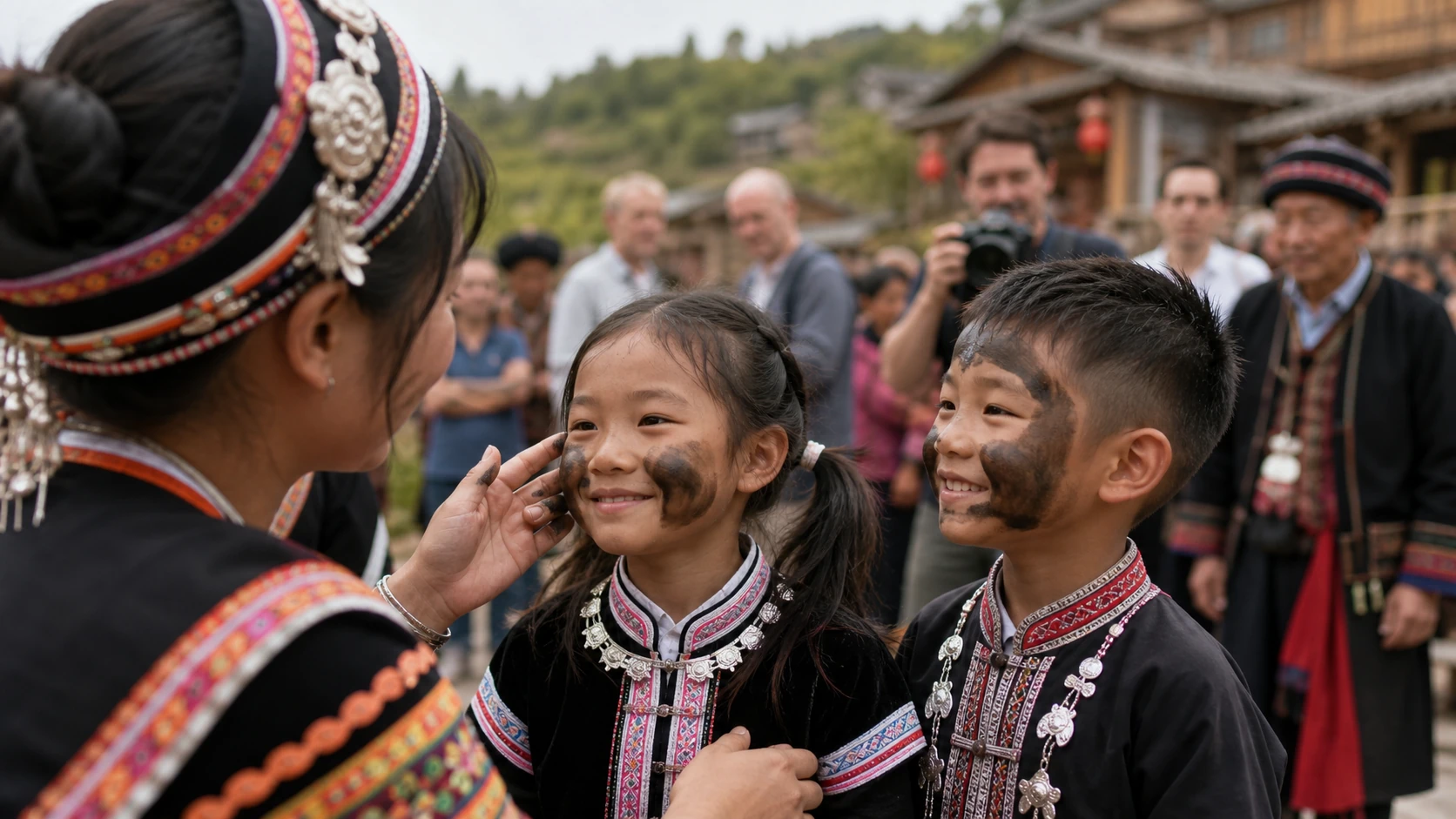
The 2026 programme combined established customs with updated formats. Traditional activities included a twins tour, the Hani face-blackening blessing and long-street banquets, while the wider programme featured the Yunnan Twins Show, twice-weekly village barbecues and intangible cultural heritage study tours. The report also highlighted a coffee-flavoured face-blackening blessing powder introduced in 2025, which it said gained popularity on Chinese short-video platforms. During the May Day holiday from May 1 to May 5, the festival welcomed 1,283 pairs of twins from 20 countries and regions, including visitors from Iran.
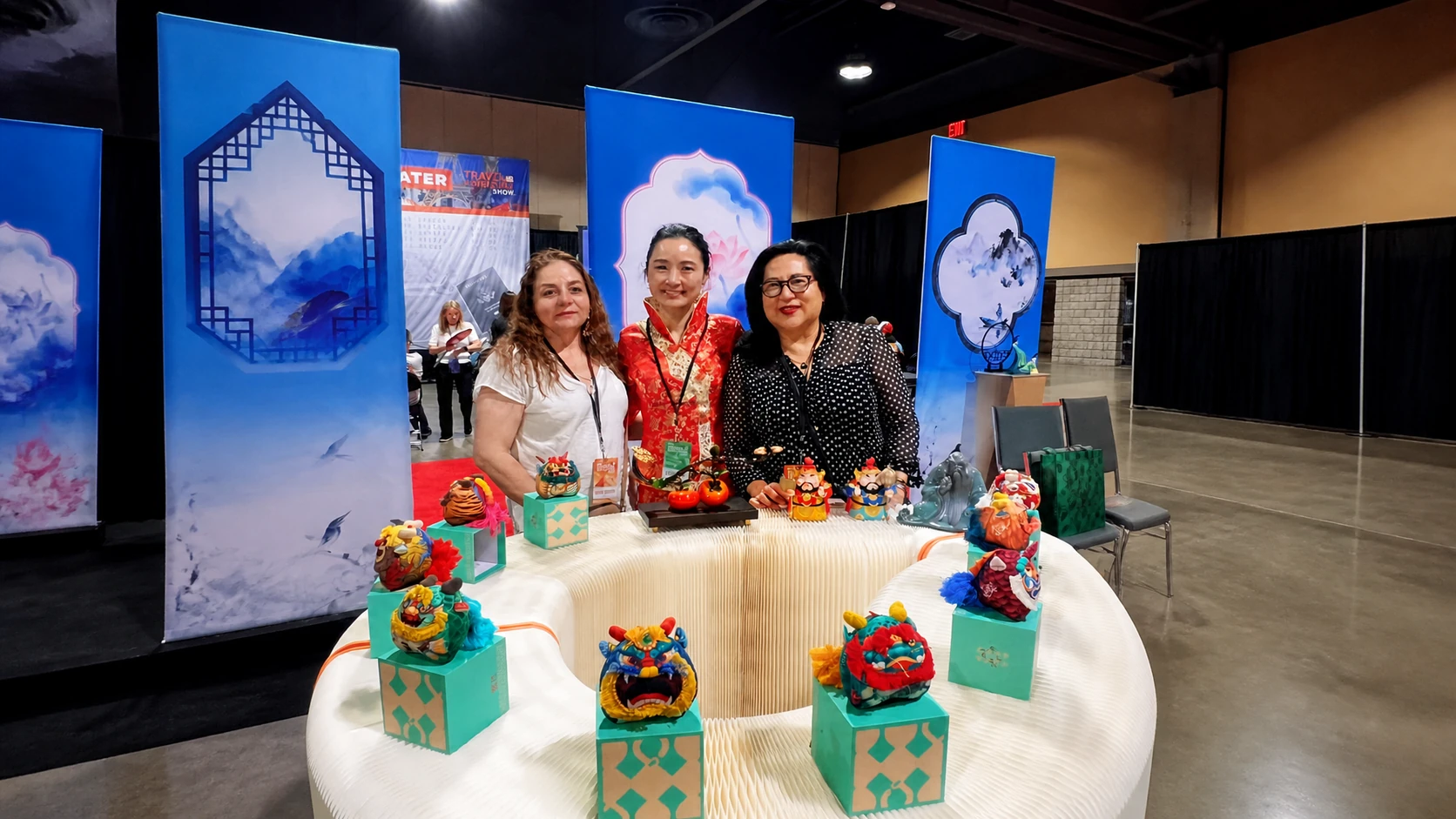
The event’s significance extends beyond attendance. Xinhua Silk Road said Mojiang has developed creative twin-themed products and related goods, helping support sales of black rice, tea, coffee beans and other green agricultural produce. It described the festival as part of the county’s effort to turn its twins and ethnic-culture intellectual property into tangible economic gains, while presenting the approach as a potentially replicable model for combining cultural tourism with differentiated county development.
That framing places the festival between destination marketing, cultural preservation and local commerce. Rather than relying solely on a single annual gathering, Mojiang’s programme links the event to regular food, performance and heritage activities, creating several points of contact for visitors and local producers. The report does not quantify the festival’s economic impact, but its account shows how a narrowly defined cultural asset can provide the structure for a broader tourism ecosystem.