
Market Defense’s latest analysis suggests Amazon Prime Day 2026 was shaped less by steep discounts alone and more by shifting consumer preferences, stronger comparison shopping, and growing interest in premium products.
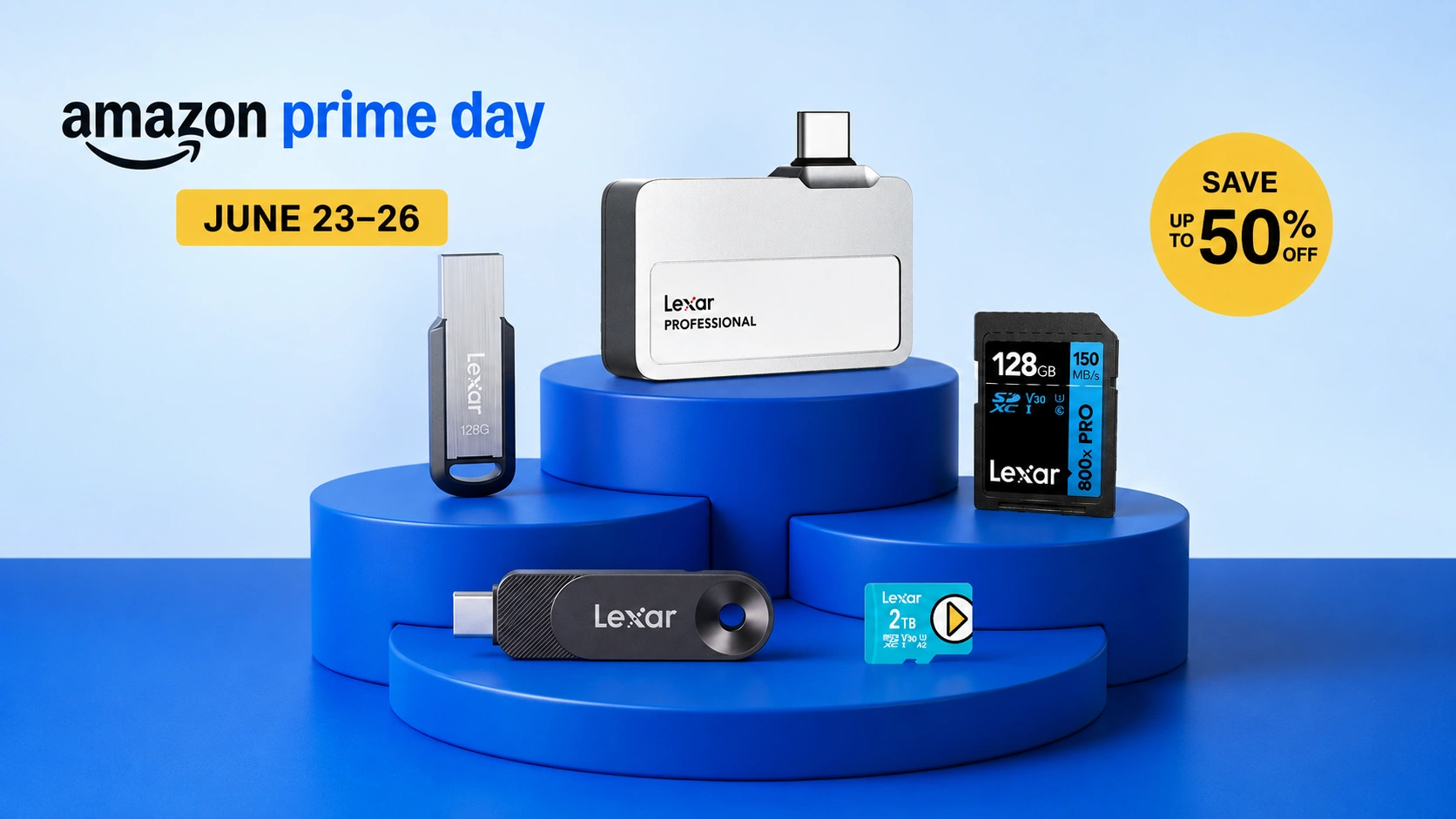
Market Defense has released a report examining Amazon Prime Day 2026, arguing that this year’s event reflected a broader transformation in online shopping rather than simply another record-breaking sales period. While the four-day event generated significant e-commerce activity, the company’s analysis points to more deliberate purchasing behaviour, with consumers increasingly comparing prices across retailers before completing purchases. The findings suggest that Prime Day has evolved into a highly competitive retail moment extending well beyond Amazon’s marketplace.
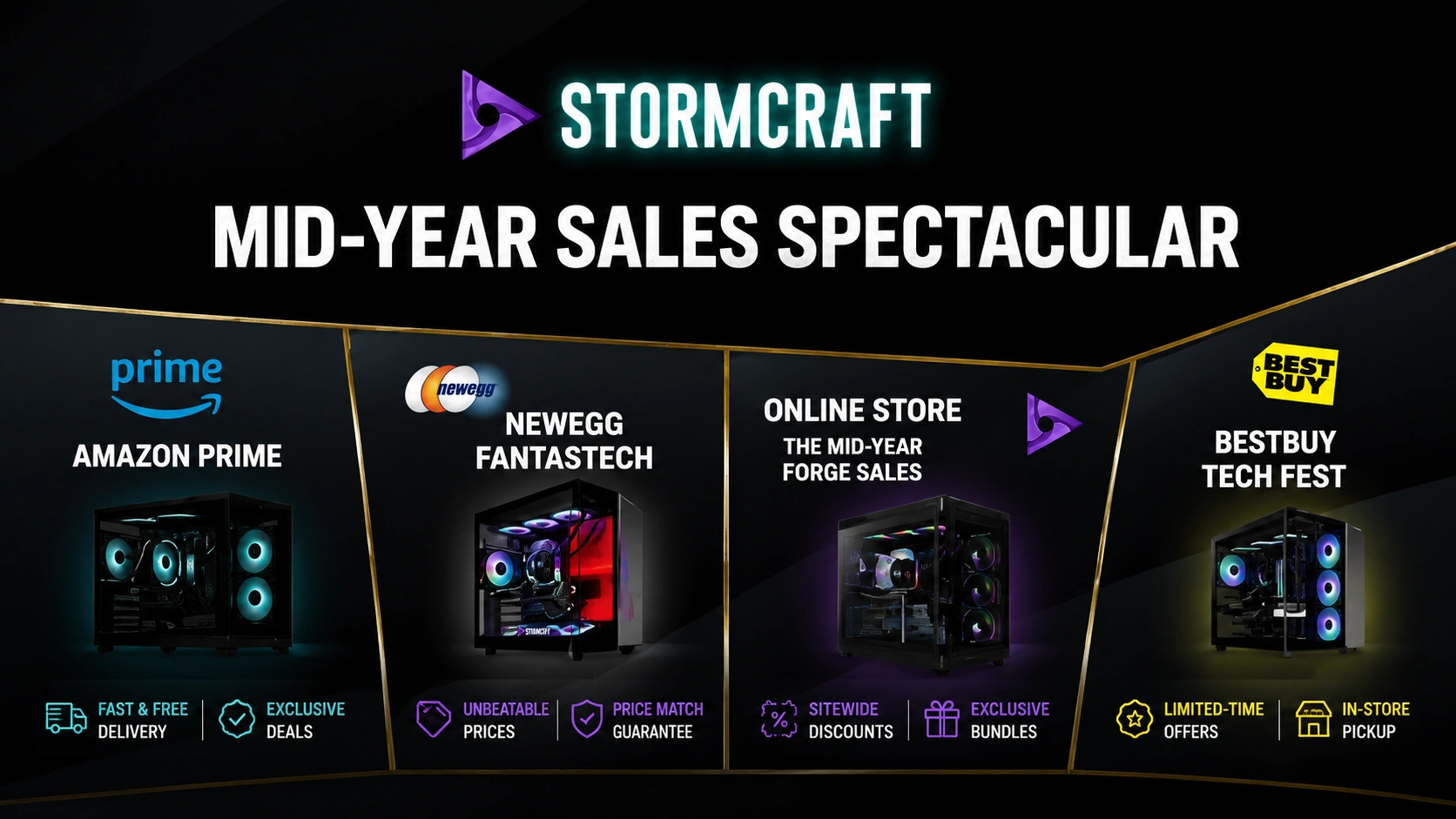
According to the report, major retailers including Walmart, Target, Costco, Wayfair, and Williams Sonoma all ran overlapping promotional events, creating an environment where brands had to compete for attention across multiple platforms simultaneously. Market Defense also found that deal satisfaction declined compared with the previous year, while more than half of shoppers checked competing retailers before buying. These patterns indicate that consumers are becoming more selective, treating promotional events as opportunities to evaluate value rather than simply responding to limited-time discounts.
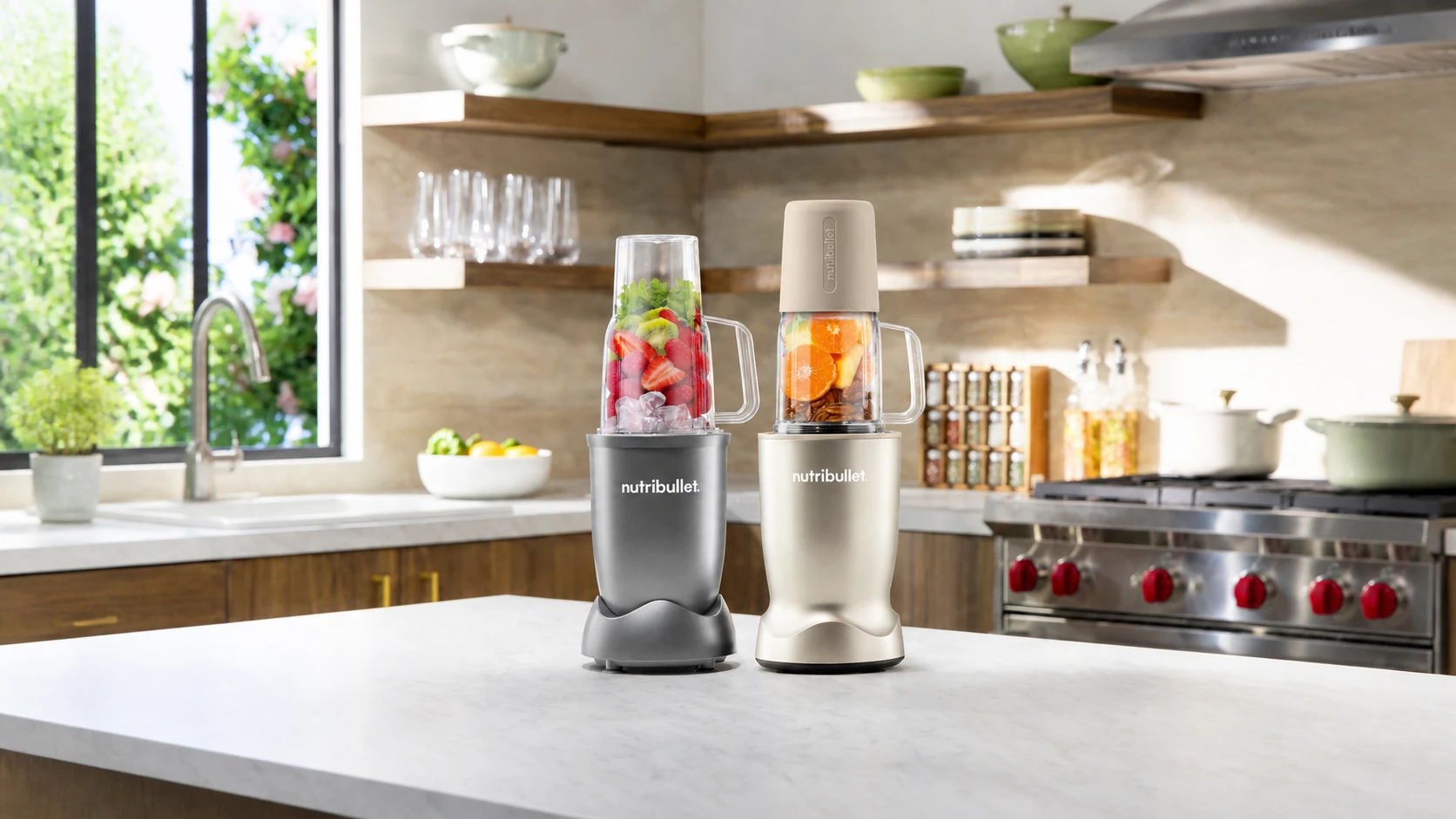
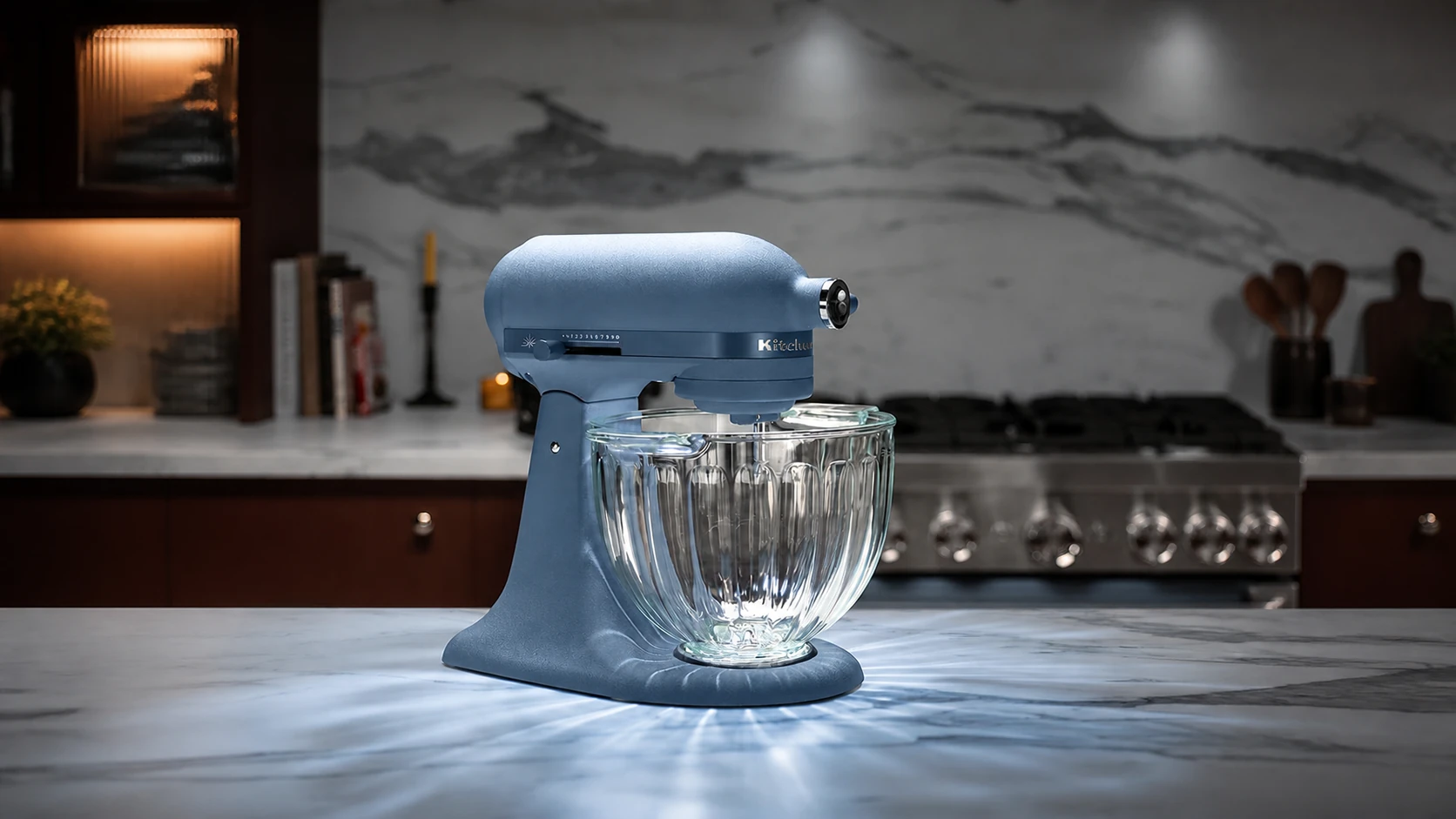
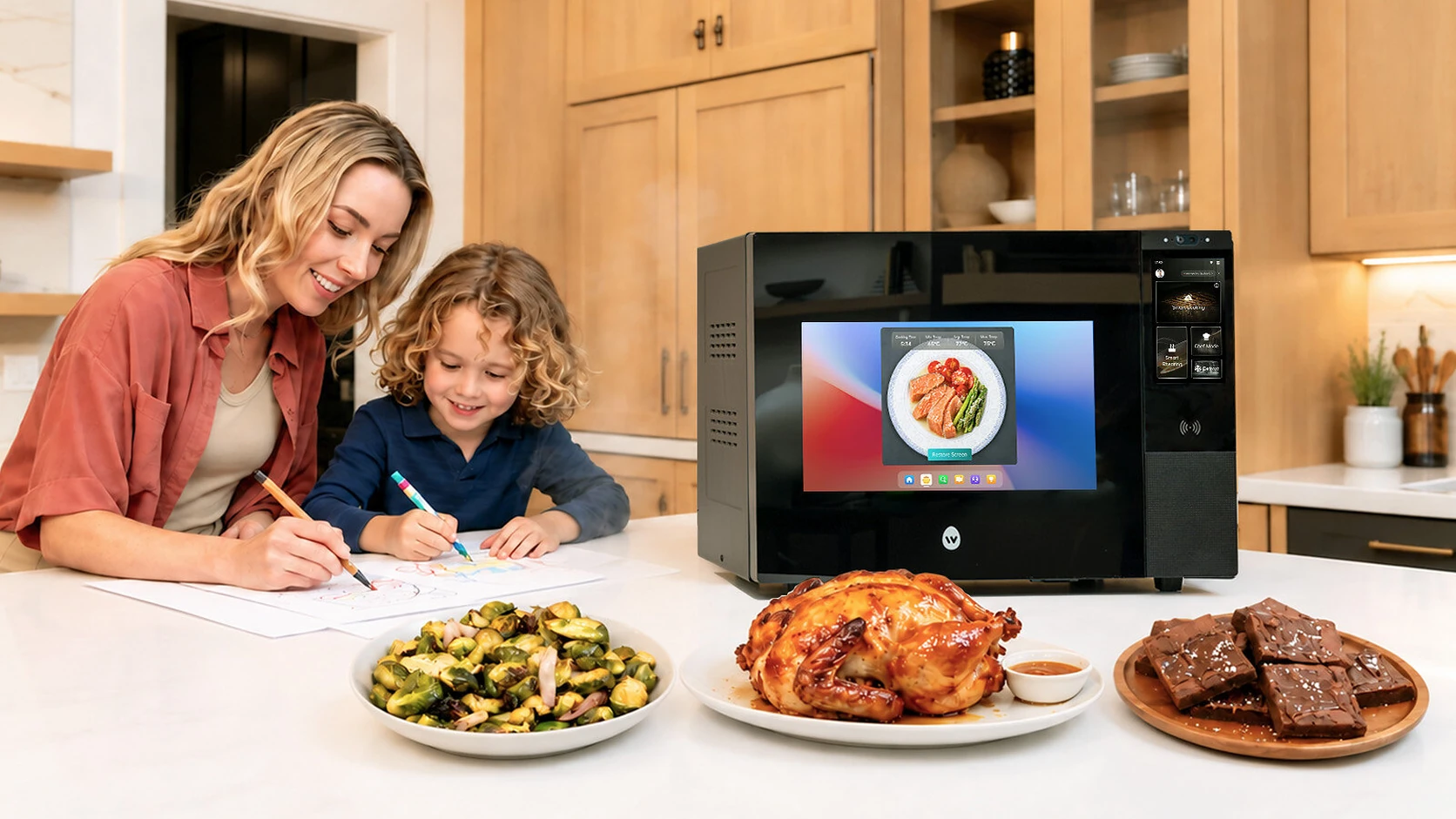
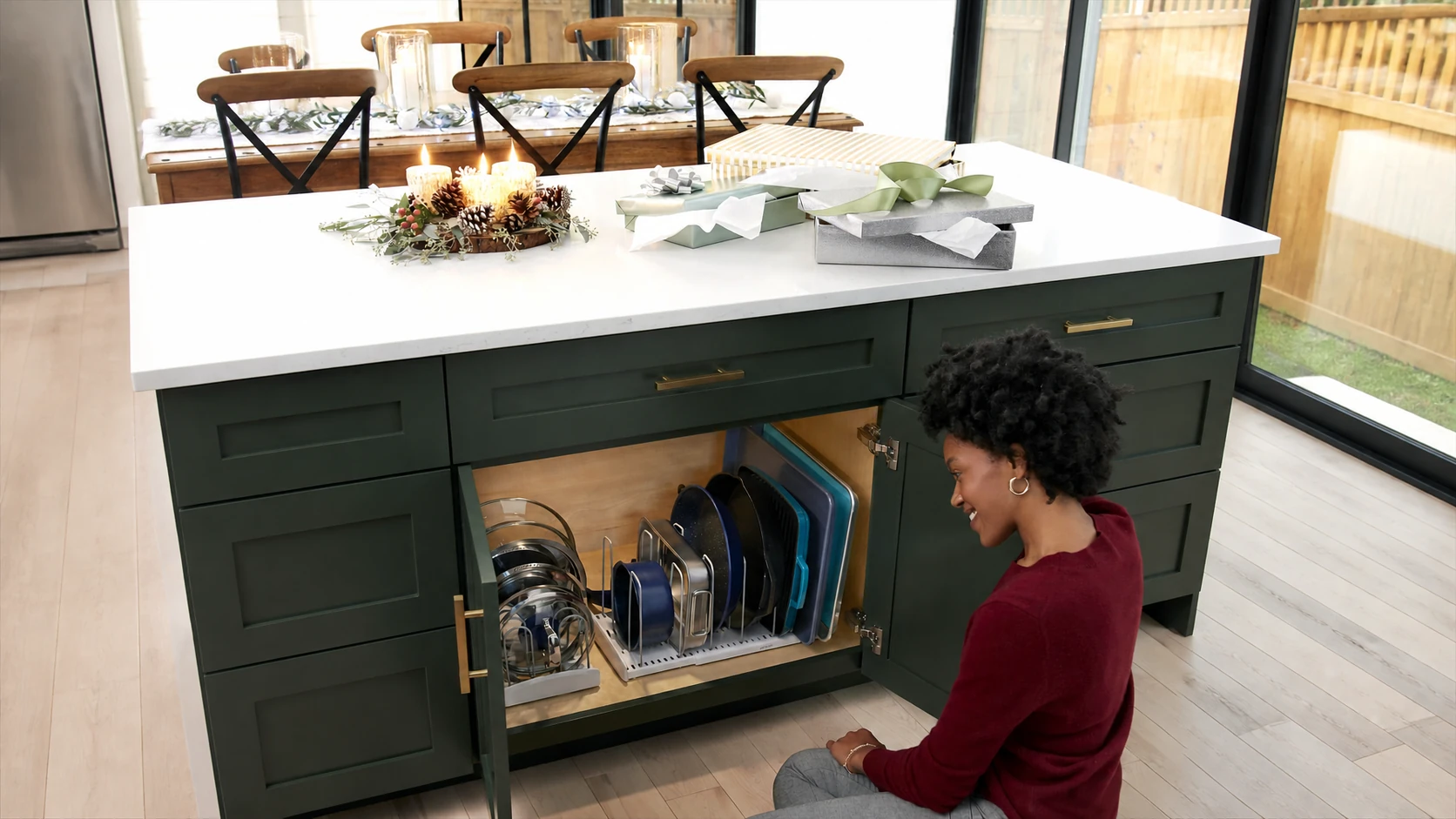
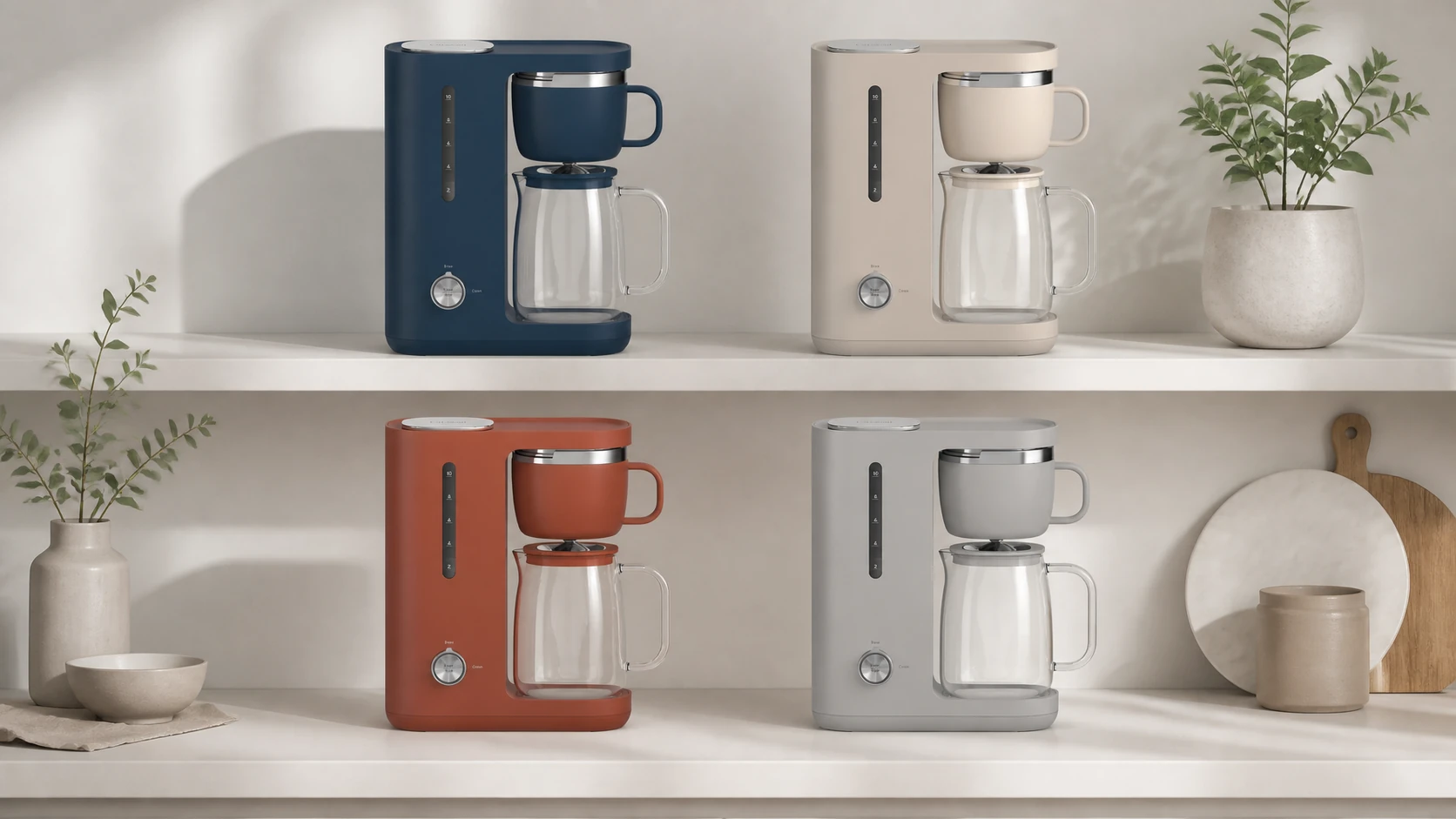
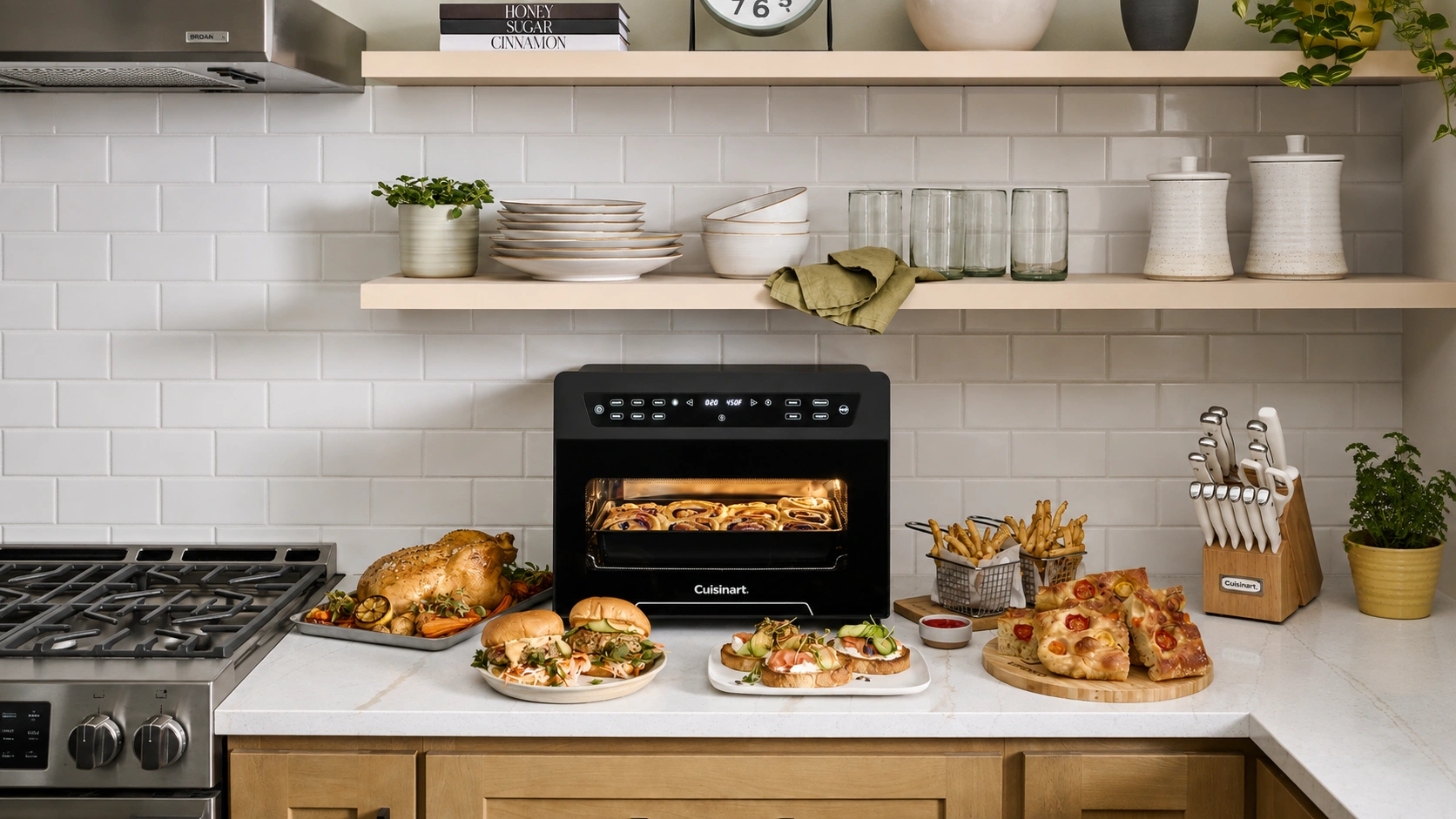
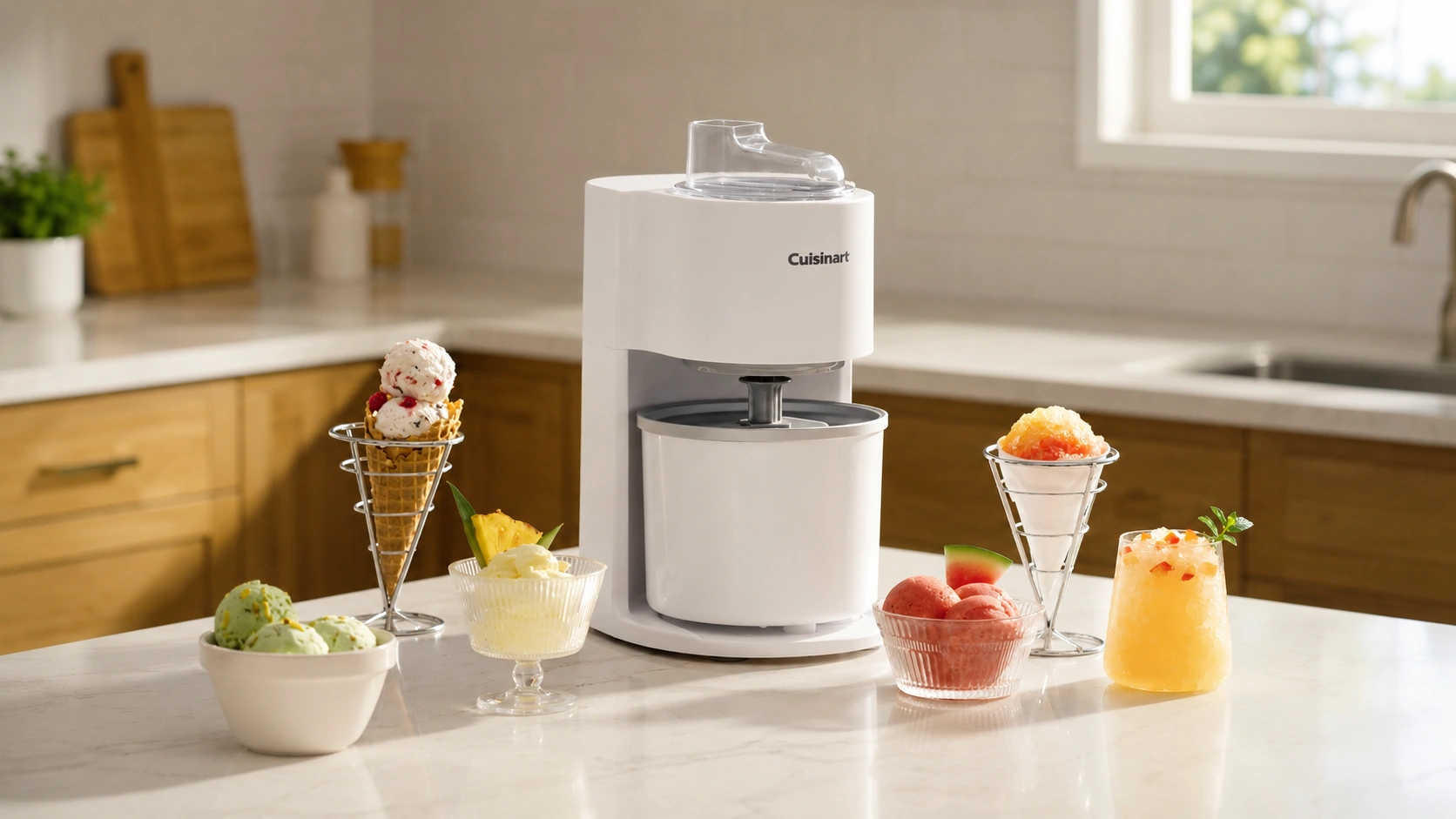
The report identifies cookware and kitchen appliances as categories where consumer preferences shifted in notable ways. Search interest increasingly favoured premium cookware, ceramic coatings, and larger cookware sets, while products such as air fryers, coffee makers, and frozen drink machines remained among the strongest-performing kitchen appliances. Market Defense also points to rising interest in PFAS-free ceramic cookware, suggesting that purchasing decisions are being influenced not only by performance and price but also by growing awareness of materials and evolving product regulations.
Beyond individual products, the analysis argues that successful brands invested in consumer awareness well before Prime Day through social media, creators, influencer campaigns, and other digital channels. The report also highlights a sharp increase in AI-referred shopping traffic, suggesting that product discovery is beginning earlier in the buying journey as consumers seek recommendations before visiting online marketplaces directly. Rather than relying exclusively on event-day advertising, brands increasingly appear to benefit from sustained engagement that builds familiarity ahead of major shopping events.
Market Defense’s findings suggest that Prime Day is becoming less about short-term discounting and more about long-term retail strategy. As shoppers compare offers across multiple platforms and increasingly rely on social content and AI-assisted recommendations, brands face growing pressure to compete on visibility, trust, and product positioning throughout the year. The evolving landscape indicates that future success during major retail events may depend as much on preparation and consumer confidence as on the discounts themselves.