The California footwear brand is extending its everyday-luxury proposition into handbags, adding a customer-requested capsule built around traditional leather craftsmanship.
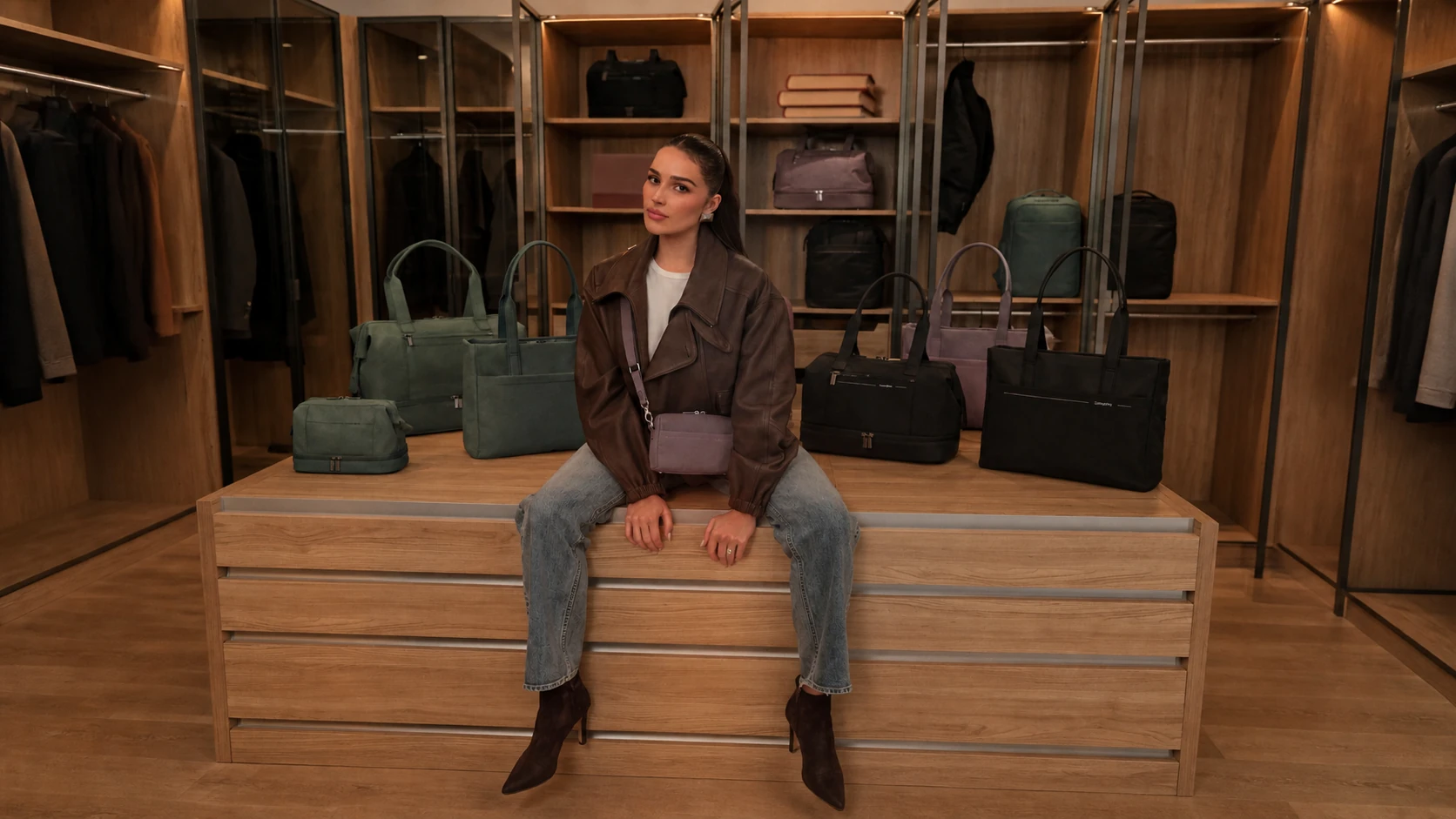
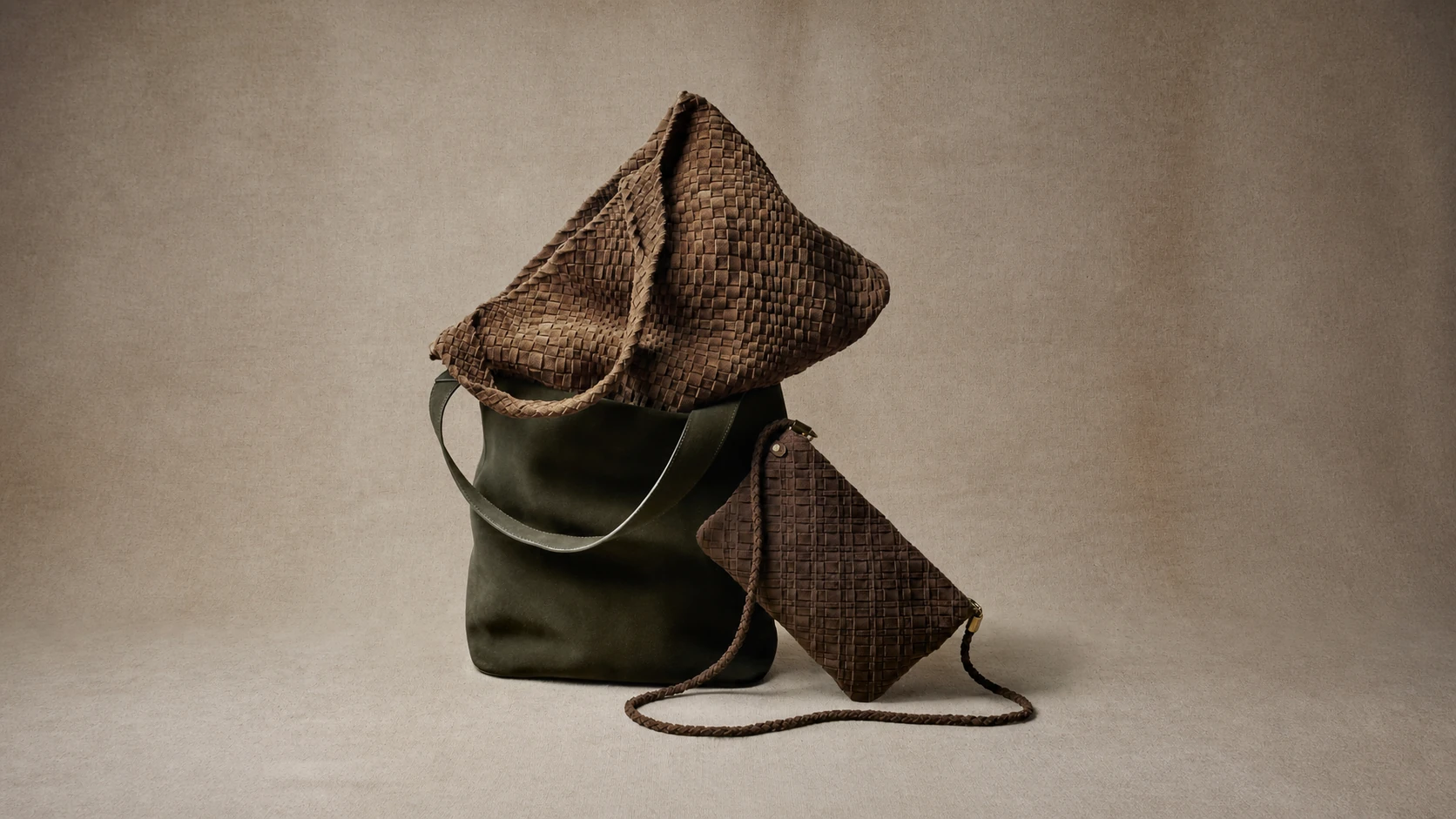
Beek is extending its product range beyond footwear with an eight-piece leather handbag collection built around three silhouettes: the Willet shoulder bag, Sabine bucket bag and Starling clutch. The California-based brand says the capsule responds to customer requests and carries its established emphasis on timeless design, craftsmanship and everyday wearability into a new category. The move gives beek a broader expression of its leather-goods proposition while keeping the focus on practical, long-term use.
The collection is positioned as an adjunct to beek’s footwear business, which the company describes as centred on leather construction, comfort and longevity. Its handbags use a palette of chestnut, coffee, olive and black suede, with the range organised around pieces intended for different daily carrying needs. That positioning places the capsule within the accessible luxury accessories market without moving away from the brand’s existing design language.
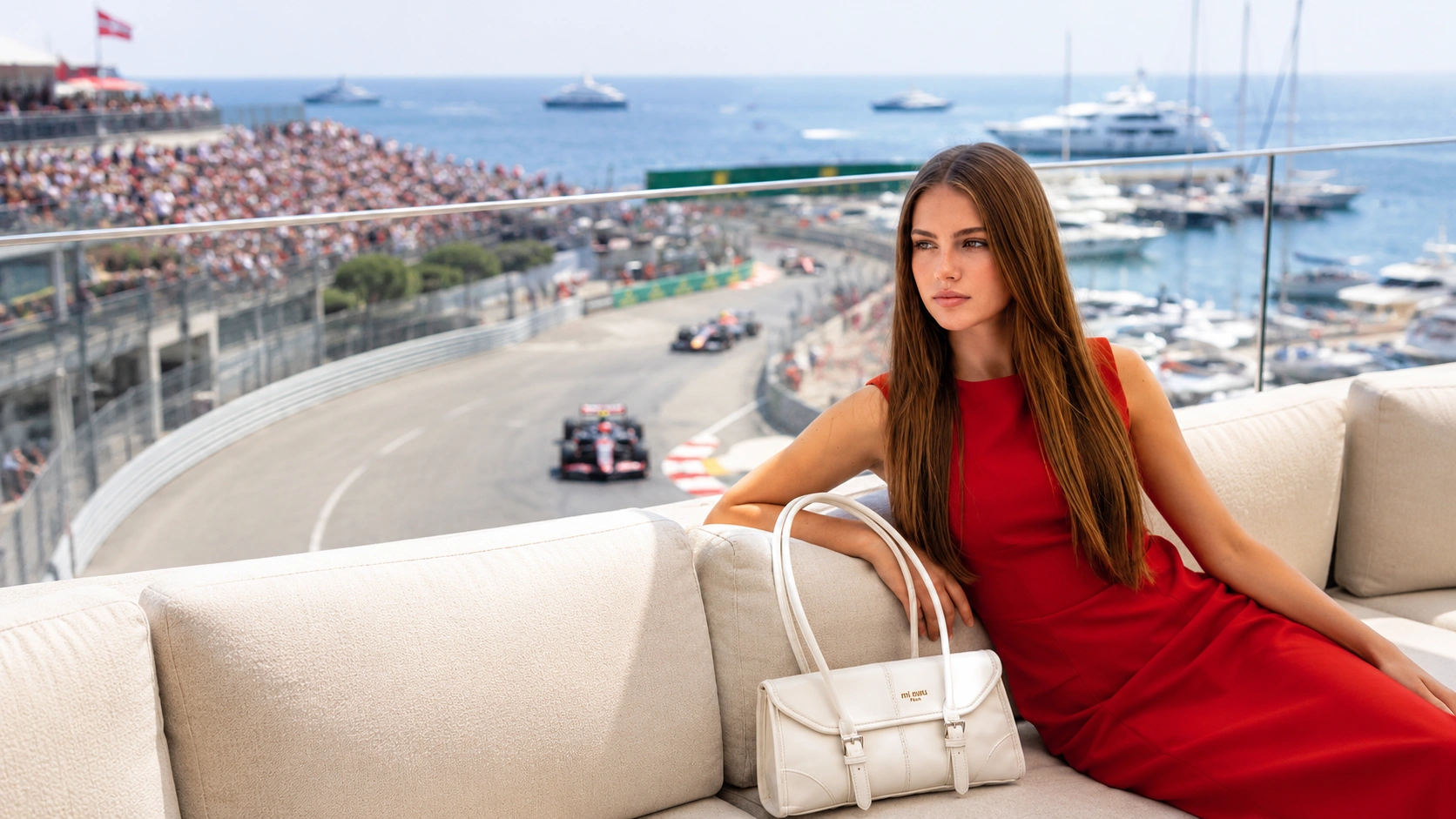
The Willet is a handwoven leather shoulder bag, while the Sabine is a softly structured bucket bag designed to hold everyday essentials. The Starling is a handwoven leather crossbody that can shift from hands-free daytime use to an evening clutch. Each bag is handwoven and hand-sewn by artisans, and the collection is available exclusively through beekshop.com from September 14, 2026. Listed prices range from $325 for the Starling Clutch to $585 for the Willet Woven Shoulder Bag, with the Sabine Bucket Bag priced at $475.
The range extends beek’s stated philosophy rather than introducing a separate visual identity. The company presents the bags as pieces intended to be carried often, kept for years and shaped by the natural variations of leather and repeated wear. That emphasis on construction and durability gives the collection a clear strategic role: it allows beek to build on the credibility of its footwear while testing demand for a complementary category.
For beek, the handbag collection represents a measured expansion from a specialist footwear label into a wider leather-accessories offer. Its limited silhouette count, direct online distribution and defined price ladder keep the proposition focused while giving customers several entry points into the category. The collection’s reception will indicate whether the brand’s existing appeal around comfort, craftsmanship and longevity can translate into handbags as effectively as it has into shoes.