Briggs Freeman Sotheby’s International Realty is marketing two expansive East Texas ranches that highlight growing interest in large recreational properties within reach of the Dallas-Fort Worth metroplex.
Briggs Freeman Sotheby’s International Realty has introduced two large East Texas ranches to the market, offering buyers more than expansive homes and acreage. Together, Eagle Lake Ranch in Henderson County and White Rock Ranch in Anderson County represent a segment of the luxury real estate market where recreation, conservation, and privacy are becoming as important as the residences themselves. Located within driving distance of the Dallas-Fort Worth area, the properties reflect continued interest in rural retreats that remain connected to major metropolitan centers.
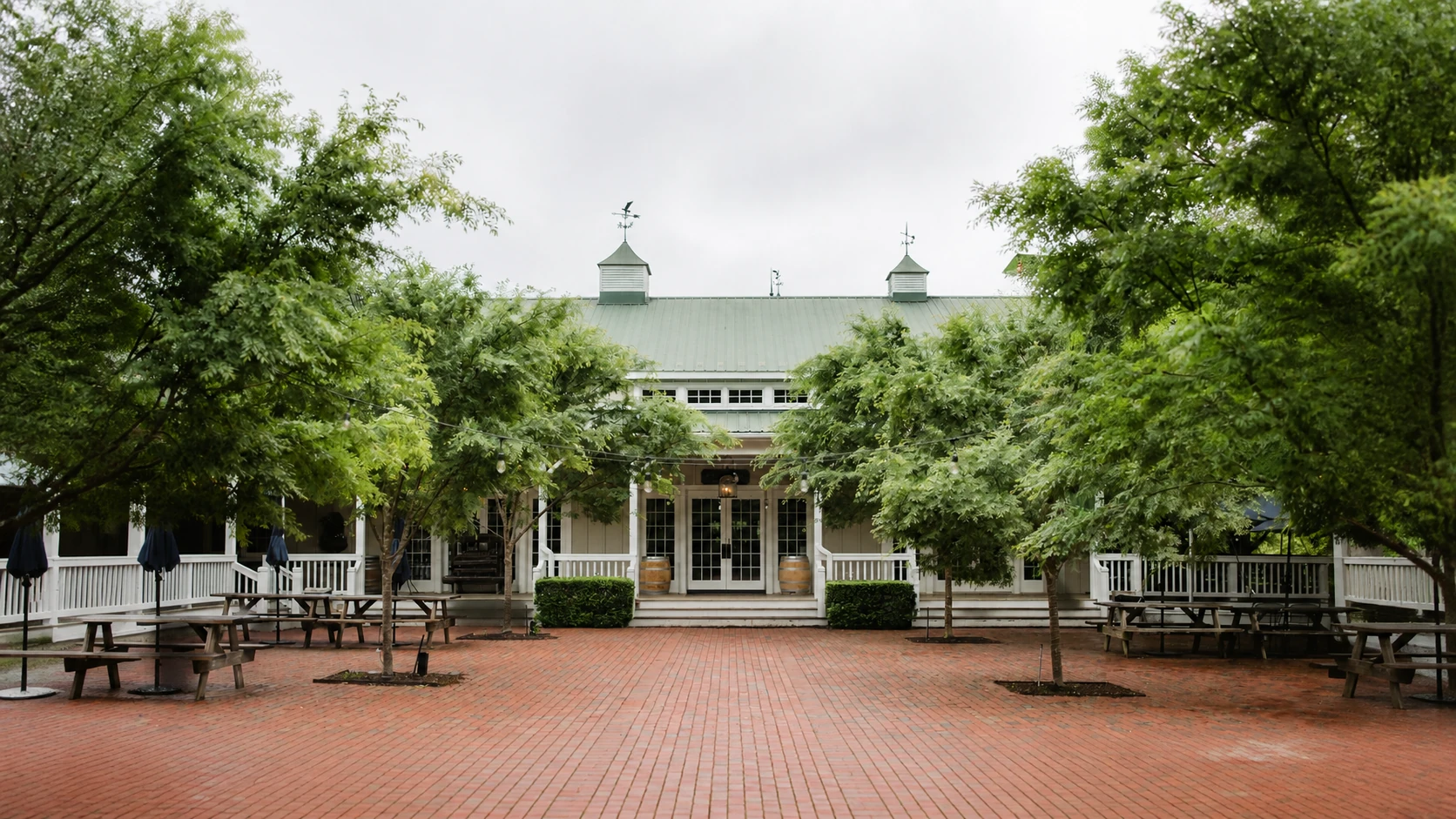
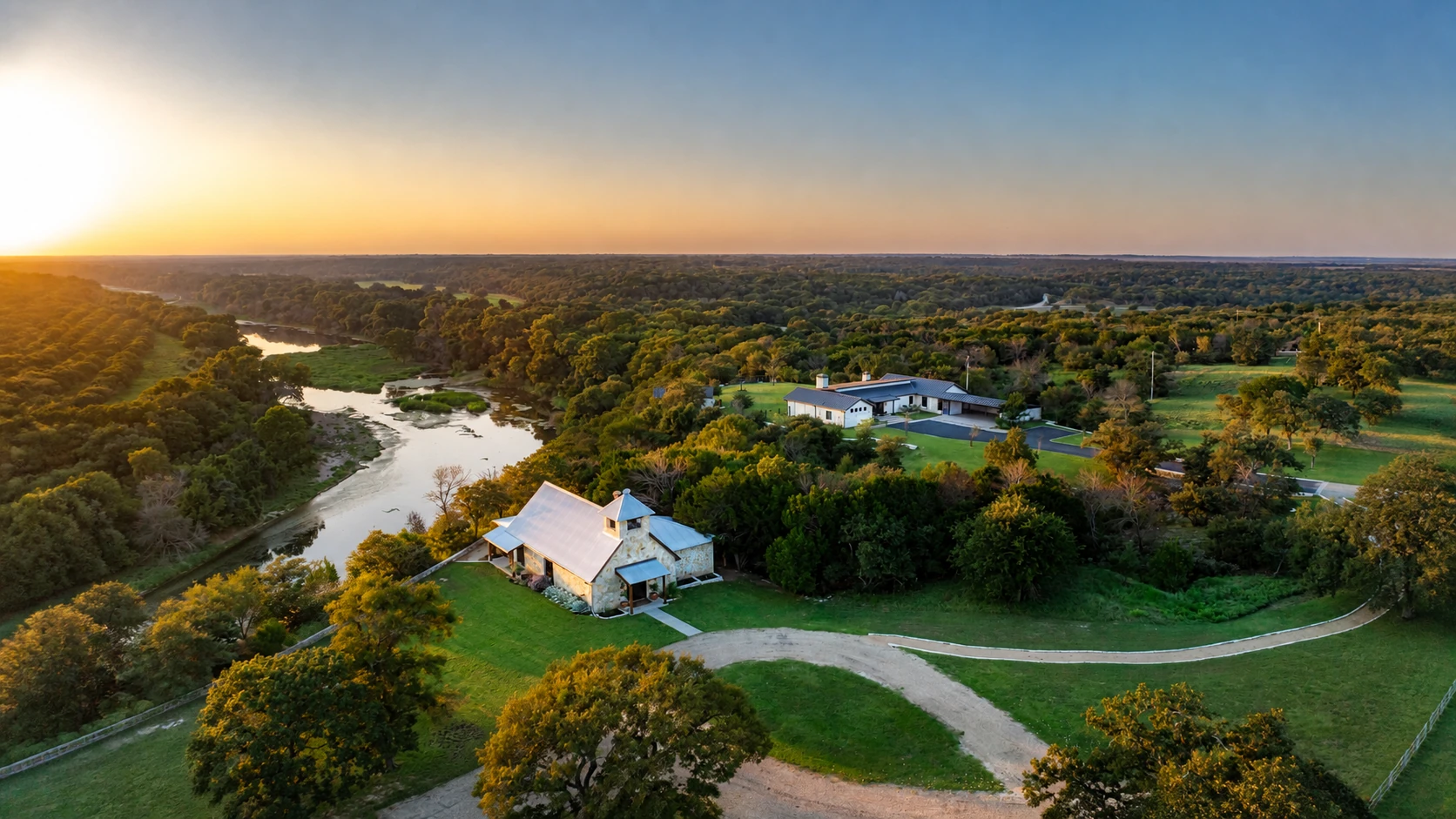
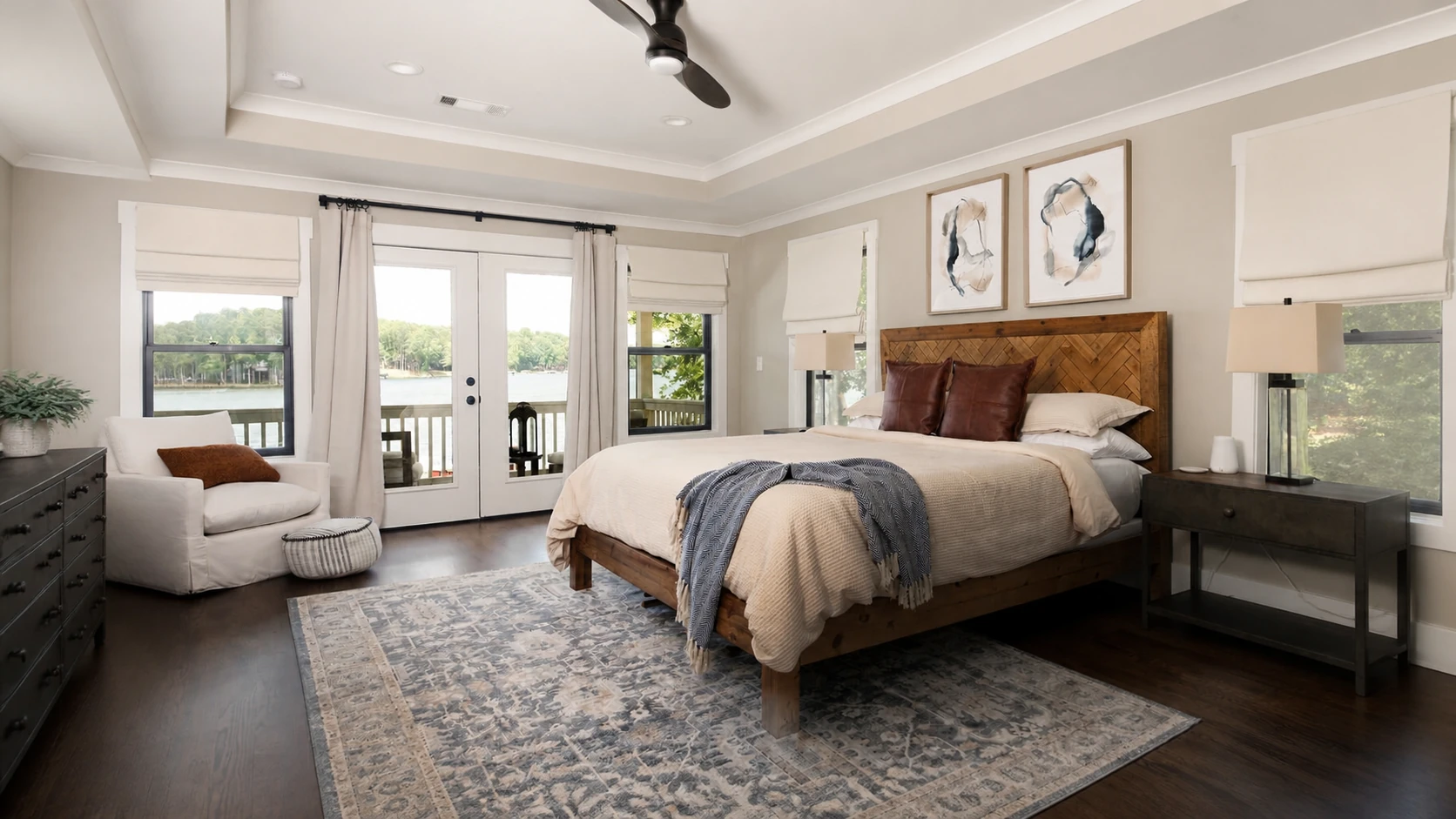
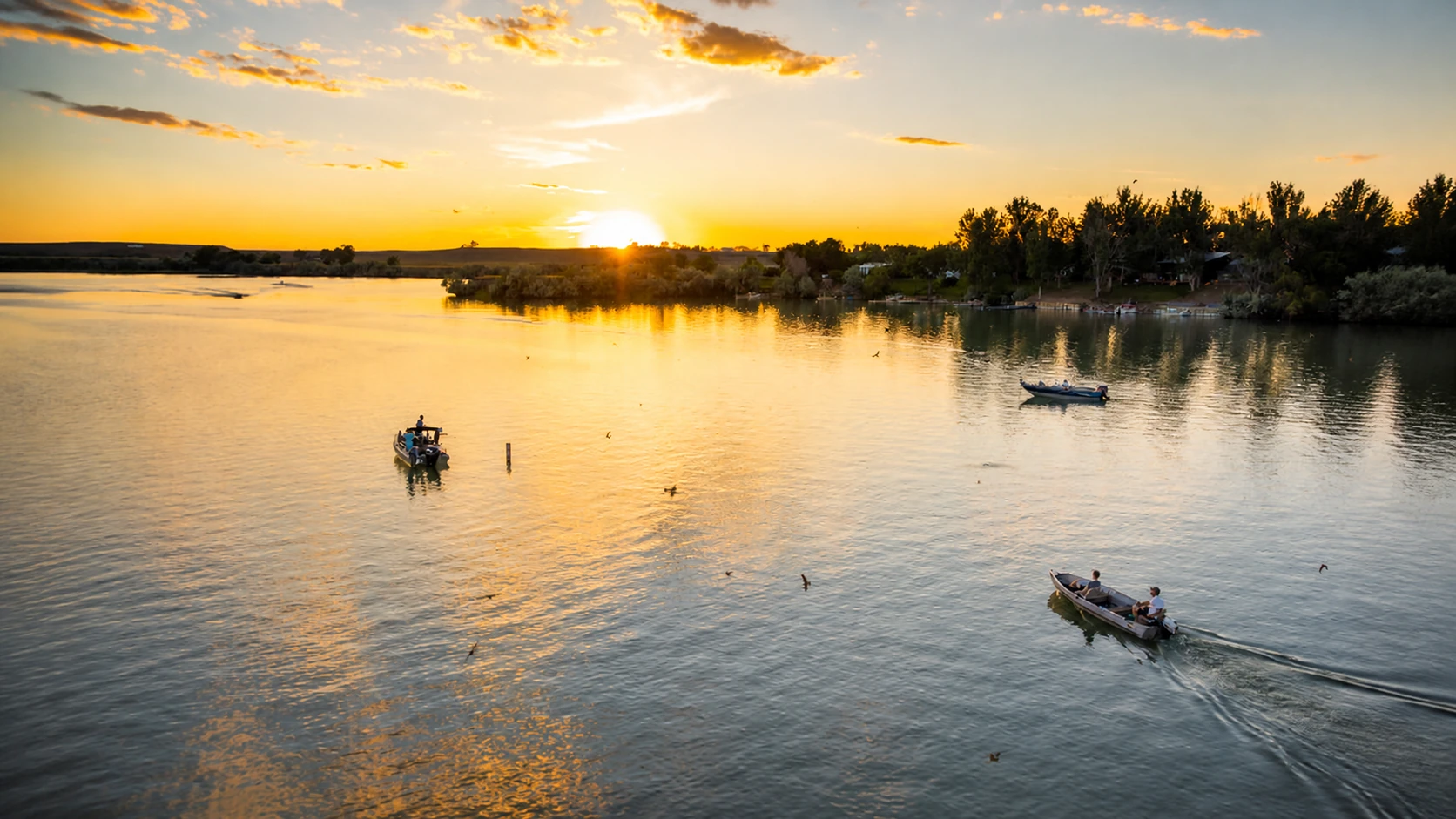
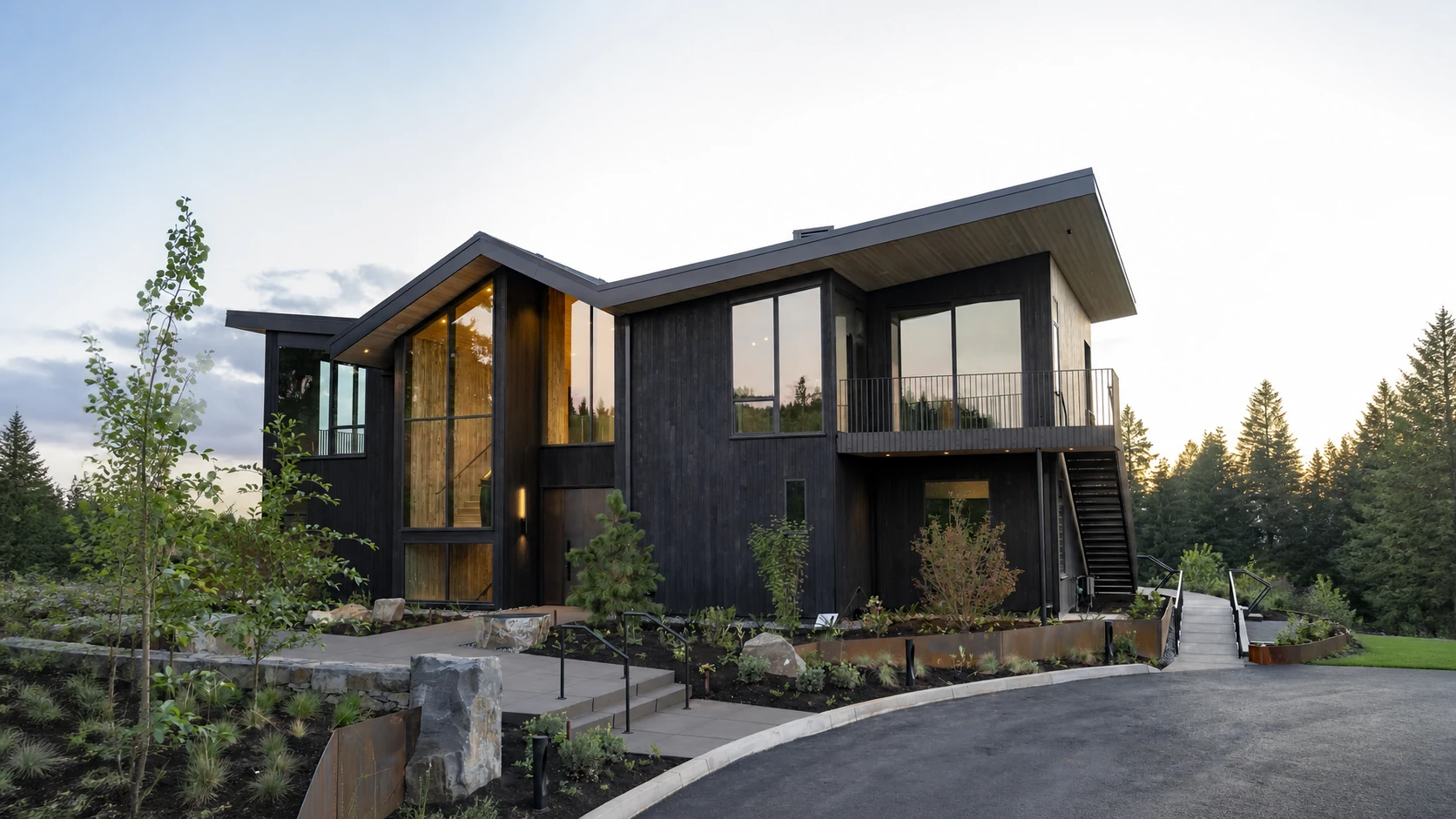
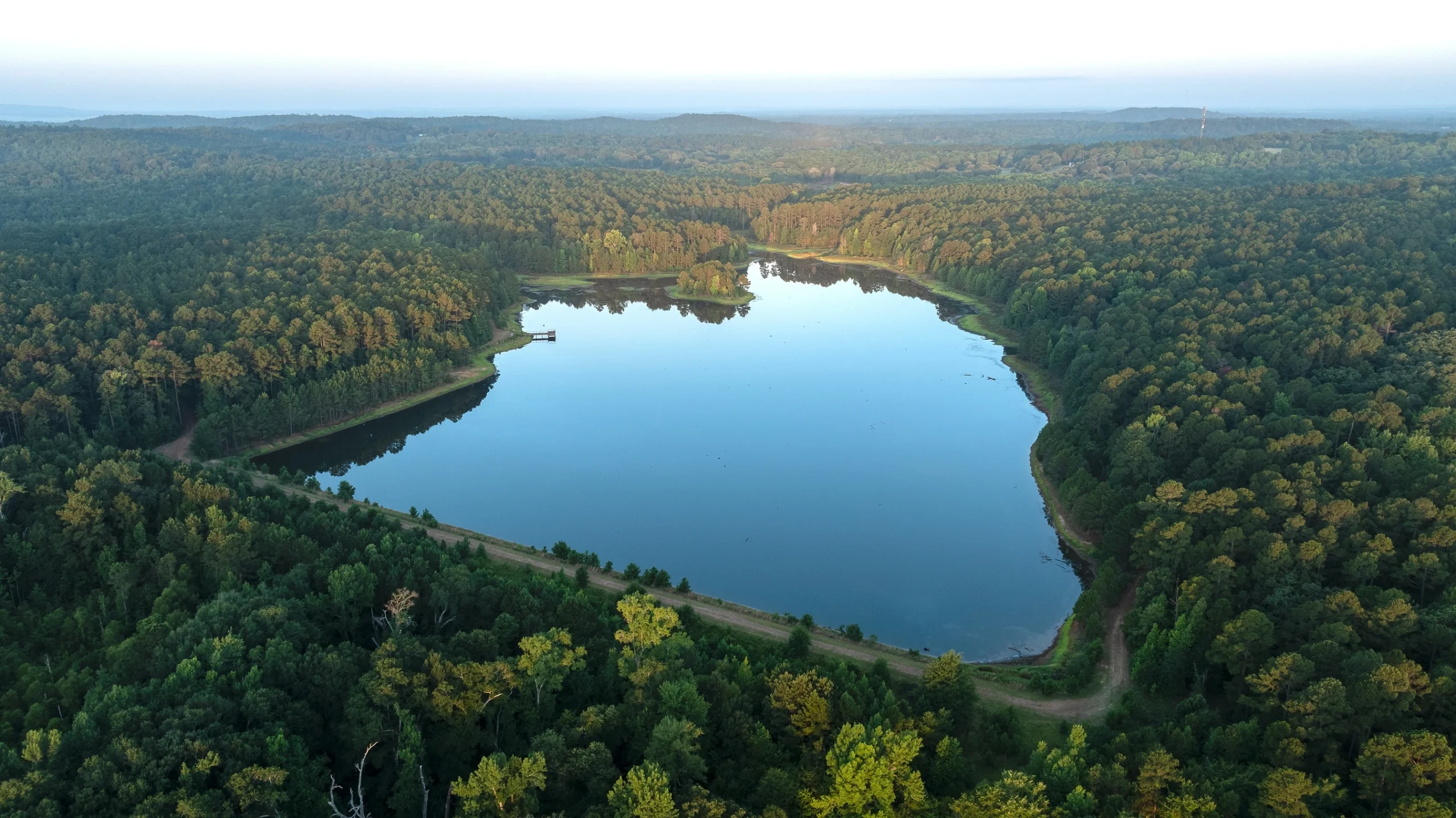
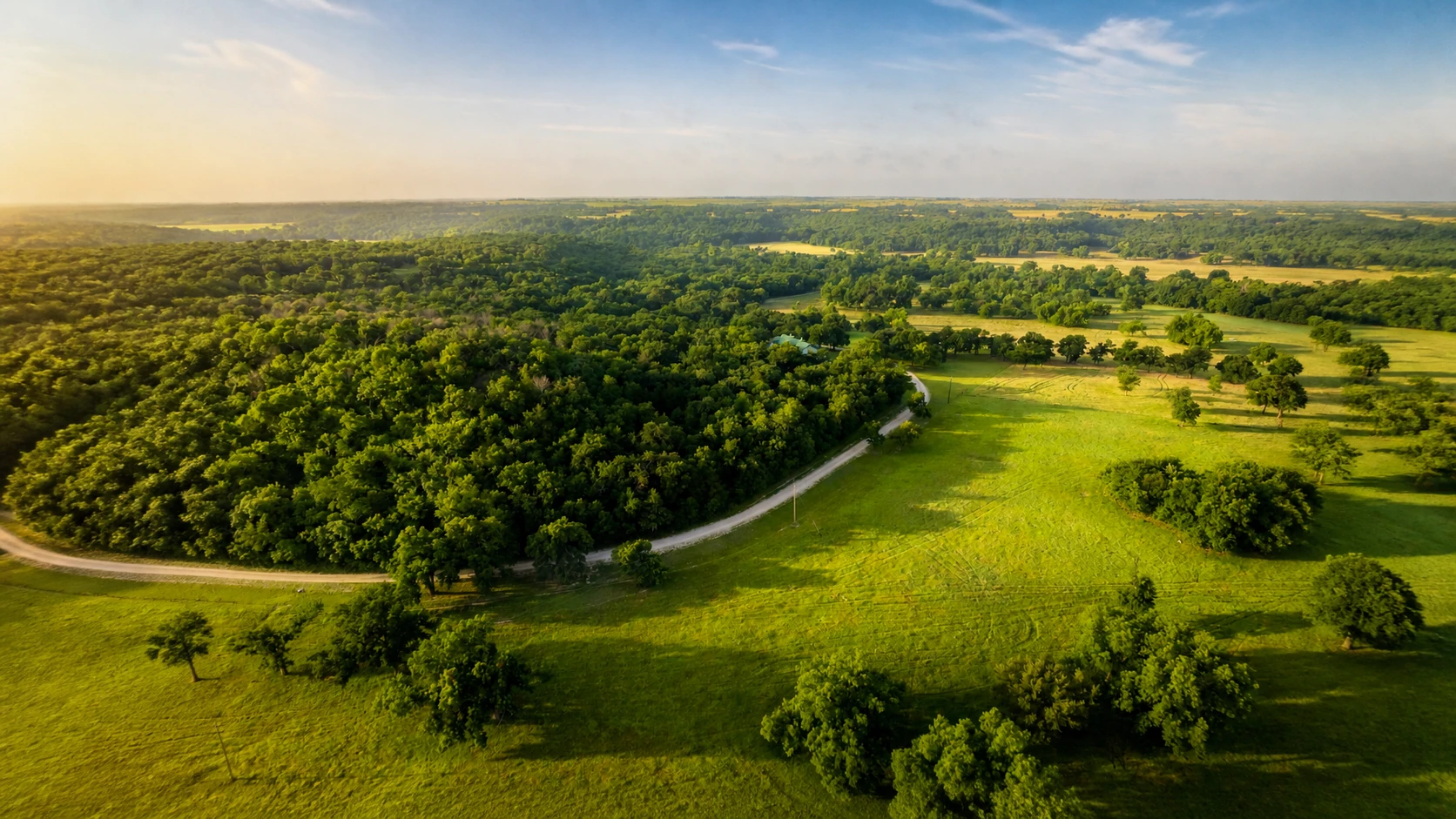
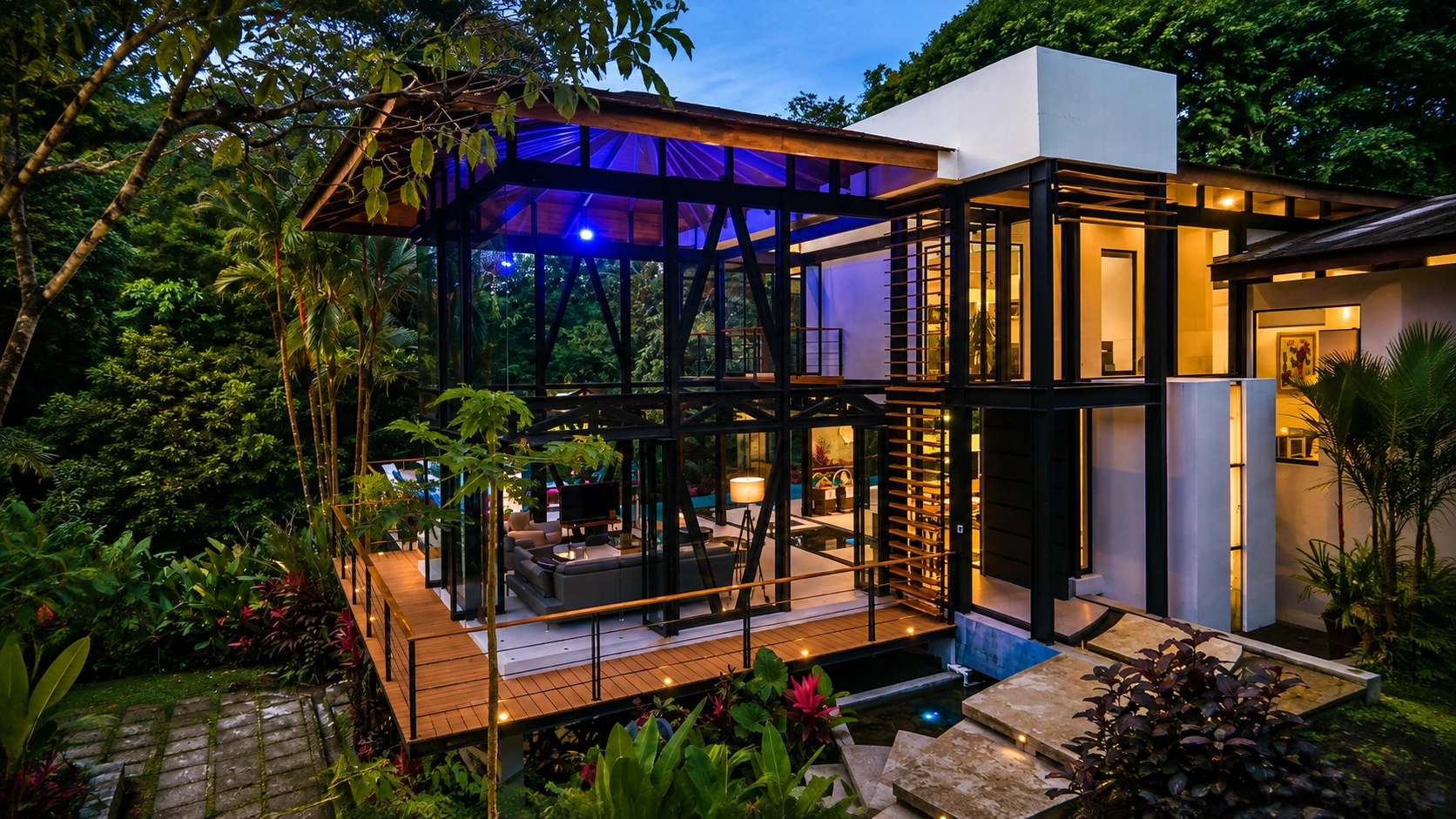
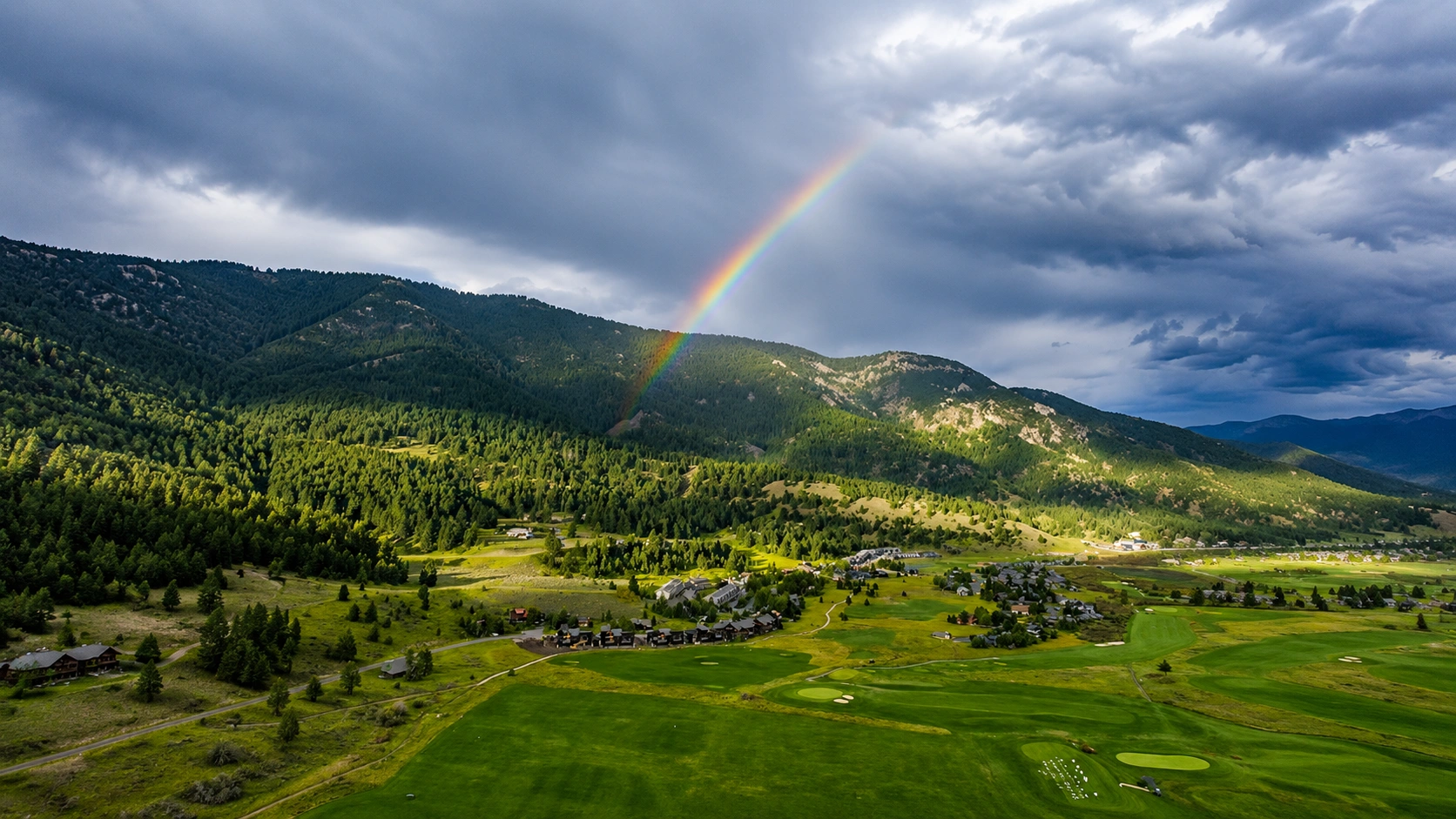
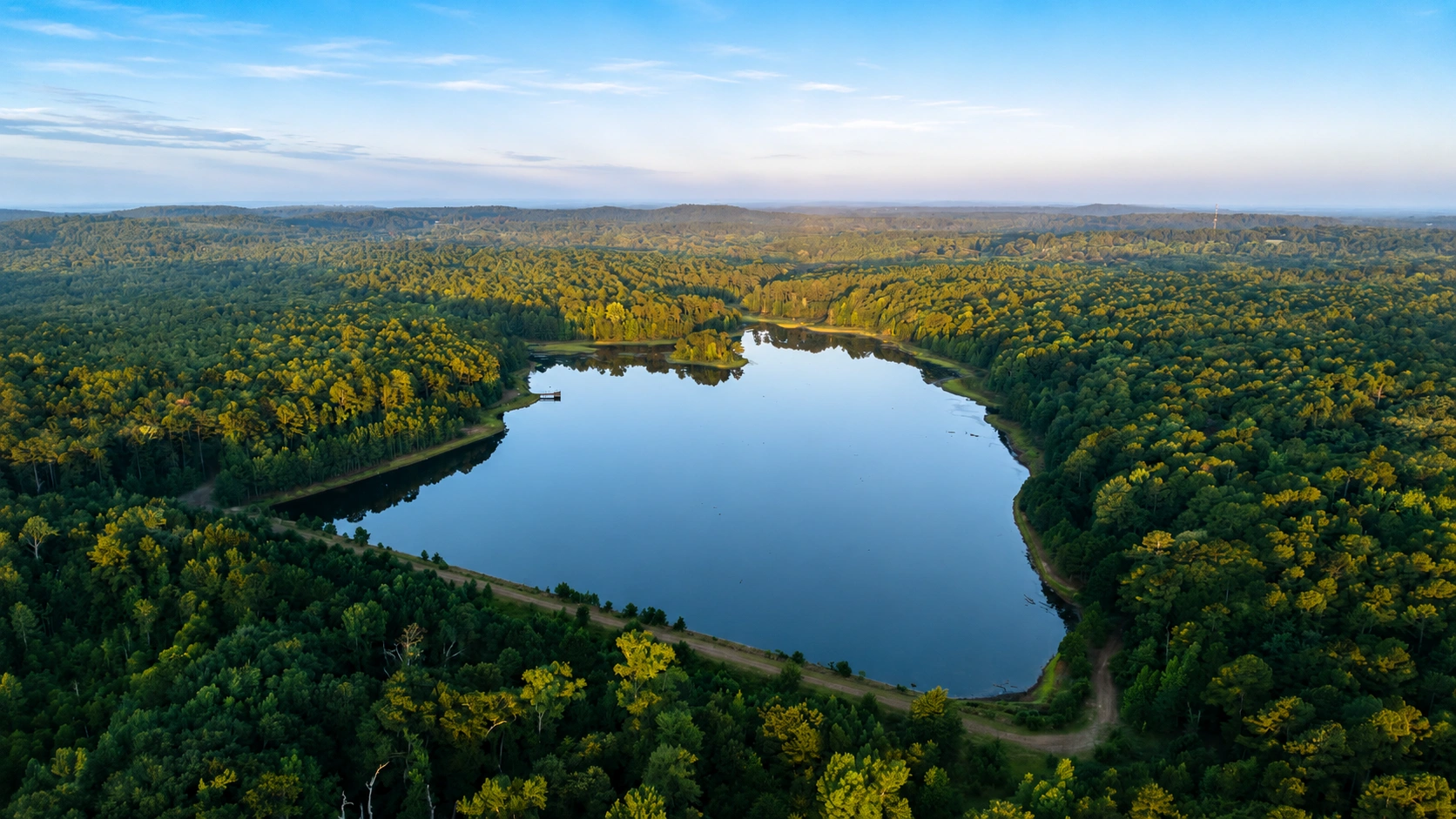
The smaller of the two, Eagle Lake Ranch spans nearly 600 acres about 90 miles southeast of Dallas. Anchored by a 32-acre lake and shaped by nearly 200 feet of elevation change, the property features wooded ridges, mature hardwoods, pine forests, open pastureland, and a second lake that supports fishing, wildlife, and year-round outdoor recreation. A more than 5,000-square-foot residence serves as the centerpiece, while elevated homesites and established ranch infrastructure provide opportunities for future use without fundamentally altering the landscape.
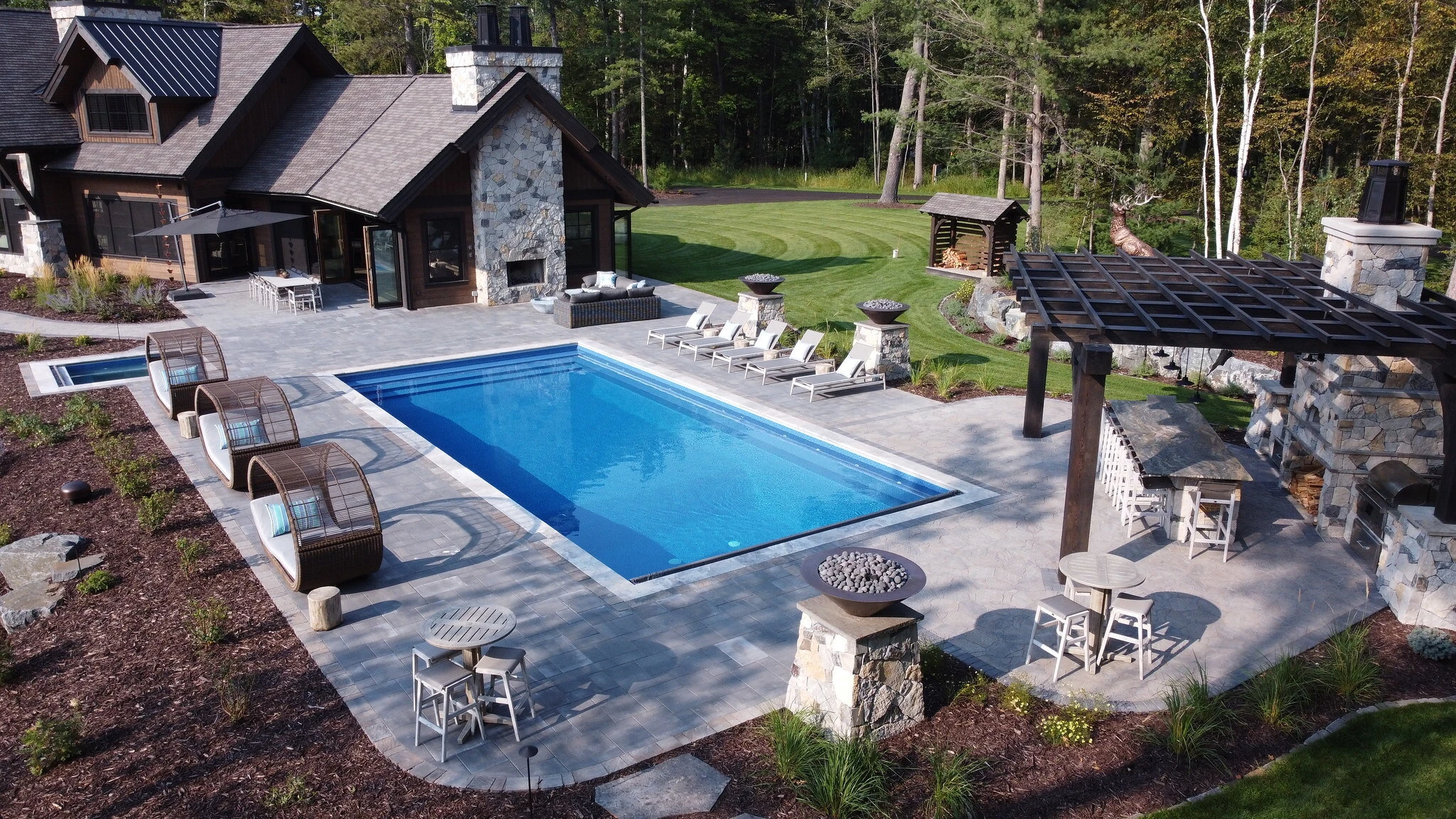
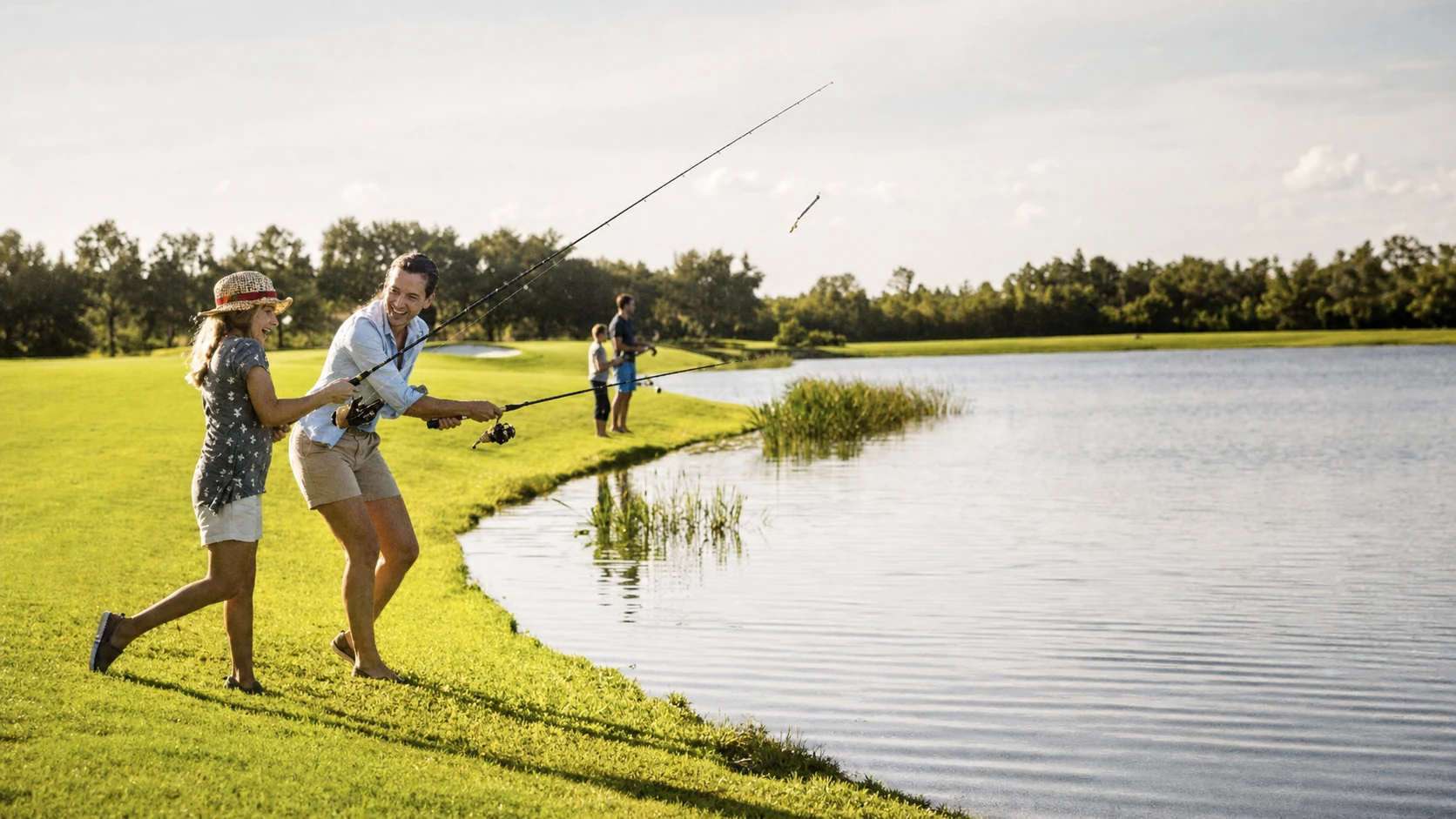
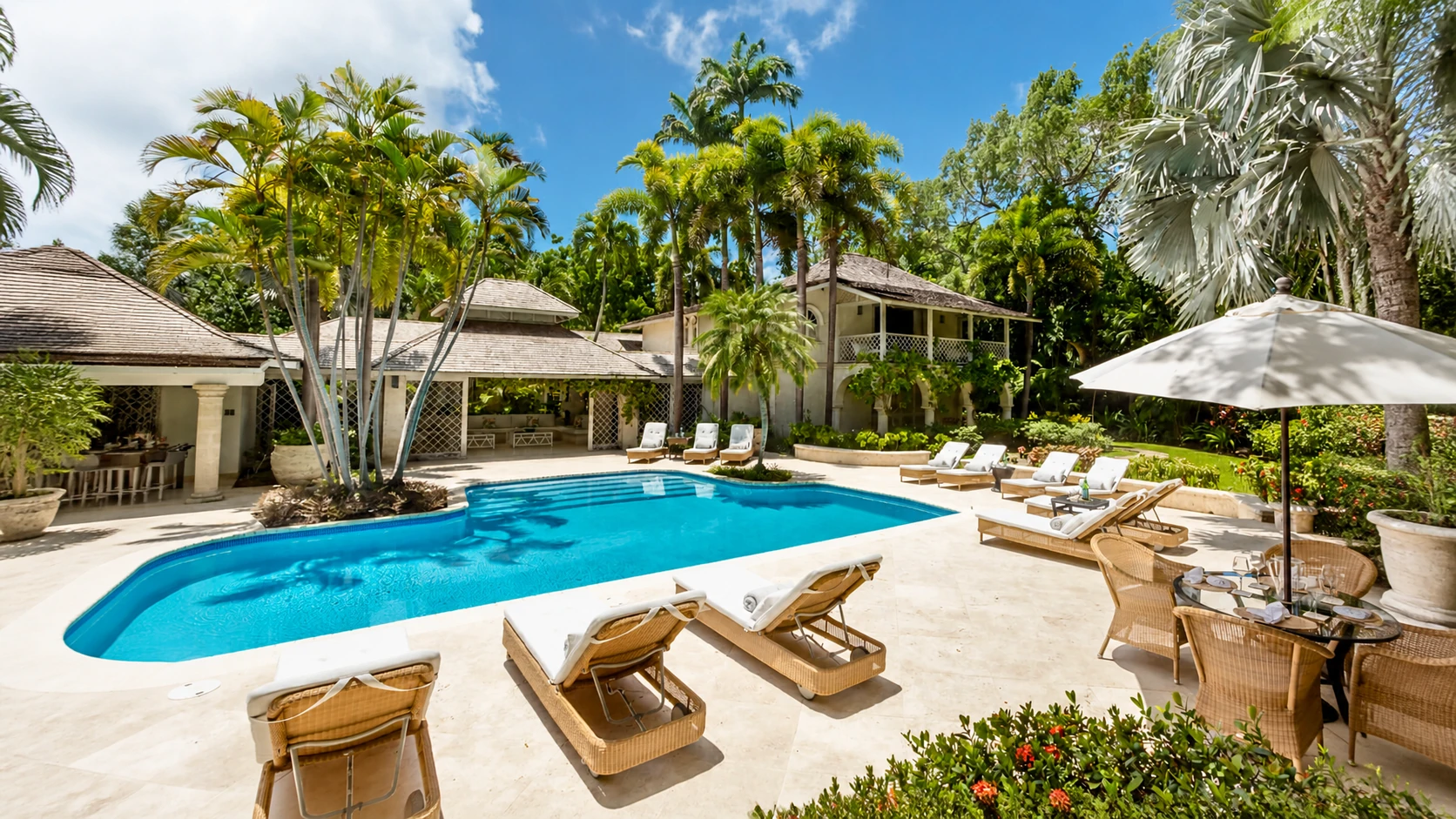
White Rock Ranch offers a different interpretation of the same appeal. Covering nearly 950 acres near Palestine, Texas, the property is centered around a 105-acre private lake surrounded by rolling hills, natural springs, live creeks, timber, and meadows. Alongside a renovated ranch home, guest accommodations, a swimming pool, and an extensive trail network, the ranch also includes an active limestone quarry that provides income potential while coexisting with recreational uses such as boating, fishing, hunting, and wildlife habitat management.
The timing of these listings reflects broader shifts in the luxury land market, where buyers increasingly seek properties that combine lifestyle, investment potential, and long-term stewardship. Large ranches are no longer viewed solely as agricultural assets or vacation retreats; they are often expected to support multiple purposes, from outdoor recreation and conservation to family gatherings and diversified revenue opportunities. The abundance of water resources, varied terrain, and established infrastructure featured on both ranches illustrates how these qualities have become central to the appeal of high-end rural real estate.
As demand continues for properties offering privacy without complete isolation, East Texas remains an attractive destination for buyers looking beyond traditional luxury homes. These two ranches demonstrate how expansive landscapes, natural features, and thoughtful land management have become defining characteristics of a growing segment of the region’s real estate market.