The family-owned honey company is using its anniversary to highlight controlled New Zealand production, independently tested MGO levels and a premium positioning spanning wellness, cooking and gifting.
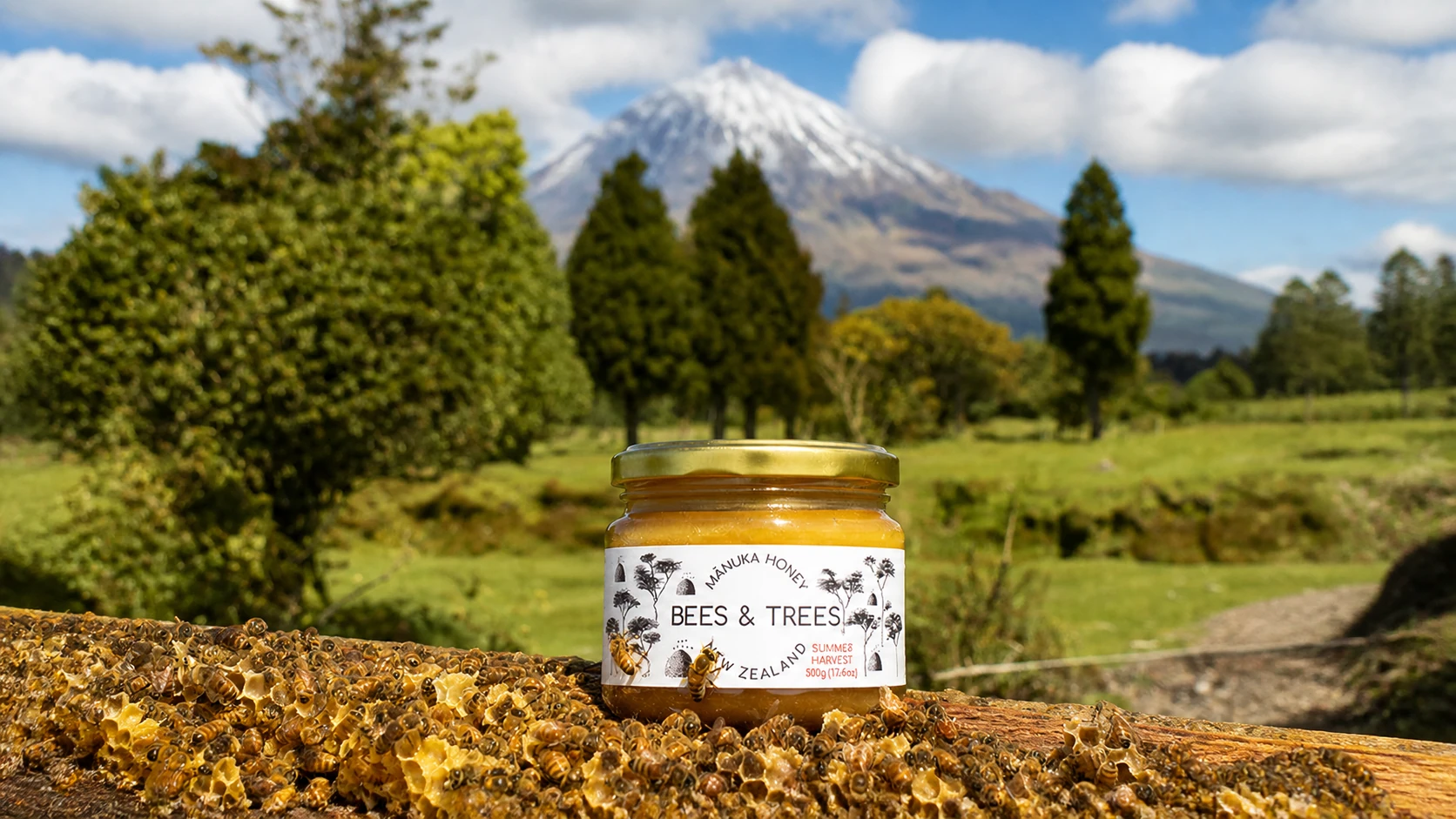
Bees & Trees is marking 15 years of bringing New Zealand Mānuka honey to American consumers, pairing the milestone with a focus on seasonal wellness, culinary use and holiday gifting. The family-owned company offers three honey strengths, gift options and multi-jar selections, while selling directly, through Amazon and via select specialty food and independent retailers across the United States. Its proposition centres on controlling production from remote New Zealand hive sites through to the finished glass jar.
Mānuka honey contains naturally occurring bioactive compounds, including dietary methylglyoxal, or MGO, which is associated with its distinctive antimicrobial activity. Bees & Trees says the honey has been examined in scientific research covering antimicrobial and antioxidant properties and interactions with inflammatory pathways. Customers use the product by the spoonful, in warm tea or lemon water, and as an ingredient in recipes, placing it across both wellness and food occasions without separating the two.
The range comprises 350+ MGO Mid-Activity, 550+ MGO High-Activity and 830+ MGO Founder’s Reserve options, priced from $33 to $65, with each batch independently tested for its MGO level. A gift box paired with a wooden honey spoon is priced at $41. Following harvest, the honey is extracted and aged for 12 to 24 months at controlled temperatures; the company says it is minimally processed and neither pasteurised nor exposed to high heat before being packed in glass jars.
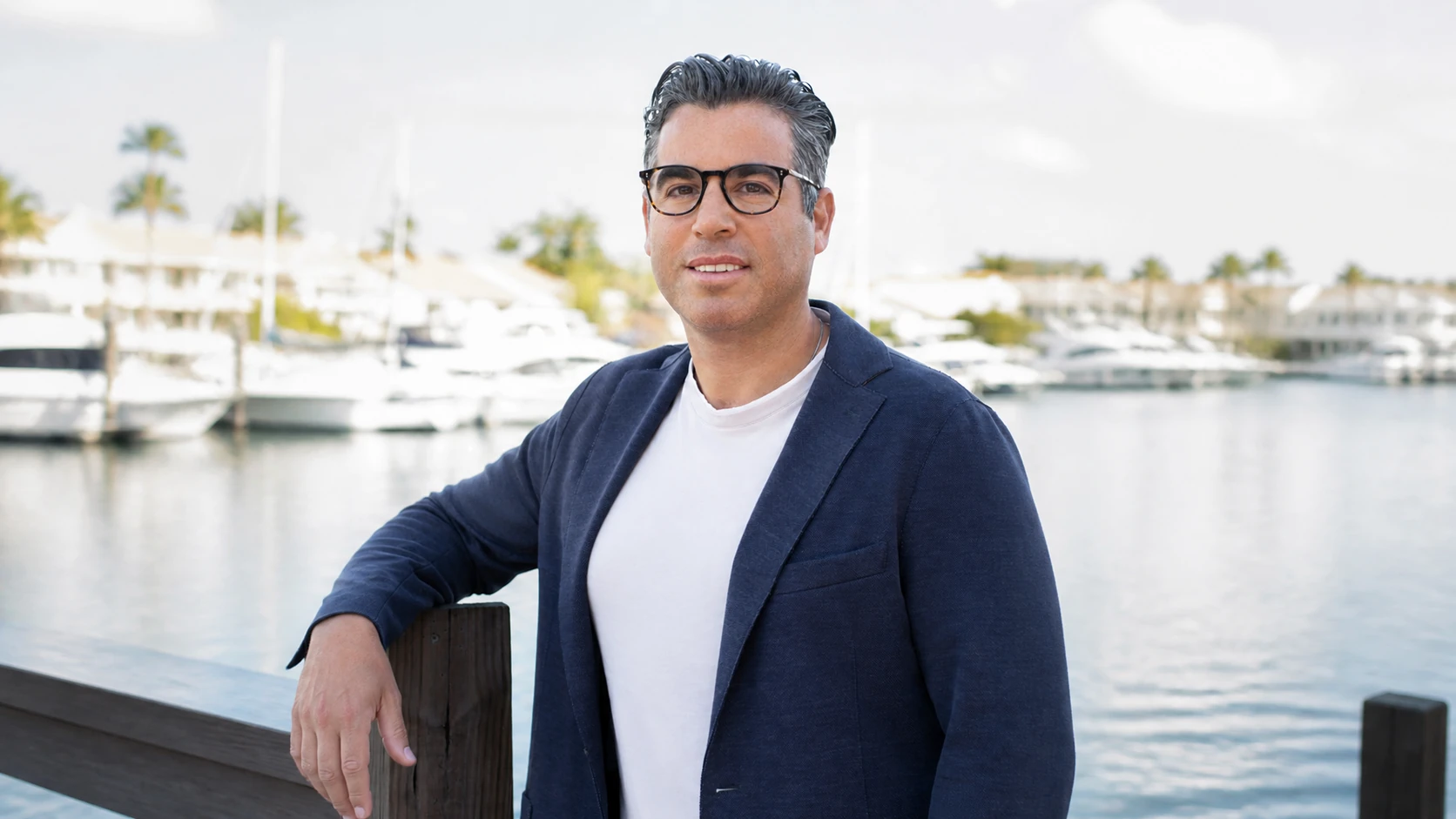
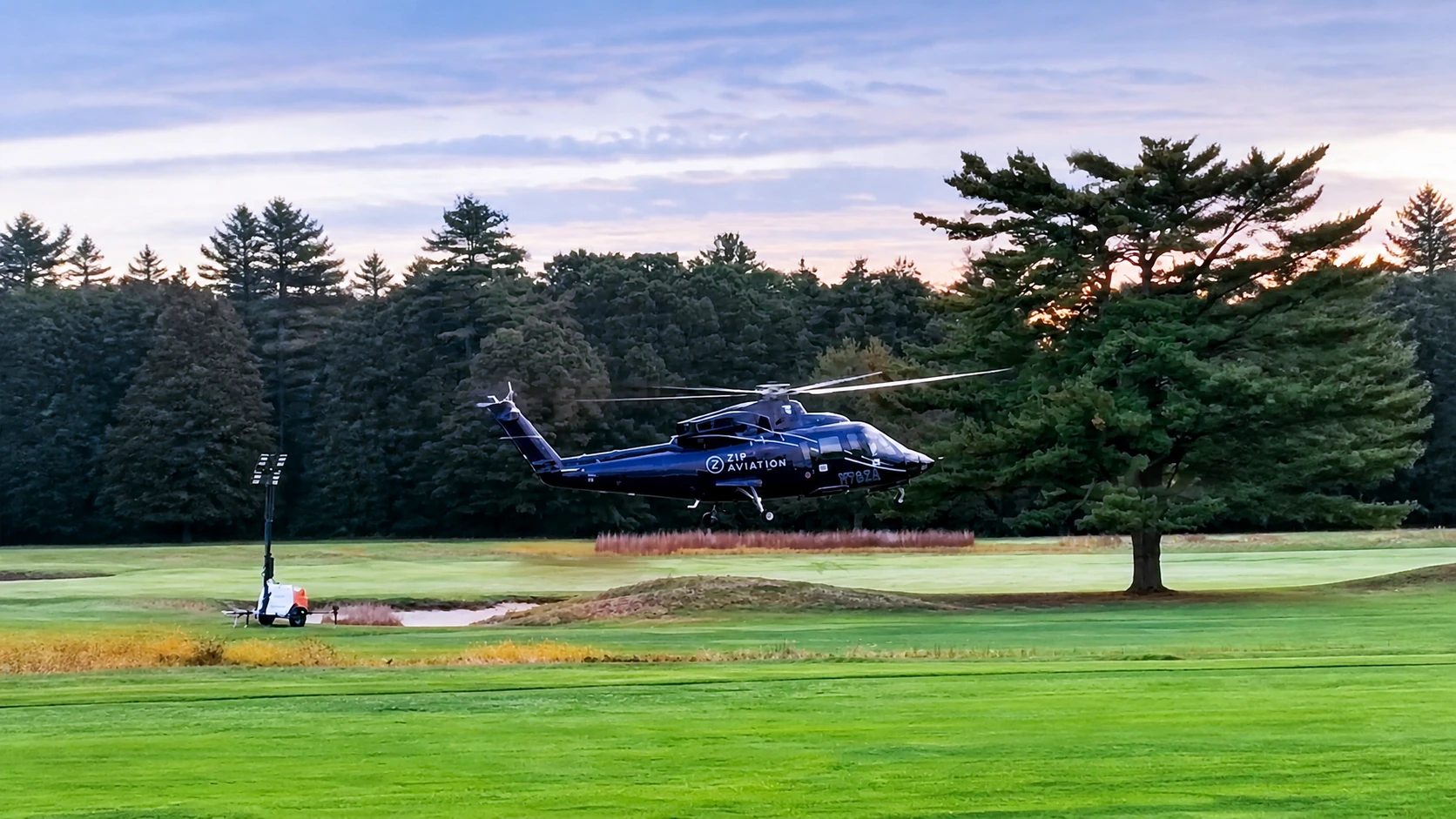
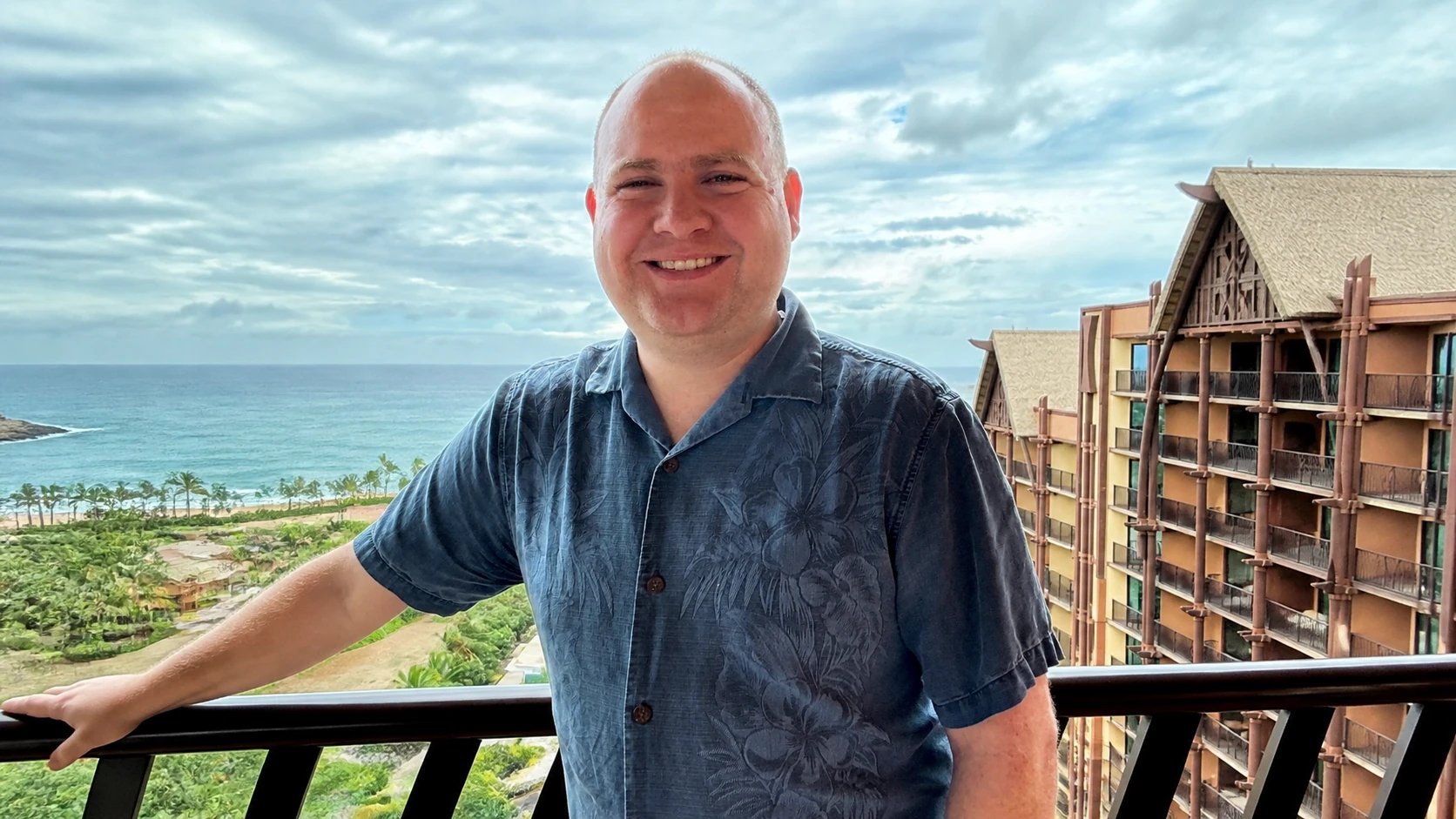
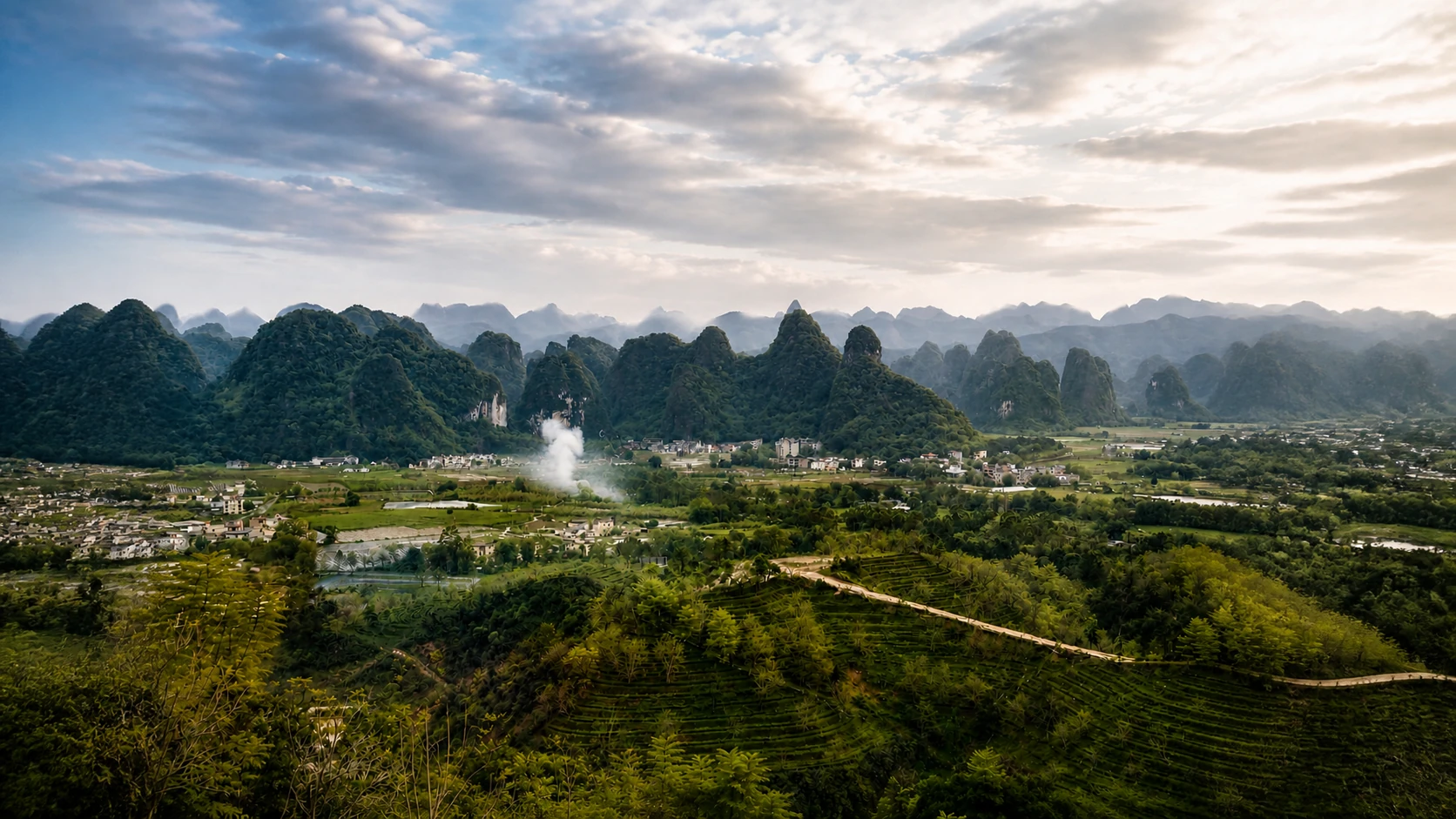
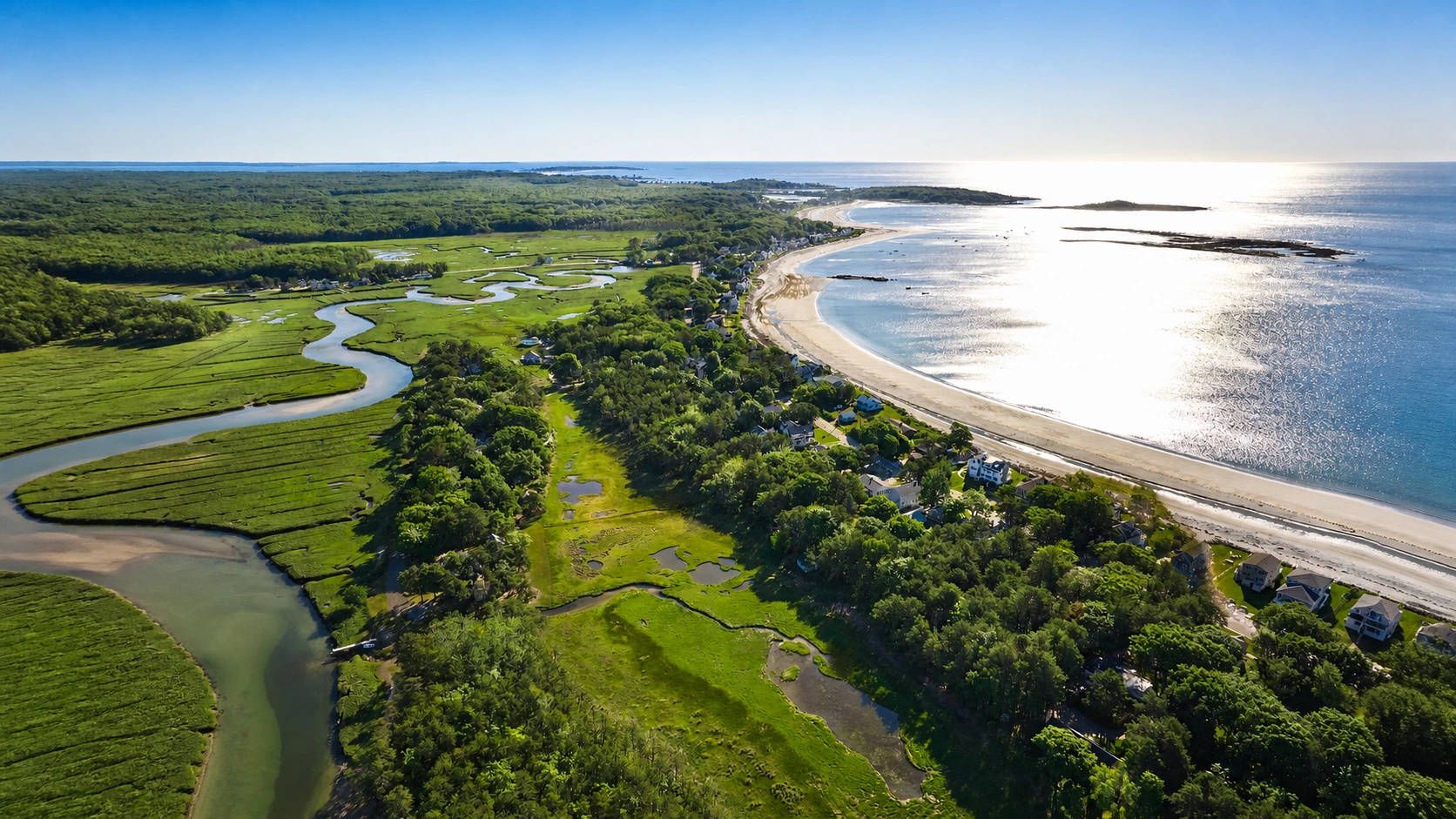
Co-founder Mike Everly became interested in Mānuka honey while living in New Zealand and established the business in 2011. After returning to the United States in 2012, Everly and his family introduced the brand to American consumers while retaining ownership and operation of the beehives and production facility in New Zealand. Bees & Trees now manages approximately 1,200 to 1,500 hives in the hill country of eastern Taranaki on New Zealand’s North Island, with some isolated sites requiring helicopter transport.
That operational structure gives Bees & Trees direct oversight of extraction, ageing and testing as well as the origin of its honey. During the Mānuka tree’s brief flowering season, bees forage among blossoms in remote forests, making the supply chain an important part of the product’s premium positioning. By linking independently measured strengths with culinary versatility and gift formats, the company is presenting Mānuka honey as more than a specialist sweetener. Its anniversary underscores a model built around production control and several distinct uses for one product.