The wearable robotics company has published a testing framework intended to make consumer exoskeleton performance more transparent, comparable and independently verifiable.
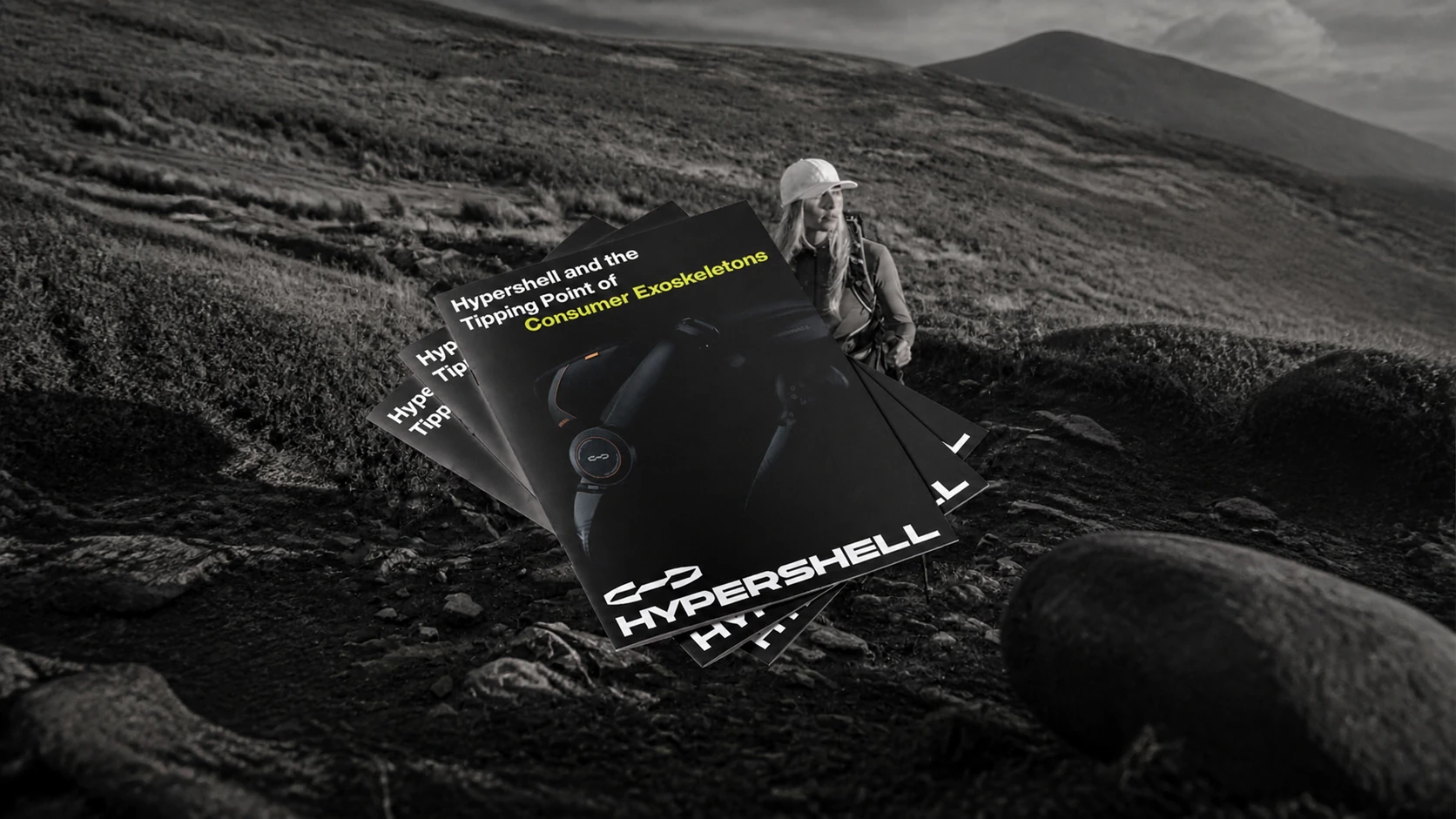
Hypershell Co., Ltd. (Hypershell) has published what it describes as the first Consumer Exoskeleton Standards White Paper, setting out a framework for evaluating wearable mobility devices through transparent methods, reproducible testing and third-party verification. The paper includes independently conducted and SGS-verified results for the Hypershell X Ultra exoskeleton. Its significance lies less in a new device than in an effort to establish a common basis for judging performance in a still-developing consumer robotics category.
Consumer exoskeletons occupy a space between personal technology, outdoor equipment and wearable robotics. Hypershell says its products are designed to reduce physical effort during activities including walking, hiking, uphill climbing and cycling, while the wider sector lacks shared consumer-specific benchmarks and reporting protocols. Existing standards work from organisations including ASTM International, ISO and AFNOR has largely focused on medical and industrial applications, according to the company.
The X Ultra testing took place at the Experimental Center of the China Institute of Standardization, with results independently verified by SGS. Hypershell reports that uphill walking with the exoskeleton lowered average VO₂, a measure of oxygen consumption, by 20.47%; average heart rate fell by 22.34%, while maximum heart rate declined by 21.60%. Electromyography measurements also showed reductions across major lower-limb muscle groups, and the company says testing identified assistive effects during cycling, including lower metabolic and cardiovascular load.
The proposed framework extends beyond headline performance figures. It calls for technically precise test definitions, reproducible protocols for oxygen consumption, muscle activity and heart-rate measurements, uniform reporting formats, and transparency around firmware, hardware and testing parameters. It also advocates third-party laboratory certification and open data sharing, positioning verification as a sector-wide expectation rather than a marketing distinction belonging to one manufacturer.
Hypershell is calling on manufacturers, policymakers and standards organisations to collaborate on shared testing and safety measures for personal mobility technology. Chief executive Kelvin Sun said evidence-based measures are needed to define safety, performance and reliability, while the company’s wider stated aim is to expand human mobility through wearable robotics. If the proposed approach gains broader participation, consumer exoskeletons could become easier to compare on practical measures rather than on isolated claims, giving the category a more structured foundation for its next stage of development.