The rewards app is introducing opt-in video ads after receipt scans, testing whether incentives and purchase data can make digital advertising more relevant to consumers and brands.
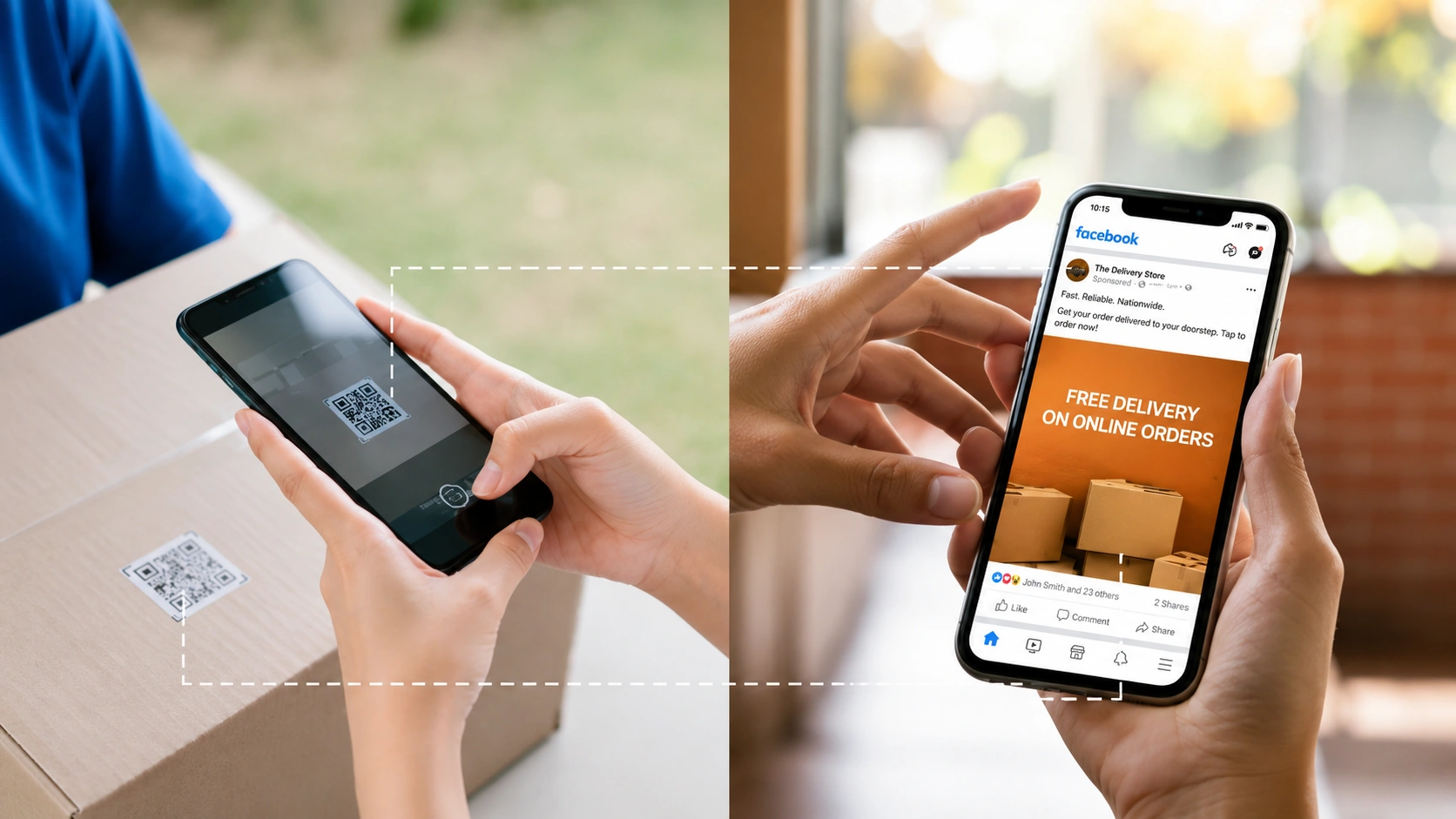
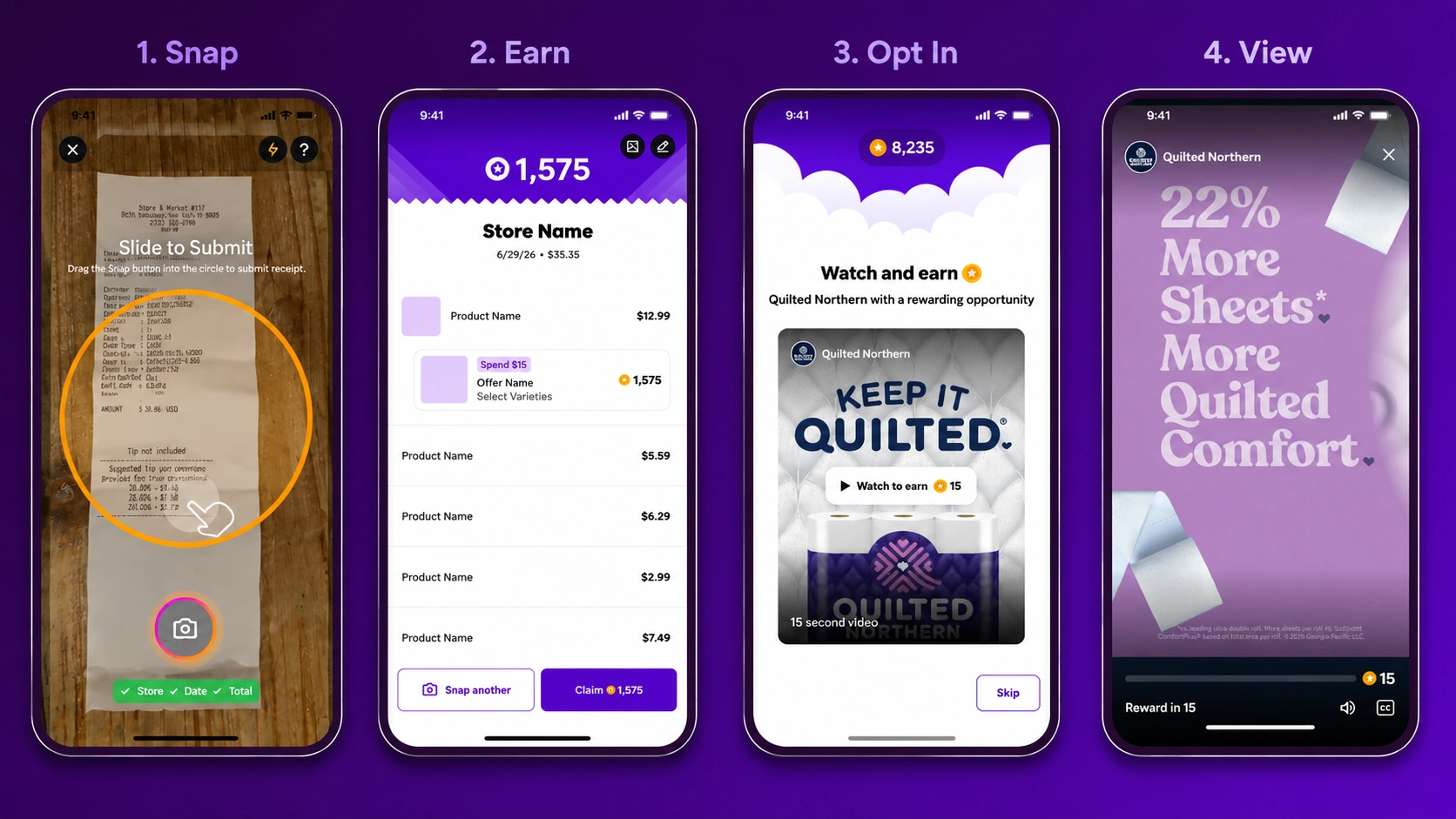
Fetch is introducing a rewarded video advertising format designed to reach consumers immediately after they scan a shopping receipt in its app. Rather than automatically placing a video in front of users, the system asks them to opt in and rewards those who watch with Fetch Points, creating an explicit exchange between a consumer’s attention and something of tangible value.
The timing is central to the concept. Receipt scanning takes place directly after a purchase, giving Fetch an opportunity to present advertising when users are already thinking about shopping and products. Advertisers can also target audiences based on verified purchase behavior and pay for completed views rather than impressions, potentially giving brands a clearer connection between their media spending and actual consumer engagement.
Early figures released by Fetch suggest the format is generating unusually high interaction, although the results come from the company’s own testing and remain early indicators. Fetch reports a 96% video completion rate, a 9.2 percentage-point increase in unaided awareness and an opt-in rate 85 times higher than traditional digital advertising benchmarks. Unilever participated in early testing, while WPP Media is working with Fetch to introduce the format to additional advertisers.
Rewarded advertising itself is not new. The approach has long been familiar in mobile gaming, where users voluntarily watch advertisements in exchange for virtual currency, additional lives or other in-game benefits. Fetch is effectively transferring that model into everyday commerce, where rewards can be redeemed for gift cards, merchandise or charitable donations rather than remaining within a game.
The experiment also speaks to a larger challenge facing digital advertising: consumers have increasingly abundant opportunities to ignore marketing messages, making attention harder to assume and potentially more valuable when voluntarily given. Fetch’s access to shopping data adds another dimension, with more than 13 million receipts submitted to the platform each day and visibility into $212 billion in gross merchandise value, according to the company. Whether rewarded video becomes a significant advertising channel will depend on how those early engagement levels hold up at scale, but the model offers a notable alternative to advertising built primarily around passive impressions.