The joint venture with Vasantha Tool Crafts adds regional metal injection molding and tooling capacity, reflecting manufacturers’ push for closer engineering and more flexible production.
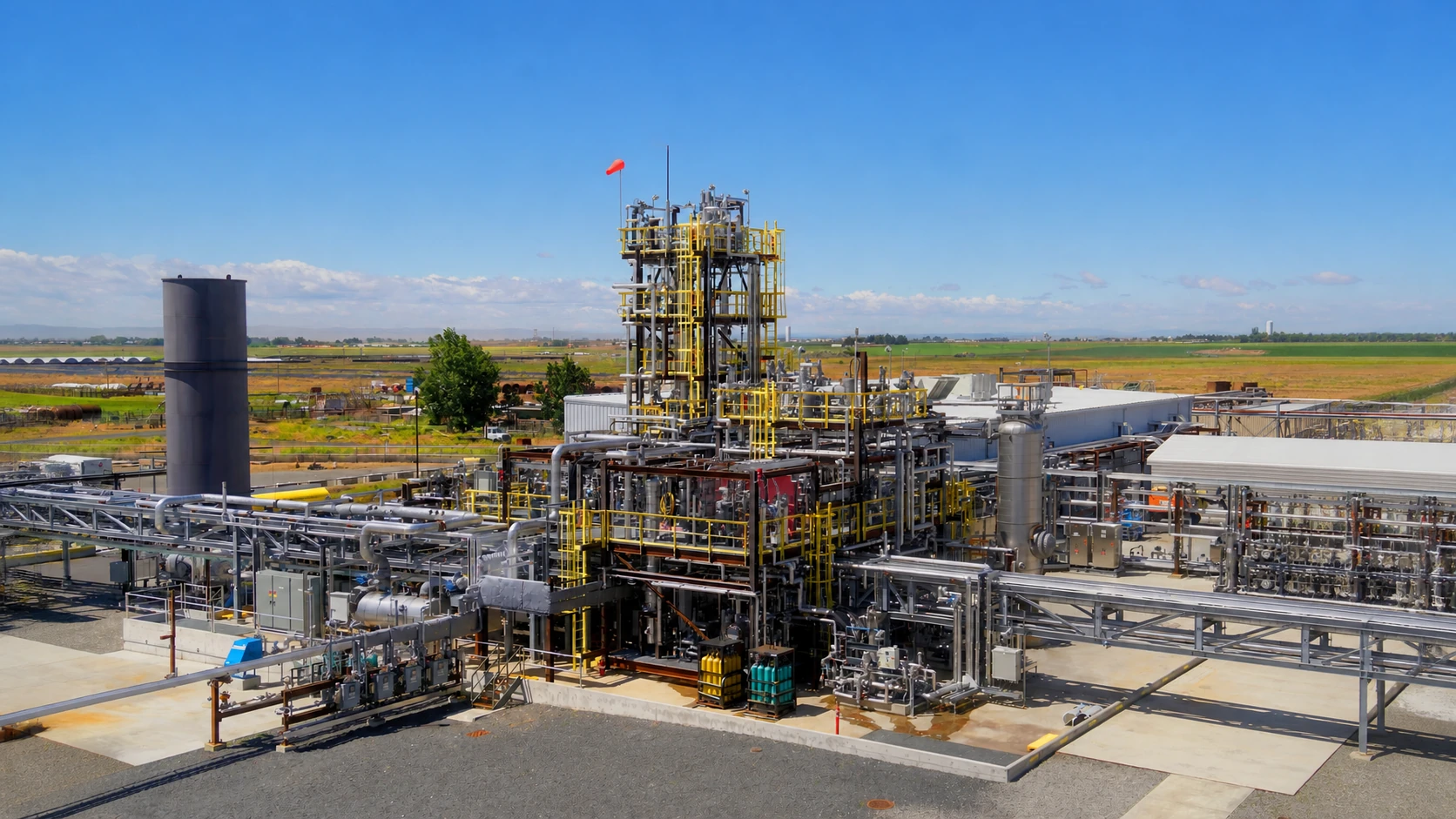
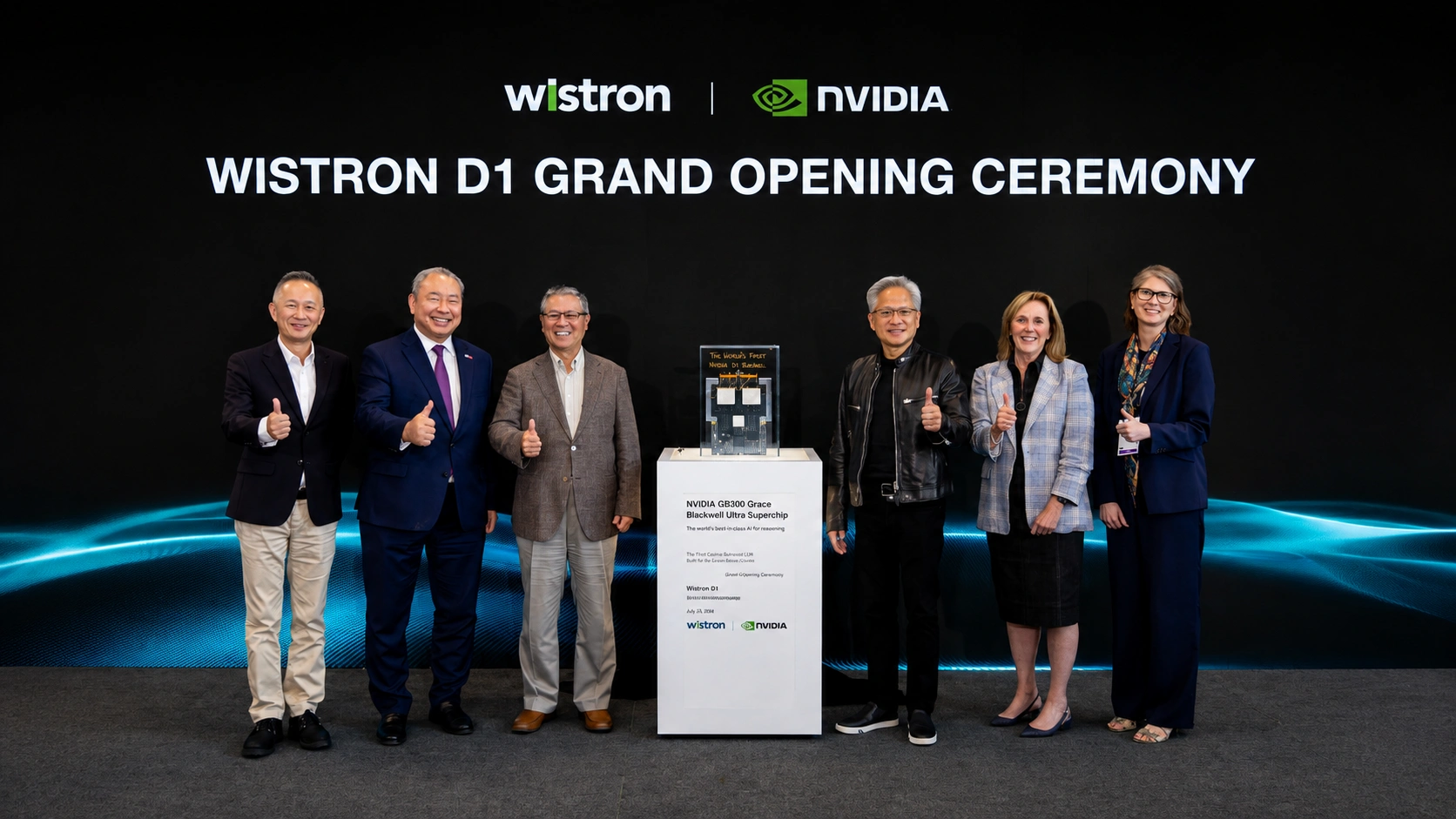
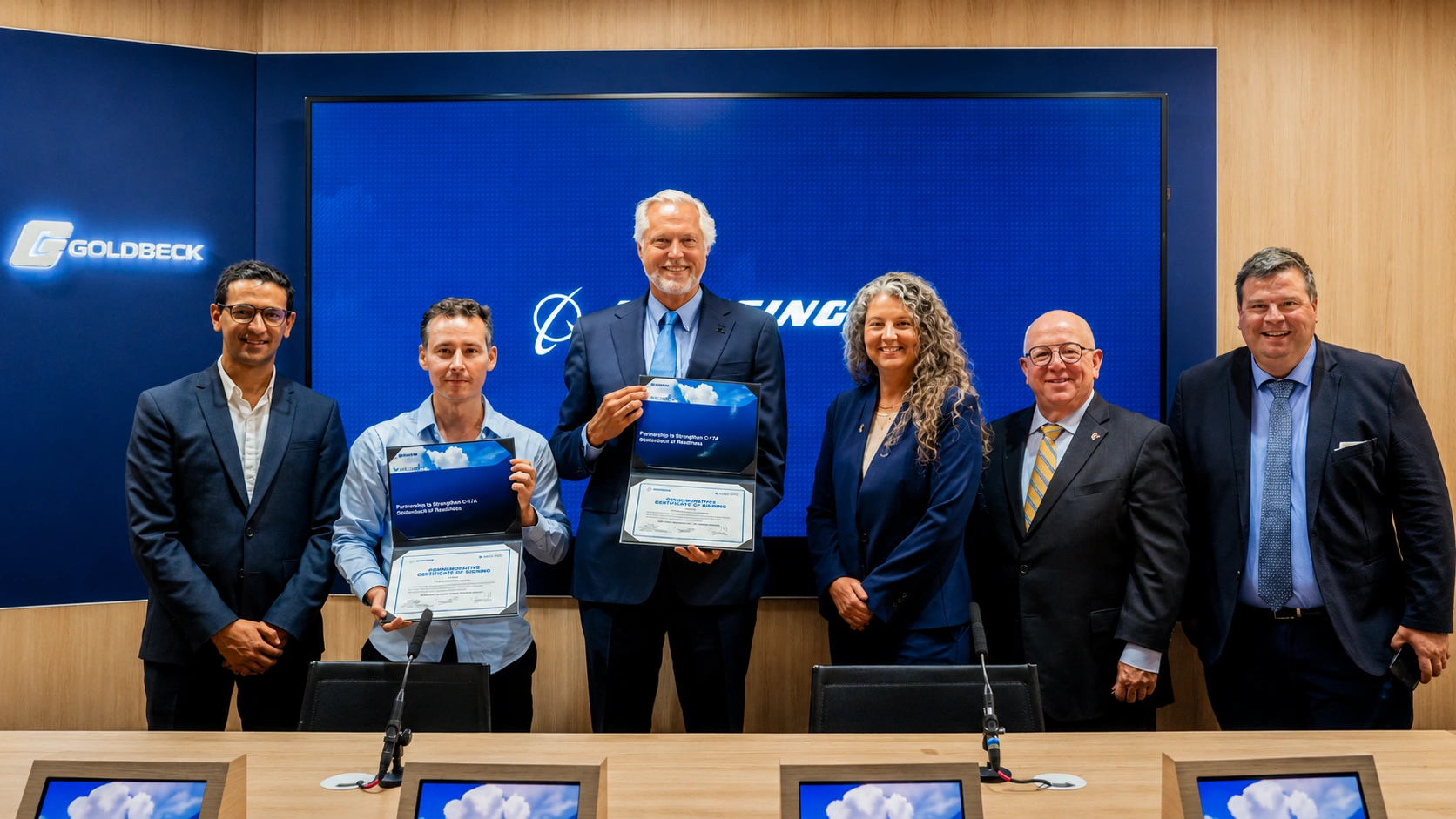
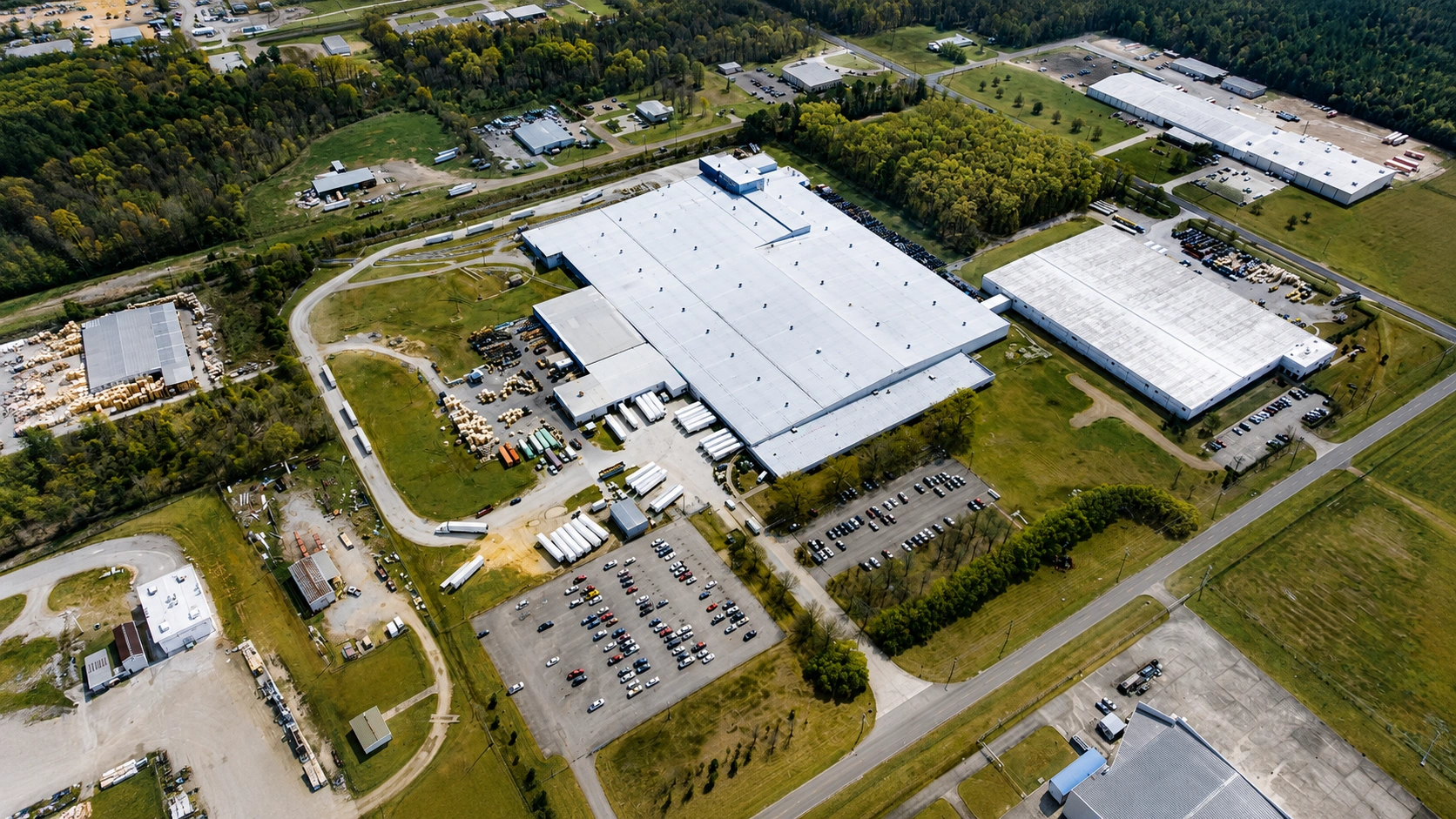
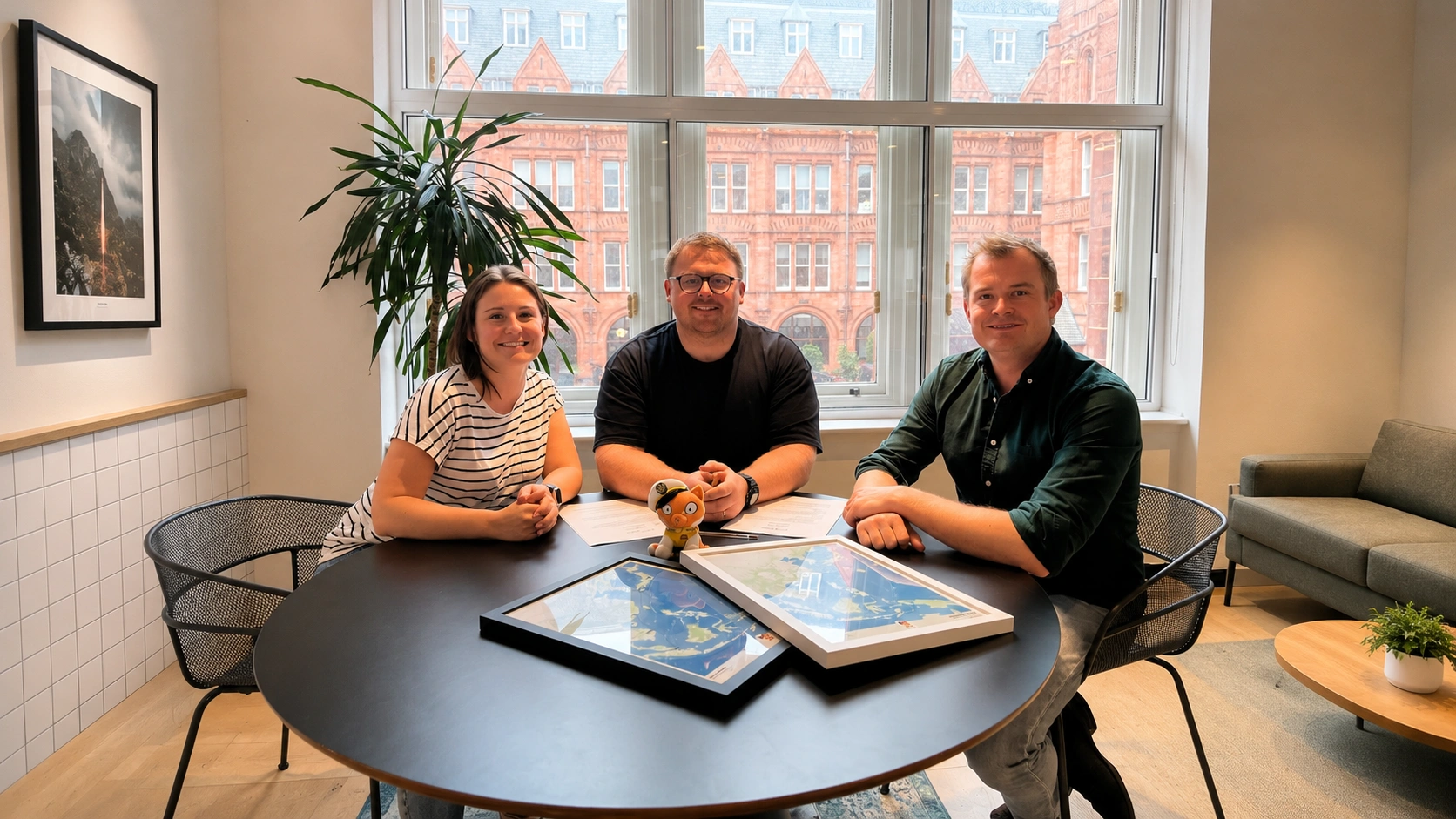
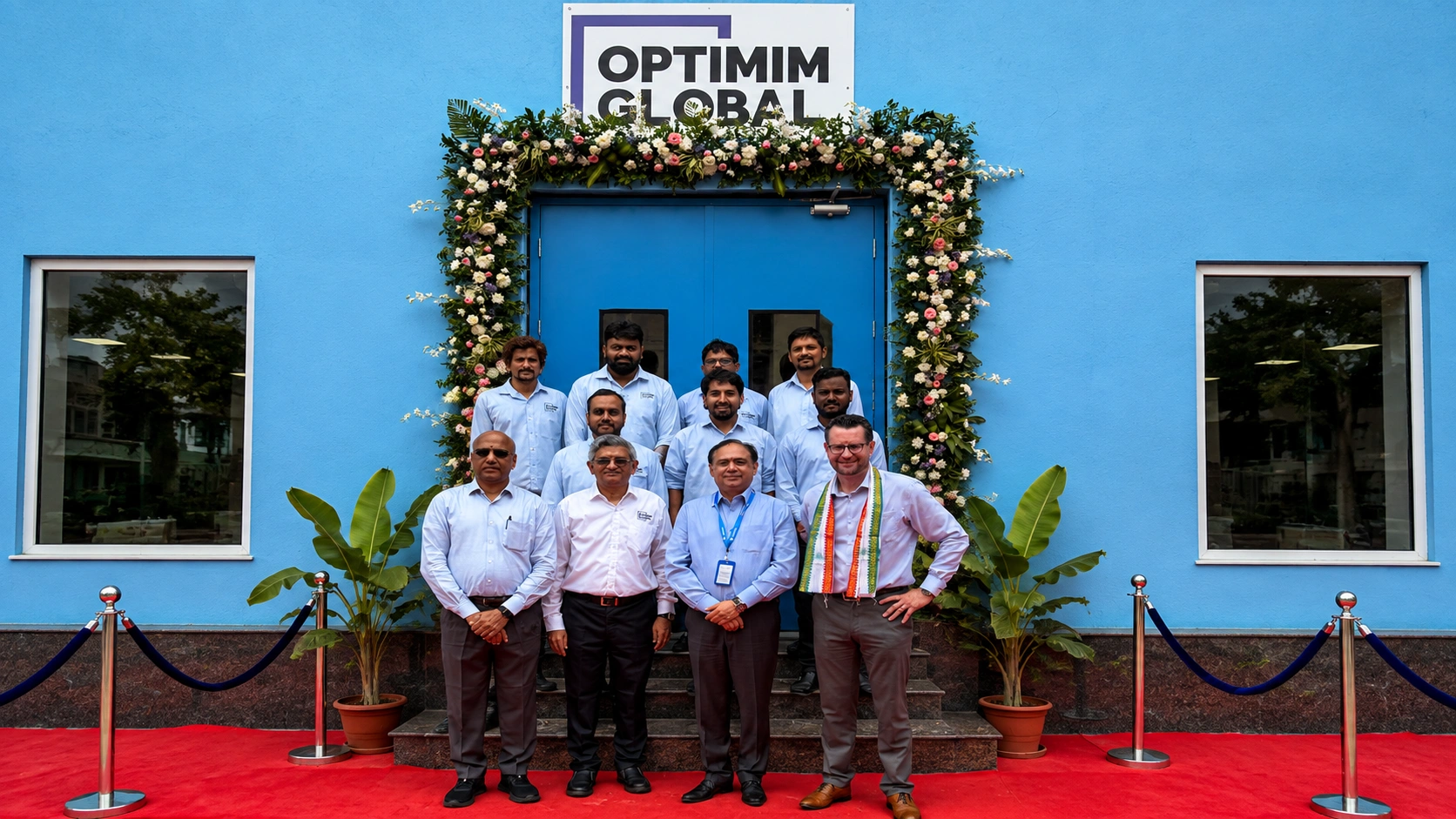
OptiMIM, a Form Technologies company, has officially opened a manufacturing facility in India through a joint venture with Vasantha Tool Crafts Pvt. Ltd. The site expands OptiMIM’s production network while establishing a regional base for metal injection molding, engineering collaboration and tooling support for customers across Asia, Europe and other markets.
Metal injection molding, or MIM, is used to manufacture complex precision components for applications where conventional production methods may be less practical. The new operation combines OptiMIM’s experience in the process with Vasantha’s tooling and manufacturing capabilities, creating a more integrated approach to component development and production. The facility will serve industries including medical, automotive, consumer electronics, industrial and aerospace.
The location also reflects the growing importance of regional manufacturing capacity within global production strategies. By placing engineering, tooling and manufacturing capabilities closer to customers in key markets, OptiMIM is seeking to improve responsiveness while complementing its existing operations rather than replacing them. That model can be particularly relevant for customers developing complex components that require ongoing coordination between design, tooling and manufacturing teams.
Vasantha brings an established manufacturing base to the partnership. Founded in Hyderabad in 1989, the company specializes in high-precision plastic injection molds and metal injection molding and says it has delivered more than 4,000 Class 101 molds worldwide. Its broader capabilities include robotic automation, 3D metal printing and in-house vacuum heat treatment, providing the joint operation with tooling and production expertise under the same partnership.
For OptiMIM, the opening represents more than an additional production site. It extends a manufacturing model built around combining global capacity with localized technical support, while giving customers another option for scaling precision components throughout the product lifecycle. As manufacturers weigh supply-chain resilience alongside cost, quality and speed, facilities that connect regional engineering expertise with global production networks are likely to play an increasingly important role in how specialized components move from development into larger-scale manufacturing.