
Converge AI is adapting its shared AI workspace for restaurant teams, connecting marketing, operations and guest engagement as operators look beyond isolated AI experiments.
Converge AI is extending its AI-native workspace into the restaurant industry, targeting the complicated mix of marketing, operations and guest engagement that multi-unit businesses manage every day. Following conversations with restaurant leaders and operators around CREATE 2026, the company is positioning its platform as a way to connect AI-assisted work across locations and departments rather than introducing another isolated tool.
That distinction reflects a practical challenge for restaurant groups, particularly those managing dozens or hundreds of locations with relatively lean corporate teams. Campaign launches, franchise communications, guest feedback, employee onboarding and unit-level performance can involve separate systems and workflows, making the usefulness of AI dependent not only on what individual tools can generate, but also on whether their output can be incorporated into routine operations.
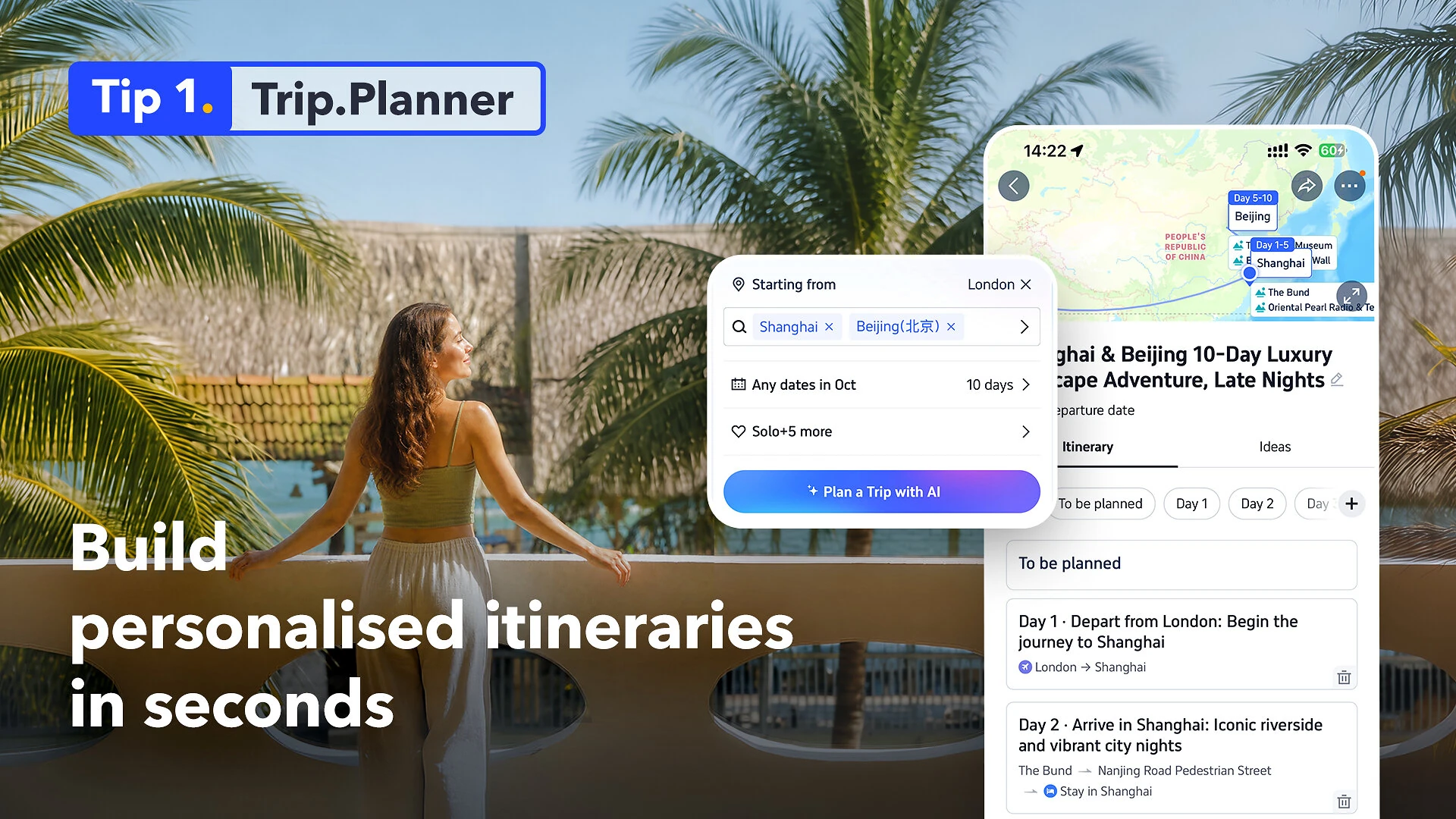
Converge AI approaches that problem through several specialized products operating within a shared context. Framia Pro generates campaign materials that can be localized by field and franchise teams, while Enter Pro lets operators build internal workflows and connect information without dedicated engineering support. Concat Pro focuses on areas such as creator partnerships, paid media and search, while Combos turns promotions and guest interactions into lightweight branded games.
The company is now evaluating how those capabilities could address specific restaurant needs, including analyzing performance across locations, consolidating feedback from multiple channels, supporting new market launches and automating multilingual communications. The broader premise is that useful business context should carry between tasks, reducing the need for teams to repeatedly move information among disconnected applications. How effectively that approach works across the varied technology environments of multi-unit restaurant groups will depend on implementation as much as the underlying AI.
The move reflects a wider maturation of the conversation around artificial intelligence in business. For restaurants, the central question is increasingly less about whether AI can produce content or analyze information and more about whether it can fit reliably into repetitive, location-specific processes without adding another layer of complexity. Converge AI’s restaurant push is ultimately a test of that proposition: whether bringing several AI functions into a connected workspace can make the technology useful enough to become part of everyday execution rather than remaining a collection of experiments.