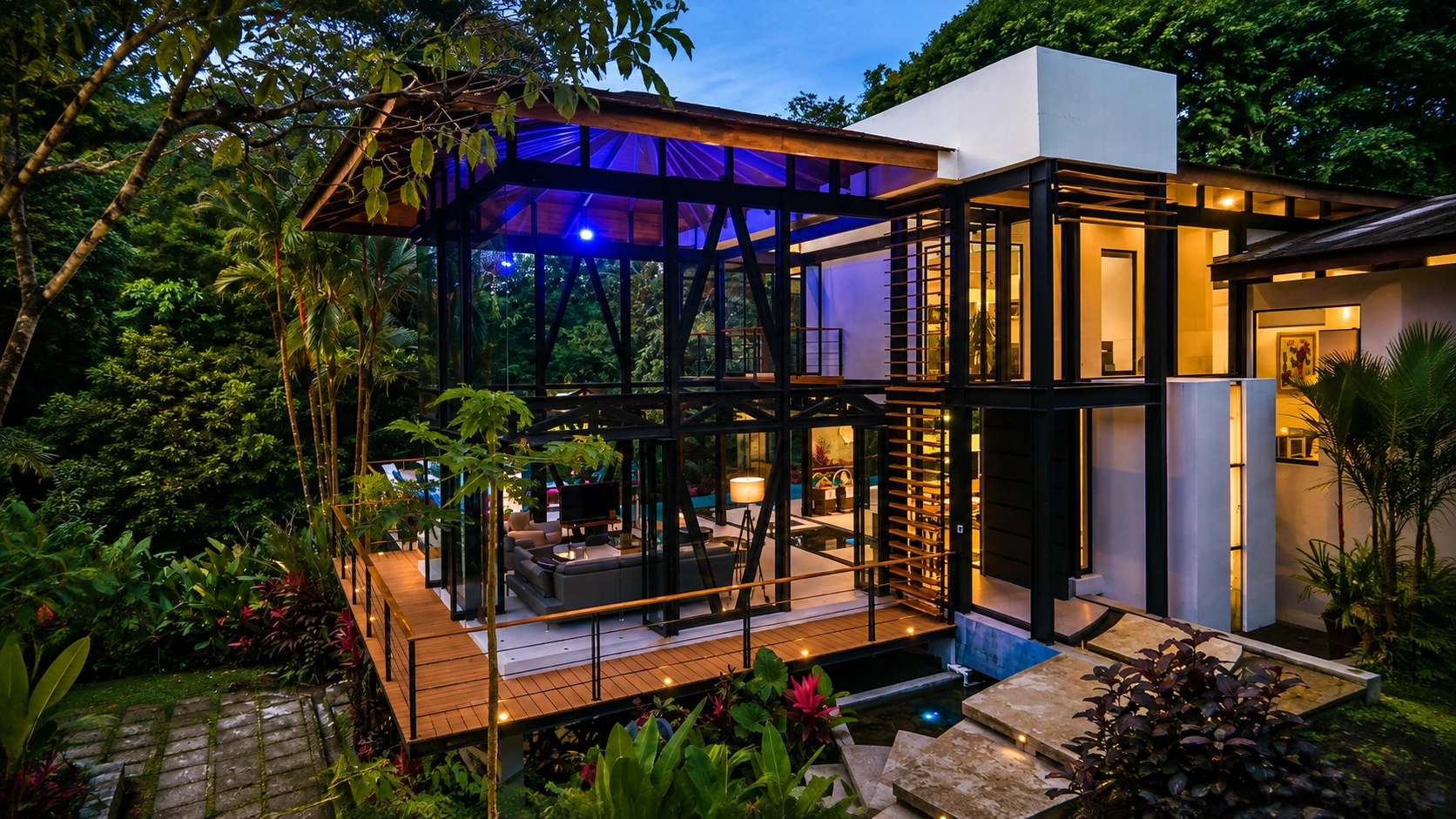
The Alexander Valley estate has brought production and visitor experiences together in a facility designed to make sustainability part of the wine business model.
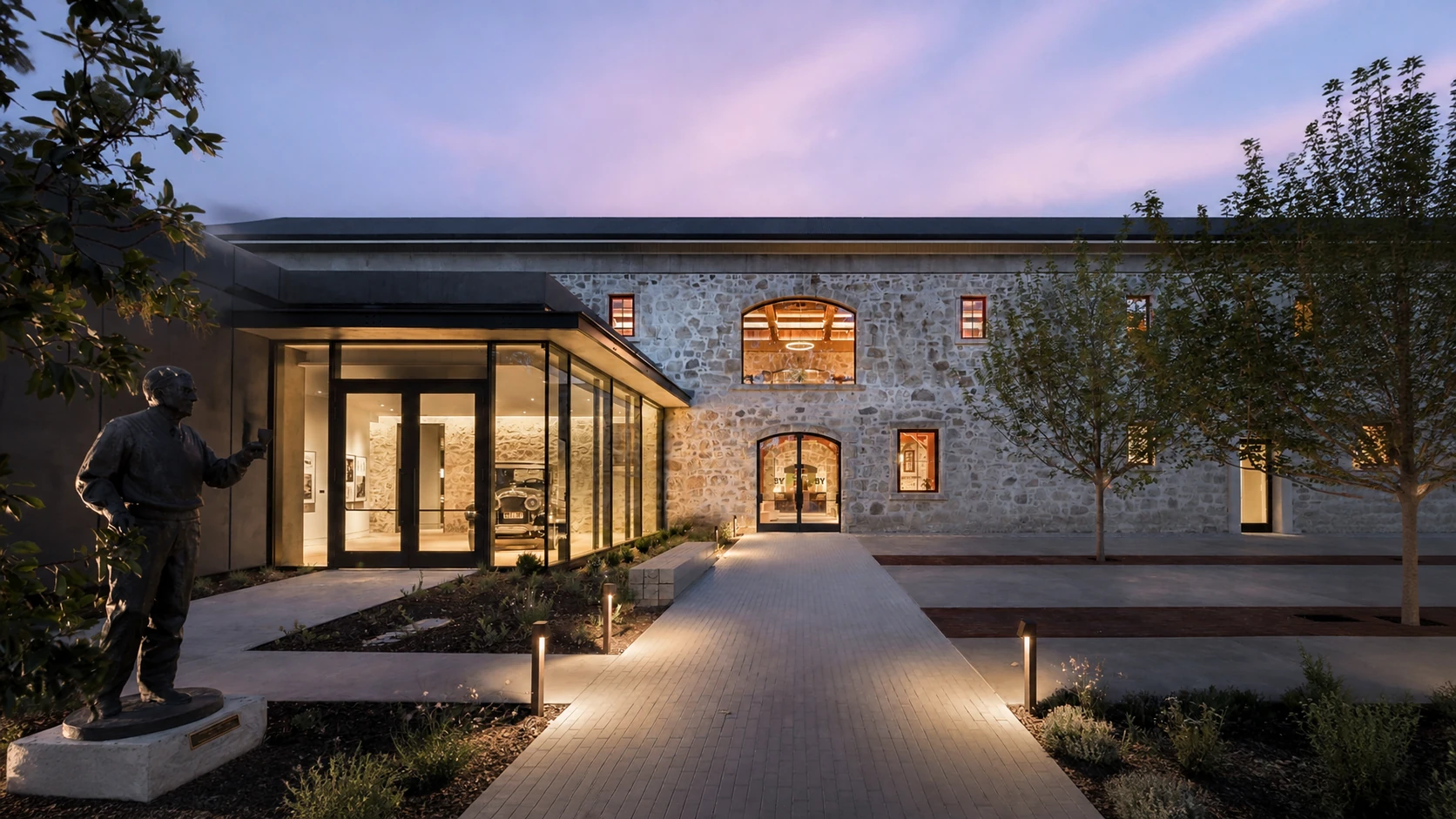
Skipstone has opened a new estate winery in Alexander Valley, bringing organic vineyard farming, precision winemaking and hospitality together on its 200-acre property. The family-owned estate describes the facility as a milestone after more than 25 years of environmentally responsible farming. The project is anticipated to achieve LEED Platinum certification, positioning the winery as both a production site and a visible expression of the estate’s environmental approach.
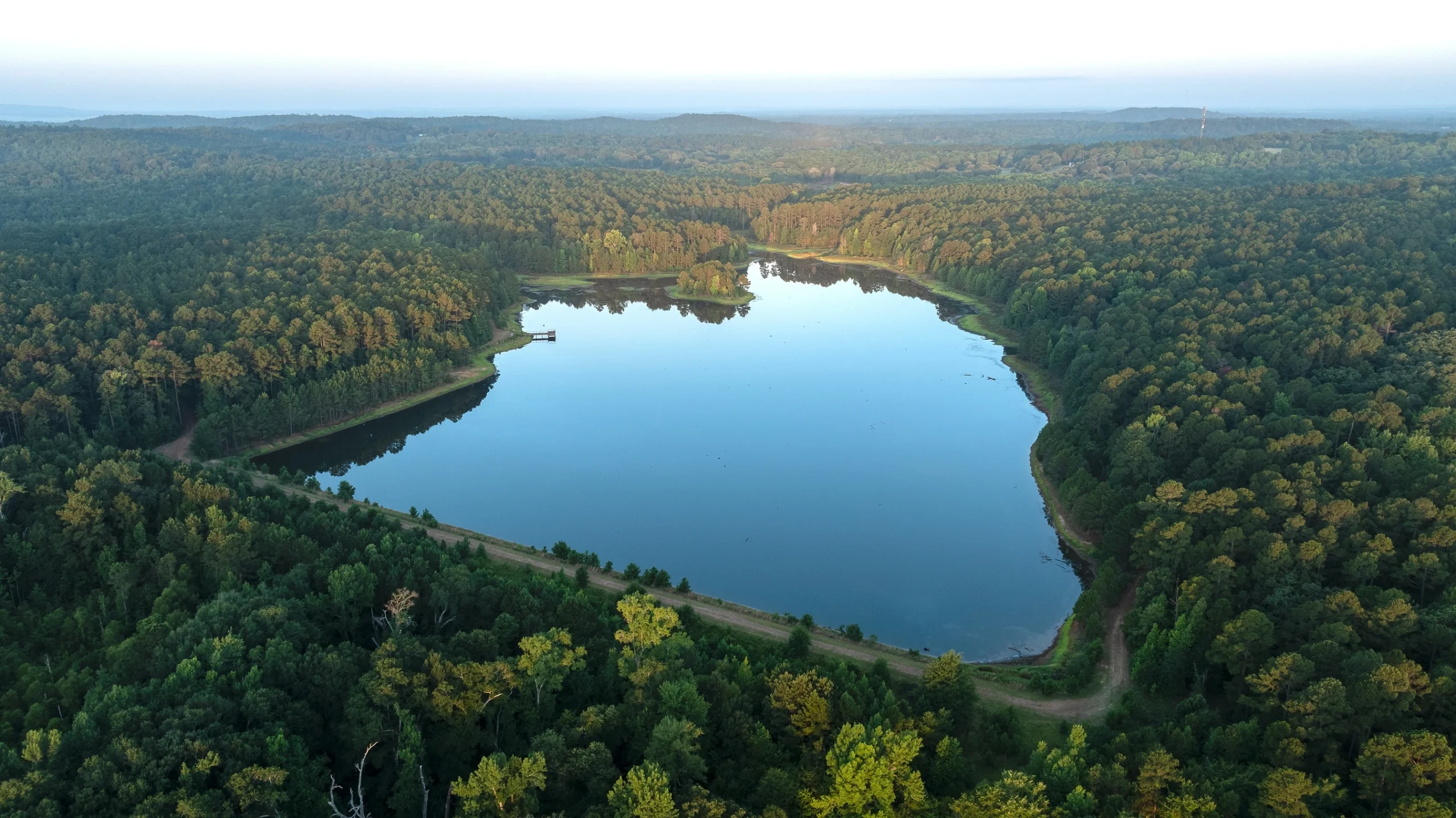
The development builds on Skipstone’s CCOF-certified organic status, which the company has held since 2008. The estate says this makes it the longest-tenured CCOF-certified vineyard in Alexander Valley, while vineyard manager Juan Alcantara oversees practices including biodynamic methods, native cover crops, homemade biochar and low-till cultivation. Sheep grazing, raptor perches, owl and bluebird boxes, and habitat corridors are also part of the property’s wider land-management system.
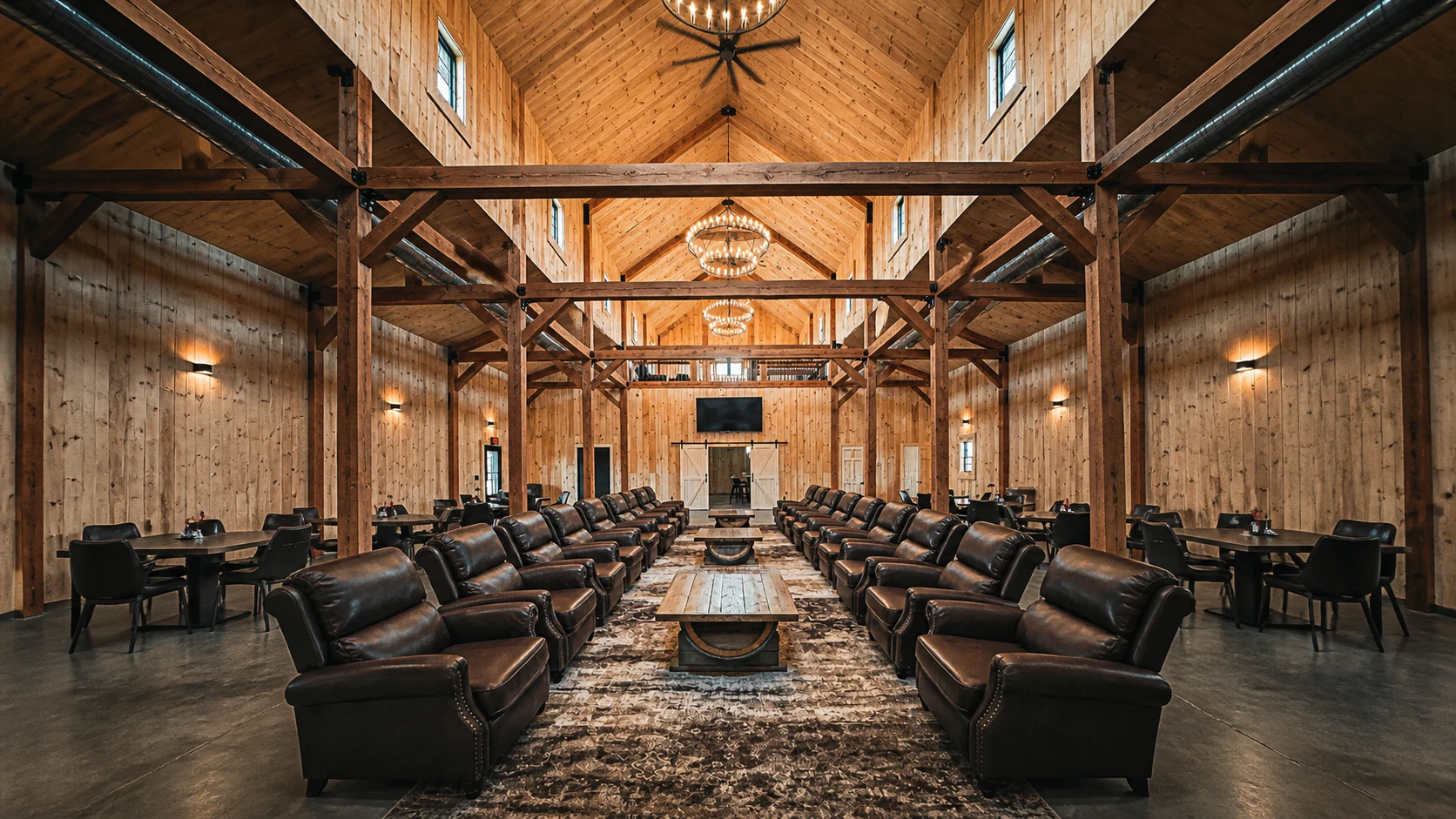
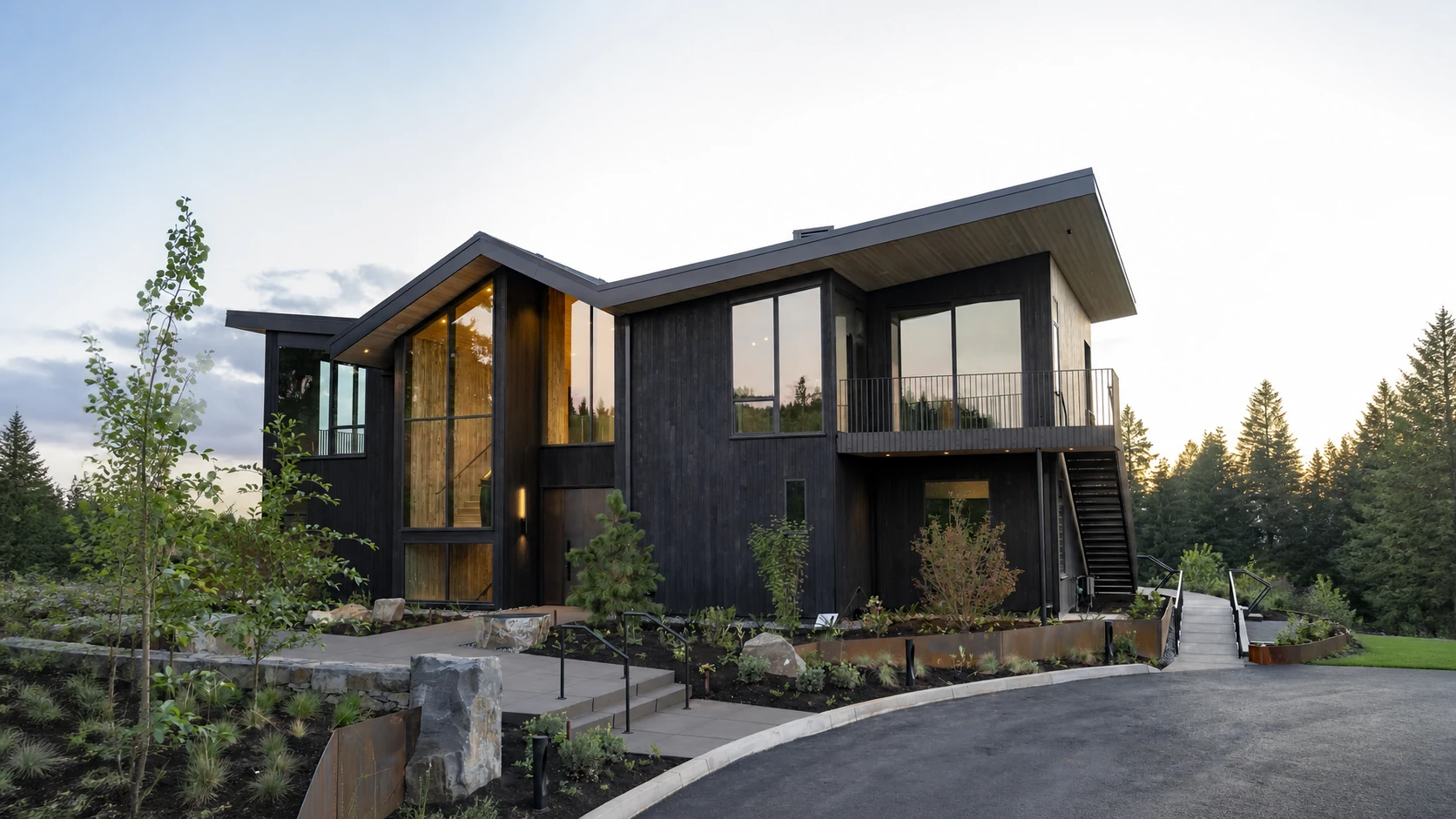
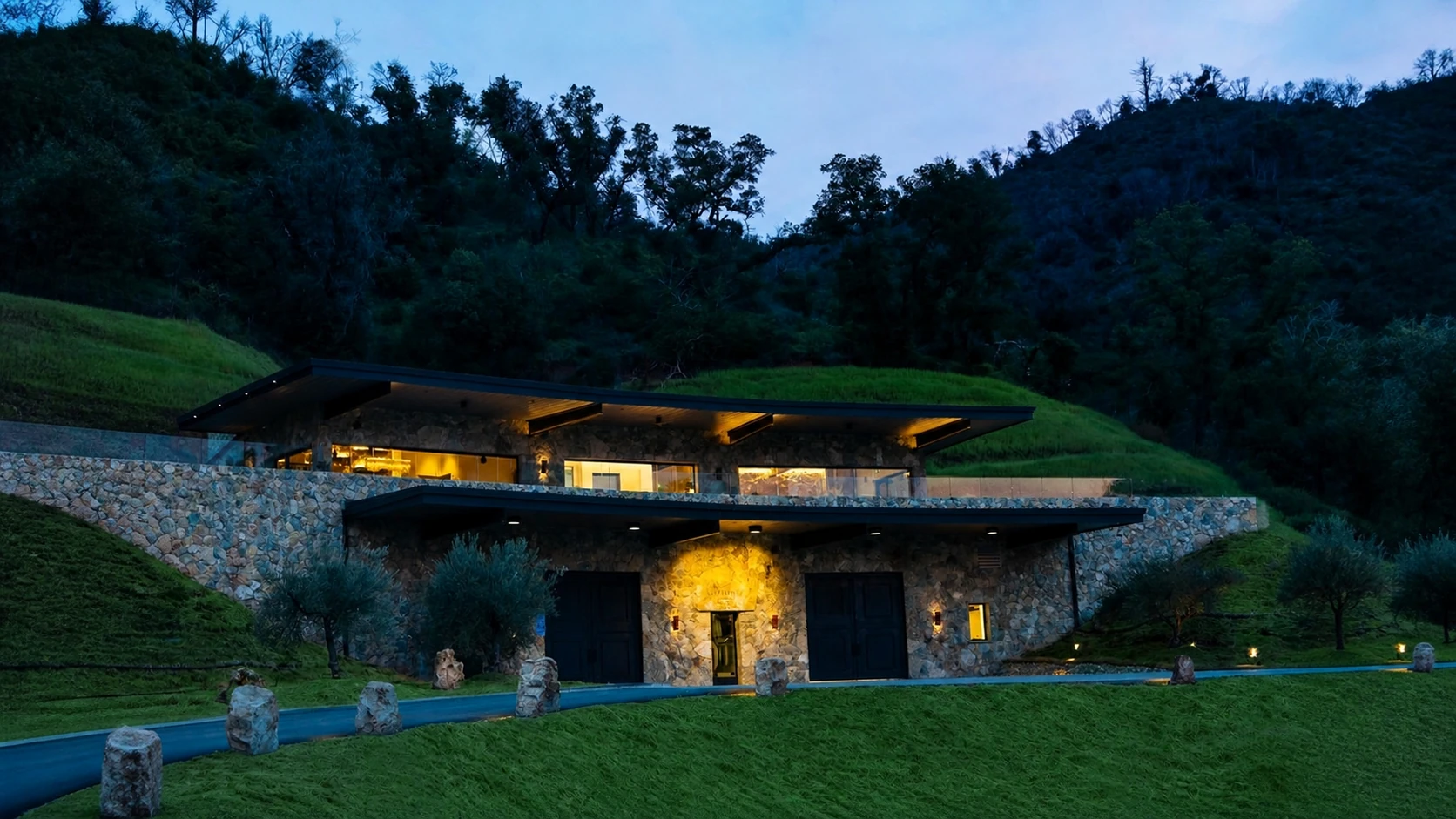
Sustainability is incorporated into the winery’s physical design as well as its farming practices. The building uses estate stone and reclaimed wood milled on site, while energy-efficient systems draw all of the facility’s electricity from a 225-kW solar array. A living green roof is intended to improve insulation and support biodiversity, and much of the 7,700 square feet of production space is underground to help maintain stable temperatures and reduce energy consumption.
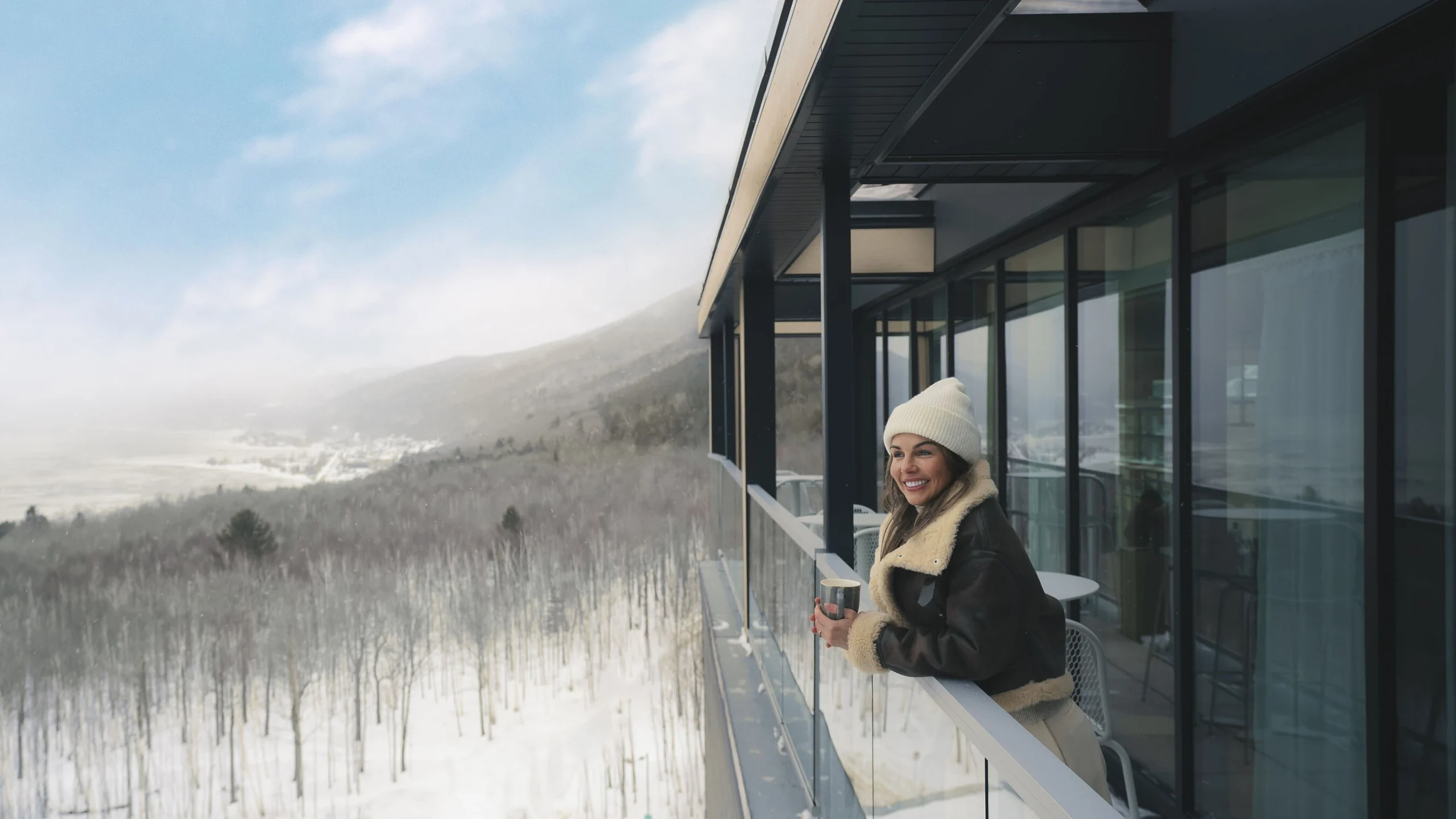
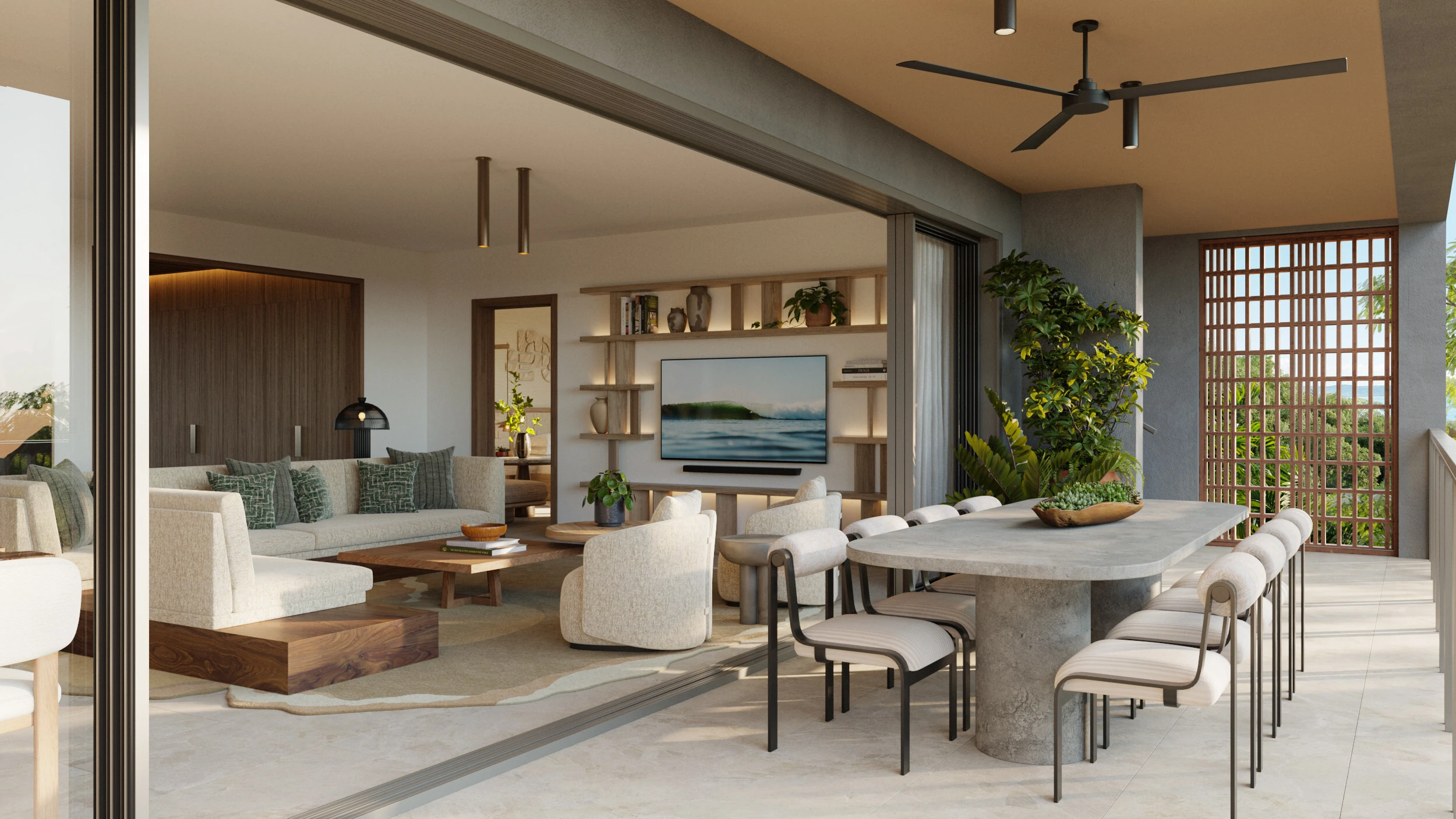
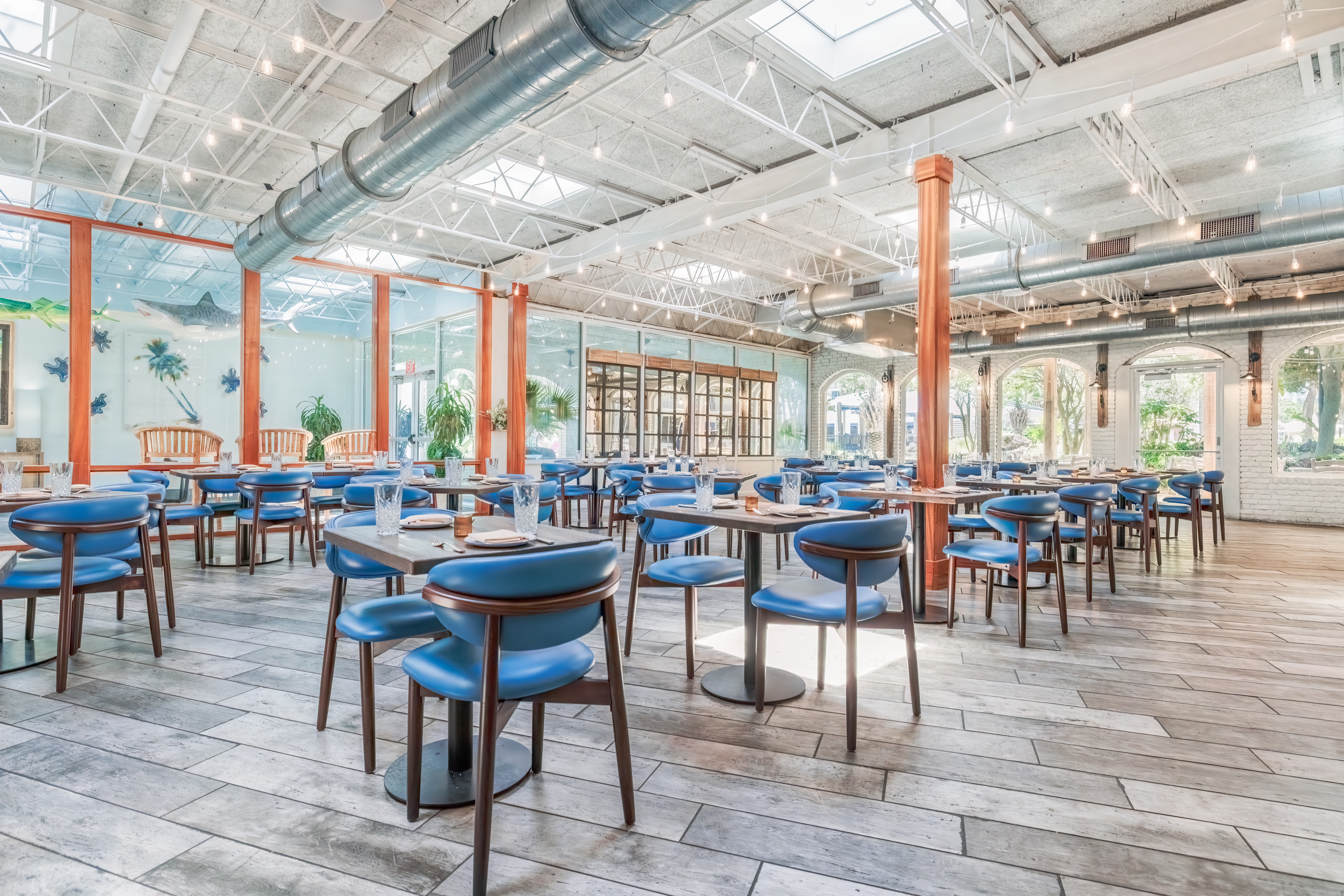
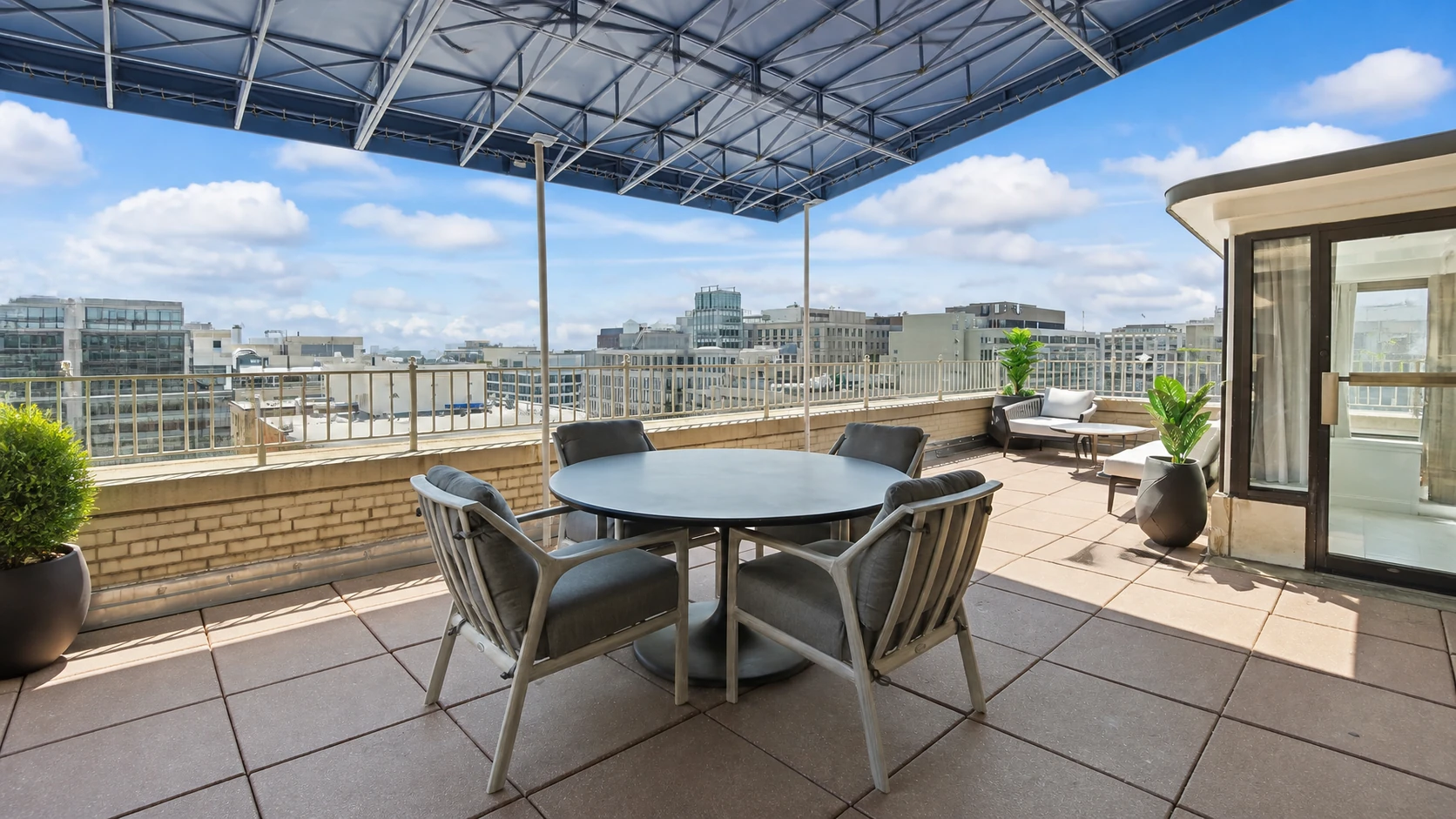
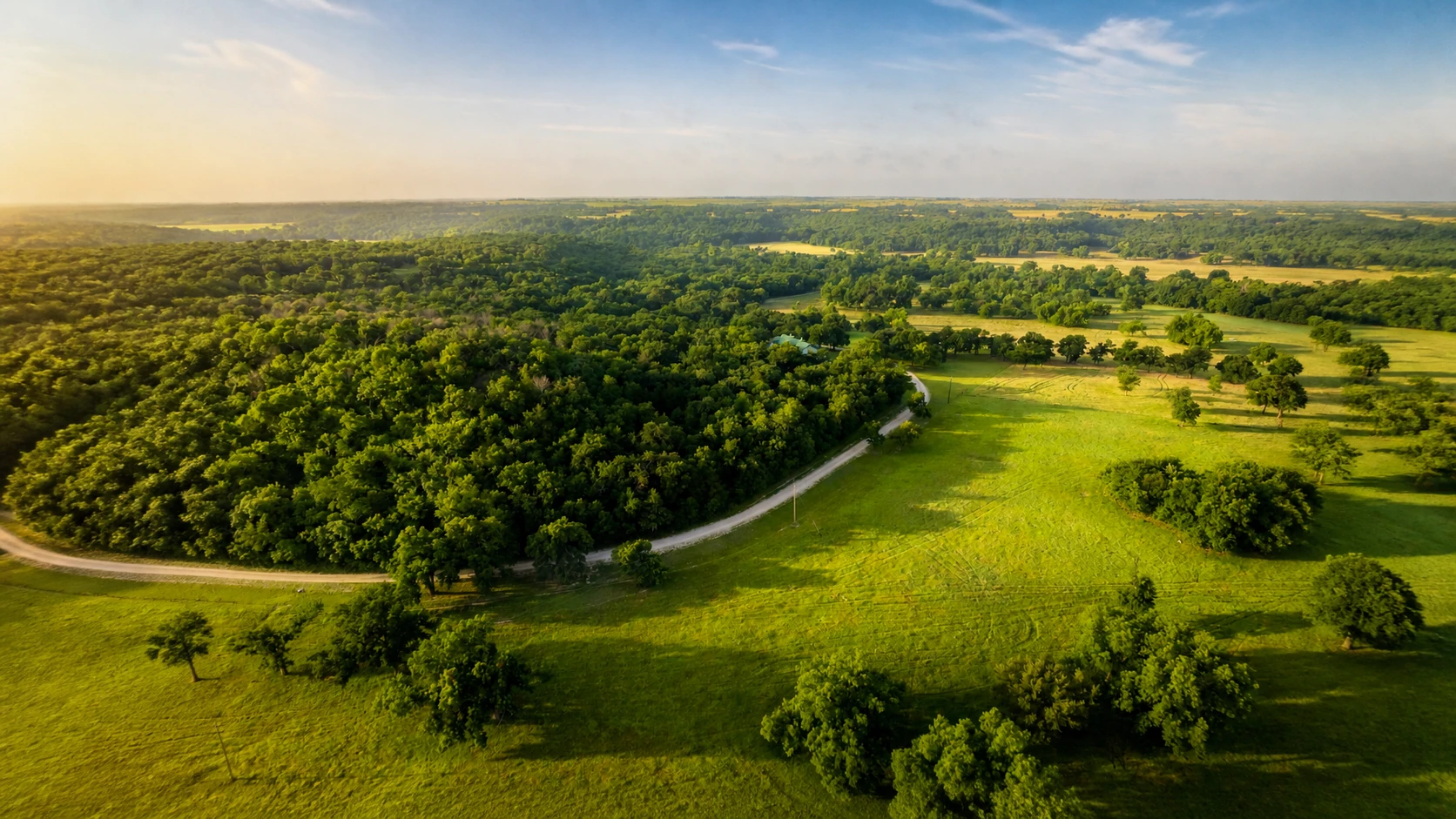
Above ground, a hospitality level opens towards views of the estate’s amphitheatre-like vineyards. Winemaker Laura Jones, formerly of Aubert Wines and Cliff Lede Vineyards, leads small-lot production in collaboration with consulting winemaker Philippe Melka, who has worked with the estate since 2006. Visitors can book private seated tastings by appointment, with four wines paired with seasonal bites sourced from the estate’s culinary gardens and local purveyors, either indoors or on a wraparound patio.
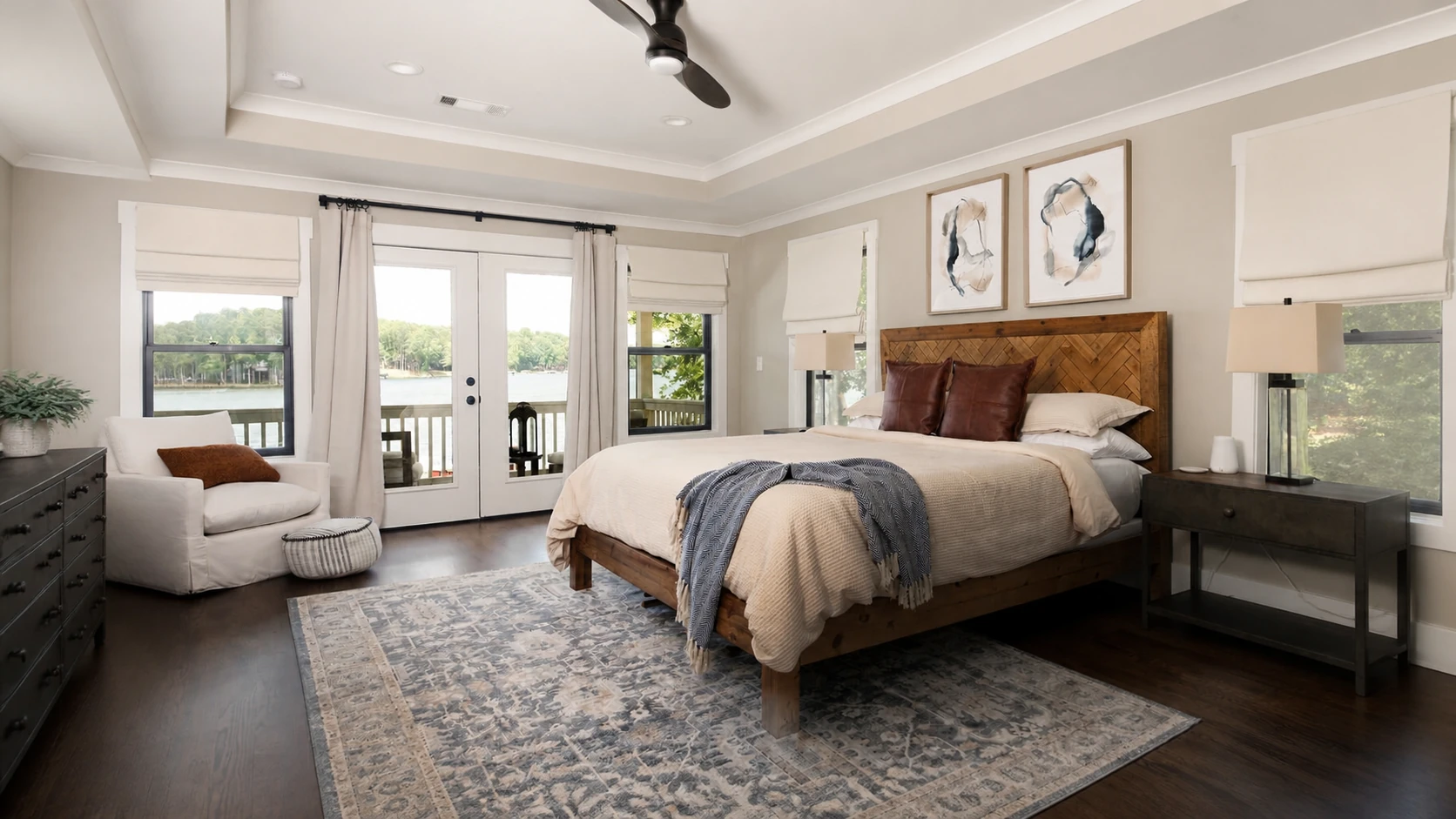
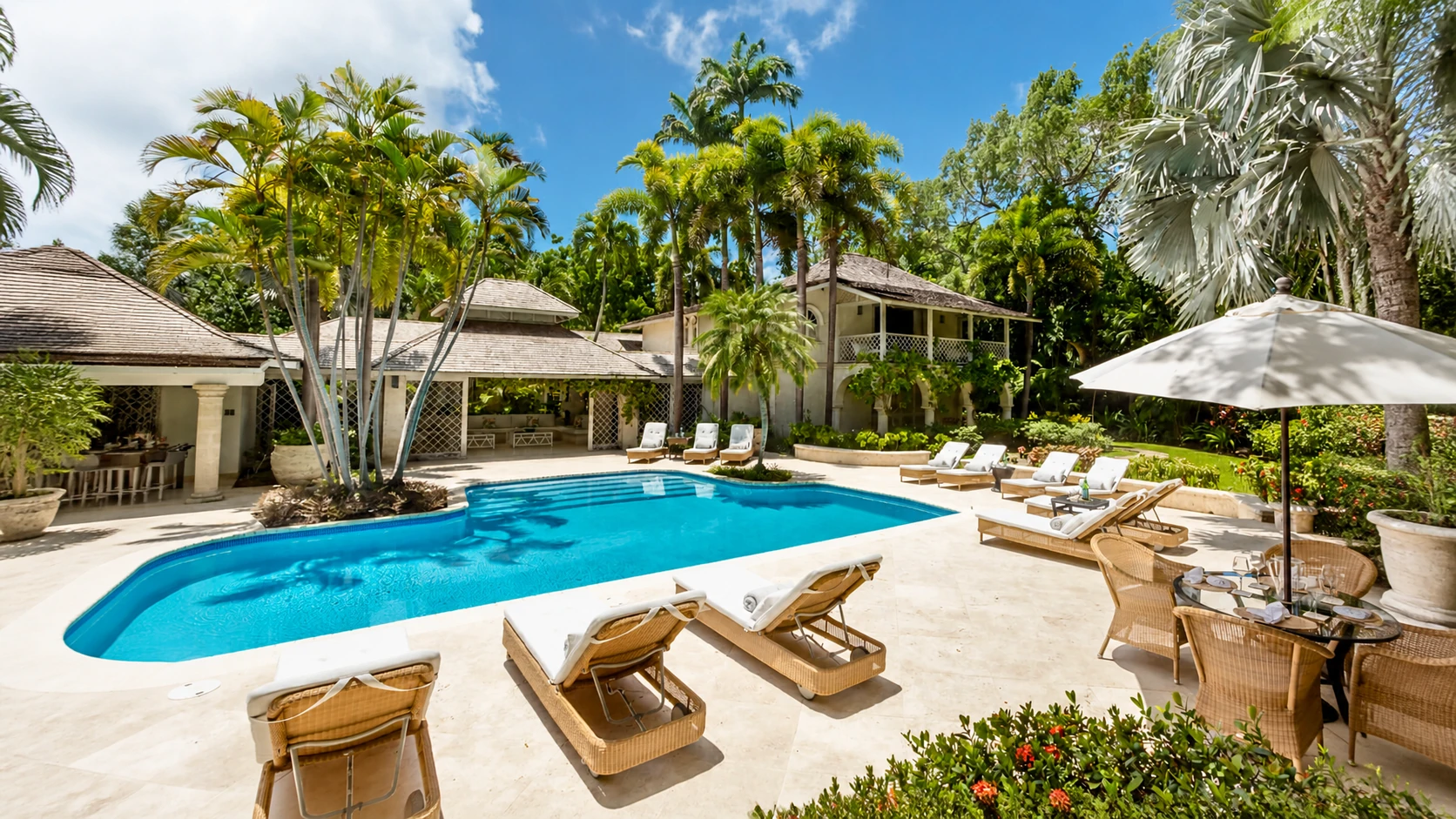
The winery also gives Skipstone a platform for a broader programme of estate-based experiences, including wine dinners, cycling events, communal brunches and other activities centred on its wines and sustainable farming philosophy. Its property includes a 27-acre vineyard, olive orchards and the five-bedroom Residence at Skipstone, which is available for overnight stays. By combining production, hospitality and accommodation in one setting, Skipstone is presenting sustainability not only as a farming principle but also as part of the visitor proposition surrounding its limited-edition Bordeaux-style wines.