From humanoid robots and professional monitors to vehicle interiors, LG Display is using its latest OLED technologies to make screens more adaptable across everyday environments.
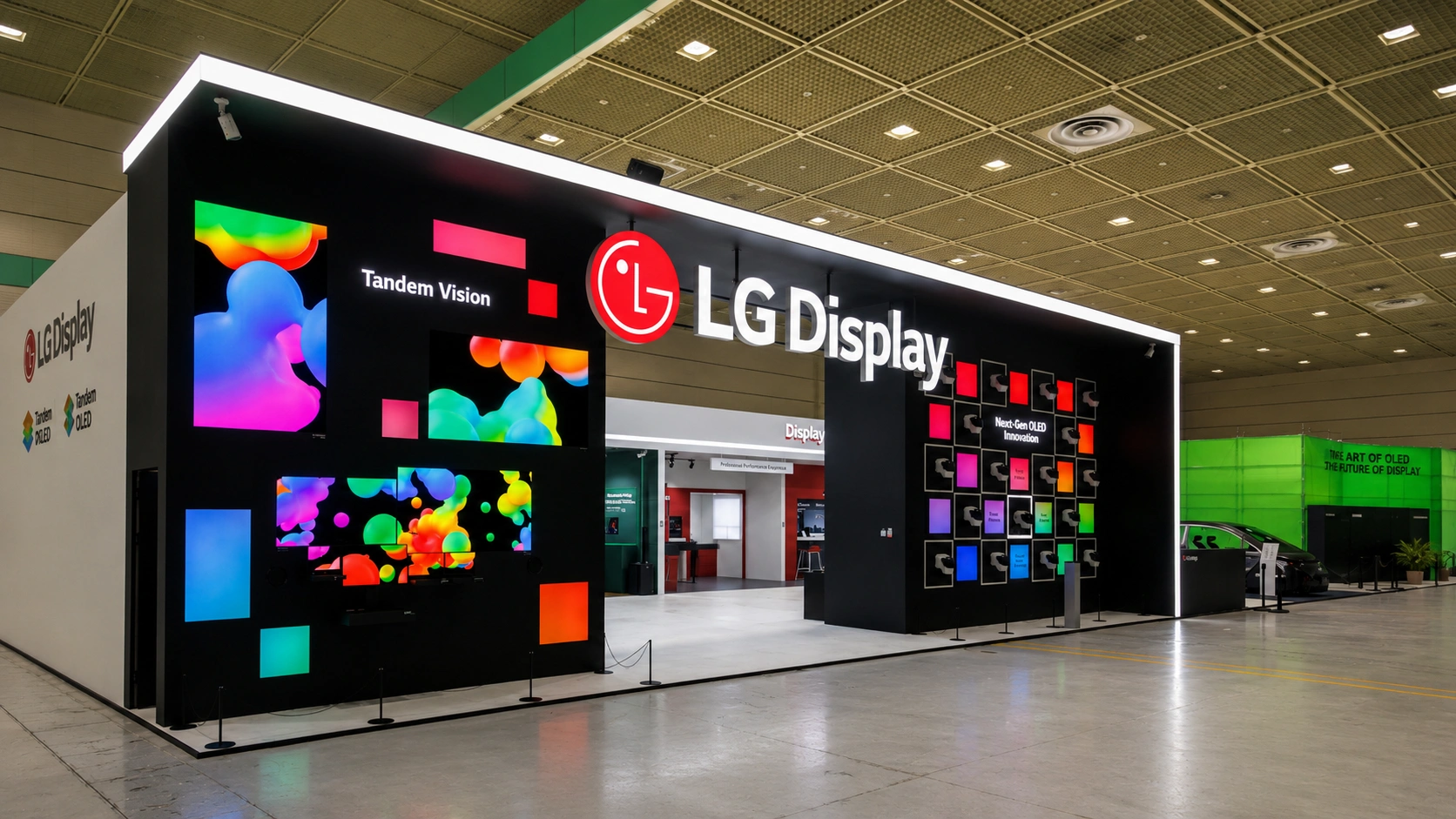
LG Display is using K-Display 2026 in Seoul to make the case that OLED technology is moving well beyond televisions and smartphones. Across an exhibition spanning home, workplace and mobility applications, the company is showing displays for humanoid robots, professional monitors, laptops, vehicles and other devices, reflecting an industry push to make screens more specialized for the environments in which they operate.
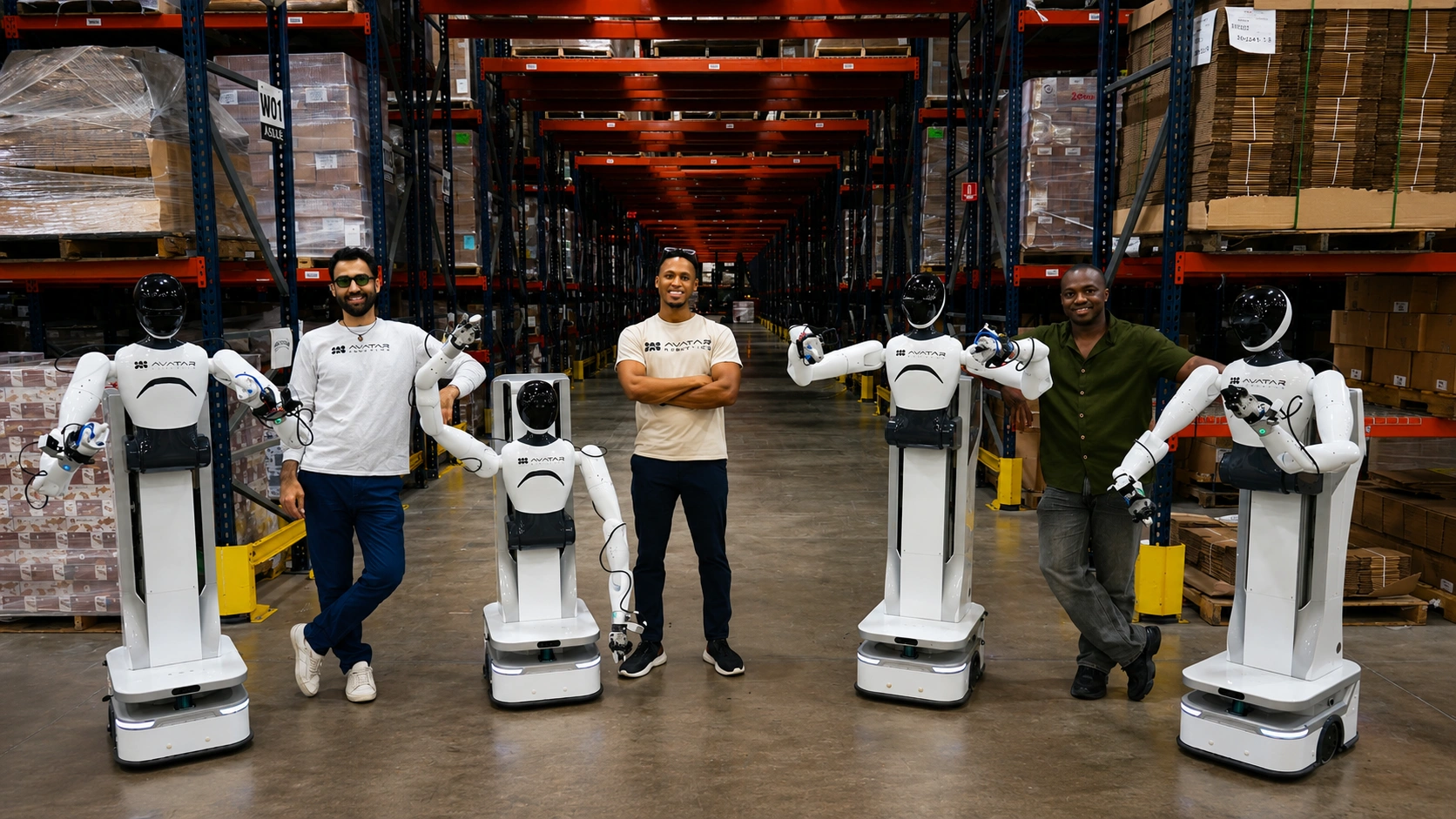
One of the more unusual applications is a P-OLED display intended for the emerging humanoid robot market. Originally applied to automotive displays and later expanded to IT devices, the thin and lightweight technology is designed to operate between -30°C and 85°C, a range relevant to machines working in demanding industrial conditions. Its appearance alongside an 83-inch OLED media wall illustrates how manufacturers are adapting related display technologies for products with very different physical and operational requirements.
Performance remains another focus, particularly as gaming and professional computing place greater demands on displays. LG Display is showing Gaming OLED panels including a 24.5-inch model with a 540Hz refresh rate, a 27-inch DFR model reaching 720Hz and a 39-inch 5K panel. For professional users, the company is introducing a 27-inch 5K OLED with 220 pixels per inch and an RGB stripe structure, positioning it for applications such as graphic design, stock trading and medical work.
Other developments center on balancing visual performance with power consumption. A 16-inch laptop OLED can shift between refresh rates of 20Hz and 120Hz depending on what is displayed, while new LTPO-based panels for tablets, smartphones and smartwatches are designed to reduce battery use while increasing brightness. For televisions, LG Display’s Primary RGB Tandem 2.0 technology reaches a stated peak brightness of 4,500 nits while keeping reflectance below 0.3%.
The company is also exploring how flexible displays could reshape vehicle interiors, including a 48-inch screen stretching across the dashboard and an 18-inch OLED that slides down from the rear ceiling. Taken together, the concepts at K-Display suggest that the next phase of display competition may be defined less by a single breakthrough screen and more by how effectively OLED can be adapted to increasingly varied devices, spaces and use cases.