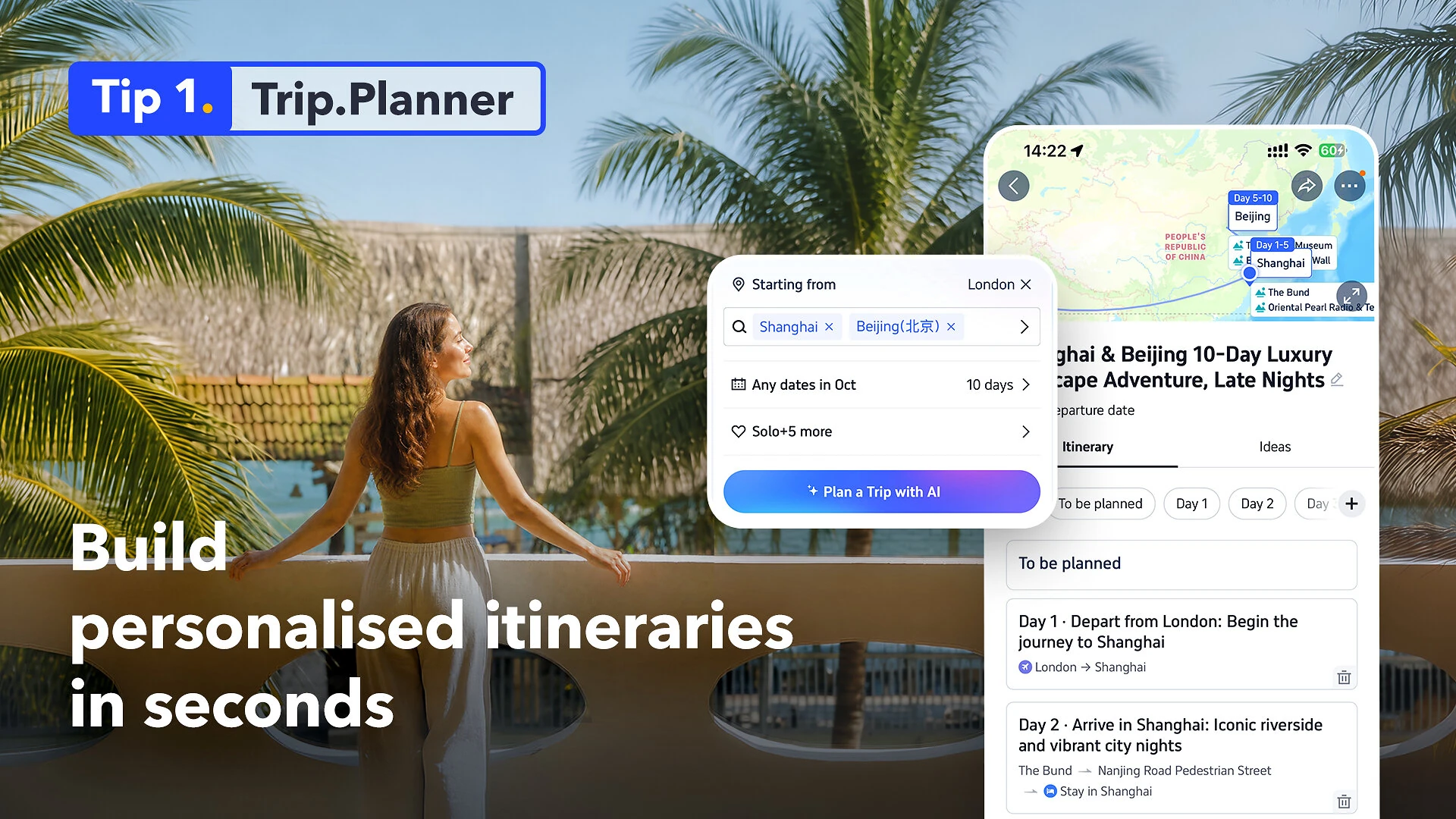
Trip.com is expanding its travel proposition beyond bookings with AI tools and destination services intended to ease planning, translation, discovery and travel assistance.
Trip.com is positioning its travel platform as support for the moments that happen after a flight or hotel has been booked, using AI tools and destination services to address common sources of travel stress. In a July 20, 2026 release, the company highlighted Trip.Planner, TripGenie’s Menu Assistant, Live Translation and Image Recognition, alongside attraction bookings, rail services and customer support. The announcement matters because it presents travel technology as a companion for navigating a destination, rather than only as a way to arrange the journey. Trip.com says these services are designed to make travel easier, faster and more intuitive.
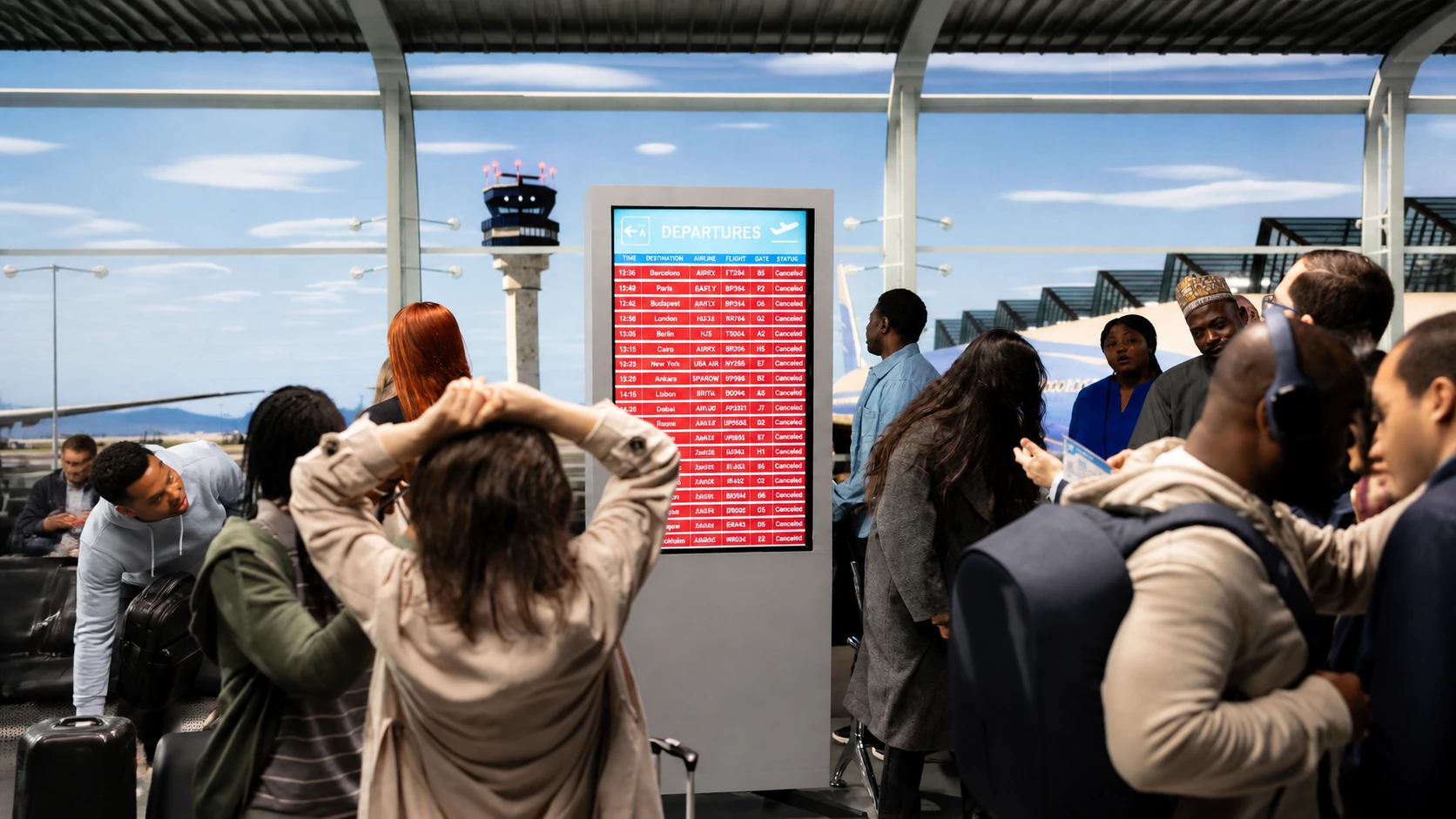
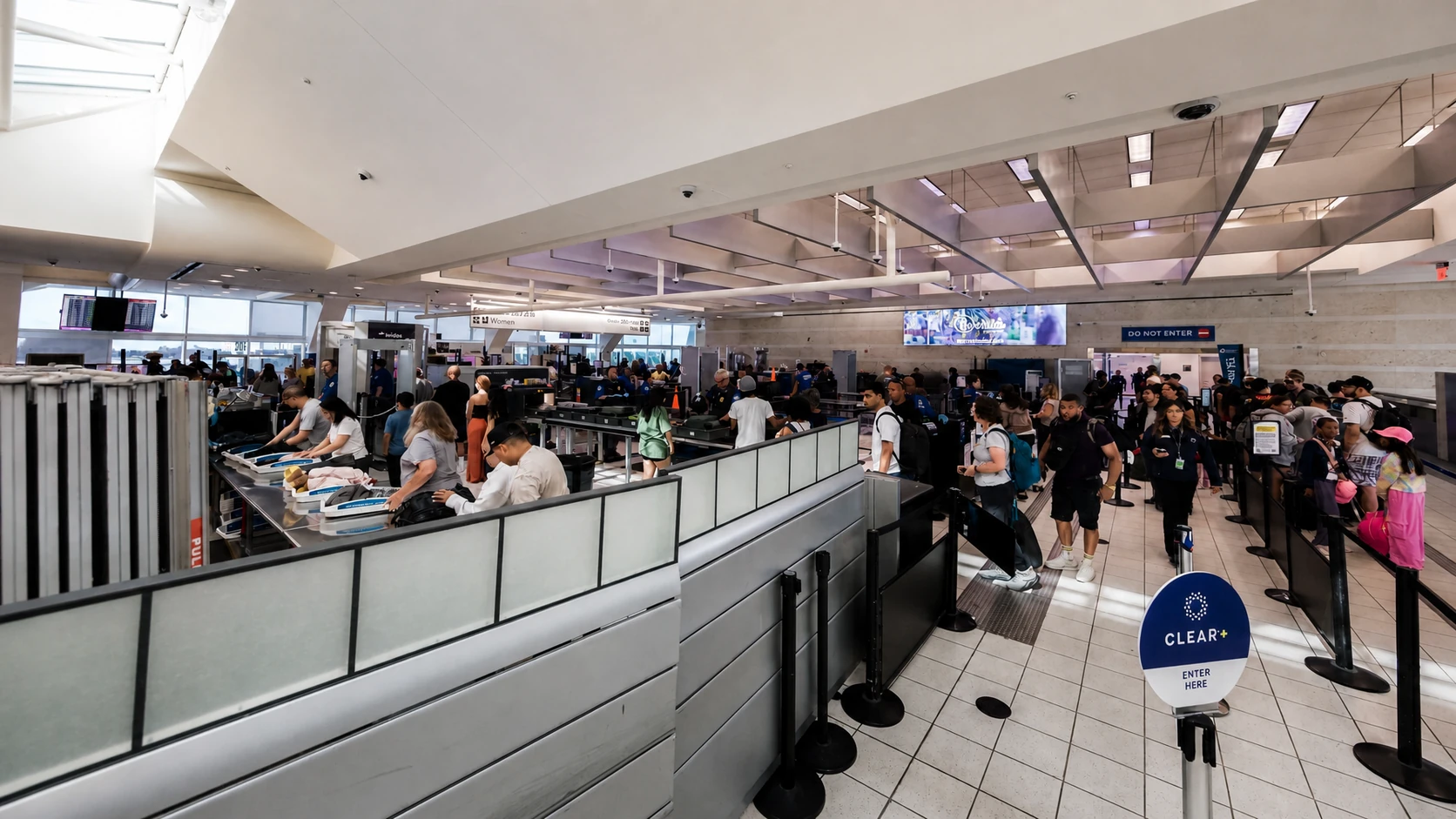
The company’s stated focus is the gap between itinerary planning and the practical decisions travellers make while away. Its release points to unfamiliar languages, restaurant menus, train systems, attraction queues and unexpected disruptions as situations that can turn an otherwise exciting holiday into a more difficult experience. Trip.com says travellers are looking for tools that help them navigate these in-between moments, not simply places to stay or flights to book. That framing places the announcement within a narrow shift from transaction-led travel services towards broader trip support.
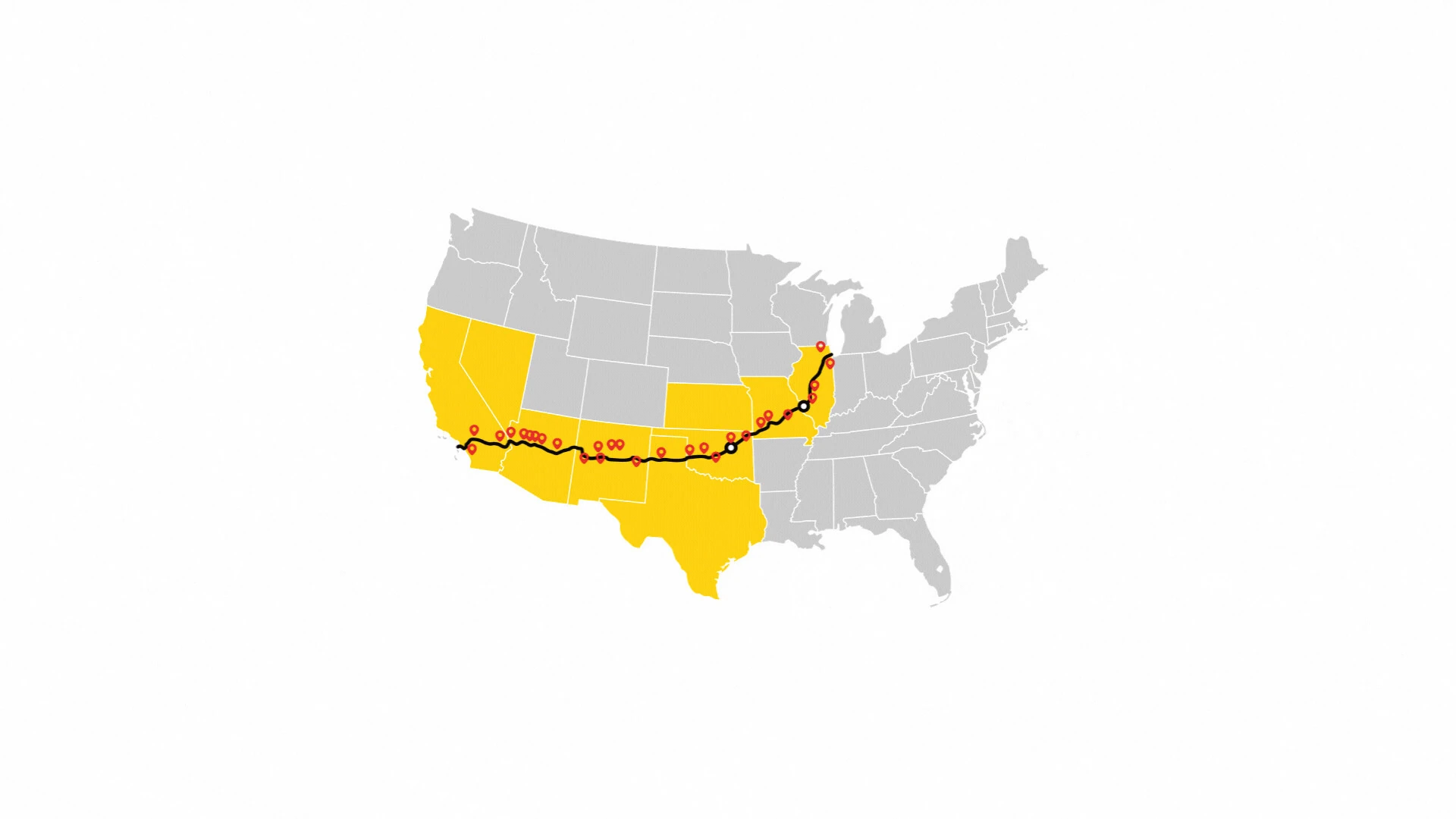
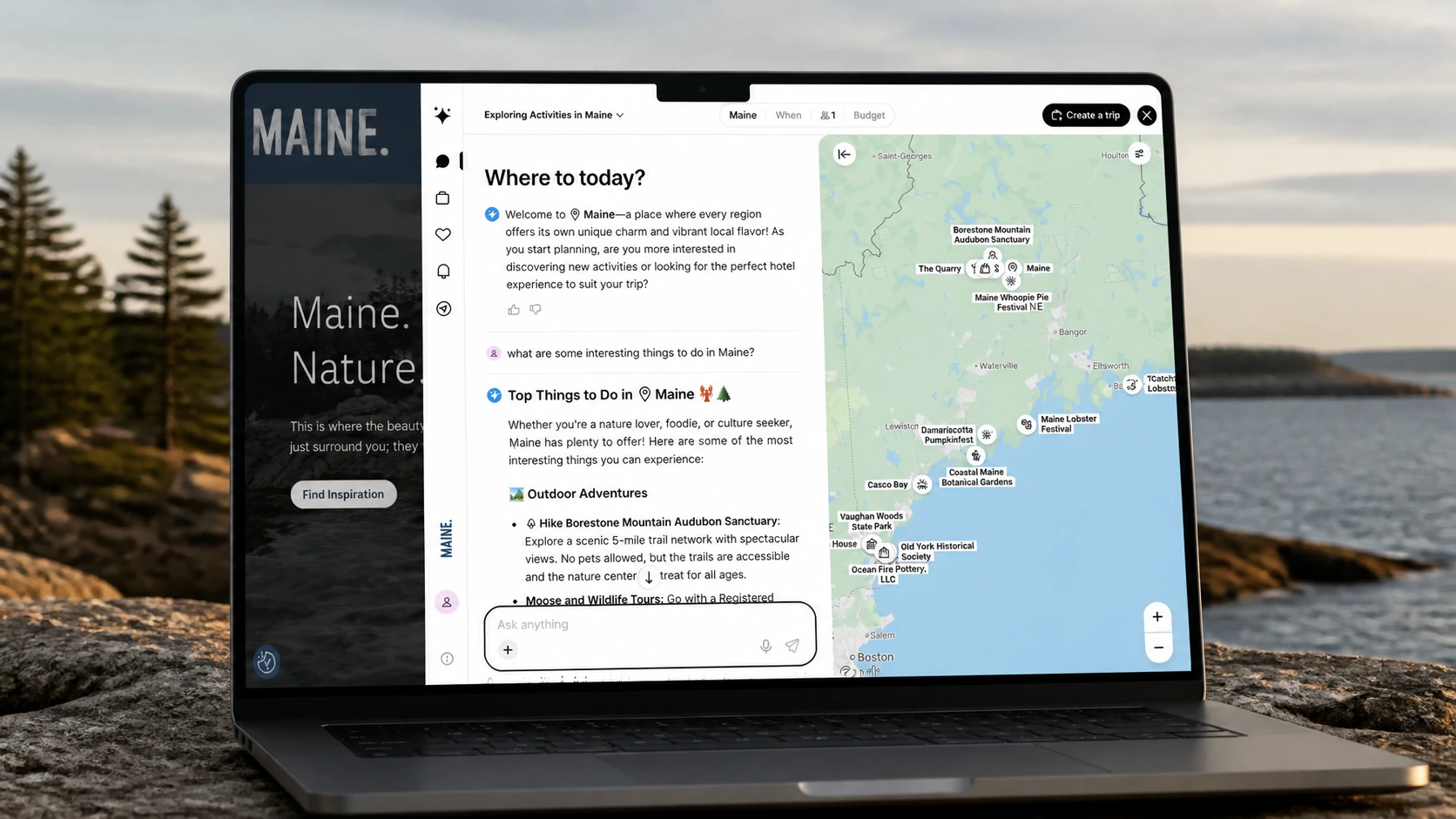
Trip.Planner can create personalised itineraries using travel style, trip duration and preferences, while TripGenie’s Menu Assistant is designed to help users scan menus and understand dishes. The Live Translation feature supports real-time conversations, and Image Recognition can identify attractions and provide additional information through a phone camera. Beyond the AI functions, Trip.com says travellers can pre-book attractions, choose packages, book train tickets and access regional rail passes, airport express services and flexible ticketing options across Europe and Asia, including the UK, France, Germany, Spain, Italy, Japan, China and South Korea.
The release also emphasises assistance when plans do not run smoothly. Trip.com says its customer support operates 24/7 across time zones, while its SOS features are intended to help travellers access support more quickly in unexpected situations. Together with itinerary, translation and discovery tools, those services give the platform a wider operational role during a trip. The company describes the ecosystem as reflecting changing expectations around travel, with support extending from planning and discovery to navigation and assistance.
Trip.com states that its service is available in 27 languages, 48 countries and regions, and 44 local currencies. Its release also describes a network covering more than 1.7 million hotels and flights from over 680 airlines, more than 350,000 in-destination activities, and 3,500 airports in 220 countries and regions. Those figures are company-provided, while the more immediate development is the effort to connect booking infrastructure with tools for interpreting, organising and navigating travel. The announcement therefore leaves Trip.com pursuing a broader definition of what a travel platform can provide once the booking is complete.