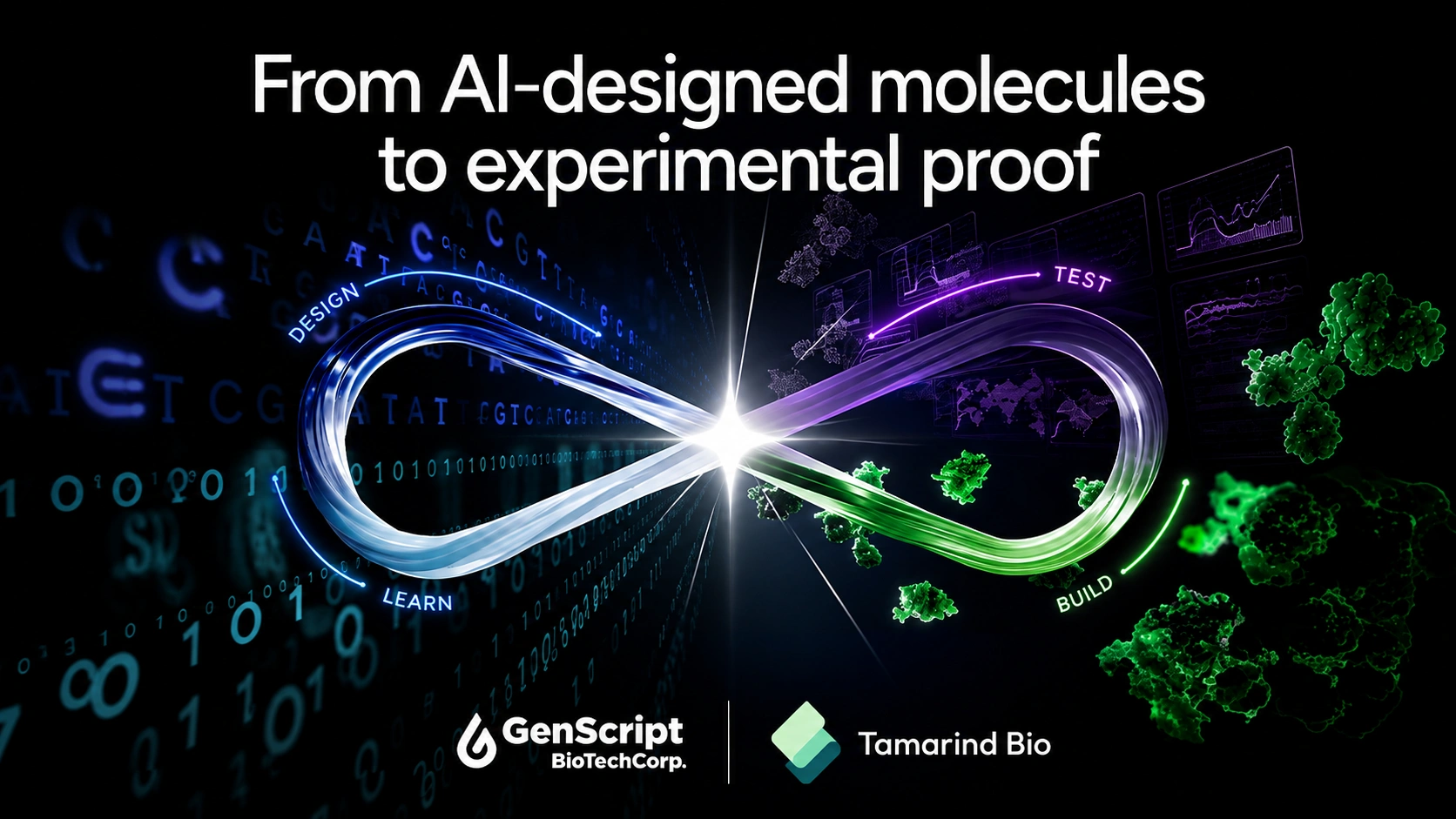
The partnership links computational molecular design with wet-lab testing, addressing a growing challenge as AI enables researchers to generate candidates faster than they can validate them.
GenScript Biotech Corporation and Tamarind Bio are connecting artificial intelligence-driven molecular design with laboratory validation in an effort to shorten the path between computational ideas and experimental evidence. The partnership reflects an increasingly important issue in AI-enabled drug discovery: generating potential molecules is becoming faster, but determining which candidates actually work still requires physical testing.
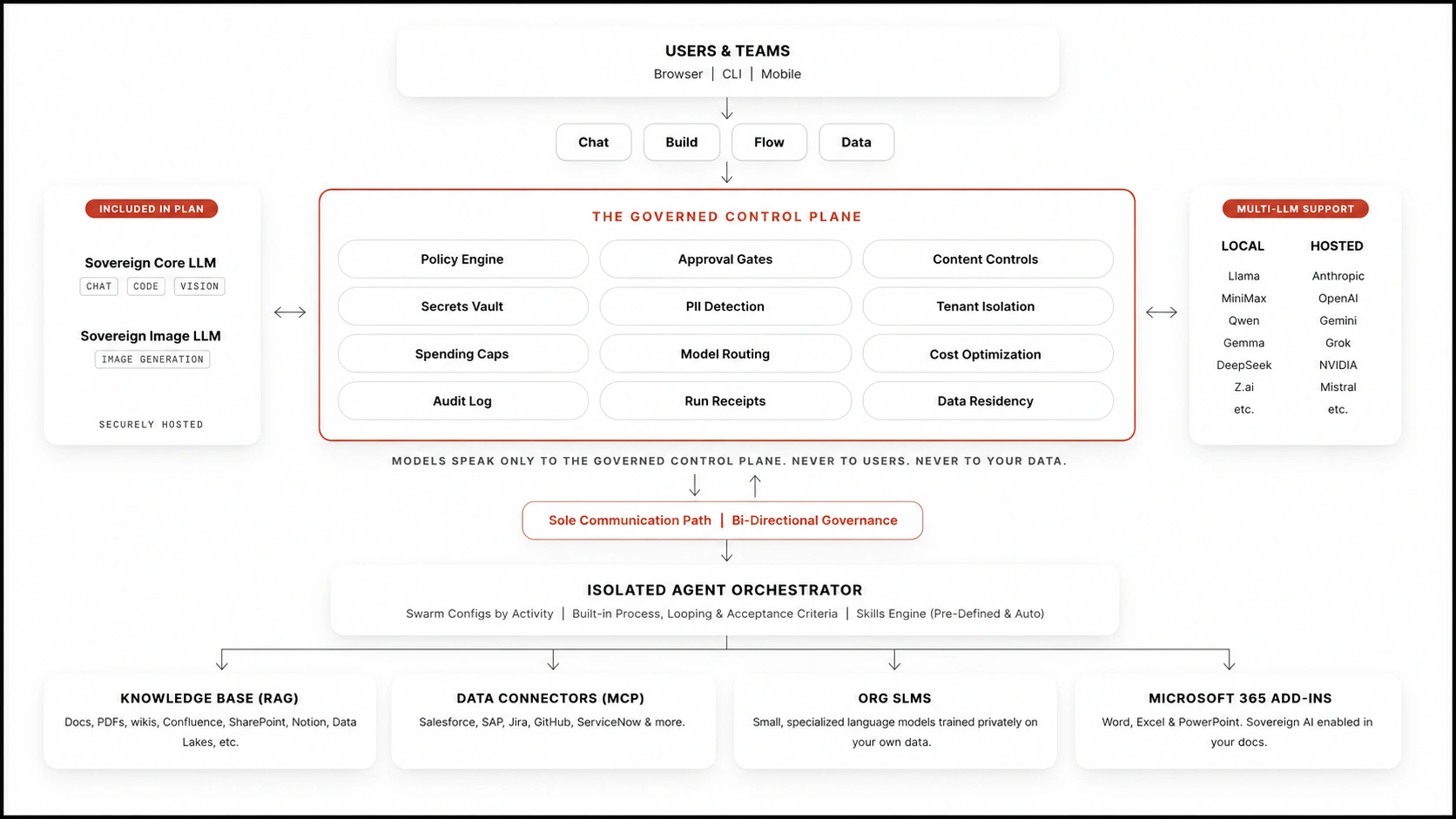
Under the collaboration, researchers working through Tamarind Bio’s platform will be able to submit AI-generated sequences for GenScript services including synthesis, expression and testing. The aim is to reduce the manual handoffs that can occur when computational design and laboratory work are handled through separate systems, allowing biological data to feed into decisions about which candidates deserve further investigation.
That connection matters as AI expands both the number and variety of molecular designs researchers can explore. Tamarind Bio provides a no-code interface to more than 300 computational biology models, supporting applications such as protein structure prediction, de novo design and simulation, while GenScript says its laboratory infrastructure can turn digital sequences into experimental data in as little as four days. Bringing those capabilities into a more continuous workflow could make validation, rather than molecule generation, a more visible measure of progress in AI-assisted discovery.
The partnership also illustrates a broader limitation of applying artificial intelligence to biology. Computational systems can help scientists explore a much larger design space, but predictions alone cannot establish how a molecule will behave experimentally. As the volume of generated candidates rises, access to reliable synthesis and testing becomes increasingly important for filtering possibilities and building datasets that can inform subsequent research.
For GenScript and Tamarind Bio, the immediate focus is creating a more direct route from molecular design to evidence, with potential applications spanning therapeutics, cell and gene therapy and industrial biotechnology. More broadly, the collaboration points toward a maturing phase of AI-enabled discovery in which the value of faster computation may depend increasingly on how efficiently promising digital designs can be tested against biological reality.