The Houston university has received a new Diamond DA42, extending a broader aviation build-out focused on advanced training and airline career pathways.
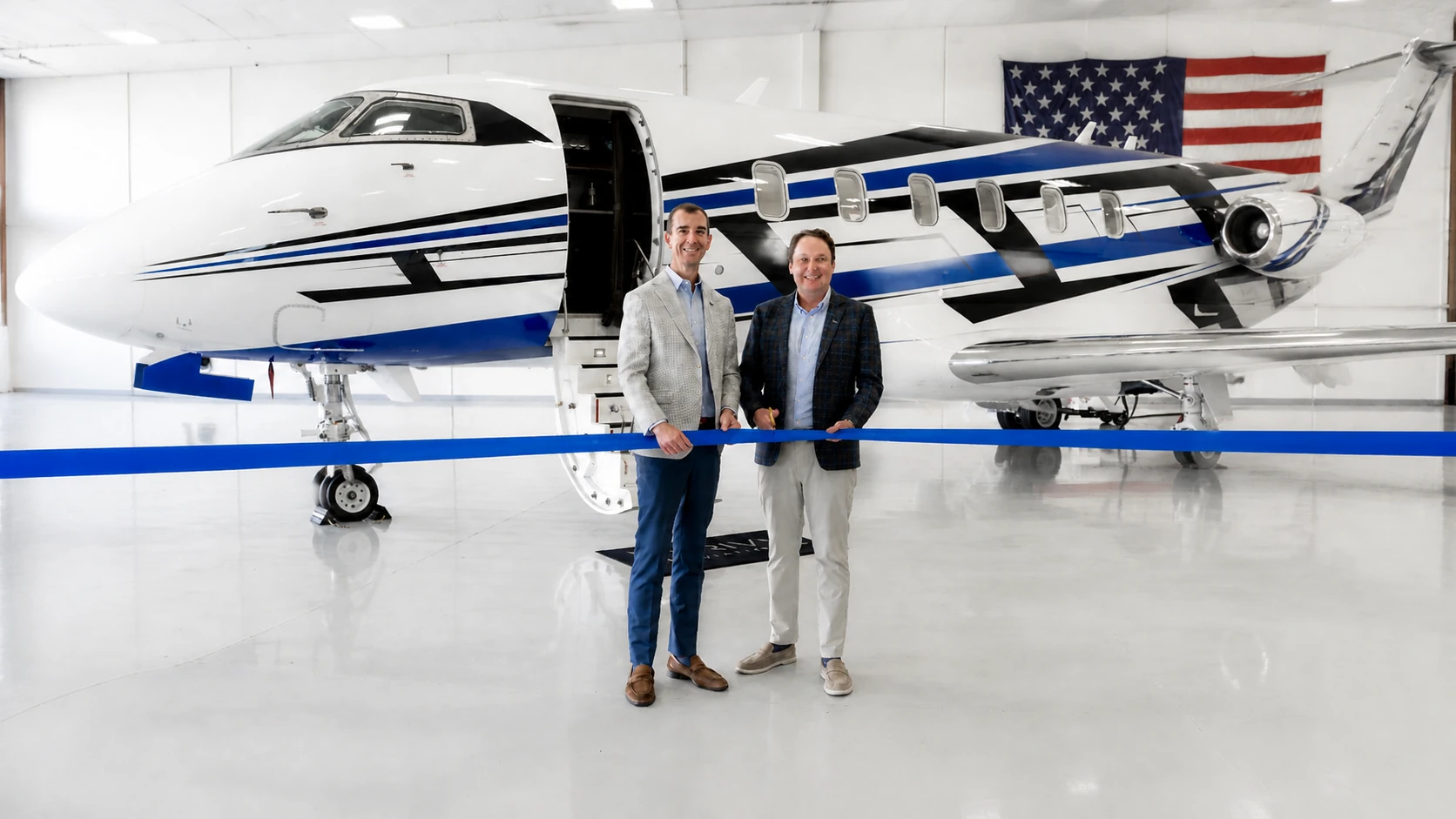
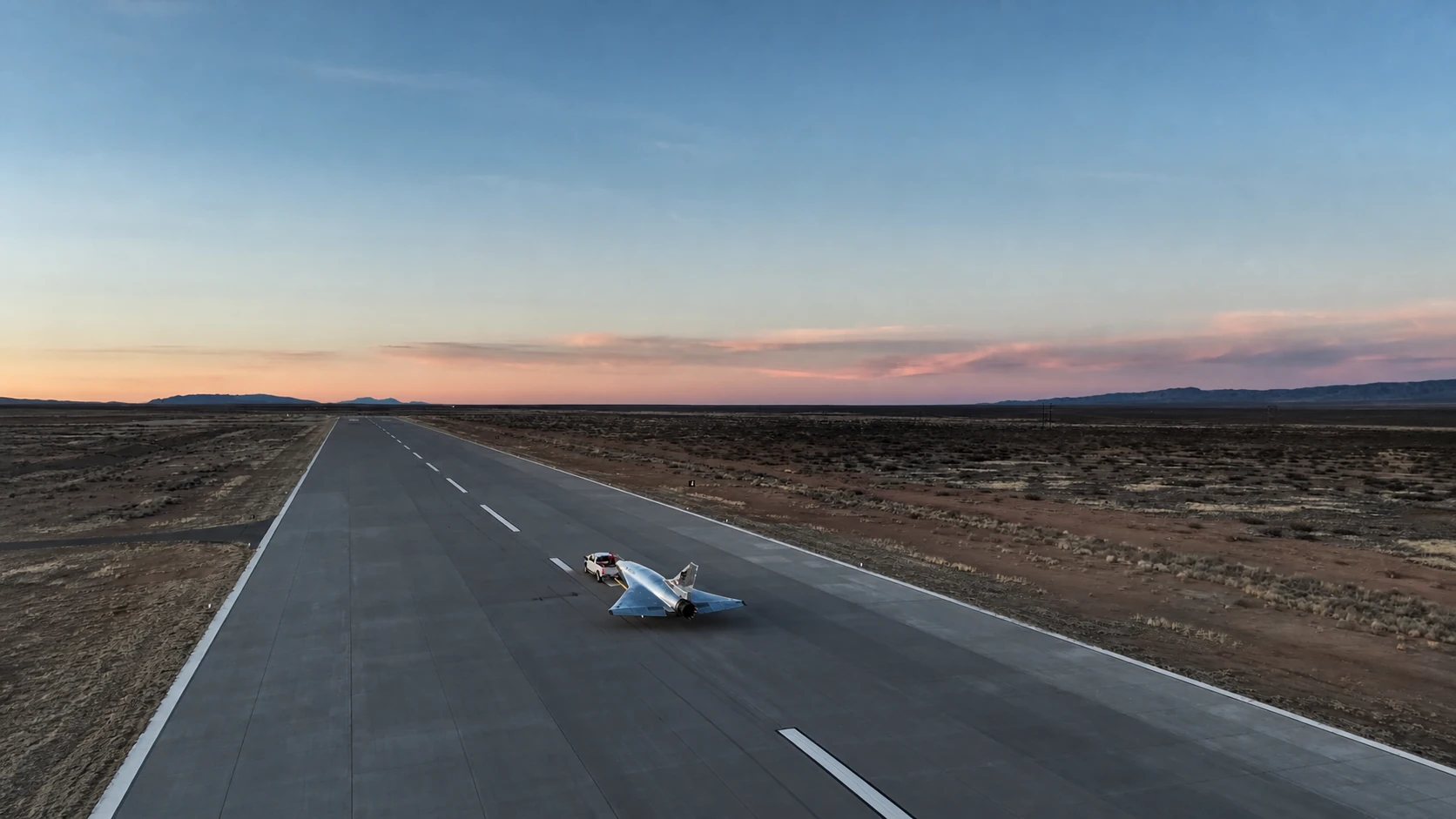
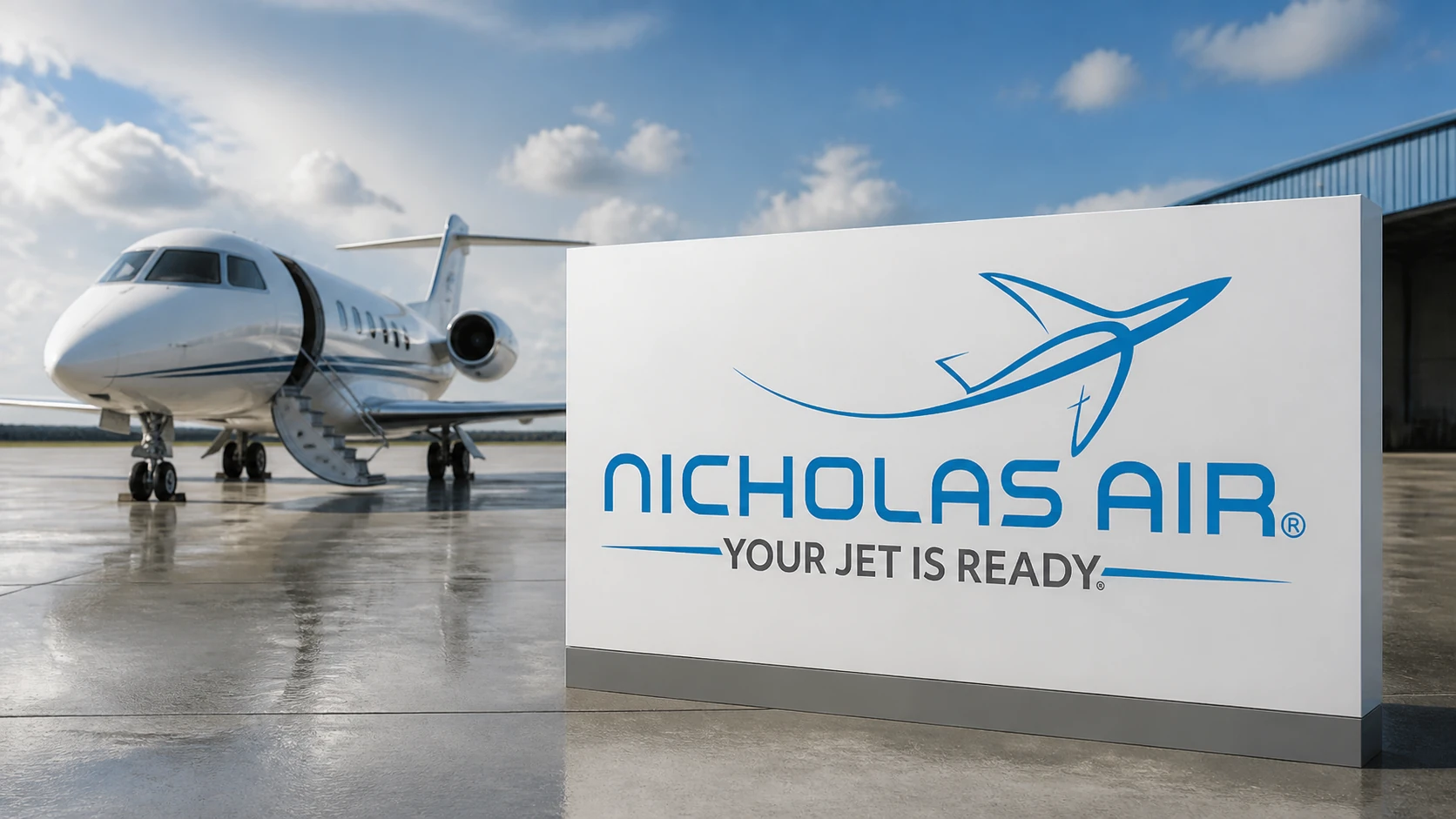
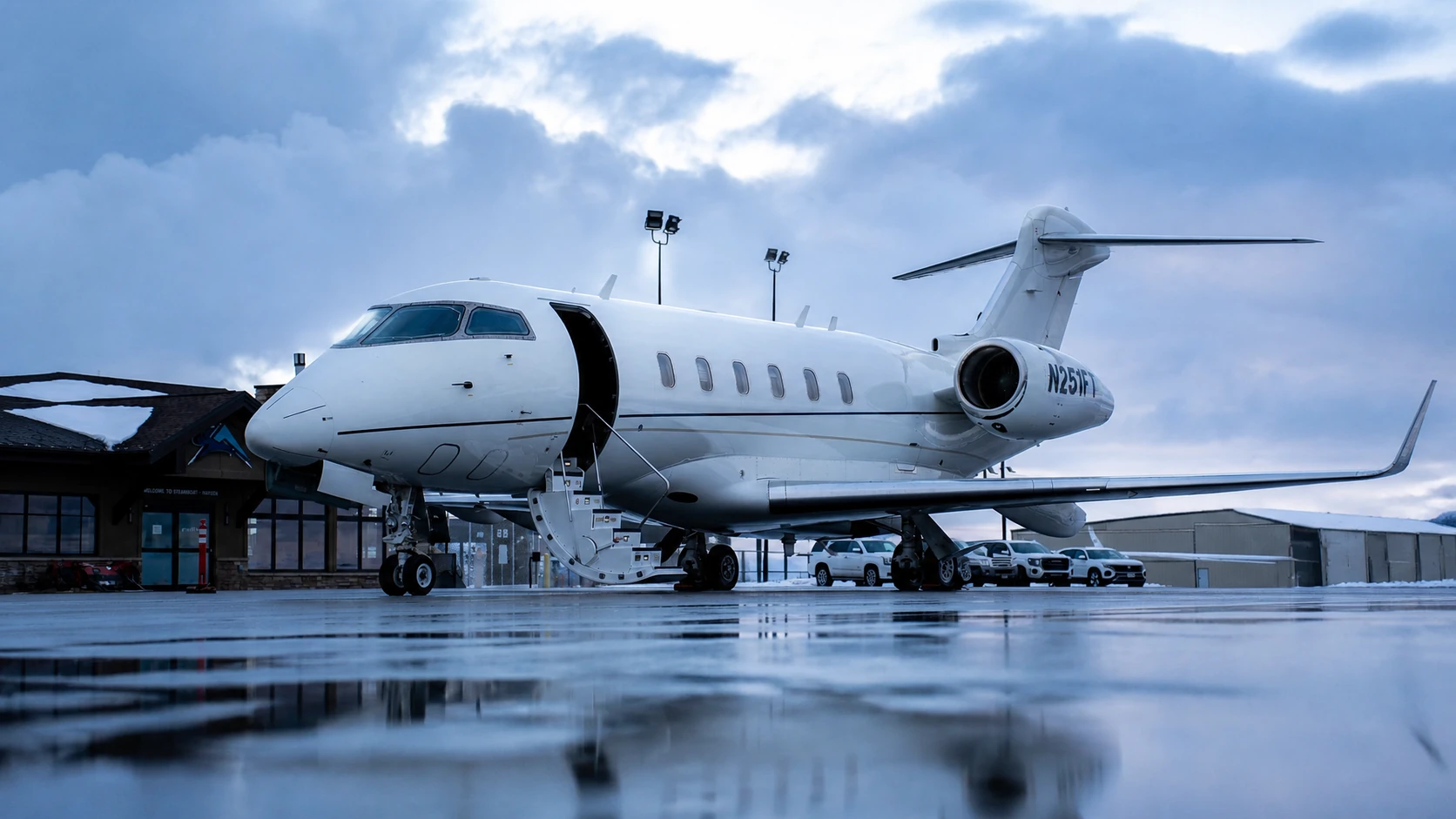
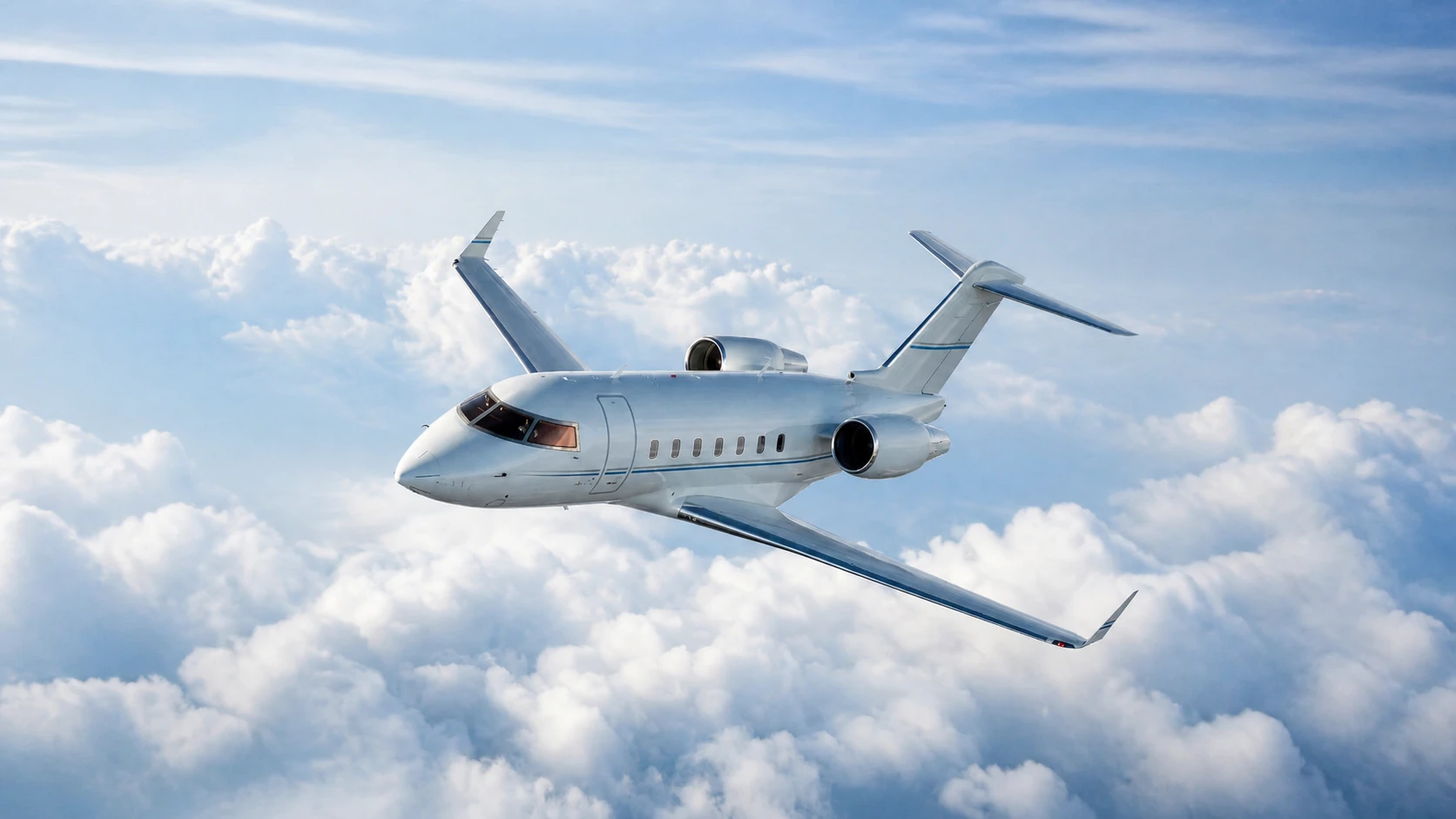
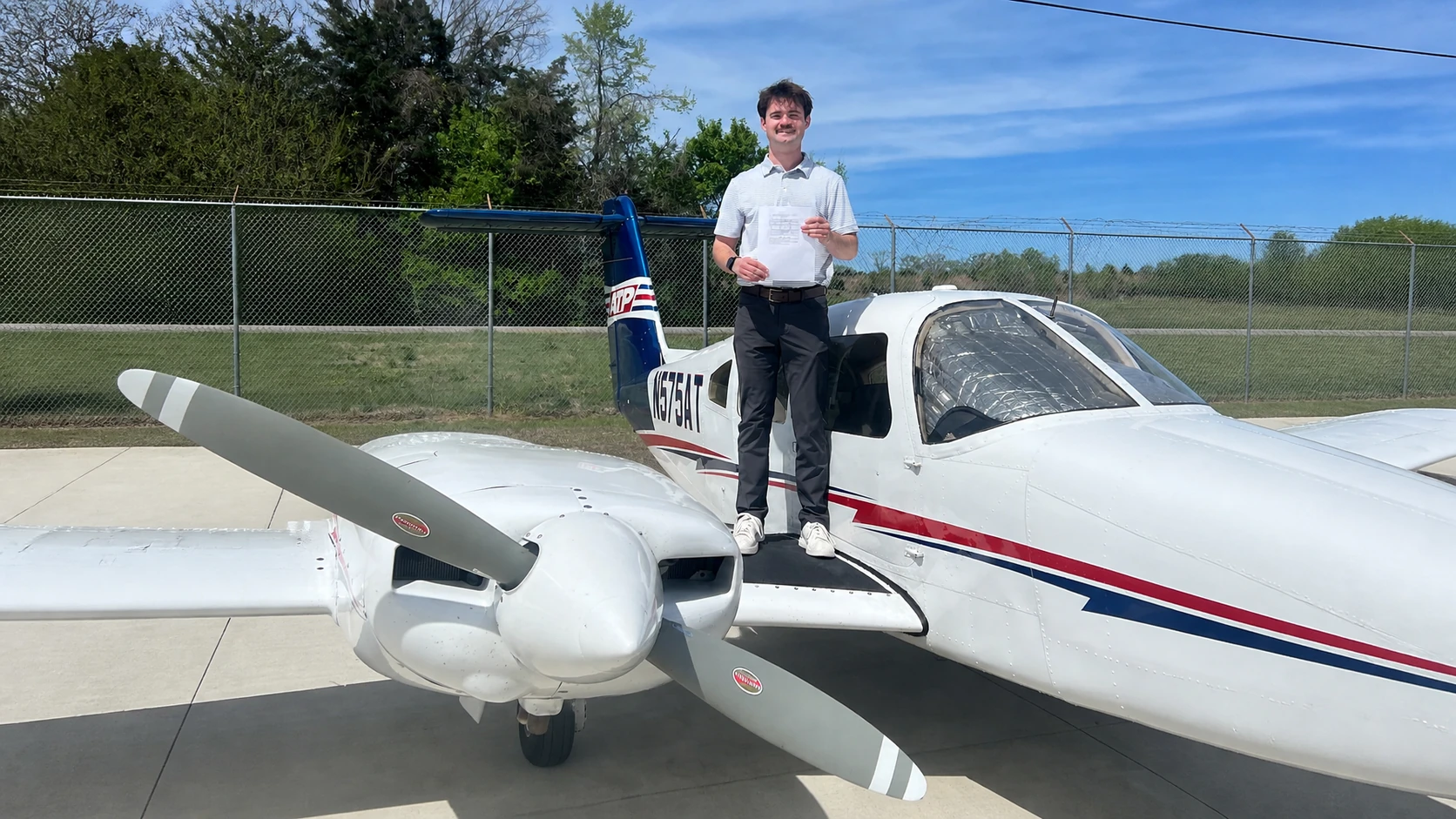
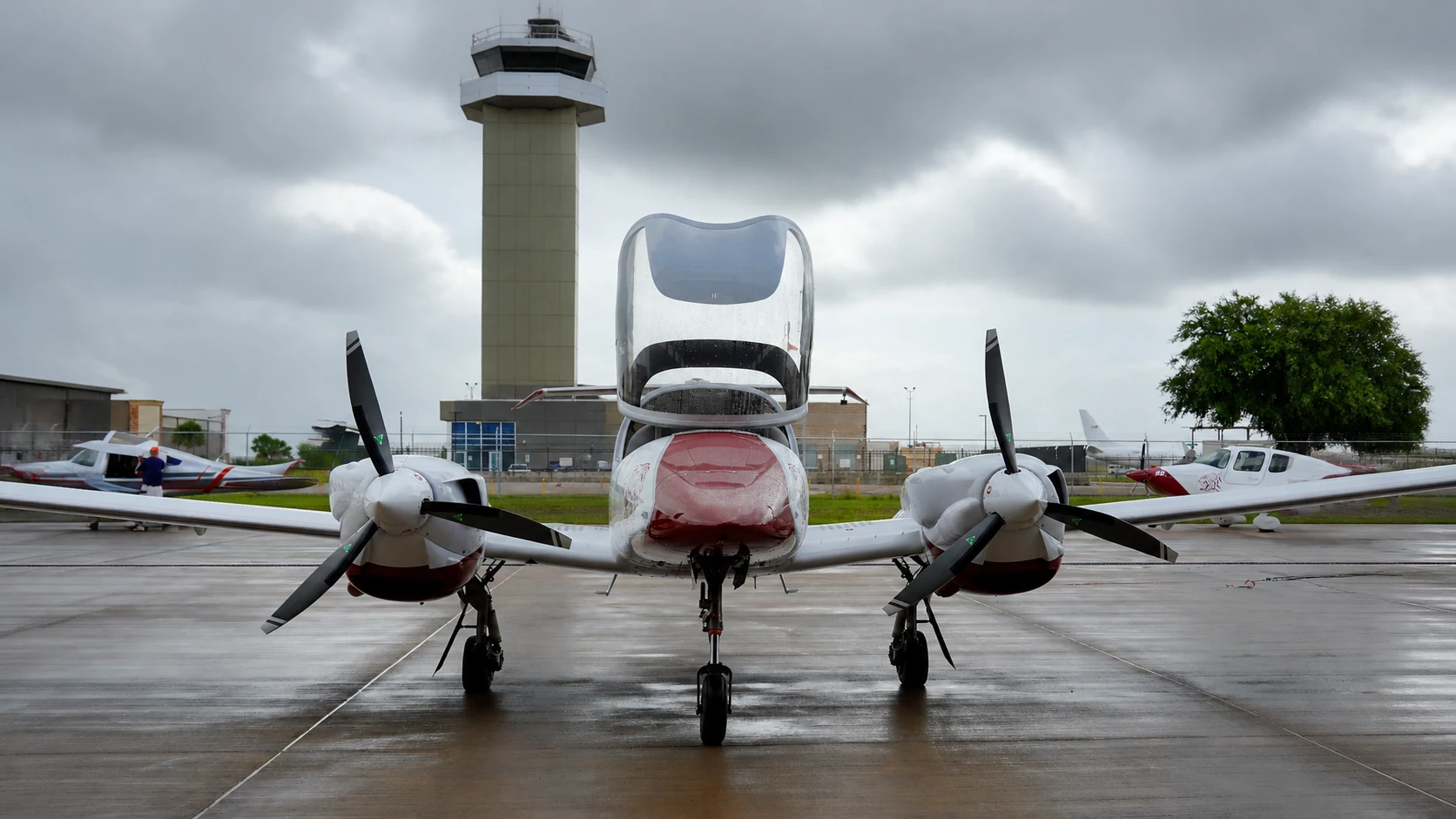
Texas Southern University has expanded its aviation fleet with the delivery of a new twin-engine Diamond DA42, adding a capability the university says will help students complete multi-engine training before pursuing an Airline Transport Pilot rating. The aircraft was delivered on Friday, June 5, 2026, according to the university’s June 6 release. The move gives TSU another significant training asset as its aviation programme develops at Houston Spaceport.
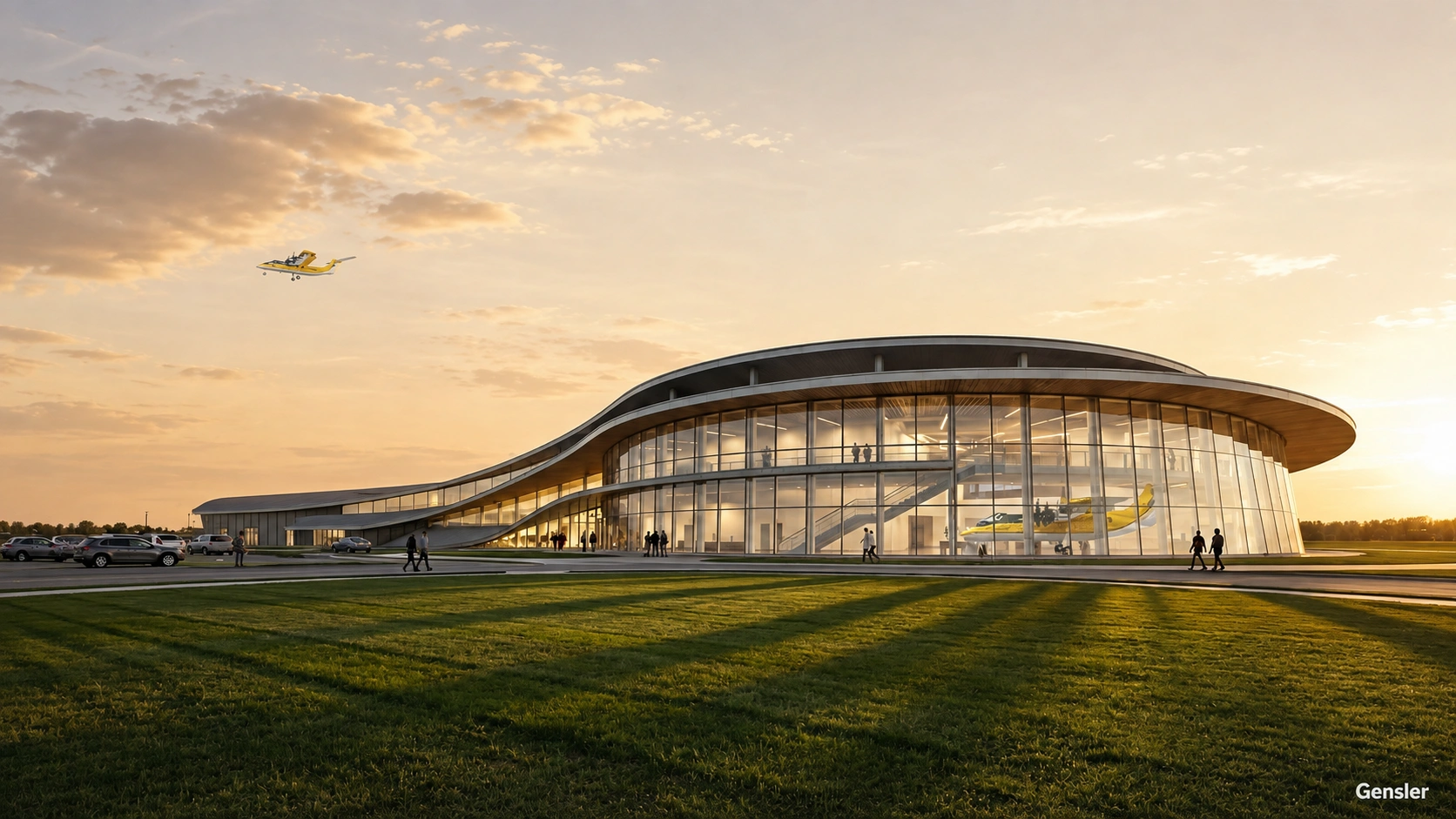
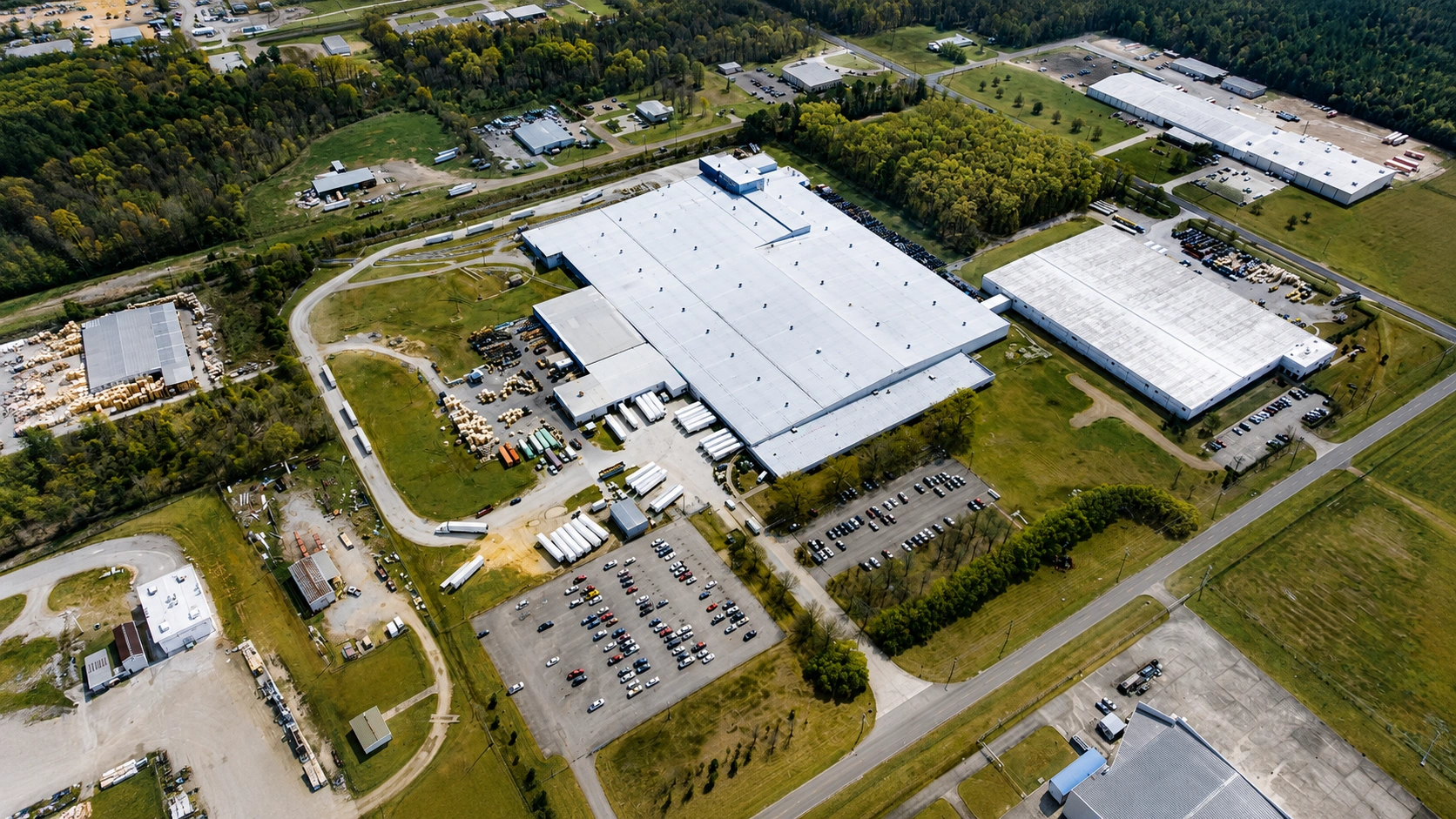
The announcement places the aircraft within a wider expansion of Texas Southern’s flight-training infrastructure. In April 2026, the university opened a 20,000-square-foot hangar at the Houston Spaceport, where it houses a fleet of 12 Cirrus SR20 aircraft acquired in 2025. The facility also includes classroom and office space intended to support expanded on-site instruction and future coursework connected to the university’s developing aerospace engineering programme.
The Diamond DA42 is intended to provide instruction for the multi-engine rating, described by the university as the final significant step before students attain the ATP rating required for airline pilots. Executive Director of Aviation Dr Terence Fontaine contrasted the new aircraft with the programme’s previous twin-engine aircraft, a 1980 Seneca II, and said the 2026 Diamond brings newer technology to the fleet. The release also describes the aircraft as an advanced multi-engine trainer.
The fleet addition arrives alongside a growing set of airline pathway relationships. Texas Southern said its affiliation with Delta’s Propel Pilot Career Path Program, announced this spring, is its fourth airline pilot pathway partnership, following relationships with United’s Aviate Program, Southwest Airlines’ Destination 225° and Republic Airways’ Pathway Program. Together with the new aircraft and Houston Spaceport facility, those developments show an aviation programme expanding its training equipment, premises and links to prospective airline careers.
For Texas Southern University, the DA42 is therefore more than a single aircraft purchase: it is part of the university’s stated effort to complete the infrastructure needed for a fuller pilot-training offering. Fontaine described the delivery as one of the final pieces in the programme’s development and said the university is pursuing a place among the top 10 aviation programmes in the United States. The release does not quantify the aircraft’s cost or specify when student training on the plane will begin, leaving the operational impact to be demonstrated through the programme’s future use.