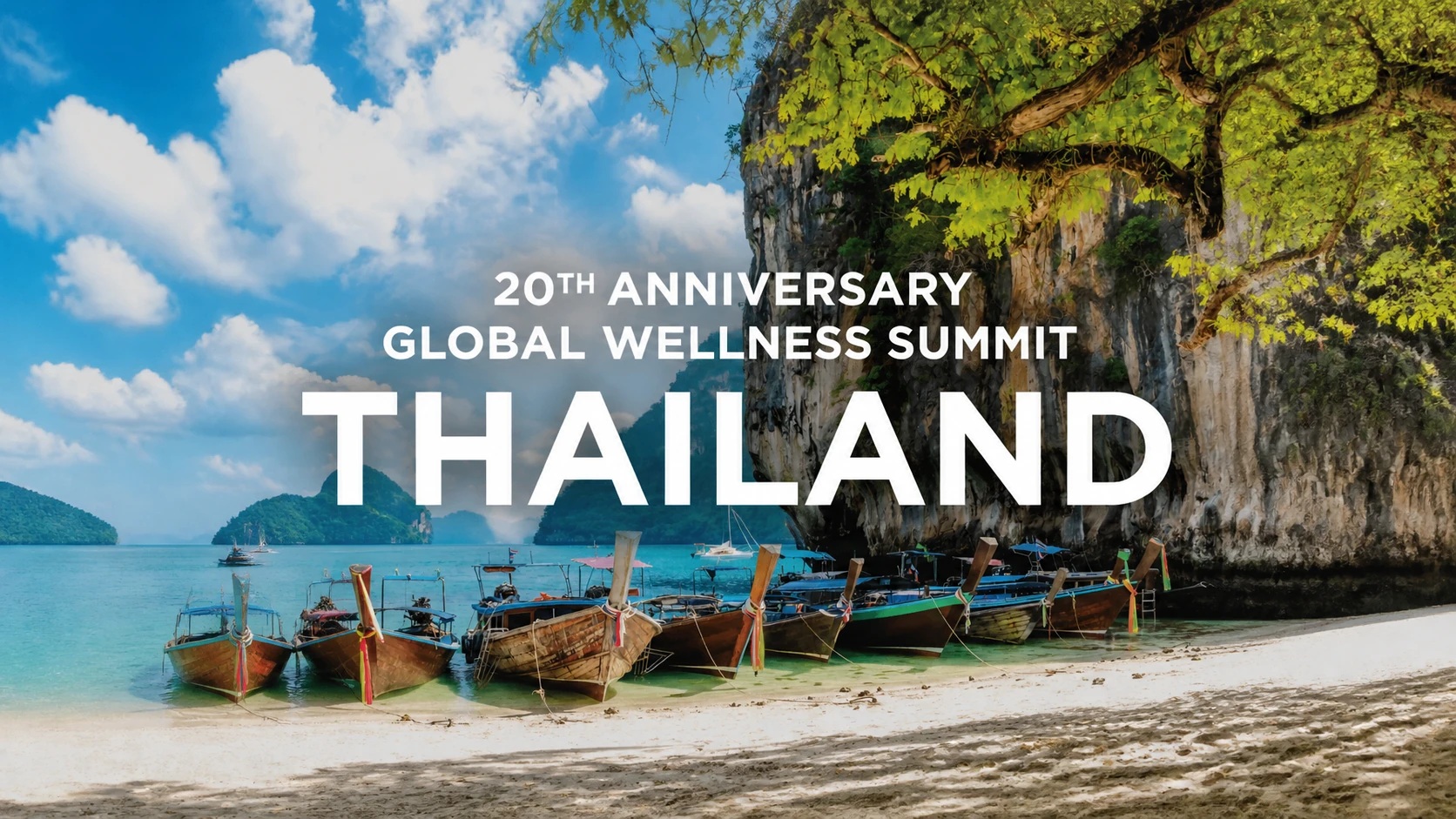
The 2026 summit will examine Asia’s expanding wellness markets, ageing populations and integrative traditions as forces reshaping the global healthspan conversation.
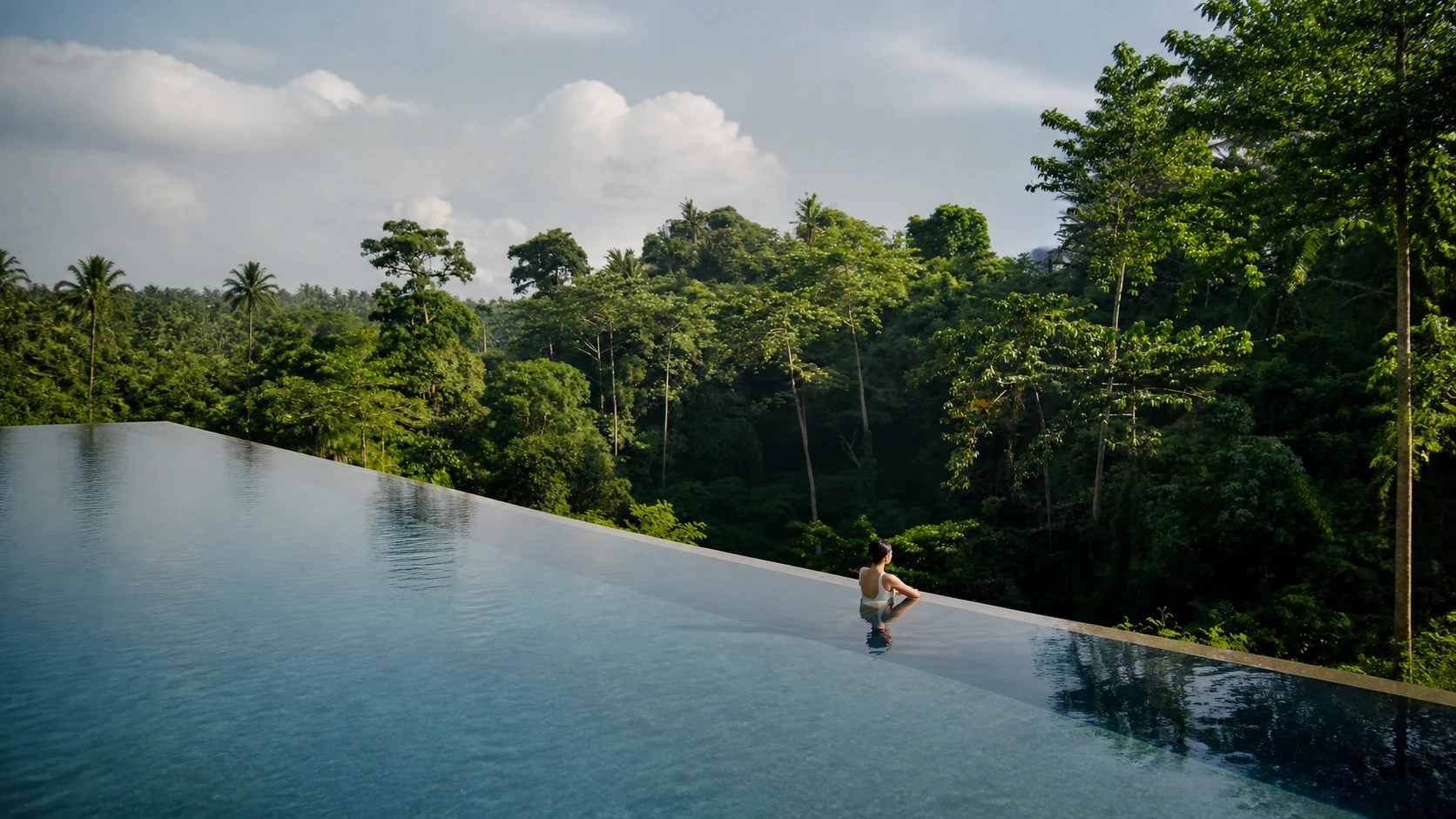
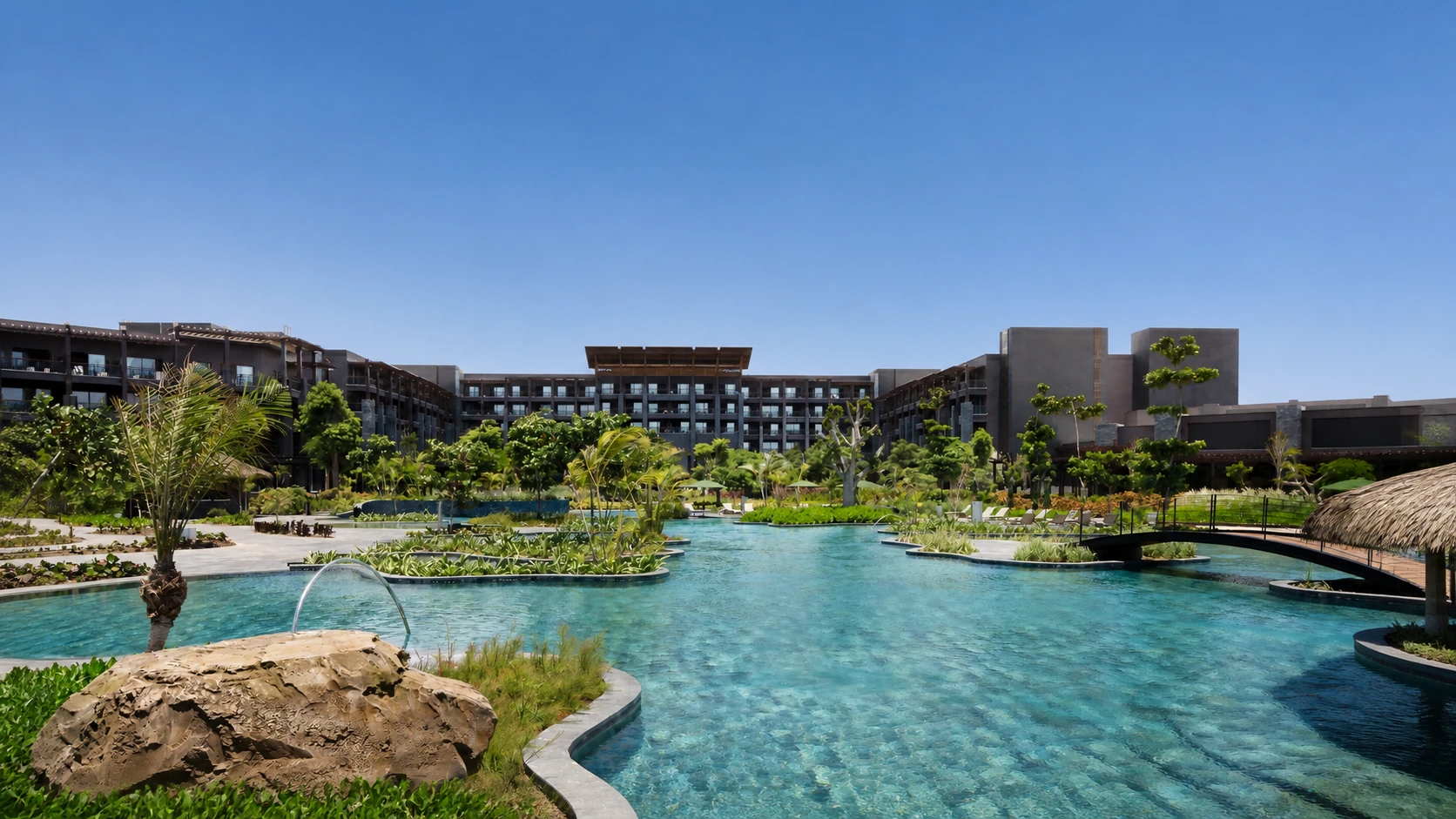
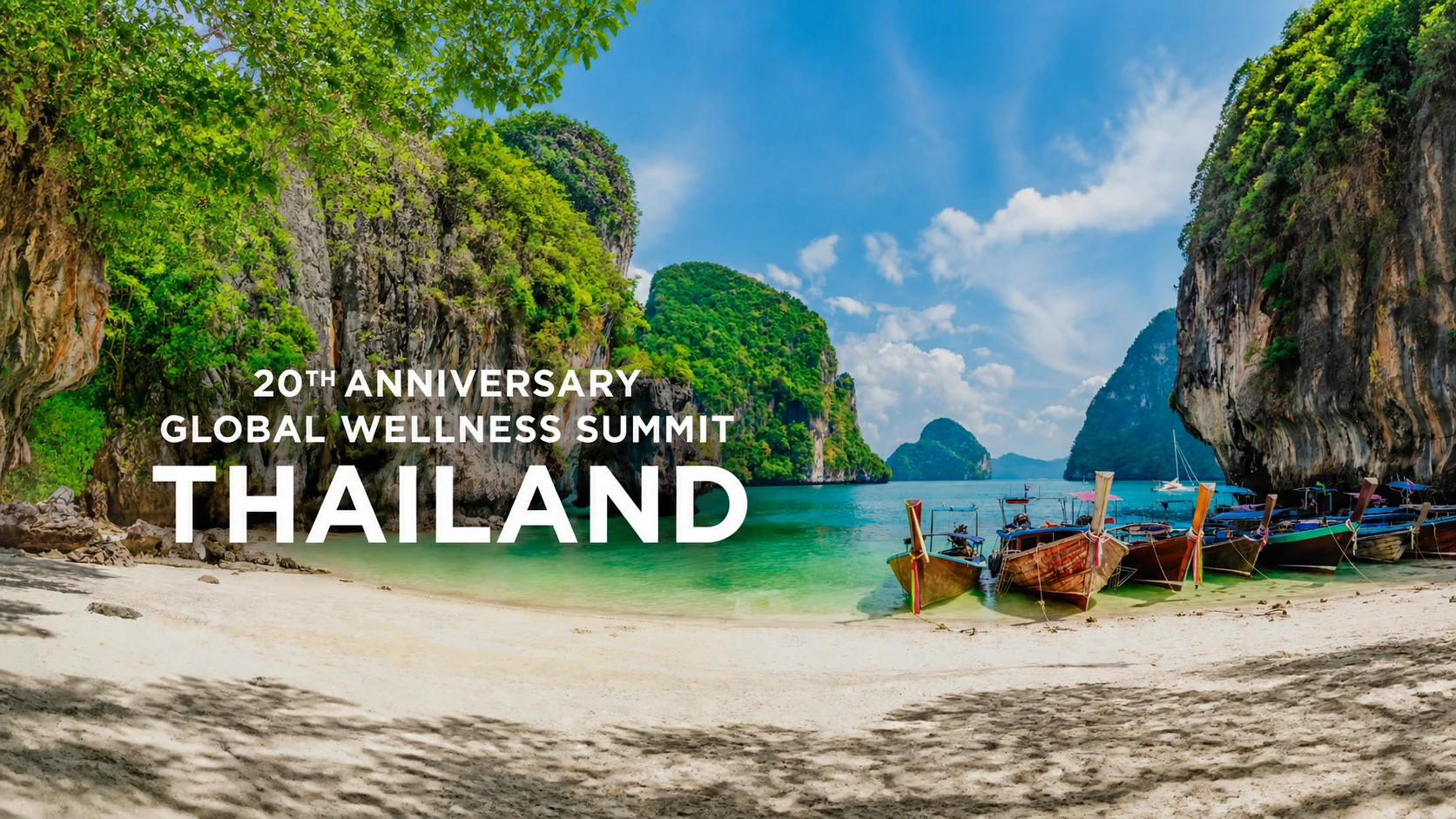
The Global Wellness Summit will hold its 20th-anniversary event at Angsana Laguna Phuket in Thailand from November 10 to 13, 2026, placing Asia at the centre of its examination of wellness’s next phase. Under the theme “The Science, Art and Soul of Wellness,” the conference will ask why Asia matters now, with speakers addressing the region’s wellness economy, longevity strategies and distinctive approaches to health. The agenda reflects a market that the Global Wellness Institute says reached $2 trillion in 2024 after growing 9.3 per cent, tying Europe as the fastest-growing regional market.
Asia’s importance to the summit is framed not only by market size but by the pressures facing its societies. The release describes declining fertility rates and rapidly ageing populations across countries including Japan, China, South Korea, Singapore and India, with more than one in four Asians expected to be aged 60 or older by 2050. Against that backdrop, healthy longevity is presented as an economic and policy concern as well as an individual pursuit, with governments exploring prevention-led models for longer, healthier lives.
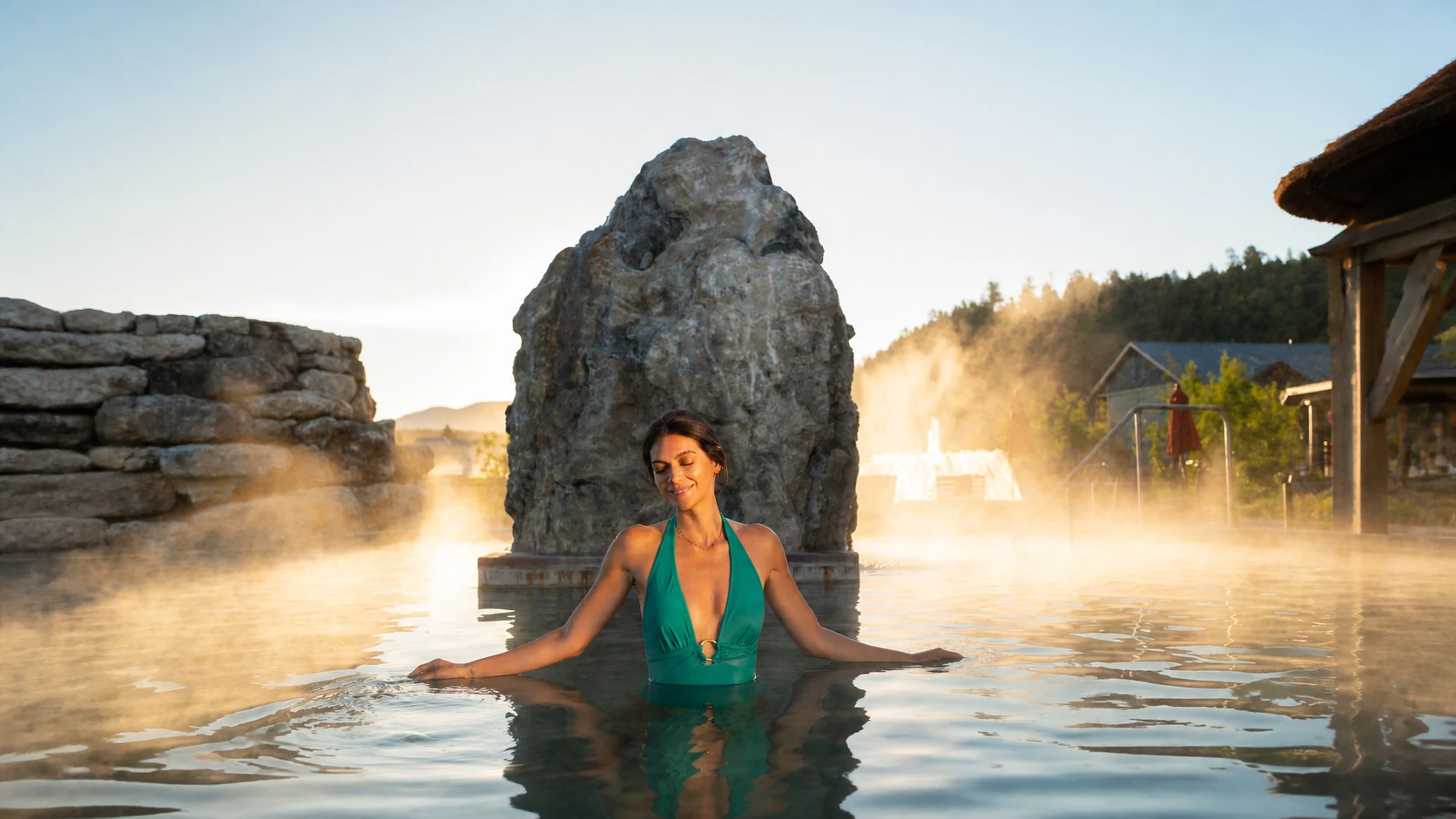
The summit will examine several sectors where Asia has significant scale or recent momentum. Wellness tourism in the region reached $215 billion and grew 31 per cent in 2024, while traditional and complementary medicine stood at $379 billion, representing 63 per cent of global spending in that category, according to figures cited by the release. Other areas on the agenda include wellness real estate, spas, nutrition, beauty and thermal springs, with Asia identified as the world’s largest hot springs market by value and home to 22,611 establishments.
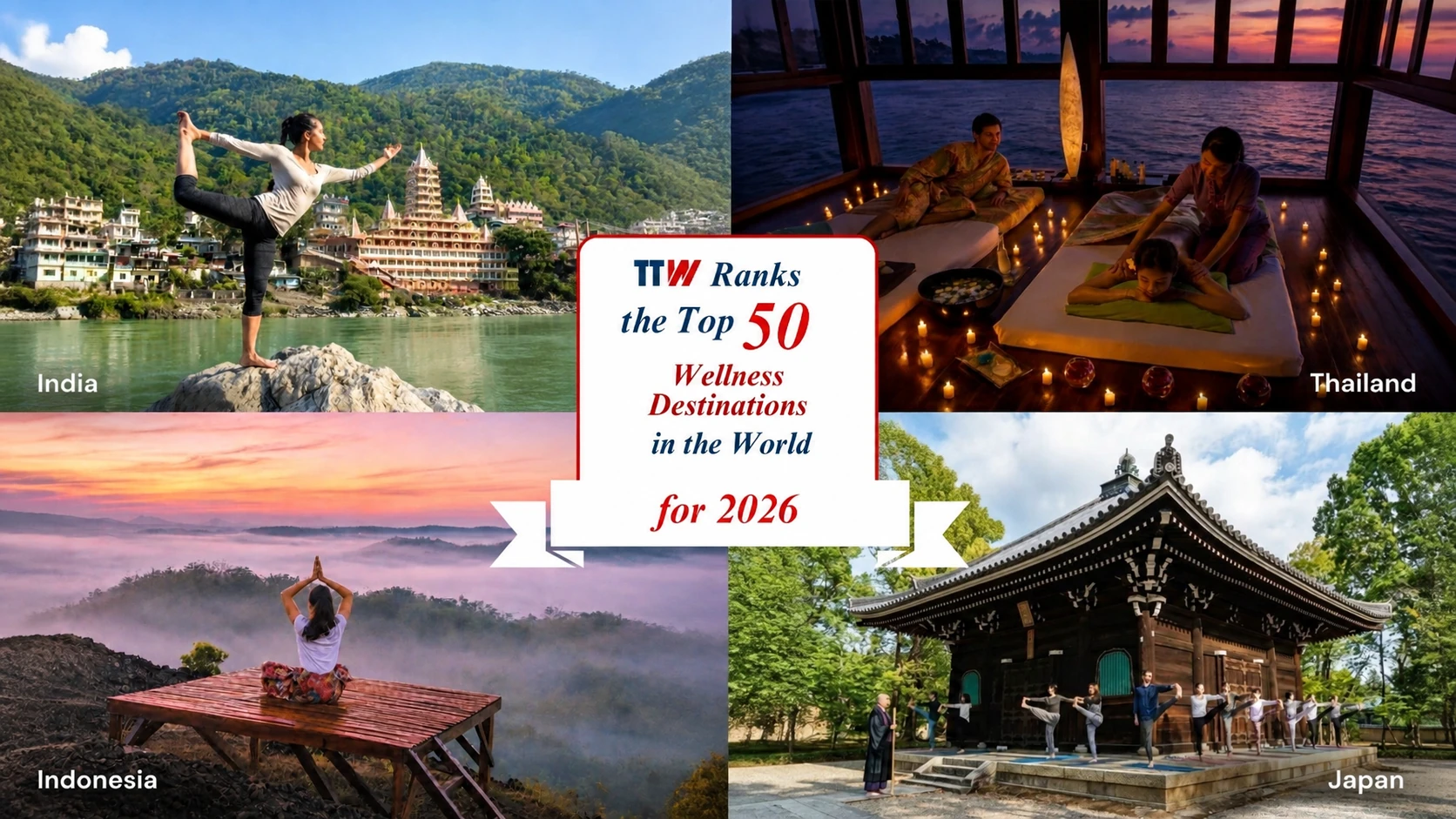
A central theme will be Asia’s integrative approach to longevity, combining medical diagnostics and preventive care with traditional systems such as Ayurveda, traditional Chinese medicine and Thai healing practices. The release points to examples including tulåh in Kerala, RAKxa Integrative Wellness in Bangkok and Tri Vananda in Thailand, where contemporary clinical or functional medicine is presented alongside established wellness traditions, cognitive health, mindfulness or community-oriented living. It also highlights Singapore’s policy-led approach to longevity and China’s Healthy China 2030 framework as examples of prevention moving beyond the confines of private wellness services.
The event therefore positions Asia as both a substantial commercial market and a testing ground for how wellness may respond to demographic change. Its programme will bring together wellness executives, doctors, academics, technology leaders and policymakers to consider how travel, hospitality, traditional medicine, design and public policy intersect. For the Global Wellness Summit, the 2026 gathering offers a regional lens through which the wider wellness economy can be understood, with the implications resting less on a single product than on the systems being developed around longer and healthier lives.