The Water Sports Foundation has shared practical advice for making family boating more engaging, while keeping safety and supervision central to the experience.
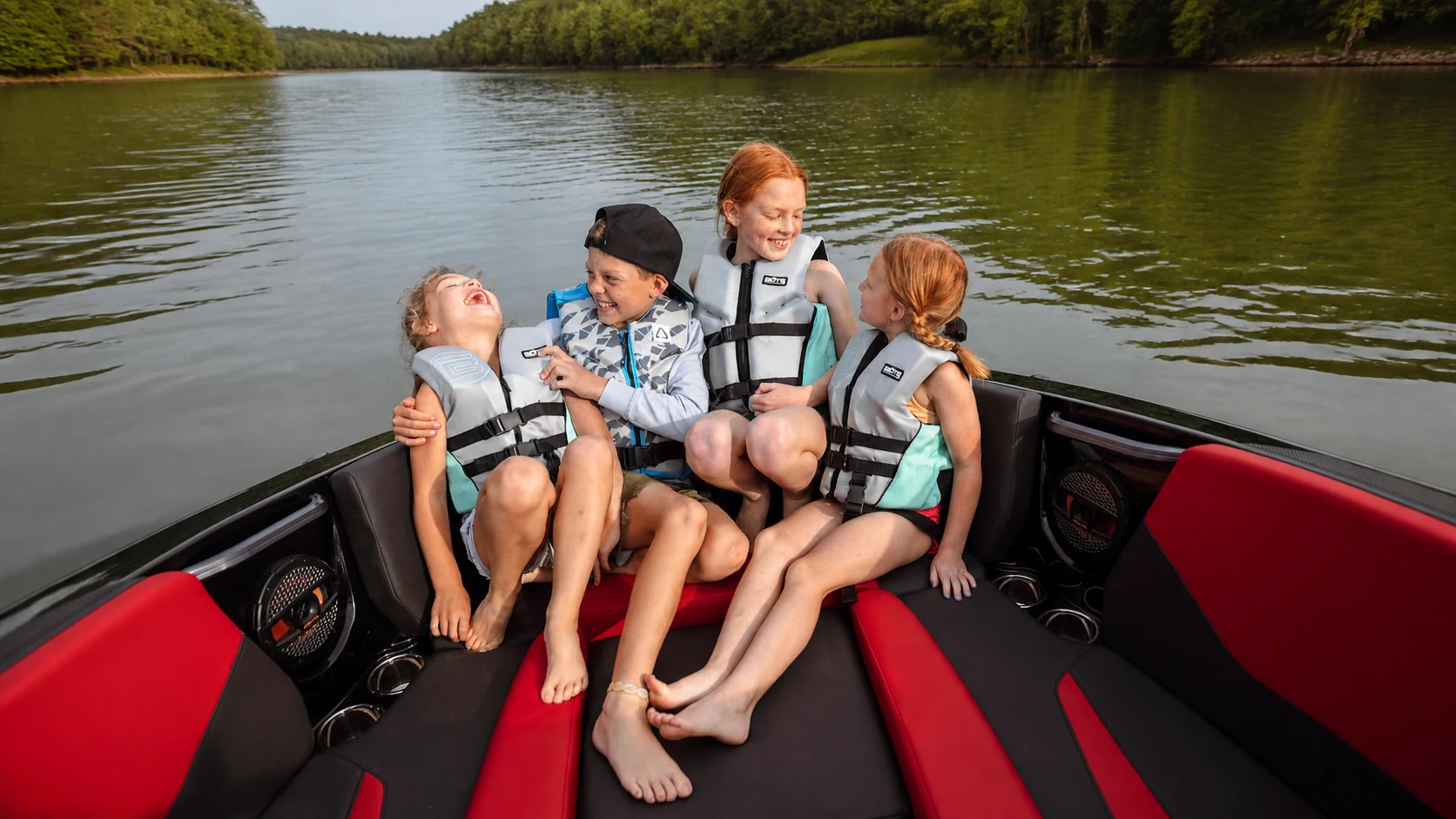
The Water Sports Foundation has issued guidance for parents boating with children, combining practical safety measures with suggestions for making time on the water more involving. The advice includes wearing properly fitted life jackets, maintaining constant adult supervision, switching off engines before swimmers enter the water and choosing calmer locations. The organisation’s broader message is that family boating can be both a recreational activity and a setting for building confidence and family connections, according to research cited in the release.
The release points to a national study conducted by Impulse Research Corp. for the National Marine Manufacturers Association, which compared boating families with non-boating households. It said boating families reported stronger emotional well-being, greater life satisfaction and improved family connections. Nearly two-thirds of surveyed boat owners said boating helped bring their families closer, while 89% identified being outdoors as one of the activity’s biggest benefits. Those findings provide the context for the foundation’s focus on making family outings enjoyable as well as responsible.
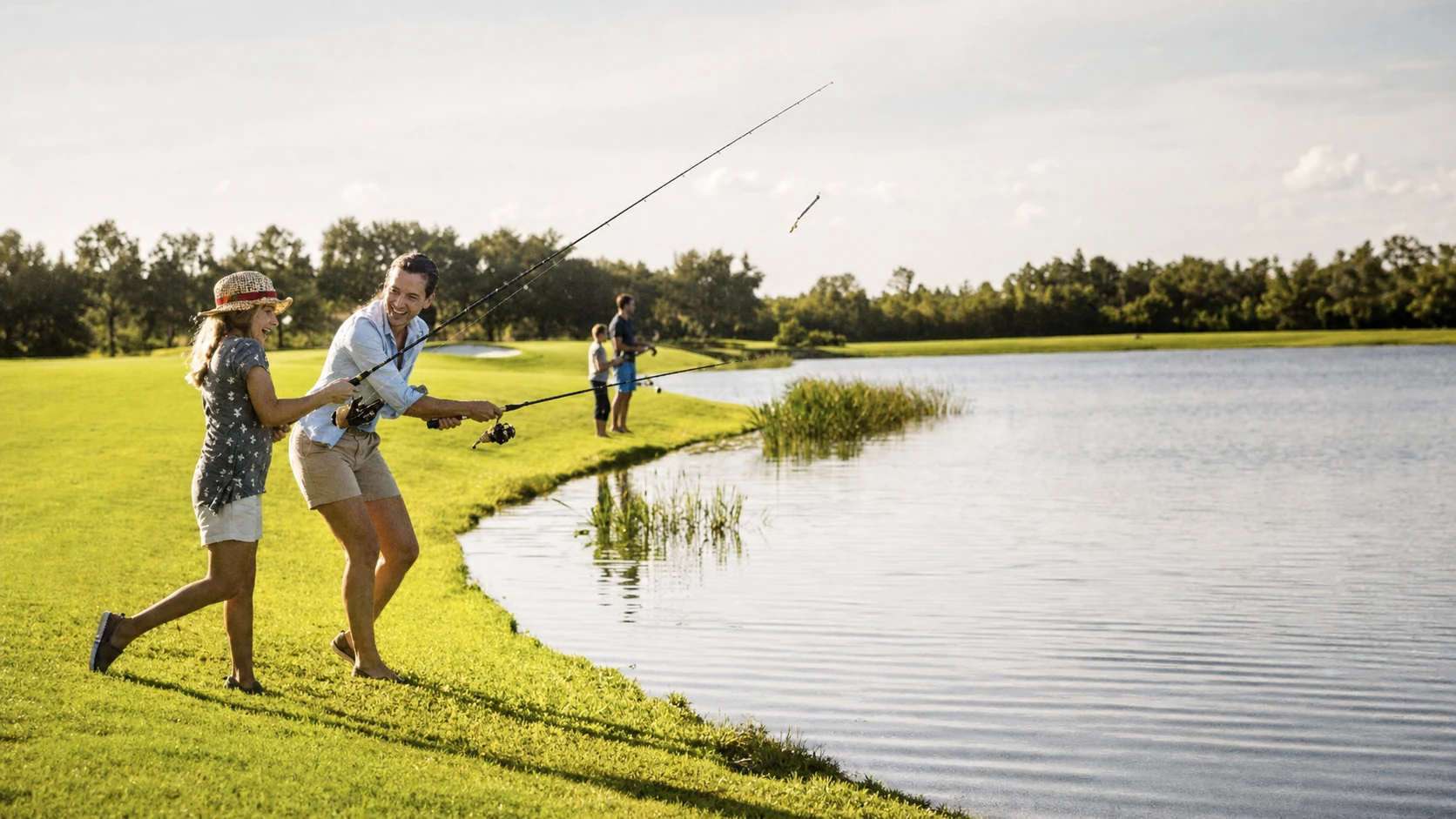
Advice from Captain Cathy Williams, owner and operator of The Confident Captain coaching and boat-driving school, centres on preparation and tone. She recommends holding a crew meeting before leaving the dock to explain the day’s plan, seating arrangements and safety rules, while assigning children simple, age-appropriate tasks can help them feel part of the activity. Charlie Levine, a lifelong boater and former editor-in-chief of Angler’s Journal magazine, suggests making boating and fishing hands-on by allowing children to explore parts of the boat when the motor is off and participate in fishing activities under adult guidance.
The guidance also extends beyond the mechanics of operating a vessel. Levine advises parents to use sunscreen with at least SPF 30 protection, keep children hydrated and bring snacks, while the Water Sports Foundation recommends designating an adult observer to monitor children continuously. The release further states that life jackets should be approved by the U.S. Coast Guard and sized for a child’s weight and age, and that the engine should be completely shut off before anyone enters the water to reduce the risk of propeller injuries.
For the Water Sports Foundation, the announcement places family participation alongside its stated emphasis on boating safety in the United States. Its recommendations frame a successful outing as one that gives children an active role without reducing adult responsibility for supervision, equipment and operating conditions. The result is a measured approach to family boating: preparation and clear boundaries are presented not as limits on enjoyment, but as the conditions that allow children and parents to share the experience with greater confidence.