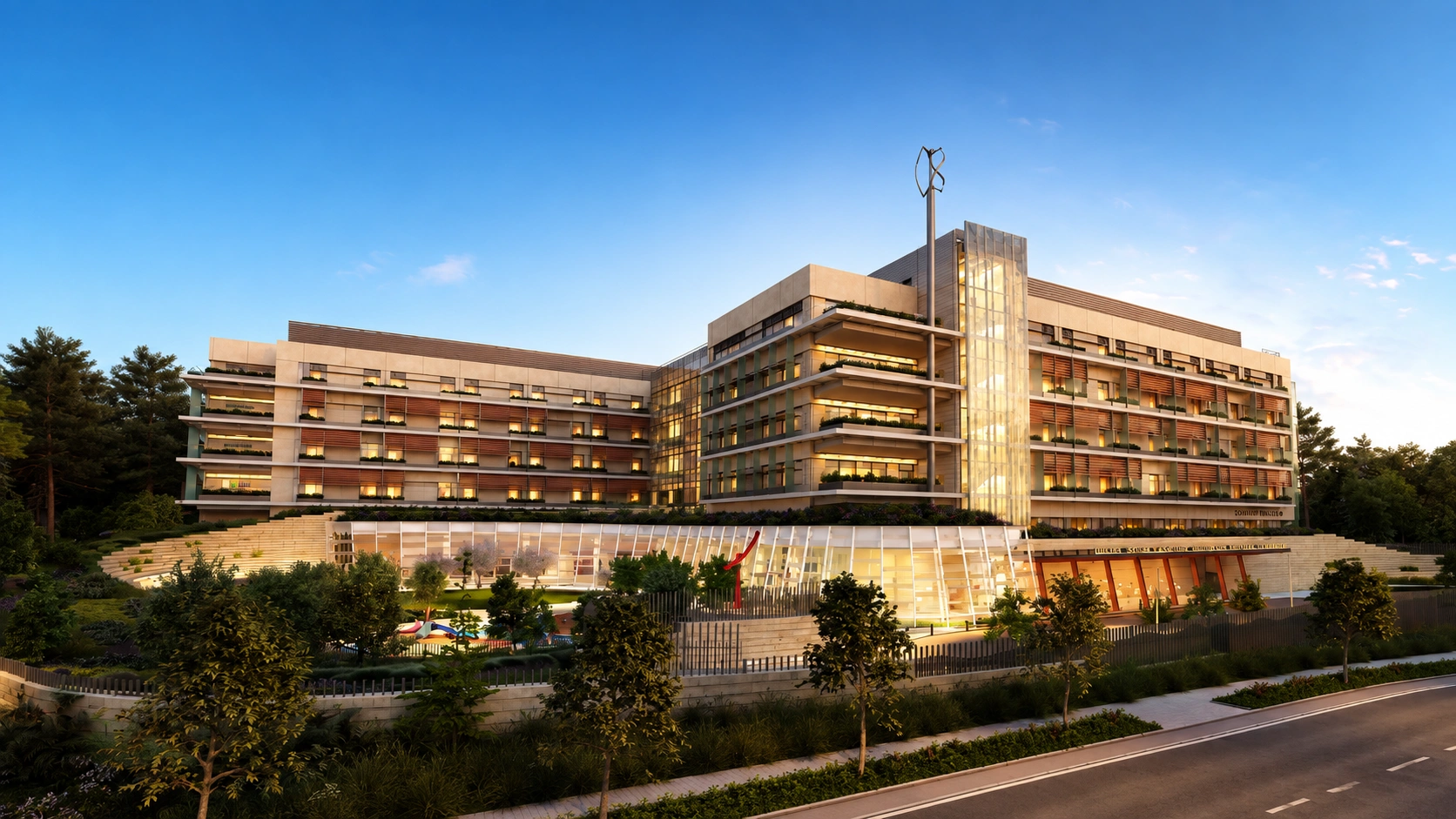
The Saint Louis Science Center has reopened its upgraded McDonnell Planetarium, combining traditional astronomy with immersive digital systems and new educational programming.
The Saint Louis Science Center has reopened the James S. McDonnell Planetarium following a technology upgrade described as its largest advancement in more than 25 years. The project adds a GOTO Chiron III Hybrid Star Projector, a Cosm Digistar Full-Dome Data Visualization System and updated sound and accessibility features. The Science Center reported that the reopening was scheduled for Saturday, July 18, 2026, at 9:30 a.m., positioning the venue’s next phase around a blend of conventional stargazing and real-time visualisation.
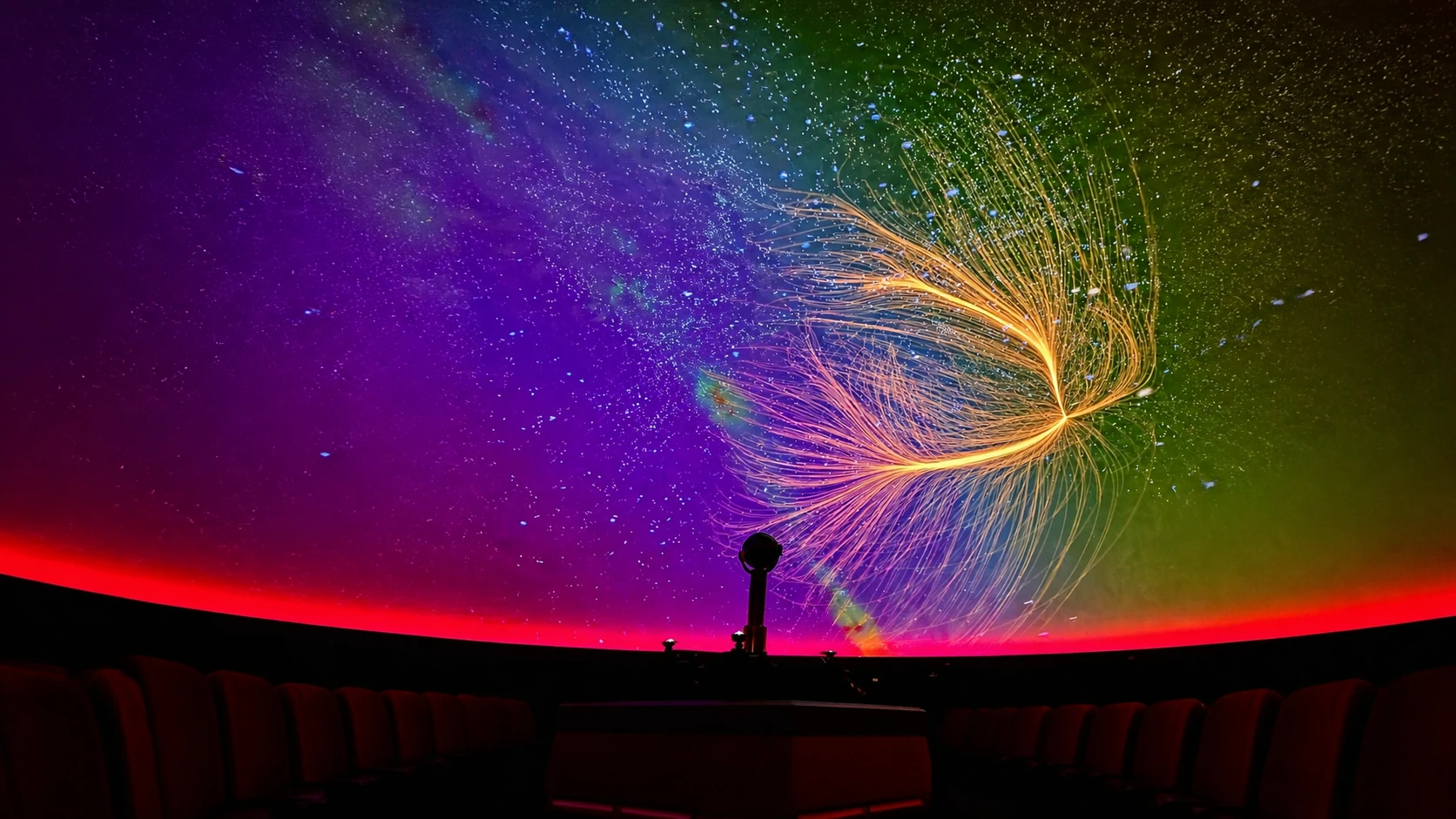
The upgraded planetarium is built around the Bill and Laura Orthwein StarBay, where visitors can move between constellation-led astronomy and high-resolution digital projections. According to the Science Center, the system can display stars, deep-sky objects, planets and astronomical events, while geospatial mapping technology allows audiences to view Earth from above. The organisation said the installation establishes the St. Louis landmark as the largest and most advanced hybrid planetarium in the nation, a claim attributed to the release rather than independently assessed here.
The specific additions extend beyond the main projection equipment. The GOTO projector is described as capable of showing the 9,500 stars visible to the unaided eye in accurate colour and more than 100 million stars alongside hundreds of deep-sky objects. The venue has also installed a 22,000-watt surround-sound system, the first Auracast hearing-assistance system in a public venue around the St. Louis metropolitan area, a starship-themed elevator entry and newly developed live shows. The projection system was made possible through a gift from the St. Louis-based Centene Foundation.
The programming illustrates how the Science Center is using the upgrade to broaden what a planetarium can present. The updated Sky Tonight show connects local night-sky viewing with journeys to Saturn, the Andromeda Galaxy and distant exoplanets, while The Earth Today uses real-time geospatial data from satellites to examine changes on the planet. A 360-degree version of The Little Star That Could extends the same approach to younger audiences. The shows are presented every day the Science Center is open, with tickets free for members and priced at $6 for non-members, according to the release.
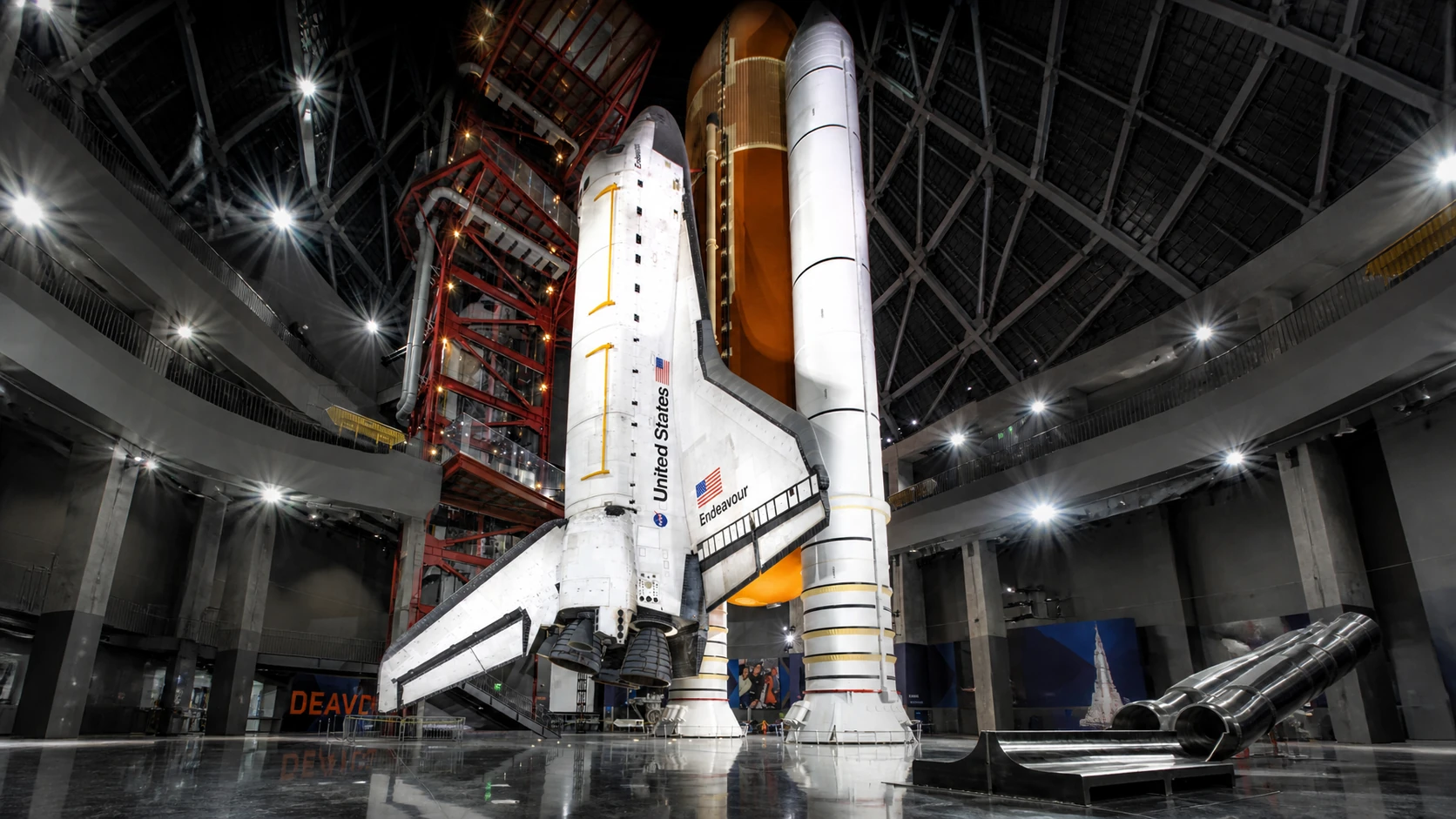
The reopening also sits within the wider offer of a free, nonprofit institution that says it provides hundreds of hands-on experiences across ten galleries. The McDonnell Planetarium’s existing role remains visible through live educator-led shows, telescope viewing, space-history displays and galleries featuring Mercury and Gemini capsules built in St. Louis during the 1960s. By pairing those physical and historical elements with data-rich immersion, the Saint Louis Science Center is making the planetarium both a venue for astronomy and a platform for explaining how scientific information is gathered and interpreted.