The Delta Rhythm & Bayous Blues & Wellness Plaza gives Pine Bluff a permanent cultural setting while linking Arkansas Delta history with tourism and economic development.
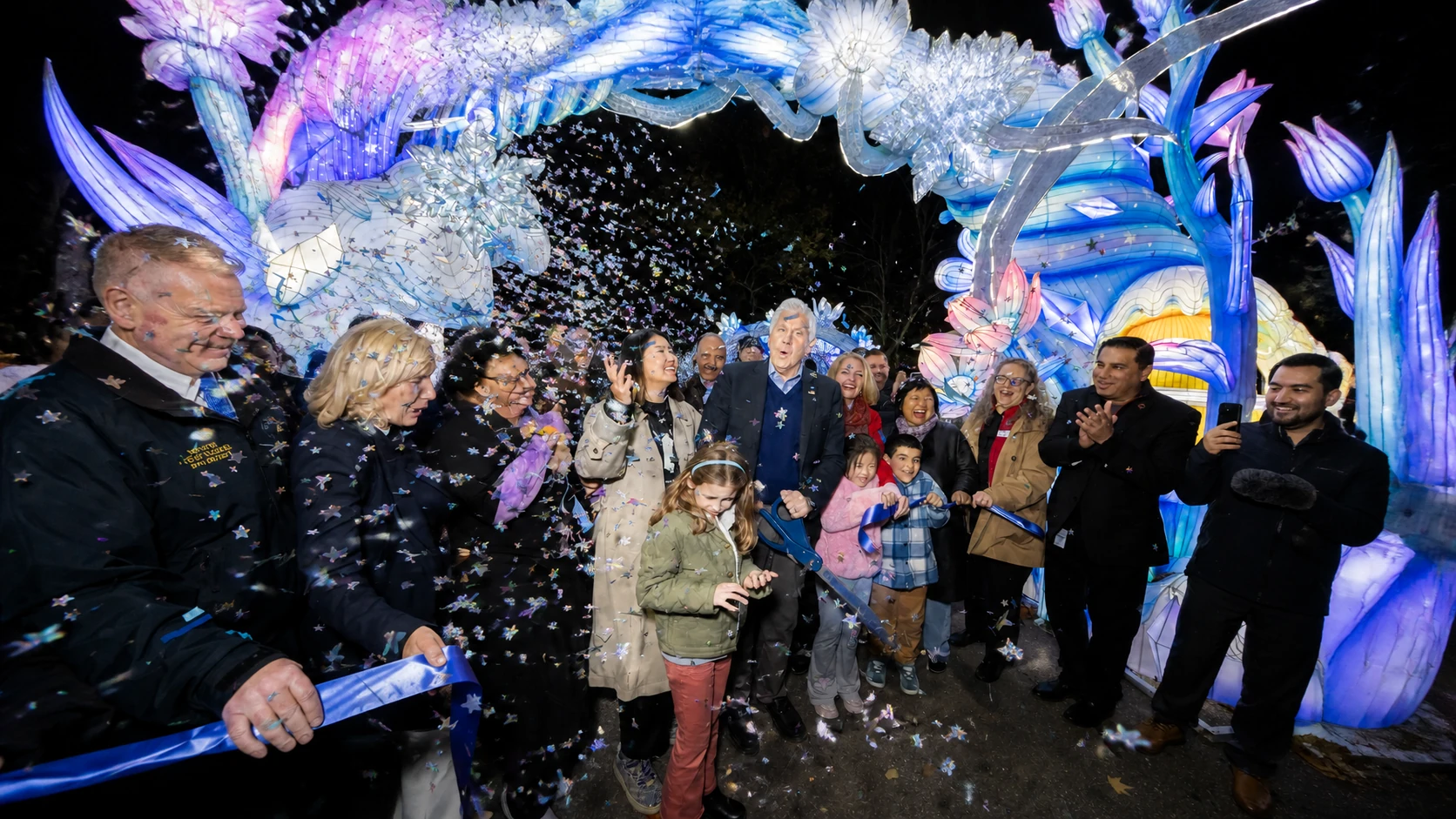
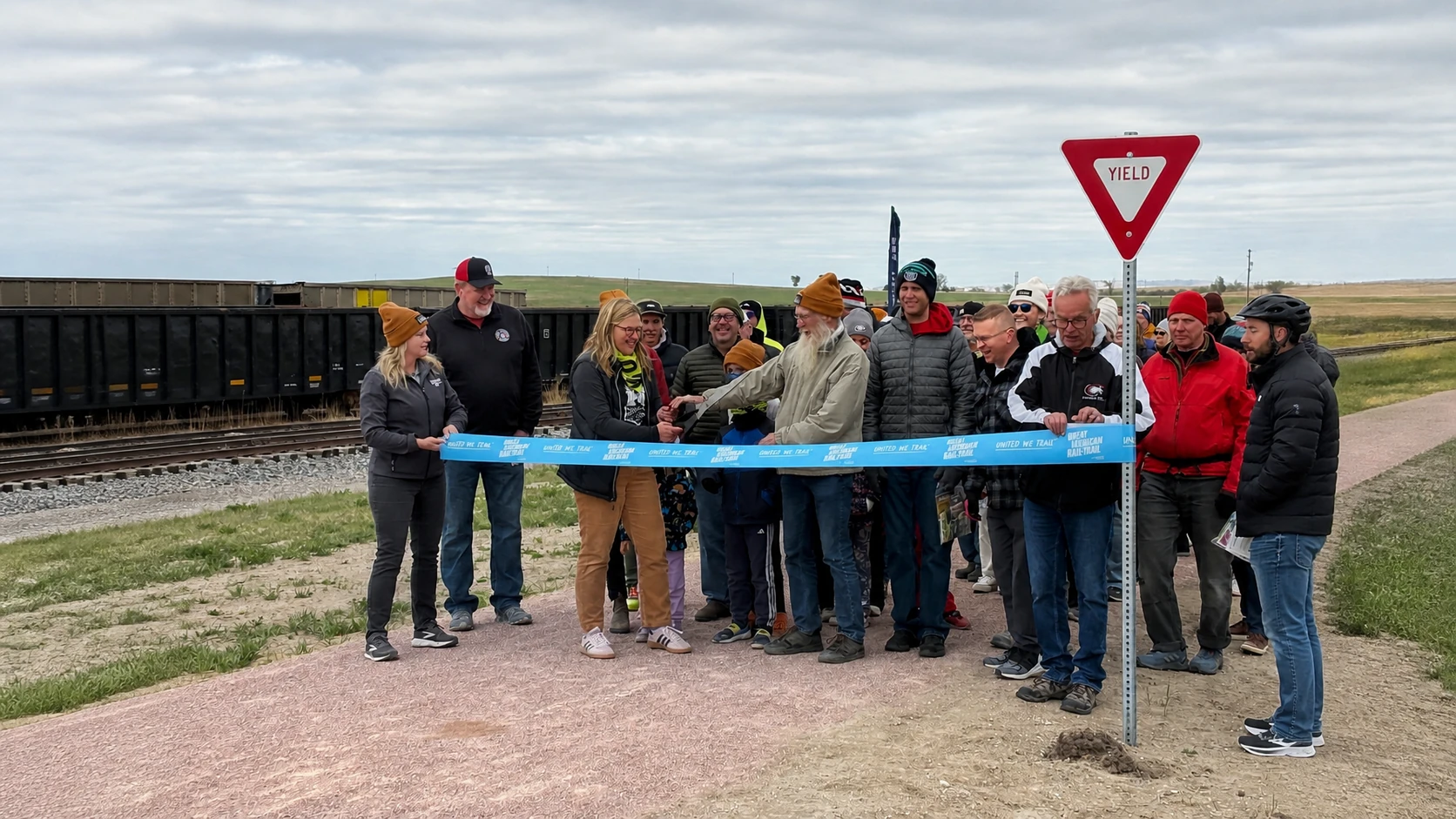
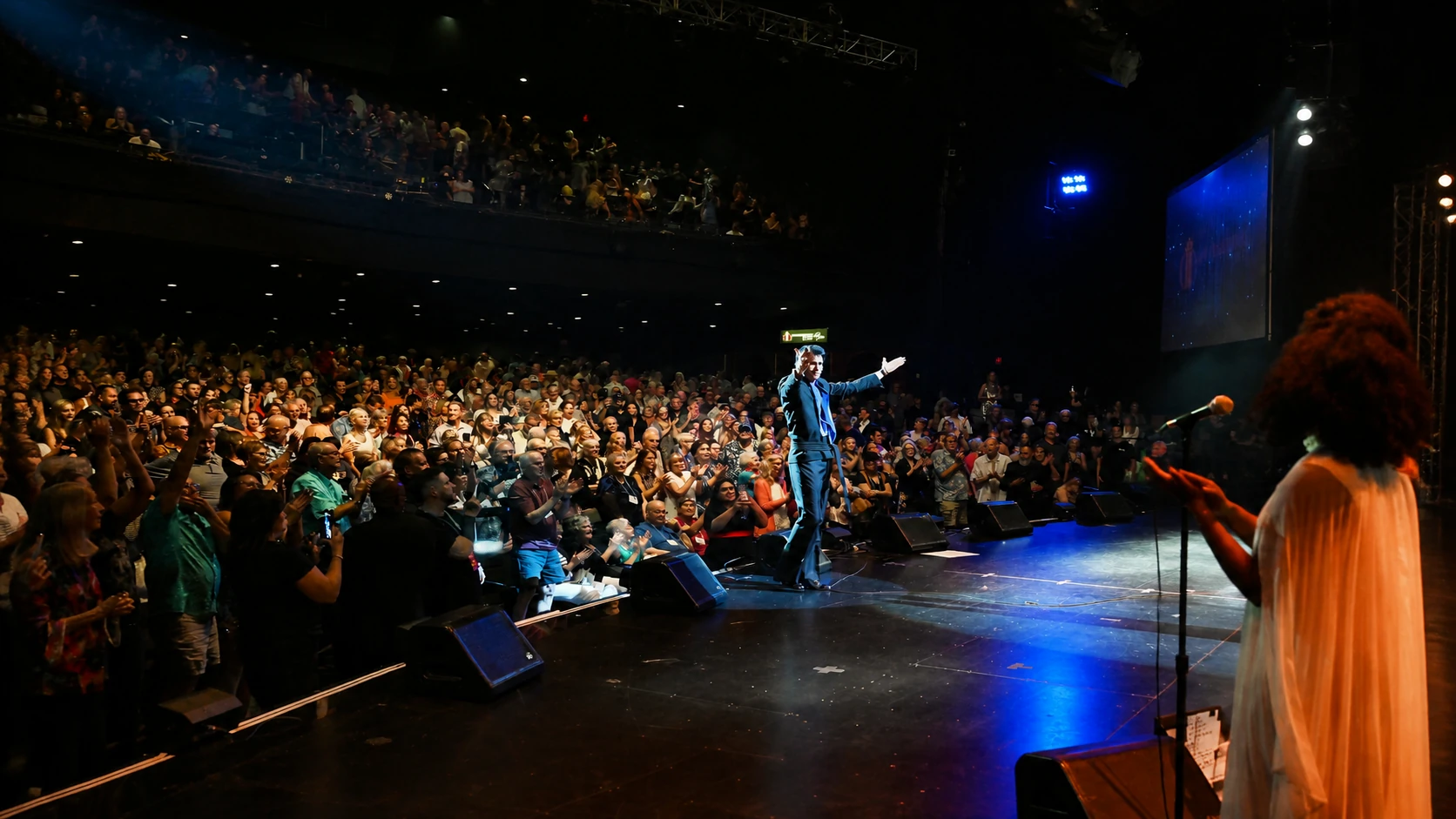
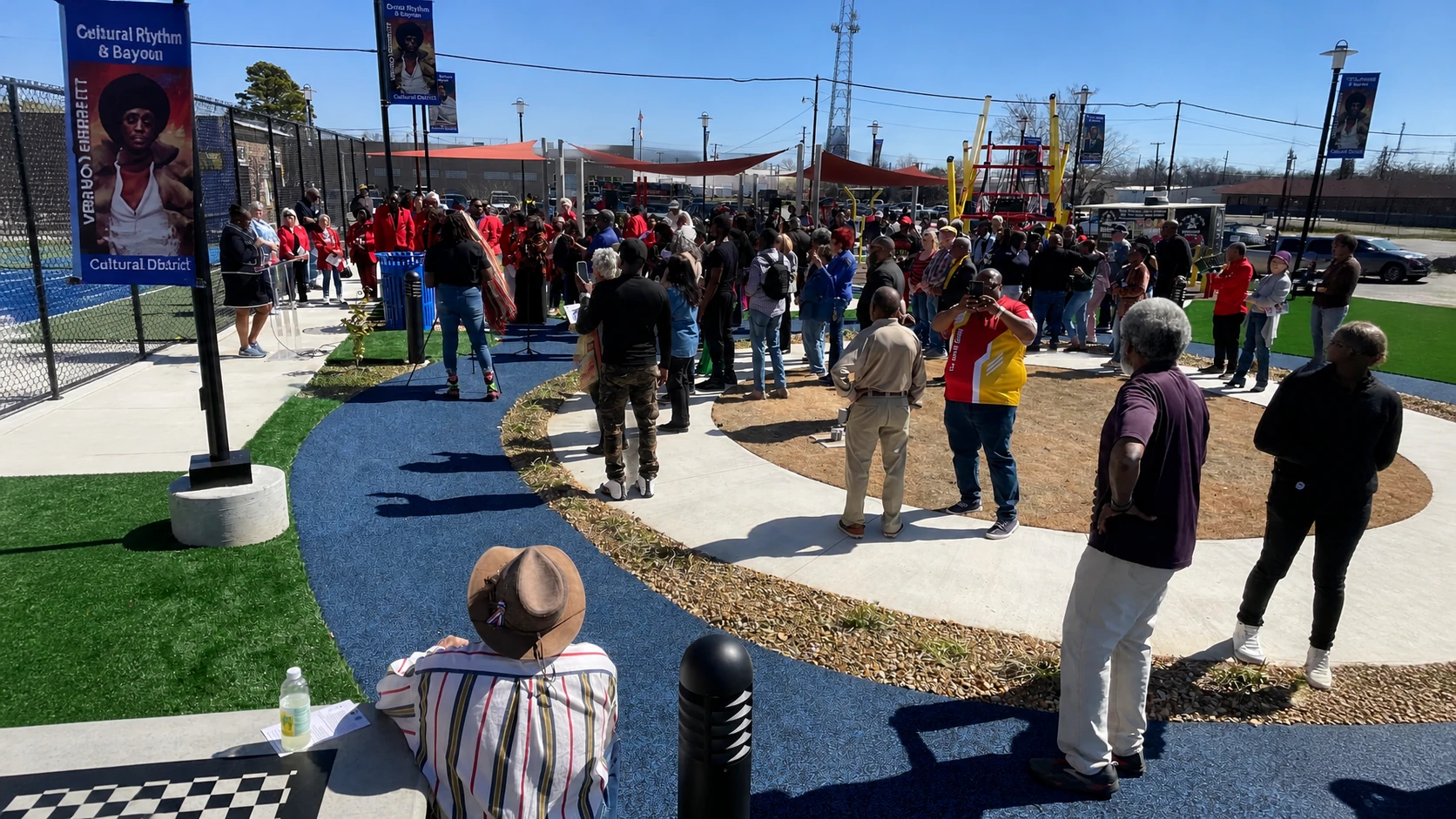
Pine Bluff A&P Commission has opened the Delta Rhythm & Bayous Blues & Wellness Plaza, described as the nation’s largest outdoor gallery dedicated to Delta music and culture. The February 27 ceremony brought together blues artists, honourees and families representing four generations of musical history, placing the Arkansas Delta’s contribution to American music at the centre of a public cultural attraction. The project combines heritage preservation with a broader effort to draw visitors to Pine Bluff.
The plaza’s opening was framed as the culmination of the 100th Black History Month and as a recognition of African American musicians and communities whose traditions shaped Delta music. Its interpretation is intended to explore the origins of the blues, African musical traditions preserved in the Delta, the Great Migration, gospel and spiritual music, and the genre’s role as artistic expression and social commentary. The programme also points to contemporary artists continuing those traditions.
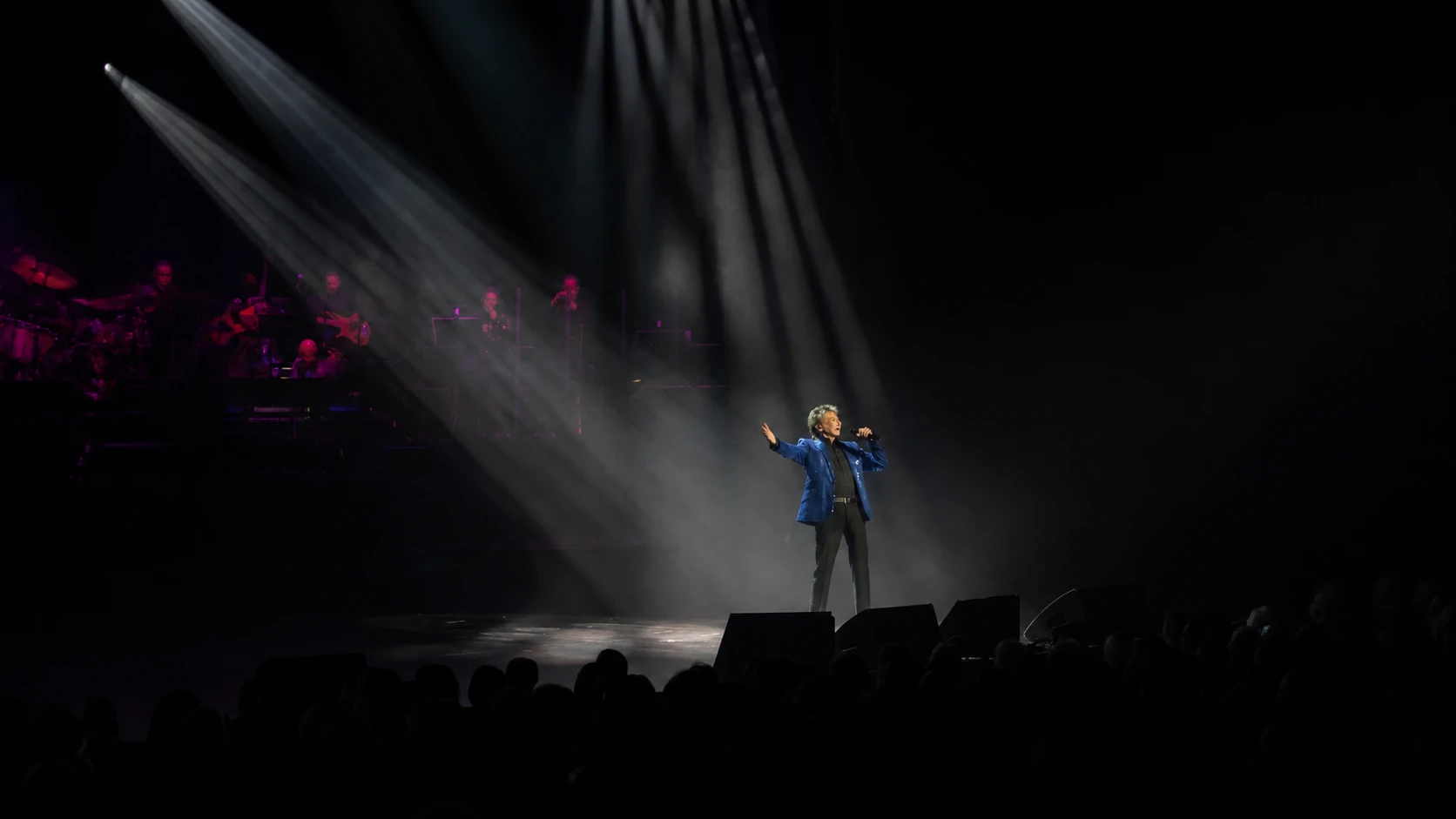
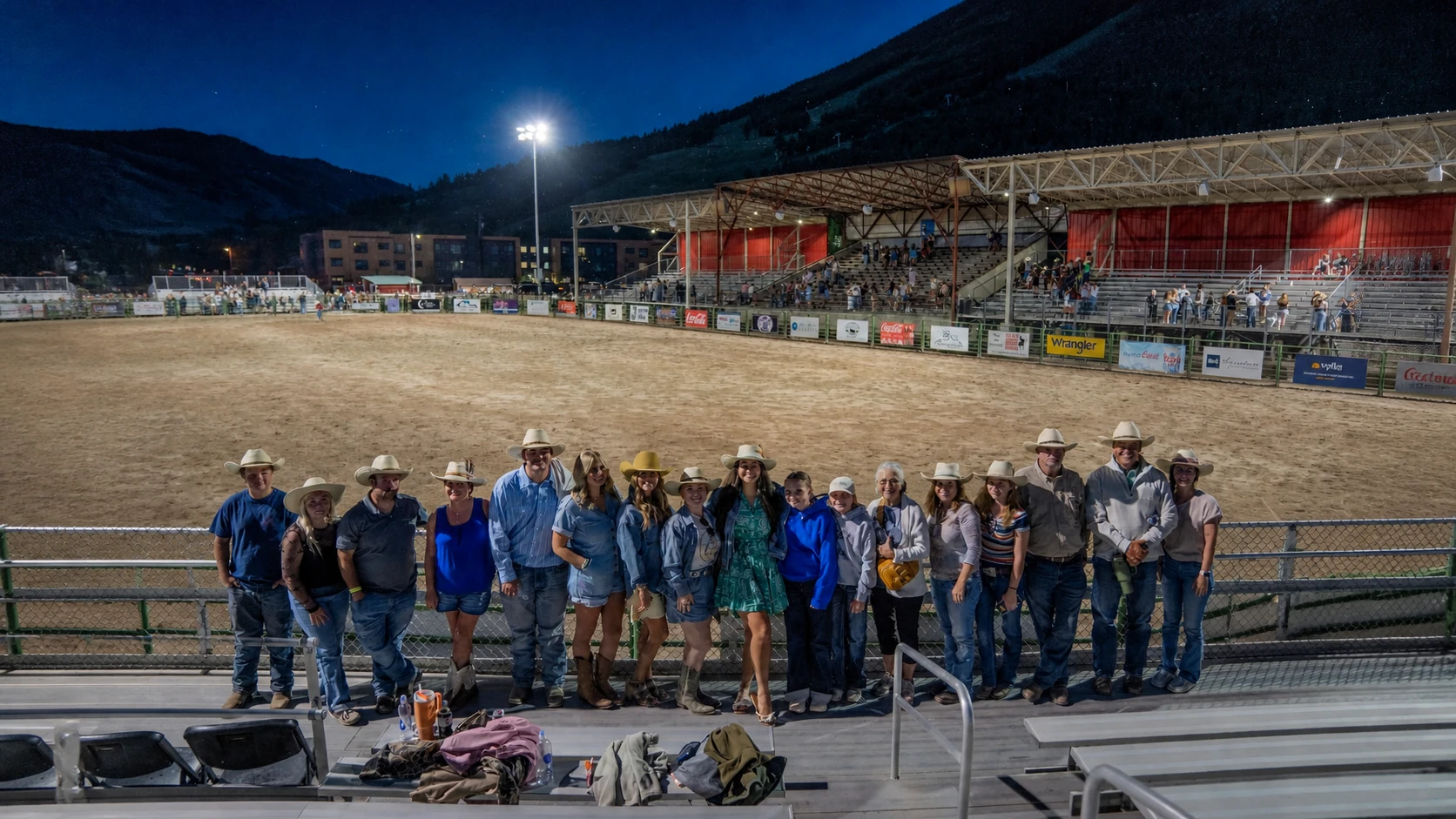
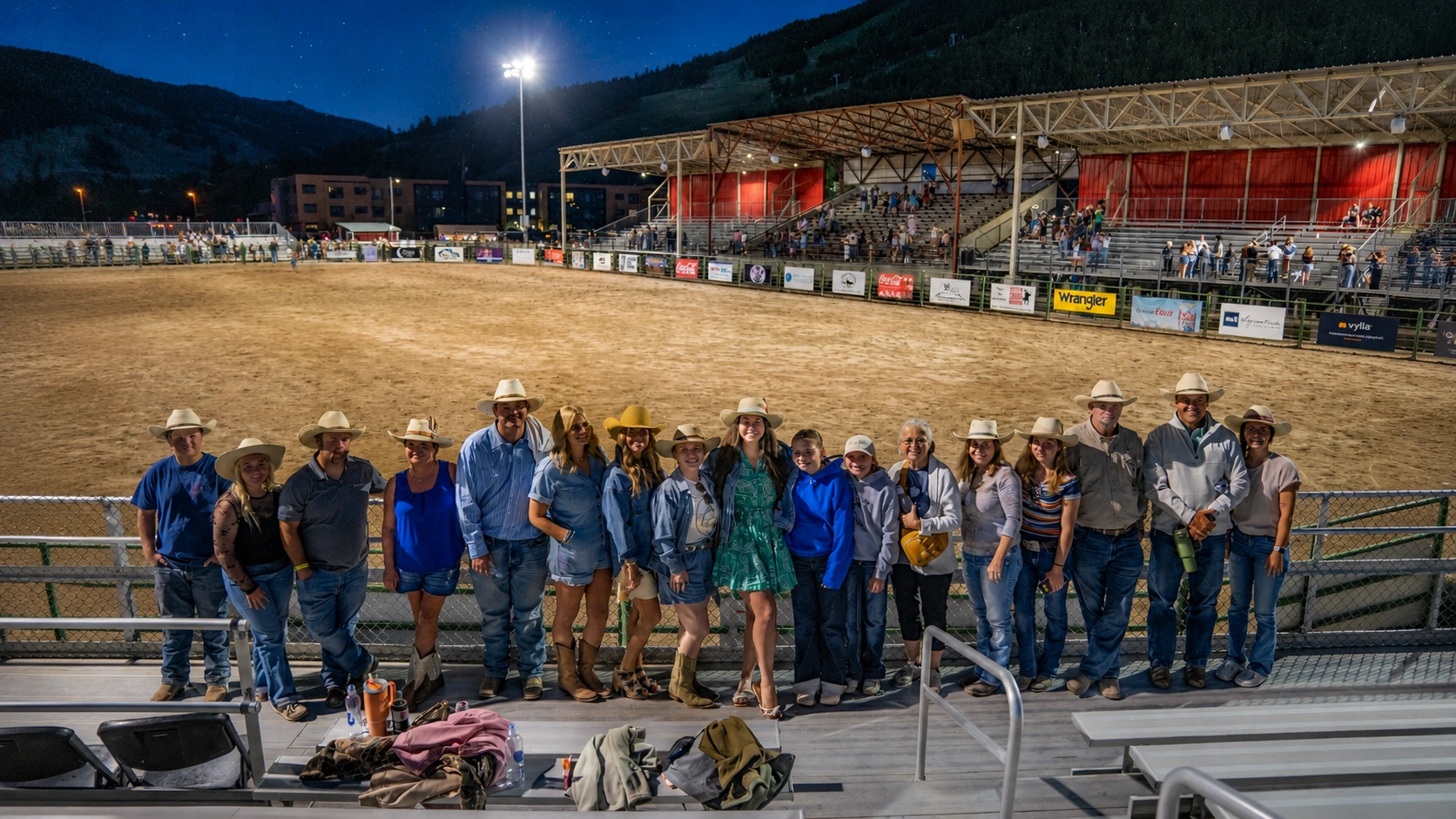
Karen Wolfe, known as “The Queen of Soul Blues”, headlined the ceremony alongside Blues Hall of Fame inductee Jerry “Boogie” McCain, Sonny Payne Blues Excellence Award-winner Manis “Detroit Johnny” Johnson and guitarist-vocalist Joe Pitts. Mary Bohlar represented her father, Chicago blues figure James Lacey “Tail Dragger” Jones, while other family members recognised musicians who are no longer living. The plaza is located at Third and Main Street on Bobby Rush Way.
Phase I provides the foundation for a cultural district that is planned to expand with additional exhibits, larger performance venues, international Delta music connections, integration with Pine Bluff’s bayou trail system and partnership displays involving museums and cultural institutions. The project is supported by the Delta Rhythm & Bayous Alliance, the City of Pine Bluff, Jefferson County and the University of Arkansas at Pine Bluff’s Art Department. Those elements position the site as both an outdoor museum and a platform for live cultural programming.
The development also reflects Pine Bluff’s attempt to make its musical history more visible within the visitor economy. The city’s tourism materials describe a wider cultural offer spanning music, civil rights, cinema, architecture and outdoor experiences, while the plaza’s backers project a $180 million economic impact for the completed Delta Rhythm and Bayous Cultural District. For Pine Bluff A&P Commission, the opening creates a permanent setting in which local history can support cultural participation, destination marketing and future investment.