
Shiji is positioning AI, mobility and connected data as tools to reduce operational friction while preserving the human character of hotel food and beverage service.
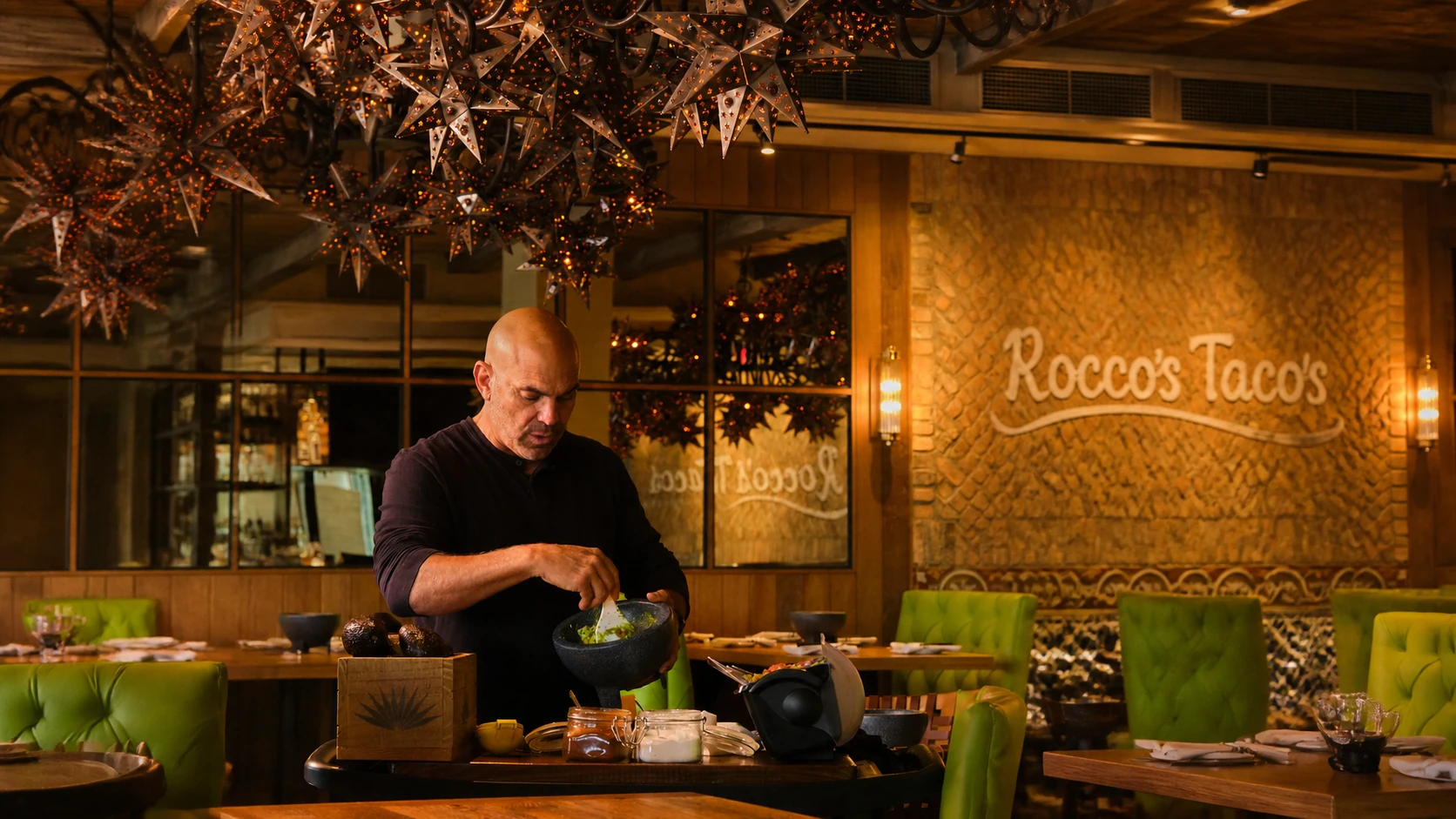
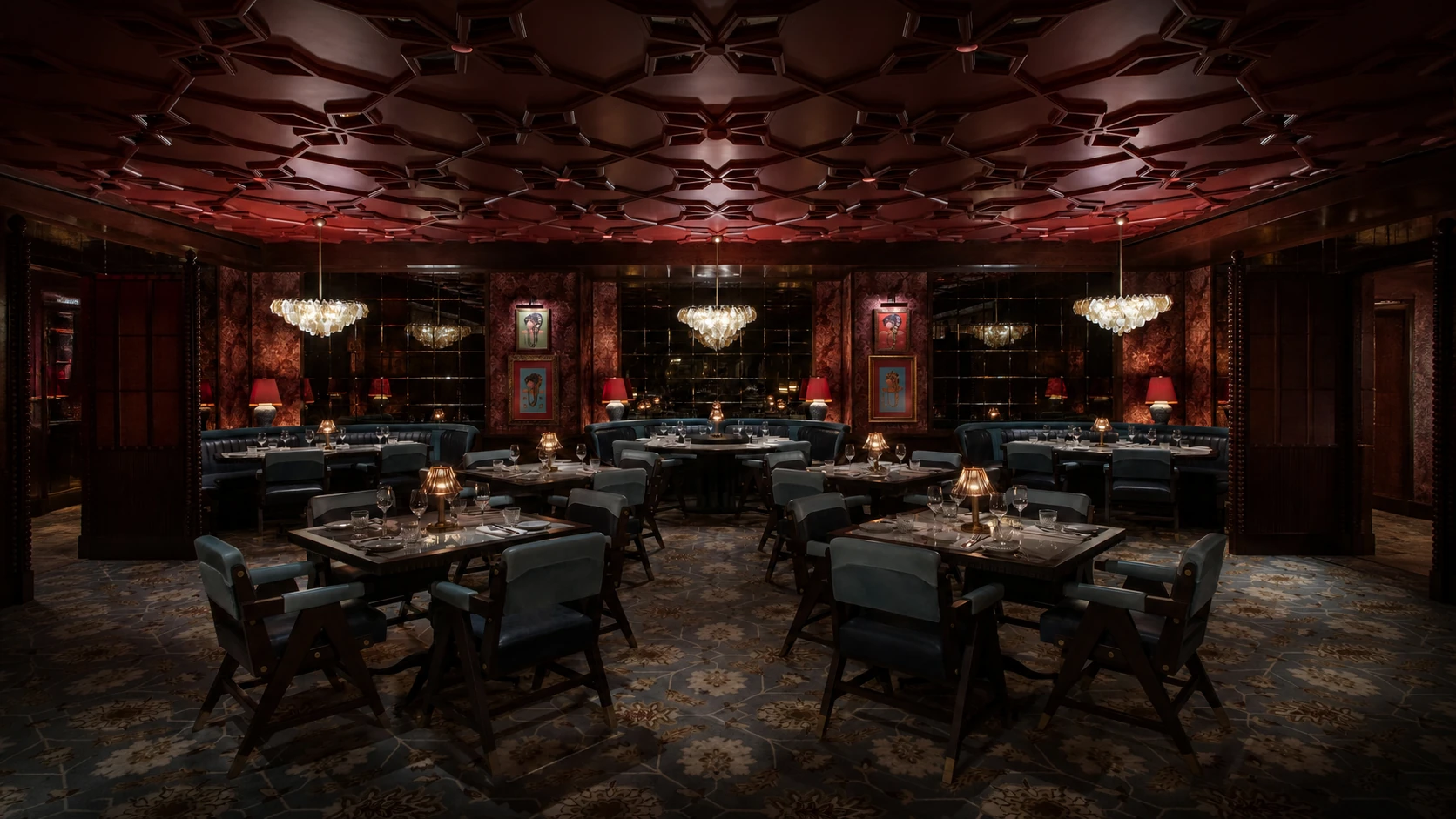
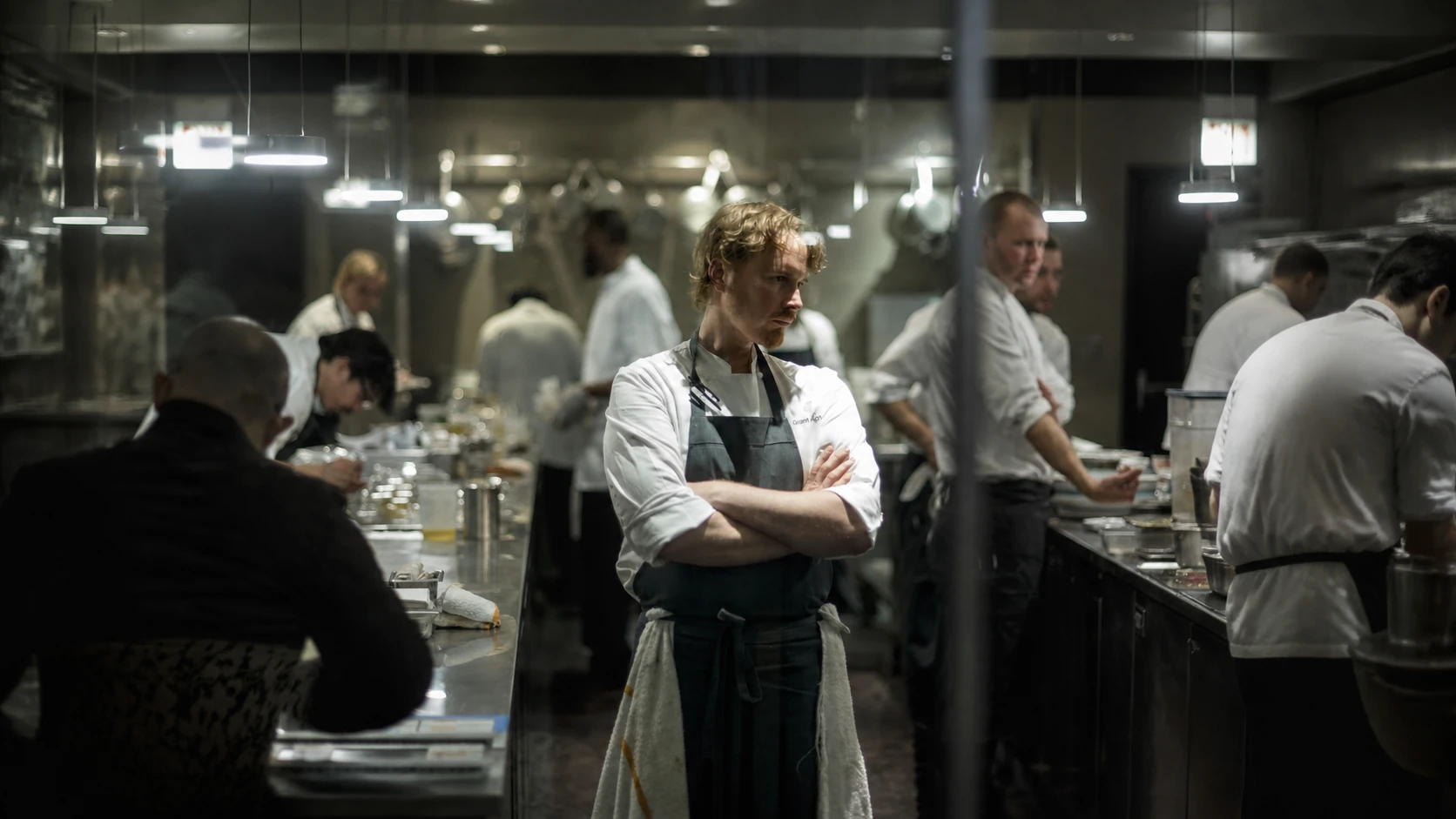
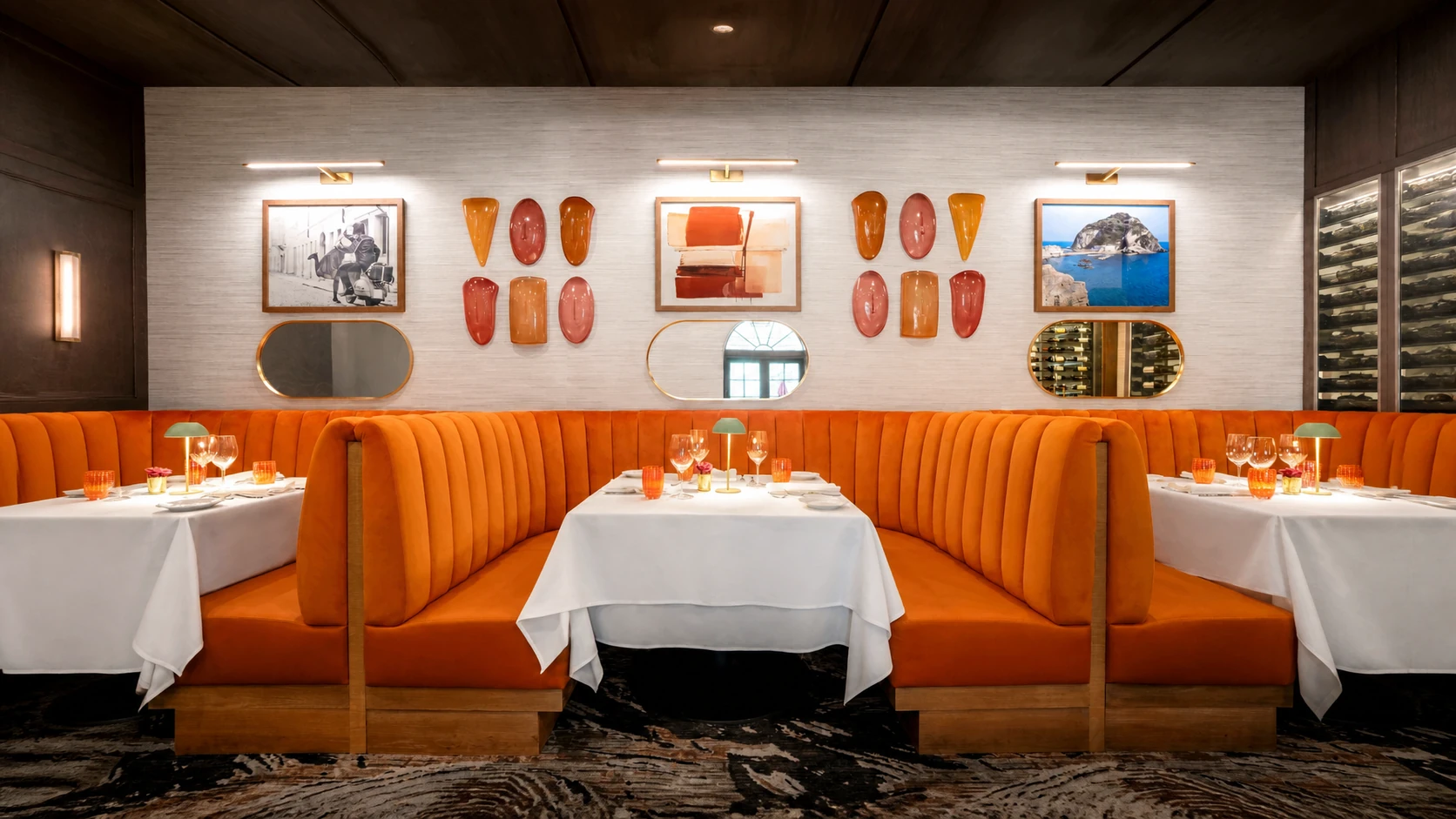
Shiji Group is highlighting an approach to hotel food and beverage technology that combines artificial intelligence with operator-led design. Christine Lising, the company’s director of solutions engineering for the Americas, describes systems intended to improve efficiency and service quality without displacing the human interactions central to hospitality. The emphasis reflects the distinctive complexity of hotel dining, where restaurants, room service, banquets and property-management integrations must work across one operation.
Lising’s analysis distinguishes hotel food and beverage from standalone restaurant environments, particularly because teams manage multiple outlets and service formats. Shiji says point-of-sale systems should reflect real operating workflows rather than impose additional complexity, with empathy in design forming part of the development process. The company also places emphasis on involving operators early, testing in hotel environments and refining products through feedback.
The technology themes include mobile point-of-sale, automation, predictive analytics and unified property-management and point-of-sale data. Shiji says these capabilities can support mobile ordering, kitchen routing, payment processing, staffing decisions, menu engineering and more informed operational planning. Its wider cloud portfolio includes property management, point-of-sale, guest engagement, distribution, payments and data-intelligence products, serving more than 91,000 hotels worldwide, according to the company.
The proposition is less about replacing hospitality than about removing administrative work that can distract staff from guests. Shiji says mobile systems can allow employees to take orders, process payments and personalise service from different locations across a property, while connected data can help teams respond to guest preferences and operational conditions. That framing places adoption and ease of use alongside technical capability, with simplified training presented as a way to reduce disruption during implementation.
Shiji’s position is that automation should create more room for hospitality rather than eliminate it. The company’s planned POS webinar is scheduled for Thursday, December 4, 2025, at 2:00 p.m. EST, with a focus on AI-driven and empathy-based technology in hotel operations. The broader implication is restrained but clear: for hotel dining systems to earn adoption, their value will depend not only on predictive functions but also on how naturally they support the people expected to use them.