Hellbender is expanding its headquarters and manufacturing operations in Pittsburgh, highlighting the city’s emergence as a center for physical AI, advanced manufacturing, and robotics innovation.
Hellbender has announced plans to double its Pittsburgh footprint by relocating its headquarters to Hazelwood Green and opening a larger manufacturing facility at nearby Mill 19. The expansion is expected to create more than 500 local jobs over the next five years while increasing the company’s capacity to produce hardware and software for physical AI systems. Beyond the company’s own growth, the move reflects the broader momentum behind Pittsburgh’s transformation from an industrial manufacturing hub into a center for robotics, artificial intelligence, and advanced engineering.
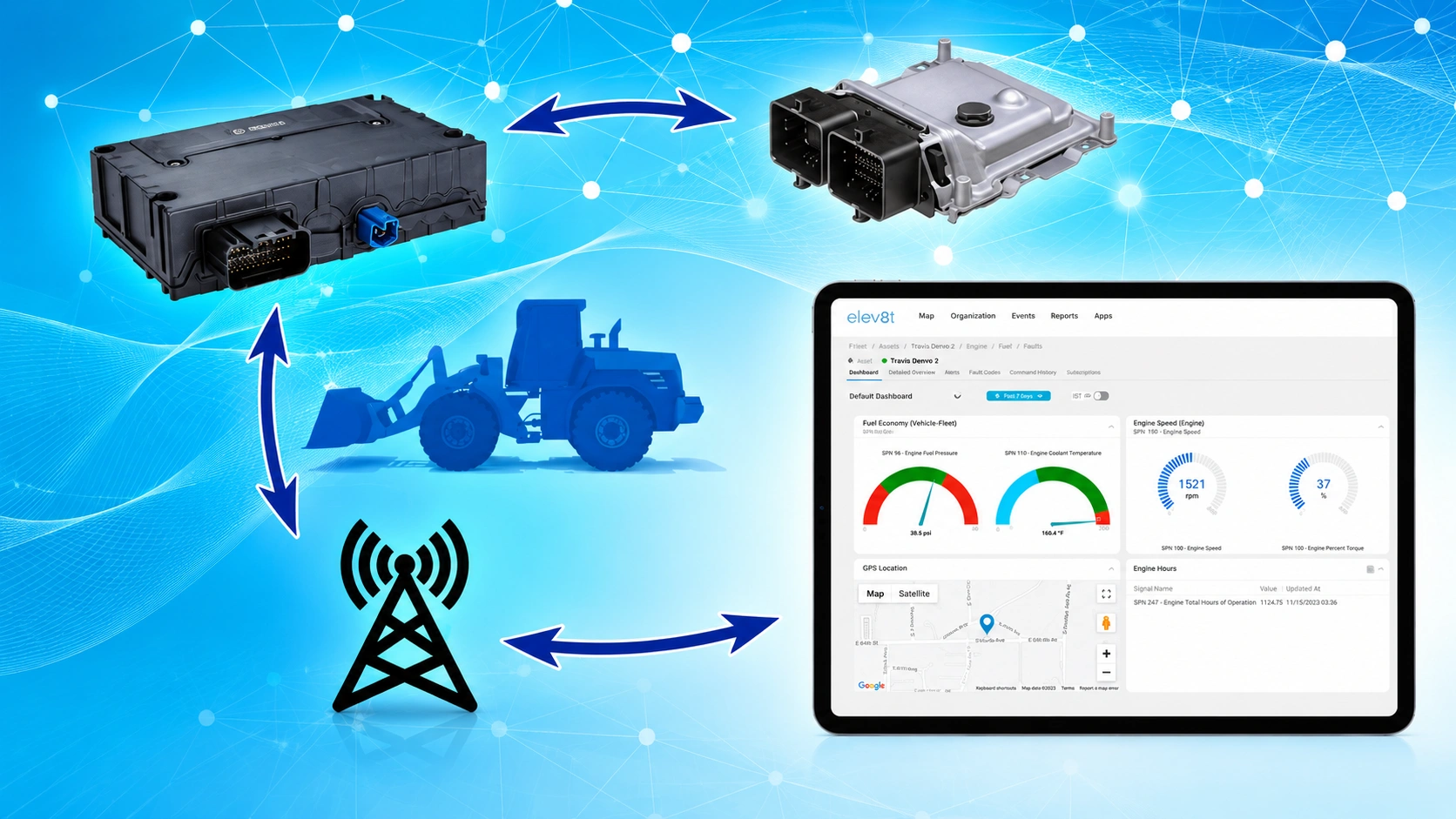
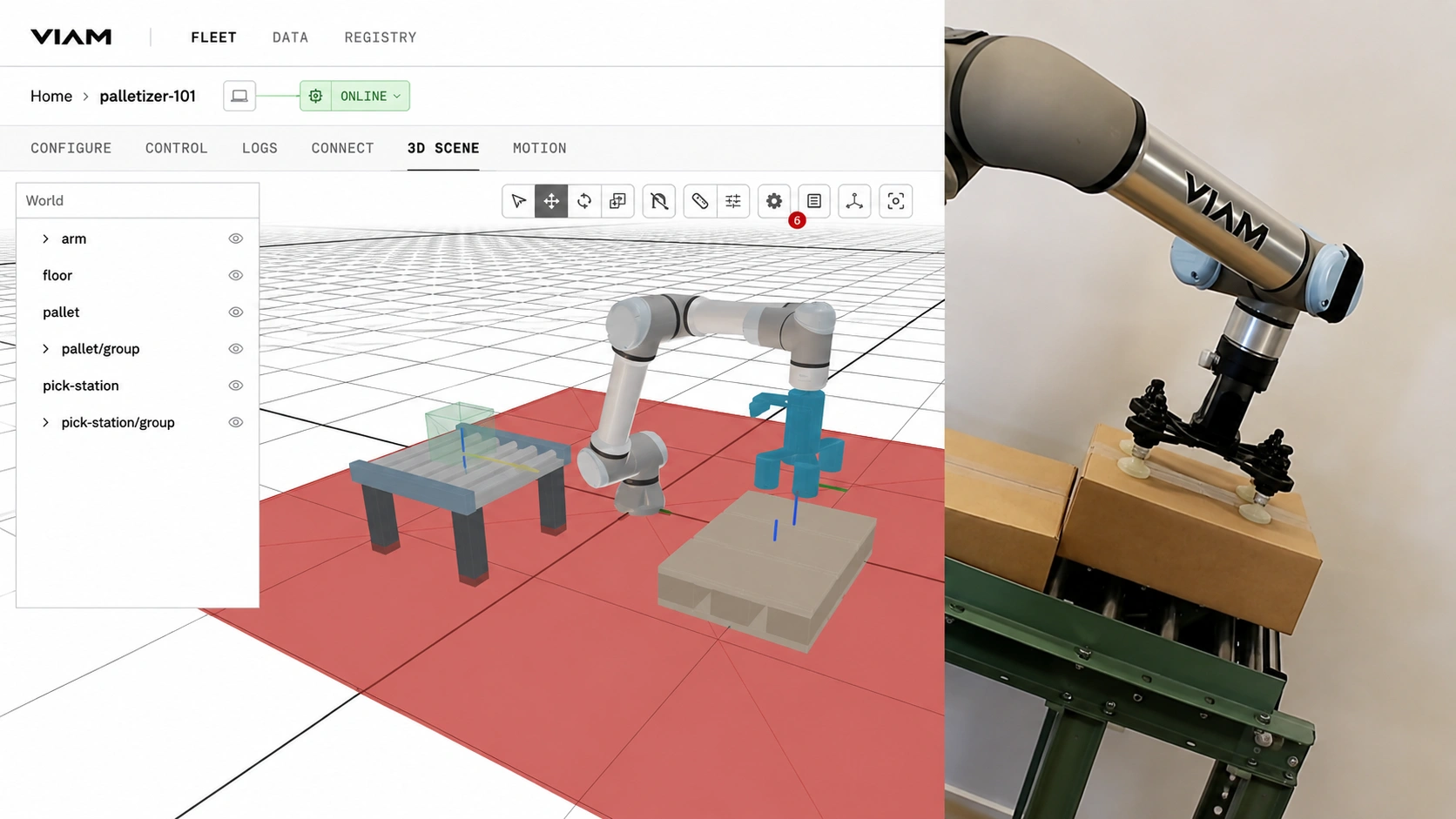
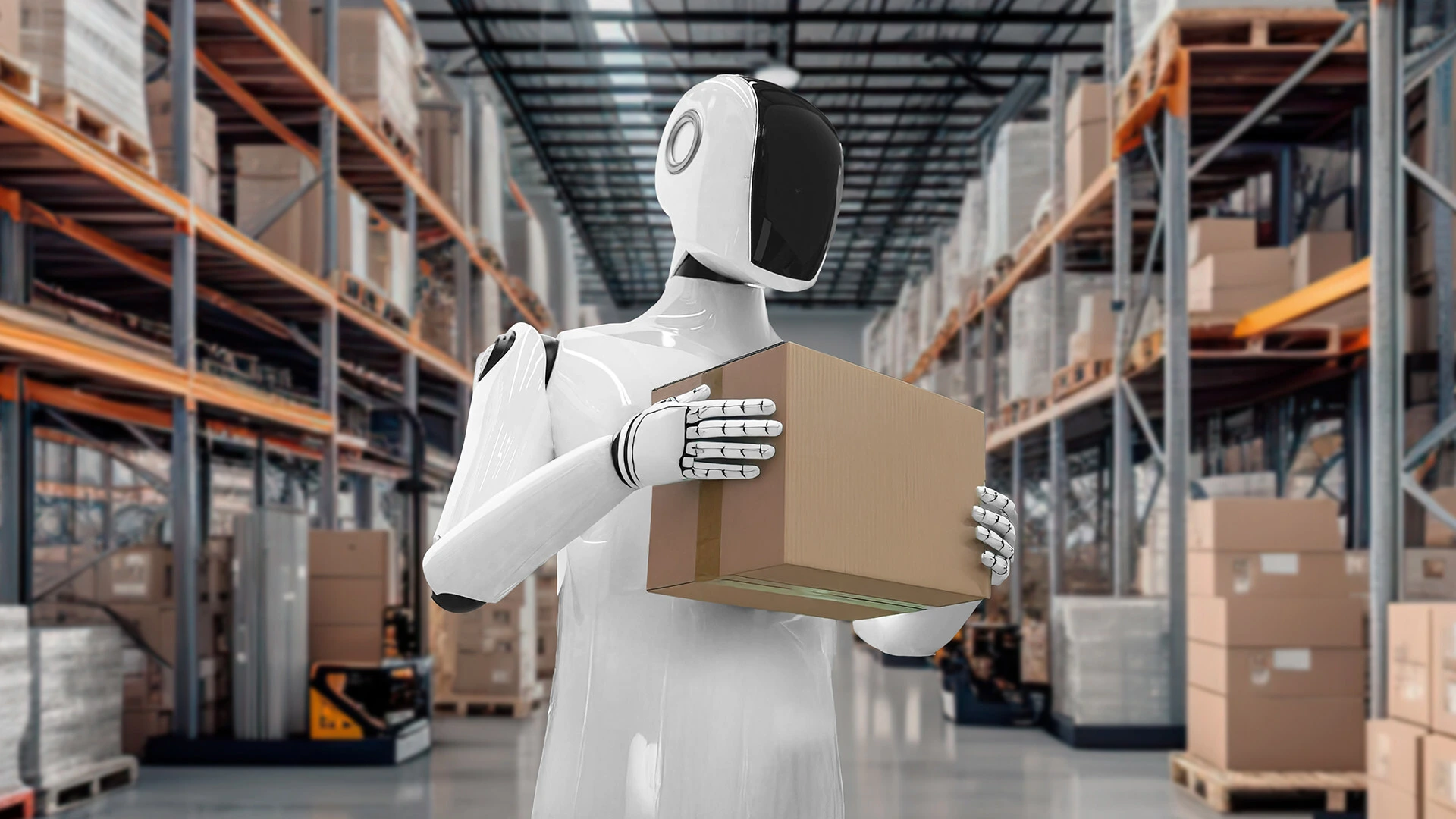
Unlike generative AI, which focuses on creating text, images, or software, physical AI is concerned with enabling machines to perceive, interpret, and respond to the physical world. These technologies rely on integrated sensors, edge computing, and real-time processing to power robots, autonomous equipment, and other intelligent systems operating outside traditional data centers. As demand for automation grows across sectors such as manufacturing, logistics, healthcare, agriculture, and energy, the infrastructure supporting these systems is becoming an increasingly important part of the technology economy.
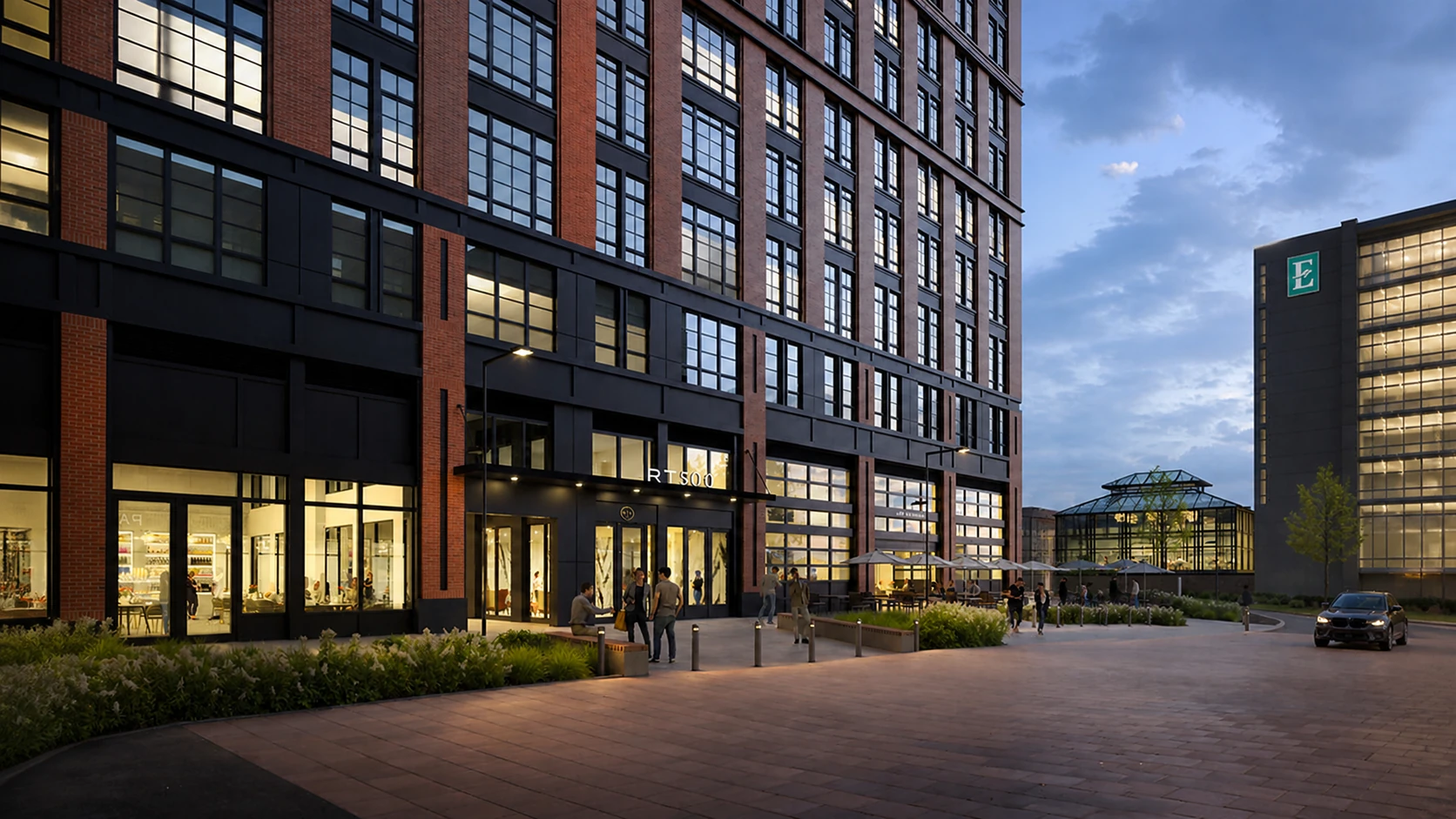
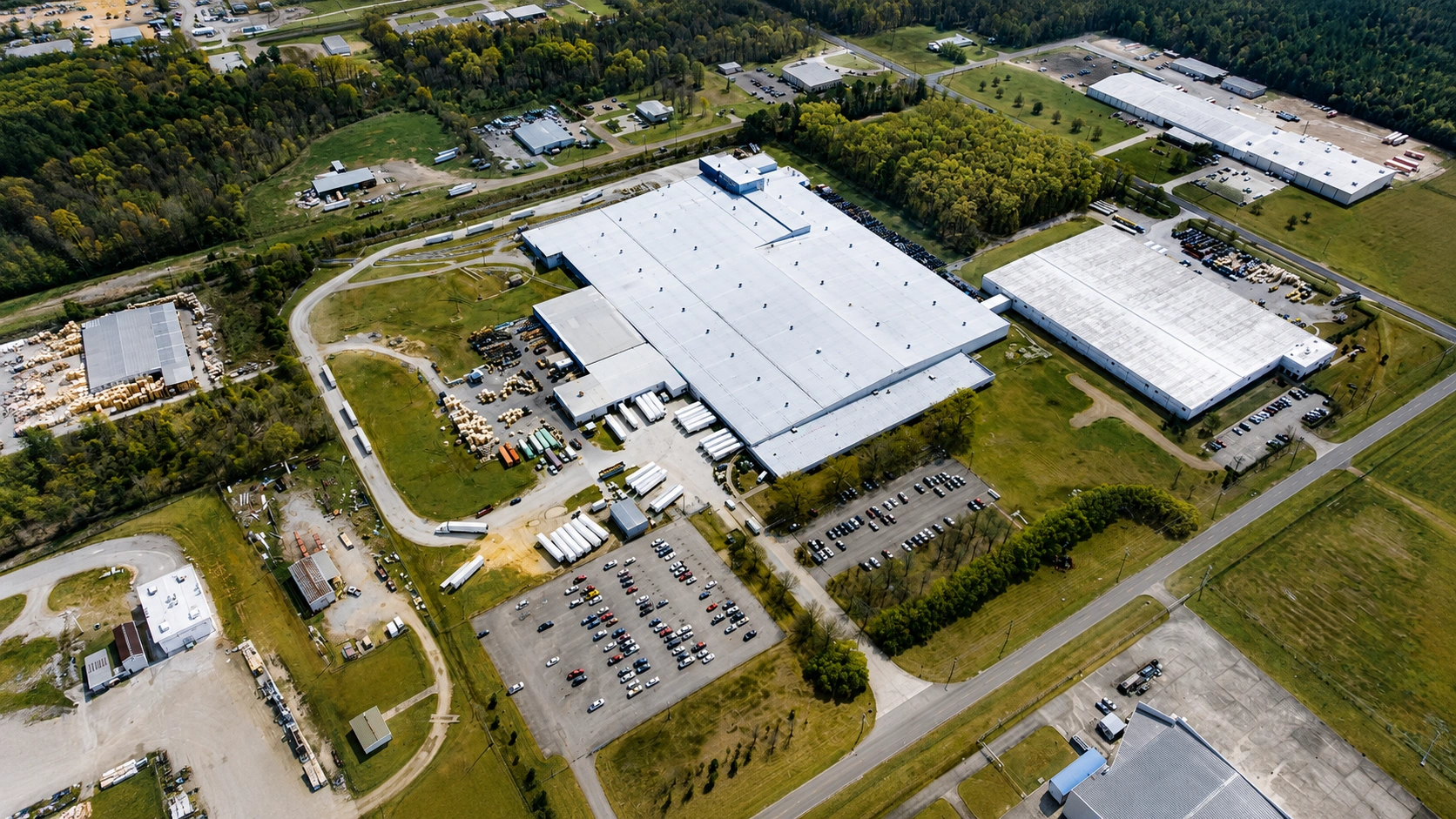
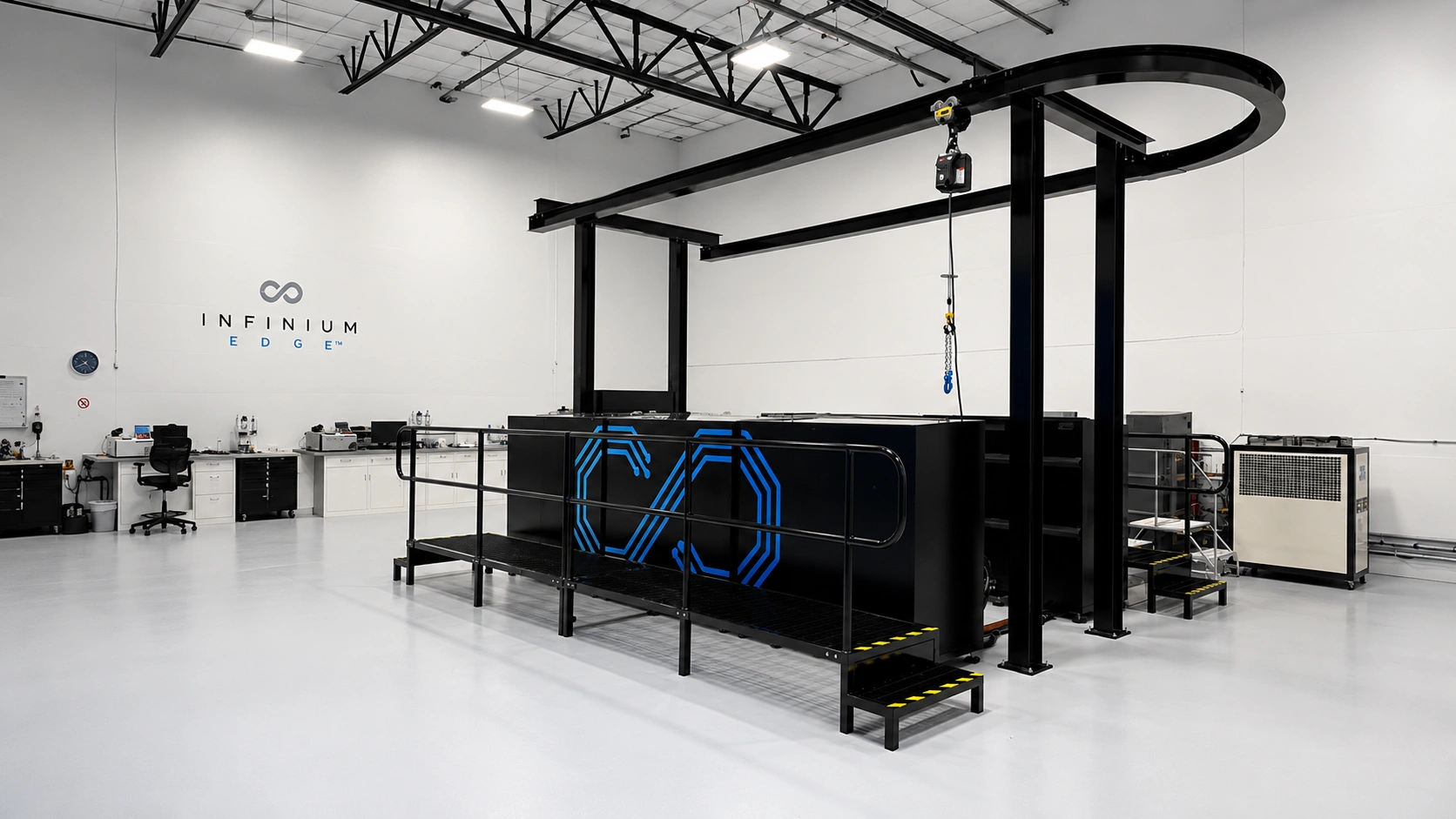
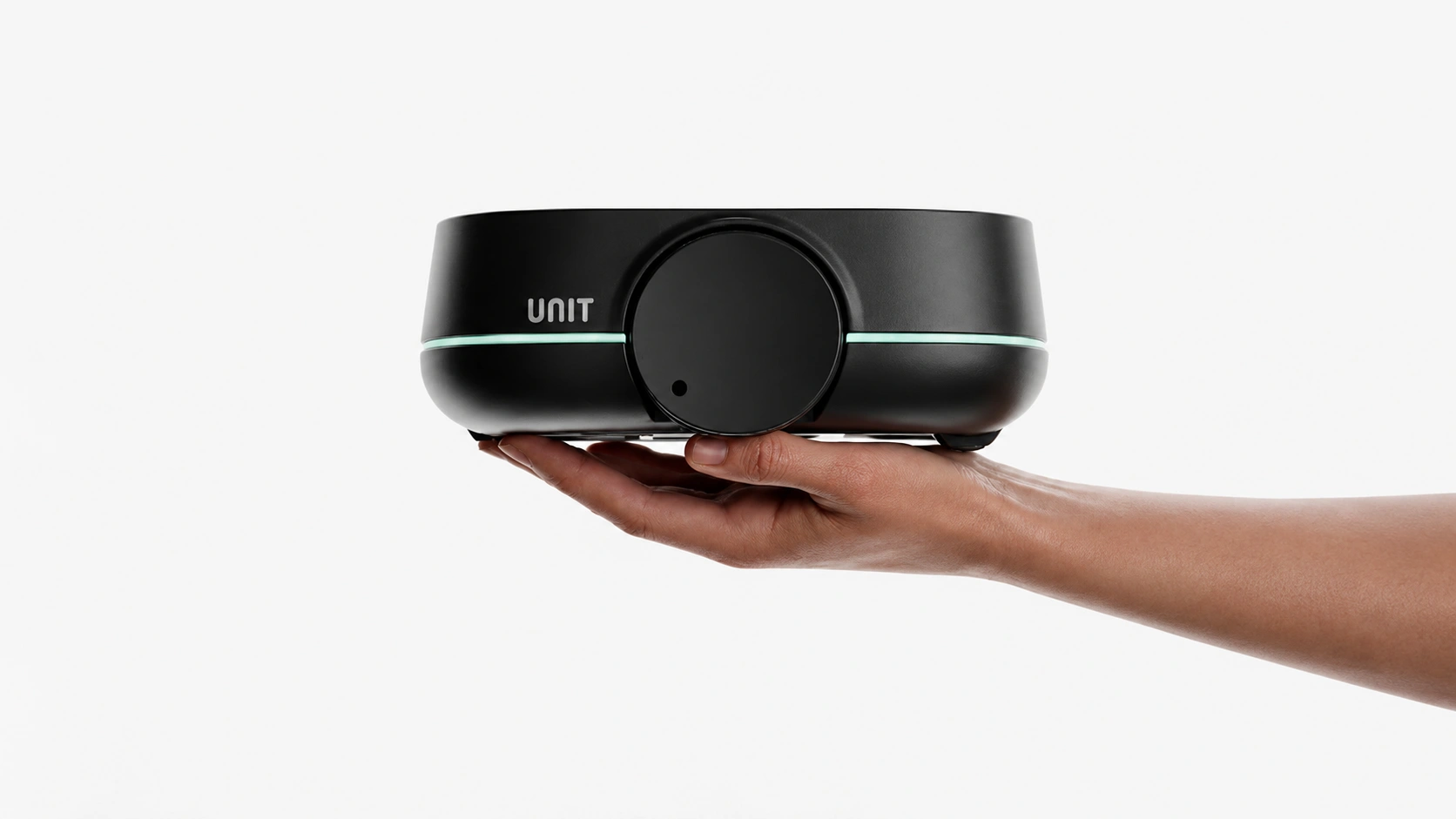
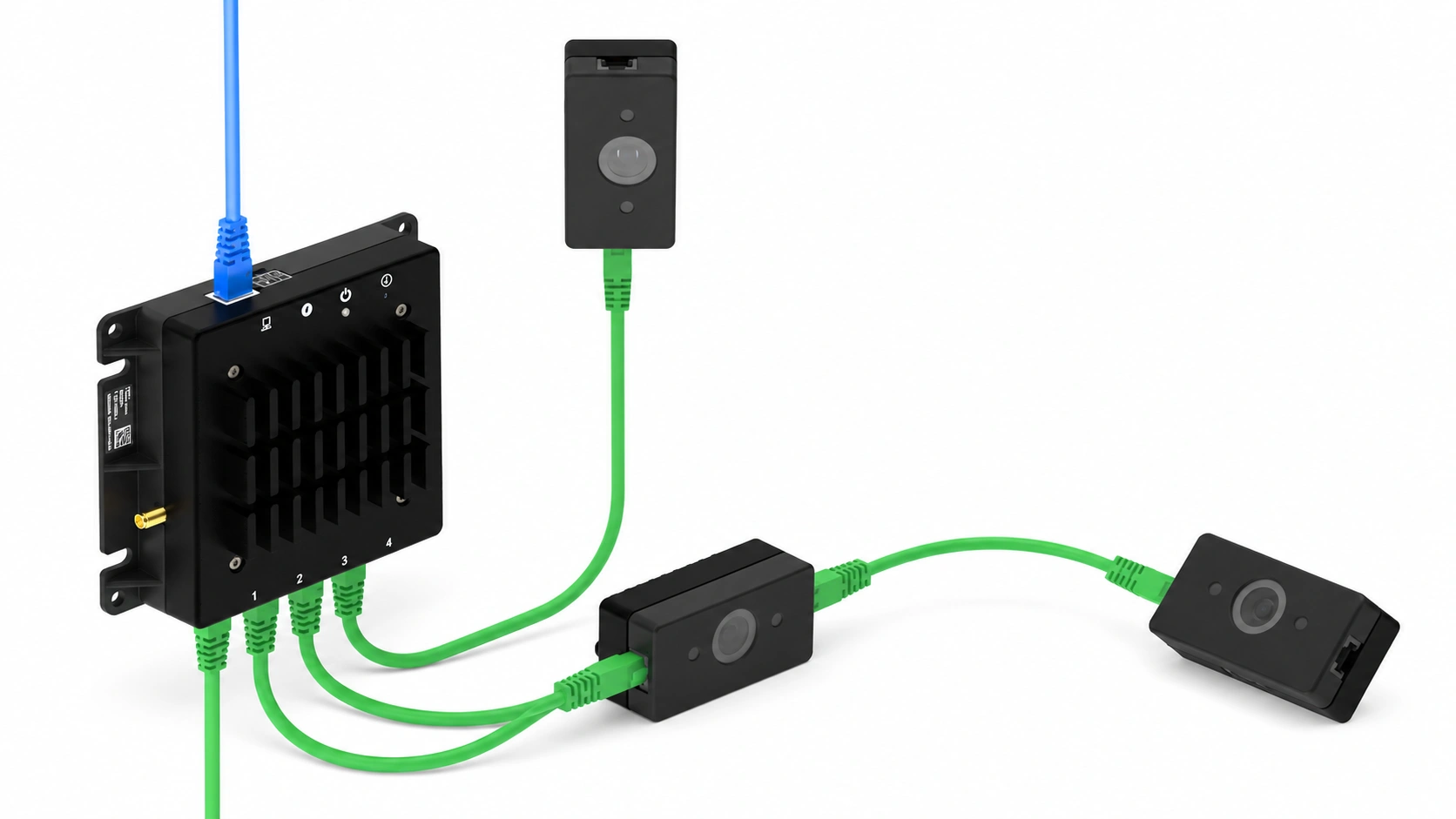
Hellbender’s expansion includes a nearly 90,000-square-foot campus consisting of its new headquarters at the Roundhouse and an approximately 60,000-square-foot manufacturing operation scheduled to open at Mill 19 in early 2027. According to the company, the facilities will support production of edge-computing boards, integrated perception systems, and related hardware and software used in autonomous machines. The company also plans to collaborate with local workforce organizations to create technical career pathways, emphasizing that many manufacturing and technician roles can be filled through specialized training rather than requiring advanced academic degrees. The expansion follows Hellbender’s recent $12.5 million seed funding round, which is supporting continued product development and manufacturing growth.
The location itself reinforces Pittsburgh’s evolving innovation ecosystem. Mill 19 sits alongside research institutions and robotics organizations, including Carnegie Mellon University’s Manufacturing Futures Institute and the Advanced Robotics for Manufacturing Institute, creating opportunities for collaboration between industry and academia. At the same time, the redevelopment of former industrial sites into technology campuses demonstrates how legacy manufacturing regions are adapting to new economic priorities.
Hellbender’s latest investment underscores how physical AI is increasingly tied to domestic manufacturing, workforce development, and regional innovation. As intelligent machines become more common across critical industries, the infrastructure required to design, build, and support them is likely to play a growing role in shaping both local economies and the broader technology landscape.