NeuroRester has introduced a wearable system that combines physiological monitoring with adaptive support, reflecting a broader movement toward health technology that responds to users throughout the day rather than simply tracking activity.
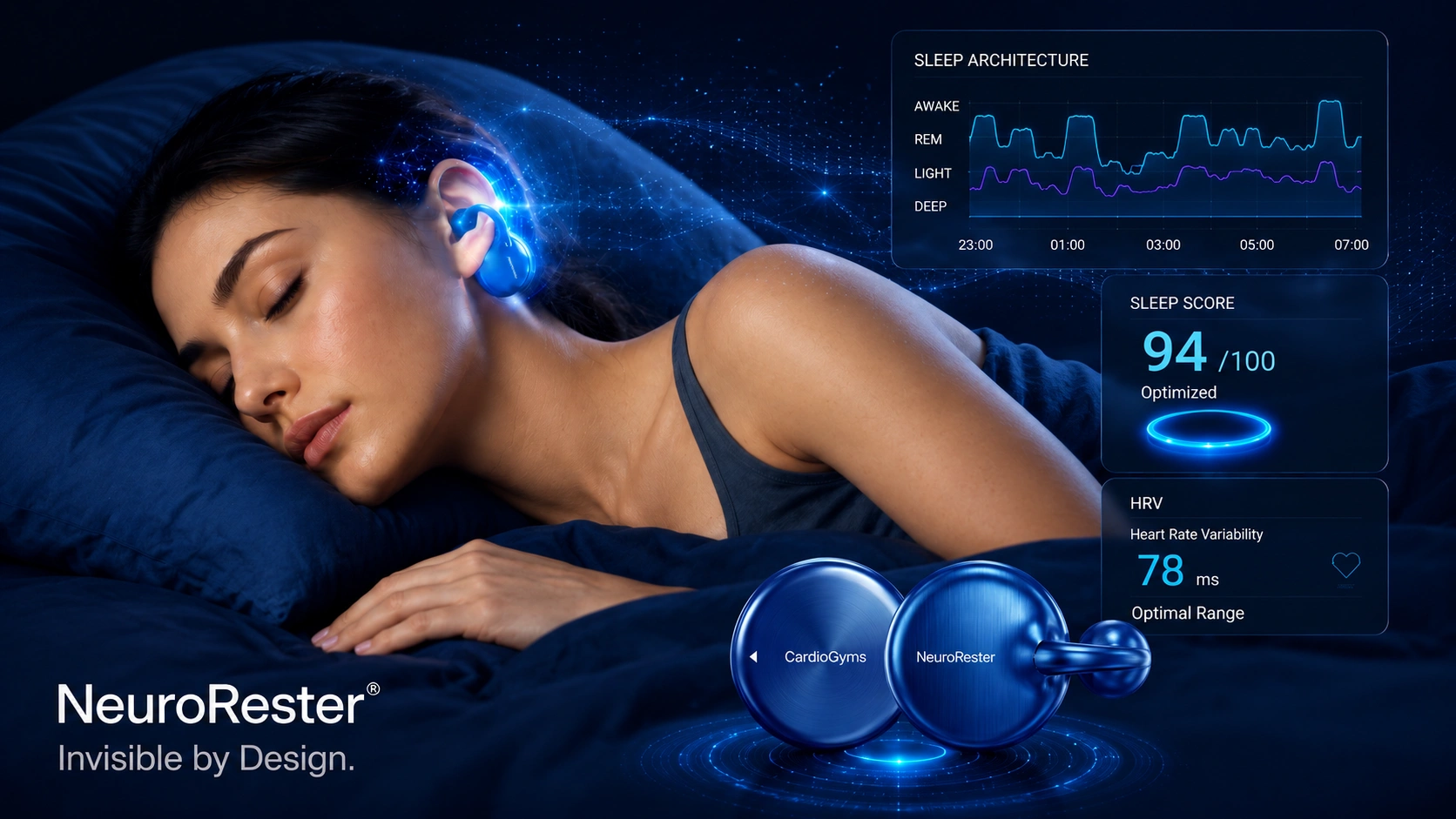
NeuroRester has unveiled what it describes as the world’s first Cardio-Cerebral Sync Wearable System, introducing a compact device intended to support both daytime physiological balance and overnight recovery. The company says the coin-sized wearable integrates with Apple Health and uses artificial intelligence to adapt its operation based on data collected from existing wearable devices, with early access scheduled through Kickstarter before a broader commercial release later this year. The launch highlights the growing evolution of wearable technology from passive health monitoring toward systems designed to provide personalized guidance and ongoing intervention.
The concept behind the platform reflects a wider shift in sleep and wellness research, where recovery is increasingly viewed as the result of interconnected biological systems rather than brain activity alone. NeuroRester says its two wearable modules draw on separate streams of published academic research, including studies associated with Harvard Medical School and the Mayo Clinic, to inform their design. Rather than reproducing the medical findings of those studies, the company states that it translated observed relationships involving circadian rhythms, metabolic balance, and recovery into an adaptive wearable platform.
Unlike conventional fitness trackers that primarily collect and display health metrics, the NeuroRester system is designed to adjust its behavior continuously. According to the company, its AI engine analyzes information from connected wearable devices alongside brief user check-ins to personalize daily and nightly support. The result is intended to create a feedback loop in which each day’s activity influences future recommendations and device settings, allowing the system to evolve alongside changes in an individual’s routine and recovery patterns.
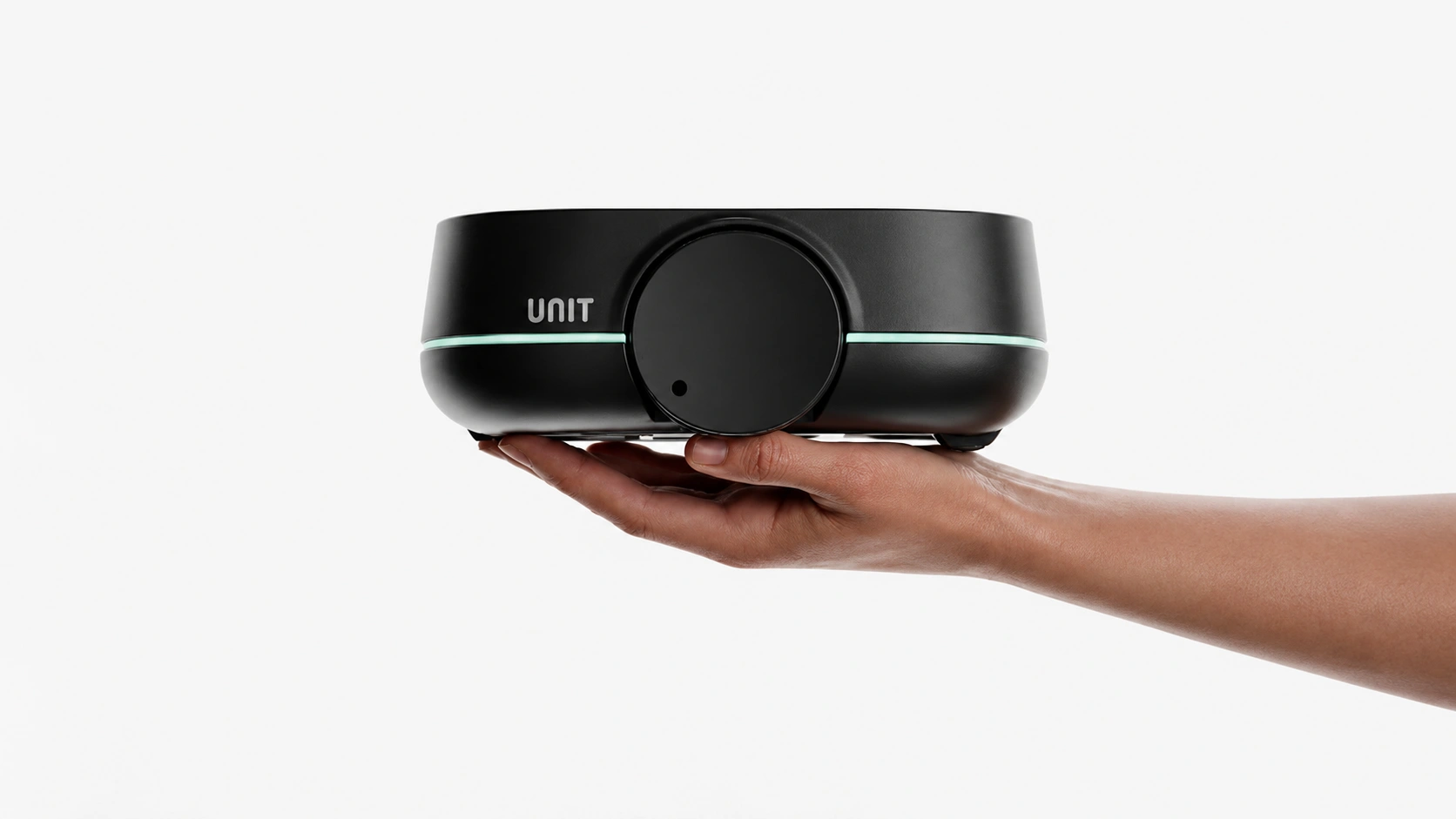
A notable aspect of the announcement is the emphasis on miniaturization. NeuroRester says it spent 15 years reducing digital pulsed electromagnetic field technology, traditionally associated with much larger desktop equipment, into a wearable form small enough to be worn on the wrist or ankle throughout the day. Whether that engineering achievement translates into meaningful consumer adoption will depend on how the technology performs outside controlled development environments, an area that will likely draw close attention as the product reaches early users.
The introduction of NeuroRester’s platform reflects a broader trend in digital health toward combining wearable sensors, AI-driven personalization, and continuous physiological feedback into integrated wellness systems. As companies increasingly seek to move beyond reporting health data toward offering individualized support, products like this illustrate how the next generation of wearables may focus as much on interpreting information and adapting to users as they do on collecting it.