The Charming Taste of Europe is using the landscapes and traditions of Abruzzo and Bordeaux to present regional wine culture as a foundation for destination discovery.
The Charming Taste of Europe has highlighted wine tourism in Abruzzo and Bordeaux, presenting vineyards, local gastronomy and cultural heritage as routes into two distinct European regions. The European Union-co-funded campaign promotes selected agricultural products to consumers, media and trade professionals in the United States and Canada. Its latest release focuses on how geography, climate and winemaking traditions shape both the wines and the visitor experiences associated with their places of origin.
The campaign brings together three producer organisations: the Consortium for the Protection of Wines of Abruzzo, the Union of Late Harvest Wines of Bordeaux and the Association of Imathia’s Agricultural Cooperatives in Greece. Within that broader programme, its wine-tourism message centres on Wines of Abruzzo and the Late Harvest Wines of Bordeaux. The campaign describes terroir not only as an influence on production, but as part of the landscapes, history and local customs that visitors encounter around winegrowing areas.
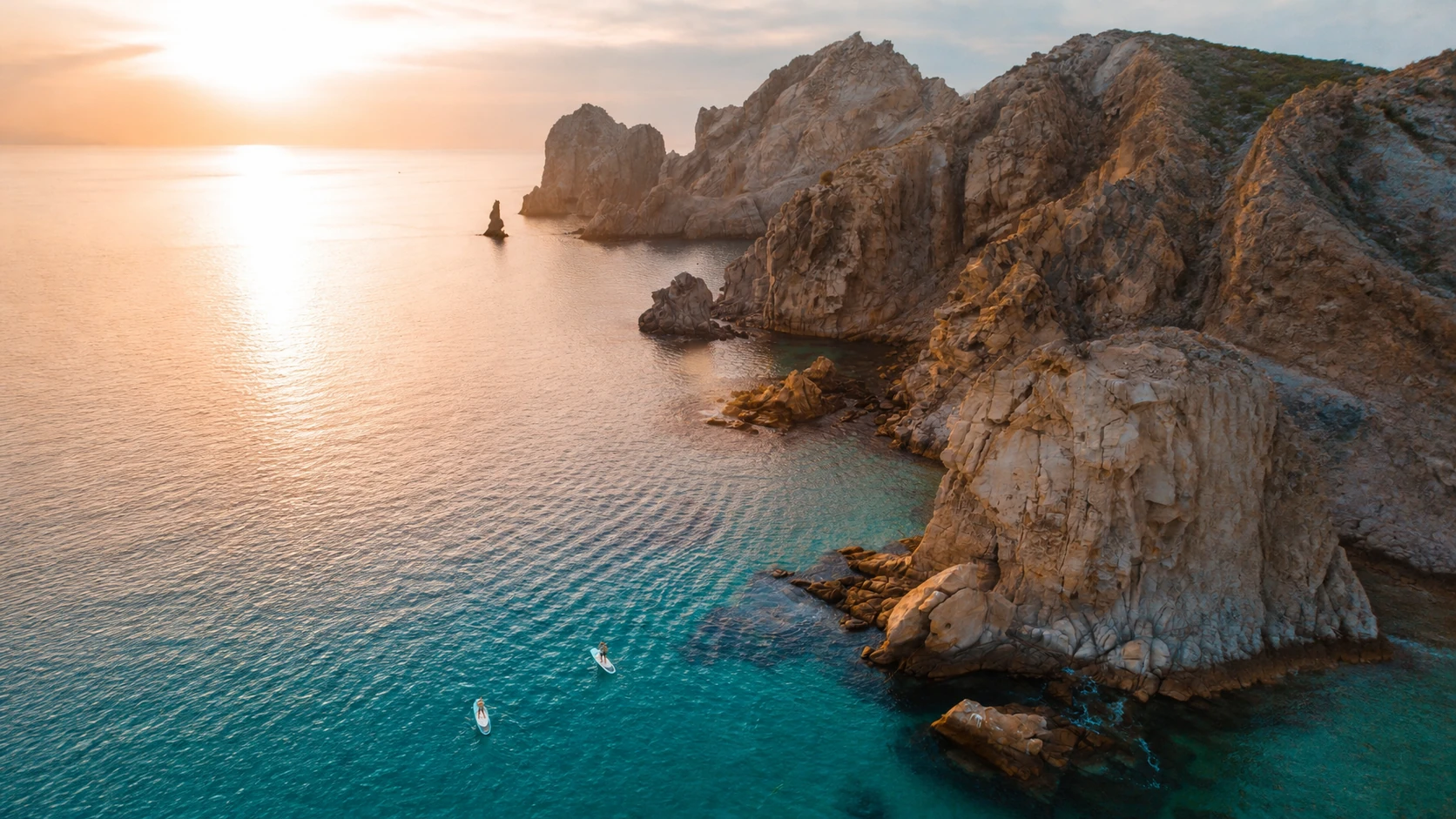
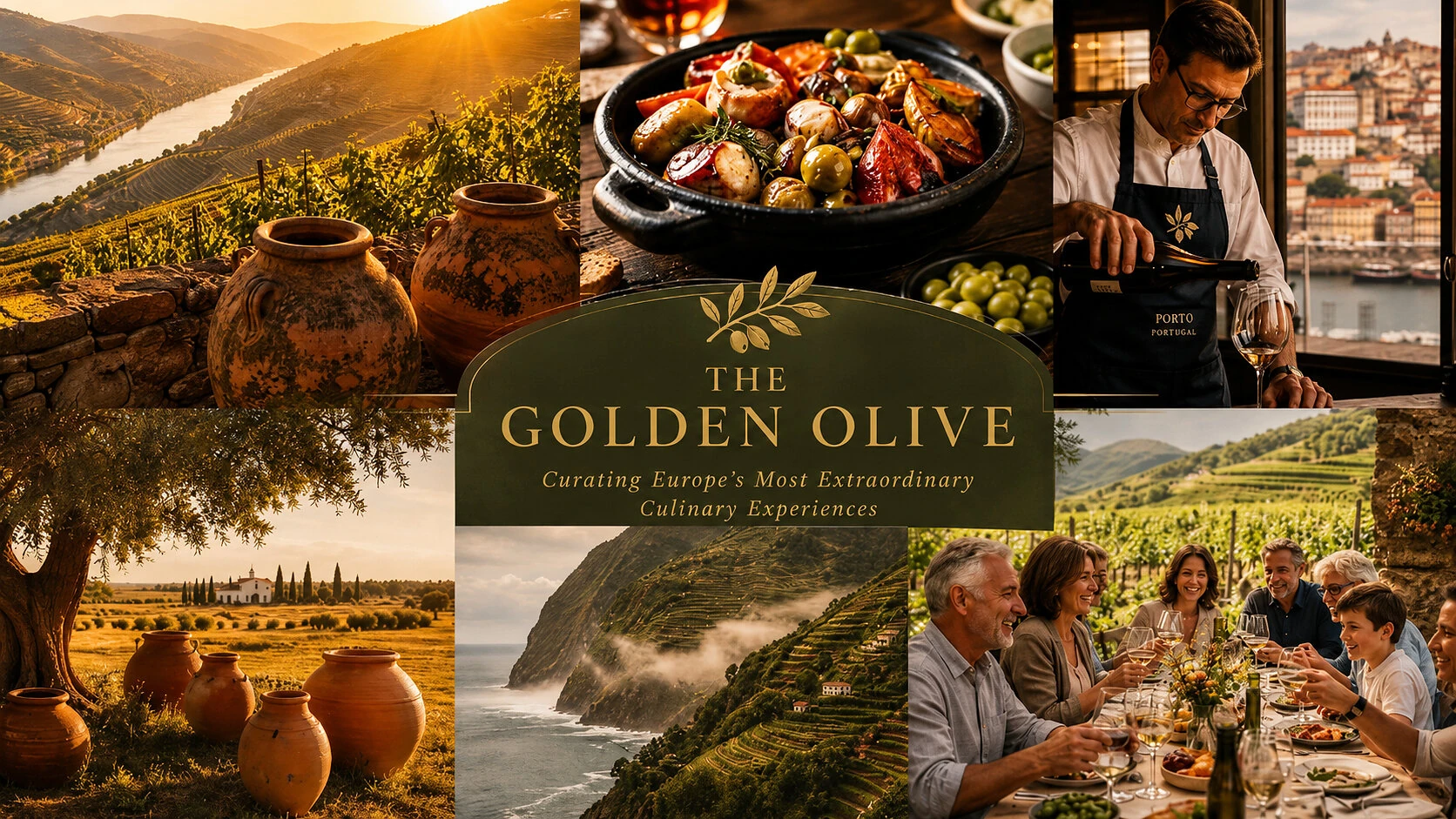
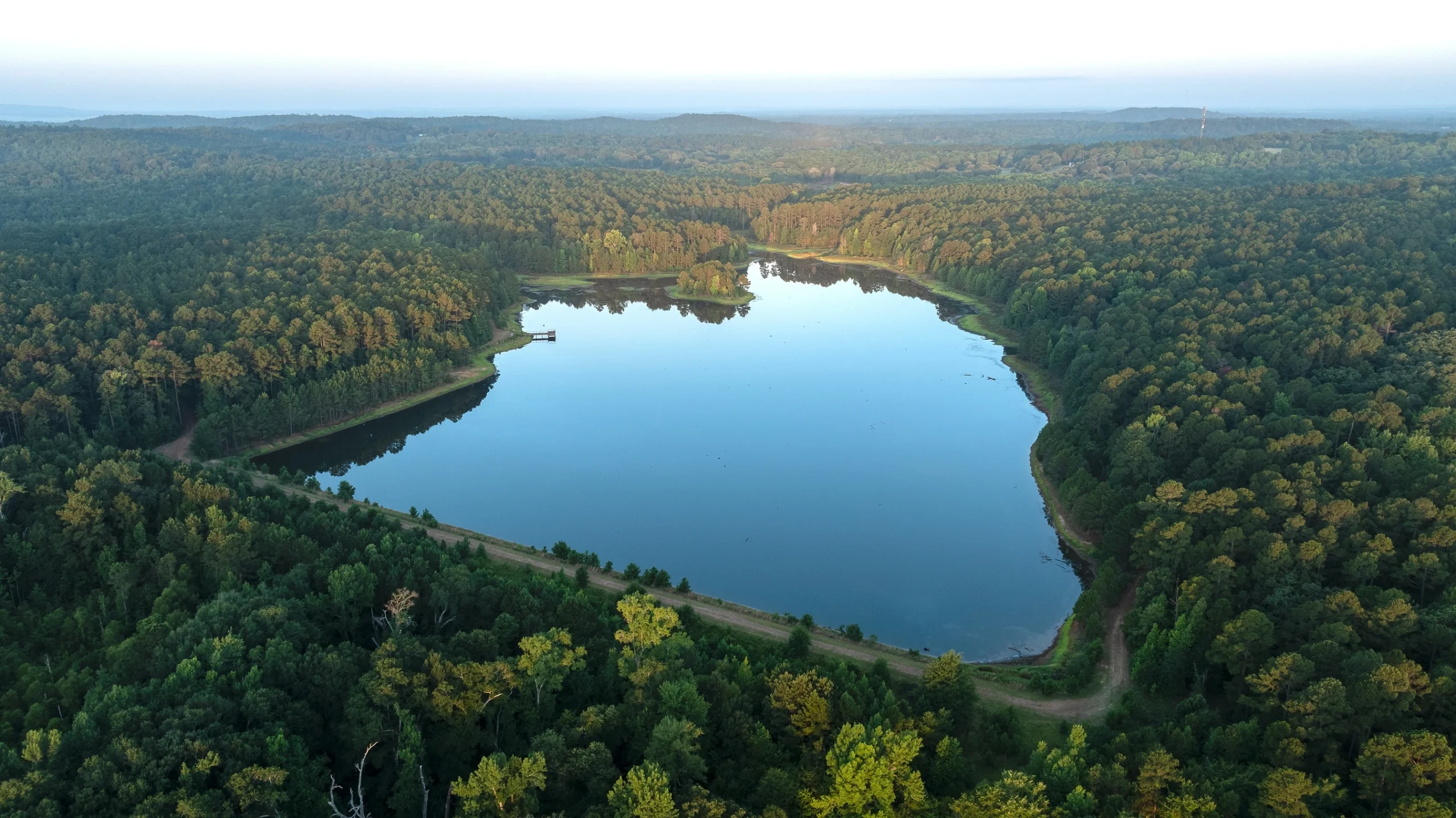
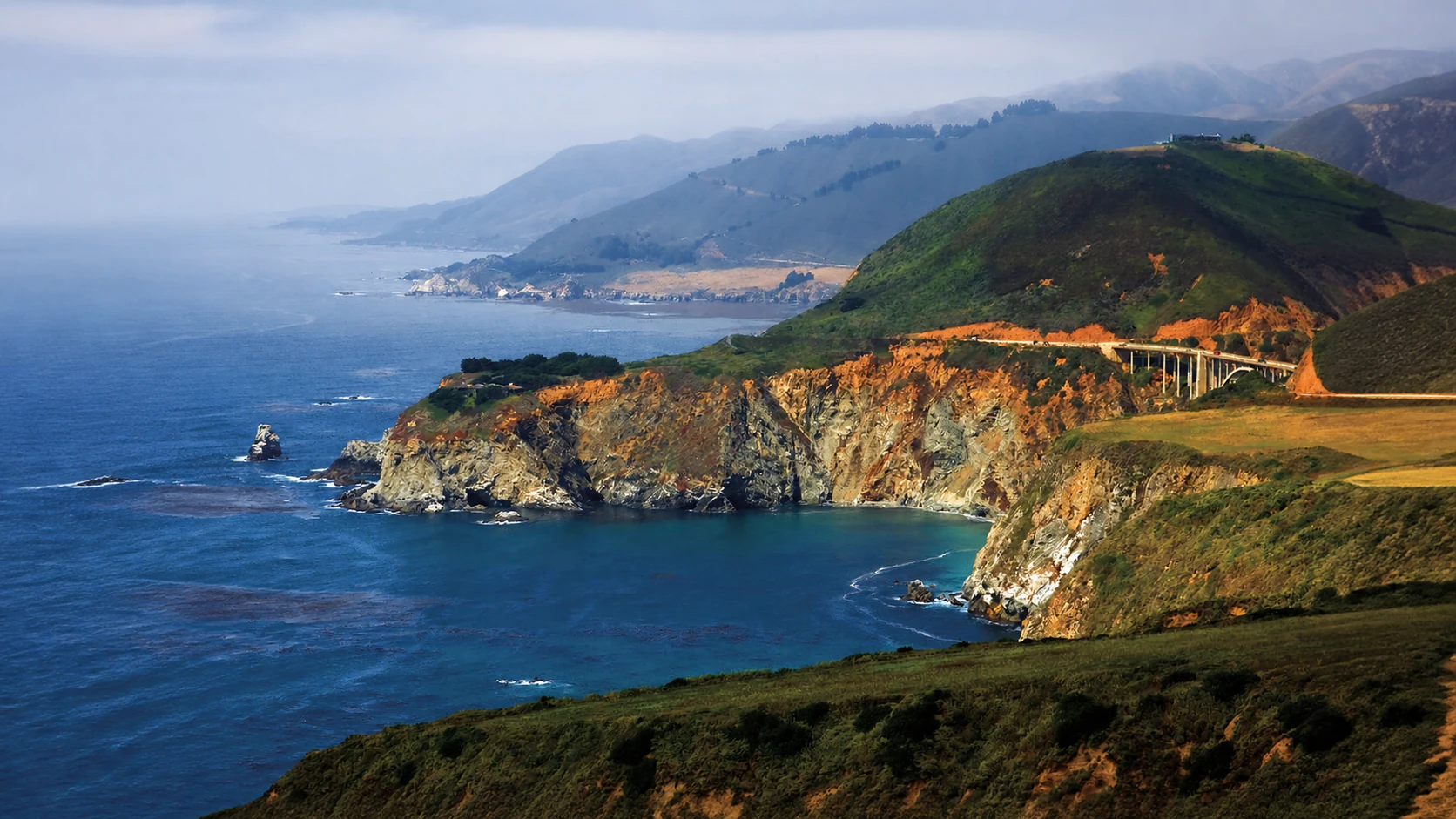
Abruzzo stretches from the Apennine Mountains to the Adriatic Sea and contains three national parks alongside a concentration of protected natural areas, according to the release. Its wine denominations include Montepulciano d’Abruzzo DOC, Trebbiano d’Abruzzo DOC and Cerasuolo d’Abruzzo DOC, while the visitor proposition encompasses wineries, local food and cultural heritage. The campaign says the region’s mountains, vineyards and coastline can be experienced within a short drive, connecting wine tourism with a varied natural setting.
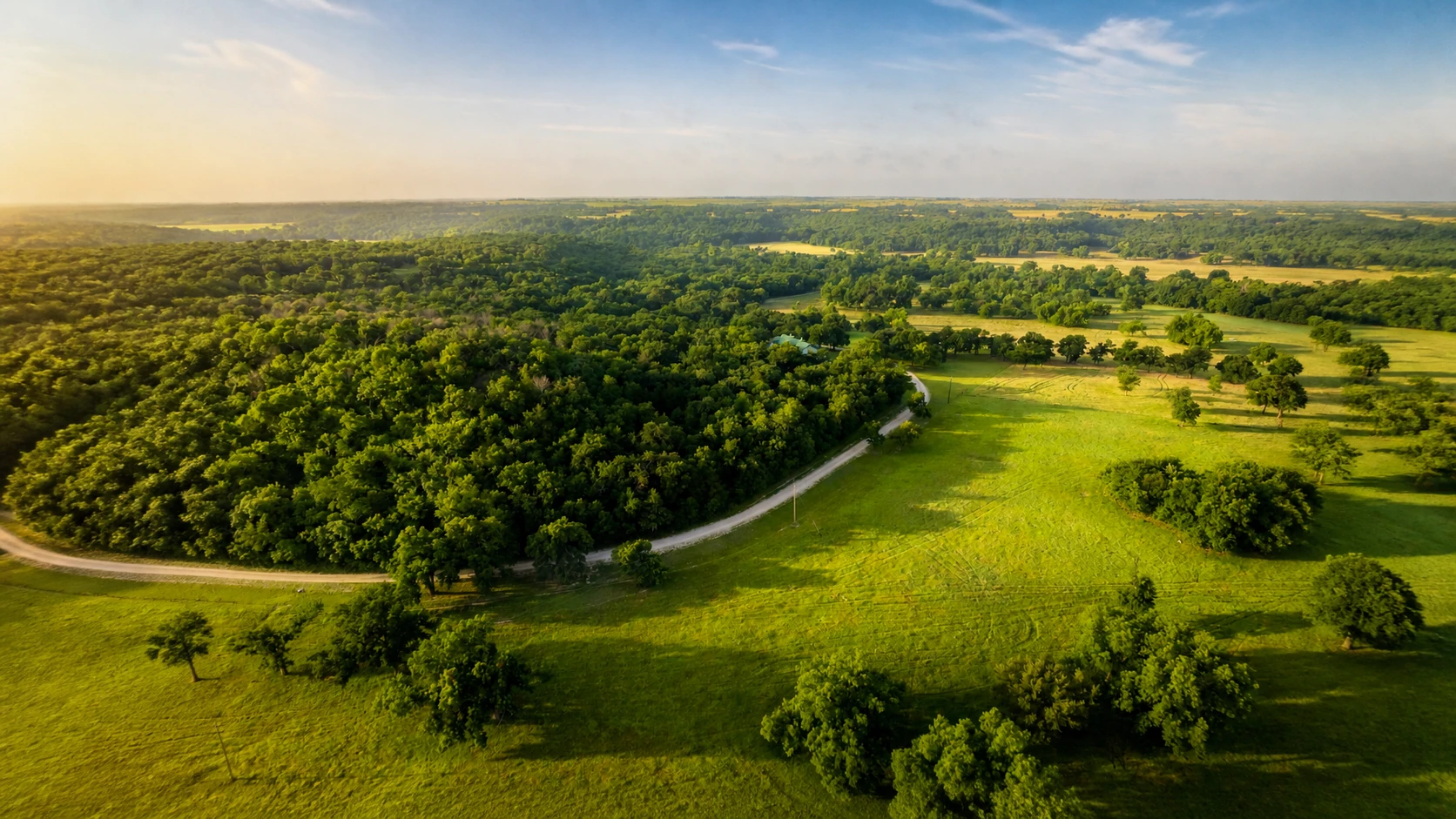
In south-western France, the campaign’s Bordeaux focus covers six late-harvest wine appellations: Cadillac, Cérons, Loupiac, Premières Côtes de Bordeaux, Sainte-Croix-du-Mont and Côtes de Bordeaux Saint-Macaire. The release identifies family-owned estates, guided tours, tastings and meetings with producers among the area’s visitor experiences. It also points to Cadillac, local markets, regional gastronomy and cultural sites connected with Toulouse-Lautrec and François Mauriac, positioning wine as one element within a wider itinerary along the Garonne River.
By pairing two established winegrowing areas, the campaign presents regional difference as the central attraction rather than offering a single model of European wine tourism. Abruzzo’s combination of mountains and coast contrasts with the vineyards, châteaux, villages and river landscapes described south of Bordeaux, while both are framed through longstanding production traditions. For The Charming Taste of Europe, the emphasis extends its agricultural promotion into travel storytelling, inviting North American audiences to consider the communities and settings behind the wines it represents.