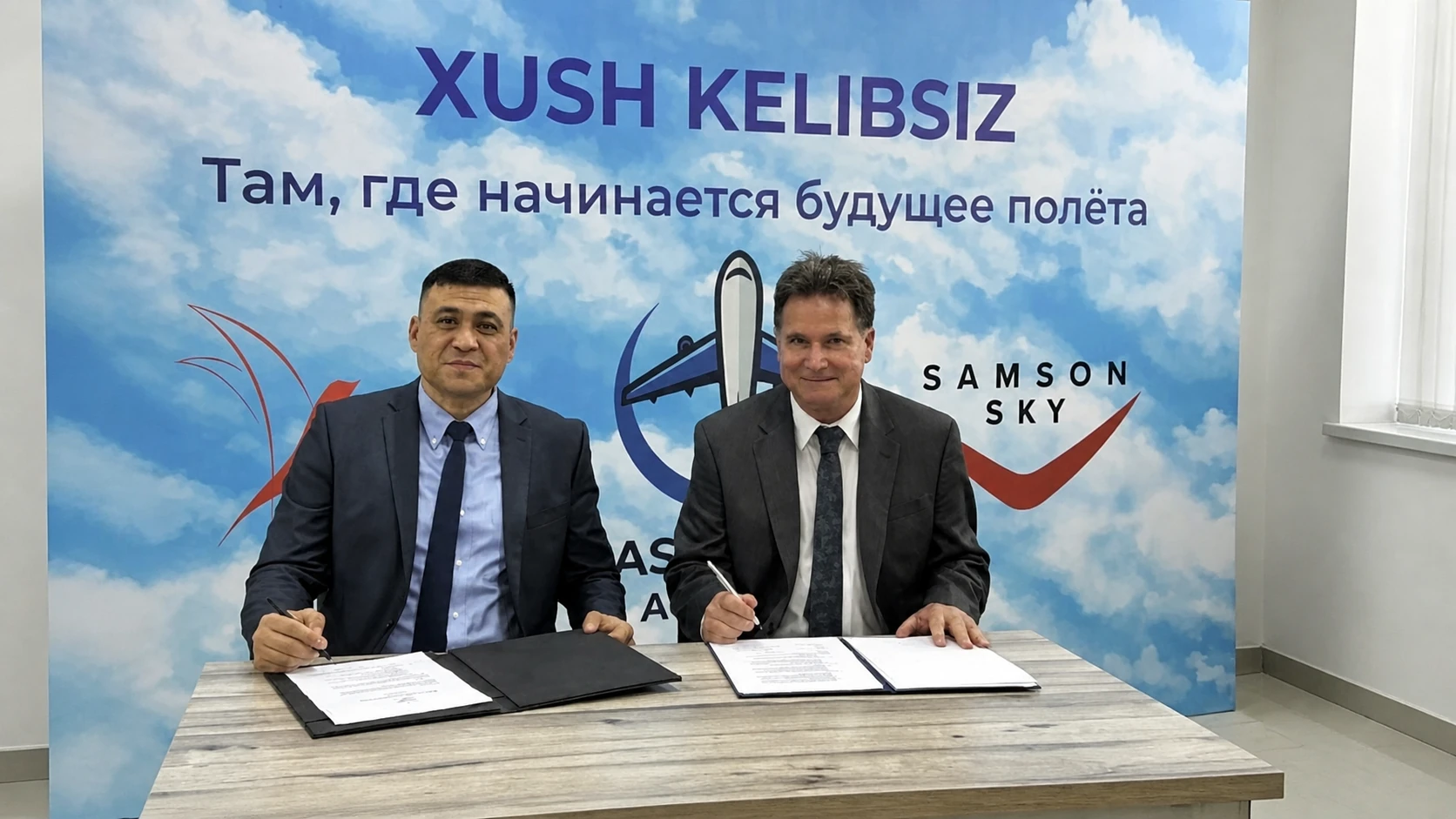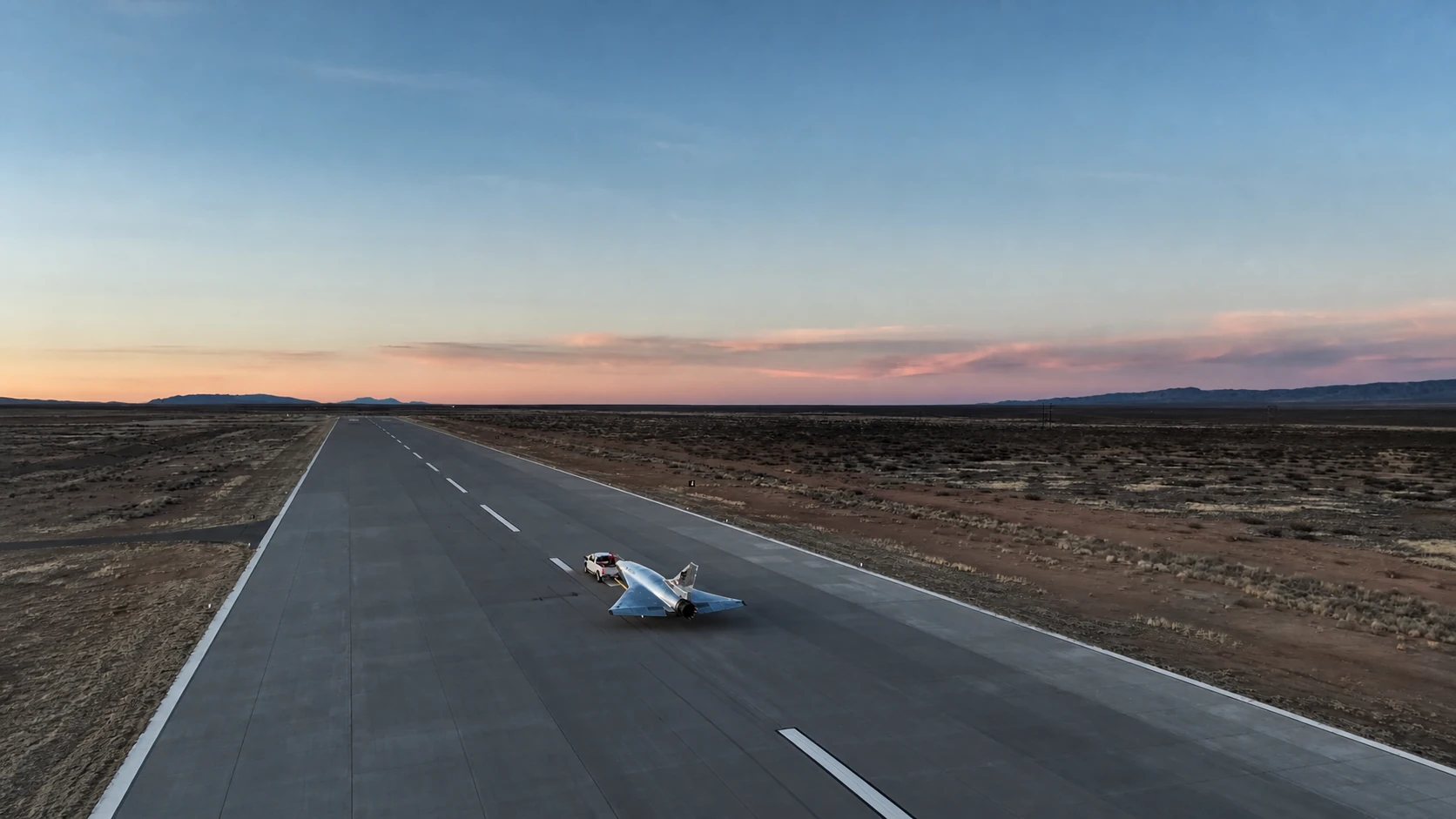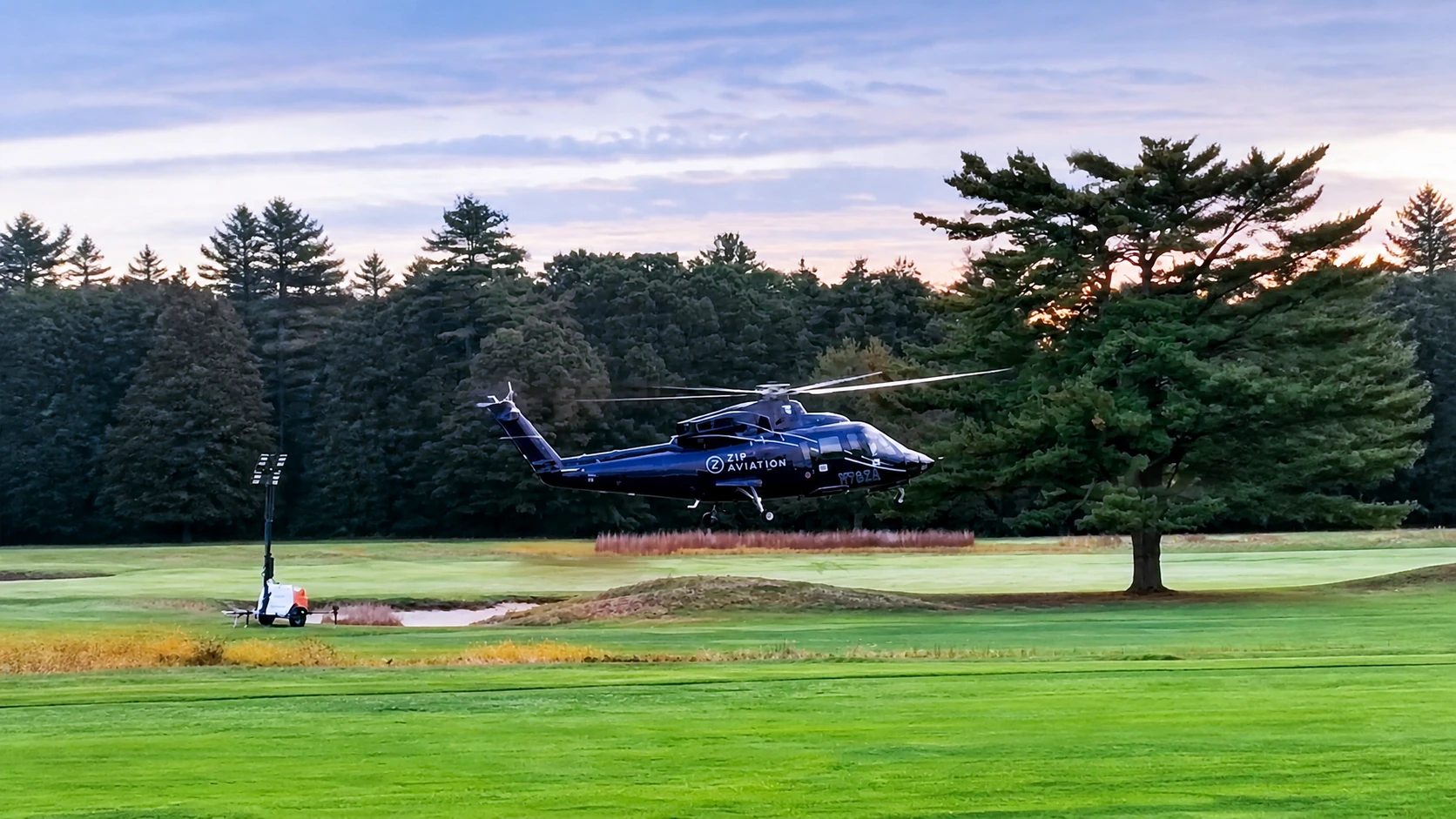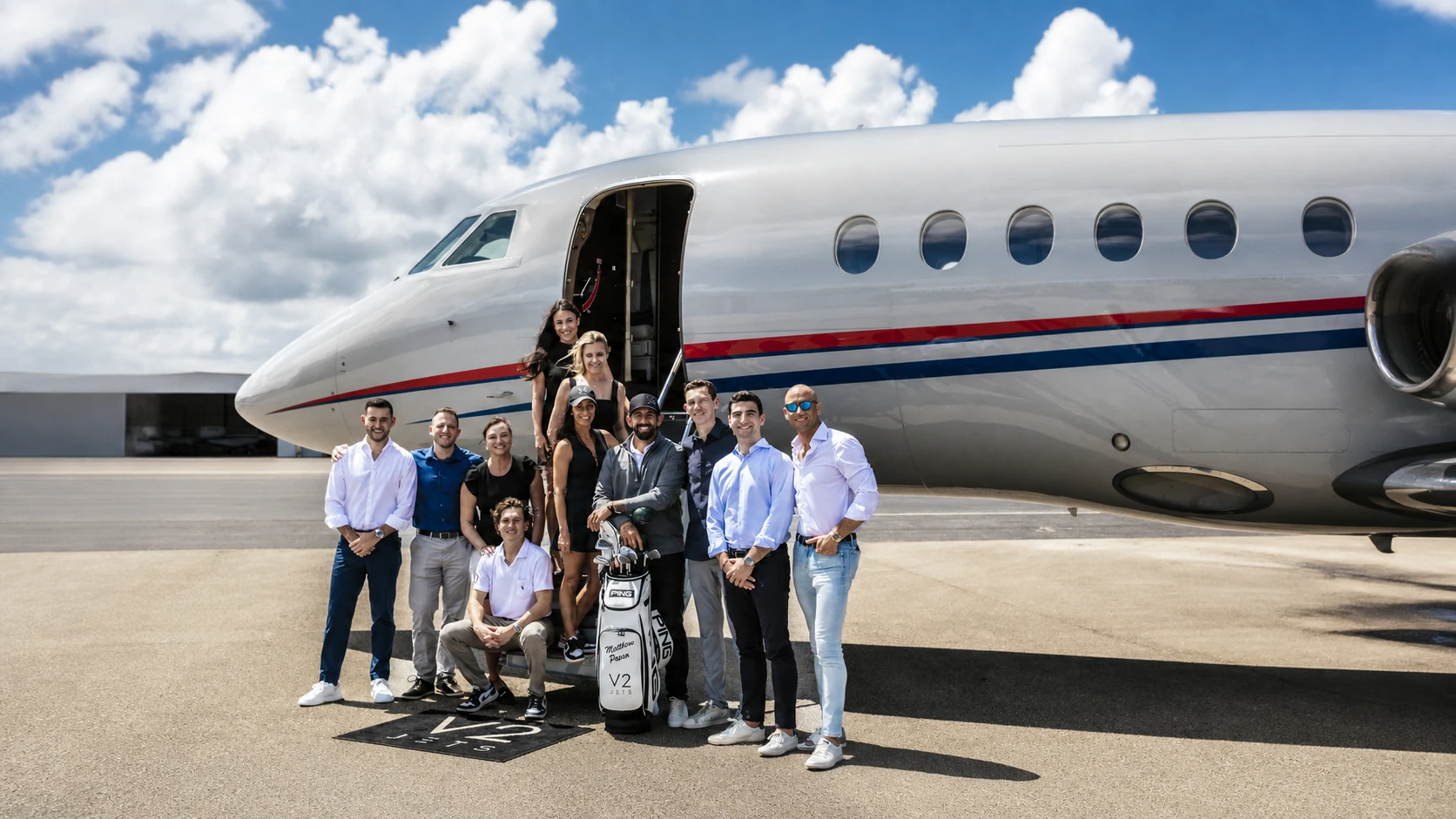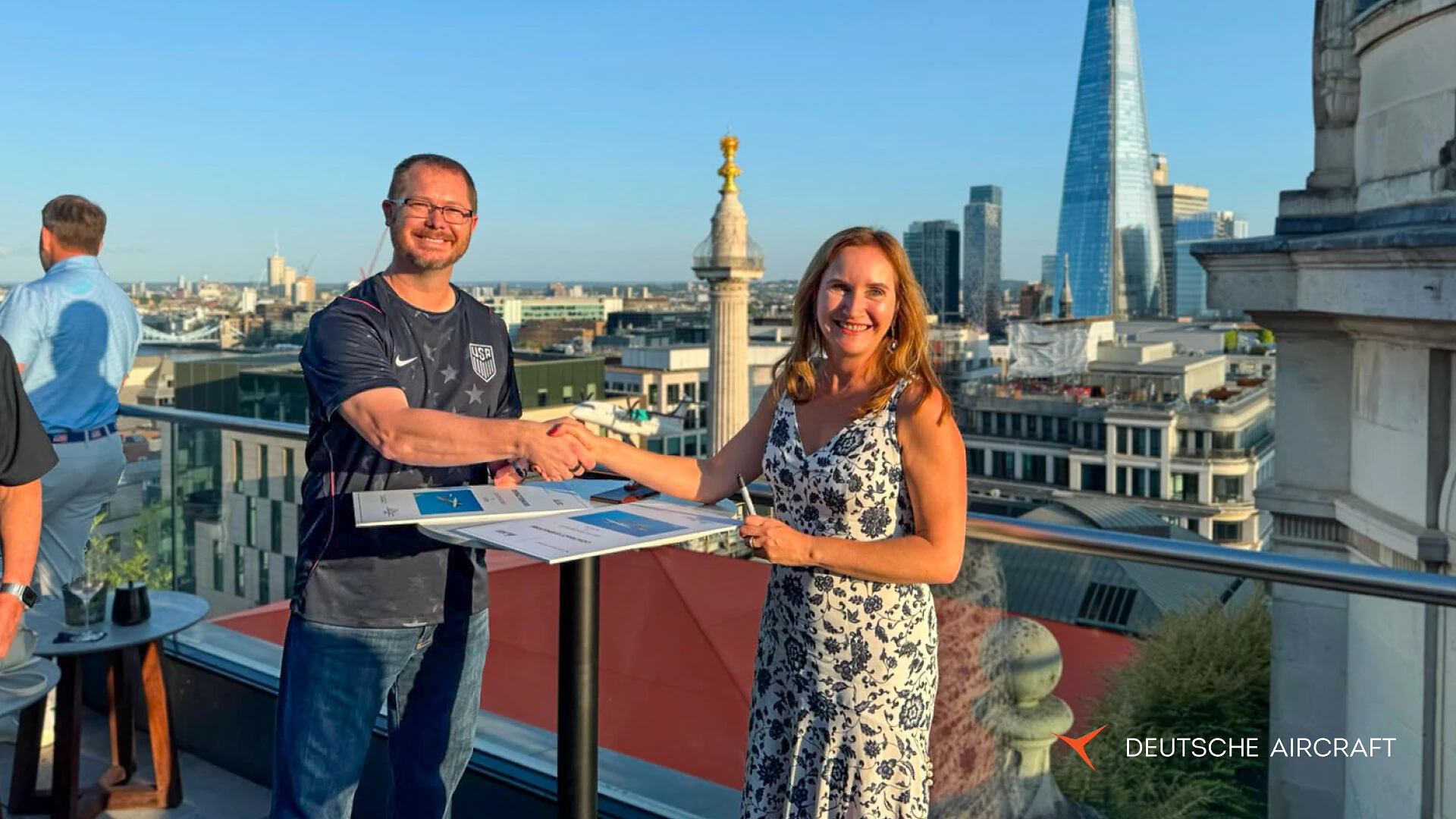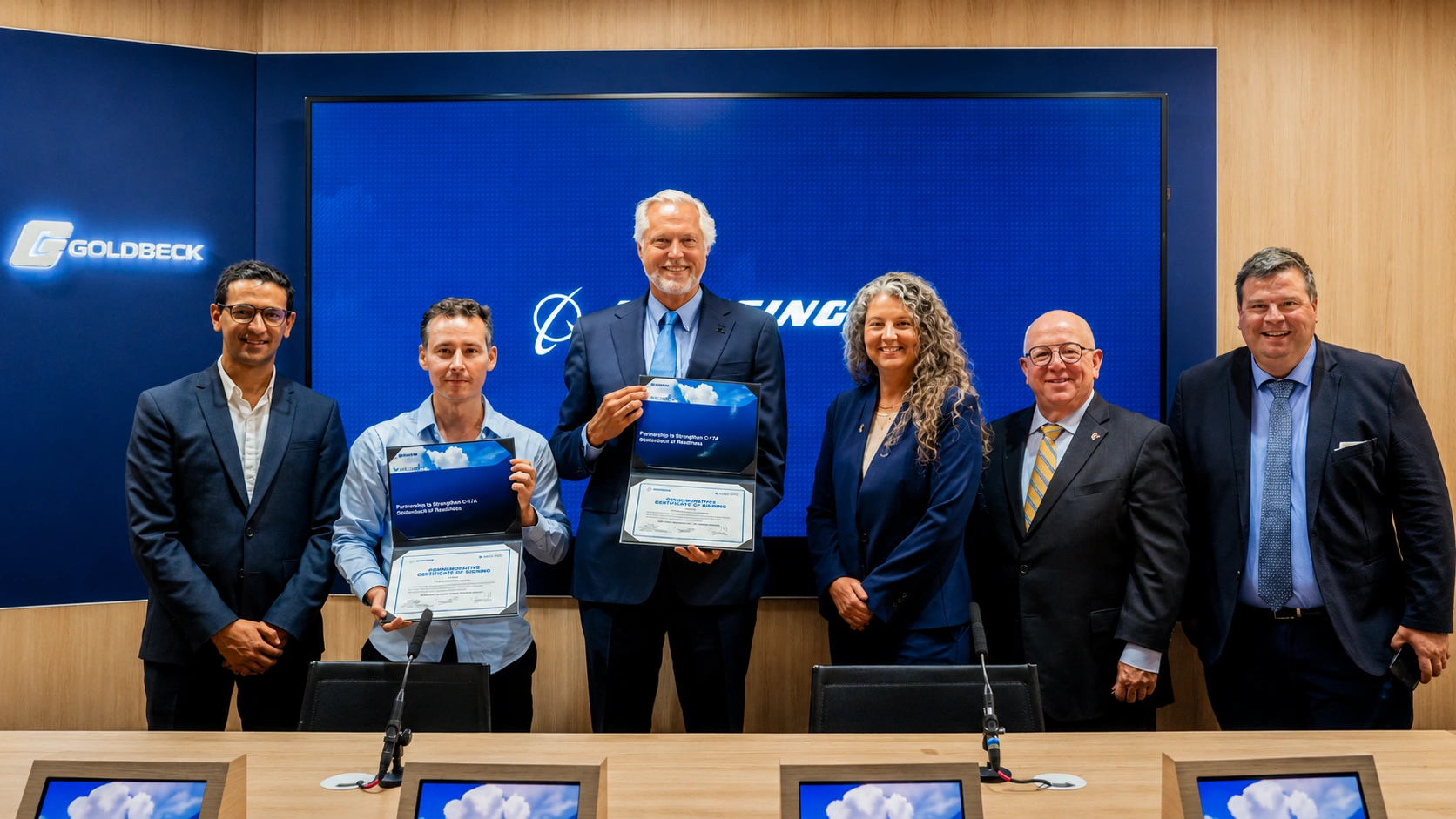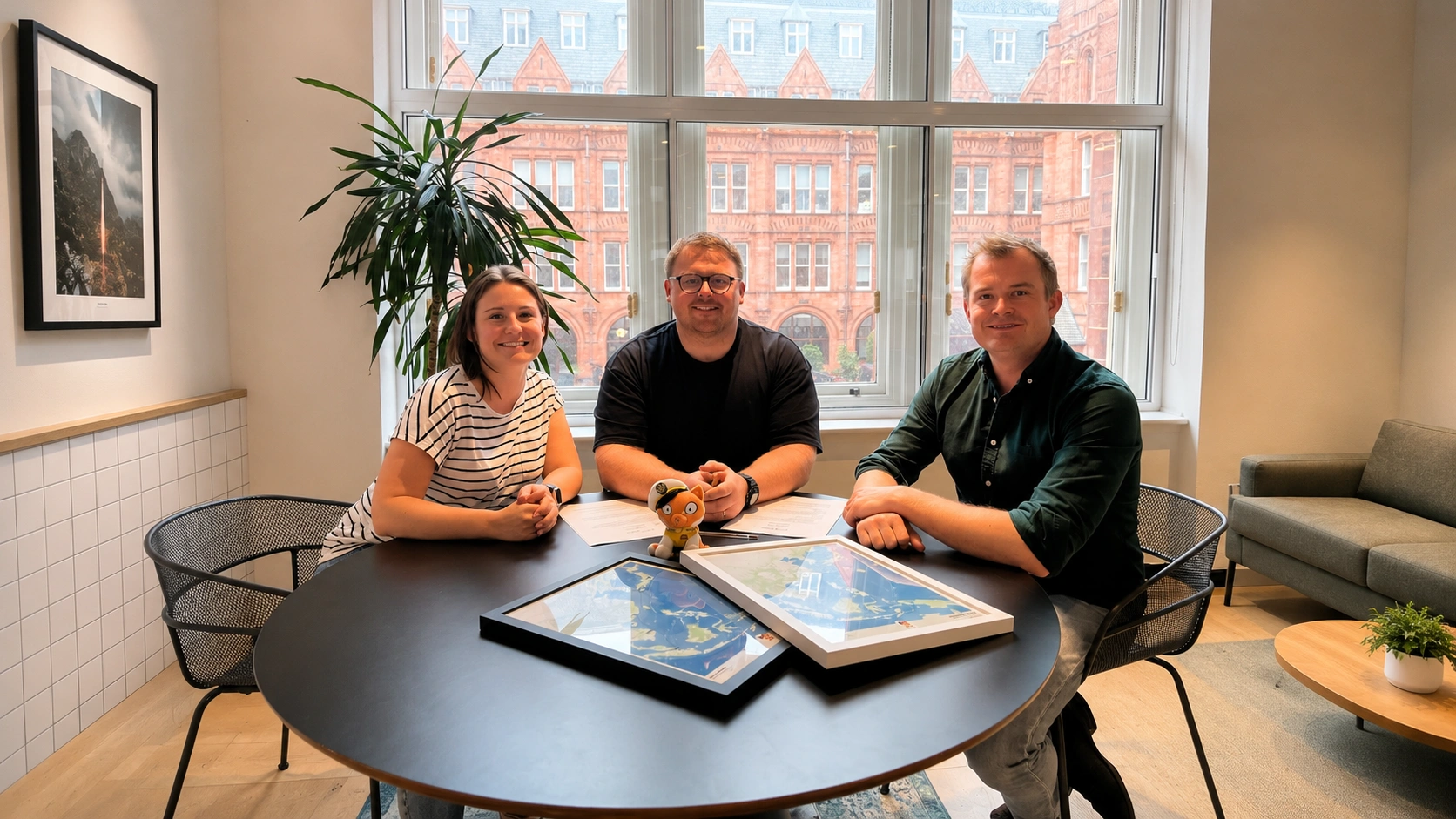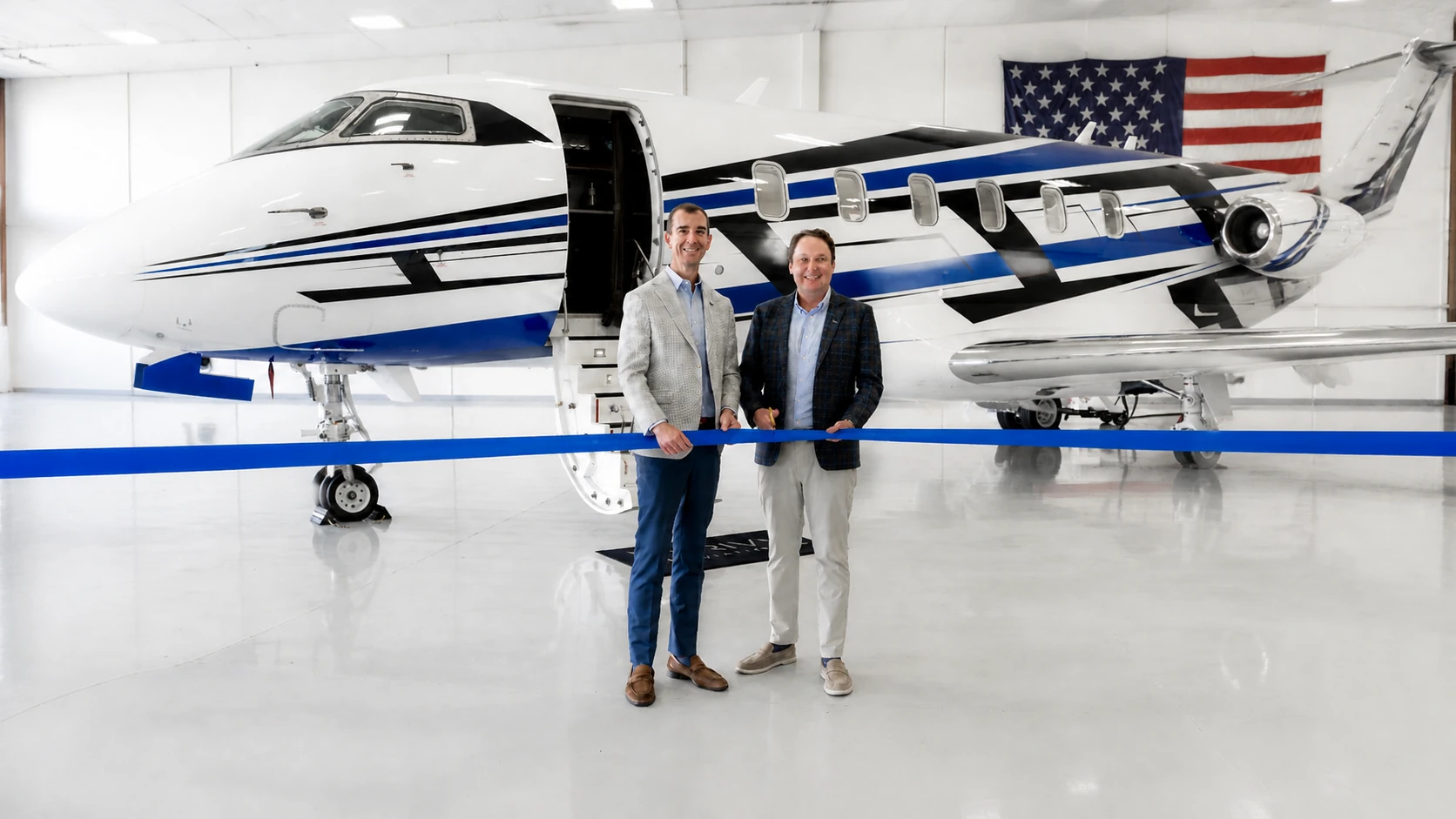
The partnership with Arulean Air adds shared aircraft ownership to Thrive Aviation’s private-flight offering, linking charter operations with a broader ownership pathway.
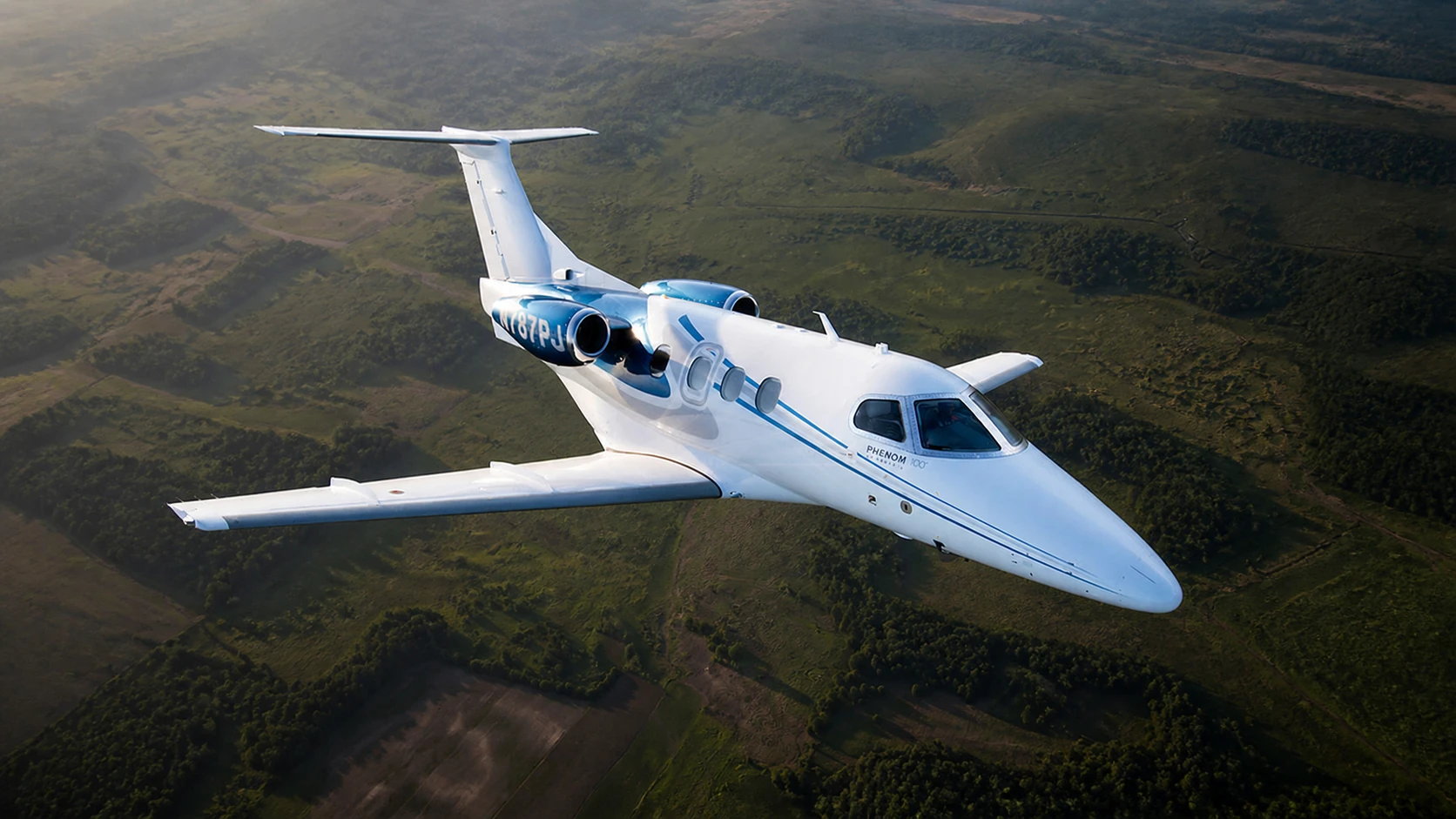
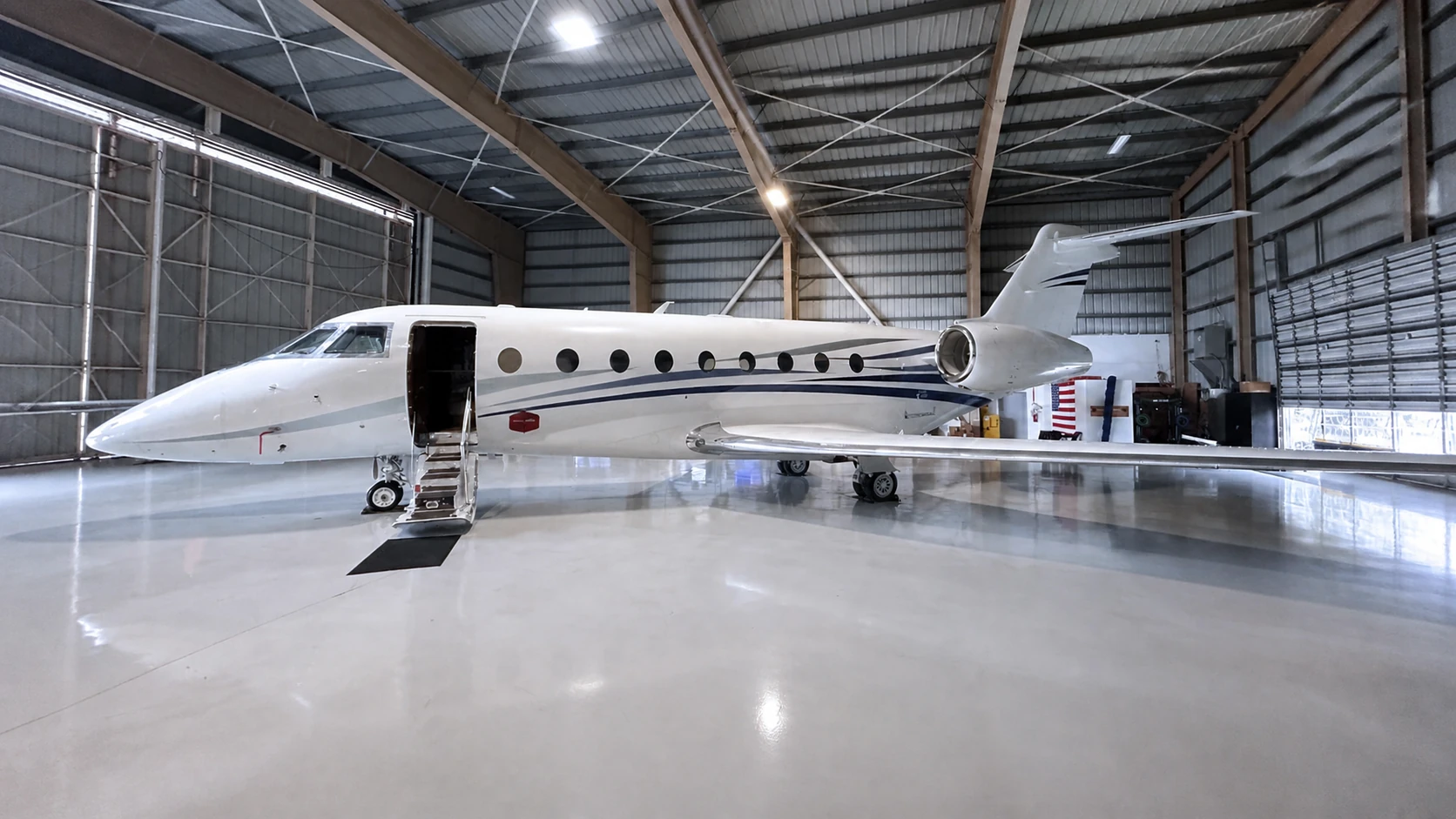
Thrive Aviation is establishing a fractional ownership platform with Arulean Air, a subsidiary of Honda Aircraft Company, supported by a strategic partnership and minority investment. The programme will initially operate the HondaJet HA-420 in the light-jet category and the Bombardier Challenger 3500 in the super-midsize category. Thrive will manage client relationships and flight operations, while Arulean Air will acquire aircraft for the programme. For Thrive Aviation, the move extends its existing private-aviation platform into shared ownership and creates a new route between on-demand flying and full aircraft ownership.
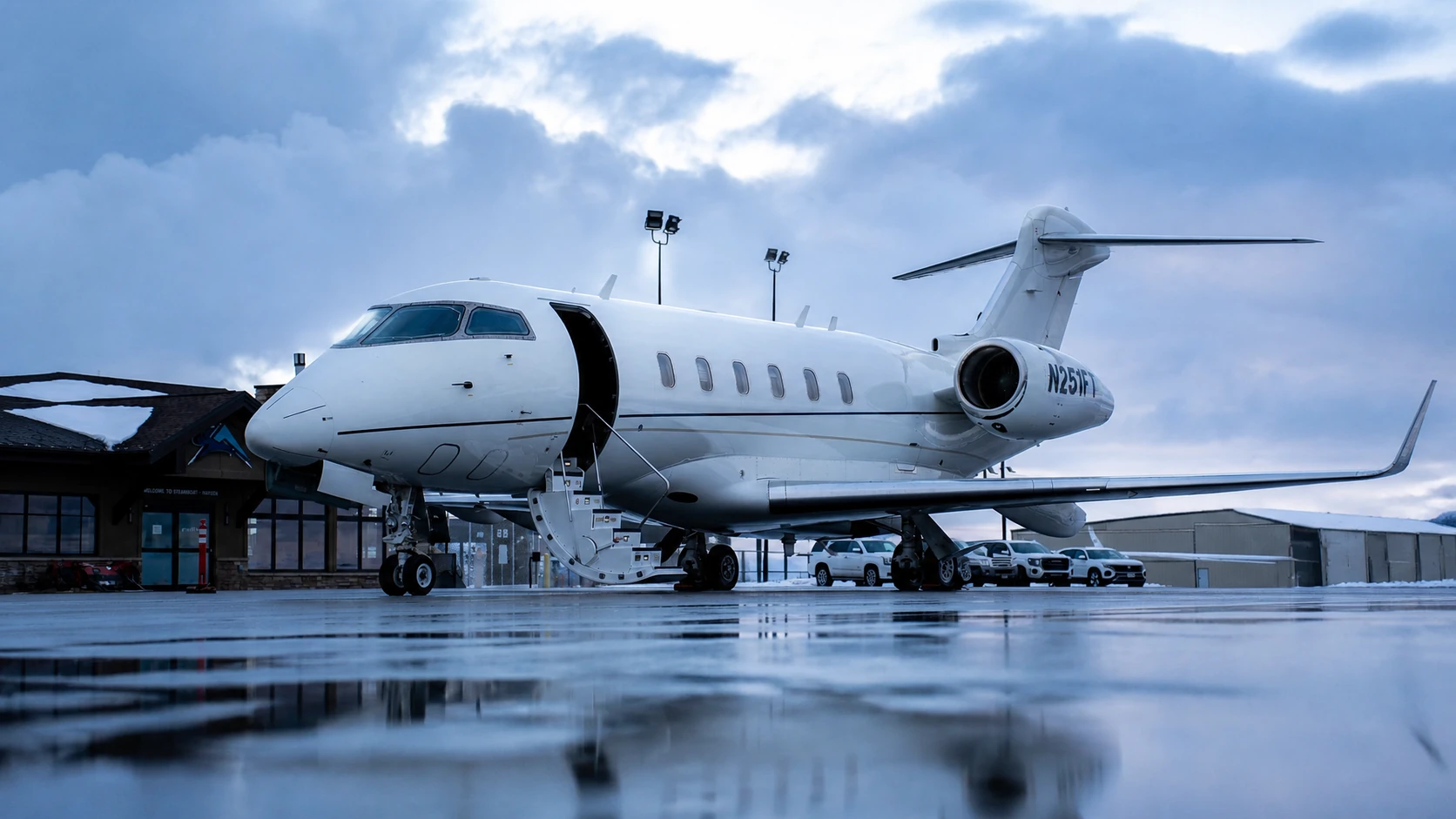
The structure reflects the different travel requirements that fractional operators must accommodate across a single customer base. According to Thrive Aviation, the HA-420 is intended for regional missions, while the Challenger 3500 offers the cabin and range required for longer journeys with more passengers. Owners will be matched with the aircraft type suited to each mission, rather than relying on one aircraft category for every trip. The programme is designed to draw on Thrive’s operating platform and fleet of more than 30 aircraft as client requirements change.
Thrive Aviation has received the first two aircraft and anticipates adding approximately four to six HondaJet HA-420s and two to four Challenger 3500s annually as the owner base and fractional fleet grow. The company’s existing services include on-demand charter, aircraft management, jet-card memberships and aircraft maintenance. Full programme details will be introduced at NBAA-BACE 2026, scheduled for October 20–22 in Las Vegas. Prospective owners can register for an advance informational preview, although registration does not constitute an offer to sell or a solicitation to buy an ownership interest.
The partnership gives the platform an aircraft-acquisition structure alongside an established operating capability. Arulean Air’s role is to acquire aircraft for the programme, while Thrive contributes the management, flight-operations and client-service infrastructure it has built over the past eight years. That division allows the two companies to pursue fleet growth without presenting fractional ownership as a standalone product disconnected from Thrive’s existing services. It also positions the programme around a range of aircraft sizes, an approach intended to accommodate owners whose travel patterns vary by journey.
Curtis Edenfield, Thrive Aviation’s co-founder and chief executive officer, described fractional ownership as an extension of the company’s private-aviation platform, spanning charter, shared ownership and full ownership. The company’s stated plan is to expand the fractional fleet as demand and the owner base develop, with the HondaJet and Challenger providing the initial operating base. The immediate significance is therefore less a change to Thrive’s charter model than an effort to cover more stages of private-aircraft use through one connected platform.