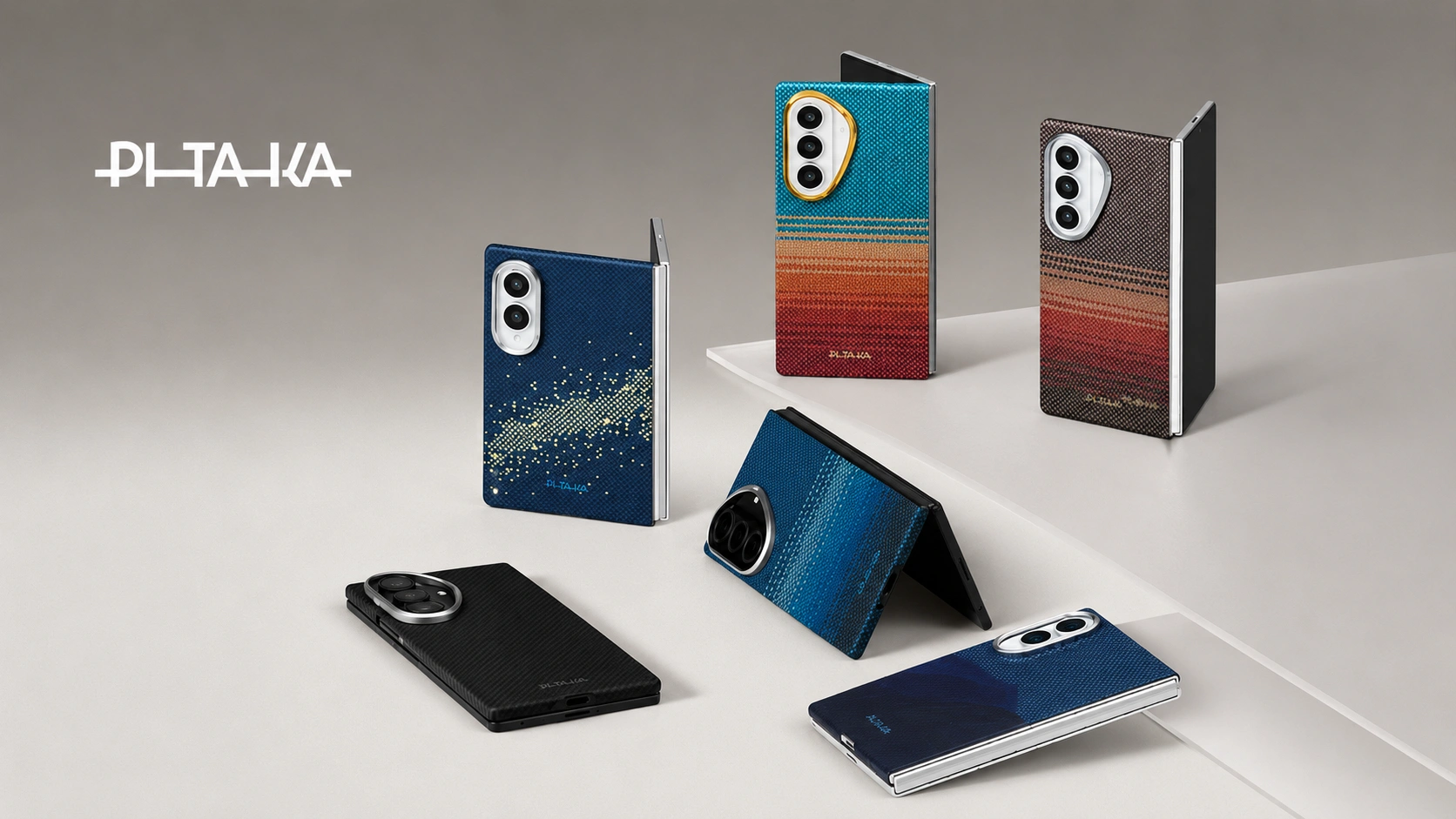
PITAKA’s modular protection system for Samsung’s latest Galaxy Z foldables reflects a broader challenge for the category: making increasingly complex devices feel practical for daily use.
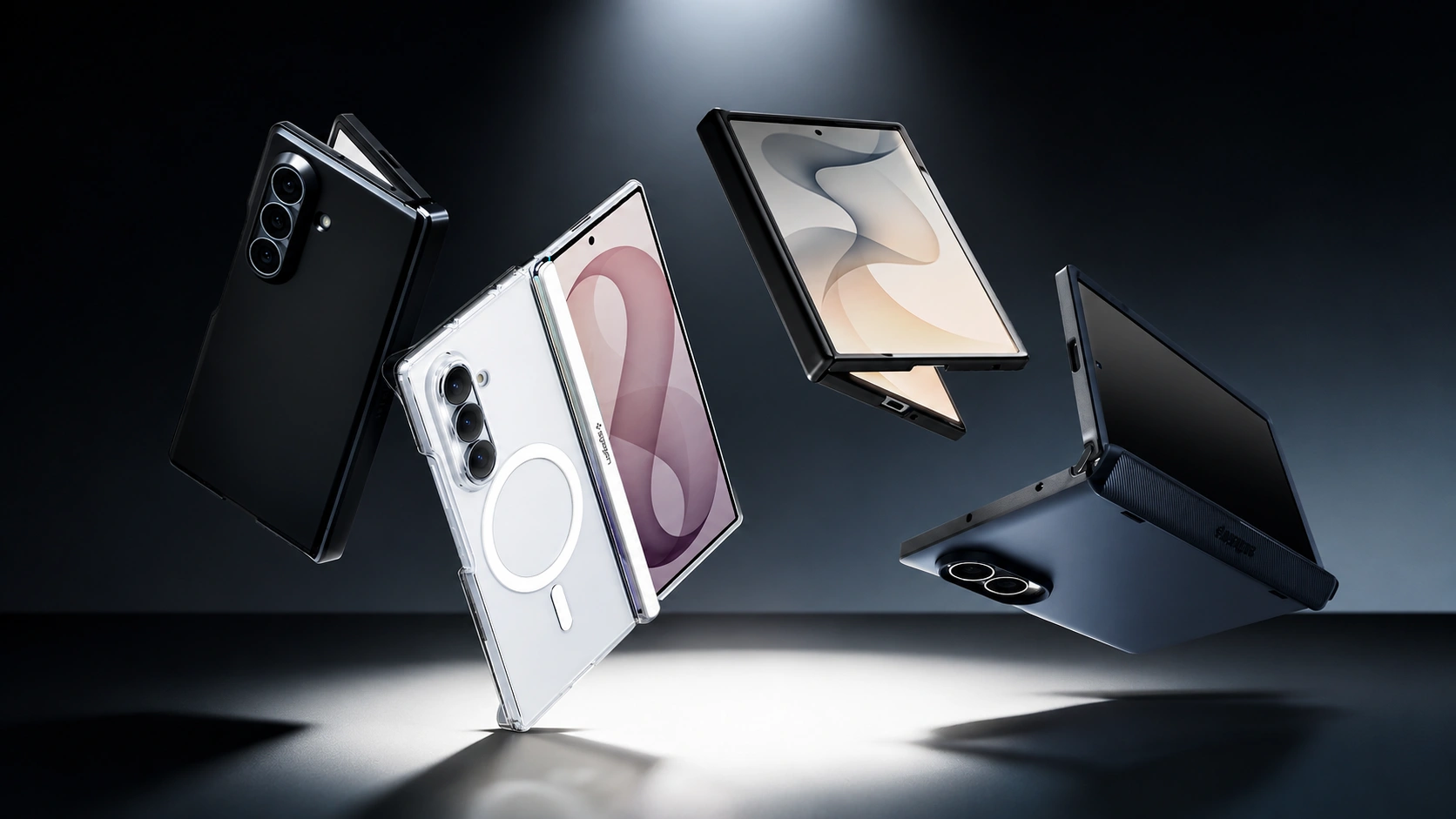
PITAKA is introducing an Integrated Protection System for Samsung’s next-generation Galaxy Z Fold8, Fold8 Ultra and Flip8, taking a modular approach to a problem that has become more complicated as foldable phones mature. Rather than treating protection as a single shell around a device, the system separates coverage across vulnerable areas including the outer display, hinge and, indirectly, the expanded inner screen.
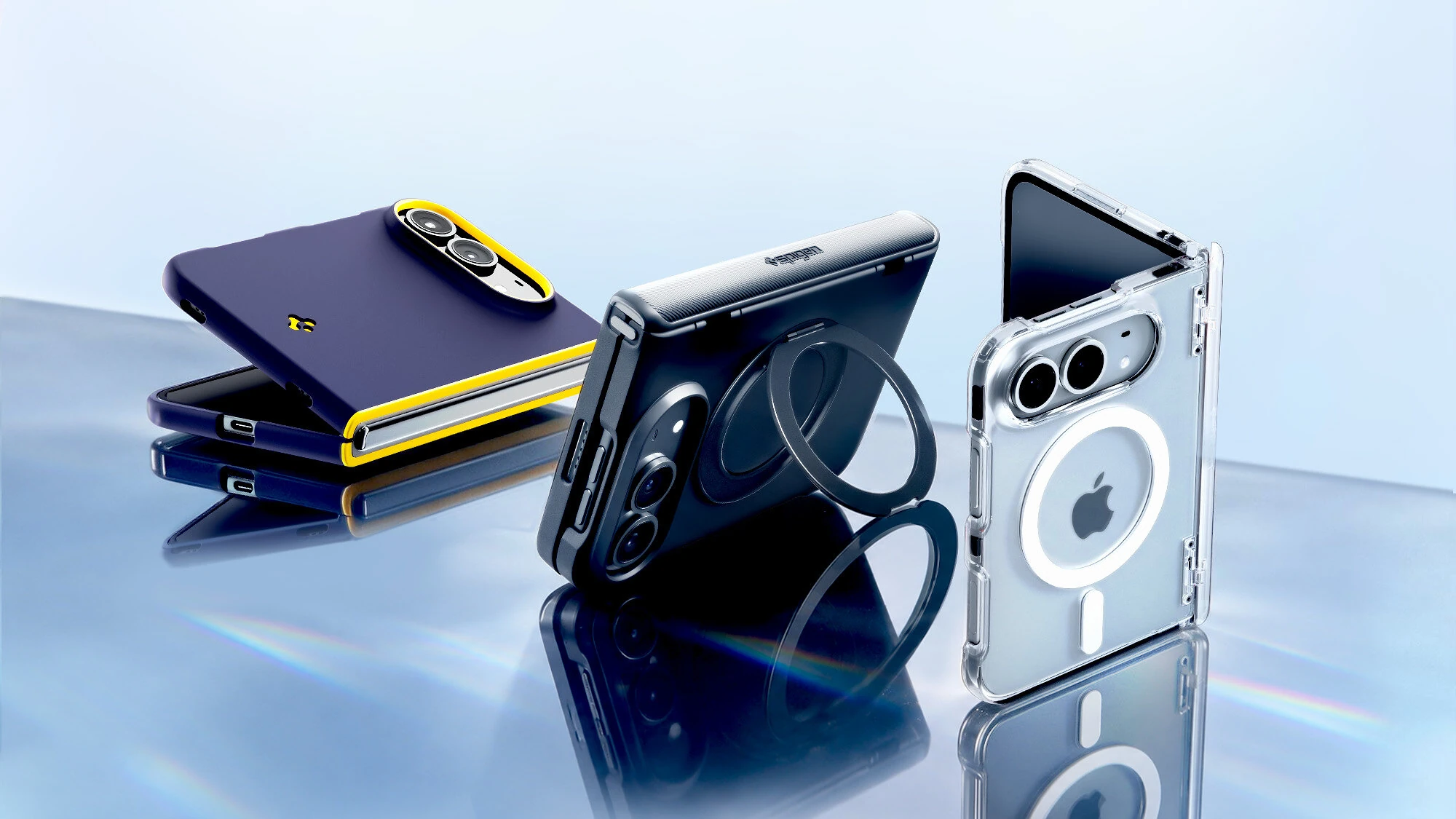
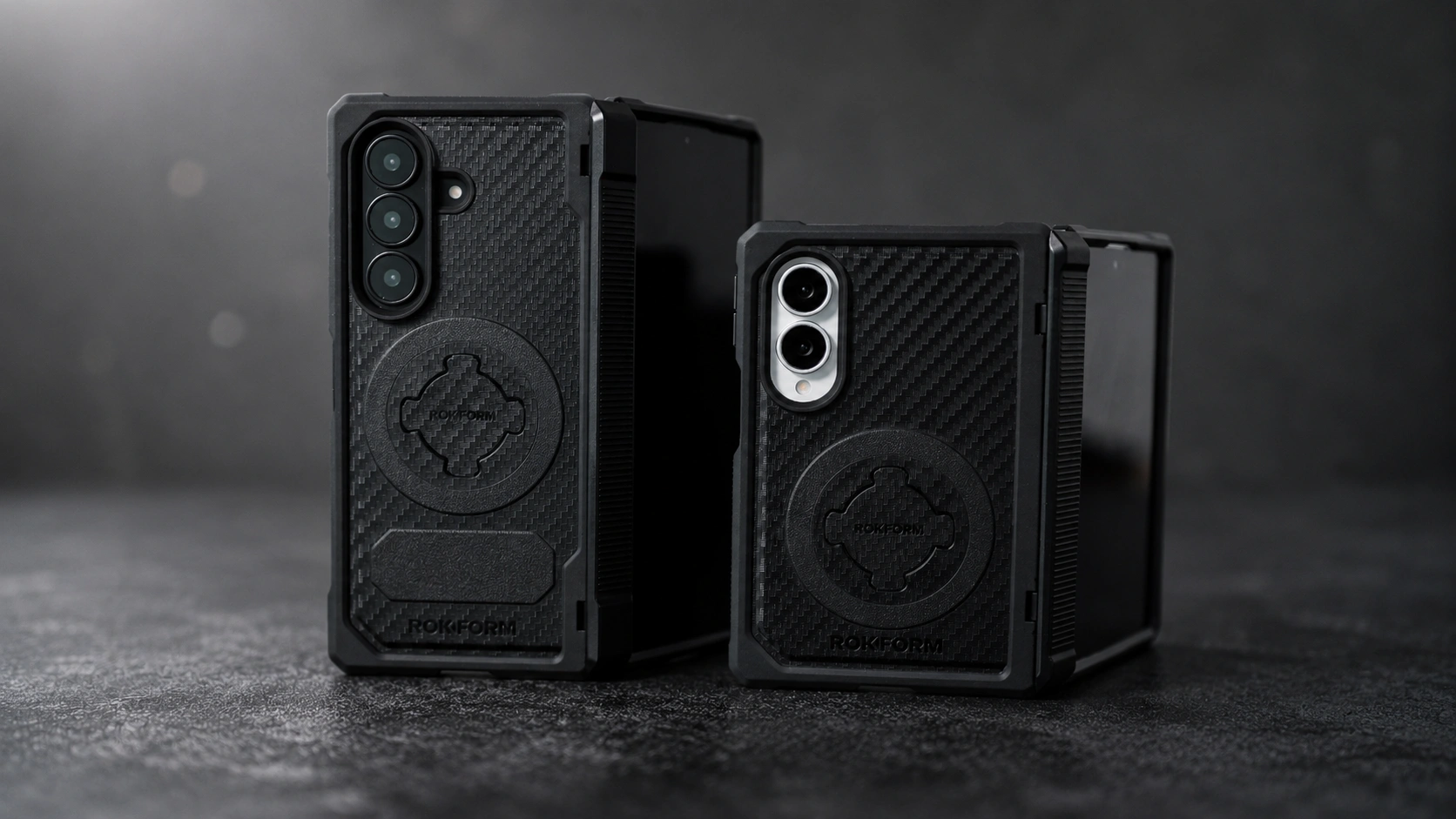
That approach reflects a fundamental difference between conventional smartphones and foldables. A traditional case generally protects a rigid rectangular device, while a foldable introduces moving components and multiple surfaces that need to remain usable through repeated opening and closing. PITAKA’s system allows owners to choose among a back case, hinge protection and front protection, with certain Fold8 configurations also supporting a programmable physical control called the Aaron Button.
The hinge may be the clearest example of how accessory design is adapting to foldable hardware. PITAKA has developed an automatic cover that shields the hinge while the phone is closed and retracts as it opens, aiming to provide reinforcement without preventing the unfolded device from sitting flat. On the Fold8 and Fold8 Ultra, the front frame also incorporates reinforced glass rated at 9H hardness or higher, eliminating the need for a separately applied outer screen protector.
PITAKA is also extending the case beyond physical protection. Its Aaron Button sits near the hinge and can be customized through the company’s app, effectively adding another hardware interaction point to the phone. The system retains PITAKA’s aramid fiber construction and works with its magnetic accessories, while different configurations let users prioritize lighter coverage or assemble a more comprehensive setup.
Preorders opened July 22, with configurations starting at $54.99. More significant than the individual features is the shift in how protection is being framed: as foldables become more structurally sophisticated, the accessories surrounding them may also need to become systems rather than simple cases. PITAKA’s design suggests that wider everyday acceptance of foldable phones will depend not only on thinner hardware or new specifications, but also on whether owners can use these devices with the same confidence and convenience they expect from conventional smartphones.