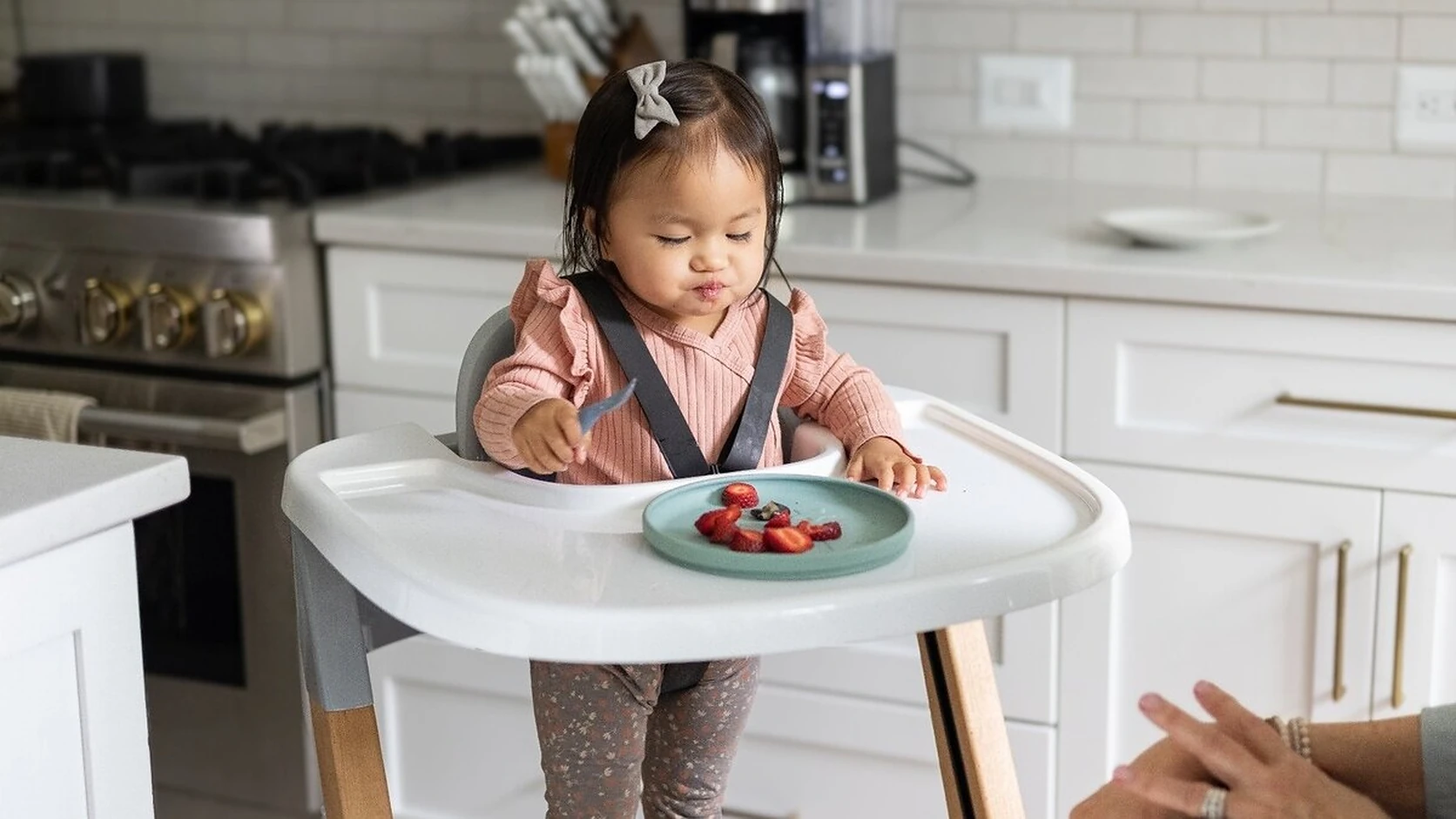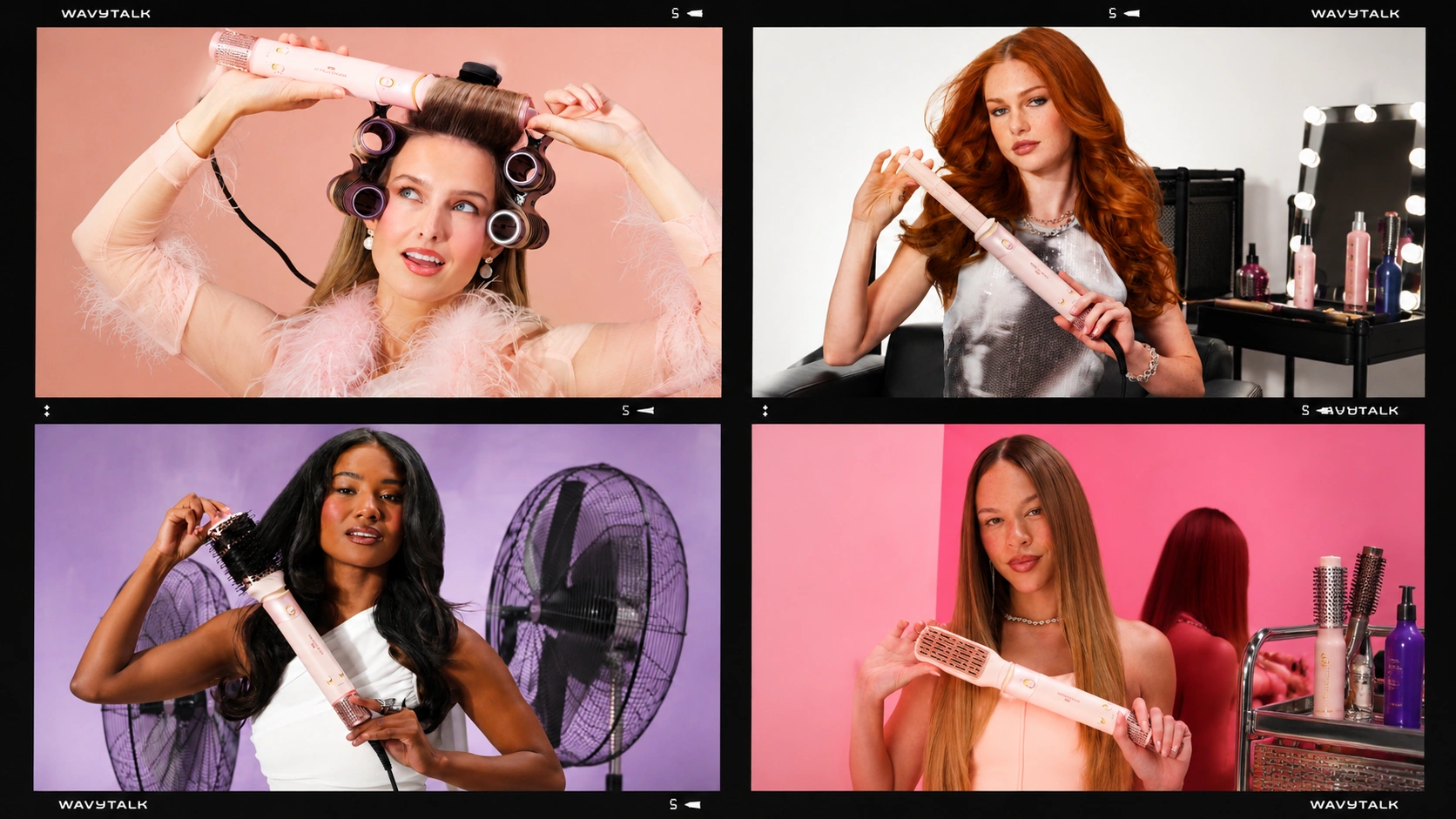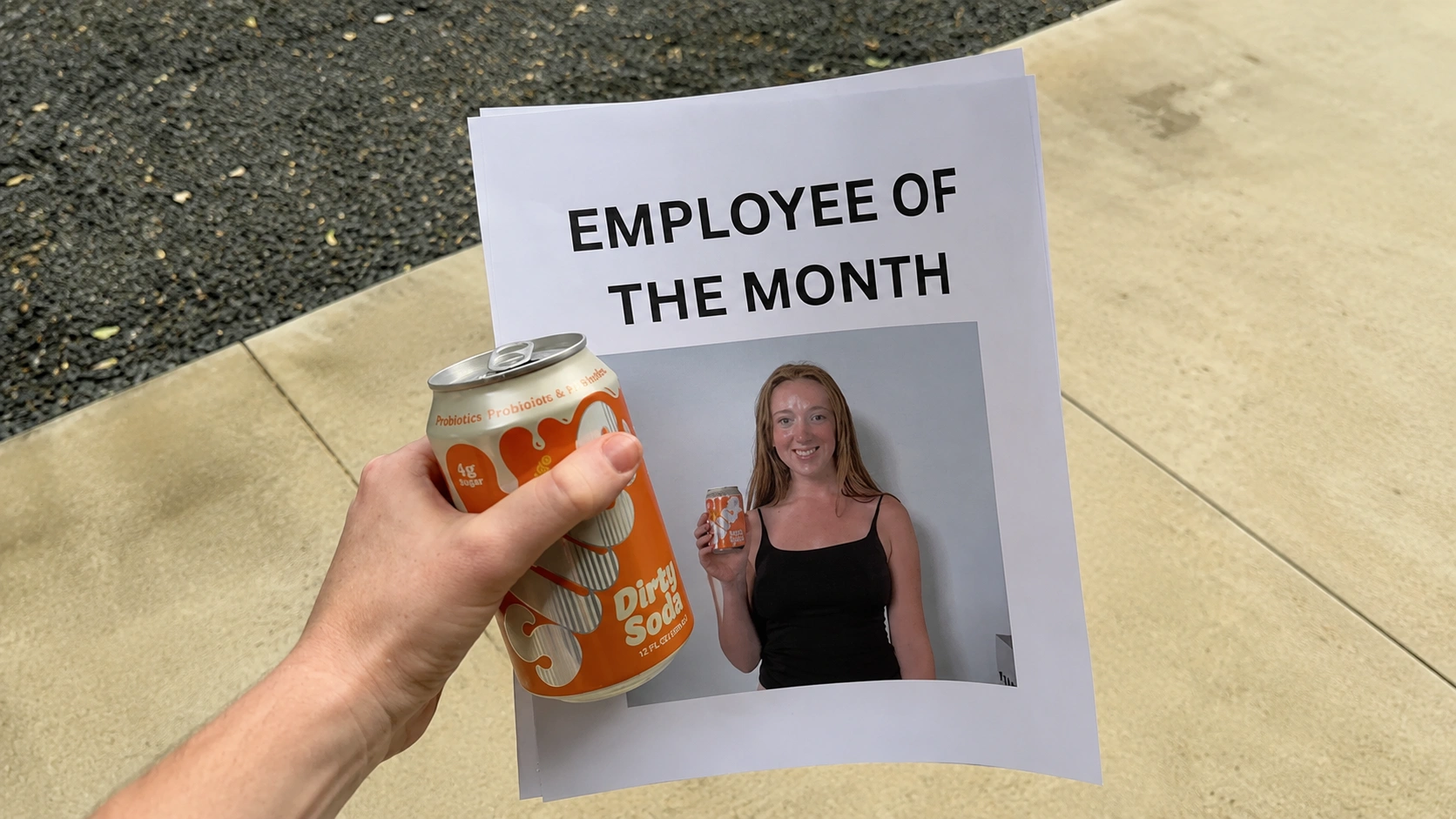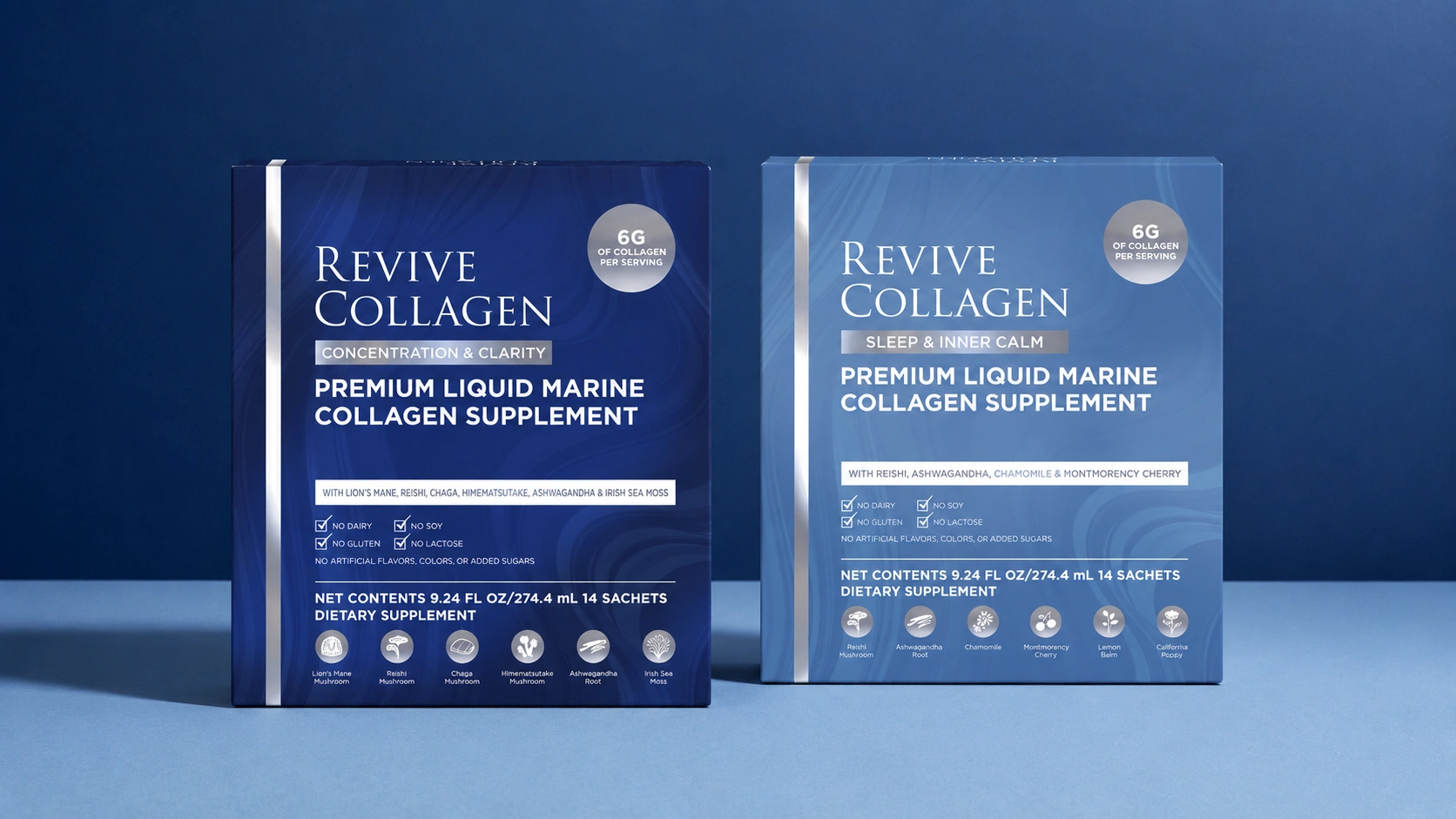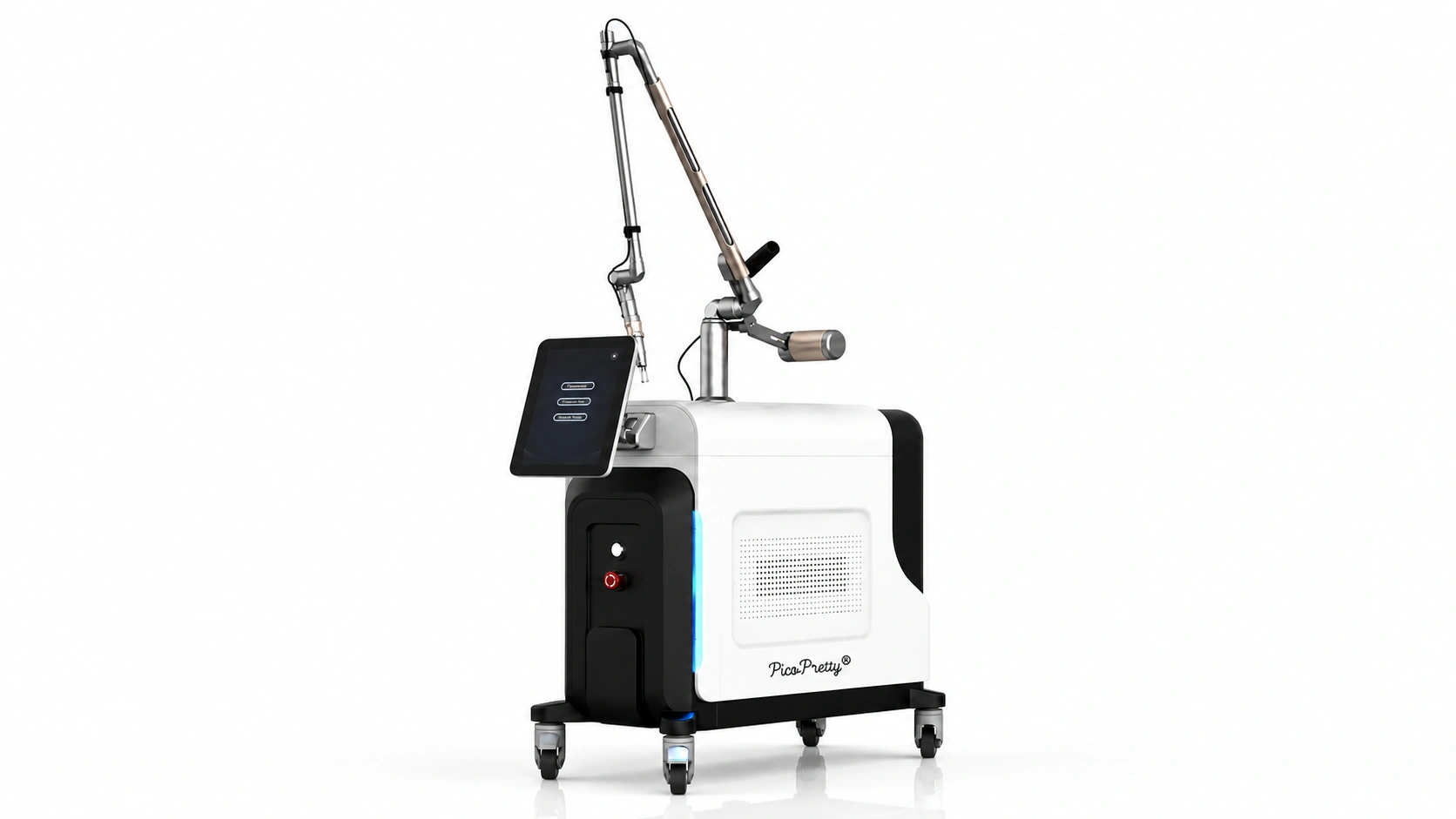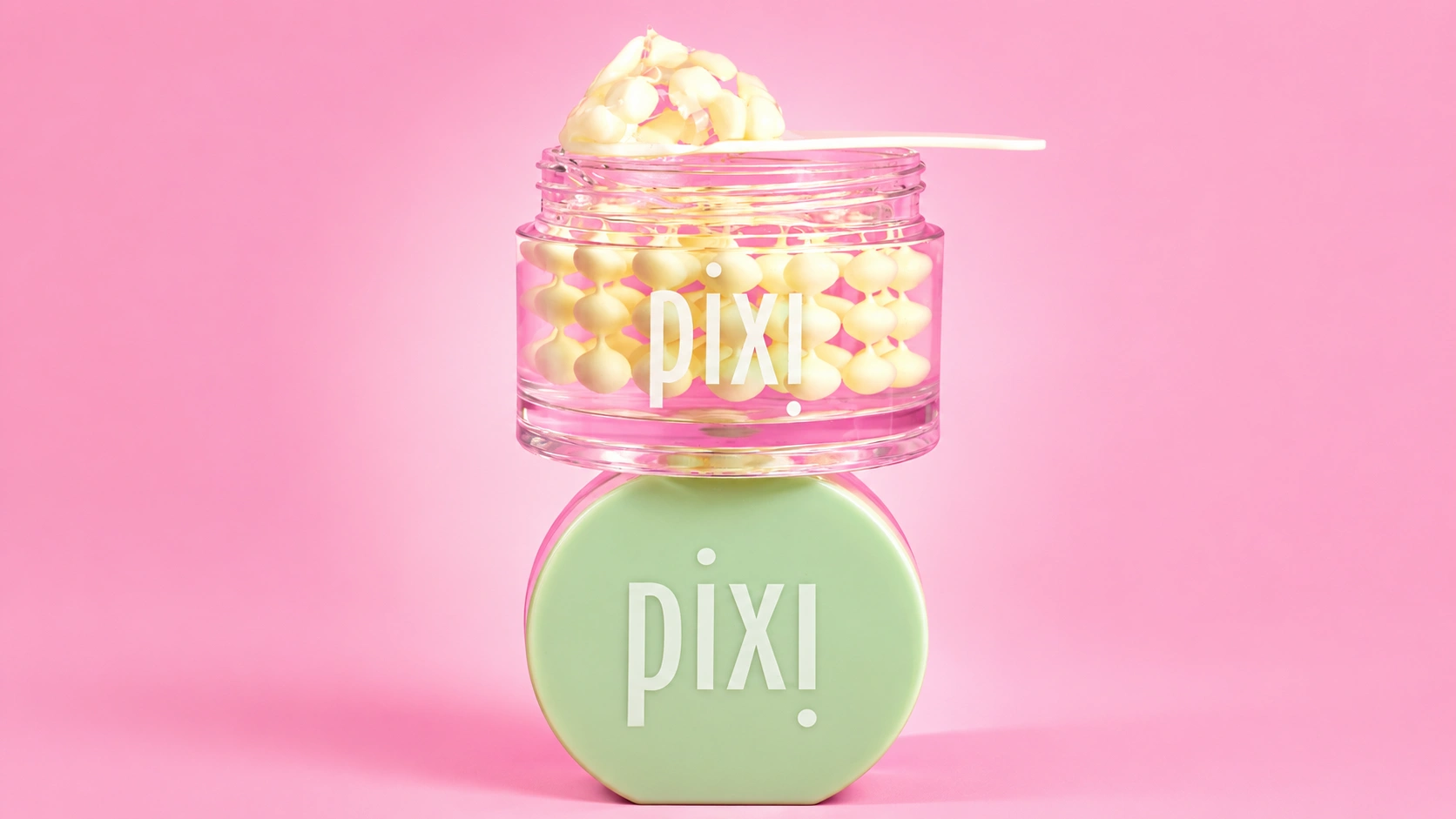
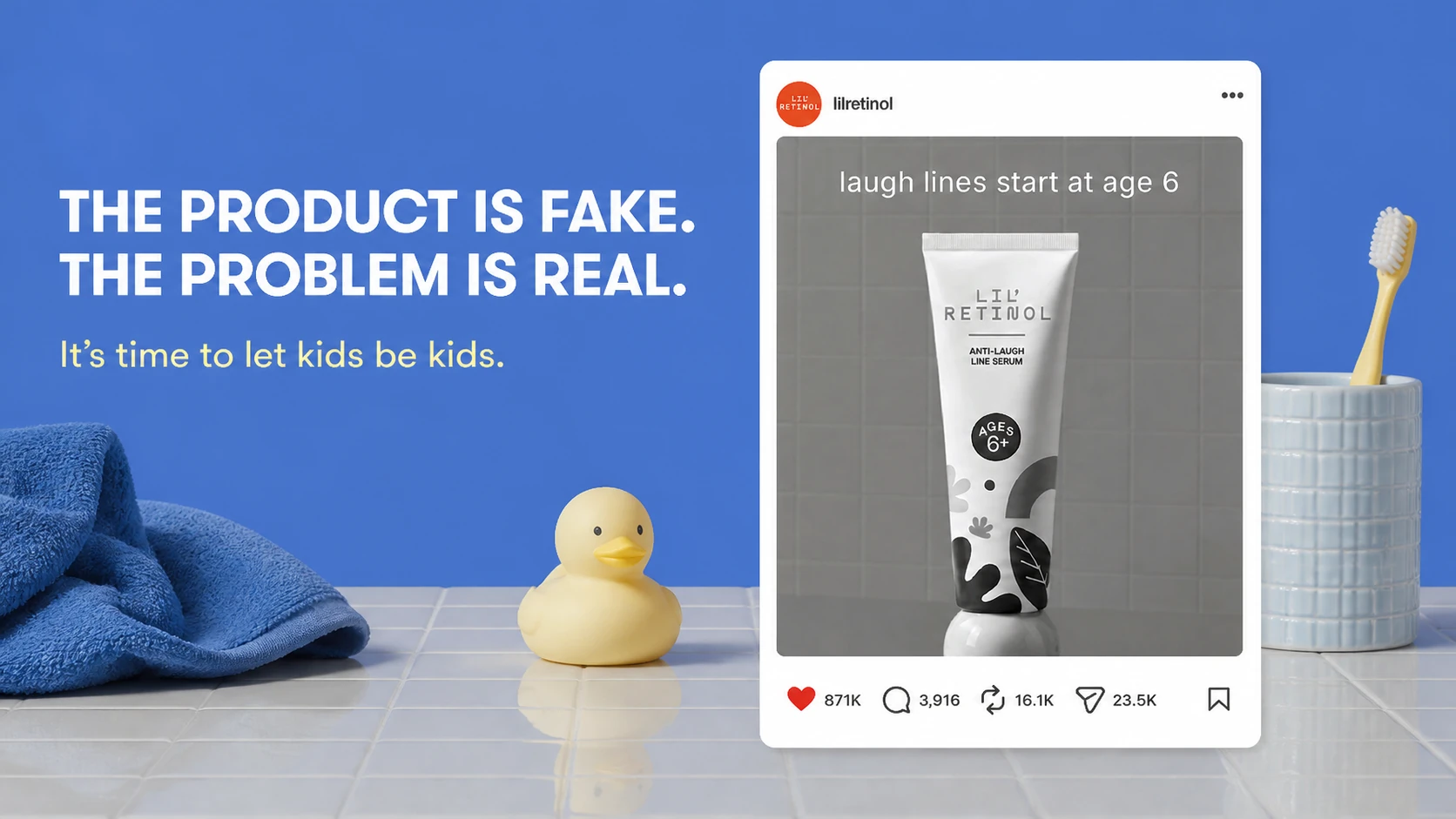
Frida’s Lil’ Retinol campaign exposes the reach of adult beauty culture while introducing 32 personal care products designed around children’s everyday routines.
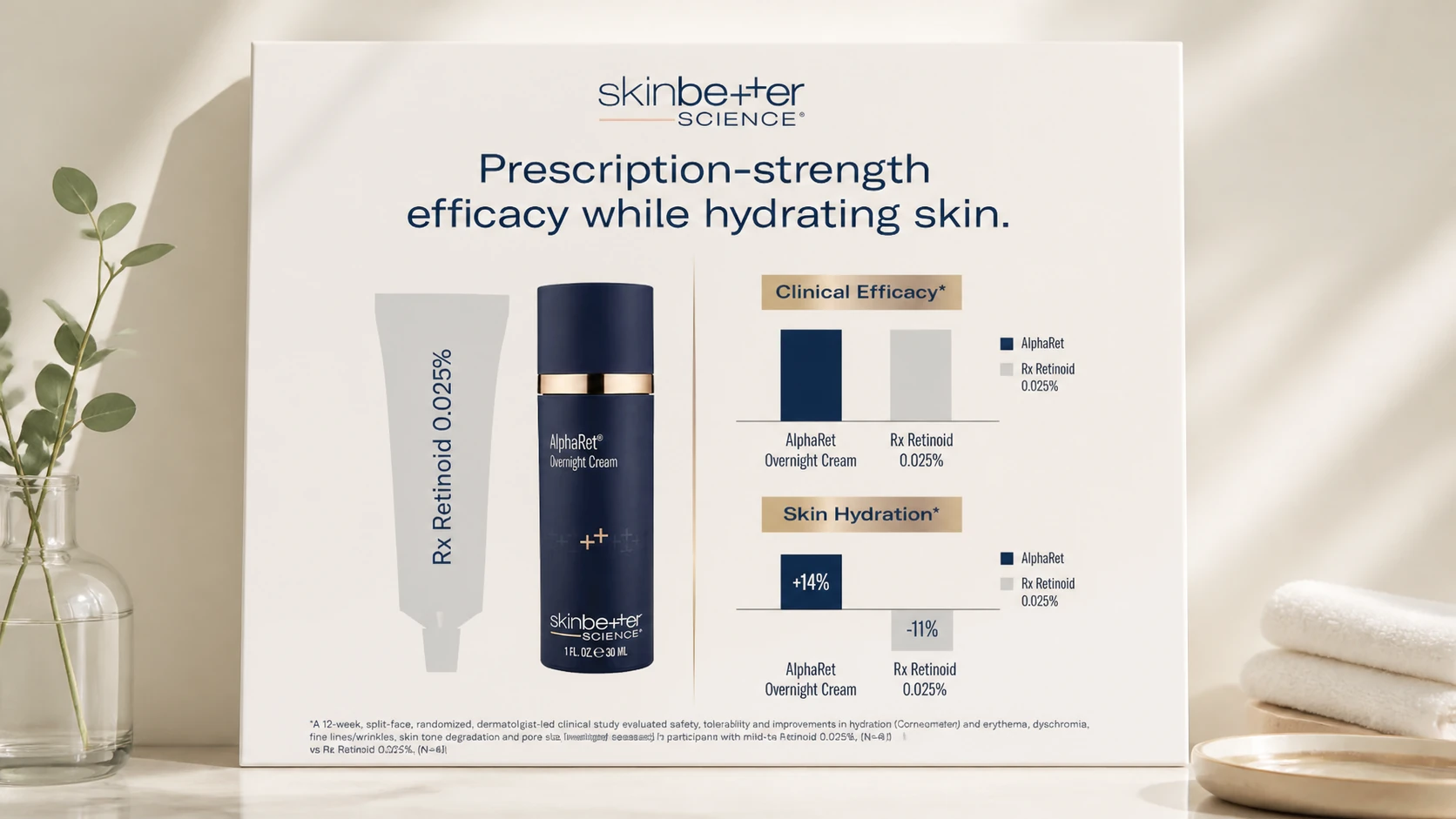
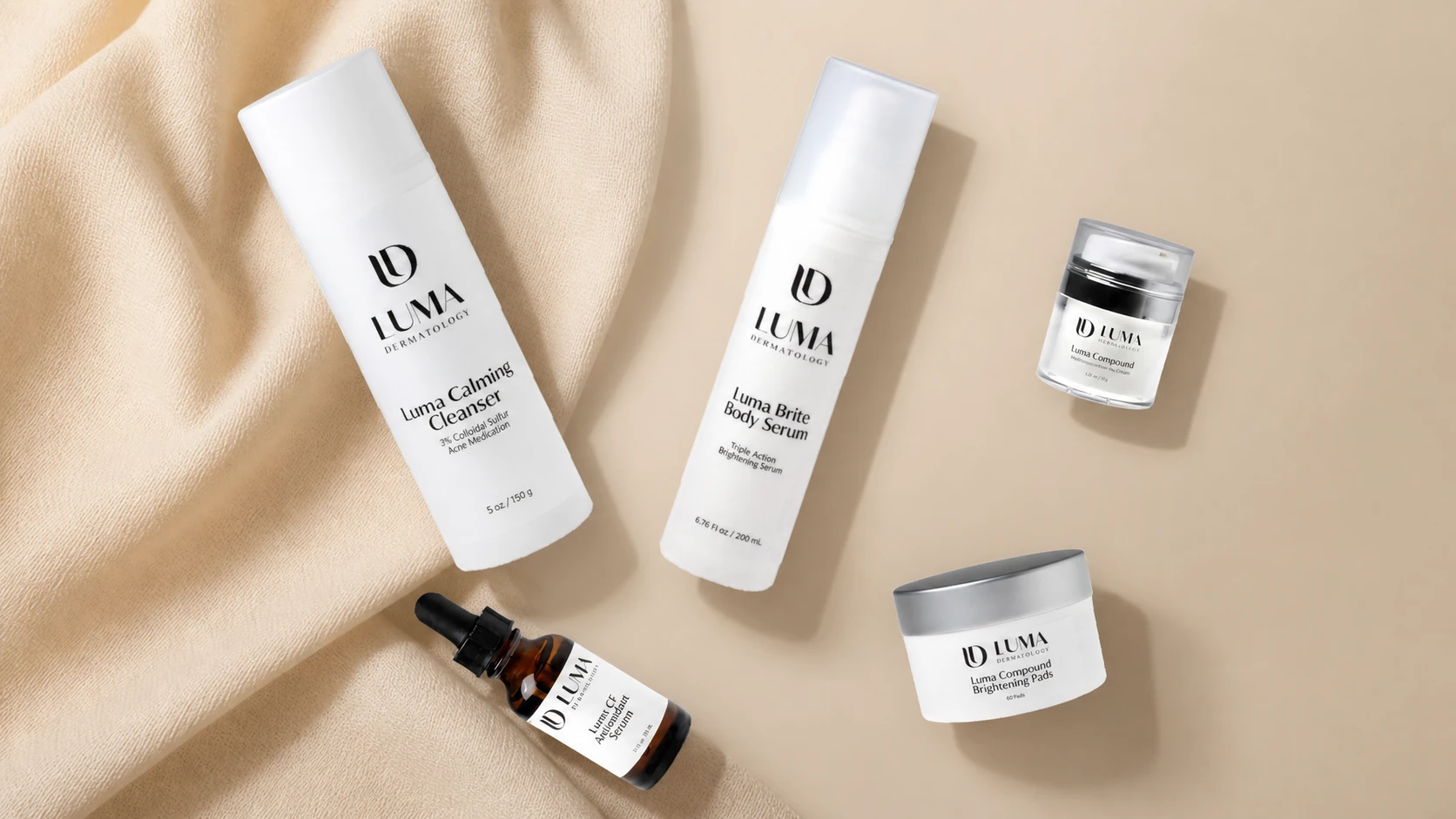
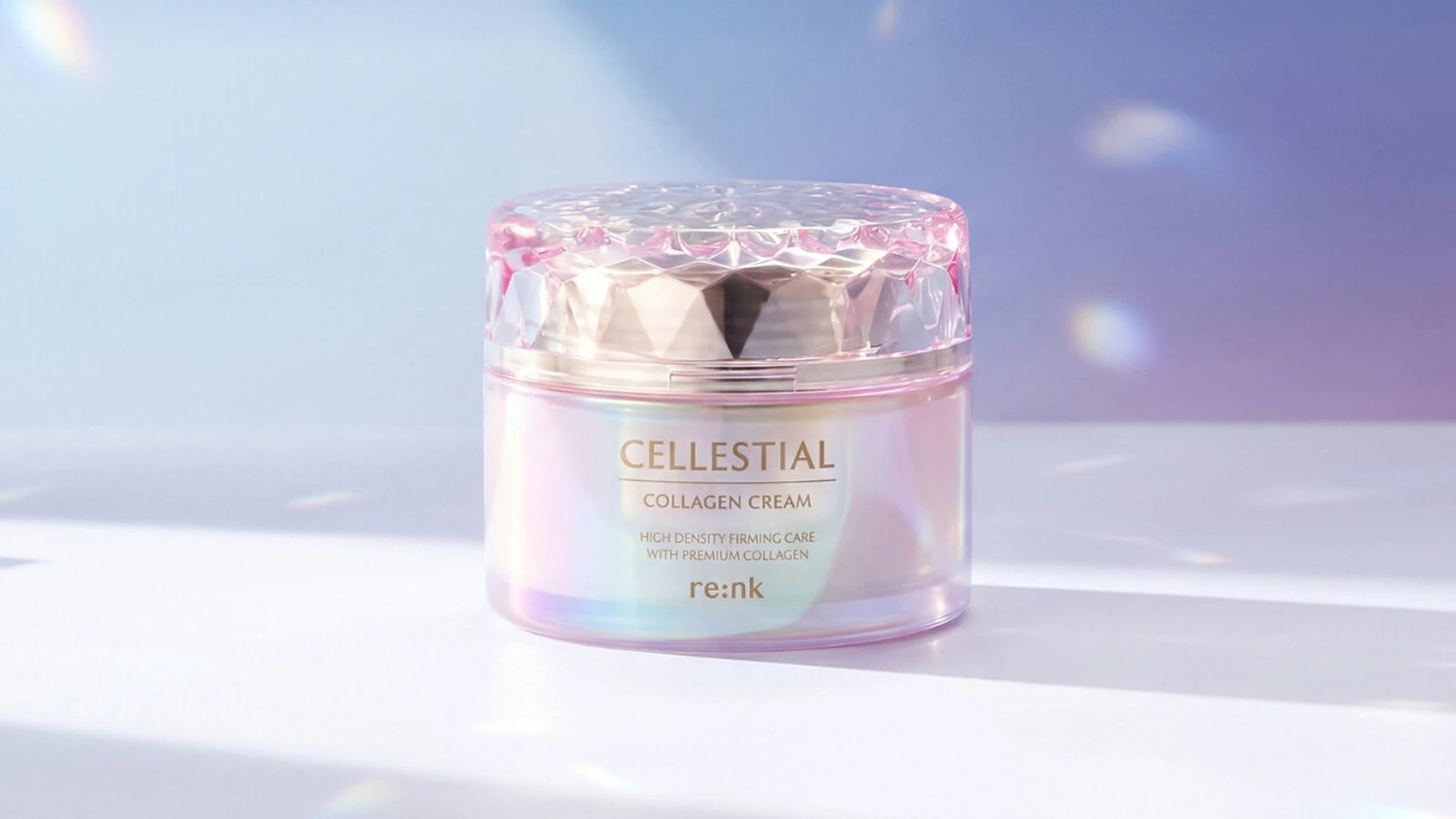
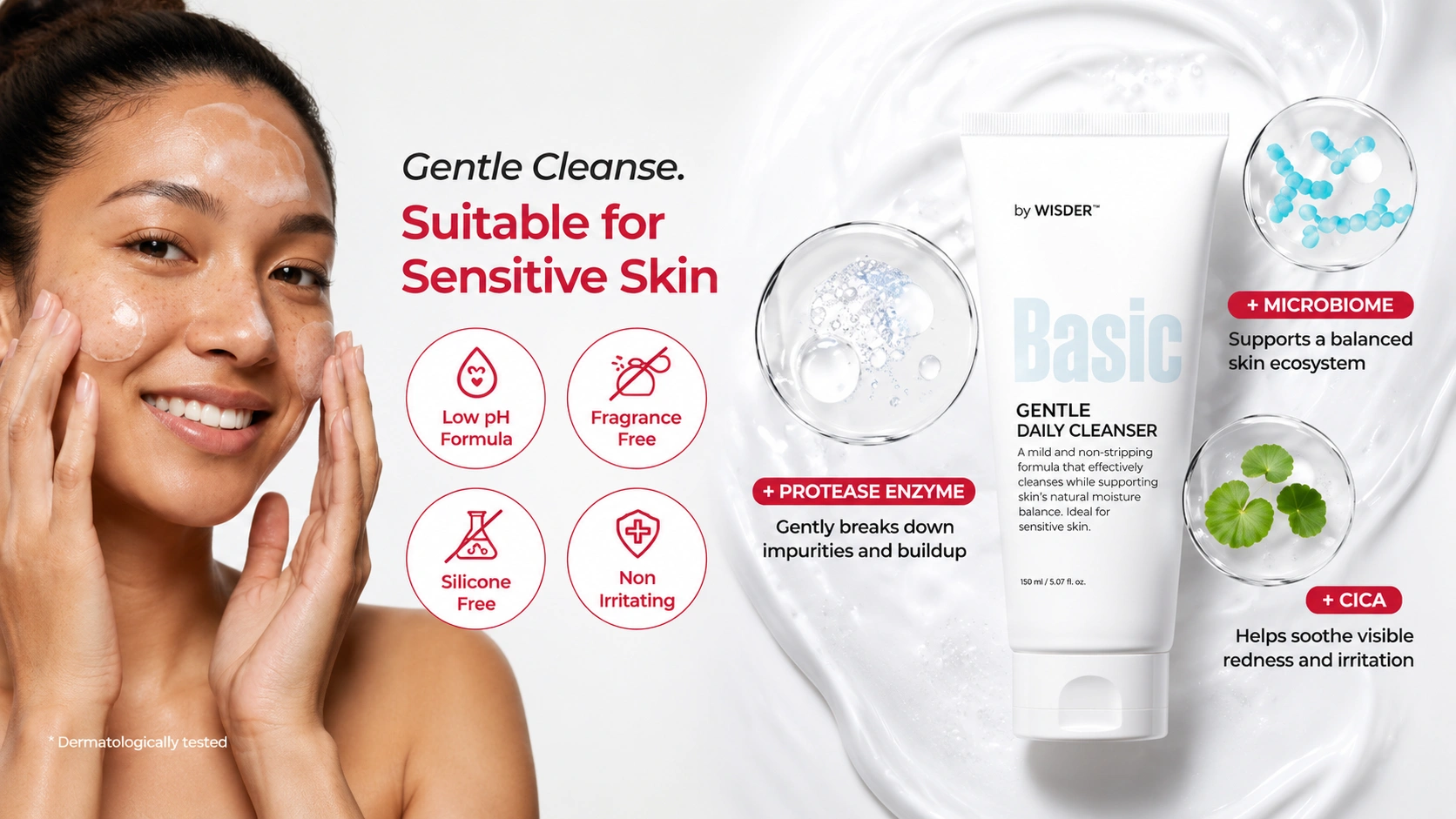
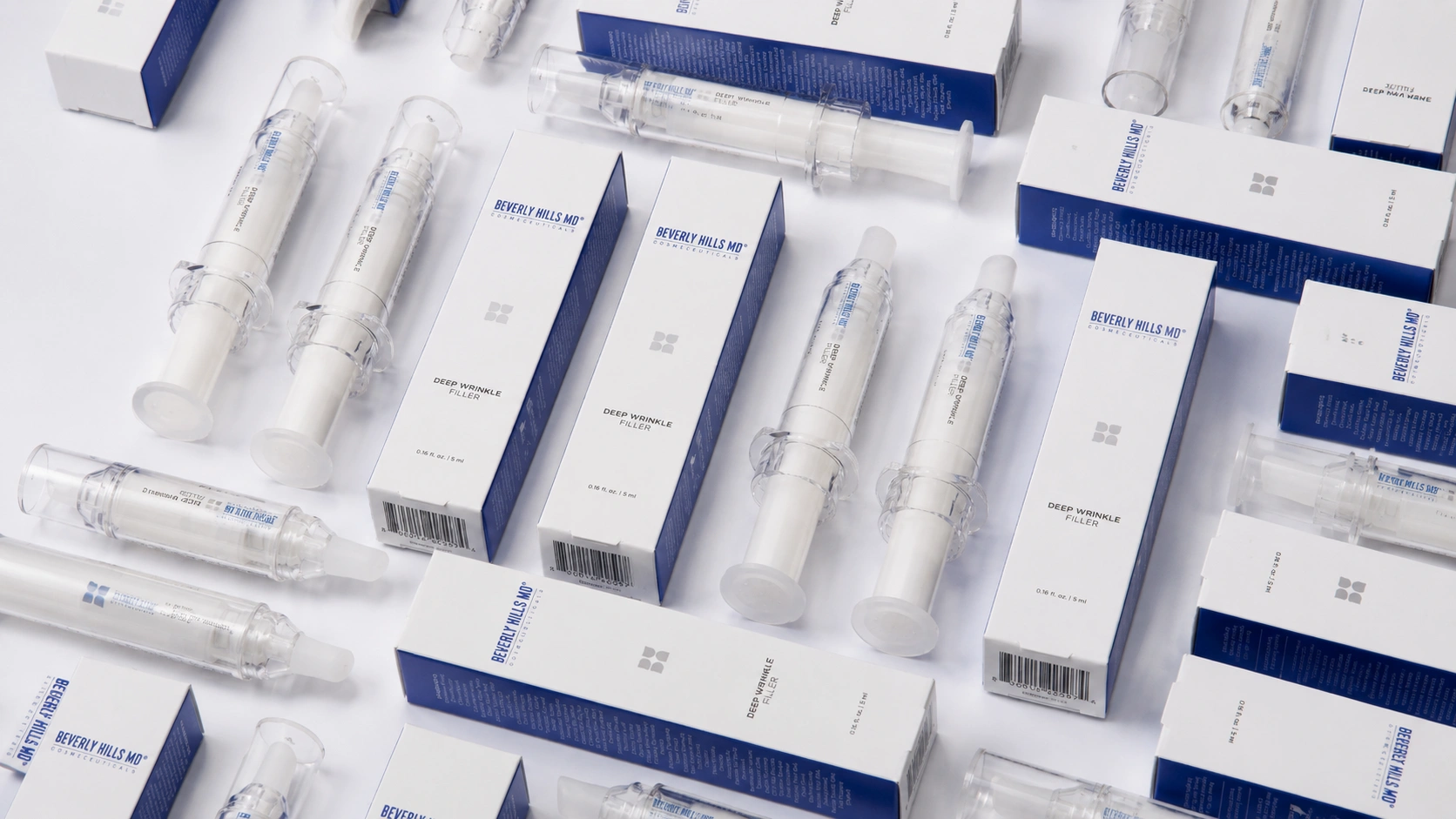
Frida has created a fictional anti-ageing skincare brand for six-year-olds to spotlight the growing presence of adult beauty culture in childhood, while introducing a 32-product personal care line for children. Lil’ Retinol was presented across social media as a plausible brand selling anti-ageing skincare, complete with polished packaging, anti-ageing claims and AI-generated creator content. The concept was intended to make people question whether such a product could exist, before Frida disclosed that the brand was fictional.
The campaign is built around a tension Frida says is becoming harder for families to ignore. Children are encountering adult skincare language, active ingredients and elaborate routines through social media, while parents are still working to establish basic hygiene habits. NielsenIQ research cited by Frida indicates that beauty spending associated with households with tweens and teens grew 12.4%, while Frida’s own 2026 research found that 60% of parents identify basic hygiene as one of their biggest daily challenges.
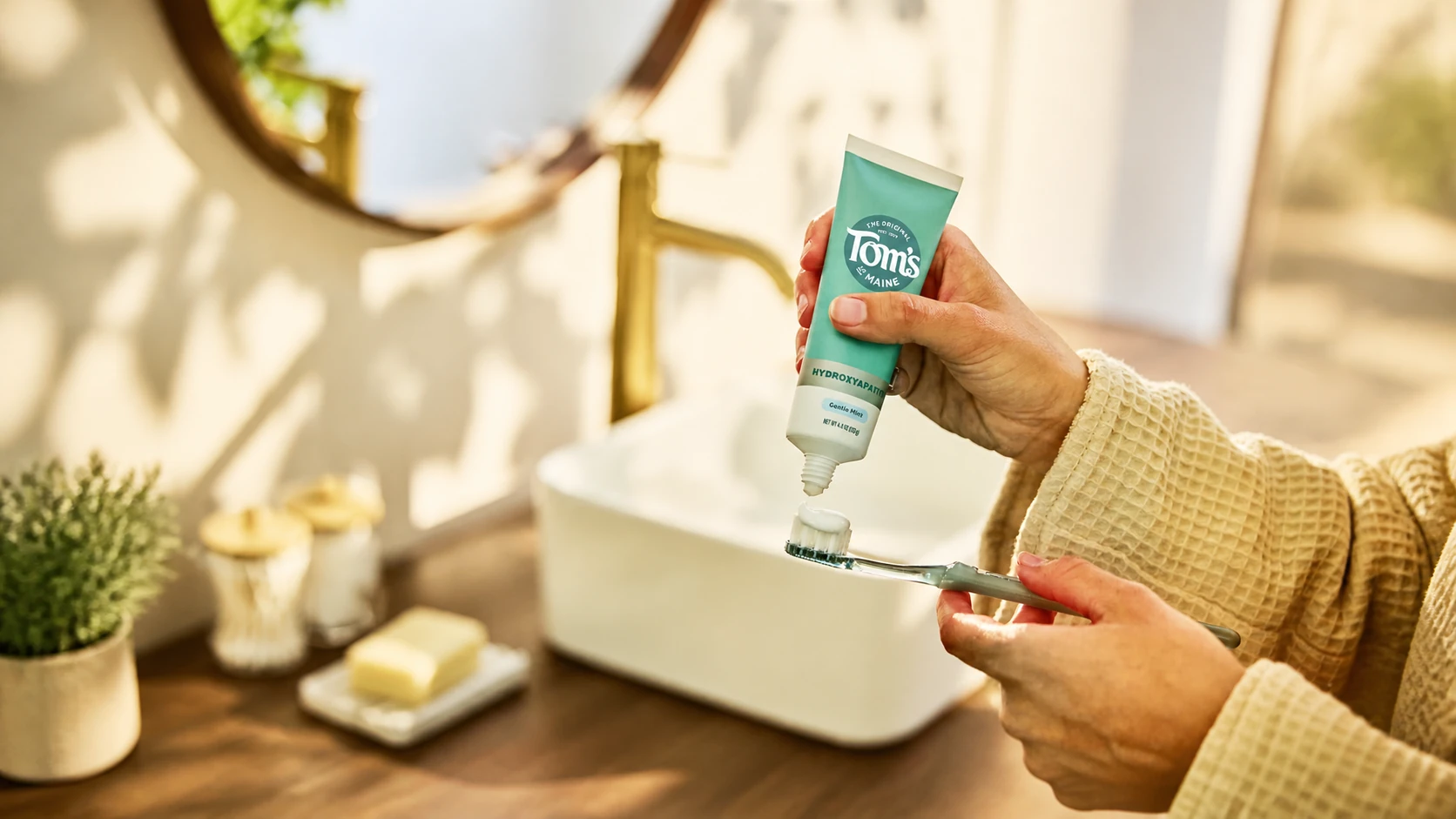
Frida also said 42% of children have refused a shower while still wanting to complete a skincare routine. Its response is Frida Kids Personal Care, a range spanning body care, hair care and oral care, with dermatologist-developed formulas designed for children’s current stage rather than for teenage or adult concerns. The line is intended to help children take greater ownership of brushing their teeth, washing their bodies, caring for their hair, wearing deodorant and getting ready independently.
The positioning places the range between two established parts of the children’s market: products that can feel like repackaged baby formulas and products that borrow the routines or messaging of older consumers. Frida’s argument is that children need age-appropriate tools for mastering everyday hygiene before they are introduced to concerns such as acne, active ingredients or anti-ageing. The fictional brand therefore functions less as a product concept than as a demonstration of how easily adult beauty conventions can appear credible when adapted for children.
For Frida, the move extends its problem-solving approach beyond baby and postpartum care into a stage when children begin managing more of their own routines. The company says its portfolio now includes more than 200 products across baby, postpartum, fertility and personal care, with availability in more than 50 countries and major US retailers. By pairing a deliberately implausible skincare proposition with a practical children’s range, Frida is making a restrained case for simpler, more age-specific personal care.