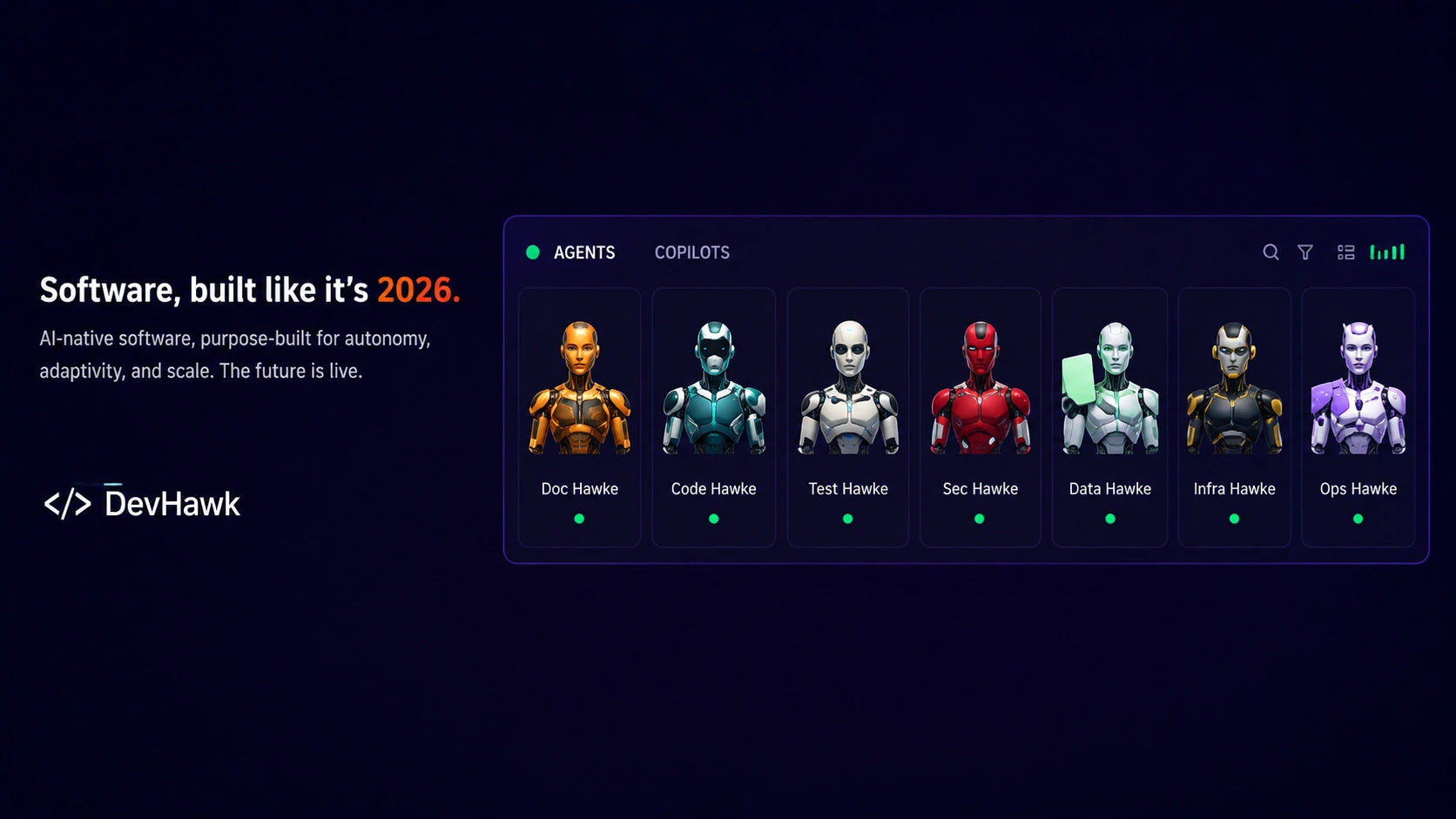
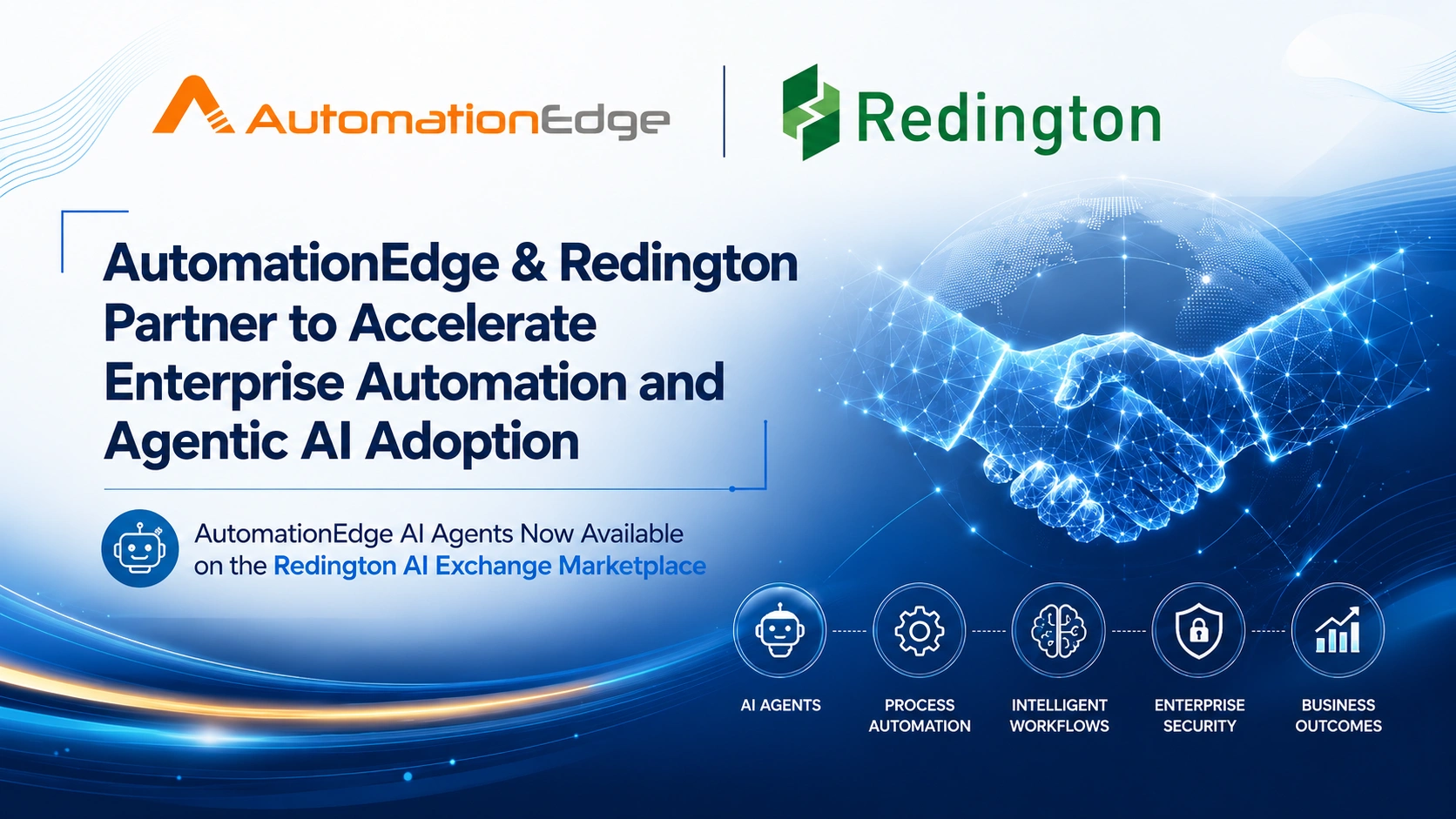
The partnership brings pre-built AI agents and automation tools into Redington’s marketplace, reflecting a shift from isolated AI experiments toward broader operational deployment.
Redington Limited and AutomationEdge have formed a strategic partnership aimed at making enterprise automation and agentic AI easier to deploy through established technology distribution channels. AutomationEdge’s AI agents and automation products will be offered through the Redington AI Exchange Marketplace, giving partners and customers a centralized route to discover, evaluate and implement the technology.
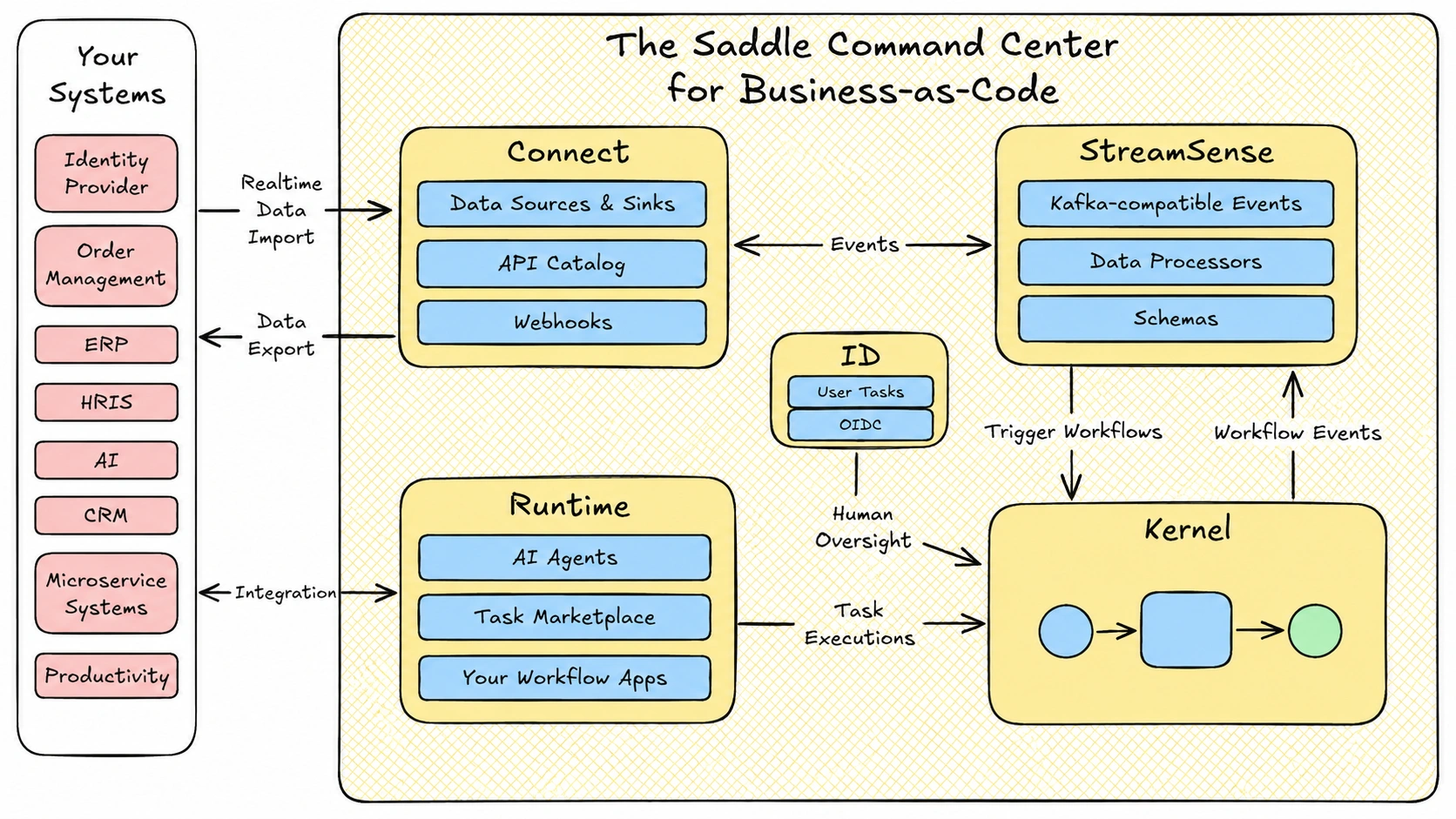
The arrangement reflects a broader challenge facing companies moving from AI experimentation into practical use. Individual automation projects can often be introduced within specific teams, but extending them across an organization requires implementation expertise, governance and integration with existing processes. By combining Redington’s partner network with AutomationEdge’s process automation platform, the companies are attempting to create a more structured path from initial evaluation to wider deployment.
The partnership will focus on pre-built automation workflows and AI agents for functions including banking, insurance, IT, human resources, customer service and finance. Alongside ready-to-deploy workflows, the offering will include demonstration environments and implementation frameworks intended to reduce the work required to introduce automation into existing operations. The companies are positioning this approach as an alternative to fragmented projects that remain confined to individual departments or use cases.
Distribution is only one part of the strategy. Redington and AutomationEdge also plan partner training programs, workshops, product demonstrations and proof-of-concept engagements designed to help technology providers sell and implement the systems for enterprise and mid-market customers. Local implementation support and customer services are also part of the partnership, recognizing that deploying AI agents involves ongoing management rather than simply purchasing software.
The collaboration is notable for how it frames the next stage of enterprise AI adoption: less around access to AI models themselves and more around turning them into repeatable business processes. As agentic systems become capable of carrying out increasingly complex sequences of tasks, organizations will have to determine where autonomy is useful and how those systems should be governed. Partnerships such as this one suggest technology distributors and implementation networks could play an important role in translating emerging AI capabilities into operational tools that businesses can realistically deploy at scale.