Sunny Workplace’s new survey and AI translation tool highlight how generational slang and workplace jargon are reshaping communication as more age groups work side by side.
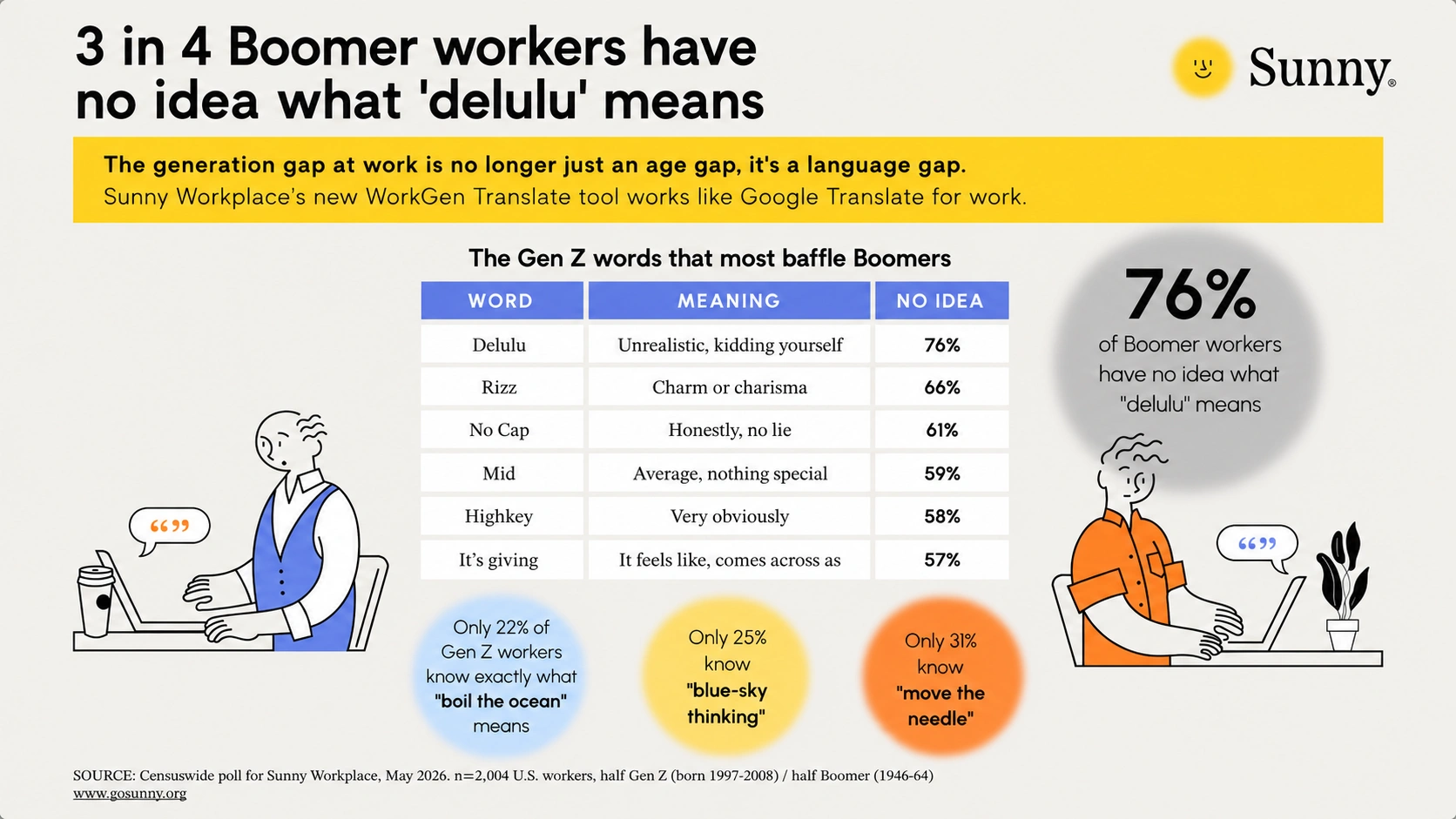
Sunny Workplace has introduced WorkGen Translate, an AI-powered tool designed to translate workplace messages into language that different generations may find easier to understand. The launch coincides with new survey findings suggesting that communication styles can vary significantly between age groups, particularly as Gen Z employees enter organizations already populated by more experienced workers. While the tool is intended as a lighthearted resource rather than a business-critical application, it draws attention to a broader issue facing today’s multigenerational workplaces: the growing complexity of everyday communication.
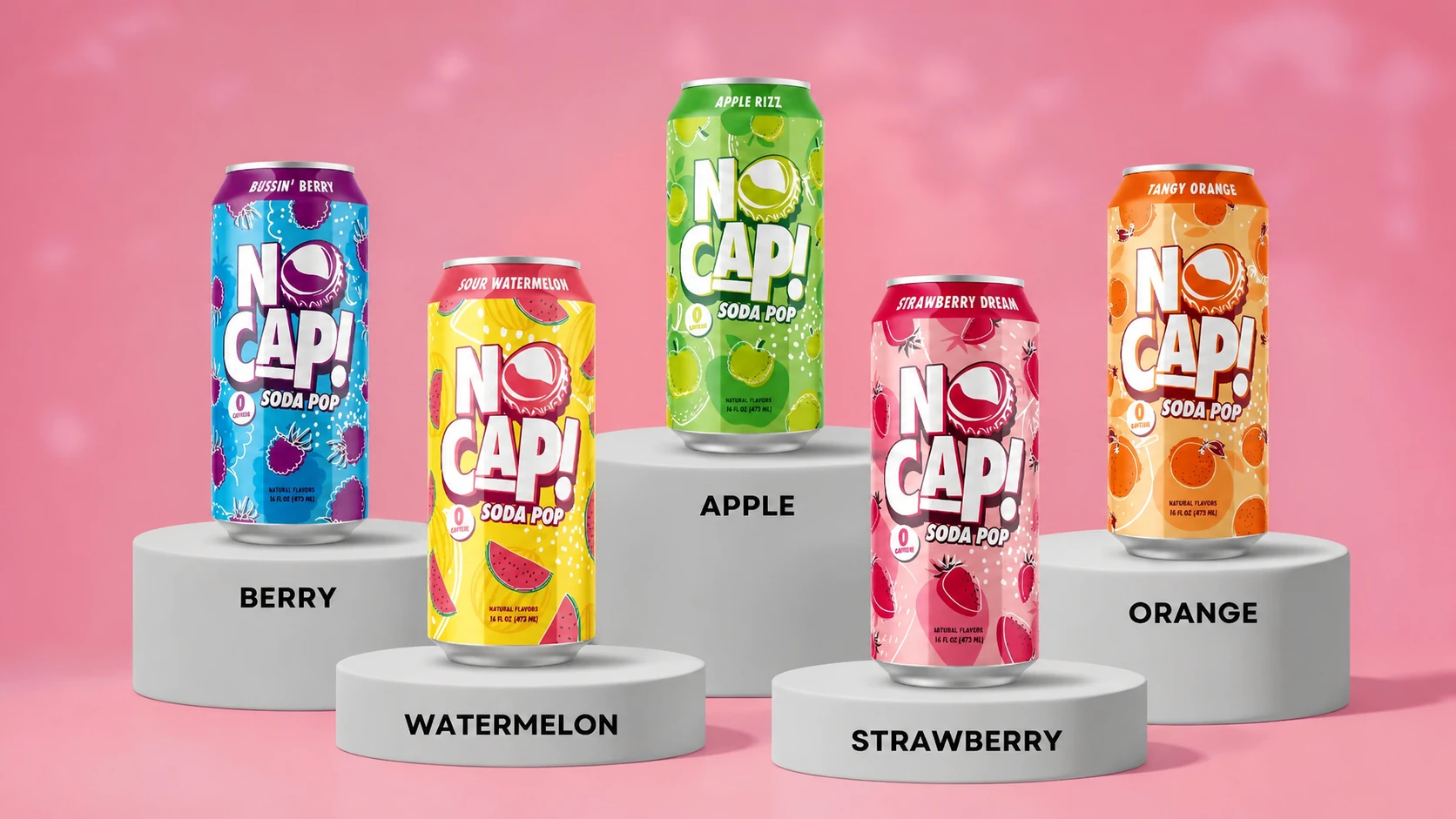
As organizations become more age-diverse, language itself is emerging as an overlooked source of workplace friction. Younger employees often bring internet-influenced expressions such as “delulu,” “rizz,” and “no cap” into casual conversations, while long-established business phrases like “boil the ocean” or “blue-sky thinking” remain common among senior colleagues. Neither style is inherently better or worse, but differences in familiarity can create misunderstandings that are easily mistaken for poor communication or even differing attitudes.
Sunny Workplace’s survey of 2,004 U.S. workers, conducted by Censuswide and evenly split between Gen Z and Baby Boomers, found that 76 percent of Boomers did not know the meaning of “delulu,” while 66 percent were unfamiliar with “rizz” and 61 percent did not understand “no cap.” The gap worked in both directions. More than half of Gen Z respondents said they were unfamiliar with the phrase “boil the ocean,” and only one-quarter said they understood “blue-sky thinking.” The research also found that 80 percent of Gen Z workers view generational language differences as a workplace challenge, compared with 30 percent of Boomers.
The findings arrive as employers continue adapting to hybrid work, digital collaboration, and the rapid adoption of AI-powered communication tools. Informal conversations increasingly take place through platforms such as Slack and Microsoft Teams, where written language, internet culture, and workplace jargon frequently overlap. In these environments, small misunderstandings can accumulate, particularly when colleagues interpret unfamiliar phrases differently from their intended meaning.
Sunny Workplace’s survey suggests that effective workplace communication increasingly depends on more than simply sharing information. As organizations bring together employees from multiple generations, developing a shared understanding of language may become just as important as mastering new technologies, helping teams collaborate more effectively without requiring everyone to communicate in exactly the same way.